Ultimate Guide to Beihai Park, Beijing: What to See and How to Visit
Beijing is home to more than 1,500 parks, each offering its own slice of history, culture, and calm amid the city’s constant buzz. We wanted to explore as many of them as possible during our stay, from imperial gardens to quiet lakeside retreats, and Beihai Park quickly became one of our favorites. With its shimmering lake, ancient pagodas, and peaceful walkways, it’s a place where you can truly feel the city’s imperial past blending with everyday life. If you only have time for a few parks in Beijing, this is one we can highly recommend. Continue reading to learn how to visit and what to expect.
- Why Visit Beihai Park
- What Is Beihai Park Famous For
- How to Get to Beihai Park
- Park Entrances
- Beihai Park Opening Hours
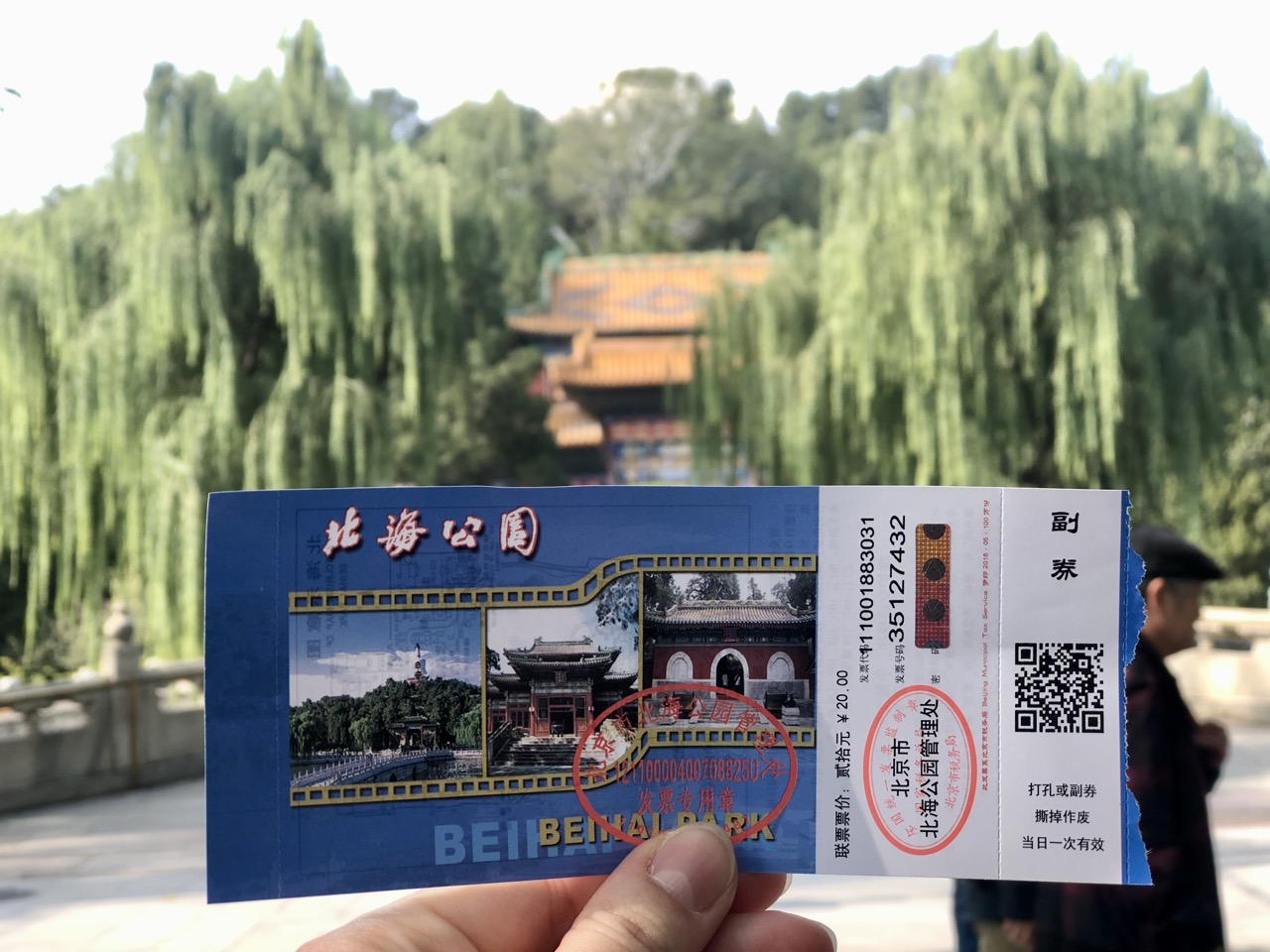
- Ticket Prices for Beihai Park
- Where to Buy a Ticket & Payment Options
- Facilities and Amenities at Beihai Park
- Beihai Park History & Facts
- The Legend Behind Beihai Park
- Our Waddle Through Beihai Park
- Beihai Park Quick Facts
- What To Expect to See
- Is Beihai Park Worth Visiting
- How long does it take to visit Beihai Park

Why Visit Beihai Park
Beihai Park isn’t just one of Beijing’s oldest imperial gardens; it’s also one of its most beautiful. Spanning over 1,000 years of history, this lakeside oasis offers a perfect mix of culture, nature, and tranquility right in the center of the capital. You can stroll along willow-lined paths, take a boat across the shimmering Beihai Lake, or climb up to the White Dagoba for panoramic views of the Forbidden City. The park’s temples, pavilions, and lotus ponds reveal a side of Beijing that feels timeless. Whether you’re after peaceful scenery, photography spots, or a glimpse into imperial China, Beihai Park is a must-visit.

What Is Beihai Park Famous For
Beihai Park is famous for being one of China’s oldest and best-preserved imperial gardens, dating back over a millennium. Once part of the royal palace complex, it was a private retreat for emperors of the Liao, Jin, Yuan, Ming, and Qing dynasties. The park’s most iconic landmark is the White Dagoba, a striking Tibetan-style stupa that sits atop Jade Flower Island and symbolizes peace and unity. Beihai is also renowned for its scenic lake views, classical Chinese architecture, and beautiful seasonal lotus blossoms, making it a beloved spot for both locals and travelers seeking calm in the heart of Beijing.
How to Get to Beihai Park
Beihai Park is in central Beijing, just northwest of the Forbidden City, making it easy to reach from most parts of the city. The park is well connected by metro, bus, or taxi.
- By Metro: Take Line 6 to Beihai North Station (Exit B), the most convenient option, leading directly to the North Gate. You can also reach the South Gate by taking Line 8 to Shichahai Station and walking about 10 minutes.
- By Bus: Several city buses stop near all main gates (routes 101, 103, 109, 124, 619, 685).
- Waddling: We waddled from the Forbidden City to the park.
Park Entrances
Beihai Park has four main entrances, and each offers a different experience:
- South Gate (Main Entrance). Closest to the Forbidden City, ideal if you’re combining both visits in one day.
- North Gate. Nearest to Beihai North Metro Station; perfect for entering directly by subway.
- East Gate. Quieter and less crowded, it is often used by locals for morning walks.
- West Gate. Provides lovely access to the lake area and the Nine-Dragon Wall.
If it’s your first time visiting, start from the South Gate and exit via the North Gate; this route gives you the best flow through the park and covers its main highlights.
Beihai Park Opening Hours
Beihai Park is open year-round, but the exact hours vary slightly by season.
- April to October: 6:30 AM – 9:00 PM (last entry at 8:30 PM)
- November to March: 6:30 AM – 8:00 PM (last entry at 7:30 PM)
The indoor attractions, such as the White Dagoba and specific temple halls, usually open a bit later in the morning and close earlier in the afternoon, so it’s best to plan your visit accordingly. Arriving early is a great idea if you want to enjoy the park in peace before the crowds arrive, especially around the lake and bridges.
Ticket Prices for Beihai Park
- Adults (peak season, Apr 1 – Oct 31): ¥10
- Adults (off-season, Nov 1 – Mar 31): ¥5
- Combined / “through” ticket (main entrance + special attractions):
-
- Peak season: ¥20
- Off season: ¥15
-
- Free / reduced eligibility:
-
- Children under 120 cm (or under 6 years old) often enter free of charge.
- Seniors (e.g. over 60) may also qualify for free or reduced admission.
- Plushies: free entry
-
Note: The “combined” ticket gives access to additional scenic spots such as Qiongdao Island and the Circular City area.
Where to Buy a Ticket & Payment Options
You can buy tickets for Beihai Park directly at the on-site ticket windows, usually located at the South Gate or other main entrances. We purchased ours on site without any issues. However, tickets can also be booked online in advance, which is especially useful for foreign visitors, as some platforms require a reservation at least one day ahead, including details like passport number and nationality. Payment is straightforward — cash (RMB) is accepted at the ticket windows, and most places also support digital payments such as WeChat Pay and Alipay. If you book online, you’ll receive an e-ticket with a QR code that can be scanned directly at the entrance for a smooth entry.
Facilities and Amenities at Beihai Park
-
- Restrooms. Available near all main entrances and popular areas such as the White Dagoba and Circular City.
- Cafés and Snack Stalls. Small tea houses and food stands serve drinks, local snacks, and light meals around the lake.
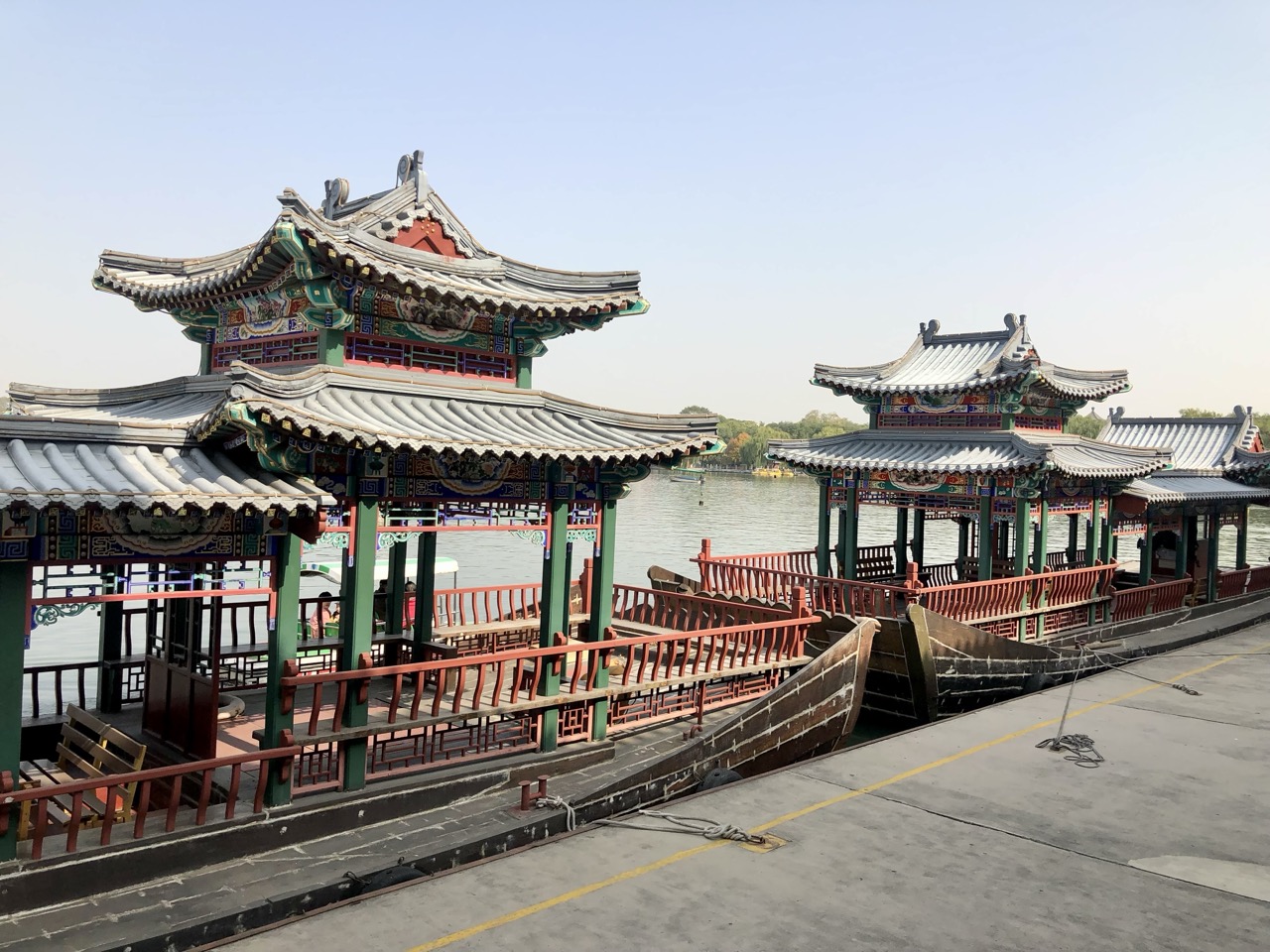
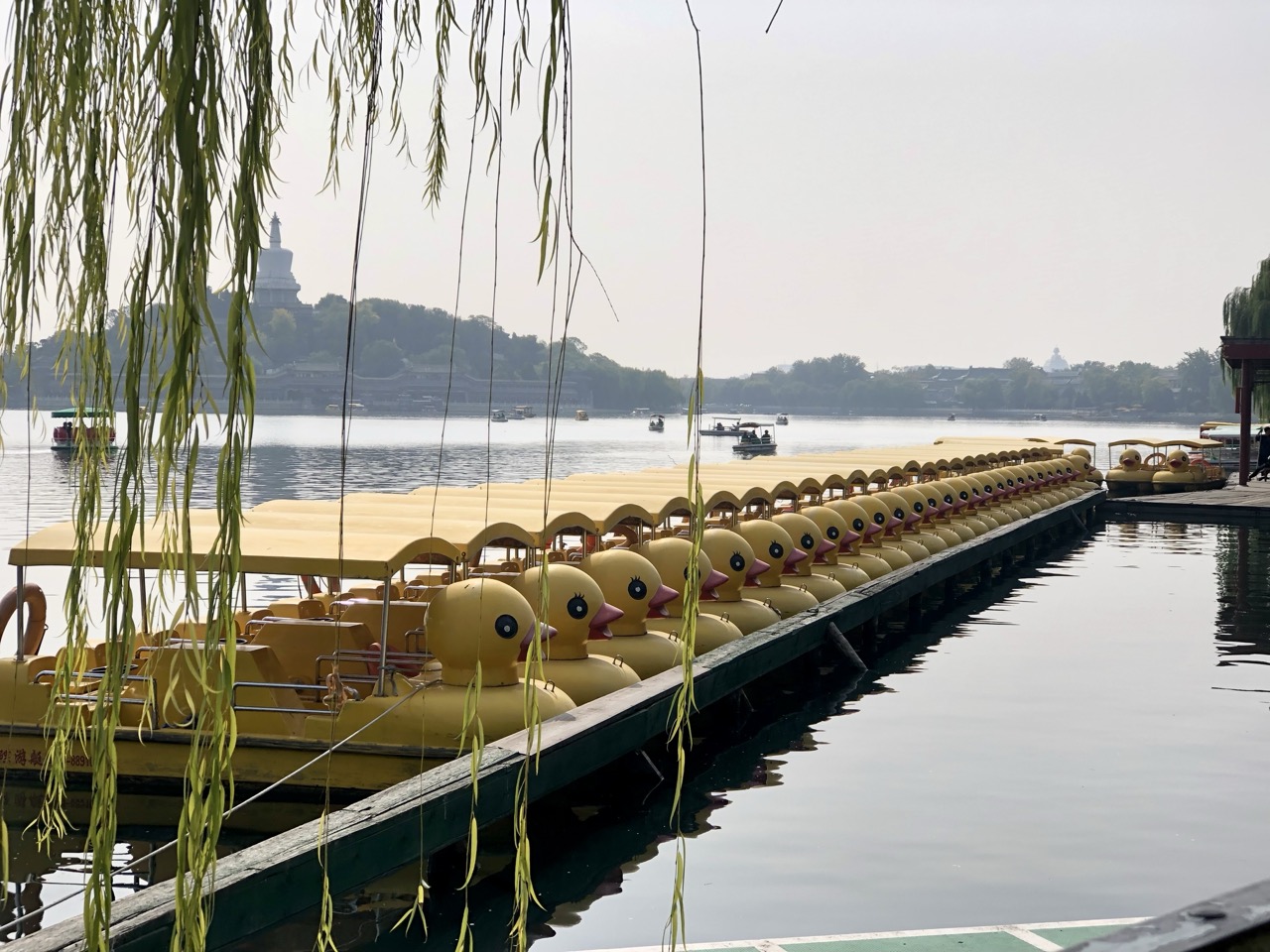
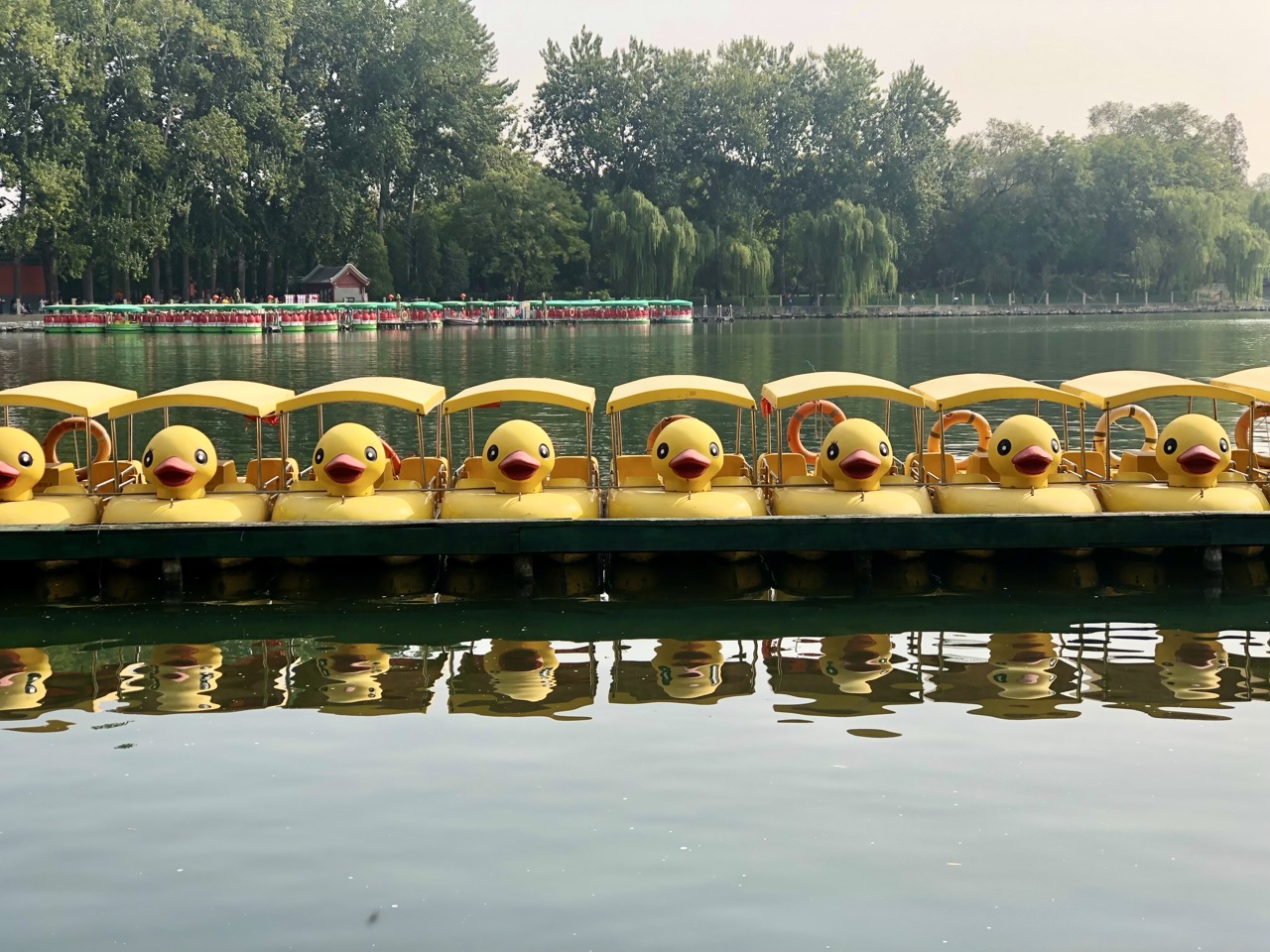
- Boat Rentals. You can rent pedal boats or rowboats to explore Beihai Lake, a fun way to see the park from the water.
- Souvenir Shops. Sell postcards, traditional crafts, and small keepsakes near the South and North Gates.
- Seating Areas. Benches and shaded spots are scattered throughout the park, ideal for relaxing and enjoying lake views.
- Information Boards. Bilingual signs (Chinese and English) explain the history and layout of key attractions.
- Accessibility. Paved paths make most areas wheelchair and stroller friendly, though some older sections have stairs.
- Wi-Fi and Charging Spots. Limited, but available near main cafés and rest areas.
- Security and First Aid. Staff patrols and first-aid posts ensure visitor safety, especially during peak hours.
Beihai Park History & Facts
- Over 1,000 years old. Beihai Park dates back to the 10th century, making it one of the oldest imperial gardens in China.
- Imperial origins. It was originally built as part of the royal palace complex for the Liao Dynasty, later expanded by the Jin, Yuan, Ming, and Qing dynasties.
- Inspired by Chinese mythology. The design was based on ancient legends about three mythical islands of immortality in the Bohai Sea.
- Jade Flower Island (Qiongdao). The small island at the park’s center was created during the Yuan Dynasty when Kublai Khan established his capital in Beijing.
- The White Dagoba. Built in 1651 during the Qing Dynasty to honor a visit by the 5th Dalai Lama, symbolizing peace between ethnic groups.
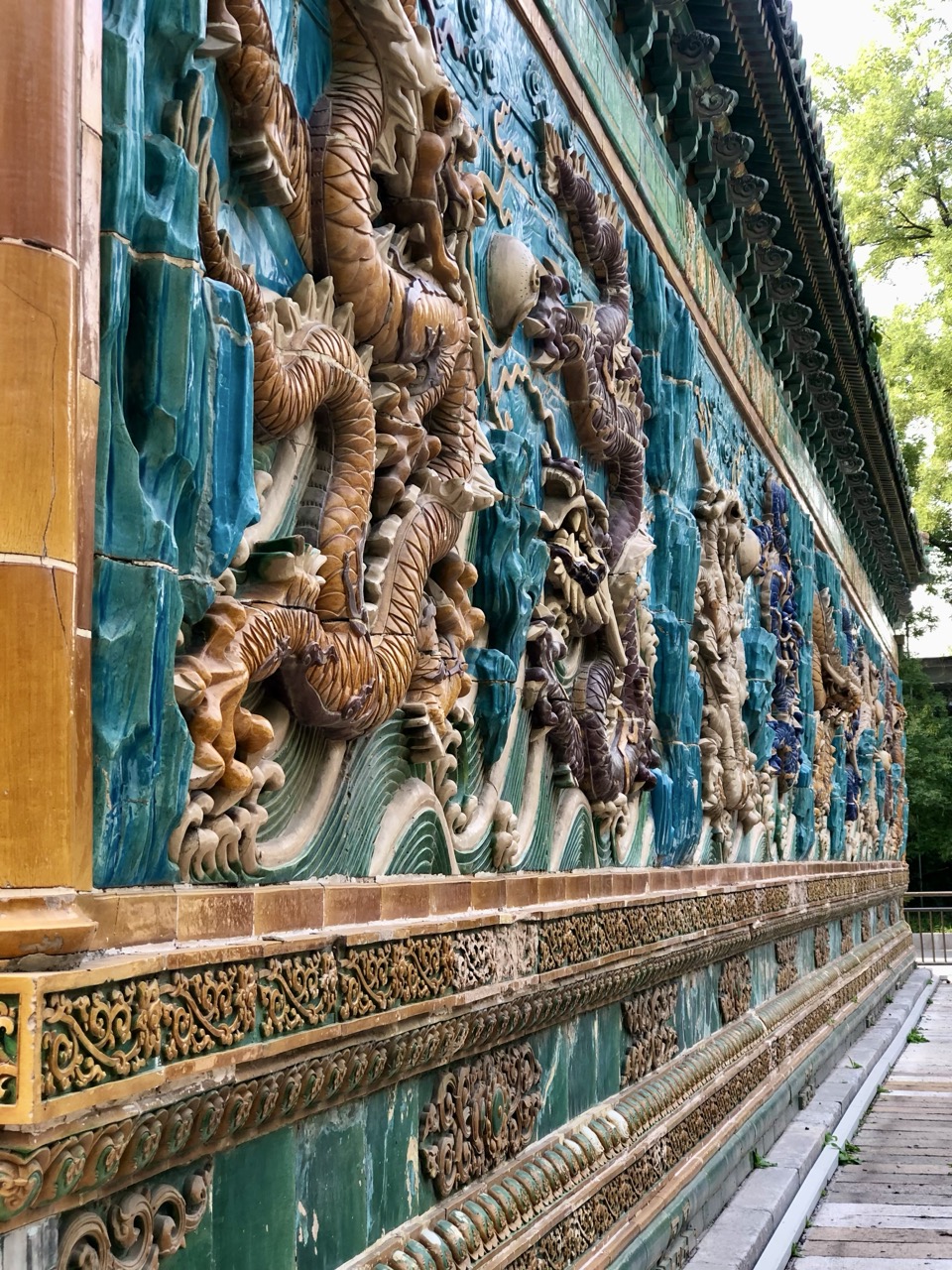
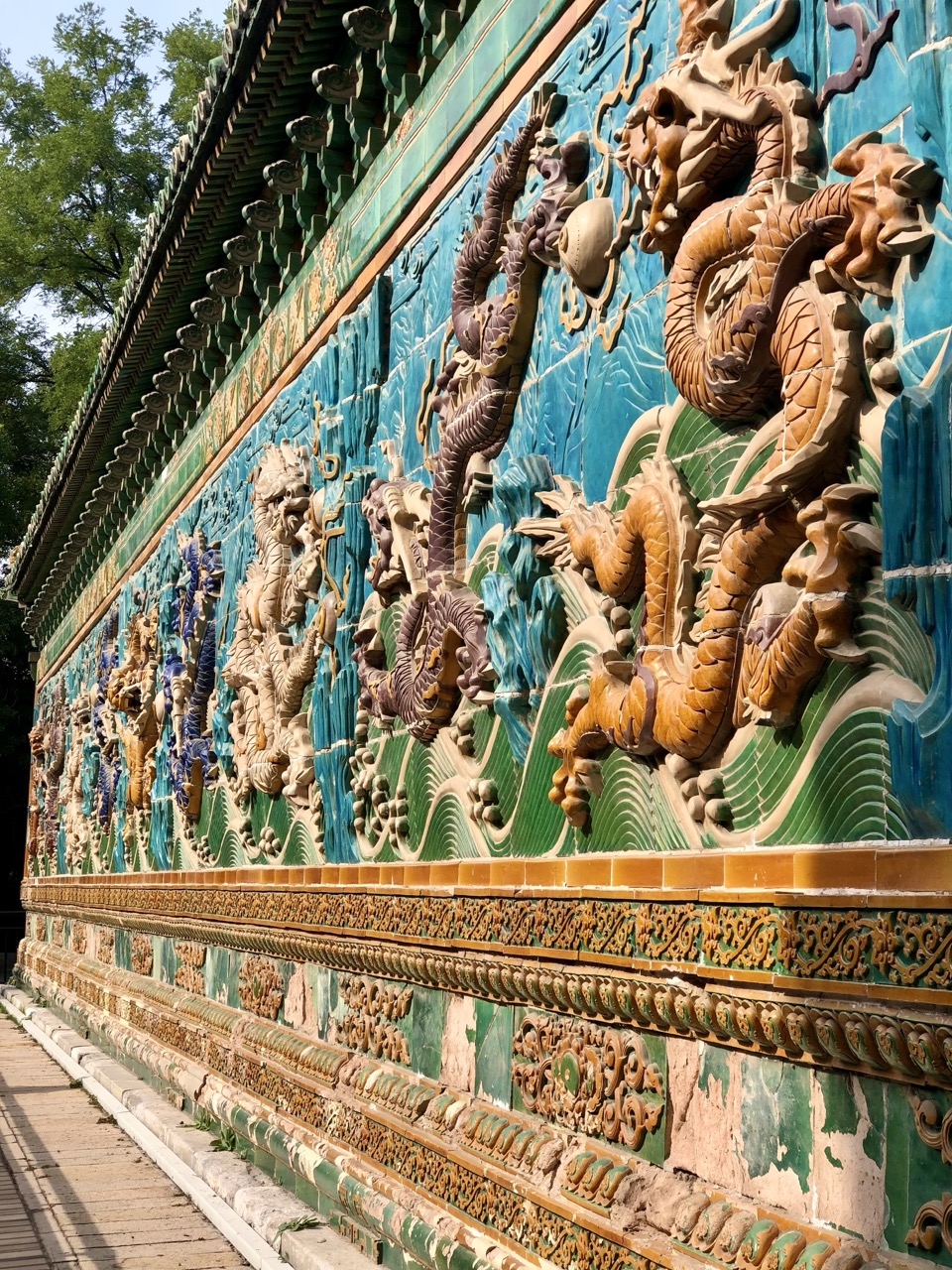
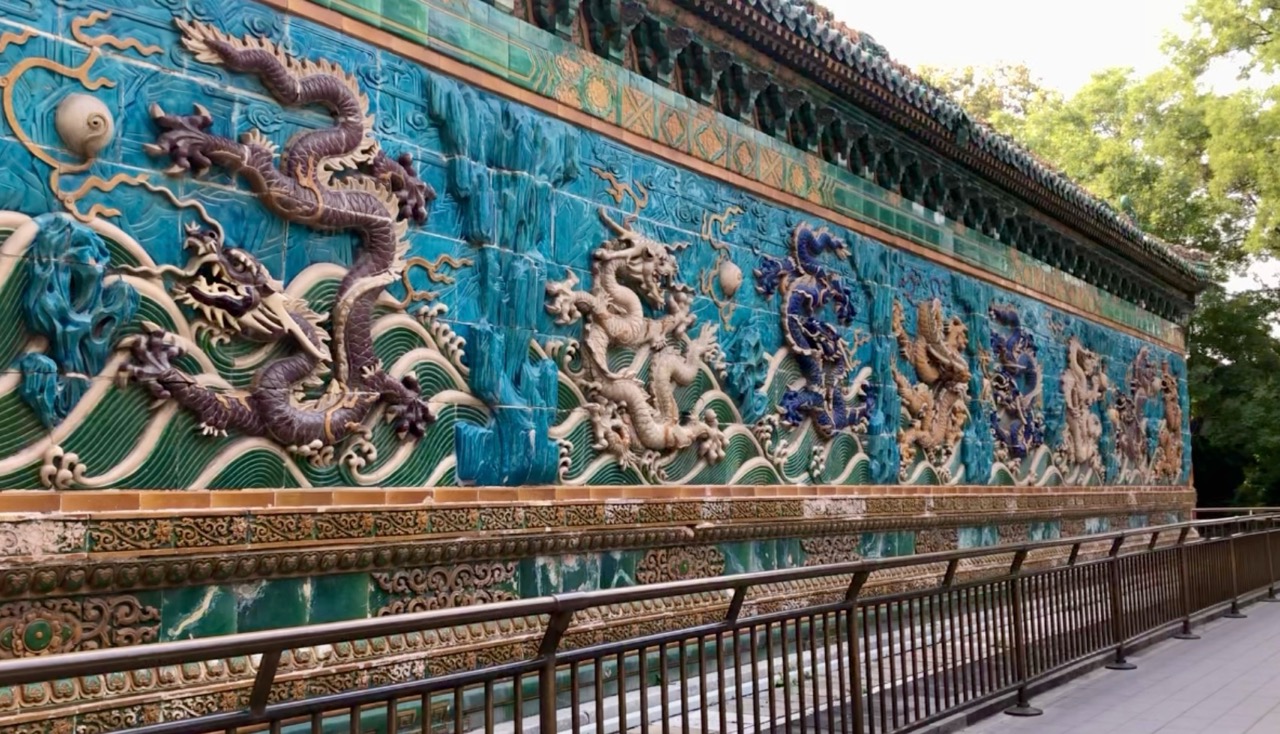
- Nine-Dragon Wall. One of only three such walls remaining in China, covered with 635 glazed tiles in vivid dragon designs.
- Royal retreat. For centuries, Beihai served as a private leisure garden for emperors and their families, closed to the public until 1925.
- Opened to the public. After the fall of the Qing Dynasty, it became a public park and remains one of Beijing’s most popular attractions today.
- UNESCO influence. While not a listed site itself, Beihai Park’s layout influenced the design of other World Heritage imperial gardens, like those in Chengde and the Summer Palace.
- Cultural blend. The park’s architecture combines Han, Tibetan, and Mongolian styles, reflecting Beijing’s diverse imperial history.
The Legend Behind Beihai Park
There’s something magical about Beihai Park, and it’s not just the shimmering lake or the elegant pavilions. The park was actually inspired by an ancient Chinese legend about the Islands of Immortality. Long ago, emperors dreamed of finding these mythical floating islands in the Bohai Sea, where wise spirits guarded the elixir of eternal life. Since no one could reach them, the emperors decided to recreate the islands right here in Beijing. The lake became their sea, and Jade Flower Island in the middle symbolized one of those sacred mountains. As we waddled around, it really felt like stepping into that legend, a peaceful place where earth and heaven meet, and where the dream of immortality still quietly lingers in the air.
Our Waddle Through Beihai Park
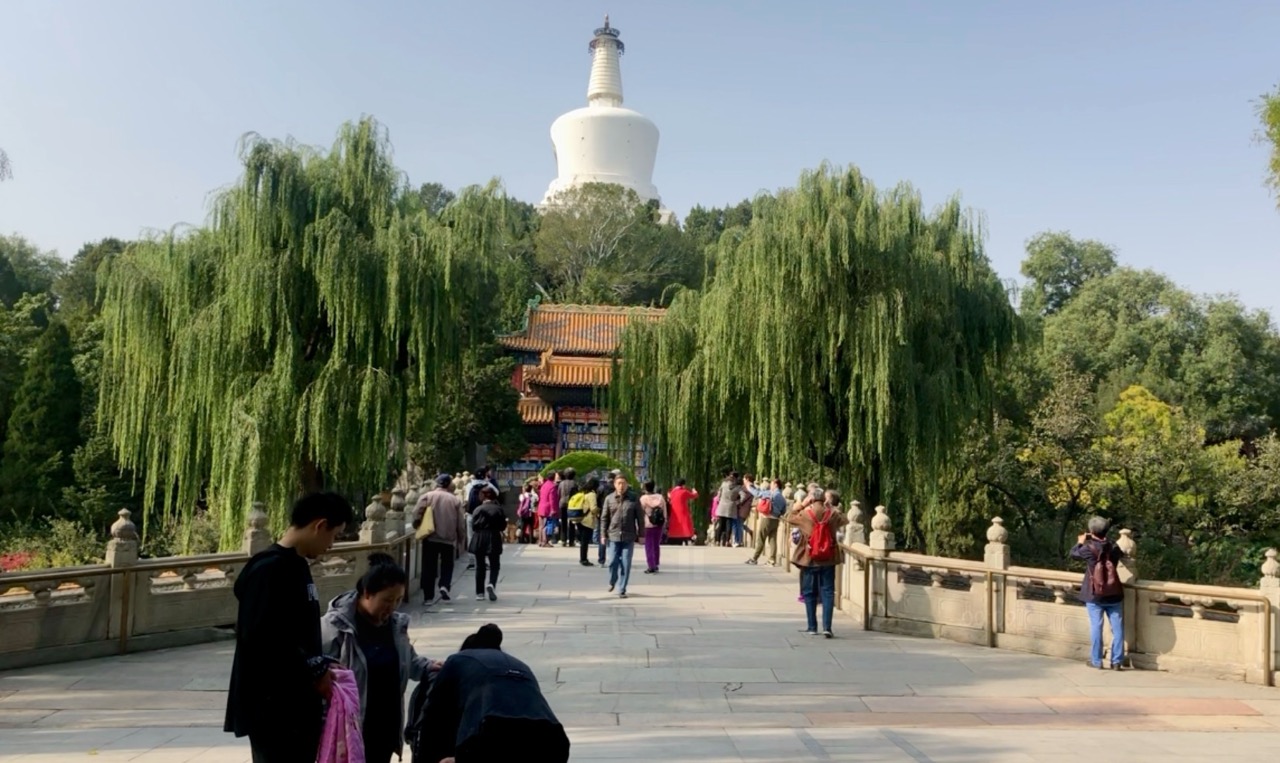
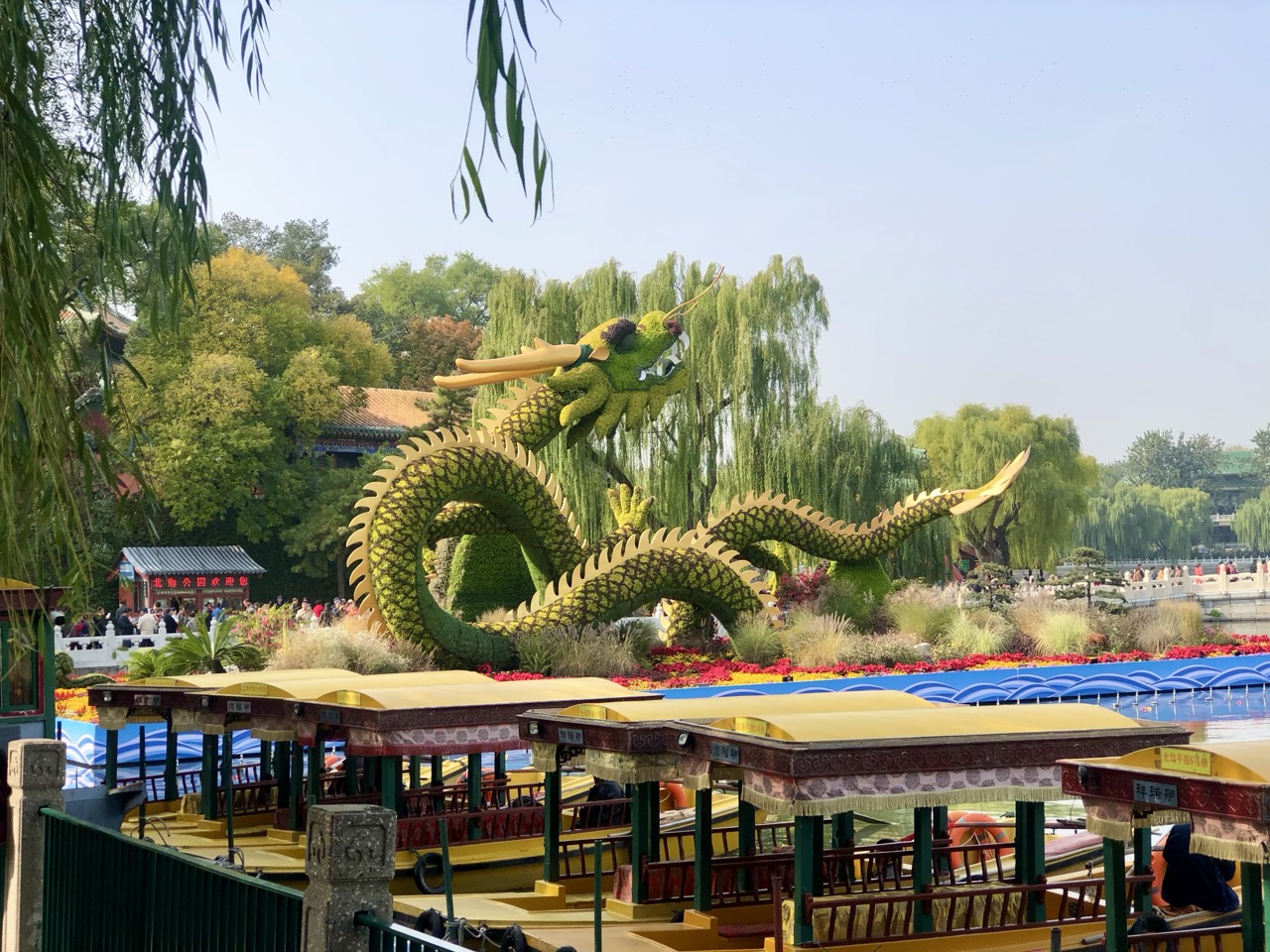
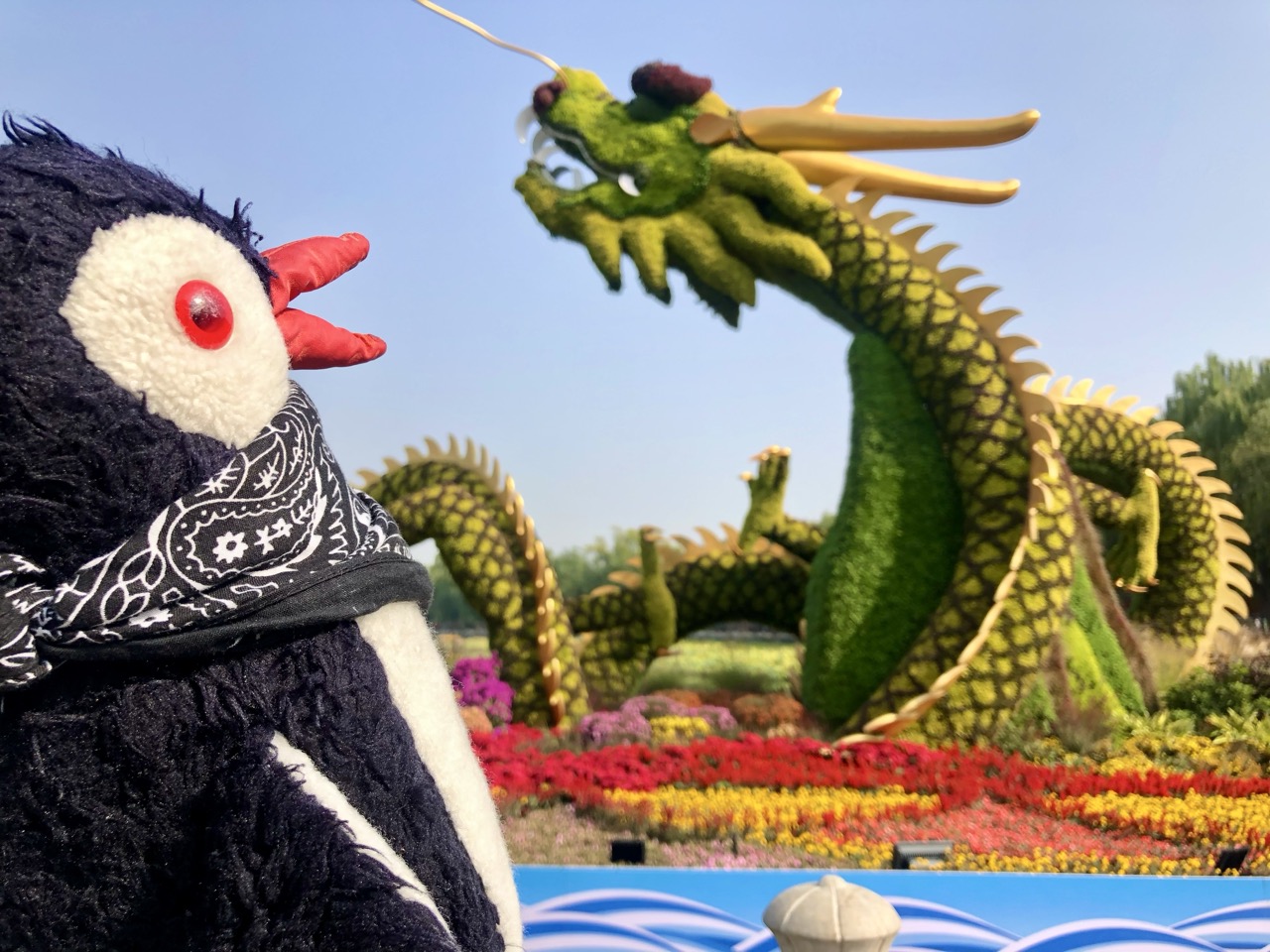
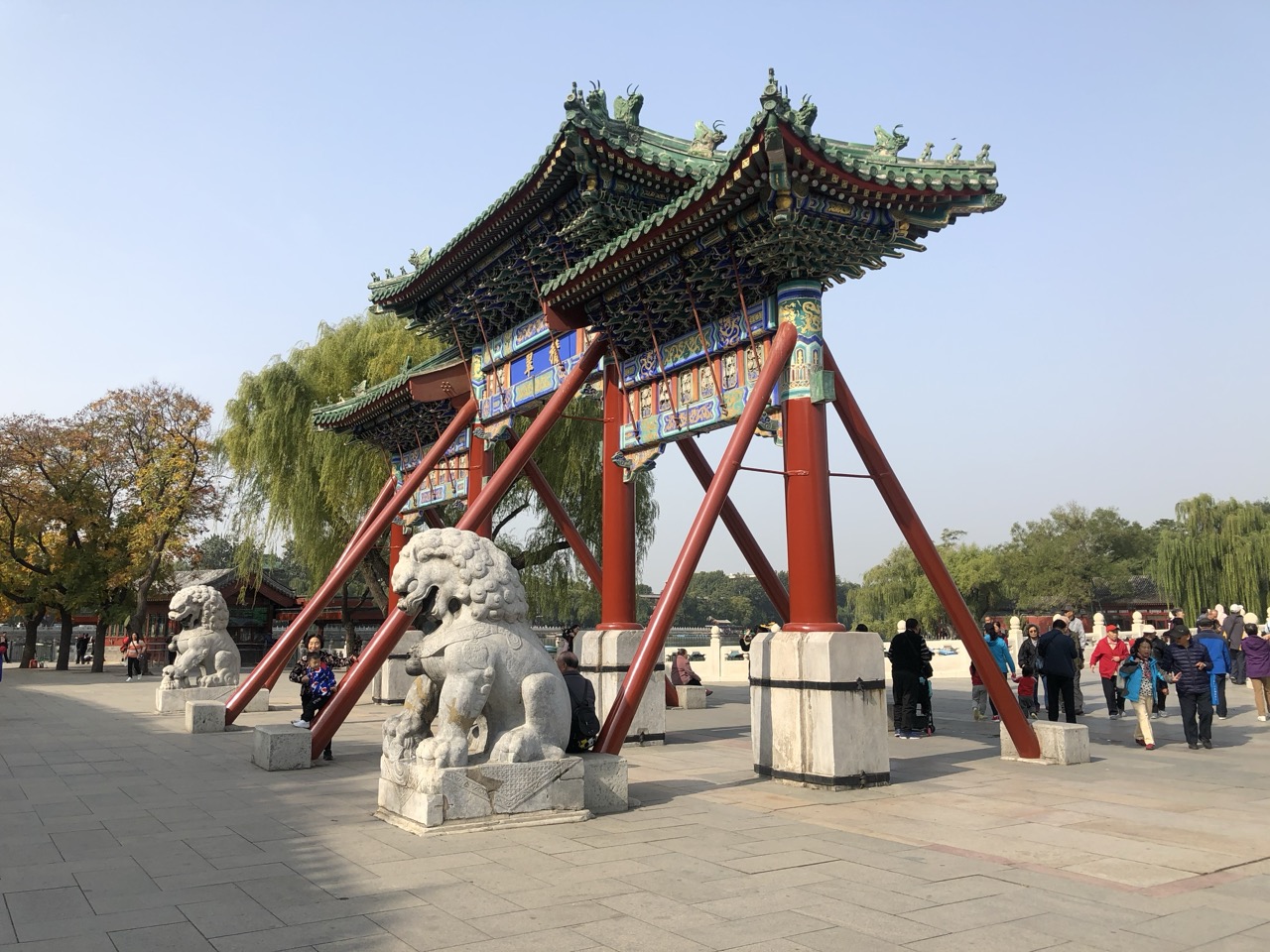
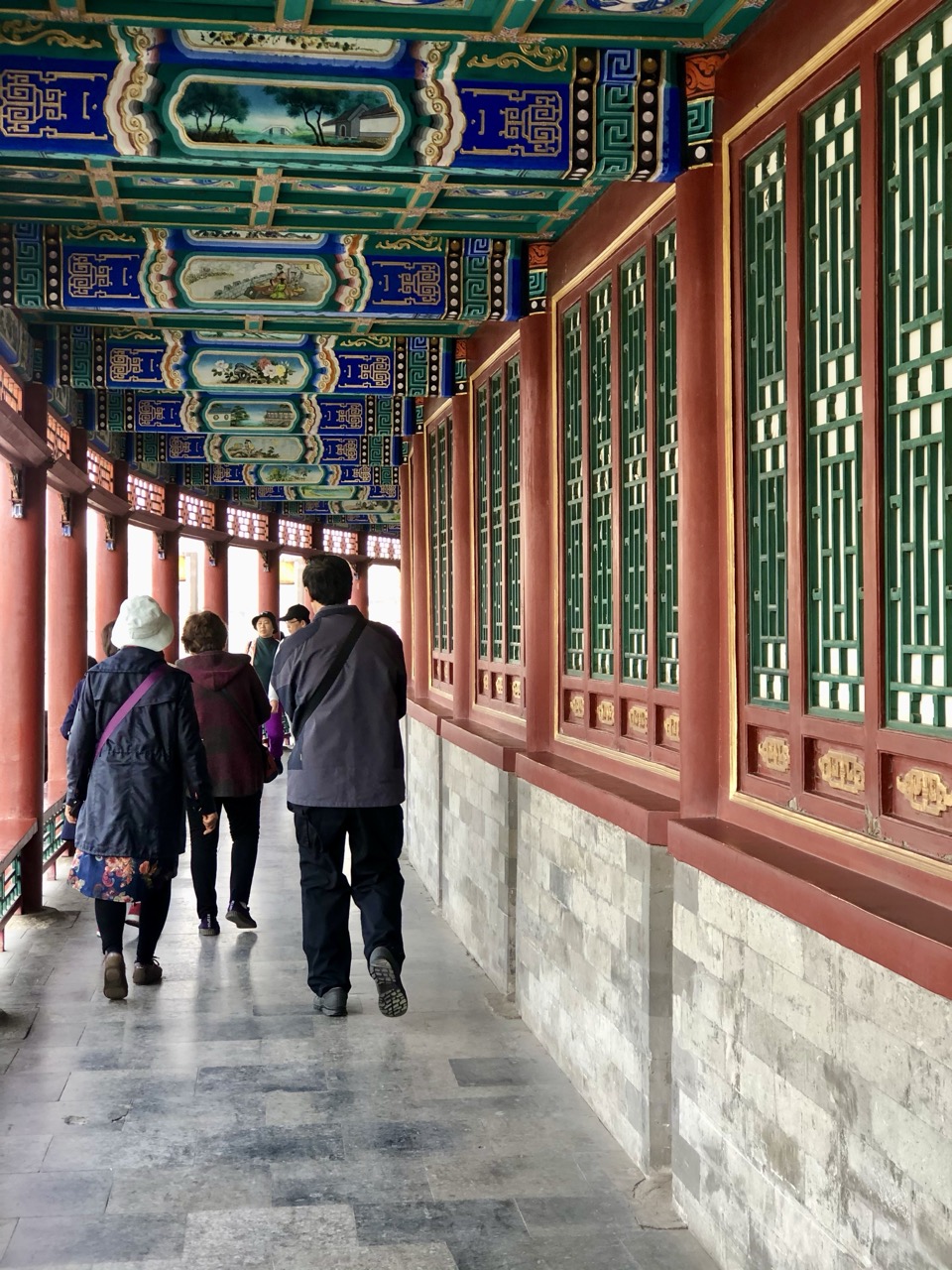
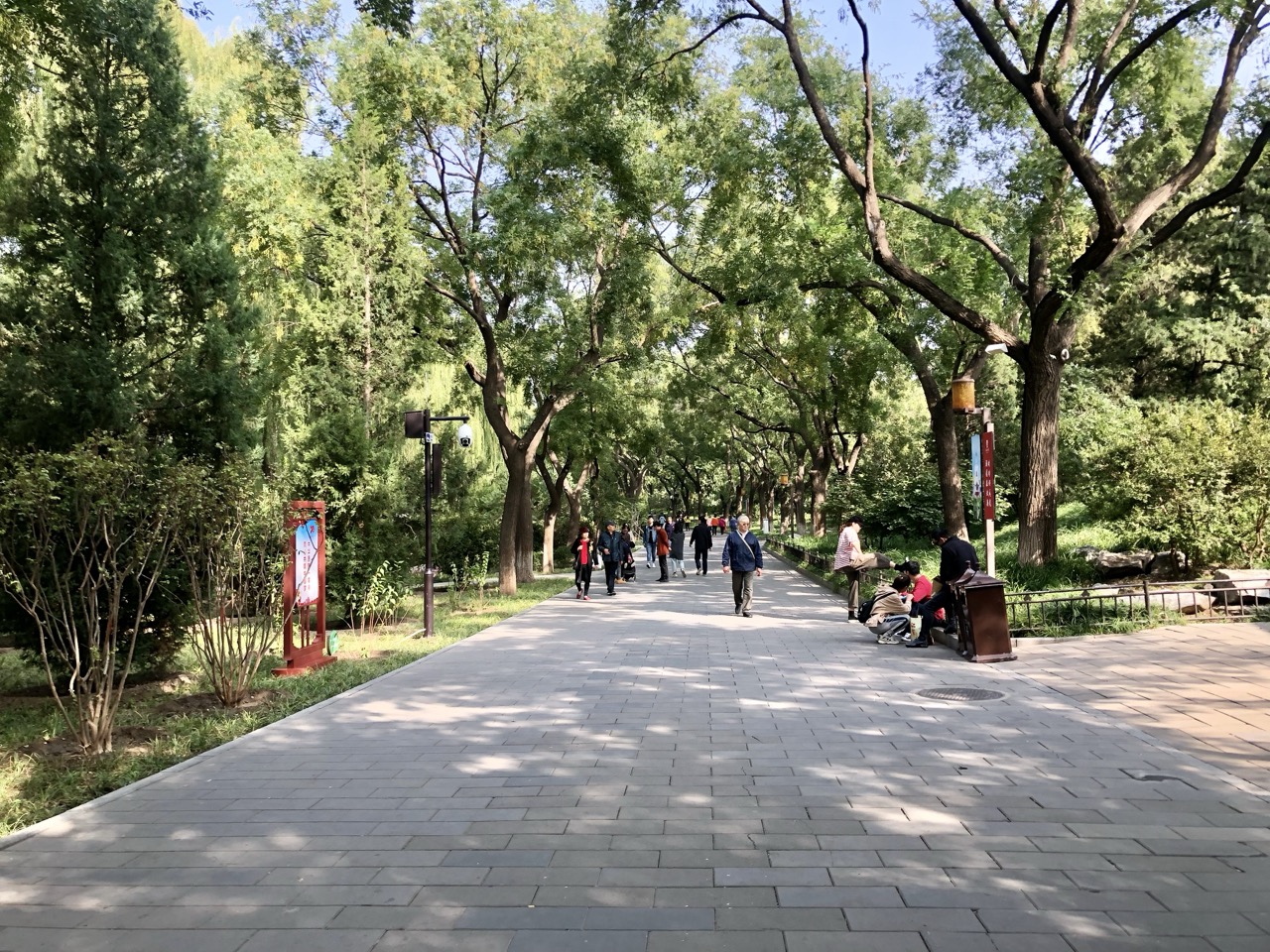
We waddled over from the Forbidden City, just a short stroll away, curious to see what one of Beijing’s oldest gardens felt like beyond the palace walls. At the South Gate, we bought our tickets on the spot and stepped inside, ready to slow down and immerse ourselves in the rhythm of a true Beijing park. Locals were sketching by the lake, elderly couples danced under the trees, and the soft sound of music drifted across the water. We joined the calm flow, waddling along bridges and pathways framed by willows, feeling the mix of history and everyday life come together in the most peaceful way.
Beihai Park Quick Facts
- Location: Central Beijing, just northwest of the Forbidden City.
- Area: Covers around 69 hectares (170 acres) — with more than half of it taken up by Beihai Lake.
- Name meaning: “Beihai” (北海) means “Northern Sea,” part of a historical group of imperial gardens named after the four seas (North, South, East, and West).
- Established: Over 1,000 years ago, first built during the Liao Dynasty and expanded by later dynasties.
- Main island: Jade Flower Island (Qiongdao), home to the White Dagoba and surrounded by scenic bridges.
- Iconic landmark: The White Dagoba, a 40-meter-tall Tibetan-style stupa built in 1651 to honor the 5th Dalai Lama’s visit.
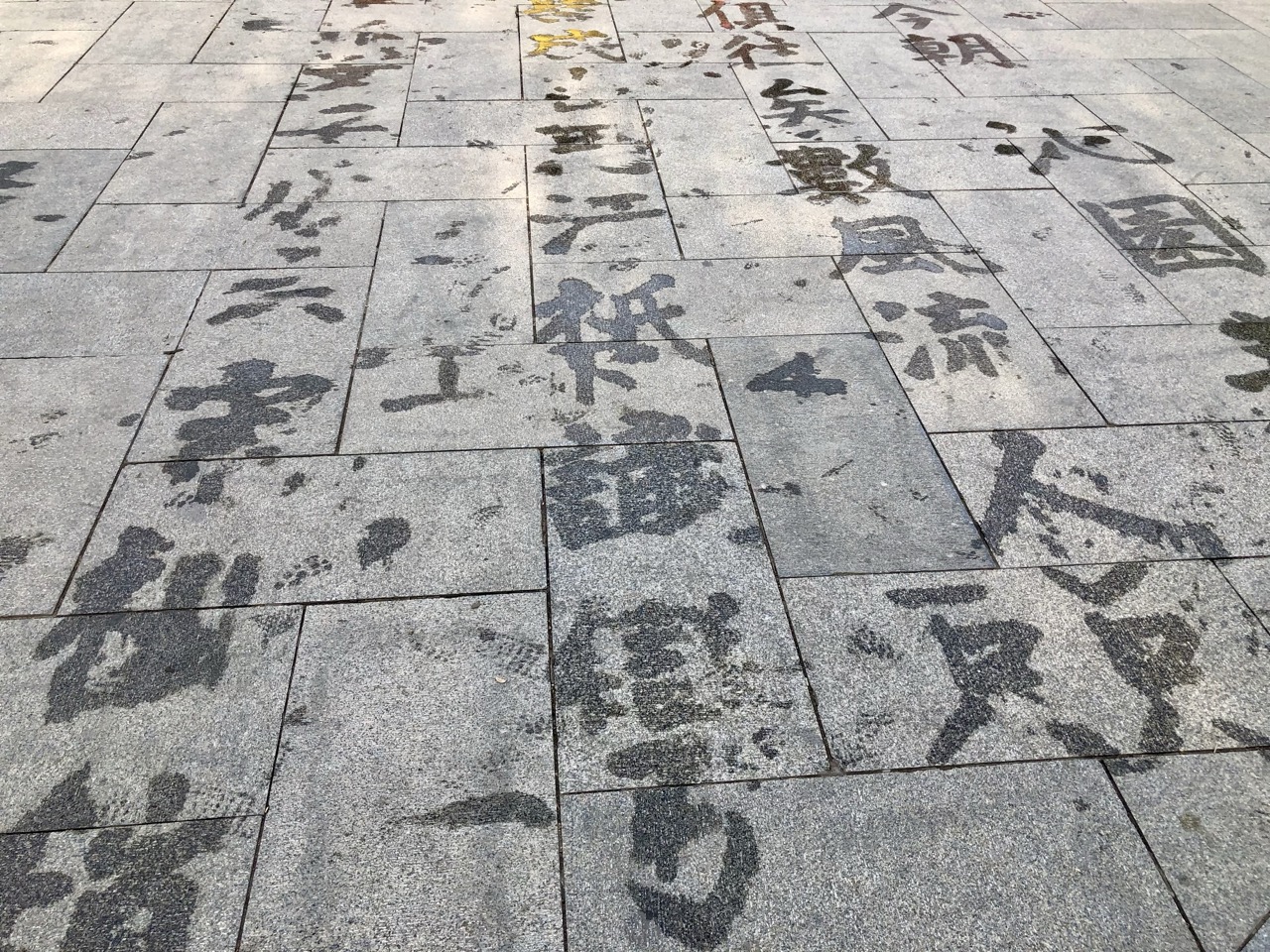
- A favorite spot among locals for tai chi, dancing, and calligraphy, especially in the mornings.

What To Expect to See
White Dagoba (Baita)
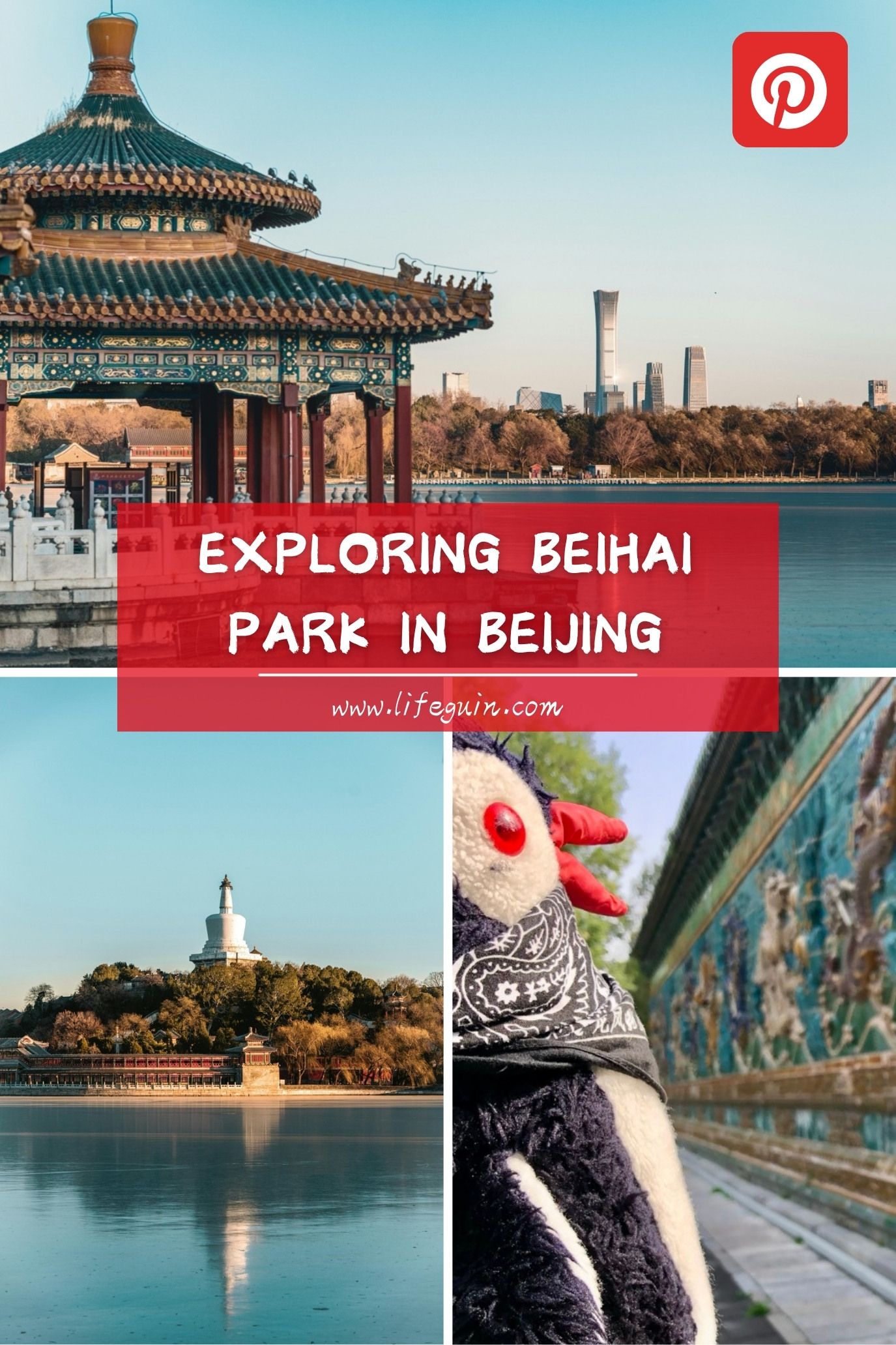
Standing proudly on Jade Flower Island, the White Dagoba is Beihai Park’s most iconic landmark. Built in 1651 to honor the 5th Dalai Lama’s visit to Beijing, this 40-meter-tall Tibetan-style stupa symbolizes peace and unity among China’s different cultures. Climb up the hill for beautiful panoramic views over Beihai Lake and the Forbidden City rooftops.
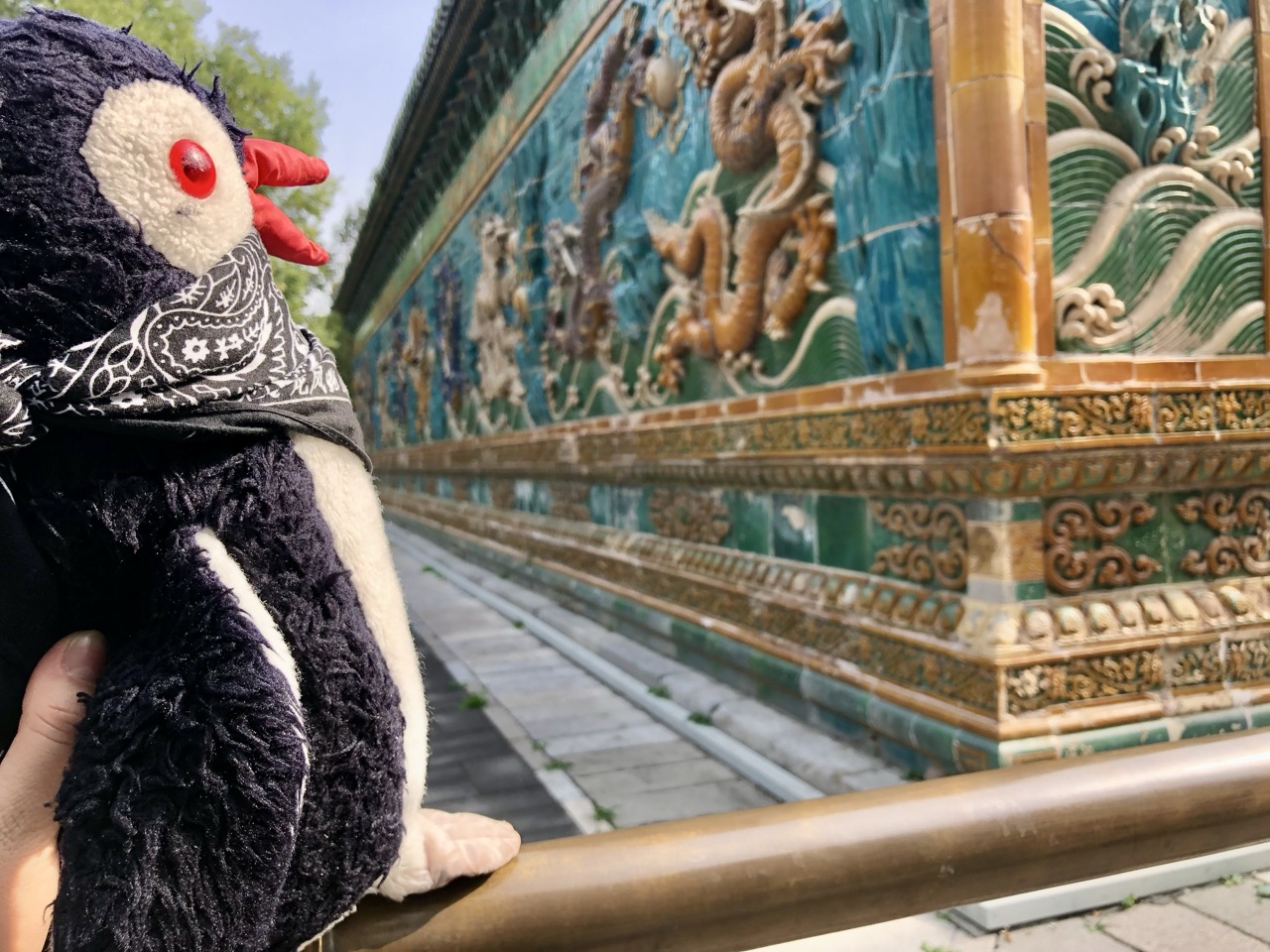
Nine-Dragon Wall
This colorful glazed wall is one of only three in China and features nine large dragons playing in clouds, a classic symbol of imperial power. The craftsmanship is stunning, and the vivid blues, greens, and yellows shine even brighter in sunlight. It’s a must-see for photo lovers and history buffs alike.
Circular City (Tuancheng)
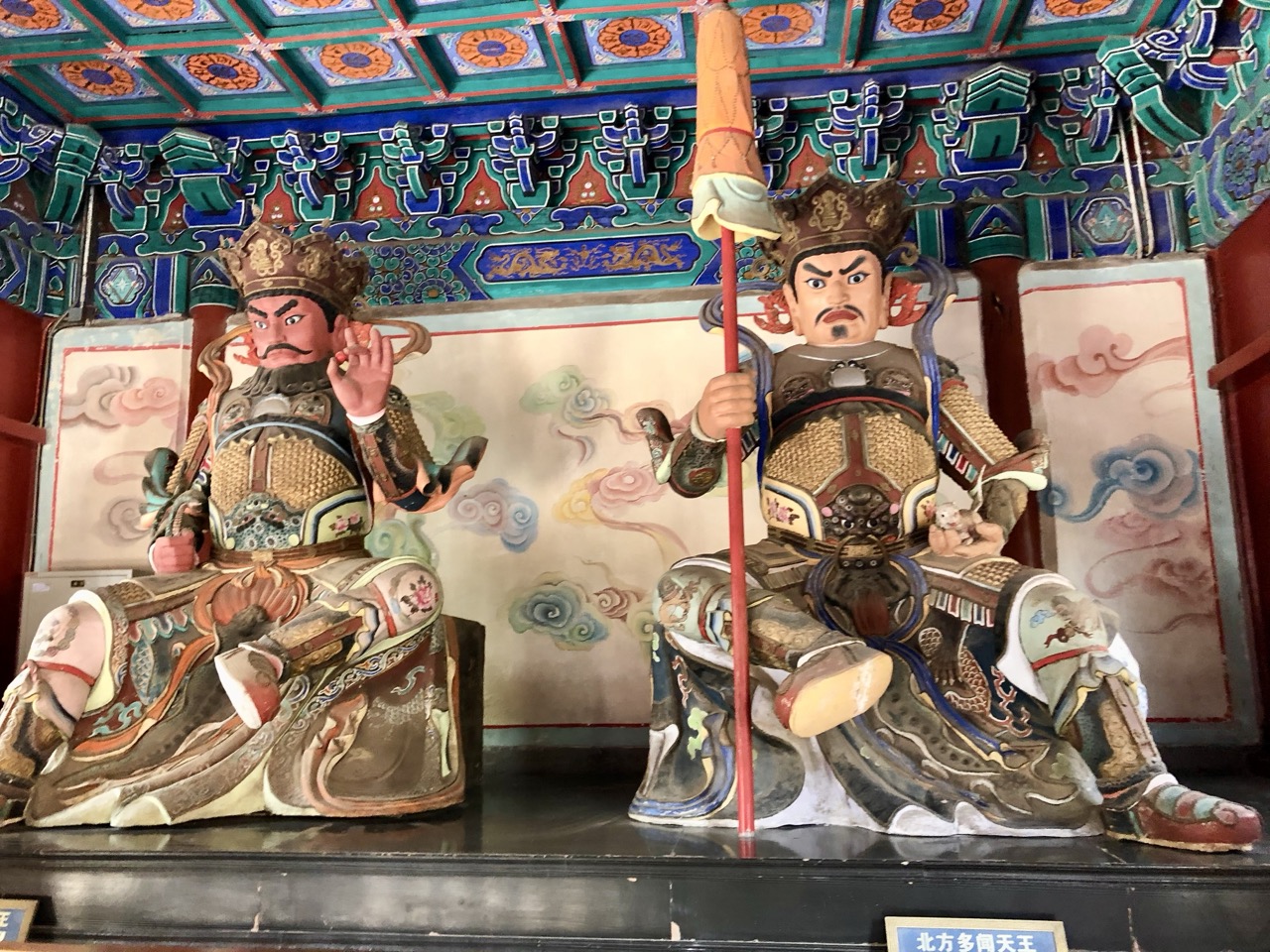
Located at the southern end of the park, this small walled area once served as an imperial fortress and retreat. Inside, you’ll find ancient pavilions, beautiful old trees, and a grand bronze Buddha statue. It’s a quiet corner often overlooked by many, perfect for a calm waddle away from the crowds.
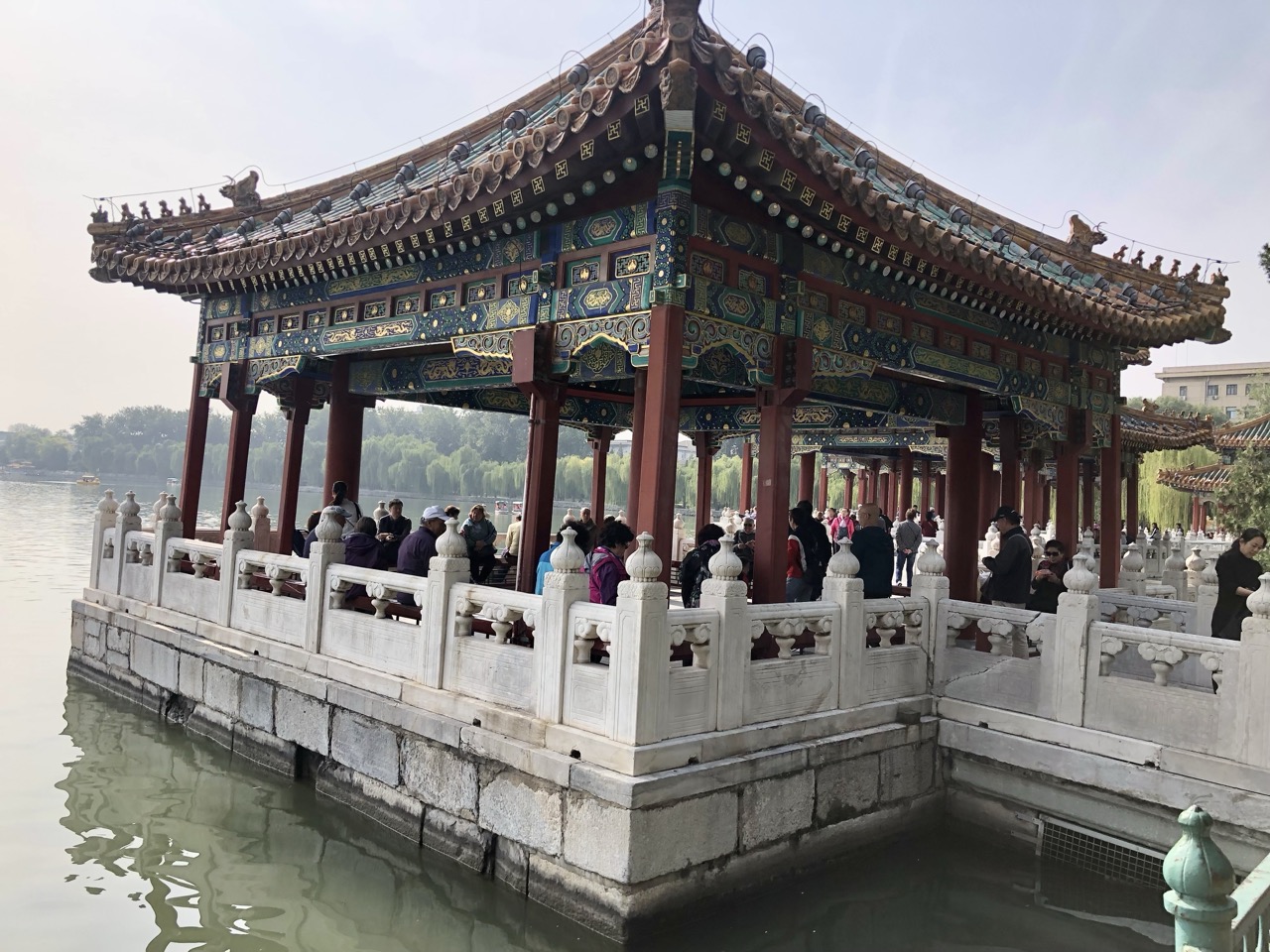
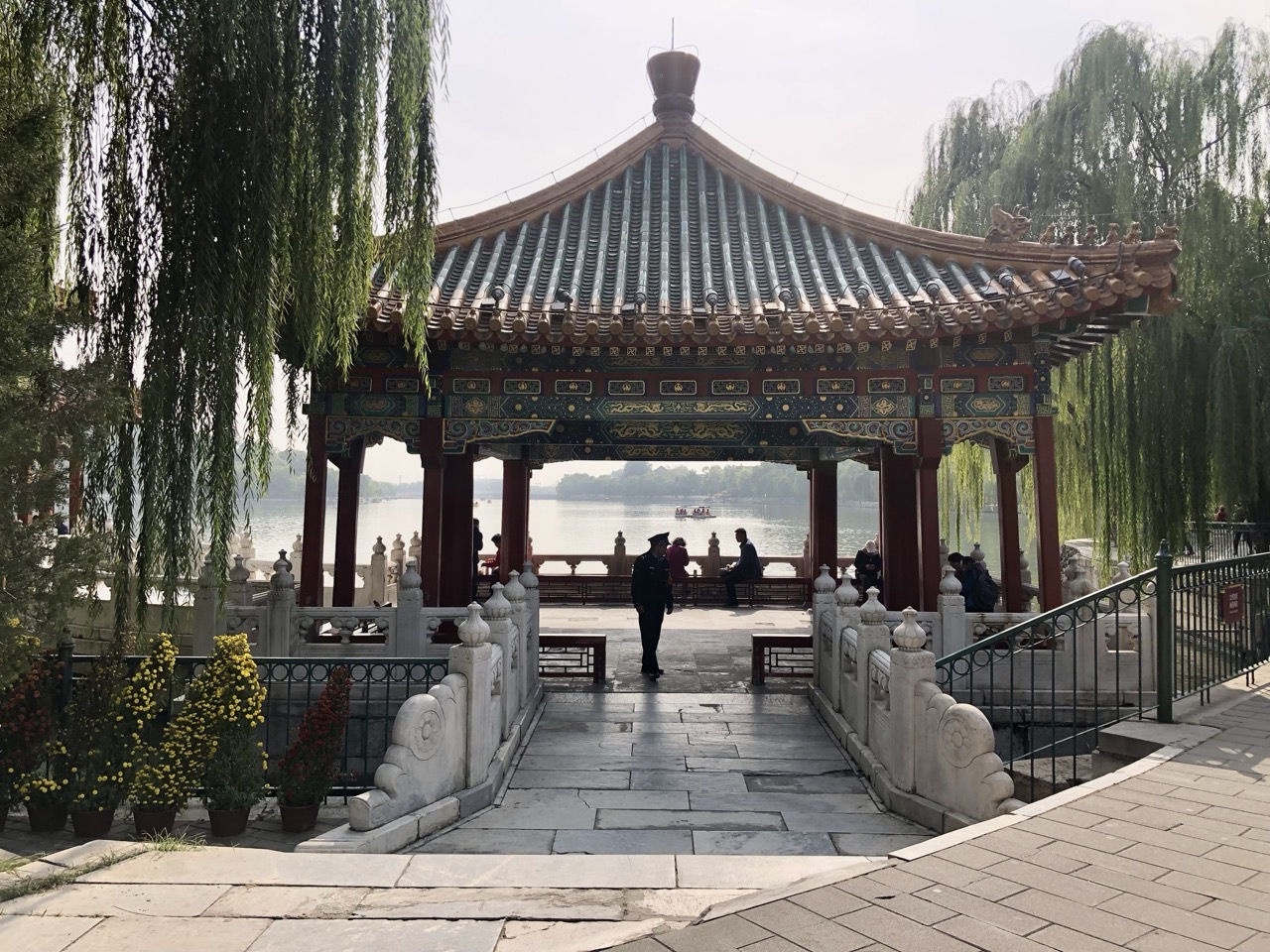
Five-Dragon Pavilions
Stretching along the northern lakeshore, these five connected pavilions were used by emperors for boat-viewing ceremonies and summer leisure. The reflection of the pavilions on the water creates one of Beihai Park’s most picturesque scenes, especially at sunset.

Jade Flower Island (Qiongdao)
This island sits at the heart of the lake and is the symbolic “mountain of immortality” in the park’s legendary design. Aside from the White Dagoba, it’s filled with charming paths, hidden viewpoints, and lush greenery that make it perfect for a slow, scenic waddle.
Beihai Lake
The centerpiece of the park and its namesake, Beihai Lake offers boating in spring and summer. You can rent pedal boats, rowboats, or even electric ones to glide across the calm water surrounded by pavilions and willow trees, it’s one of the most peaceful experiences in Beijing.
One of the most magical parts of Beihai Park isn’t just what you see, it’s what you feel. As we waddled through in the morning light, the park was already alive with rhythm and movement. Elderly couples gracefully danced to traditional music echoing from small speakers, while others practiced tai chi in perfect harmony by the lake. Artists sat quietly with their sketchbooks, capturing the reflections on the water, and a few locals wrote elegant Chinese characters on the pavement using giant brushes dipped in water, art that faded almost as quickly as it appeared. The air felt calm but full of life, and for a moment, we forgot we were in the heart of Beijing. It wasn’t just a park visit for us, it was an immersive glimpse into the city’s soul, where tradition and everyday joy blend beautifully together.

Is Beihai Park Worth Visiting
Yes, Beihai Park is absolutely worth visiting, especially if you want to experience a peaceful side of Beijing beyond the busy streets and grand palaces. The park is stunning, filled with history, lake views, and locals going about their daily routines. It’s perfect for a relaxed morning or afternoon walk, and the scenery changes beautifully with each season. On the downside, it can get crowded on weekends, and some attractions like the White Dagoba require extra tickets. Still, the calm atmosphere, cultural charm, and beautiful views easily outweigh the small inconveniences, making Beihai Park one of those places that truly captures the heart of Beijing.
How long does it take to visit Beihai Park
A visit to Beihai Park usually takes around 2 to 3 hours, depending on how much you want to explore. If you’re just waddling around the lake and visiting a few highlights like the White Dagoba and Nine-Dragon Wall, two hours is enough. But if you plan to take a boat ride, enjoy a tea break, or simply relax and watch locals dance and paint, you could easily spend half a day here. The park’s peaceful rhythm invites you to slow down, it’s not a place to rush, but one to savor at your own pace.
Pack Your Bags and Waddle Through the Beihai Park!
This post contains affiliate links. If you click and buy, I might earn a tiny commission, enough to help a penguin keep up its globe-trotting lifestyle. No extra cost to you, just more fish for me. Thank you for supporting the adventure!