What Makes South Korea Different: Etiquette, Food & Cultural Experiences
Every Southeast Asian country we’ve visited has had something that made it stand out, and South Korea was no different. From the moment we arrived, we realized daily life here runs by its own rhythm. Some things surprised us, some made us laugh, and others took a little getting used to. From food traditions and quirky cafés to nightlife and etiquette, here’s what we learned, and what to watch out for, when traveling in South Korea.
- Eat Your Way Through Korea
- Quirky Cafés
- Mountains Are Everywhere
- Gaeul Tada: Feeling Sentimental in Autumn
- Nightlife, Korean Style
- Budget Travel Tip: Jjimjilbang (Korean Sauna)
- Etiquette You Should Know
- The Suneung
- No Jaywalking in Korea
- Trash & Recycling in Korea
- Beauty Standards in South Korea: High Expectations, Low Pressure for Travelers
- Experiences Everyone Should Try
Korean society is often described as respectful, orderly, and community-focused, traits that can be traced back to the deep influence of Confucianism. Rooted in the idea of building a harmonious and well-balanced society, Confucianism emphasizes respect for hierarchy, loyalty to the group over the individual, and a lifelong commitment to self-improvement. These values have shaped everything from family relationships and workplace culture to education and social etiquette. Even today, the impact of Confucianism is visible in everyday life, in how people speak to elders, value harmony within groups, and strive to better themselves. It’s part of what makes Korean society feel both structured and genuinely considerate.
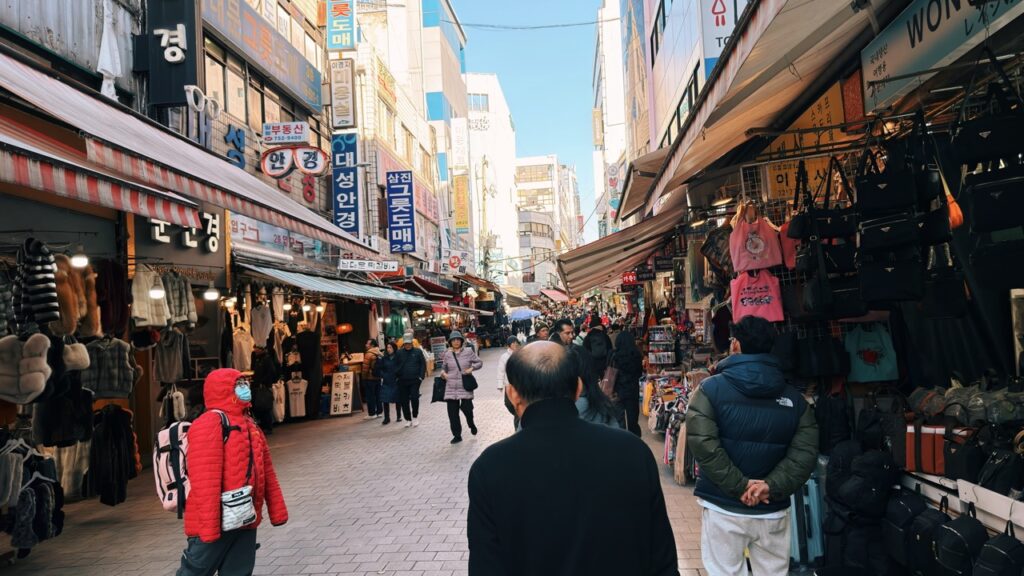
Eat Your Way Through Korea
Asking “Have you eaten?”(밥 먹었어요? Pronunciation: bab meogeosseoyo?) is one of the most common ways to say hello in Korea; and that tells you everything you need to know about food’s role in society. Korean cuisine truly stands out with its bold, pungent flavors and vast array of options. For us, food in Korea wasn’t just fuel; it was an adventure in its own right. We waddled from one dish to another, tasting so much along the way, and quickly learned that it’s unlike anything we’d tried before. Every bite felt like discovering a new side of the country, and believe me, it really is different.
Tours and tickets from GetYourGuideShows GetYourGuide’s own box, which can set GetYourGuide cookies.
-
- Specialized restaurants. Unlike in many countries, Korean restaurants don’t have massive menus. Most specialize in just one or two dishes, which they have perfected over the years. If you want great dumplings, go to a dumpling shop. For fried chicken, go to a fried chicken spot. This focus makes the food outstanding.
- Korean barbecue. Every cut of meat is marinated. At barbecue restaurants, you usually grill the meat yourself, right at your table. And here’s a tip: when you’re done with the meat, ask the staff to make fried rice in the same pan. They’ll add leftovers, spices, and rice, creating a whole new dish right before your eyes.
- Side dishes (banchan). With your meal, you’ll always get a spread of side dishes. Sometimes it’s three, sometimes it’s fifty. Expect kimchi in various forms, pickled vegetables, and little surprises. The best part? Refills are free, ring the bell or ask.
- Convenience store culture. Koreans love ice cream. Step into any convenience store, and you’ll find entire freezers filled with unique flavors, from honeydew melon to red bean. Even if you’re not an ice cream fan, grab a popsicle, you’ll understand why it’s a local favorite.
- Don’t pour your own drink. If you’re drinking soju or beer with Koreans, wait for someone else to pour for you, and always pour for others. It’s a sign of respect. Also,turn your head away when drinking with elders.
- Slurp your noodles. Unlike in some countries, it’s okay to slurp here; it shows you’re enjoying the food.
- Fried chicken is everywhere in South Korea; it’s more than just food, it’s a way of life. From crispy takeout joints to late-night delivery, Koreans take their chicken seriously, often paired with beer in the famous combo called chimaek.
- In South Korea, blowing your nose at the table (especially in restaurants or public places) is considered impolite and unhygienic. Locals generally see it as something that should be done in private, like in the restroom or away from others.
- Table settings are always the same. The bowls of rice are placed on the left, with the soup to the right. A spoon and chopsticks lie to the right of the soup bowl, often on the little spoon rests.
Quirky Cafés
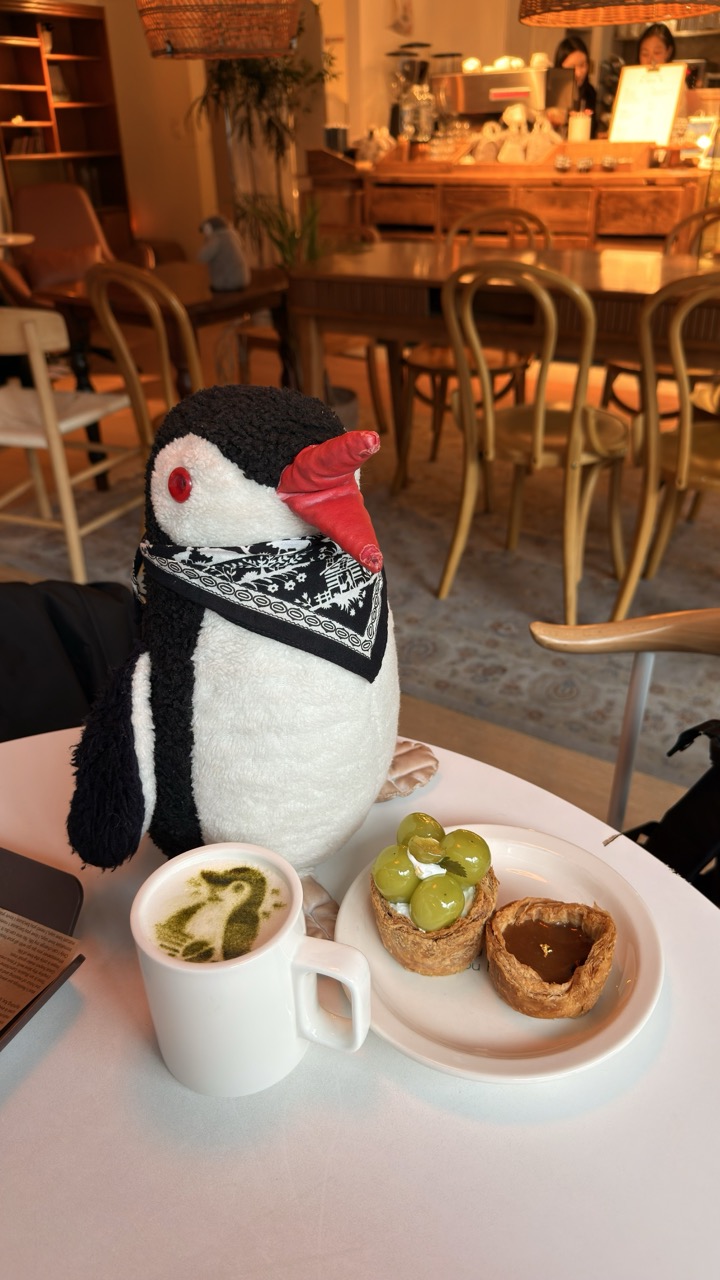
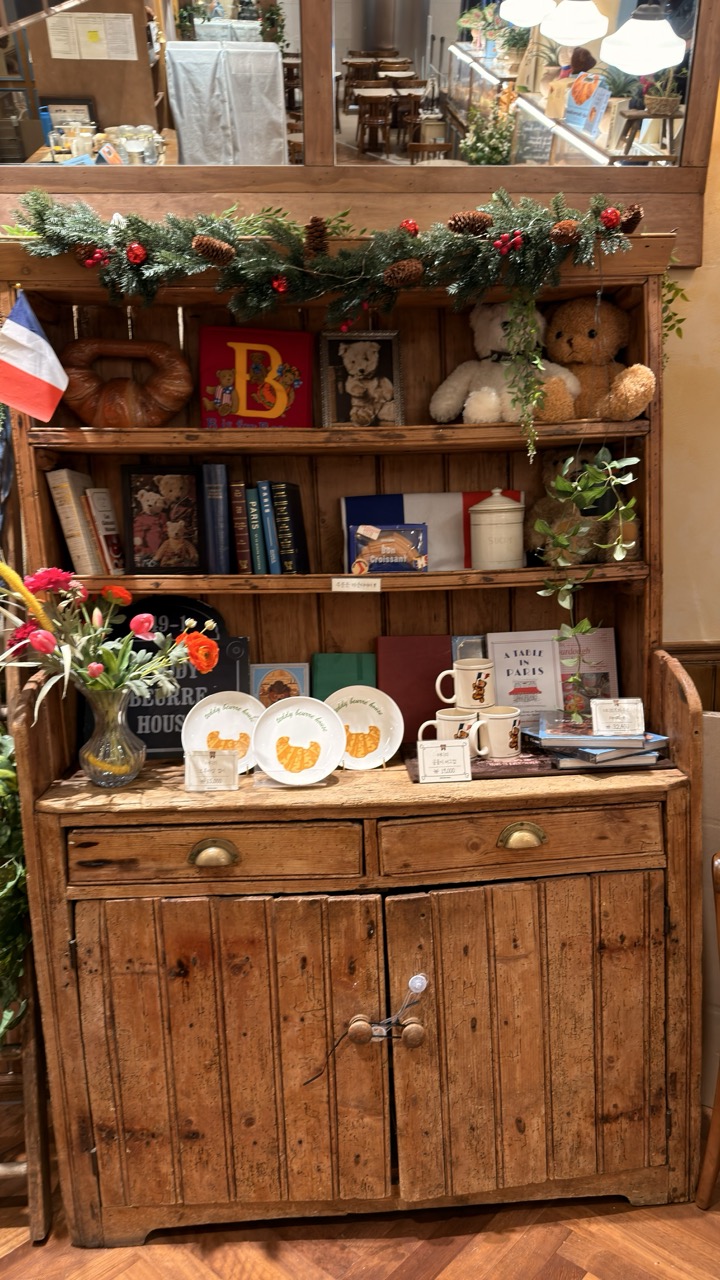
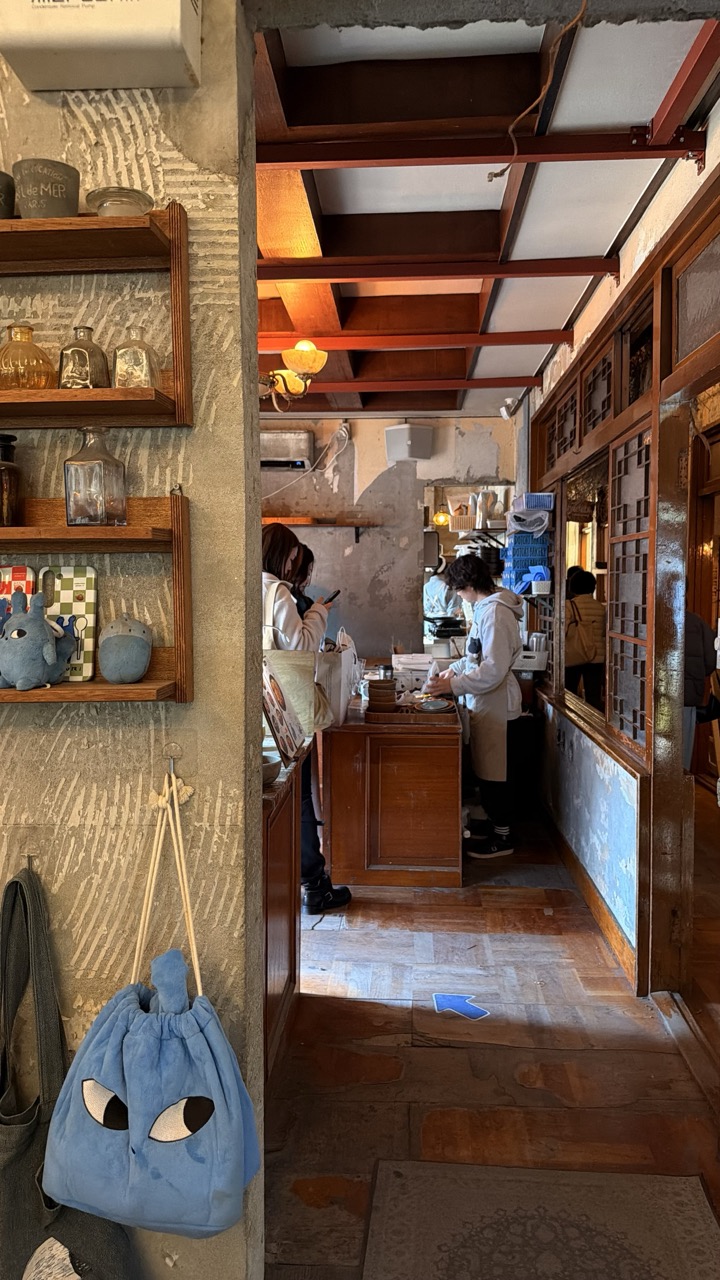
Animal cafés are a big trend in Korea, but they go beyond just cats and dogs. You can sip your latte surrounded by sheep, raccoons, or even meerkats. If you want a laugh, look up the famous “poop café”, where everything from the latte foam art to the décor runs with the theme. It’s Korea doing cafés in their own quirky way.
Mountains Are Everywhere
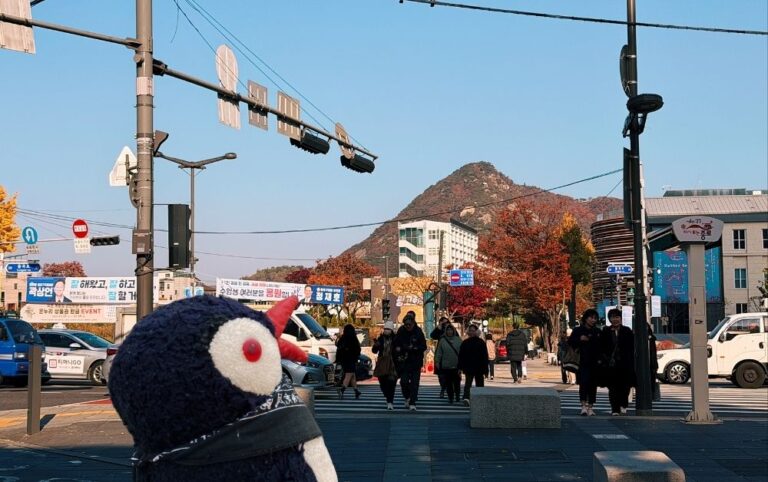
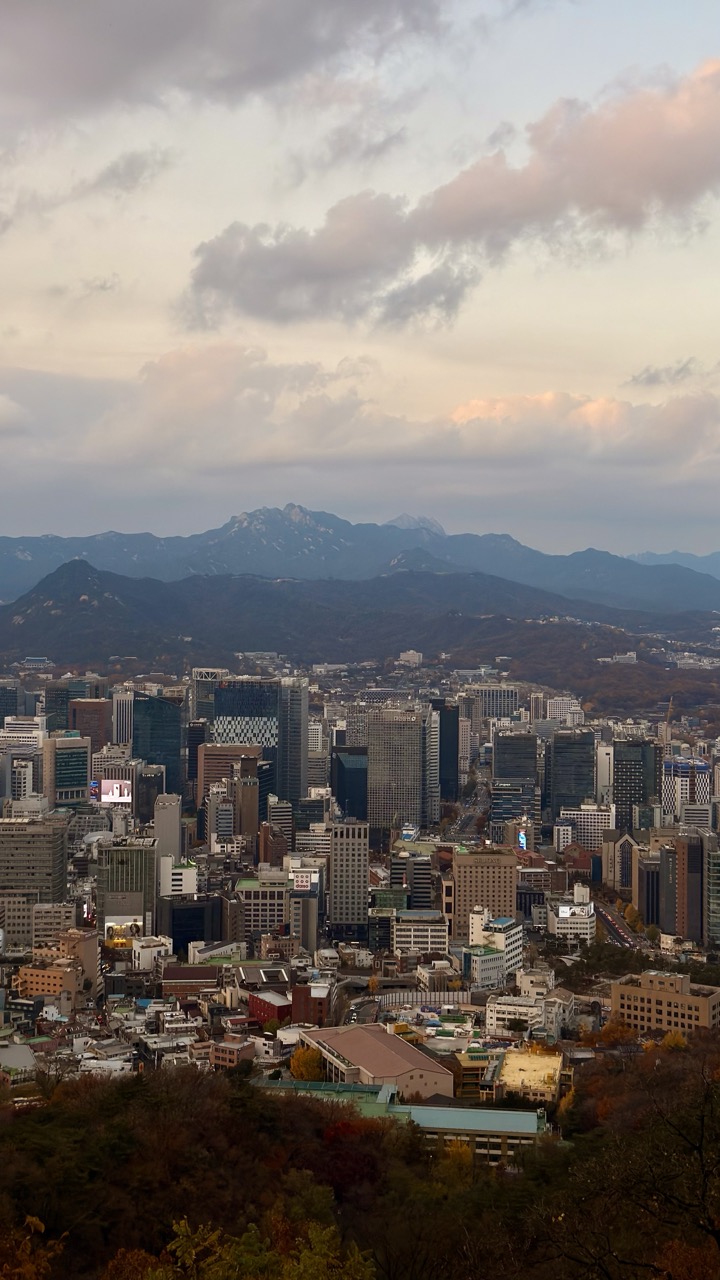
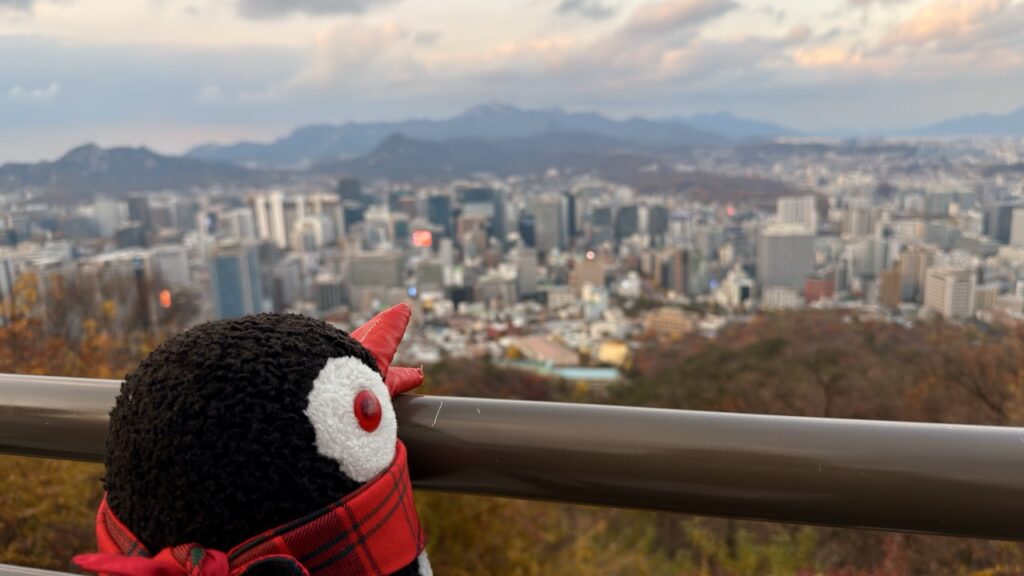
South Korea is a land of mountains, they stretch across the entire country, shaping both its landscapes and its culture. Whether you’re in bustling Seoul, coastal Busan, or the quiet countryside, mountains are never far from view. Locals hike year-round, treating mountain trails as a natural part of daily life. From the dramatic peaks of Seoraksan National Park to the serene slopes of Jirisan and Hallasan on Jeju Island, each region offers a different kind of climb. Mountains even frame nearly every view in Seoul, which gives it its unique rhythm of city and nature intertwined. Locals often hike on weekends, and trails start right from the edge of neighborhoods. From the famous Bukhansan National Park to quieter spots like Inwangsan or Achasan, there’s always a peak waiting to be climbed.
Hiking Culture
At least once during your trip, get out of the city and join locals on a hike. Hiking is a national pastime here, and trails are well-marked. Even in Seoul, you can climb a mountain in the morning and be back in time for a city lunch.
Hiking in South Korea isn’t just a hobby; it’s practically a national pastime. You’ll see locals of all ages heading to the trails in full hiking gear: colorful jackets, trekking poles, gloves, hats, and even snacks packed neatly in backpacks. And it’s not only for major peaks; even small neighborhood hills attract well-prepared hikers. It’s a blend of fitness, socializing, and love for nature that’s deeply woven into Korean culture.
Gaeul Tada: Feeling Sentimental in Autumn
In Korean, “Gaeul Tada” literally means “to ride the autumn,” and it beautifully captures that tender, sentimental feeling as summer fades and the crisp days of fall begin. It’s when the changing colors and cooler air make you quietly nostalgic, missing moments, people, or times you can’t quite name. We love it when a language has words like this with no direct translation, because it shows how deeply emotions can be shaped by culture and nature. Gaeul Tada is one of those poetic expressions that remind us just how much beauty there is in the little things we feel but can’t always explain.
Chung-sil
Chung-sil is a core value in Korean culture that reflects loyalty, sincerity, and integrity, traits deeply rooted in Confucian philosophy. It’s about being faithful and genuine in your relationships, responsibilities, and actions, whether toward family, friends, or work. In traditional Korean society, showing chung-sil meant staying devoted to one’s parents, teachers, or country; however, today it extends to everyday life being reliable, keeping promises, and doing one’s best with honesty and heart. This quiet sense of devotion runs deep in Korean culture, shaping not just personal relationships but also the way people approach education, teamwork, and community life.
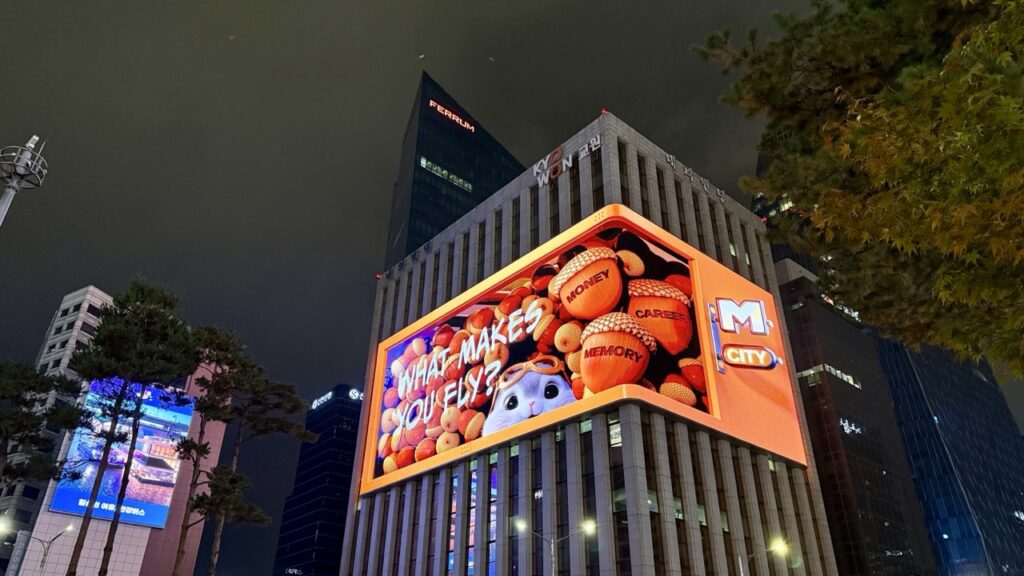
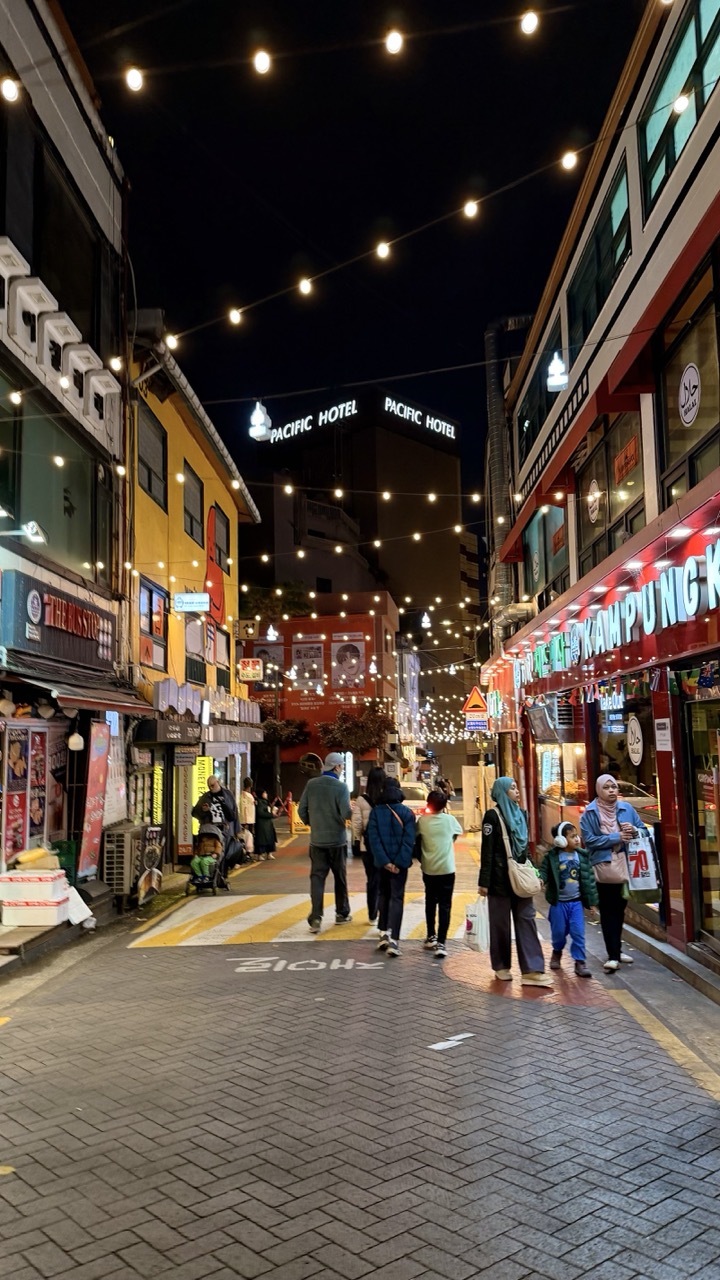
Nightlife, Korean Style
Koreans don’t just sit in one bar all night. A night out often involves “bar-hopping, Korean style”:
- Dinner at one restaurant (about an hour).
- Drinks at a different venue.
- Karaoke to finish the night, where it’s not about singing well, but about how much passion you bring.
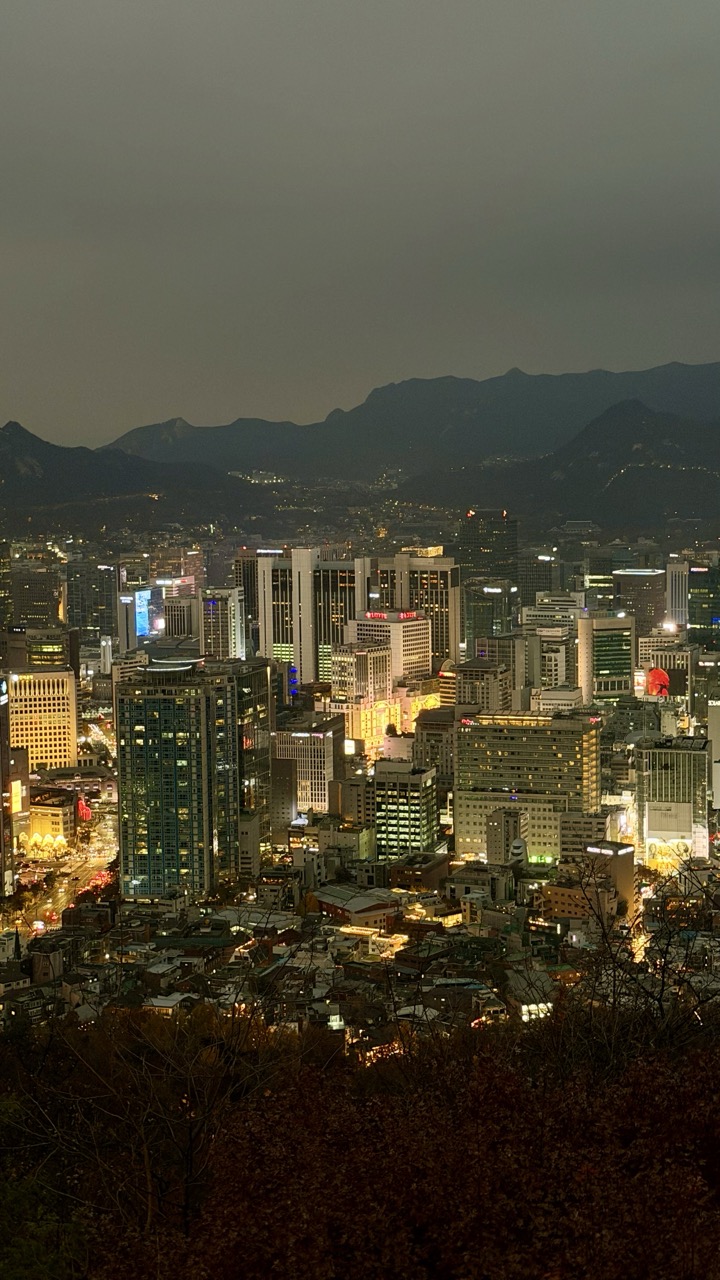
Most nights end around sunrise, with people catching the first metro home at 6 AM. If you want to party like a local, pace yourself; it’s a marathon, not a sprint.
Budget Travel Tip: Jjimjilbang (Korean Sauna)
Public bathhouses, called jjimjilbang, are more than a place to soak and sweat. They’re also budget-friendly accommodations. For a small fee, you can spend the night, shower in the morning, and get some rest in between sightseeing. It’s part of the culture, and a surprisingly good travel hack. Even if you’re not staying overnight, visiting a jjimjilbang is a cultural must-do in Korea, and a surprisingly good way to waddle into local life.
Tours and tickets from GetYourGuideShows GetYourGuide’s own box, which can set GetYourGuide cookies.
Etiquette You Should Know
Korean etiquette might feel strict at first, but once you understand the basics, it’s easy to follow.
-
-
- Personal space. Korea is crowded. People may bump into you without saying sorry. At first, it feels rude, but soon you’ll find yourself doing the same.
- Priority seating. Never sit in seats reserved for pregnant women, elderly, or disabled passengers, even if the subway is empty.
- Paying at restaurants. Don’t wait for the server to bring the bill. In Korea, you go to the counter to pay.
- Using both hands. When handing someone money, a credit card, or even a drink, always use both hands; it shows respect.
- Keep quiet. Trains and buses are quiet spaces. Loud phone calls or music without headphones are a big no.
- Stand right, walk left. On escalators, locals usually stand on the right side and walk on the left (especially in Seoul).
- Queue up properly. At bus stops and subway platforms, people form neat lines. Cutting ahead is a big no-no.
- People often stop suddenly right in front of you, sometimes in the middle of the sidewalk or escalator, for no clear reason.
- You will encounter people who hurry to overtake you, only to slow down immediately afterward (a classic Seoul sidewalk mystery).
- People often cut right in front of you, leaving almost no space (like 2 cm). Personal boundaries can feel very small here.
- Punctuality: Arriving late is considered rude, so it’s best to arrive early.
- Photo Etiquette. Popular cafés and hotspots often have lines for selfies, so be sure to wait your turn.
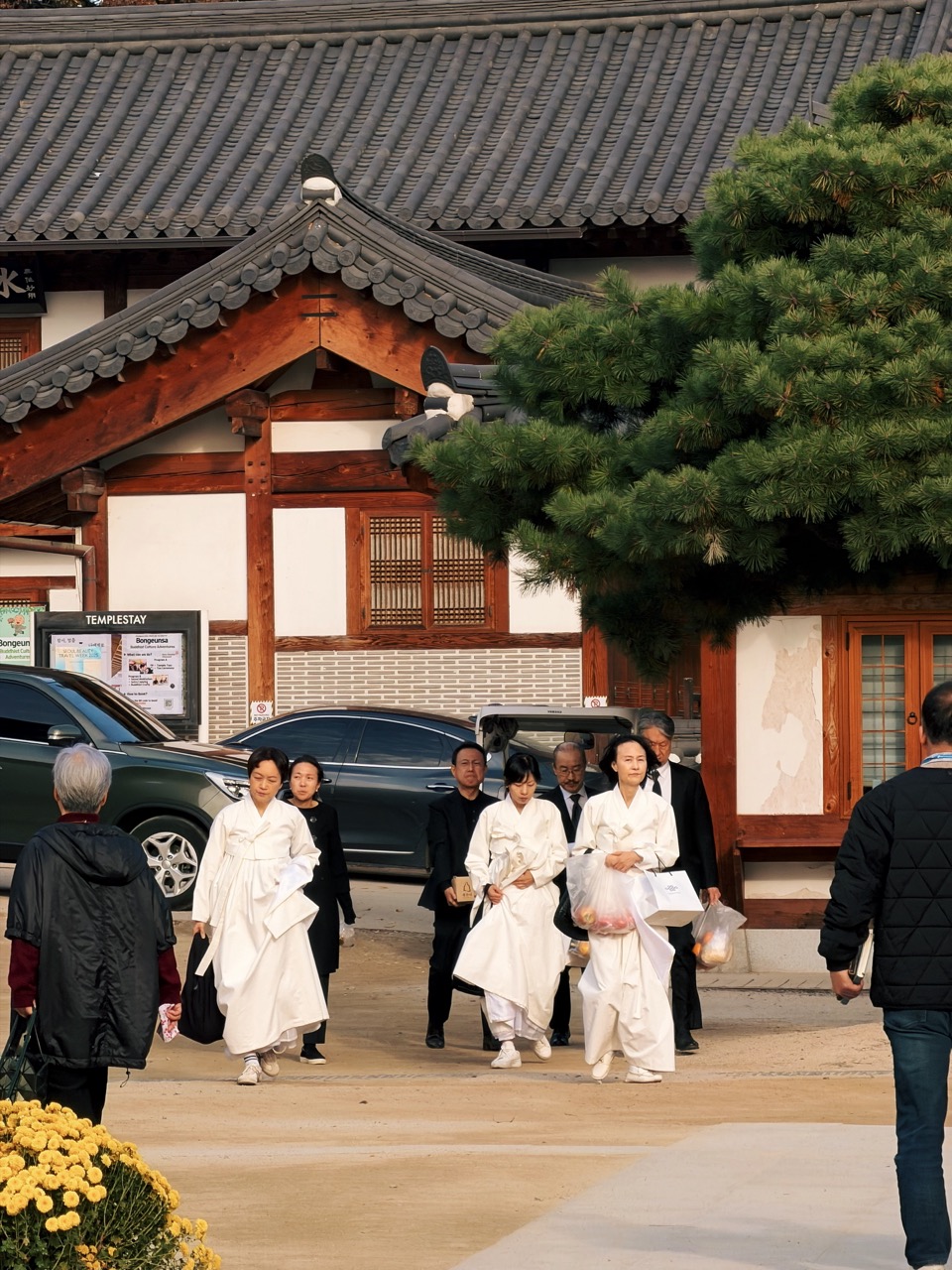
- When visiting someone’s home, bring a small gift like fruit or health drinks.
-
Direct and Blunt Honesty
Koreans value clear, straightforward communication, which can surprise visitors accustomed to softer or more indirect ways of speaking. Comments about appearance, work, or habits might sound blunt, but they’re rarely meant to offend. Honesty here often reflects care or practicality, not criticism. Once you adjust, you’ll appreciate how refreshingly real these interactions are; it’s all part of understanding the rhythm of Korean daily life.
The Suneung
In South Korea, education is taken incredibly seriously, and nothing shows that dedication more than the Suneung, the national college entrance exam. Officially known as the College Scholastic Ability Test (CSAT), it’s one of the most important days in a Korean student’s life. The entire country makes small but meaningful adjustments for it: businesses open later, airplanes pause takeoffs during the listening section, and police escort any late students straight to their test centers.
We were “lucky” to be in Seoul on Suneung Day, and while it’s definitely noticeable, especially around schools and in the news, everyday life doesn’t completely stop. People still go to work, cafés stay open, and the streets move along as usual. The only real impact we experienced was at Gyeongbokgung Palace, where the changing of the guard ceremony was moved up by ten minutes to avoid overlapping with the exam schedule.
The intensity of Suneung reflects Korea’s deep-rooted Confucian values of discipline, hard work, and self-improvement. For many visitors, learning about this day offers a fascinating glimpse into how much respect Korean society places on education and perseverance.

No Jaywalking in Korea
In South Korea, jaywalking isn’t just frowned upon; it’s taken seriously and can get you fined. Even if the street looks empty, locals wait patiently for the light to turn green before crossing. At first, it feels unusual if you come from a country where darting across the road is normal, but after a few days, you’ll find yourself standing with everyone else, waiting for the signal. It’s a small detail, but it shows how much order and safety matter in Korean daily life.
Trash & Recycling in Korea
One thing that surprises most visitors is how hard it can be to find a public trash bin in South Korea. Don’t be shocked if you end up carrying your empty coffee cup around for a while before spotting one. Recycling is taken very seriously; locals separate food waste, recyclables, and general trash into different bags. It’s part of daily life, and you’ll see special bins outside homes and apartment complexes. As a traveler, the easiest rule is: hold on to your trash until you find the right bin.
Beauty Standards in South Korea: High Expectations, Low Pressure for Travelers
South Korea is known for its strong beauty culture, from flawless glass skin to perfectly styled outfits. The standards can feel high, especially when you see how polished locals often look on the subway or in cafés. But as a traveler, you’ll quickly notice that no one really pays attention to you; people are busy, focused on their own lives, and rarely stare. Even if you’re not dressed up or wearing makeup, you’ll blend right in. It’s a place where beauty is valued, but visitors don’t need to feel pressured to match the local aesthetic. Just be comfortable, be yourself, and enjoy the experience.
Experiences Everyone Should Try
- K-Pop concert. Even if you’re not a hardcore fan, the energy is unforgettable.
- Lotte Tower sauna. A high-end (and more expensive) bathhouse with incredible views of Seoul.
- Animal cafés. Sheep, raccoon, and beyond, worth trying at least once.
South Korea isn’t just another stop on the map; it’s a place where daily life feels completely different. From grilling your own barbecue to joining locals on all-night karaoke marathons, every experience teaches you something new about the culture.
Go in with an open mind, respect the etiquette, and say yes to the small things, whether that’s a honeydew popsicle from a convenience store freezer or a spontaneous night of karaoke passion. That’s when you’ll truly experience Korea.
Pack your bag and waddle with an open mind and heart in South Korea!

This post contains affiliate links. If you click and buy, I might earn a tiny commission, enough to help a penguin keep up its globe-trotting lifestyle. No extra cost to you, just more fish for me. Thank you for supporting the adventure!