Where to shop for food in Tórshavn and beyond; everything you need to know about Faroese supermarkets
As we planned our trip to the Faroe Islands, we wondered where to stock up on snacks, drinks, and essentials for our road trips and hikes. Eating out in the Faroes can be pricey, so many turn to grocery stores to balance their budget. We are also always excited to visit local shops and see the selection and what they have in the country. From discount chains to local shops, here’s a guide to grocery shopping in the Faroe Islands, what stores you’ll find, how much groceries cost, and insider tips to make the most of your visit.
- Grocery Stores in the Faroe Islands
- Grocery Prices in the Faroe Islands
- What’s Different About Faroese Grocery Stores
- Our First Grocery Stop: Á Landavegur
- Bónus: The Best Budget Supermarket in the Faroe Islands
- Grocery Store Comparison in the Faroe Islands
- Surprising Finds in Faroese Grocery Stores
- Faroese Flavors You Can Only Find Here
Tours and tickets from ViatorShows Viator’s own box, which can set Viator cookies.
Grocery Stores in the Faroe Islands
The main supermarket chains you’ll come across are:
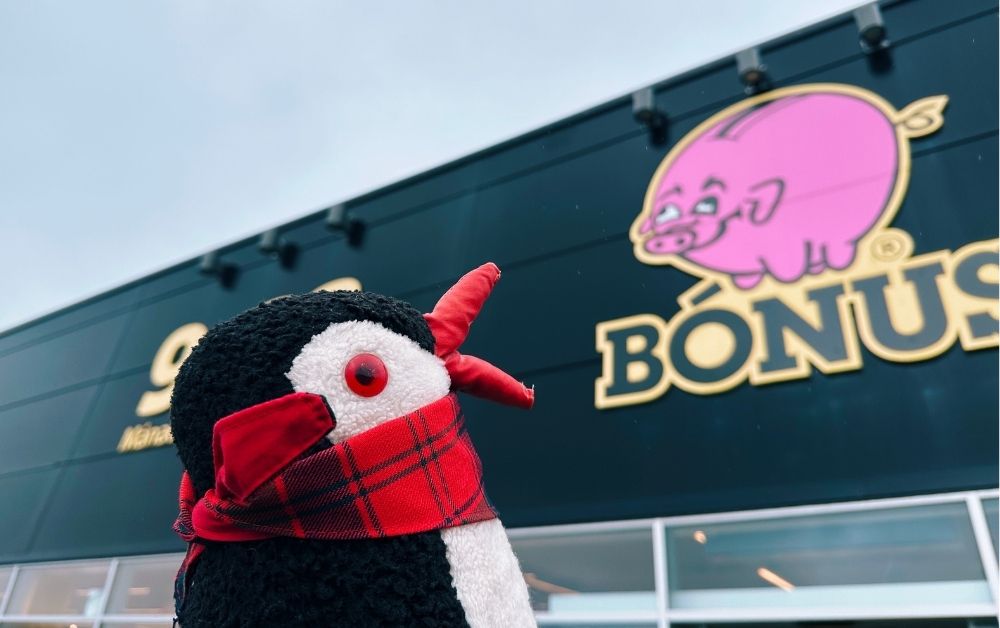
- Bónus. The most affordable option. Recognizable by its yellow piggy-bank logo, Bónus is where most locals go for cheaper groceries.
- FK ( Føroya Keypssamtøka ). A cooperative supermarket chain offering a wide range of products, from local lamb to fresh produce.
- Meny. More upscale, with a better selection of international products, fresh bakery goods, and higher prices.
- Miðberg / Miklagarður. Found in smaller towns, it’s ideal for convenience shopping.
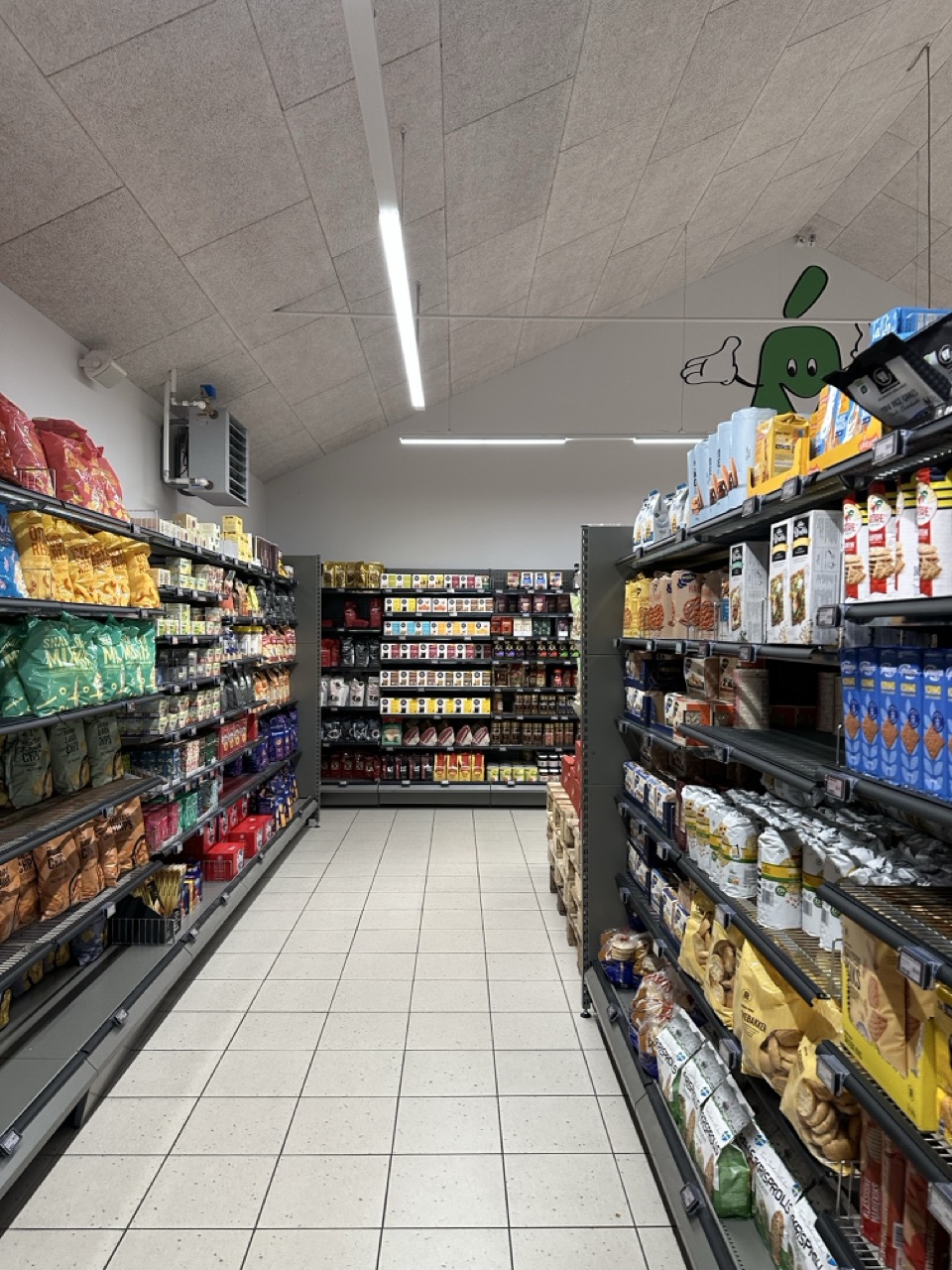
While you won’t find giant hypermarkets like those in mainland Europe, the stores here are well-stocked, offering both imported and Faroese goods.
Grocery Prices in the Faroe Islands
Groceries in the Faroes are more expensive than in most of Europe, due to shipping costs and the islands’ remote location. To give you an idea:
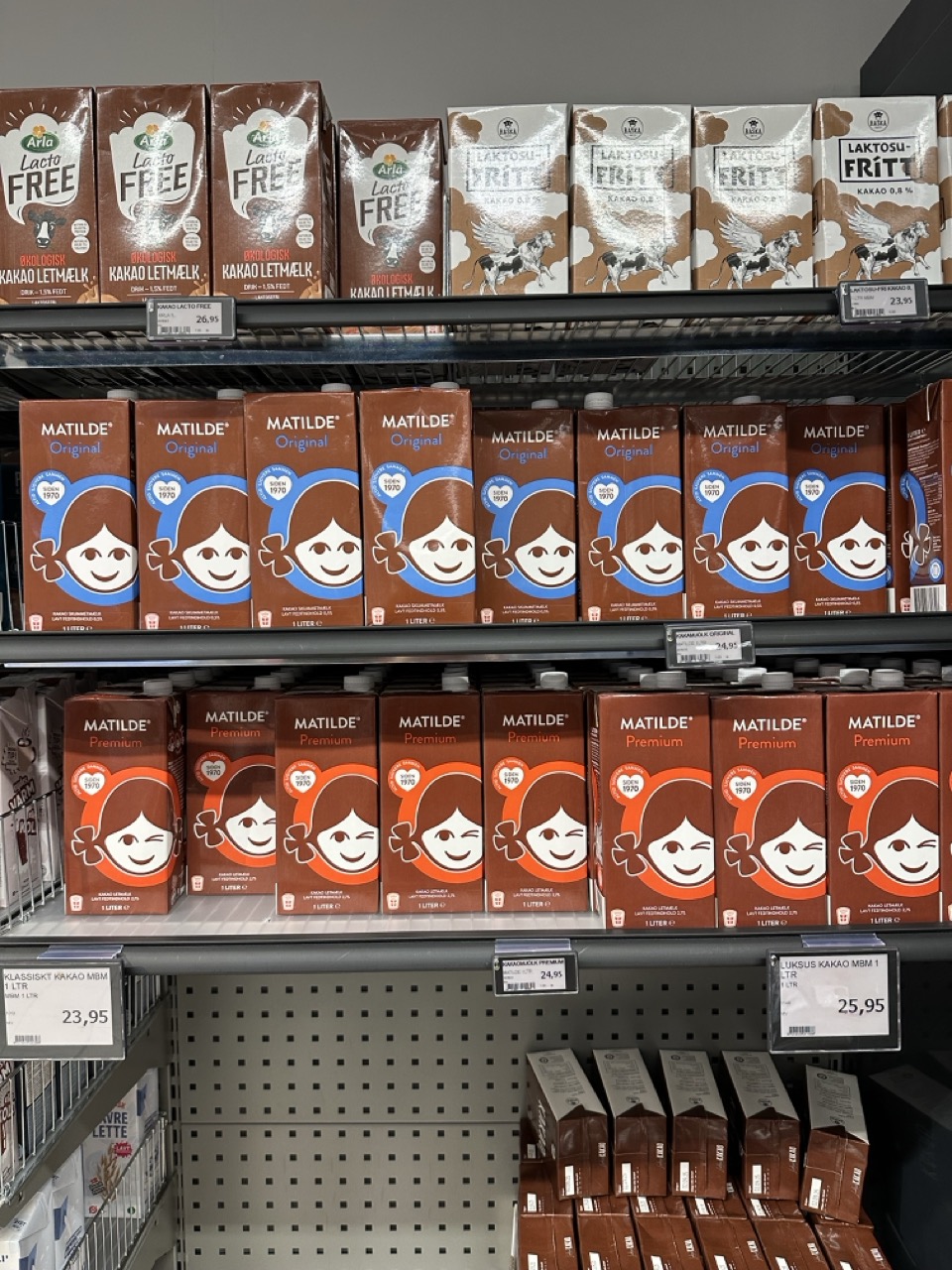
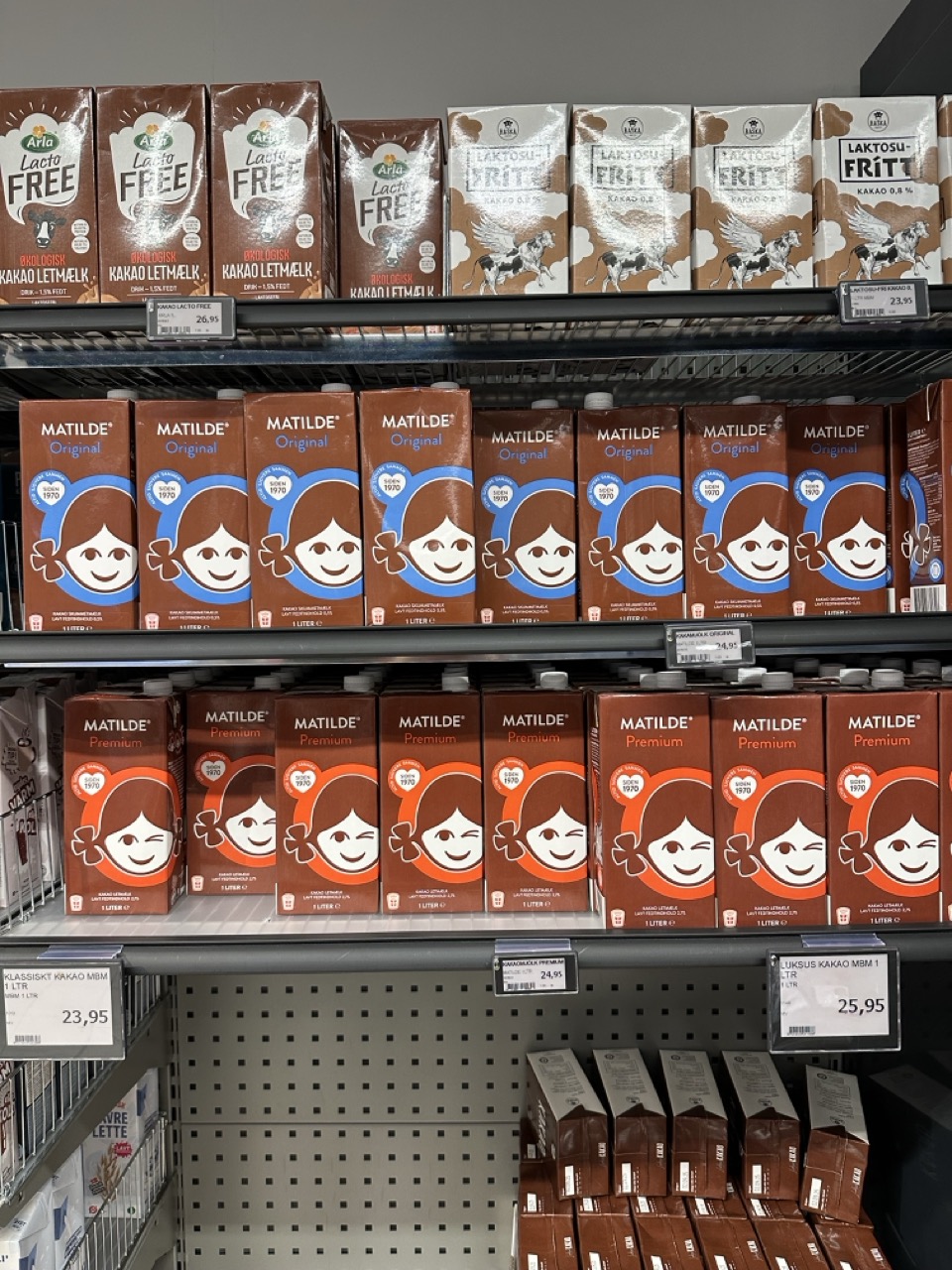
- Milk (1 liter): around 12–14 DKK (1.60–1.90 EUR)
- Bread (loaf): 18–25 DKK (2.40–3.30 EUR)
- Cheese (500 g): 45–60 DKK (6–8 EUR)
- Eggs (12 pcs): 30–35 DKK (4–4.70 EUR)
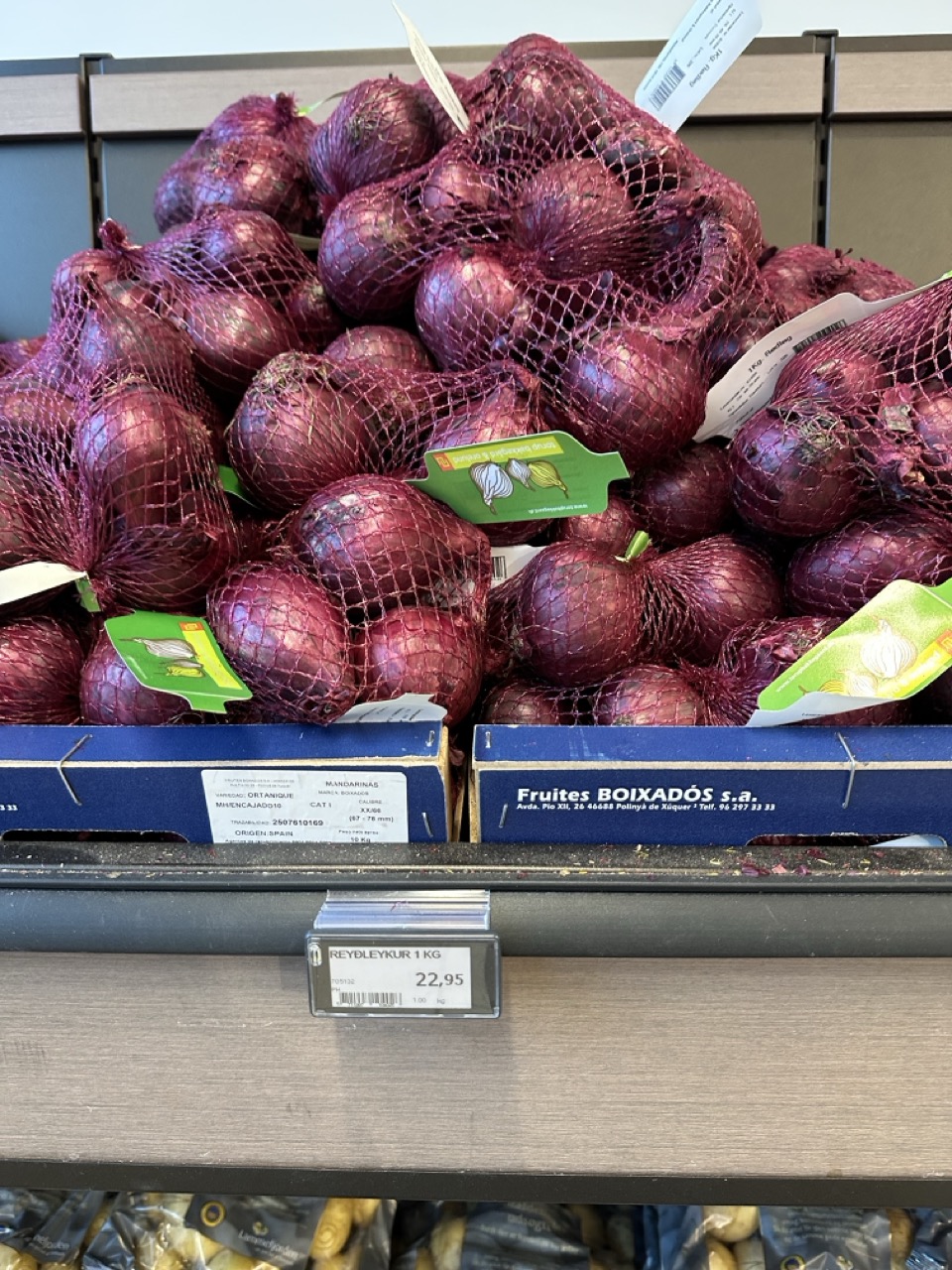
- Apples (1 kg): 30–35 DKK (4–4.70 EUR)
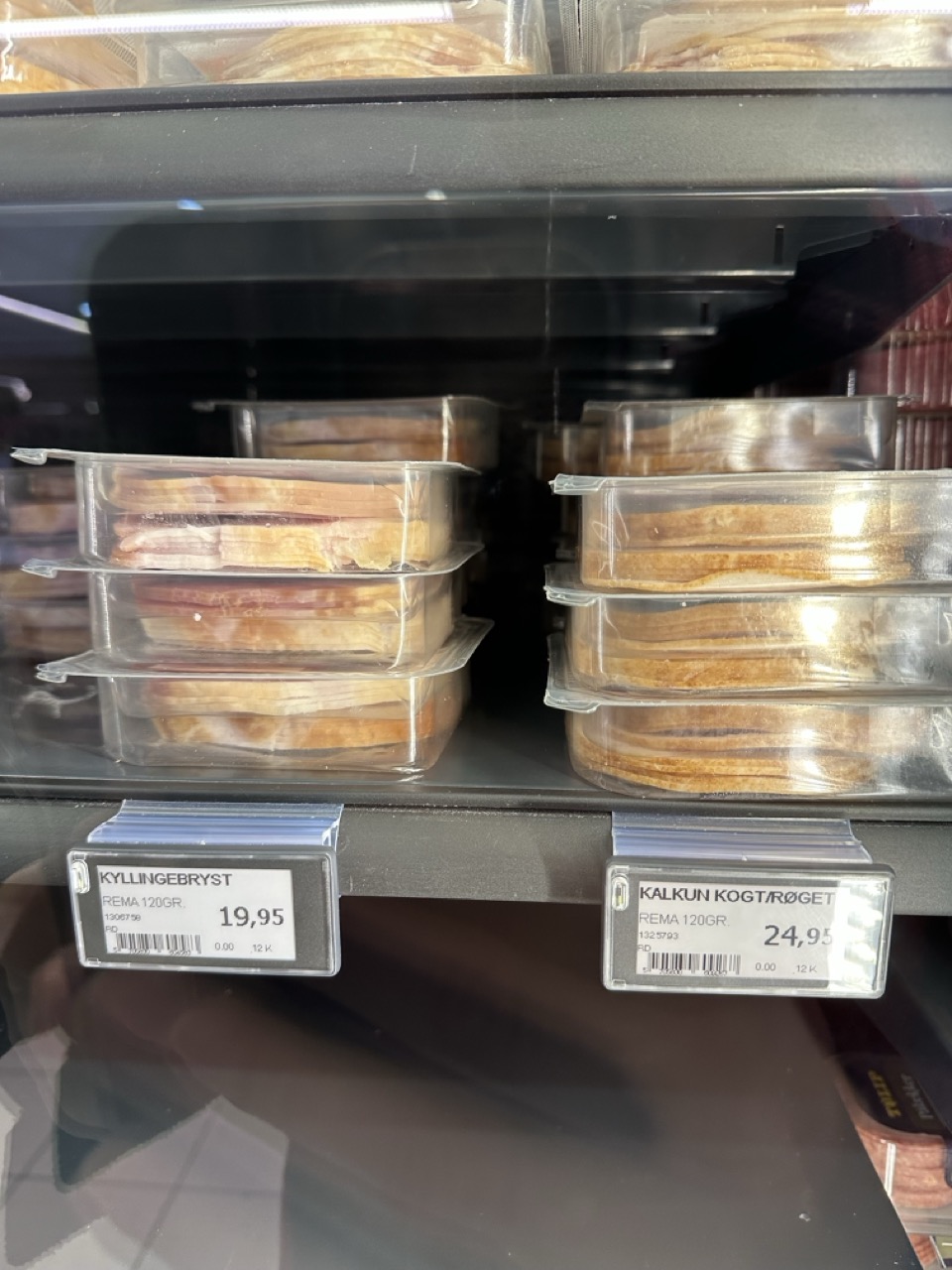
- Chicken breast (1 kg): 85–100 DKK (11–13 EUR)
- Bottled water (1.5 l): 10–12 DKK (1.30–1.60 EUR)
- Coffee (250 g): 30–40 DKK (4–5.30 EUR)
Pro Penguin Tip: tap water is perfectly drinkable, so skip buying bottled water to save money. It is also one of the most delicious waters we have ever drunk.
What’s Different About Faroese Grocery Stores
- Limited opening hours. Most stores close early on Sundays (often by 6 PM), and some smaller ones may not open at all.
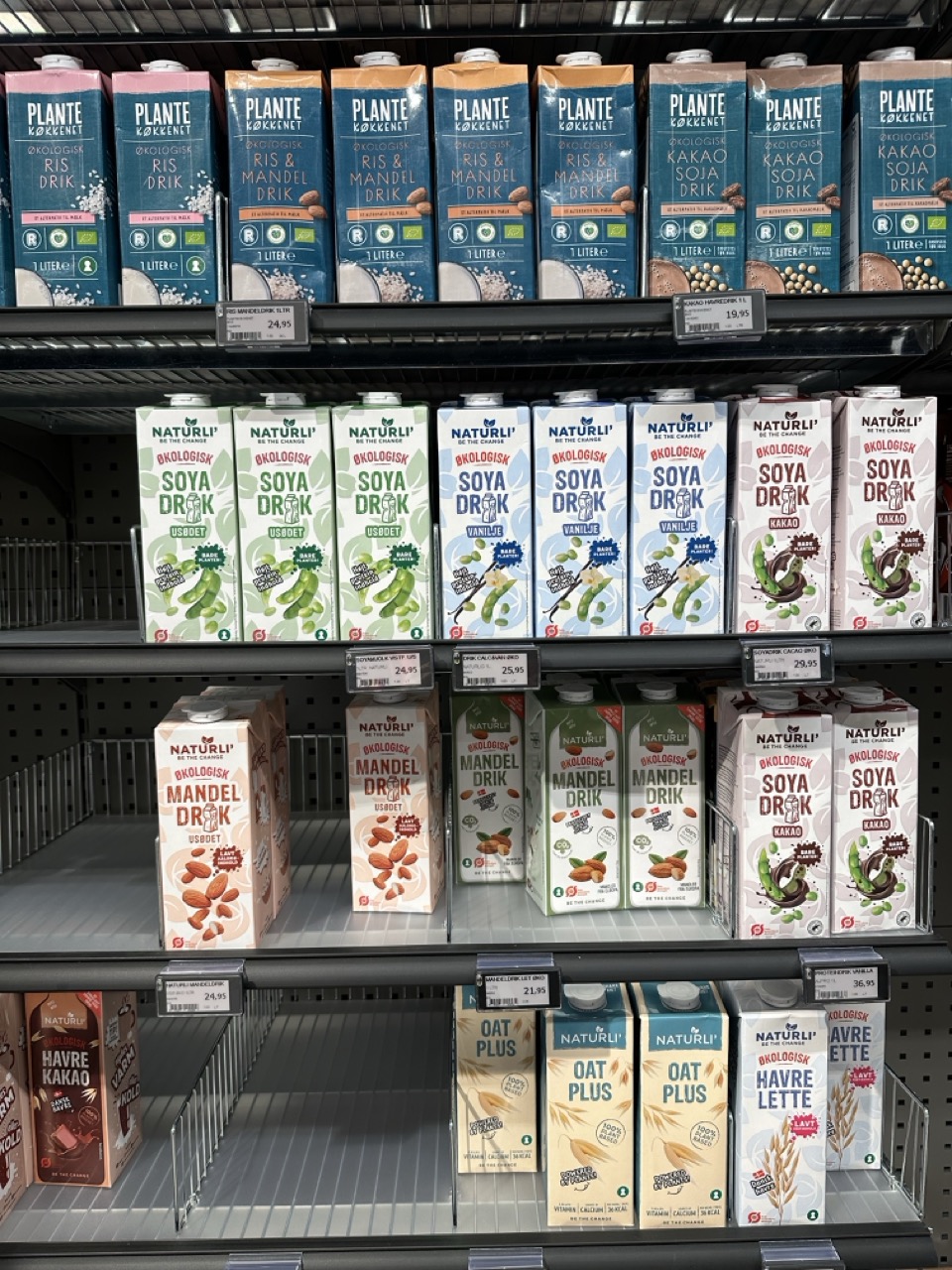
- Local specialties. Look for Faroese salmon, lamb, and dairy products; some are cheaper and fresher than imports.
- Plastic bag policy. Bags cost extra, so bring a reusable one.
- Selection. You’ll find Nordic brands and Danish imports, but don’t expect the variety you’d see in Germany or the UK.
- Alcohol sales. You can’t buy alcohol in regular supermarkets. Beer, wine, and spirits are only sold in Rúsdrekkasøla Landsins, the state-run liquor stores.

Our First Grocery Stop: Á Landavegur
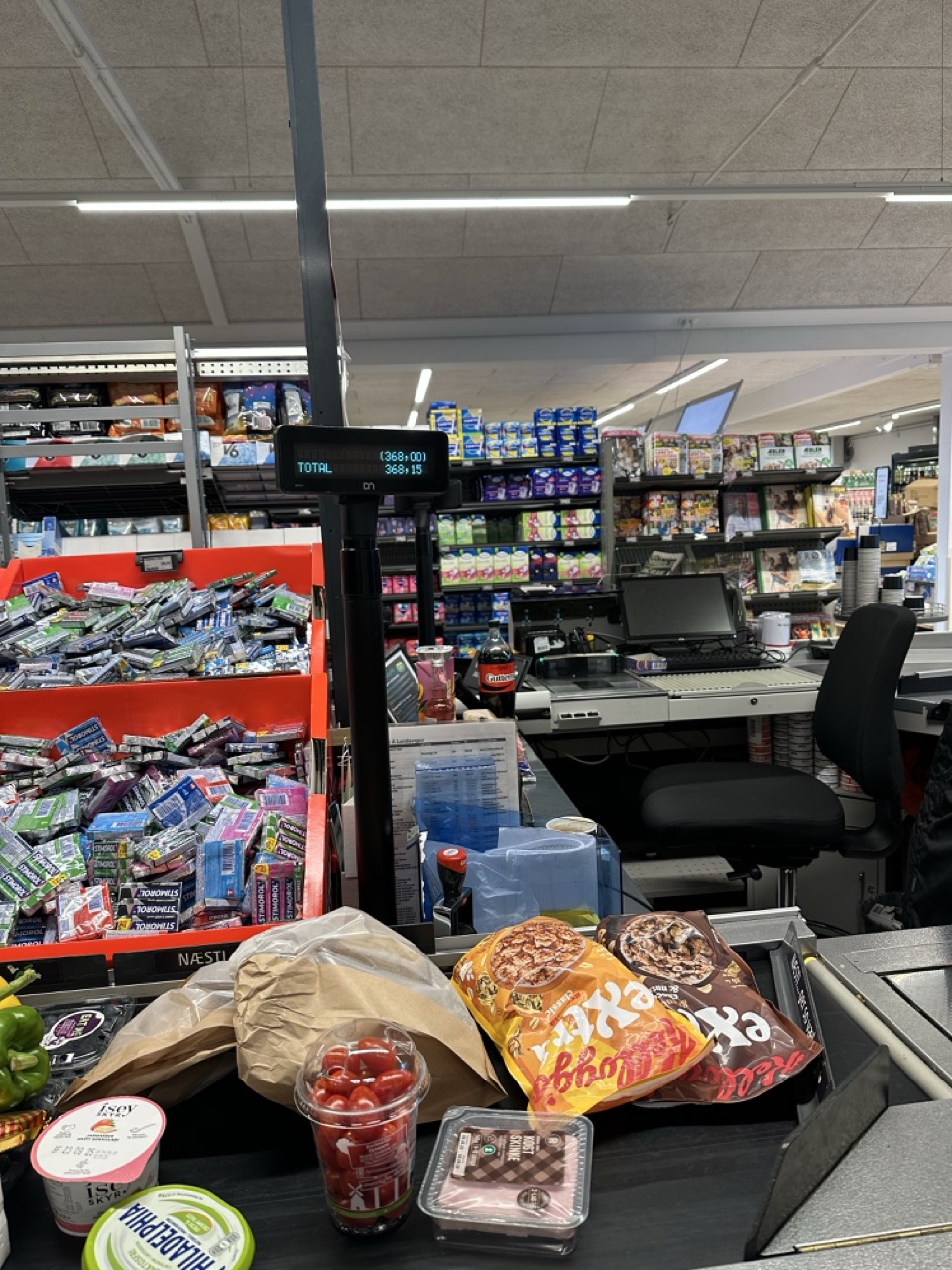
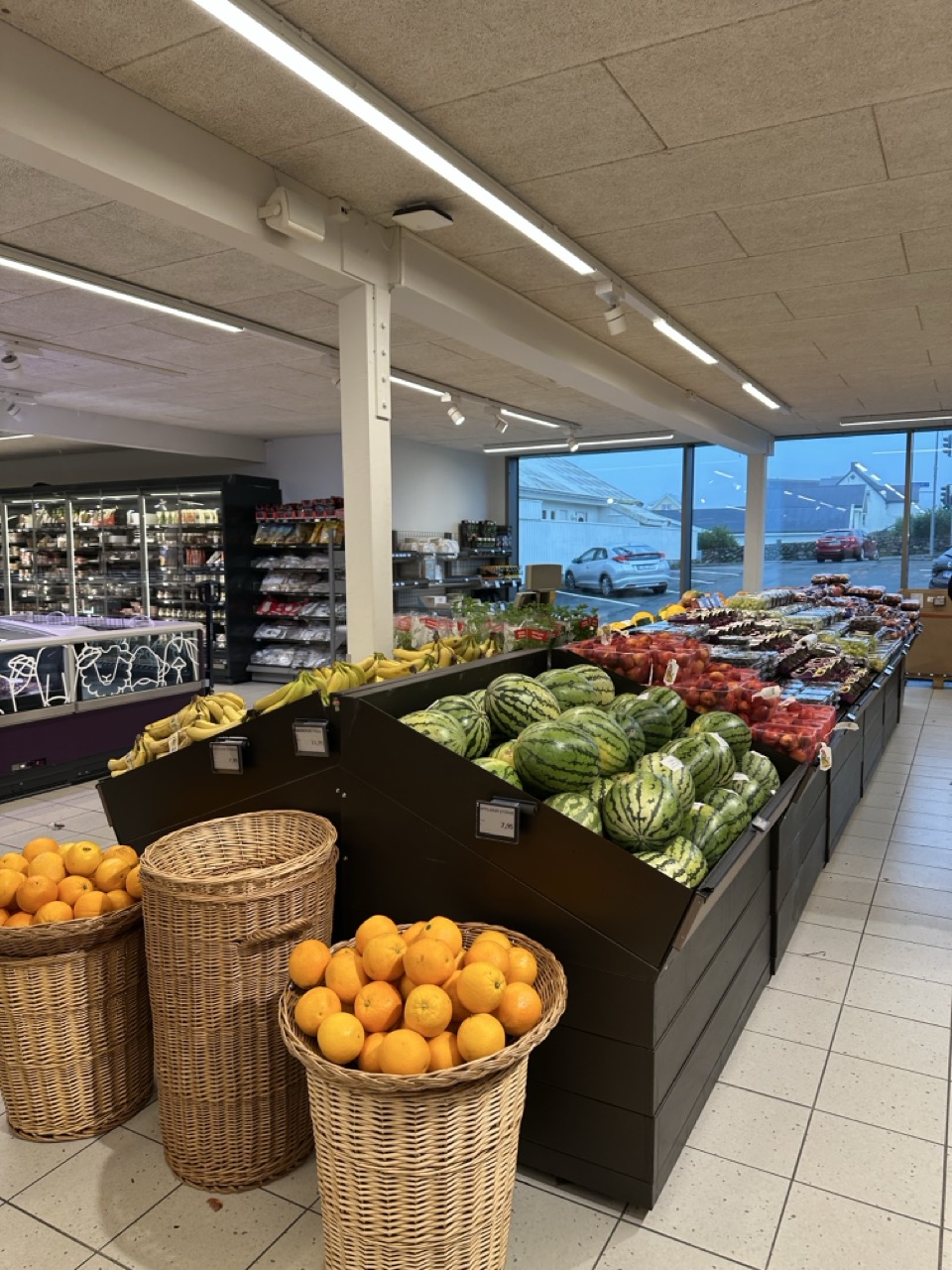
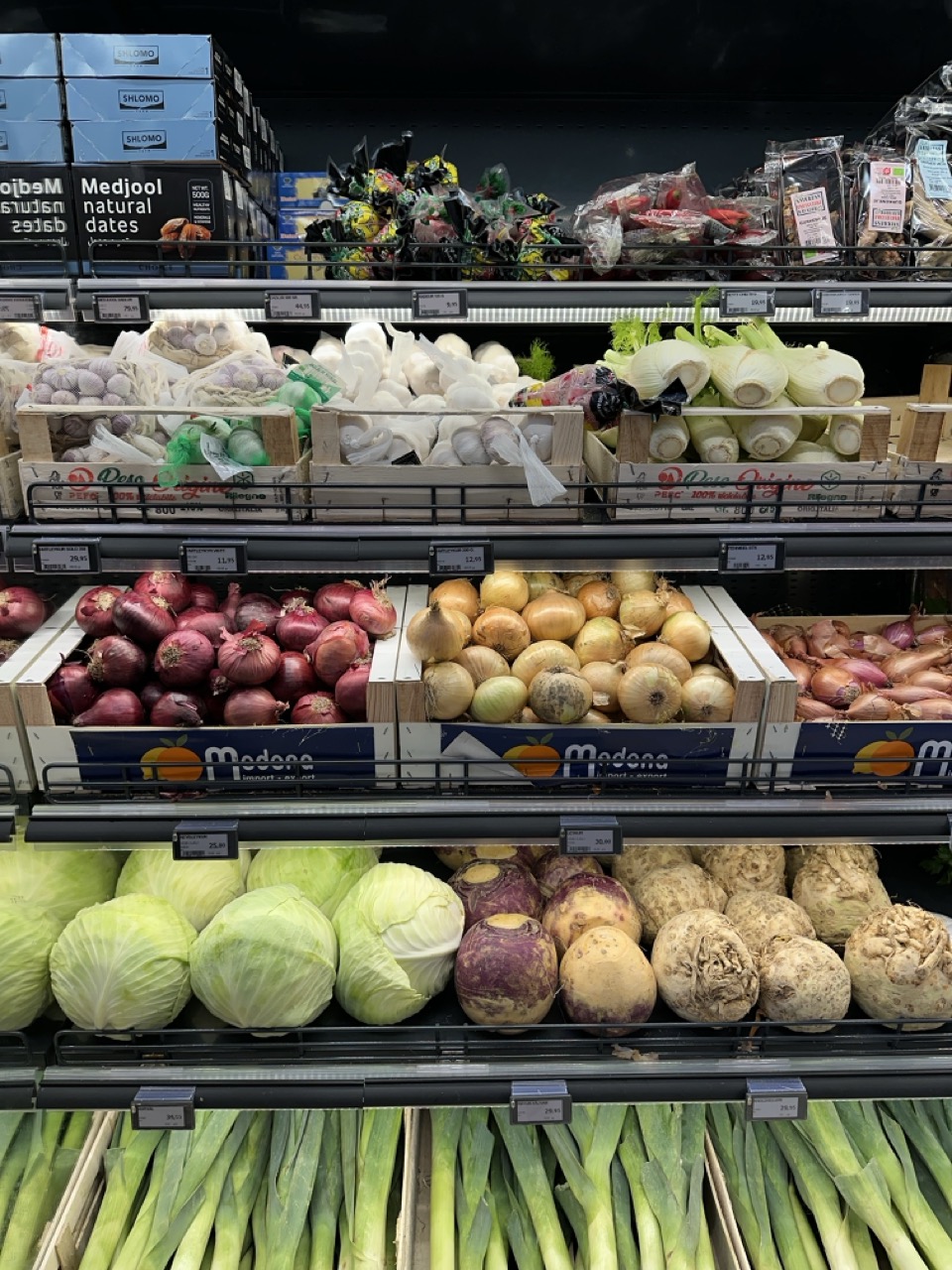
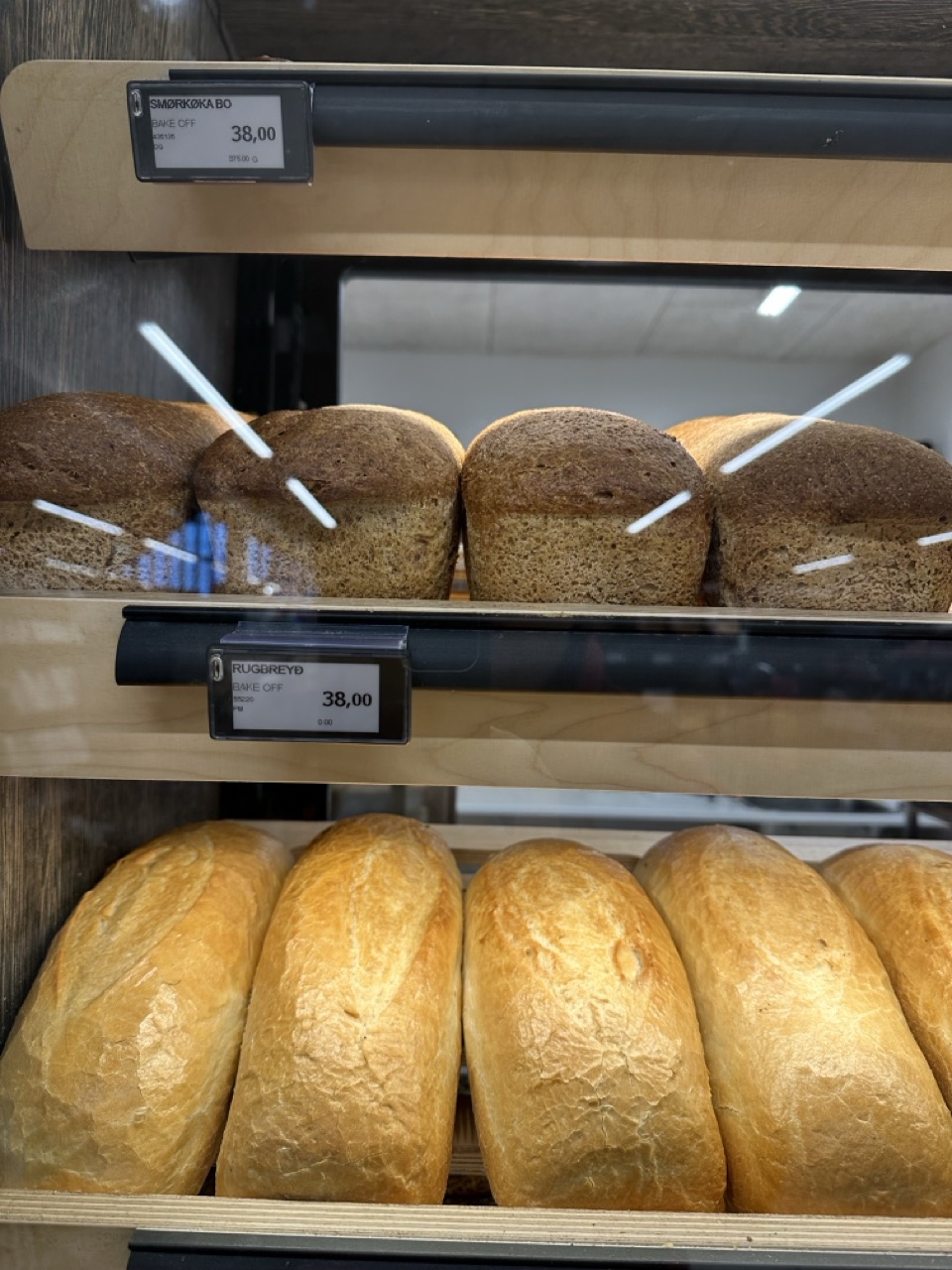
Á Landavegur was the very first supermarket we visited in the Faroe Islands. Since we had arrived late in the evening when everything else was already closed, it was a relief to find this store open early the next morning. With opening hours from 7 am to 10 pm, it’s one of the more convenient shops for everyone who needs to stock up outside the usual times. The selection was solid, from fresh bread to fruit and basic household items, but prices leaned toward the higher side; for example, a loaf of bread was around 25 DKK (3.30 EUR), a liter of milk about 14 DKK (1.90 EUR), and a pack of 12 eggs close to 35 DKK (4.70 EUR). It served us well for that first early-morning grocery run, but in the end, it was both our first and last visit, as we later found more budget-friendly stores like Bónus.
Bónus: The Best Budget Supermarket in the Faroe Islands
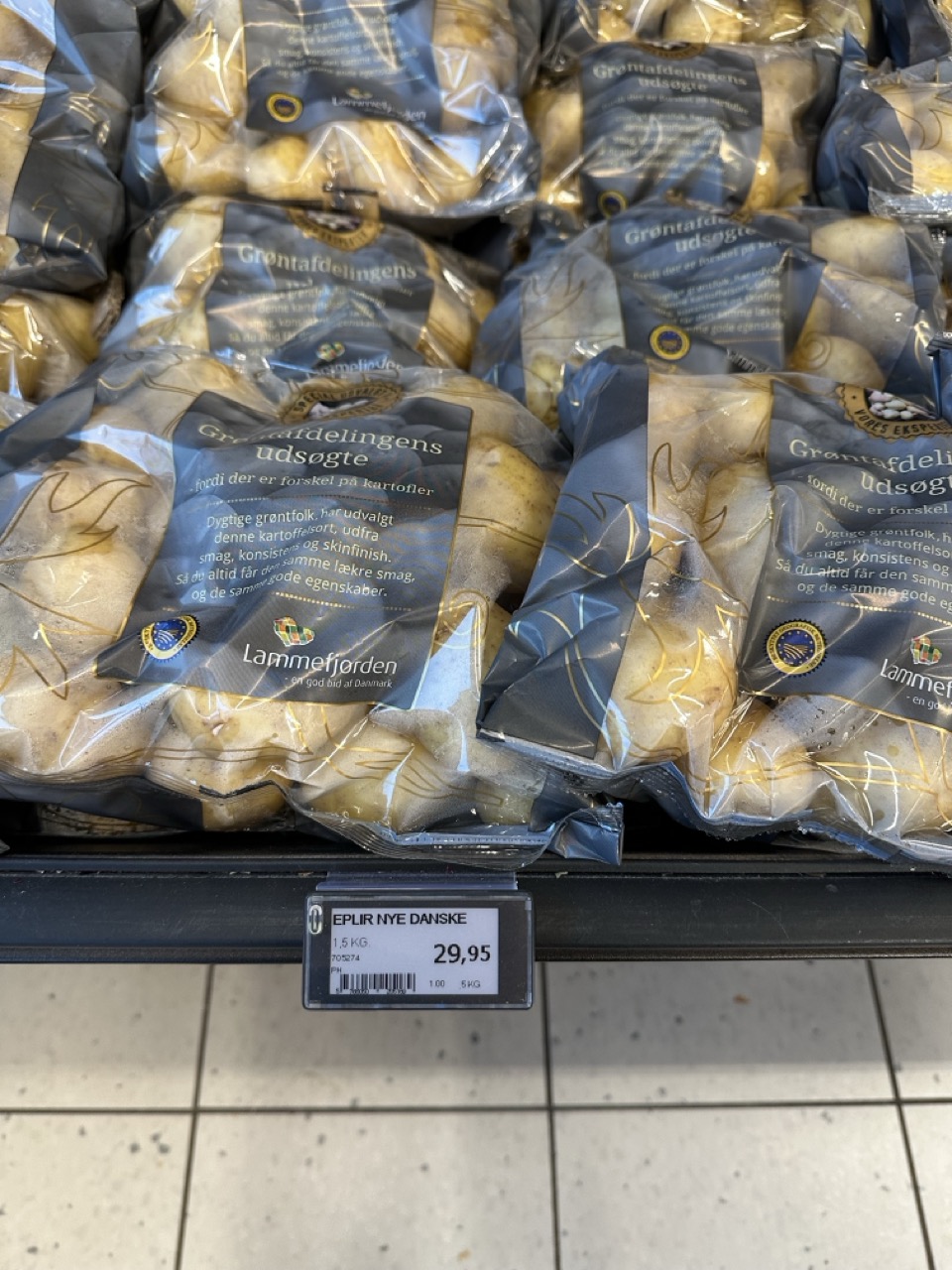
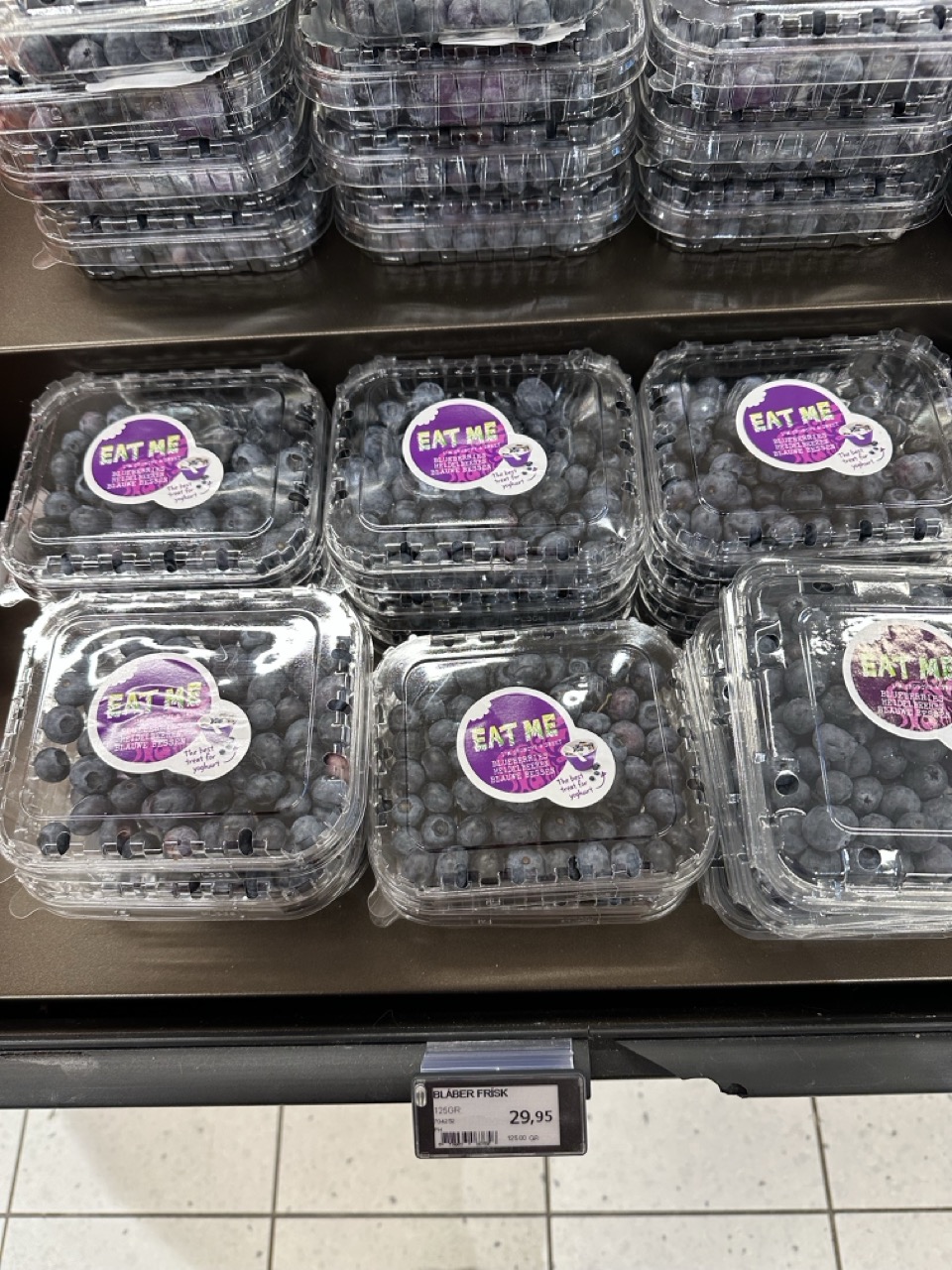
Bónus quickly became our favorite supermarket in the Faroe Islands, and we ended up stopping there almost every day of our trip. With its unmistakable yellow piggy-bank logo, Bónus is considered the budget-friendly choice on the islands, and for good reason. Prices here were consistently lower than in other shops; milk cost around 12 DKK (1.60 EUR), a fresh loaf of bread started at 18 DKK (2.40 EUR), and a kilo of apples was about 30 DKK (4 EUR). Beyond the basics, the store also offered a variety of snacks, Faroese dairy products, affordable frozen meals, and fresh fish, depending on the location. We found it especially handy for picking up road trip essentials, such as sandwiches, chocolate bars, and drinks, before heading out to remote villages or hiking trails.
What we loved most about Bónus was that it struck the perfect balance: prices were great, but the selection never felt lacking. From everyday groceries to occasional surprises, such as international products, it offered everything we needed without stretching our travel budget. It’s no wonder that Bónus became part of our daily routine; sometimes we popped in just for a quick snack, other times for a full grocery restock. For any traveler looking to self-cater in the Faroes, Bónus is the clear go-to.
Grocery Store Comparison in the Faroe Islands
| Store | Price Level | Selection & Highlights | Best For |
|---|---|---|---|
| Bónus | ⭐ Cheapest | Wide range of basics, fresh produce, snacks, Faroese dairy, some frozen fish | Budget travelers, daily shopping |
| FK | ⭐⭐ Mid-range | Good mix of local lamb, fresh produce, and imported goods | Balanced shopping with some local specialties |
| Meny | ⭐⭐⭐ Expensive | High-quality selection, fresh bakery, international brands | Travelers wanting variety and premium products |
| Á Landavegur | ⭐⭐ Mid-high | Solid selection, long hours (7 am–10 pm), but prices higher than Bónus | Convenience and late/early shopping |
Surprising Finds in Faroese Grocery Stores
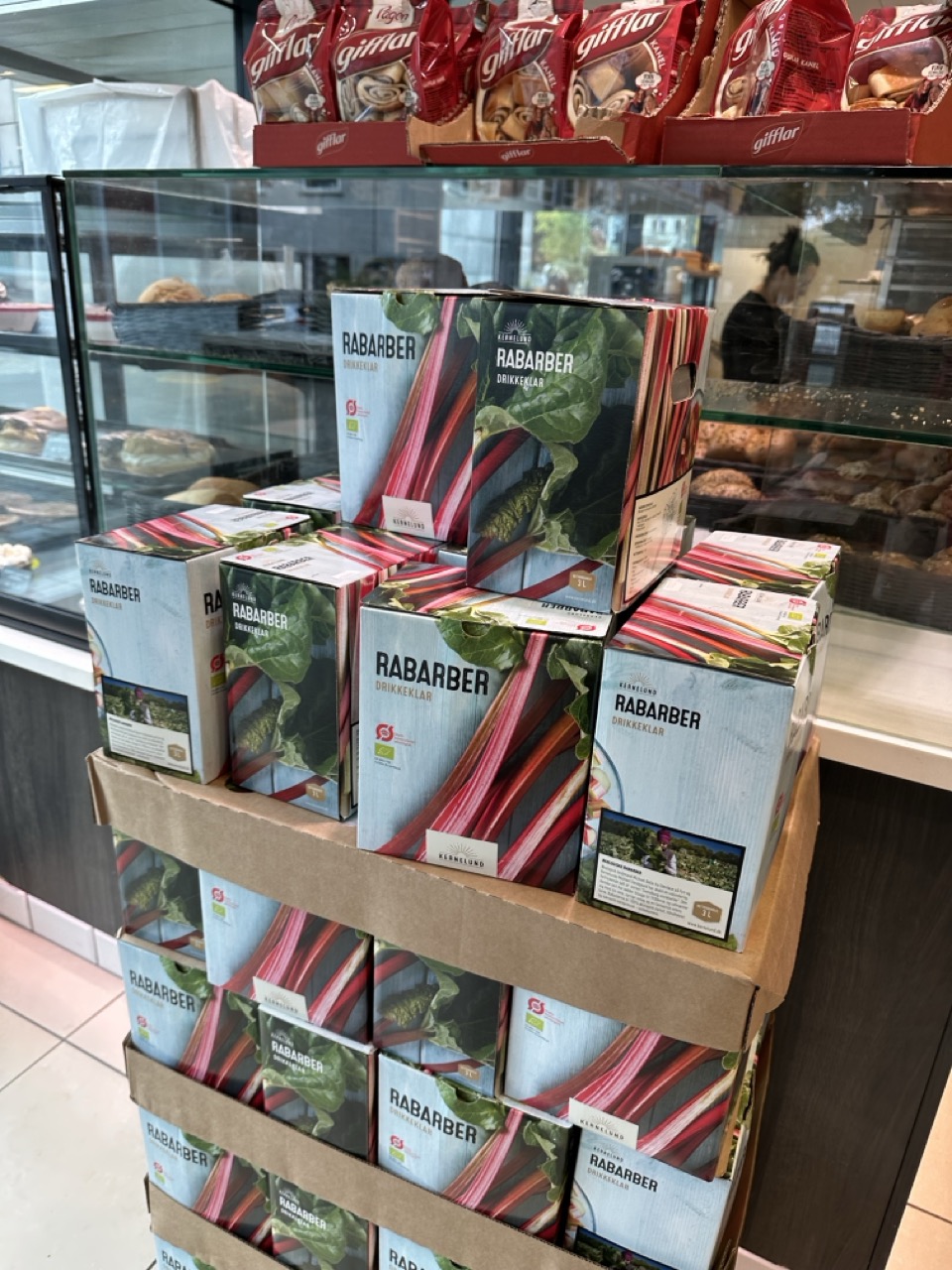
While grocery shopping in the Faroe Islands felt familiar overall, we also noticed a few things that were quite different from what we’re used to back home. Some of these little details made us smile, and others were just plain convenient:
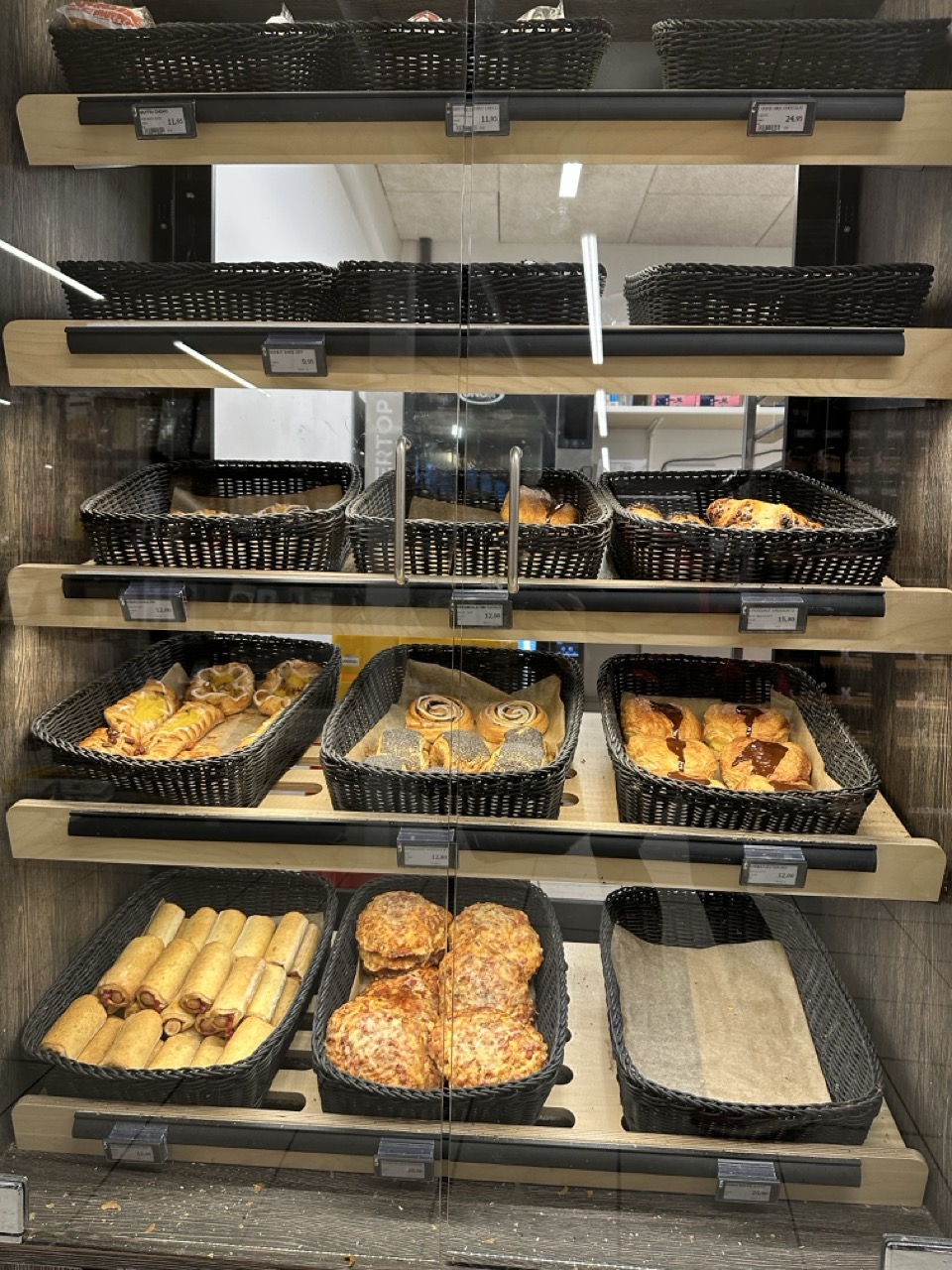
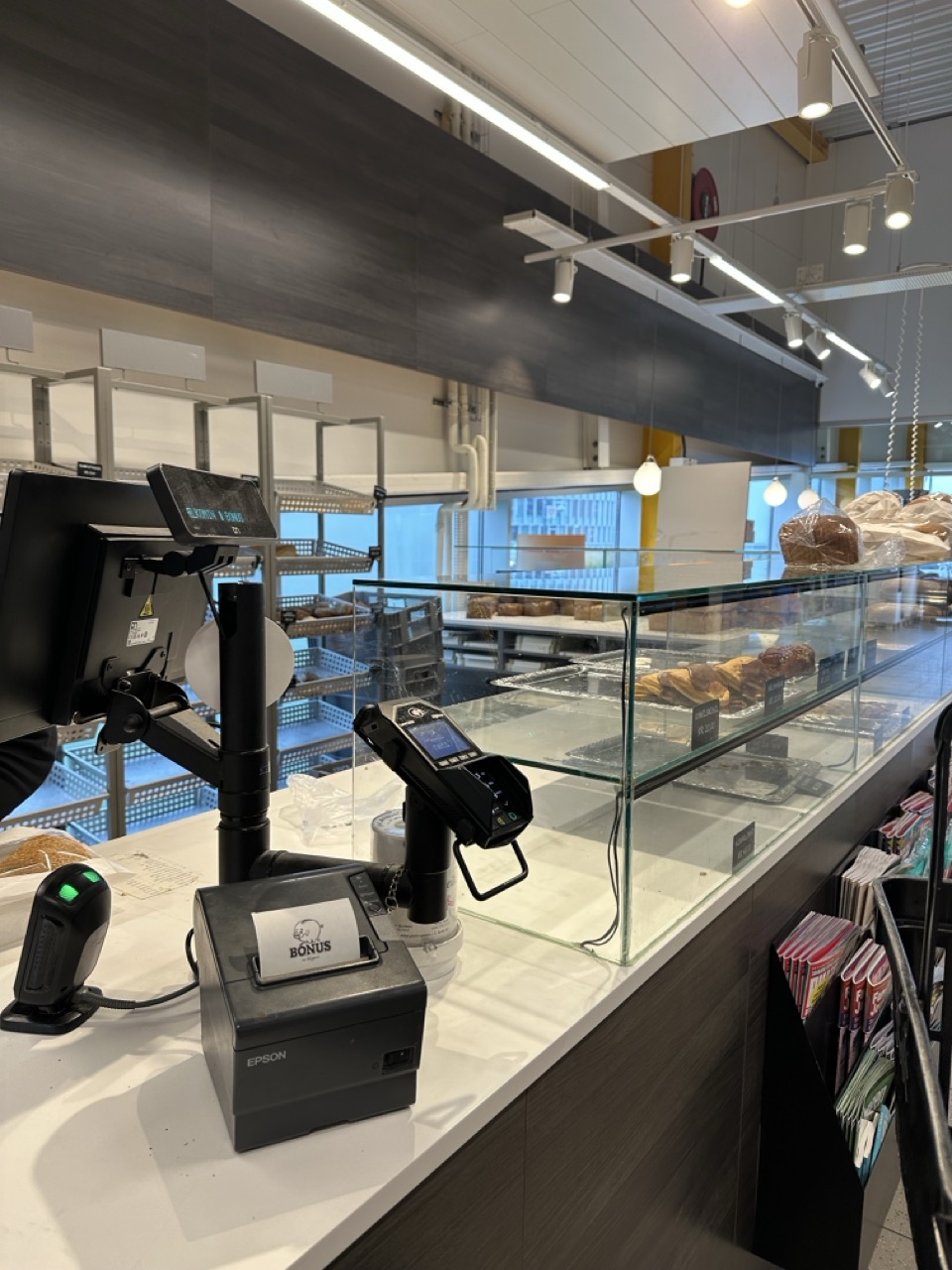
- Bakery by the entrance. In some Bónus stores, the bakery section was right by the door with its own checkout. If you only wanted fresh bread or pastries, you could pay there directly and leave without walking through the whole store—super handy.
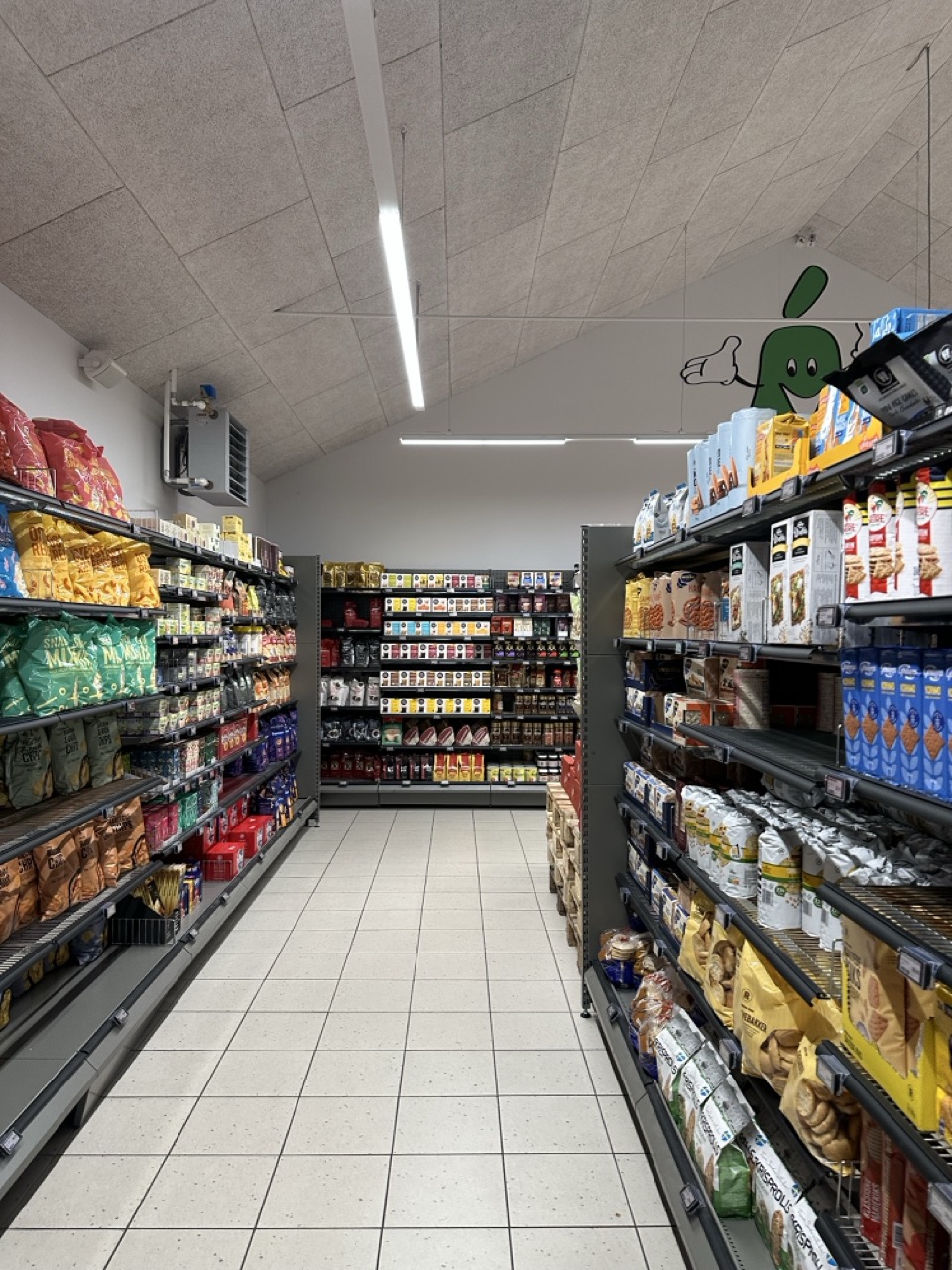
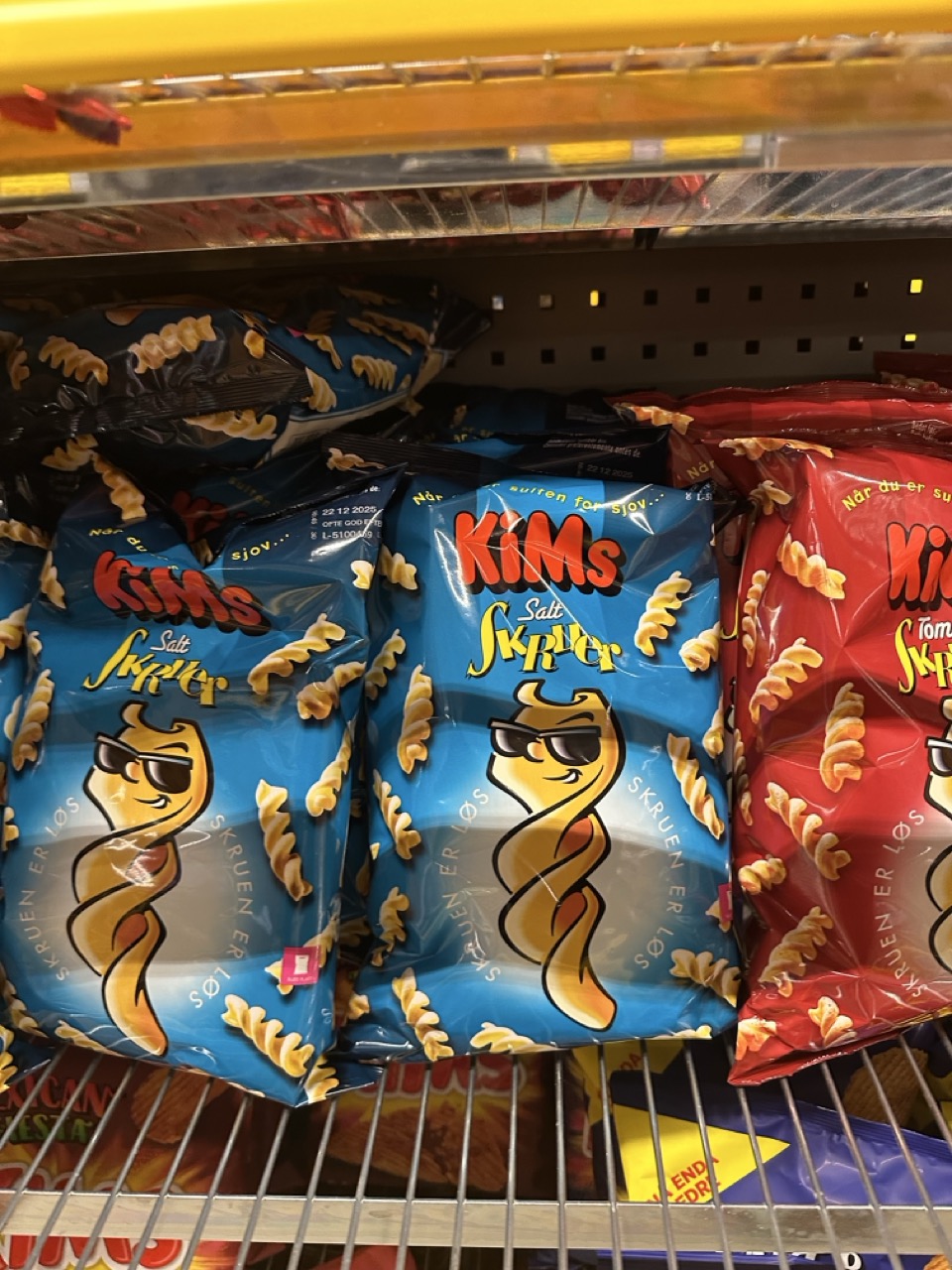
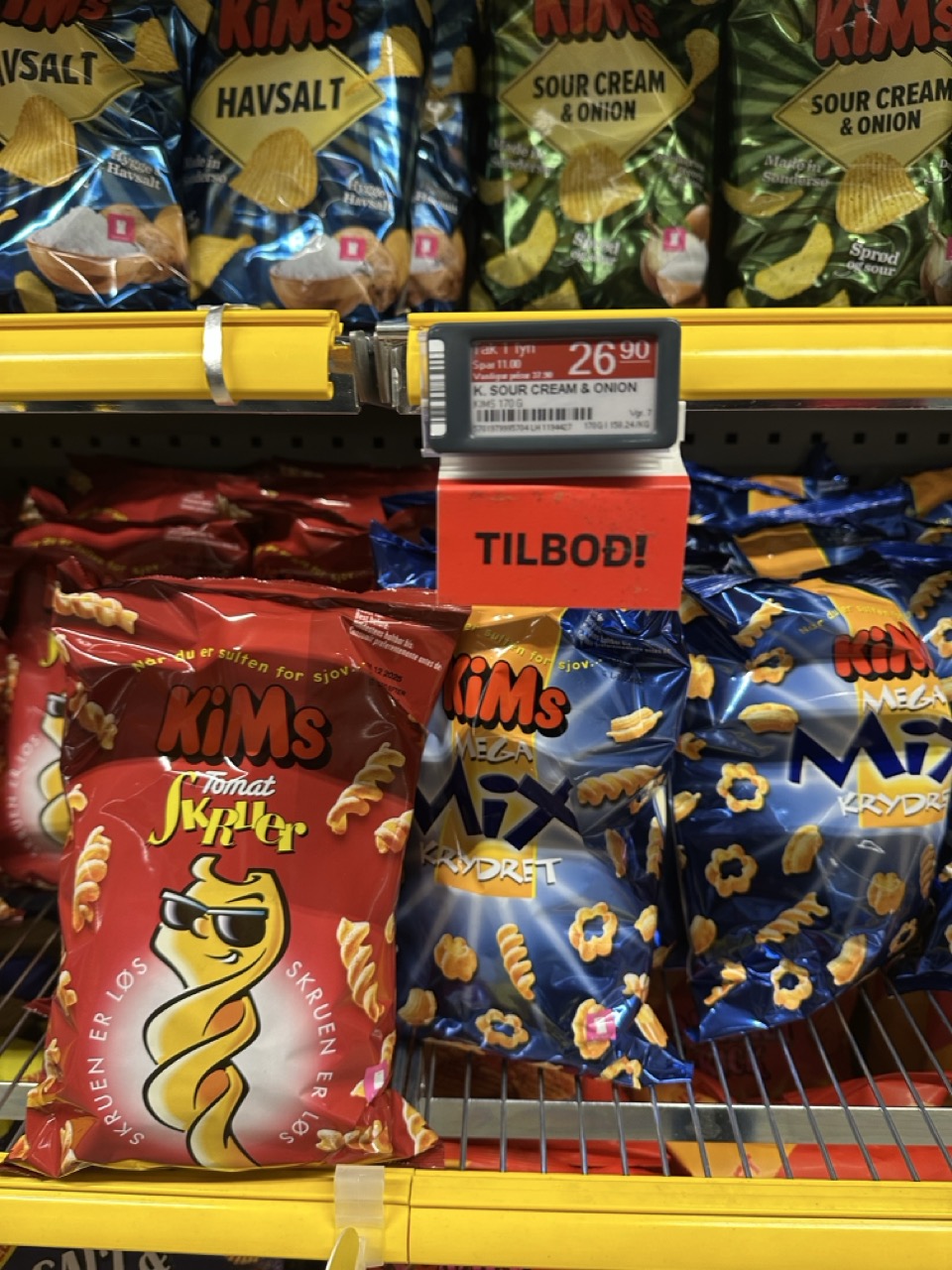
- Potato chip swirls. Instead of the usual shapes, one of the popular potato chips was a fun swirl or “twister” style. It looked unusual but tasted just like regular chips, and we had to try it.
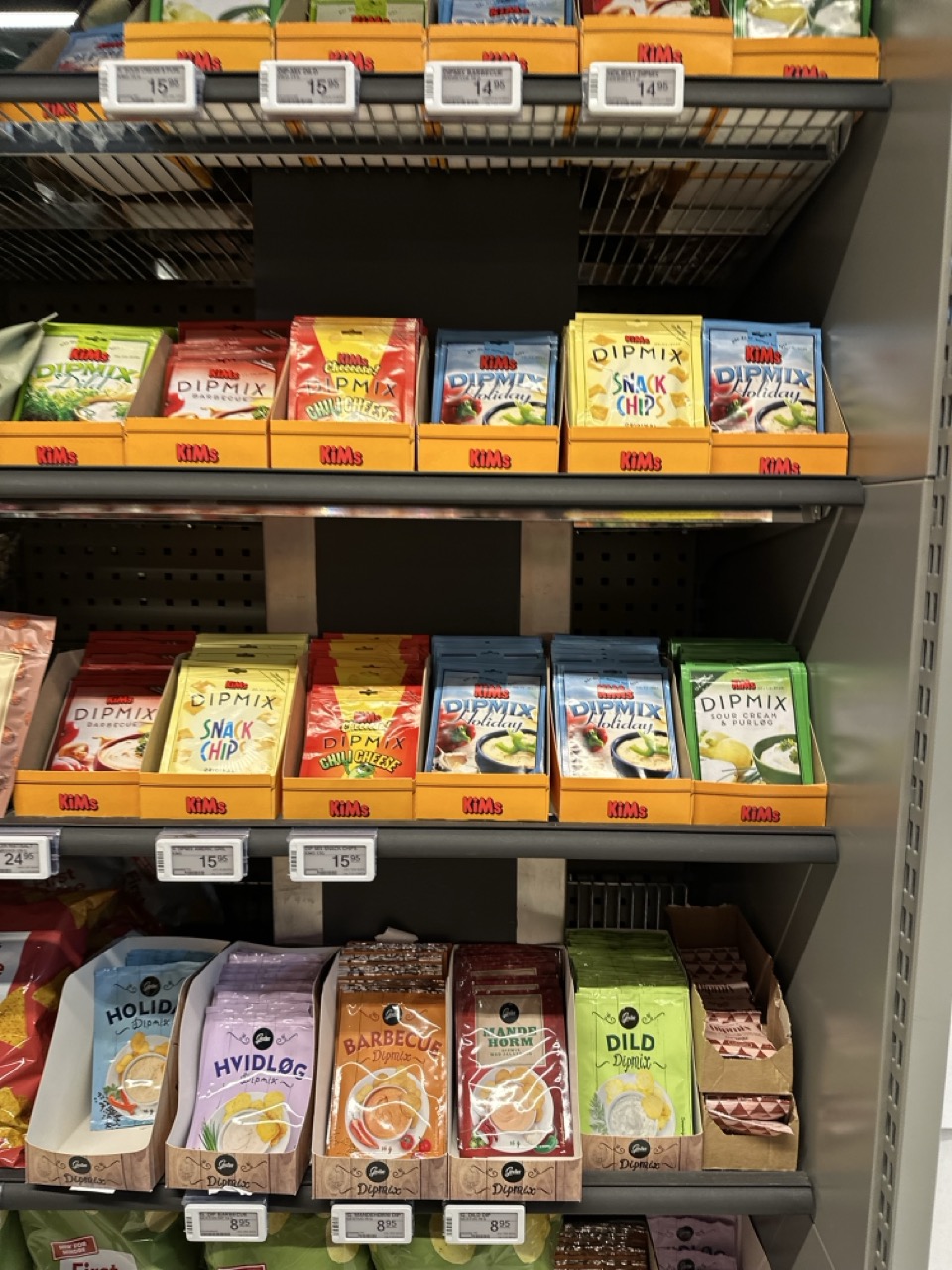
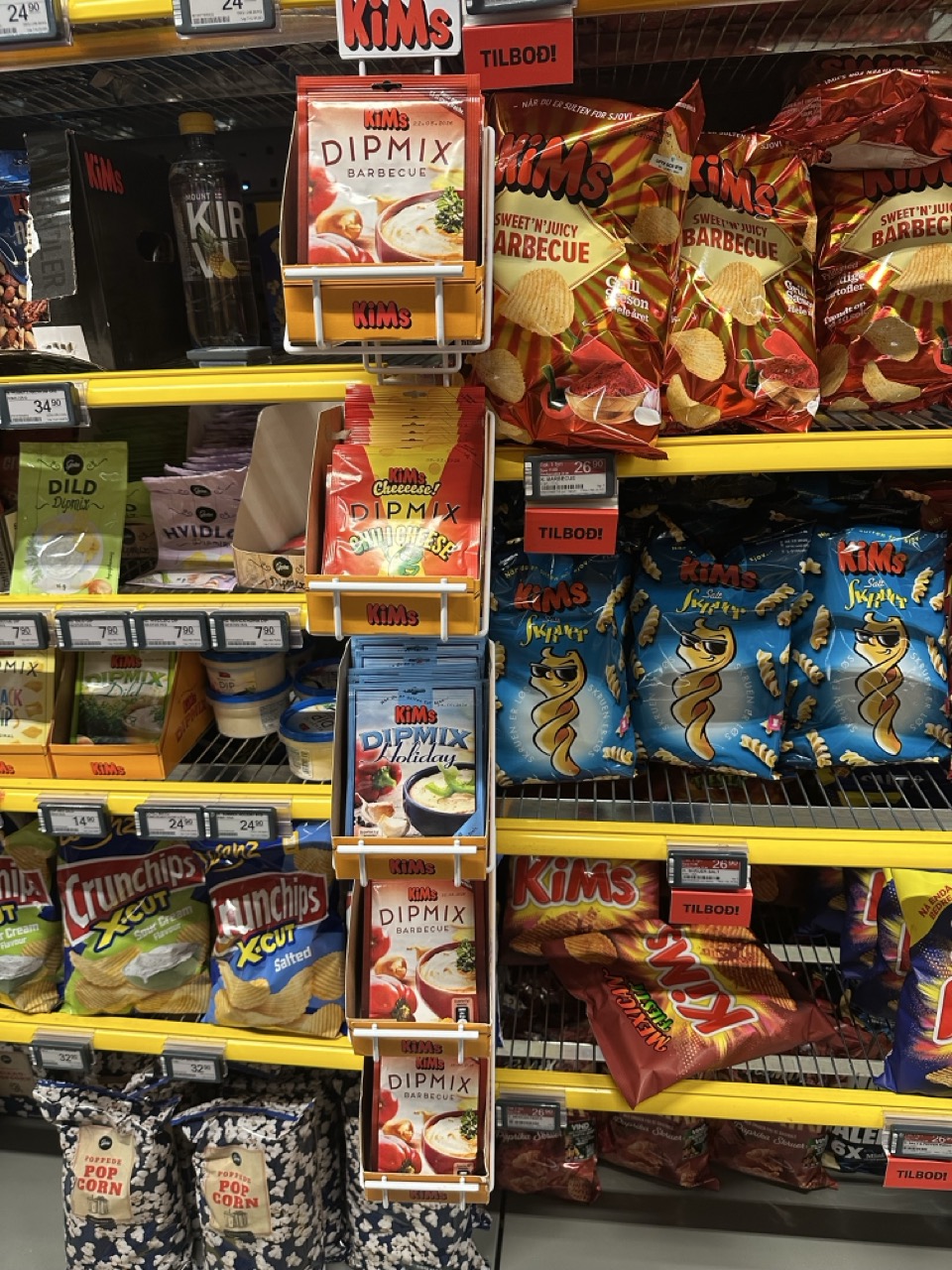
- Powdered dip mixes. Next to the tortillas, we found dips in powdered form. You just mixed them with water or sour cream to create a ready-to-eat dip—something we don’t usually see.
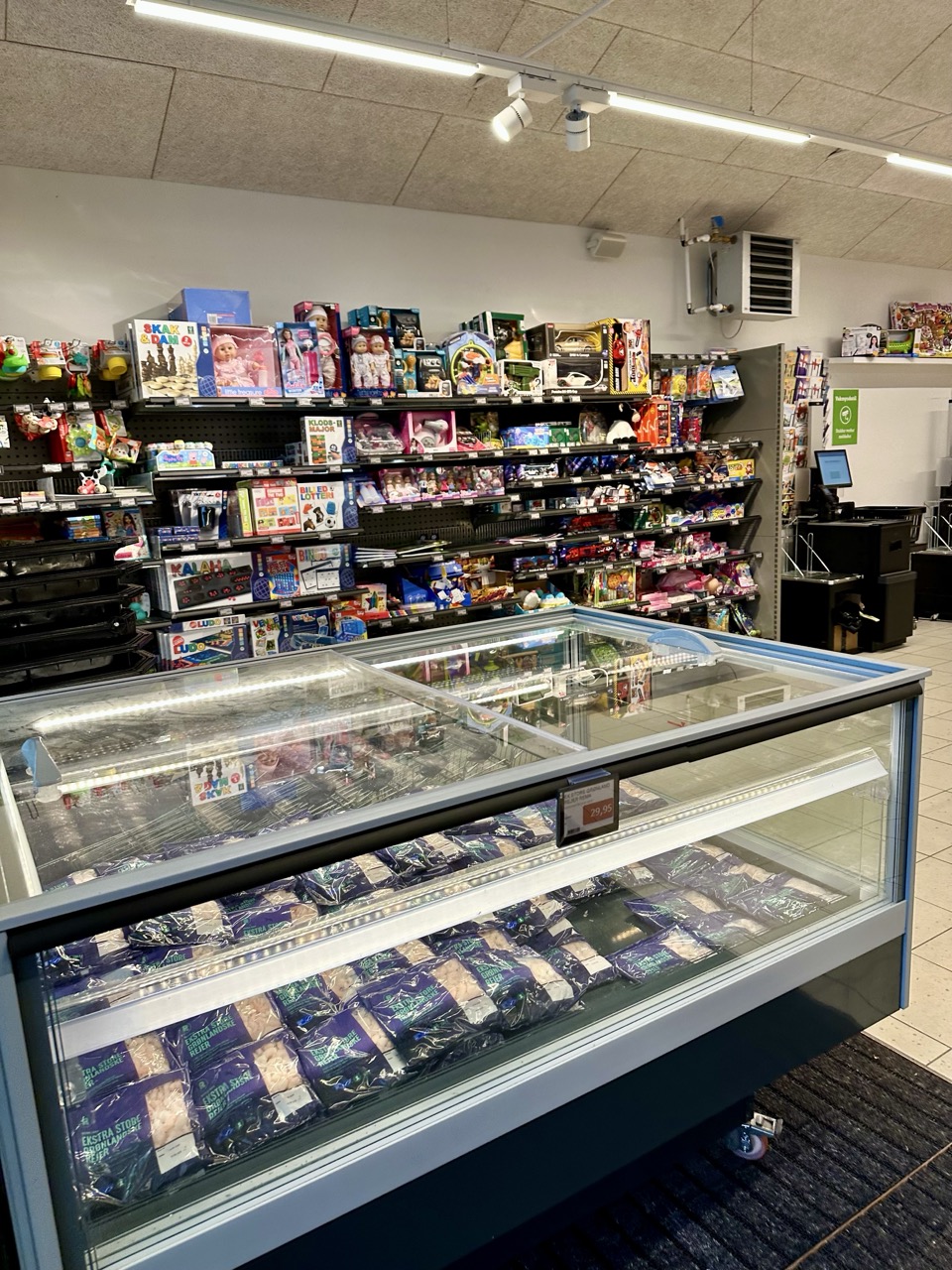
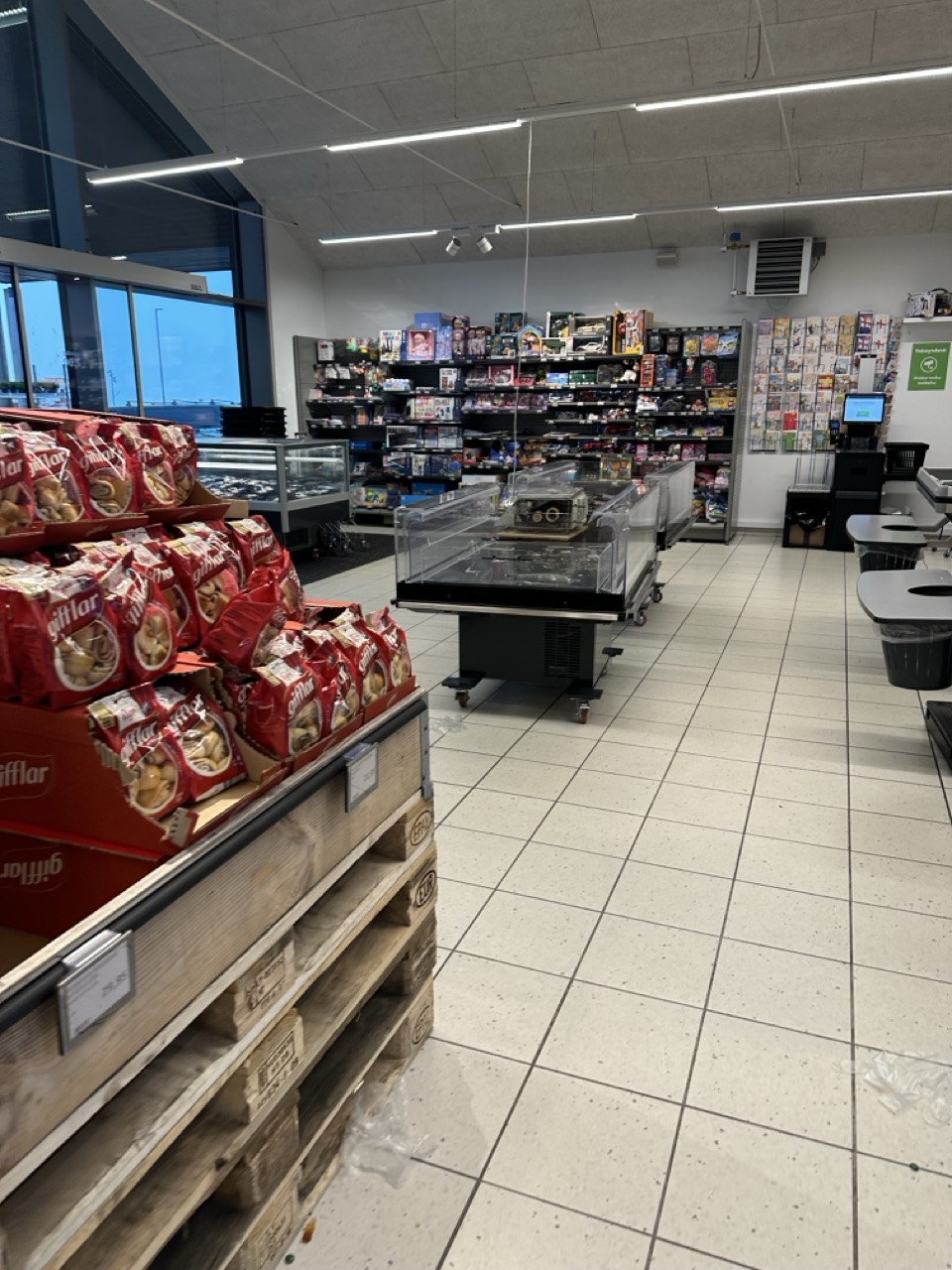
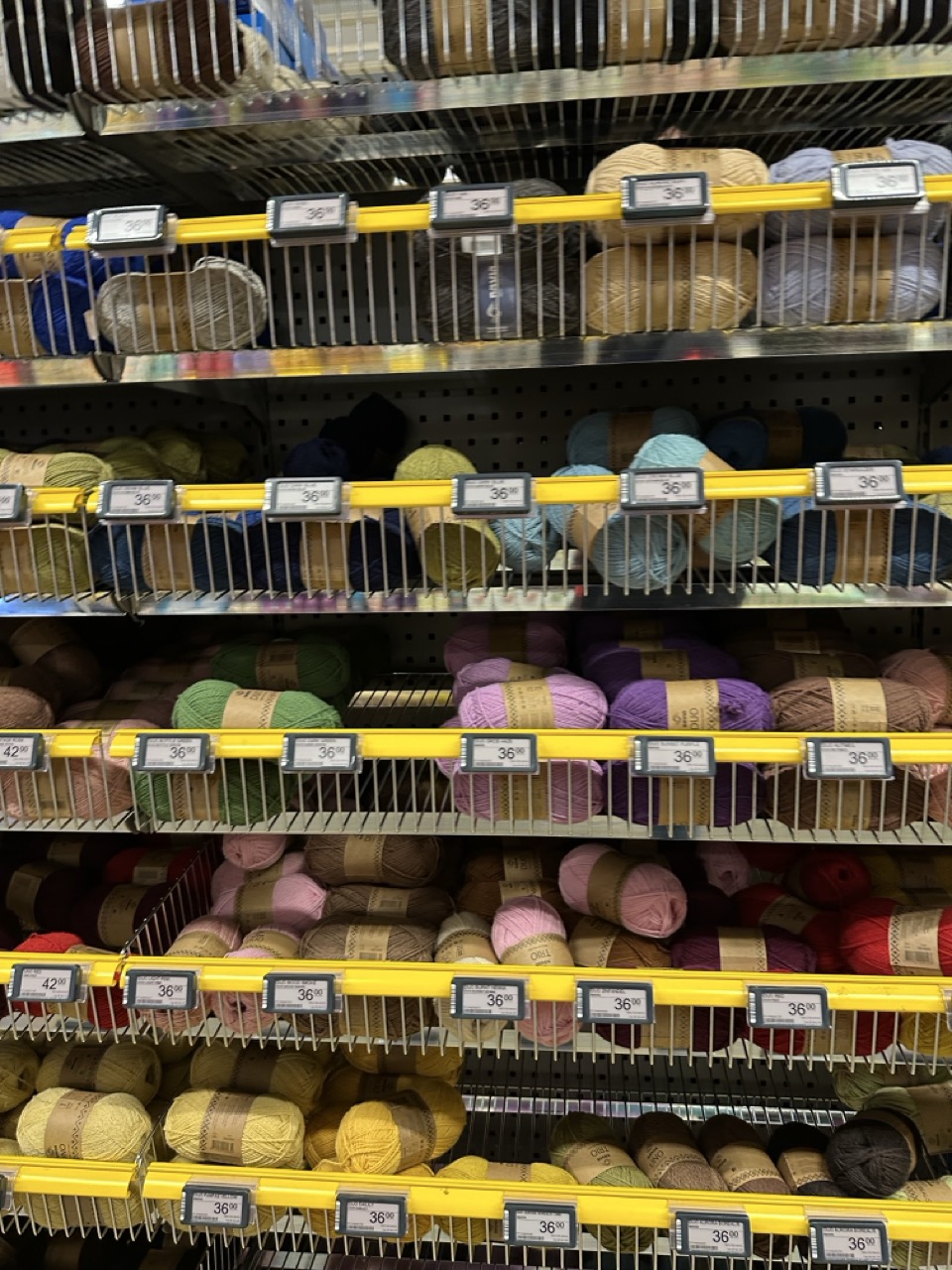
- Yarn in supermarkets. Almost every grocery shop had yarn for sale. It was unusual to see knitting supplies alongside everyday food items.
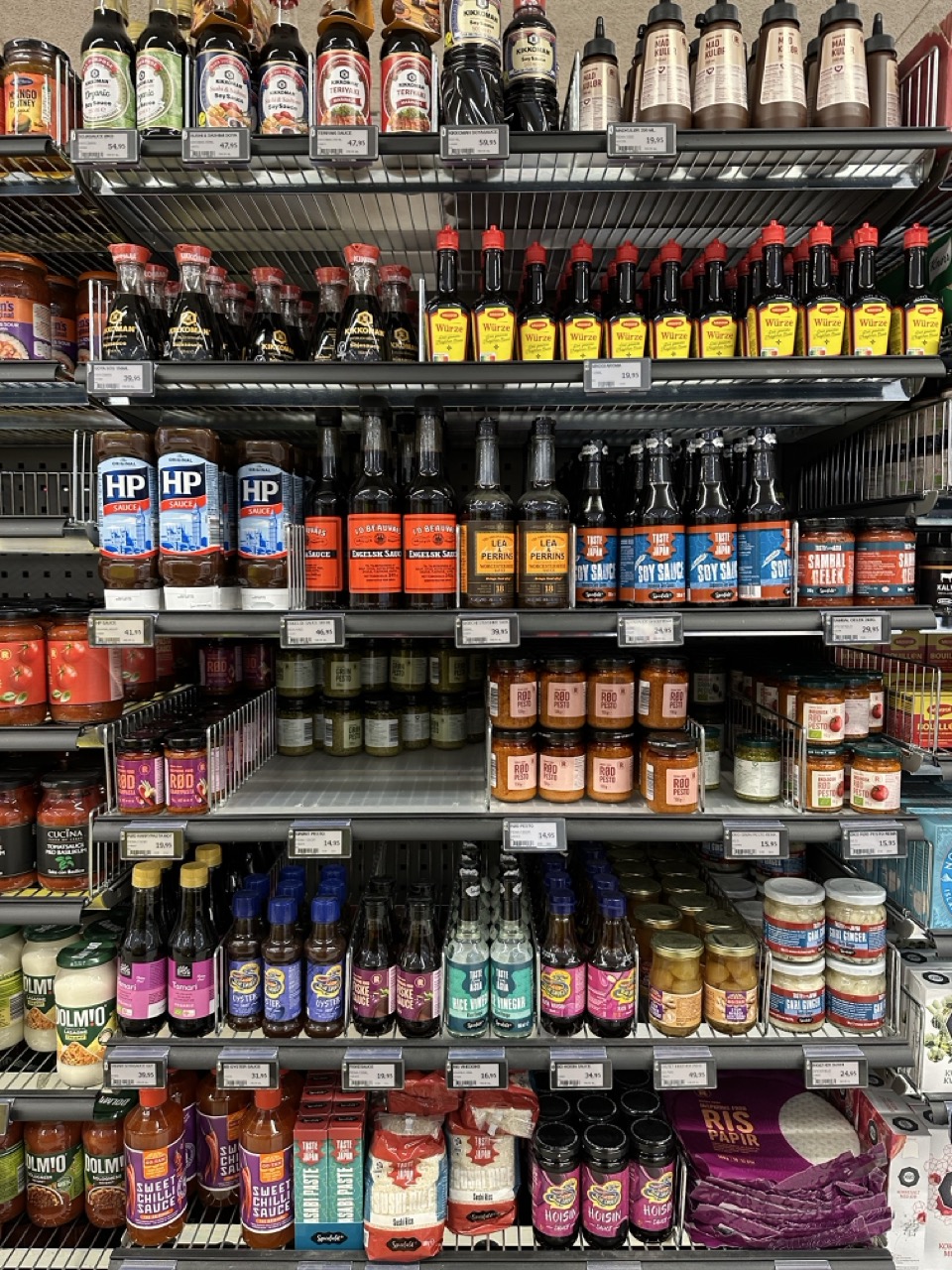
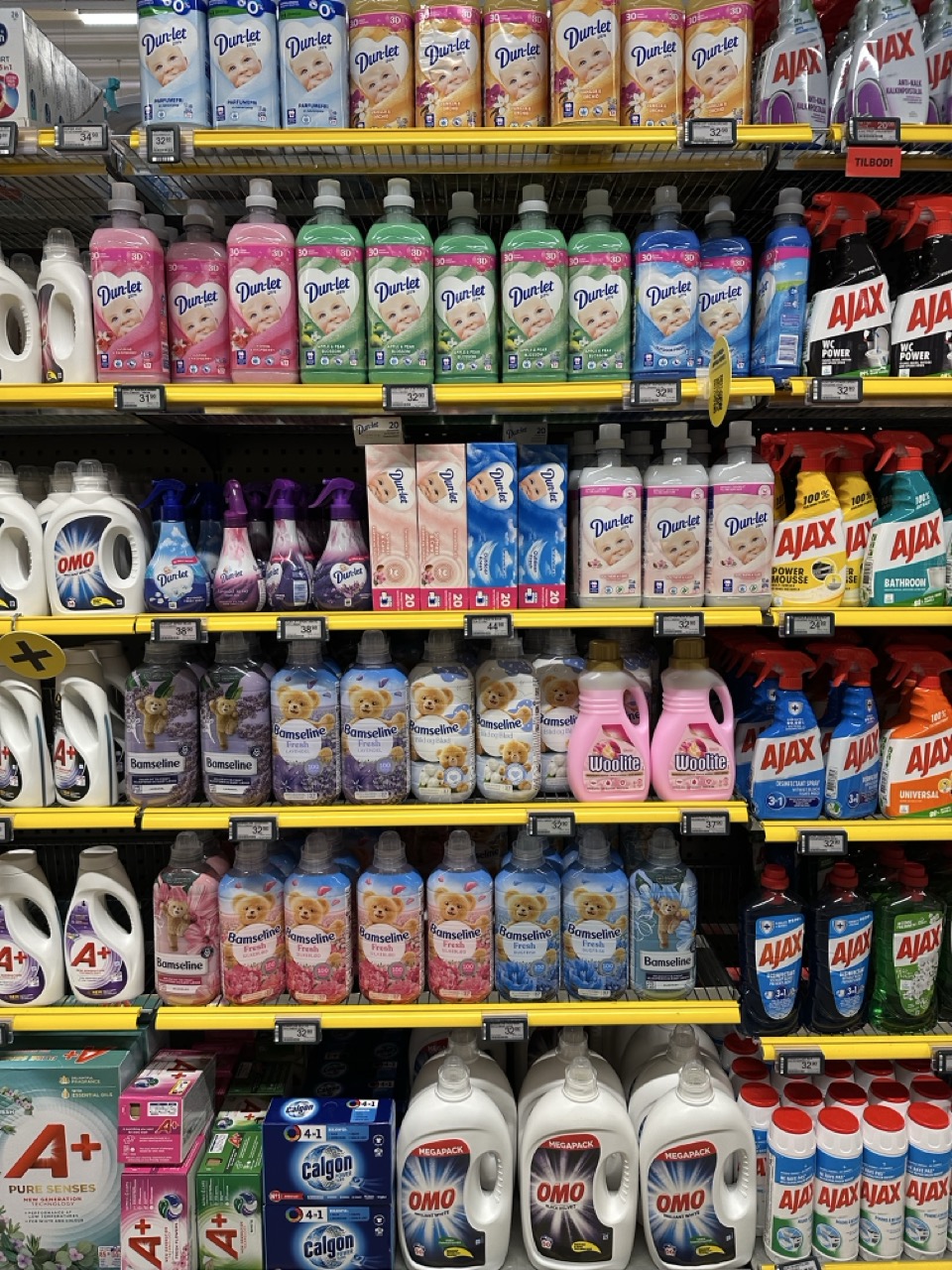
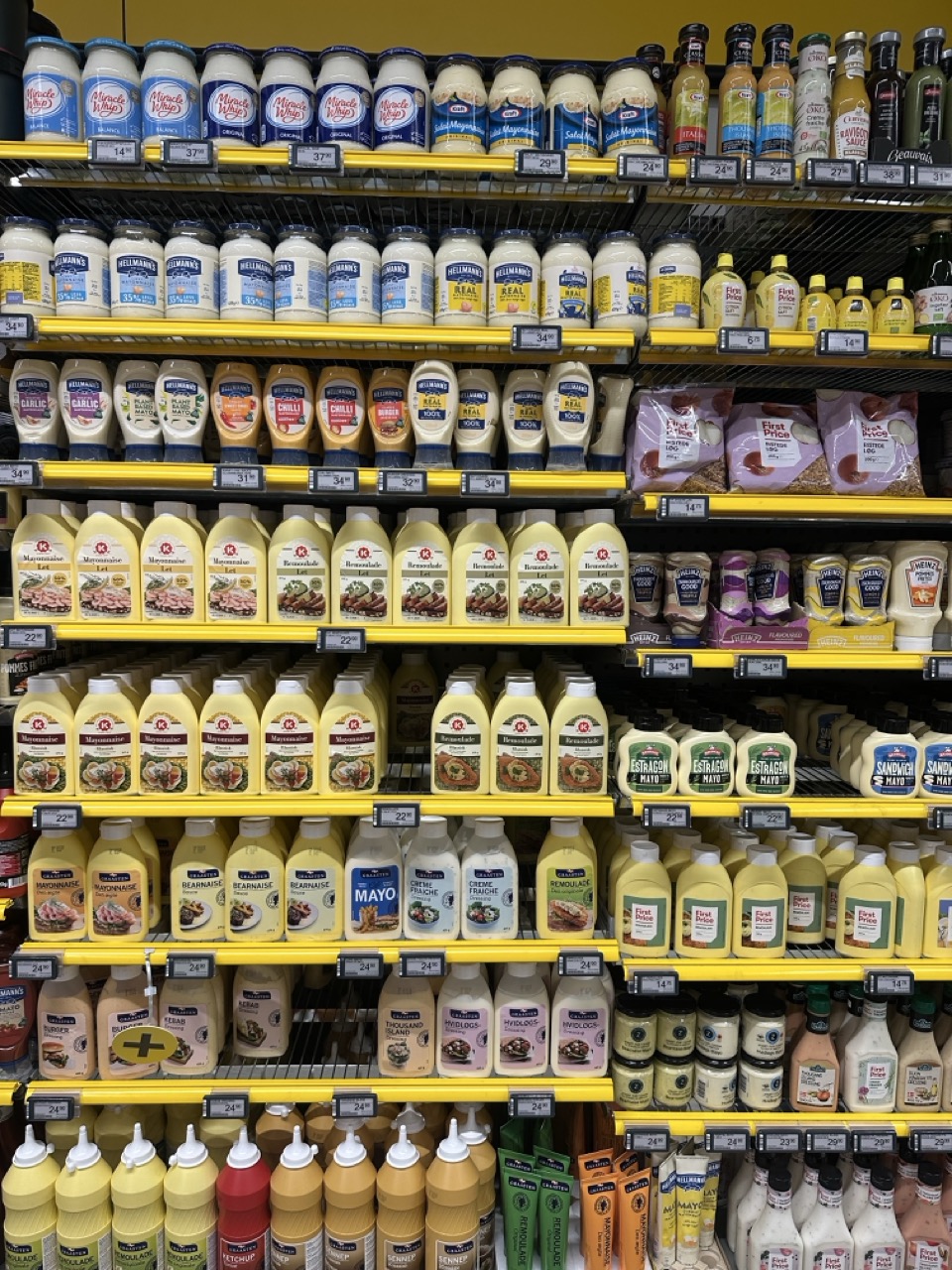
- Condiment overload. The ketchup and mayonnaise section was huge, with far more varieties than we expected.
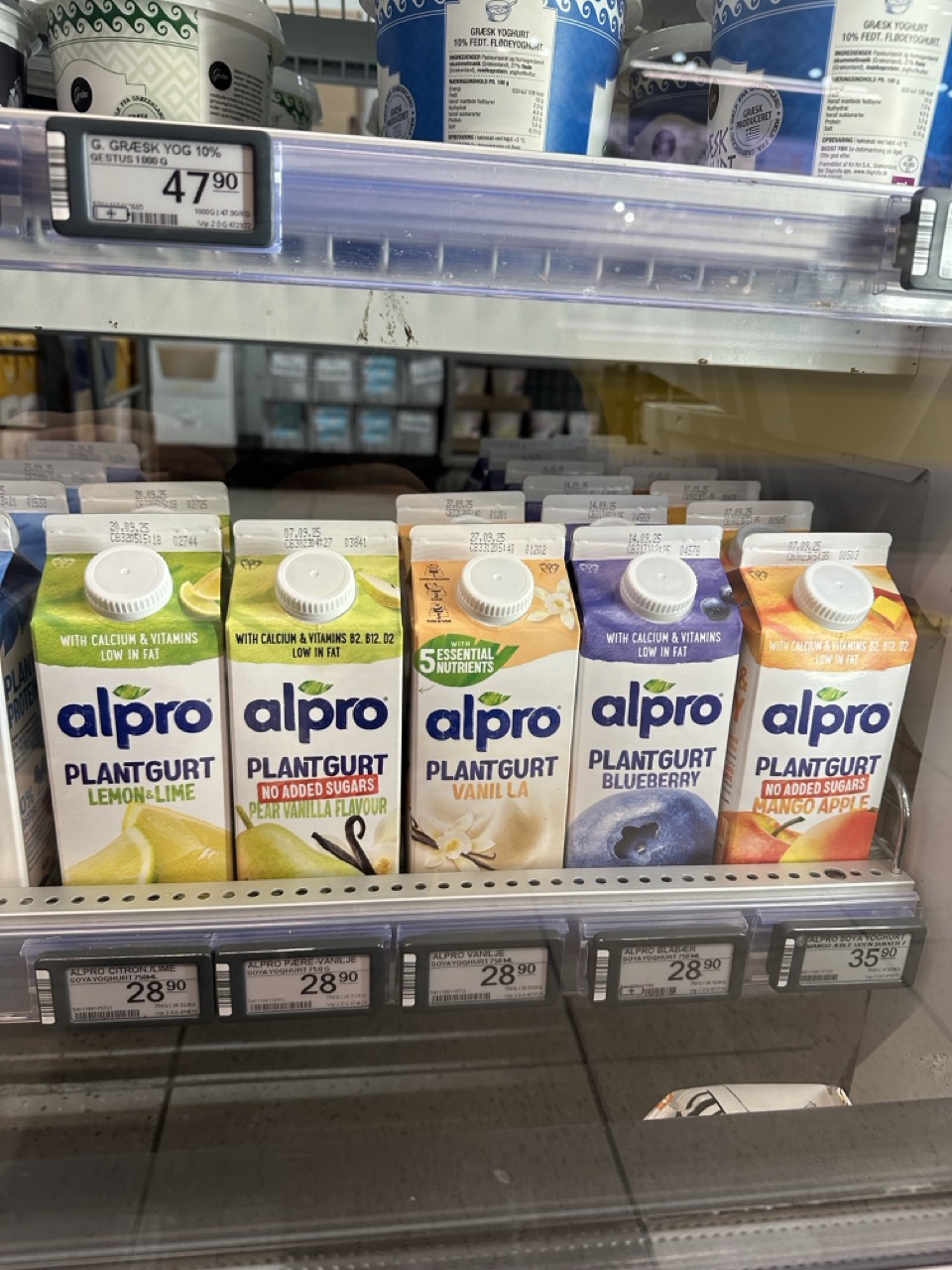
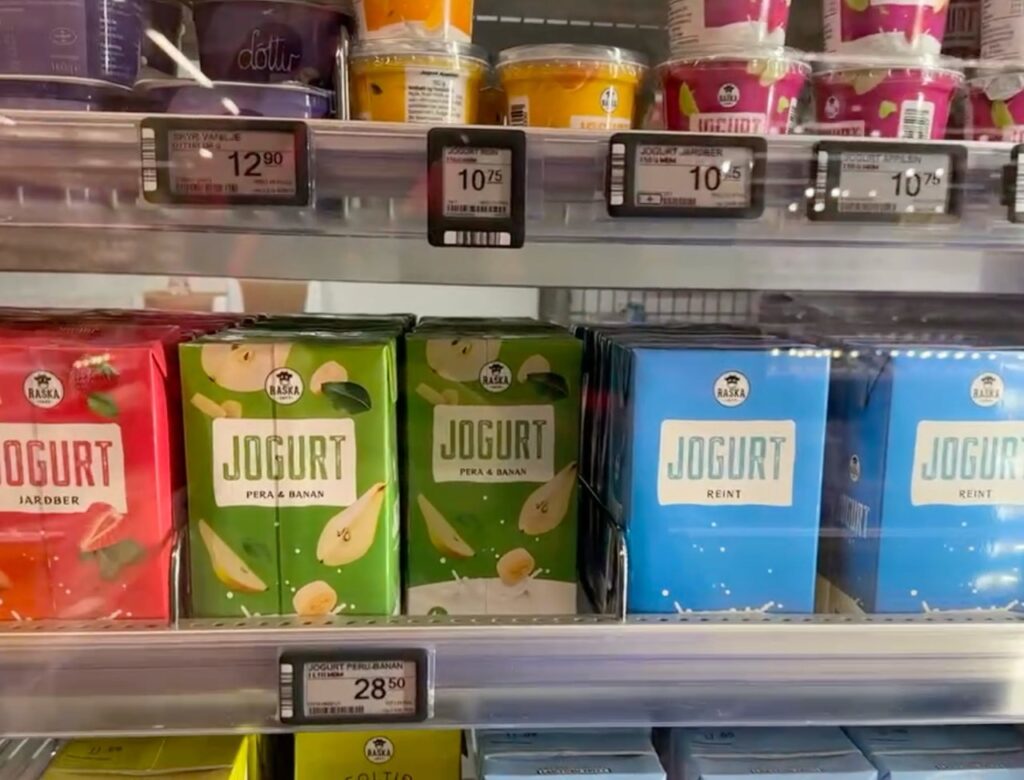
- Yogurt in cartons. Yogurt didn’t come in small plastic cups but in big one-liter cartons, more like how you’d buy milk or juice.
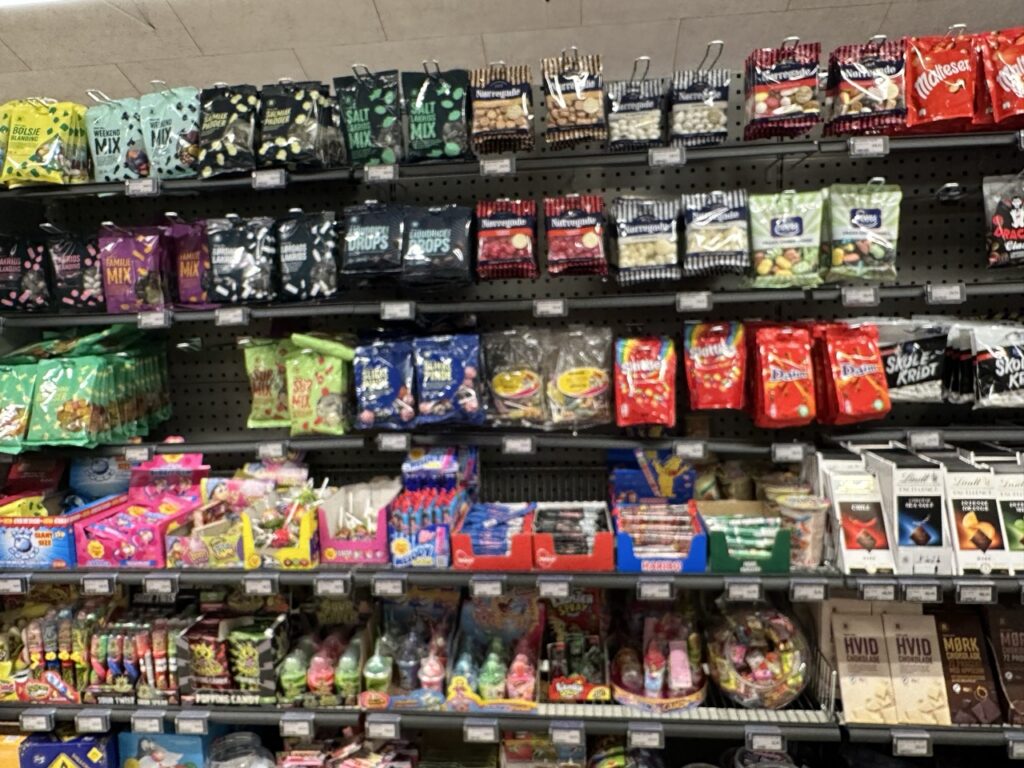
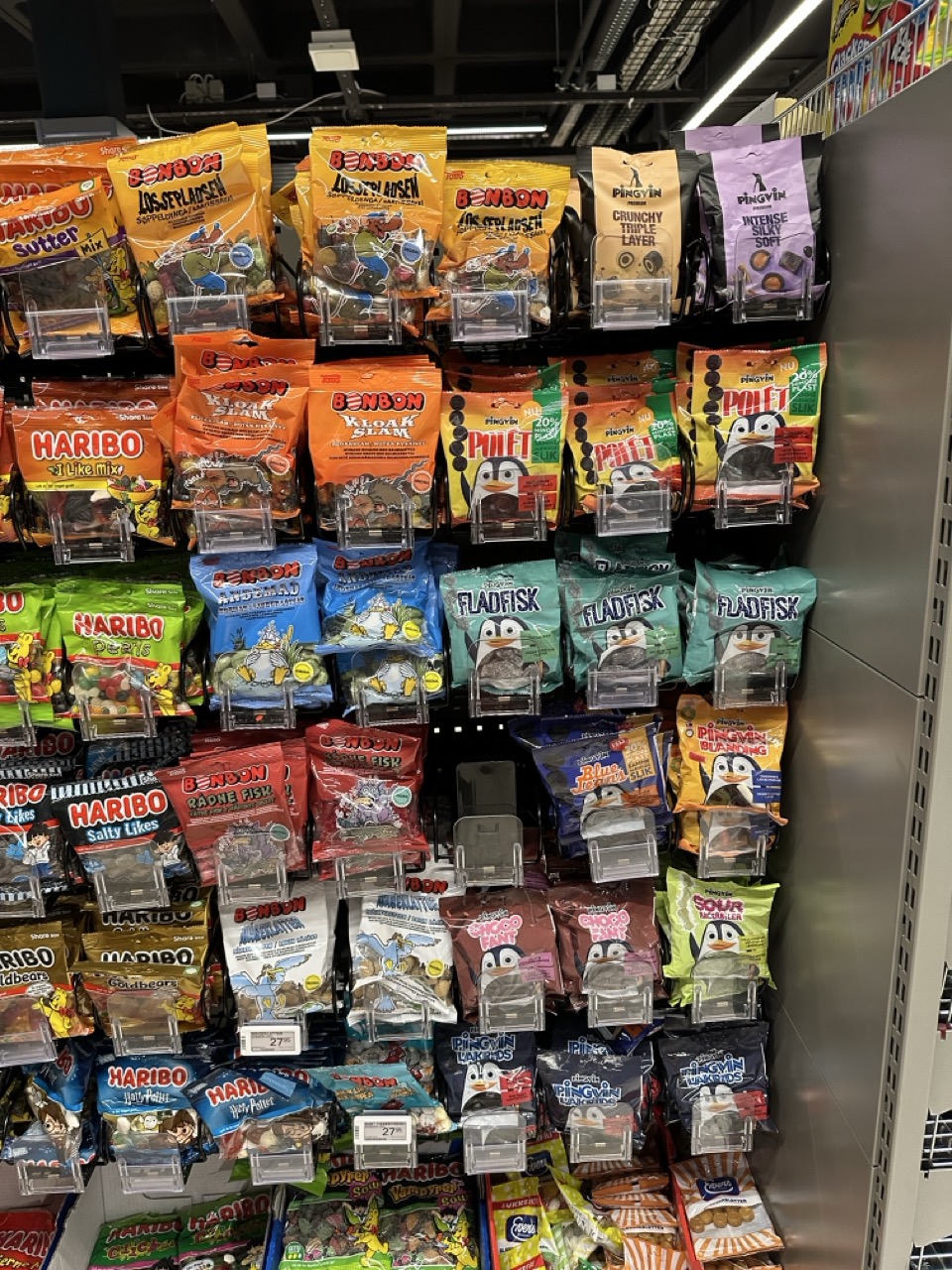
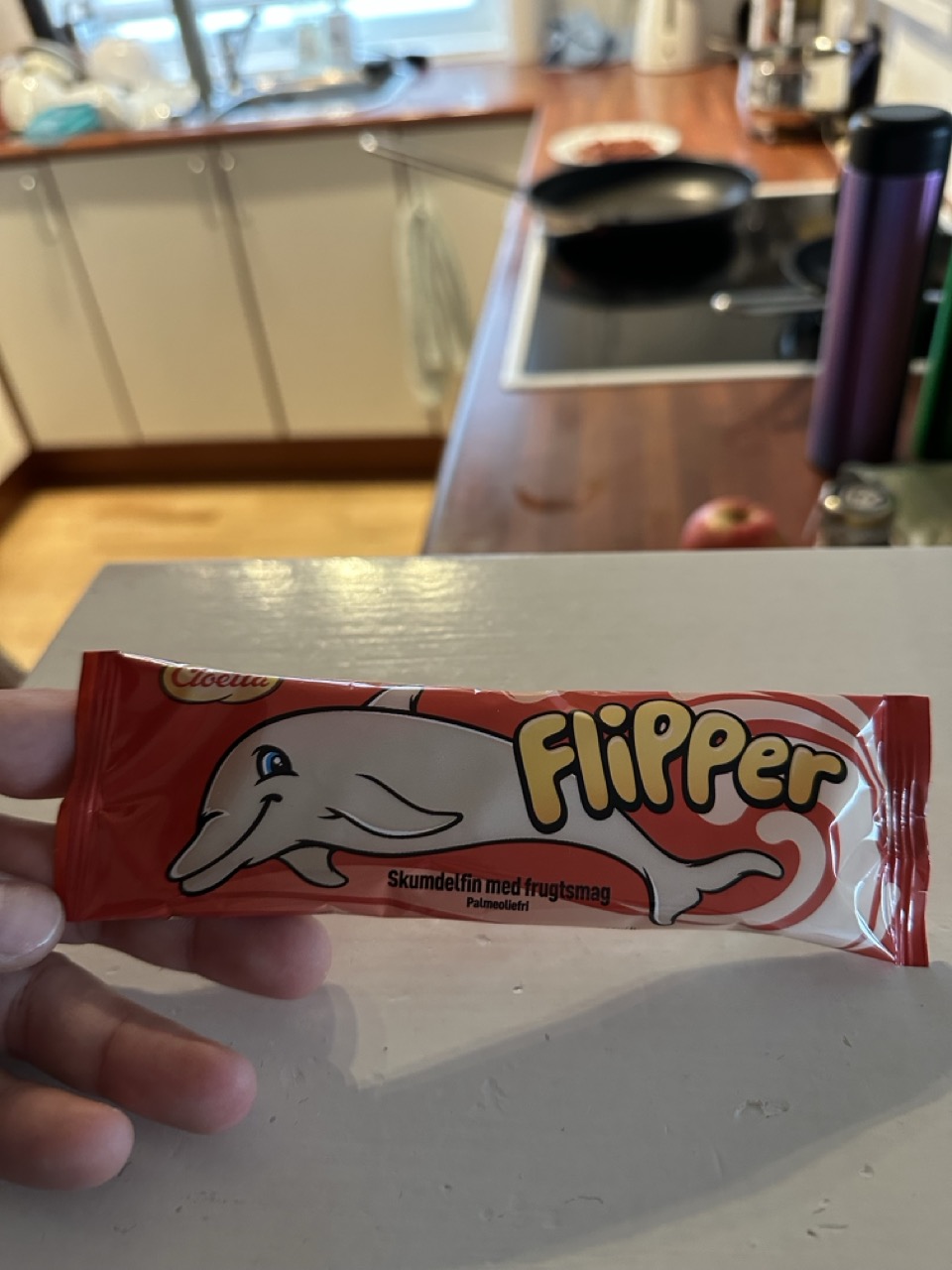
- Candy by weight. Alongside packaged sweets, most stores had a self-serve candy counter where you could scoop your own selection and pay by weight. The choice was enormous, and it felt like a treat for both kids and adults.
Faroese Flavors You Can Only Find Here
One of the most unique parts of grocery shopping in the Faroe Islands is stumbling upon traditional local foods you won’t find anywhere else. Among the shelves, you’ll often spot dried fish—a classic Faroese snack with a chewy texture and salty taste that locals enjoy plain or with butter. Even more striking is the sight of a whole lamb available for purchase right in the supermarket. Lamb is central to Faroese cuisine, and you’ll see everything from packaged cuts to entire carcasses ready for roasting or drying traditionally. If you are curious about local food culture, these products are a reminder of how deeply nature and tradition shape daily life in the Faroes. We didn’t end up buying any during our trip, but looking back, we kind of regret it—it would have been the perfect way to taste a bit of Faroese tradition straight from the supermarket.
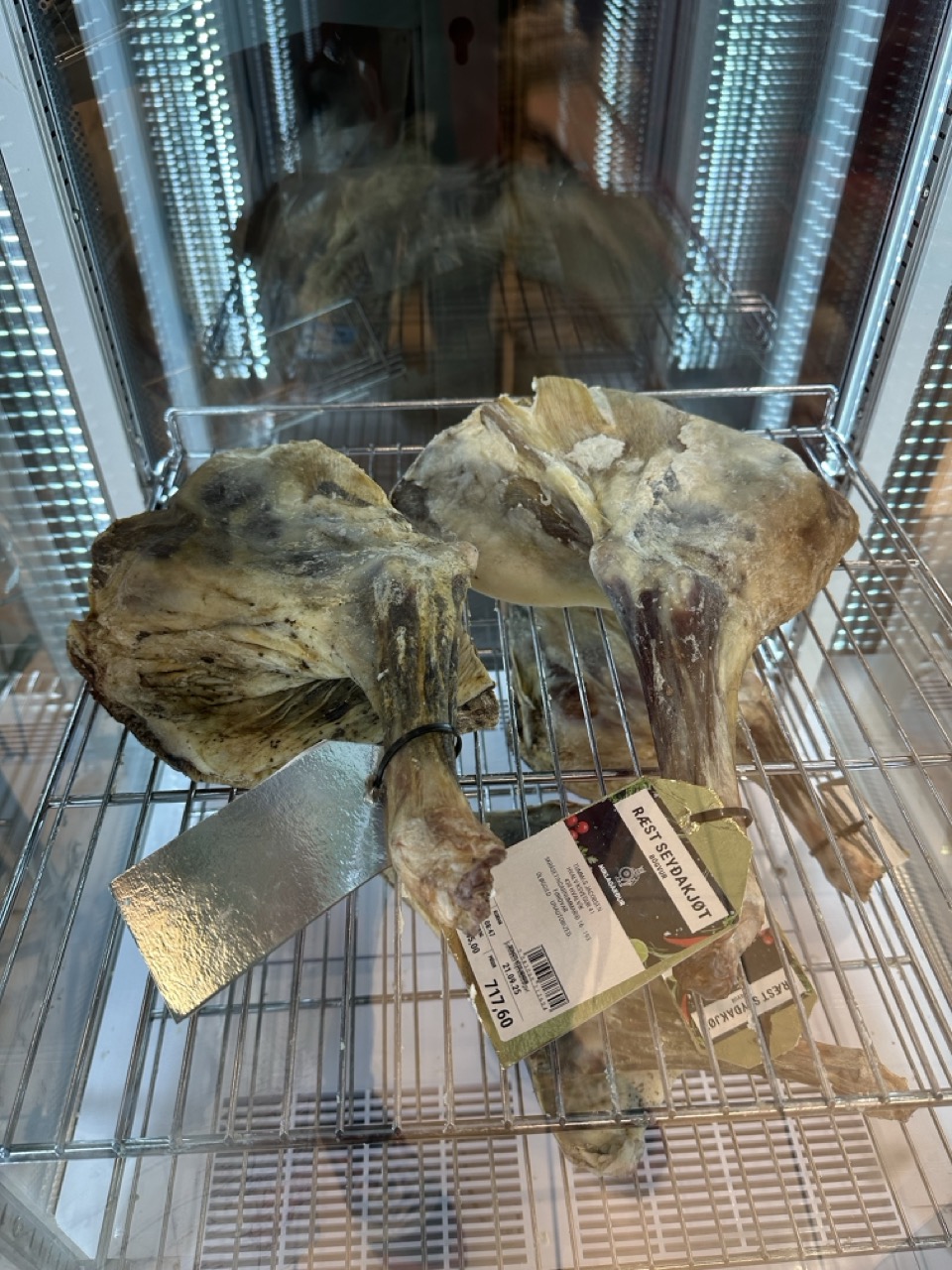
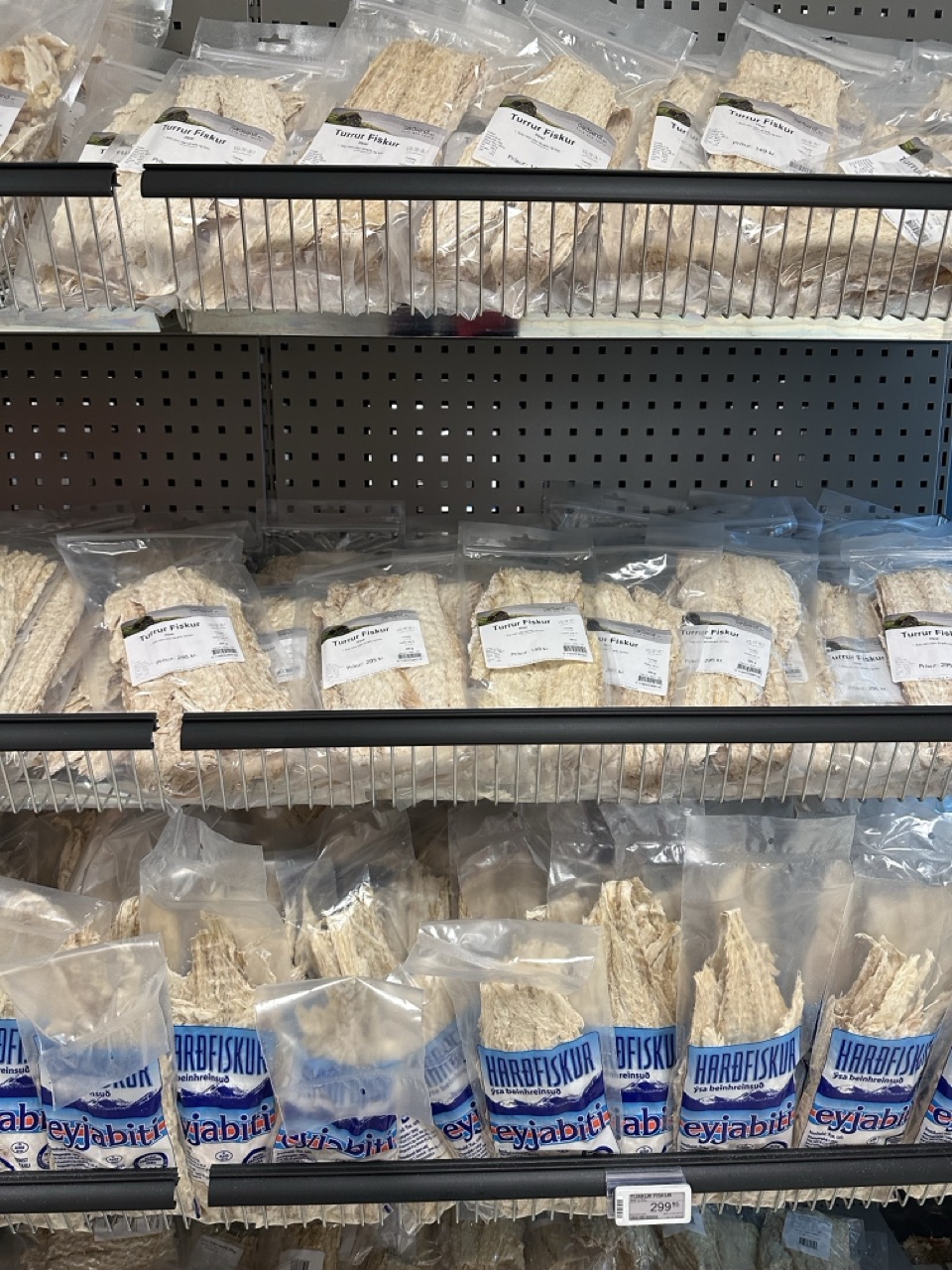
Shopping in Faroese supermarkets turned out to be more than just a way to save money; it became part of the adventure. From spotting quirky finds like swirl-shaped chips and yarn on the shelves to discovering local staples such as dried fish and lamb, each visit gave us a glimpse into everyday life on the islands. While prices can be high, places like Bónus made it easy to stock up without blowing our budget, and we came to enjoy the routine of popping in for road trip snacks or dinner ingredients. If you’re planning your own trip, don’t skip the grocery stores—they’re not only practical but also a fun and unexpected window into Faroese culture.

This post contains affiliate links. If you click and buy, I might earn a tiny commission, enough to help a penguin keep up its globe-trotting lifestyle. No extra cost to you, just more fish for me. Thank you for supporting the adventure!