What to Expect at a Heimablídni Dinner
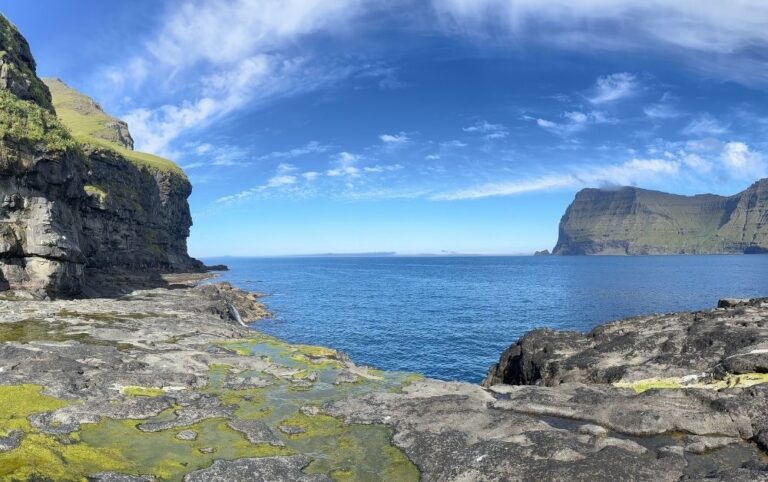
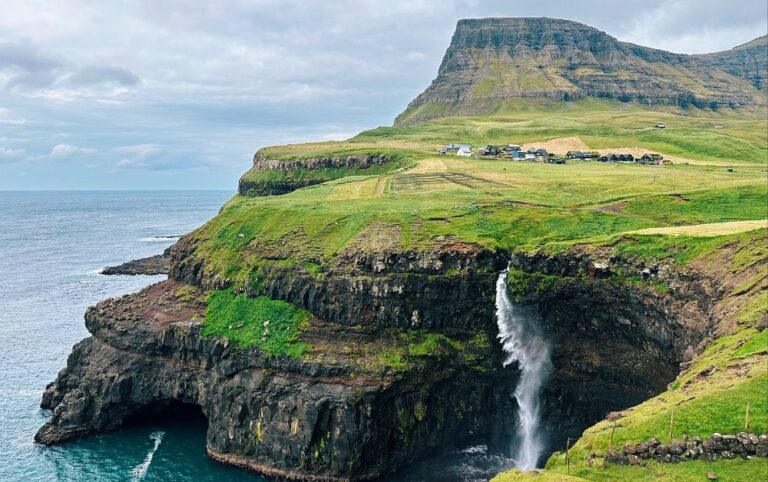
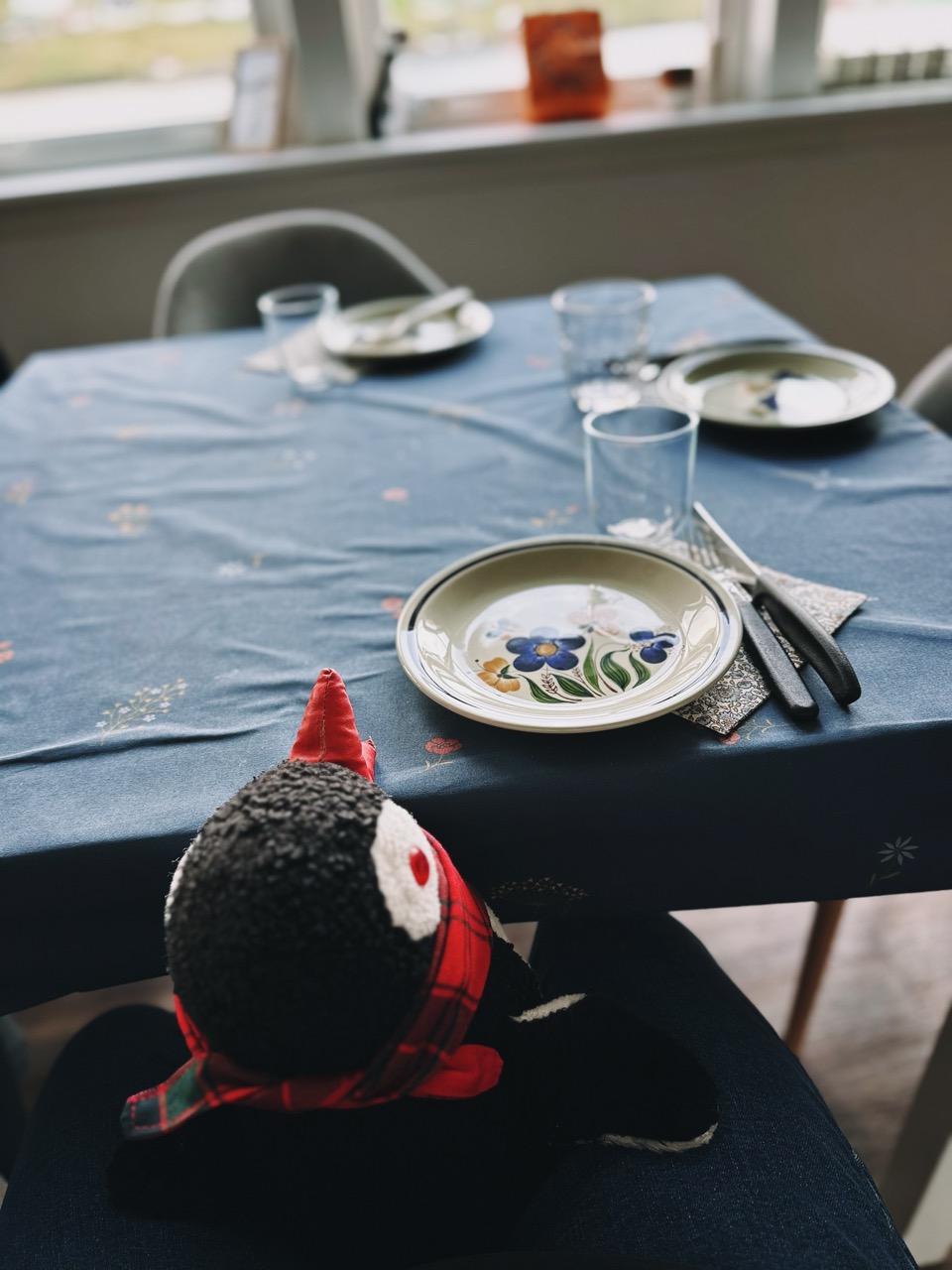
When you think of the Faroe Islands, images of dramatic cliffs, puffin colonies, and winding roads through fjords come to mind. But hidden beneath the rugged beauty of the landscape is another tradition just as captivating—heimablídni, the Faroese practice of welcoming travelers into private homes for a shared meal. On our journey, we had the chance to experience this tradition first-hand at Heima á Fitjum in Vestmanna. The name itself translates to “home at Fitjum,” and that’s exactly what it felt like: stepping not into a restaurant, but into someone’s home where the kitchen, stories, and table are shared with guests from near and far. Read on to learn about our experience and how you can book your own.
What is Heimablídni: The Heart of Faroese Hospitality
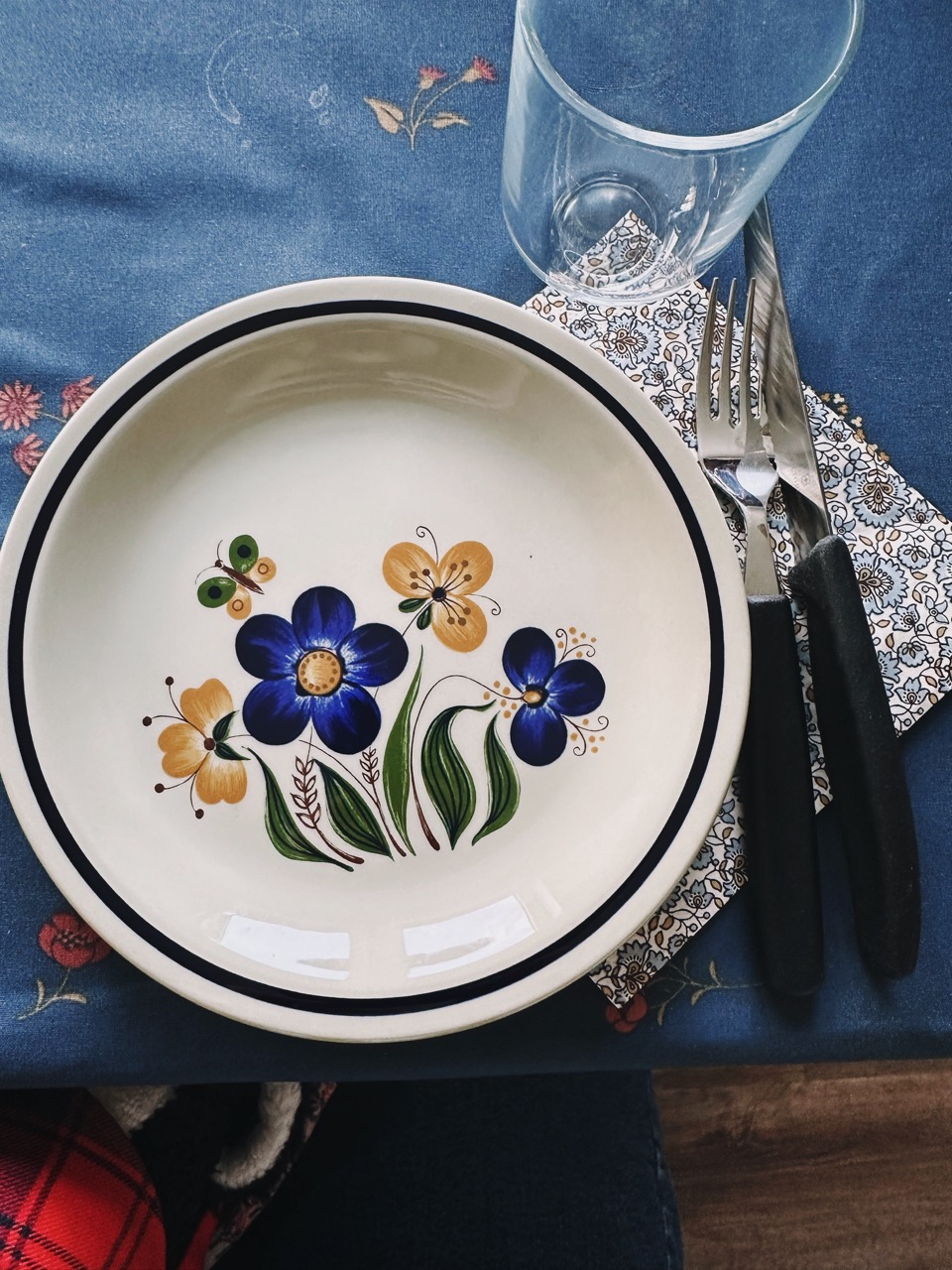
The tradition of heimablídni is deeply woven into the fabric of Faroese life. On these remote, weather-beaten islands, community has always been essential for survival. With unpredictable storms, long winters, and a rugged landscape, neighbors learned to rely on one another, sharing not only food but also warmth and company. Out of this necessity grew a culture where inviting strangers into your home for a meal became a natural expression of generosity. Today, heimablídni carries that same spirit forward, offering travelers a chance to experience Faroese life in the most authentic way possible.
Dining in someone’s home means sitting down to food that reflects the rhythm of the islands. Each dish tells a story—not only of the land and sea, but of the people who tend them, the families who pass recipes down through generations, and the resilience of a community shaped by nature’s moods. What makes heimablídni unforgettable isn’t just the taste of the food, but the stories that come with it: tales of fishing in stormy waters, traditions tied to old holidays, or the simple details of everyday life in one of the world’s most isolated island nations.
Where to Book a Heimablídni Dinner
If you’d like to experience heimablídni for yourself, you have several possibilities across the Faroe Islands. Different families open their homes in various villages, each offering their own take on Faroese cooking and hospitality. The good thing is they have an official website to book and choose a location. Visit eatlocal.fo and select your preferred date and place.
Prices vary depending on the host, menu, and location, but generally range from simple home-style meals to more elaborate multi-course dinners.
🐧 Penguin Pro Tip
A helpful tip is to book in advance. These dinners are intimate and places are limited. We booked about a week before our visit, and although our options were already somewhat limited, it still worked out wonderfully, giving us one of the trip’s highlights.
As you book, you pay the entire sum and receive a confirmation email (which may end up in your spam folder, so be sure to check there as well). After that email, you still have to wait for the host to write you a confirmation. Usually takes 1-2 days.
We also recommend booking it on your first or second evening on the islands, as the locals are more than happy to give you some great tips and tricks as you explore the Faroe Islands.
Our Heimablídni Experience
As we were preparing our trip to the Faroe Islands, one tradition kept catching our eye—heimablídni (home dining), the unique experience of dining in the homes of locals. It felt like the perfect way to go beyond the postcard views and connect with everyday Faroese life, so we knew right away that we would give it a try.
We booked a week in advance, and for four people we paid 2,055.88 DKK. The location was in Vestmanna, which took us about 40 minutes to drive to.
Vestmanna is a small fishing town located on the western side of Streymoy, renowned for its dramatic sea cliffs, diverse birdlife, and traditional Faroese character. Once a Viking settlement, today it’s most famous for the Vestmanna bird cliffs boat tours, where visitors glide beneath towering rock walls teeming with puffins and guillemots. The town itself is quiet and welcoming, with colorful houses lining the fjord and a strong sense of community life deeply rooted in the sea. It’s also where we enjoyed our heimablídni dinner, adding a personal and memorable touch to our visit.
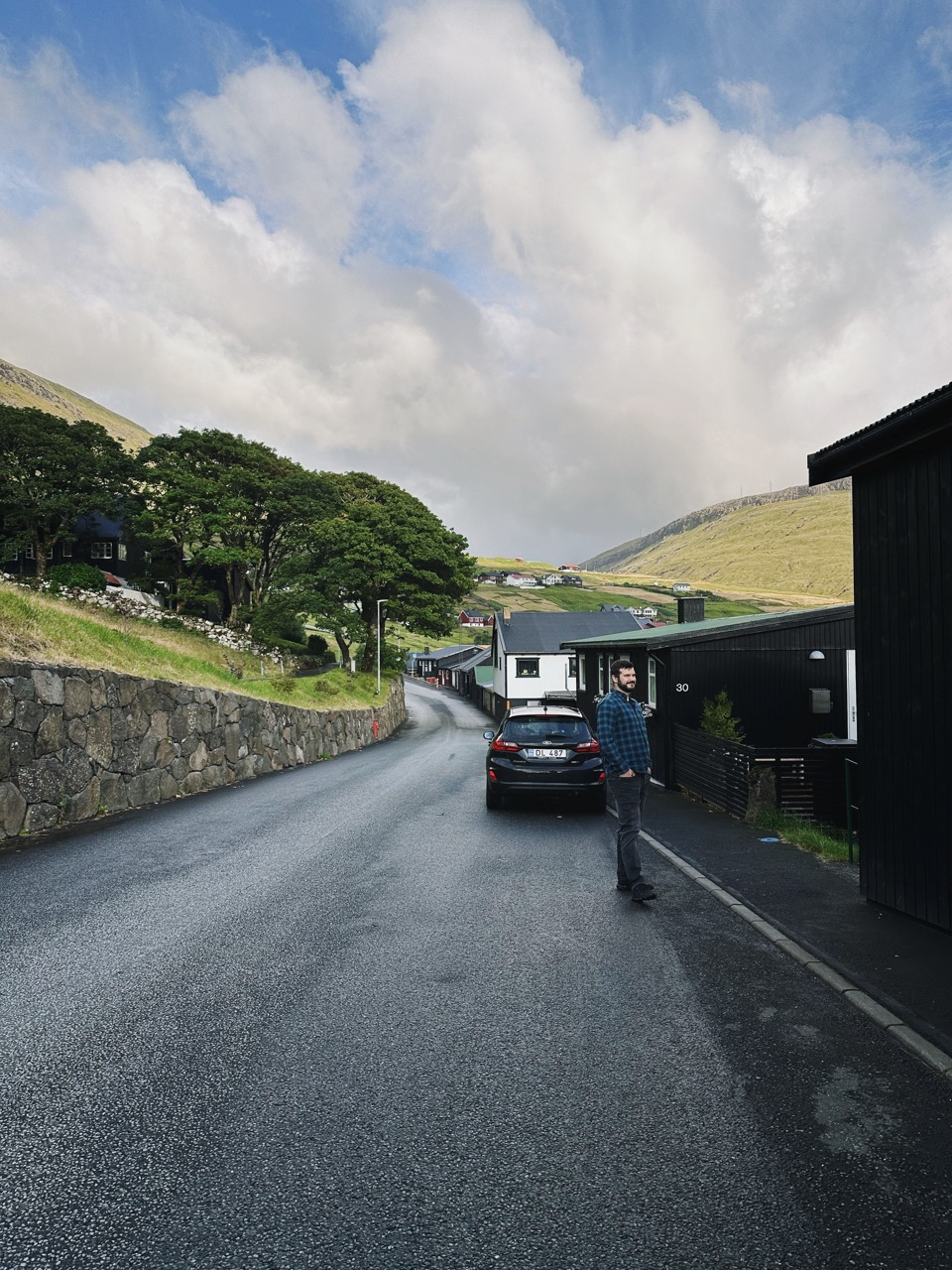
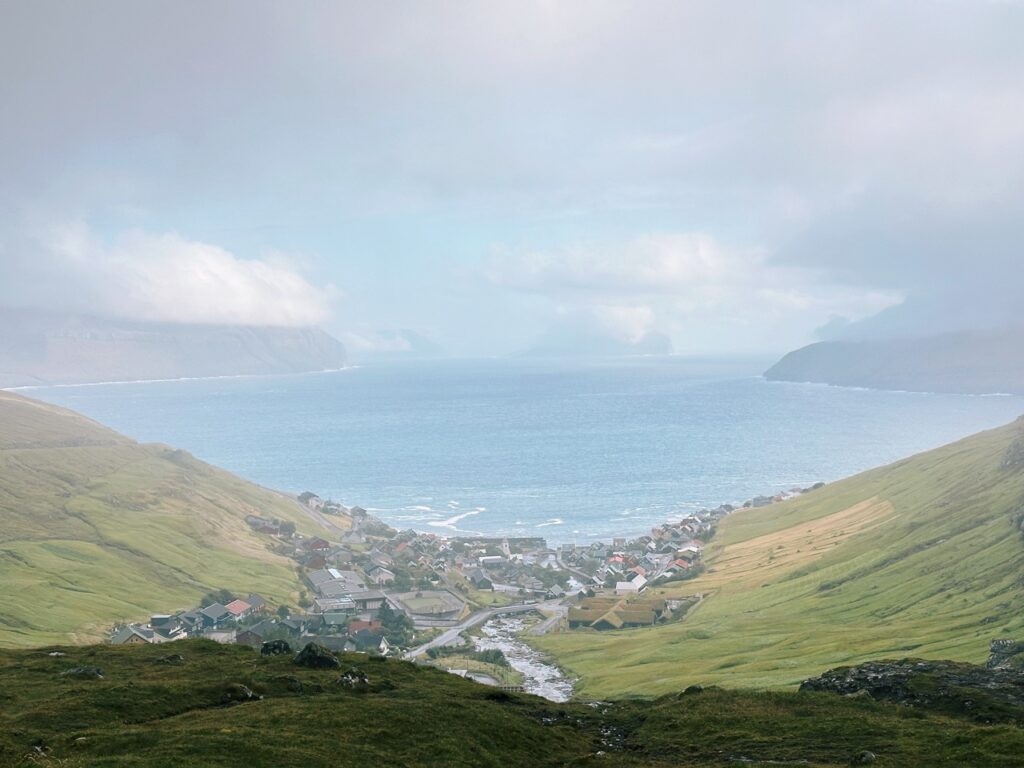
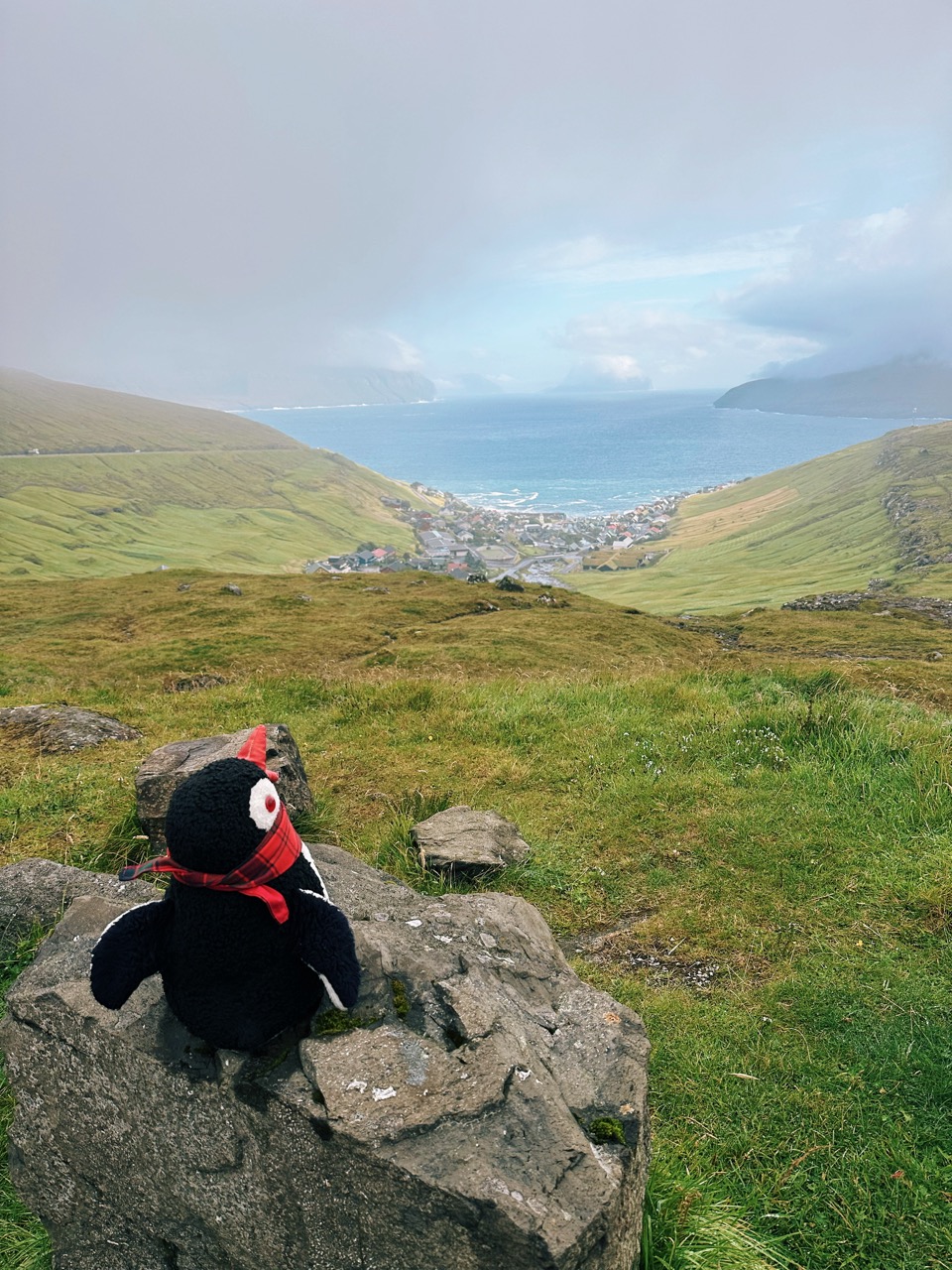
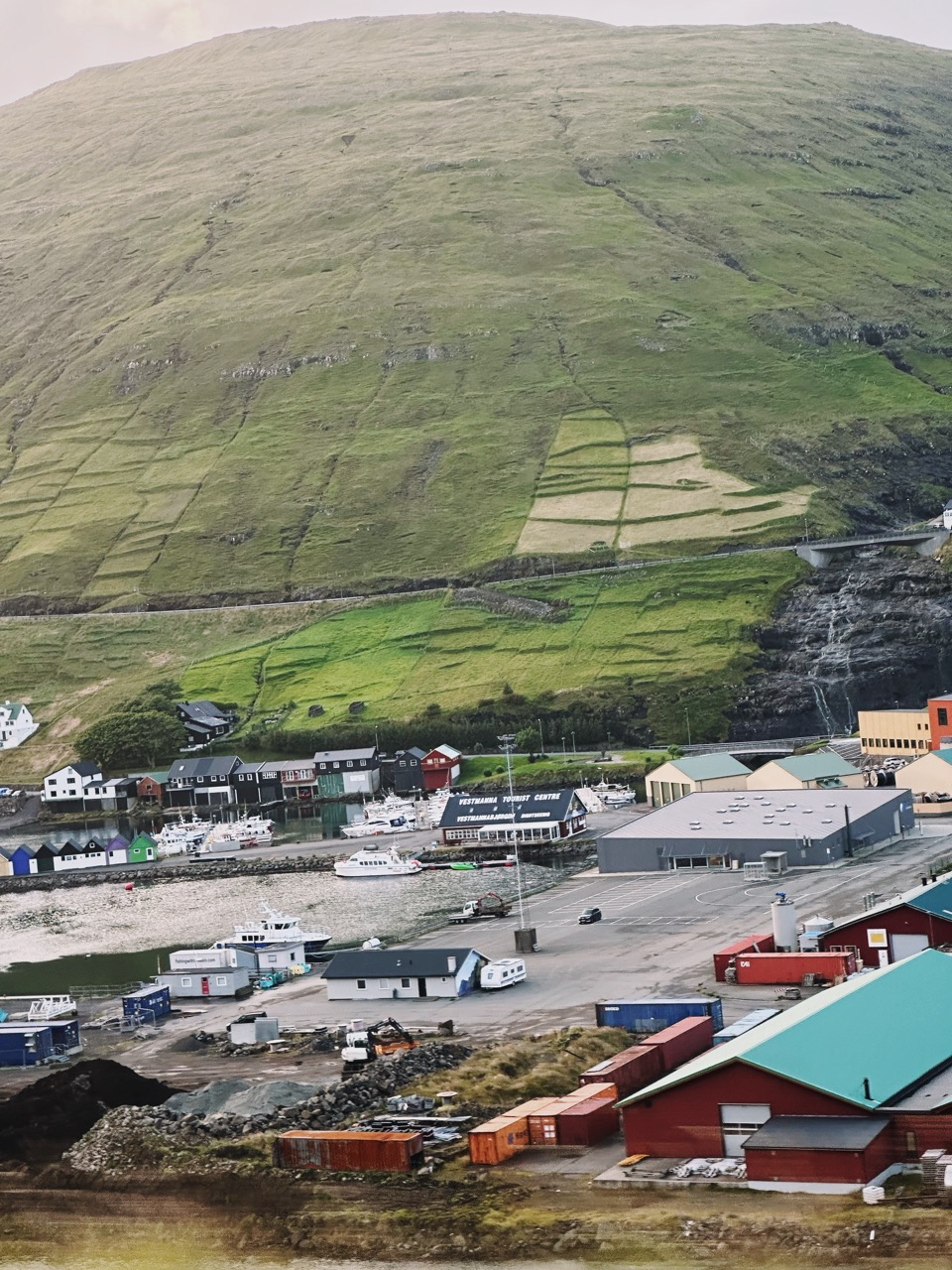
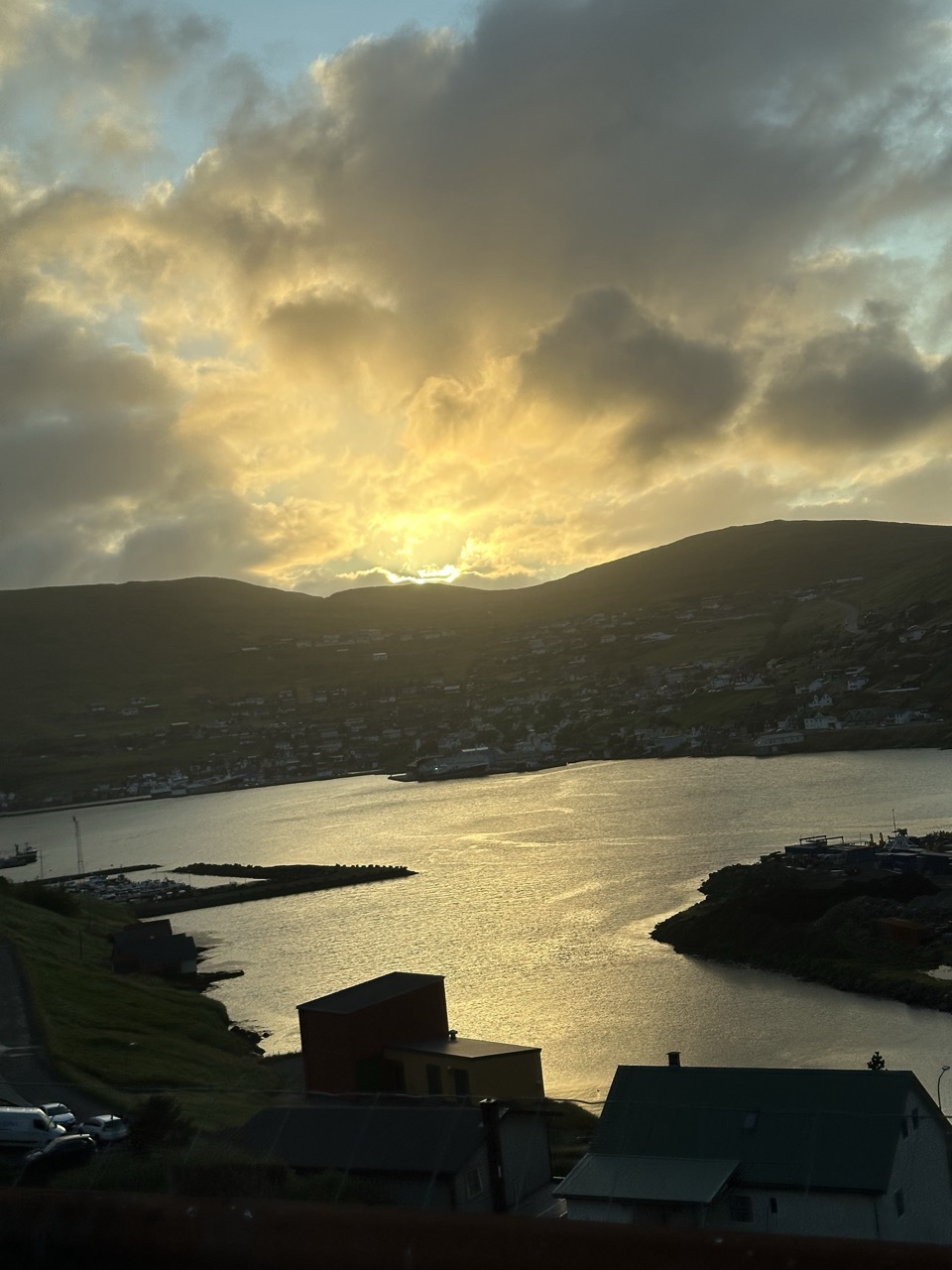
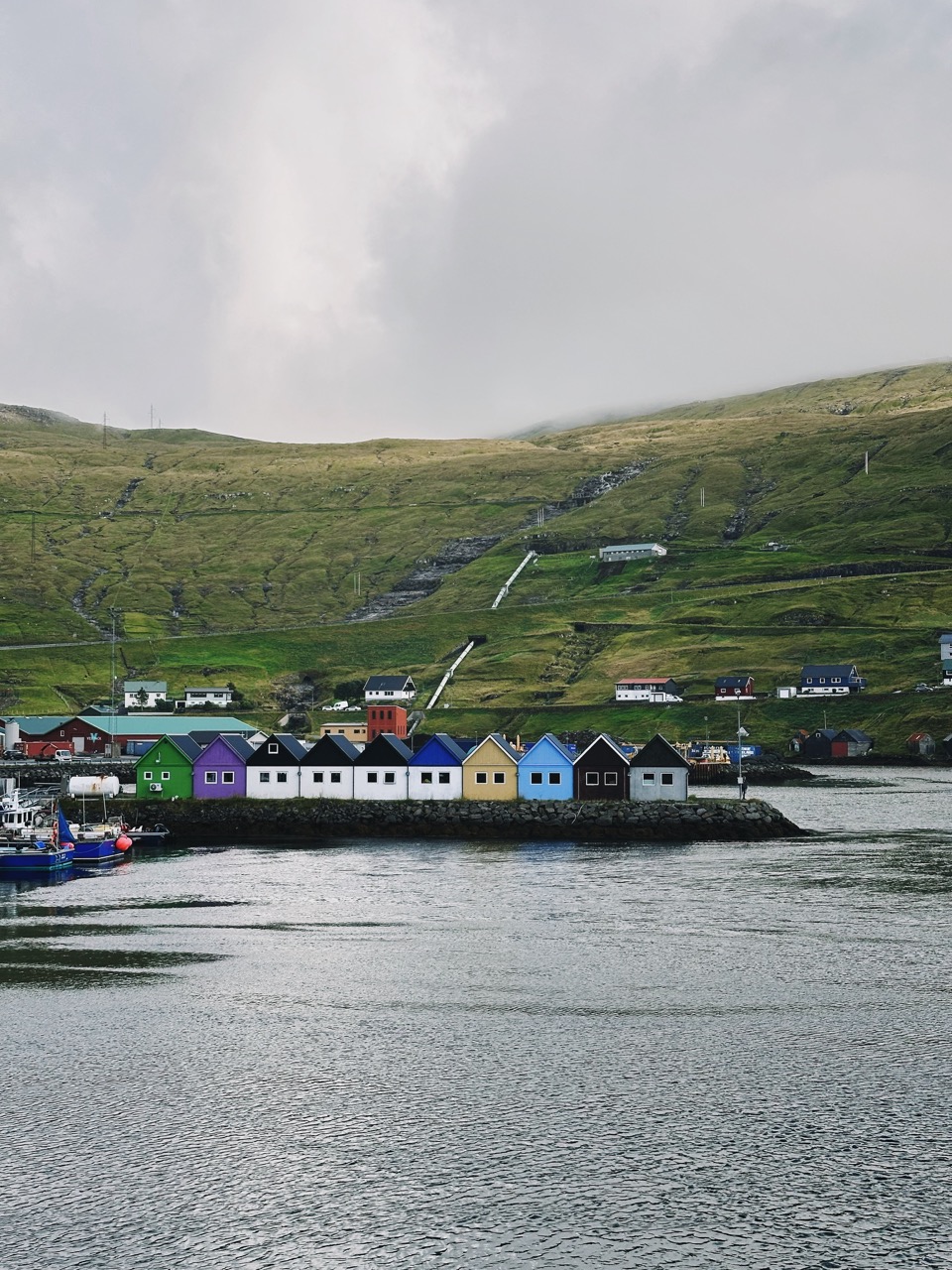
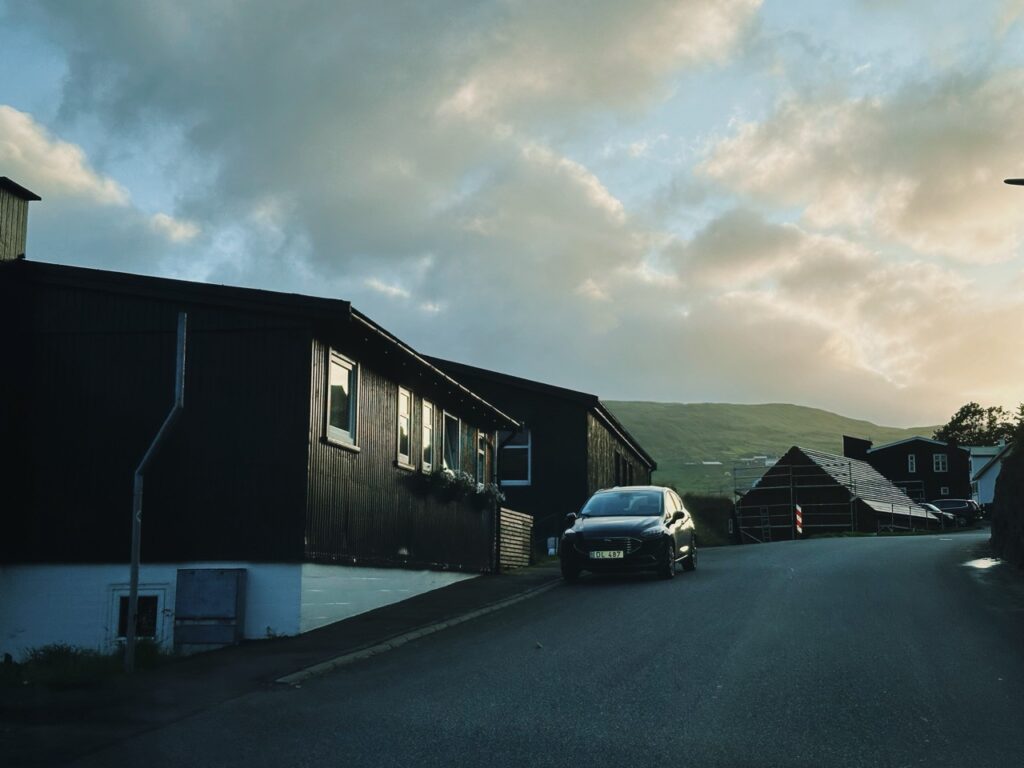
As we made our way through the quiet village streets, anticipation grew. Unlike dining in a restaurant, there’s no glowing sign out front or chalkboard menu by the door. Instead, you arrive with the knowledge that you’re about to step into someone’s private world, a family kitchen and living room that, for one evening, becomes both a dining space and a meeting place for strangers. That moment of waddling up to the door, knowing you’ll soon be welcomed not as a customer but as a guest, is part of what makes heimablídni so special. It’s a dinner invitation in the truest sense, blending travel with trust, hospitality, and the warmth of sharing stories around a table.
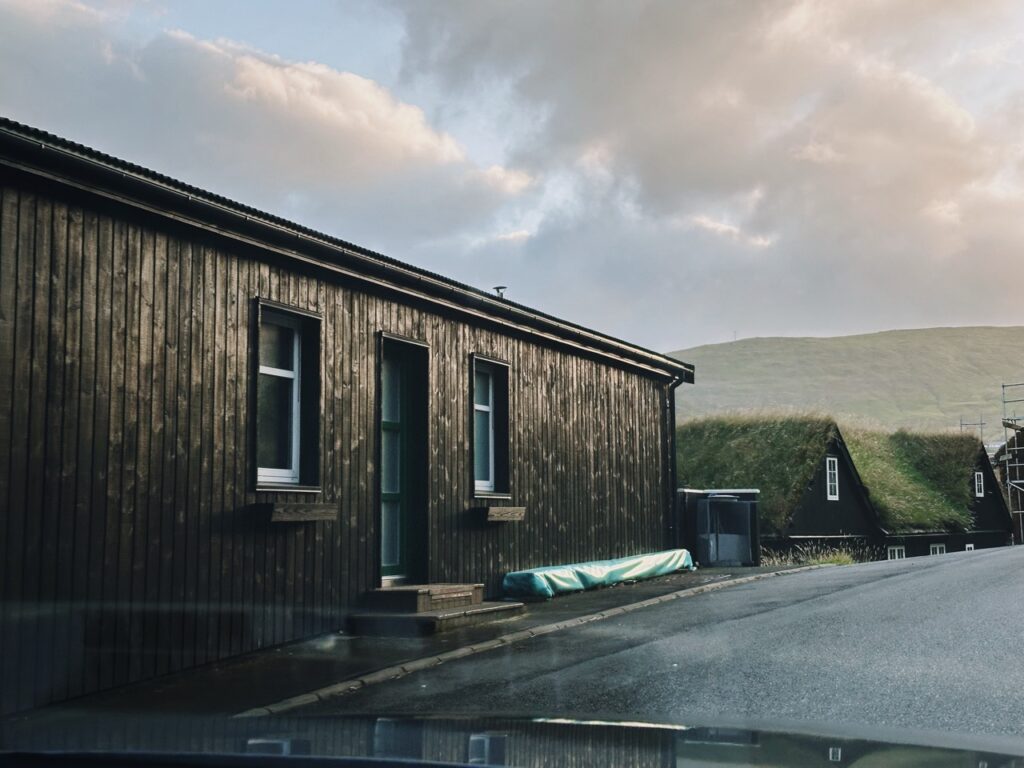
As we arrived at the home that was hosting us for the evening, we first noticed a small parking area nearby—perfect, since there was no space to stop directly in front of the house. After leaving the car, we walked just a few steps and took in the charm of Vestmanna village around us. No signs were pointing the way, but we quickly knew we were in the right place: a few guests were already gathered outside, and the busy husband was darting back and forth, clearly in the middle of preparing the meal. We waited just a few minutes before the hostess stepped out to greet us. She was wonderfully cheerful, smiling from ear to ear, and instantly made us feel welcome as she invited us into their home.
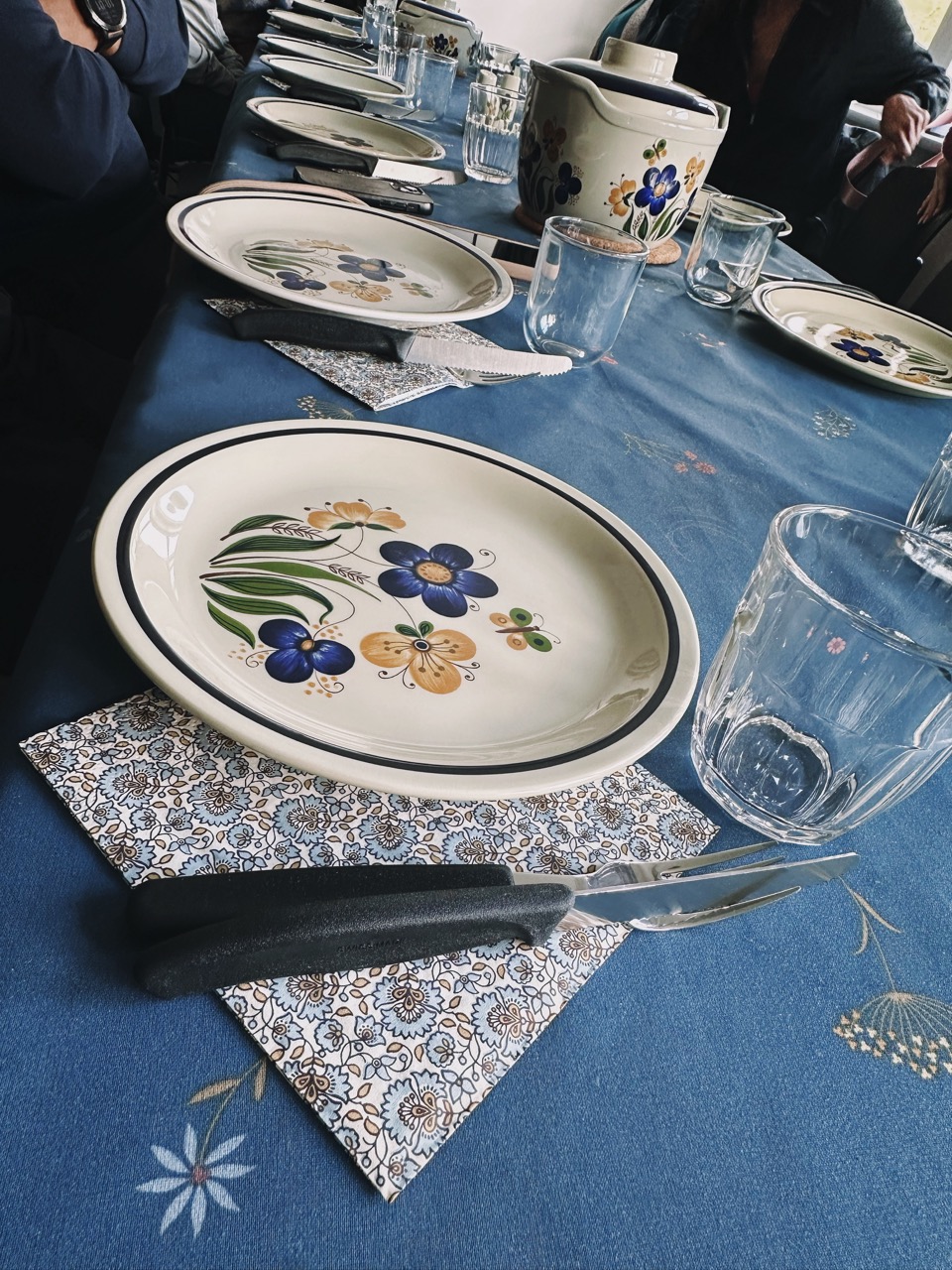
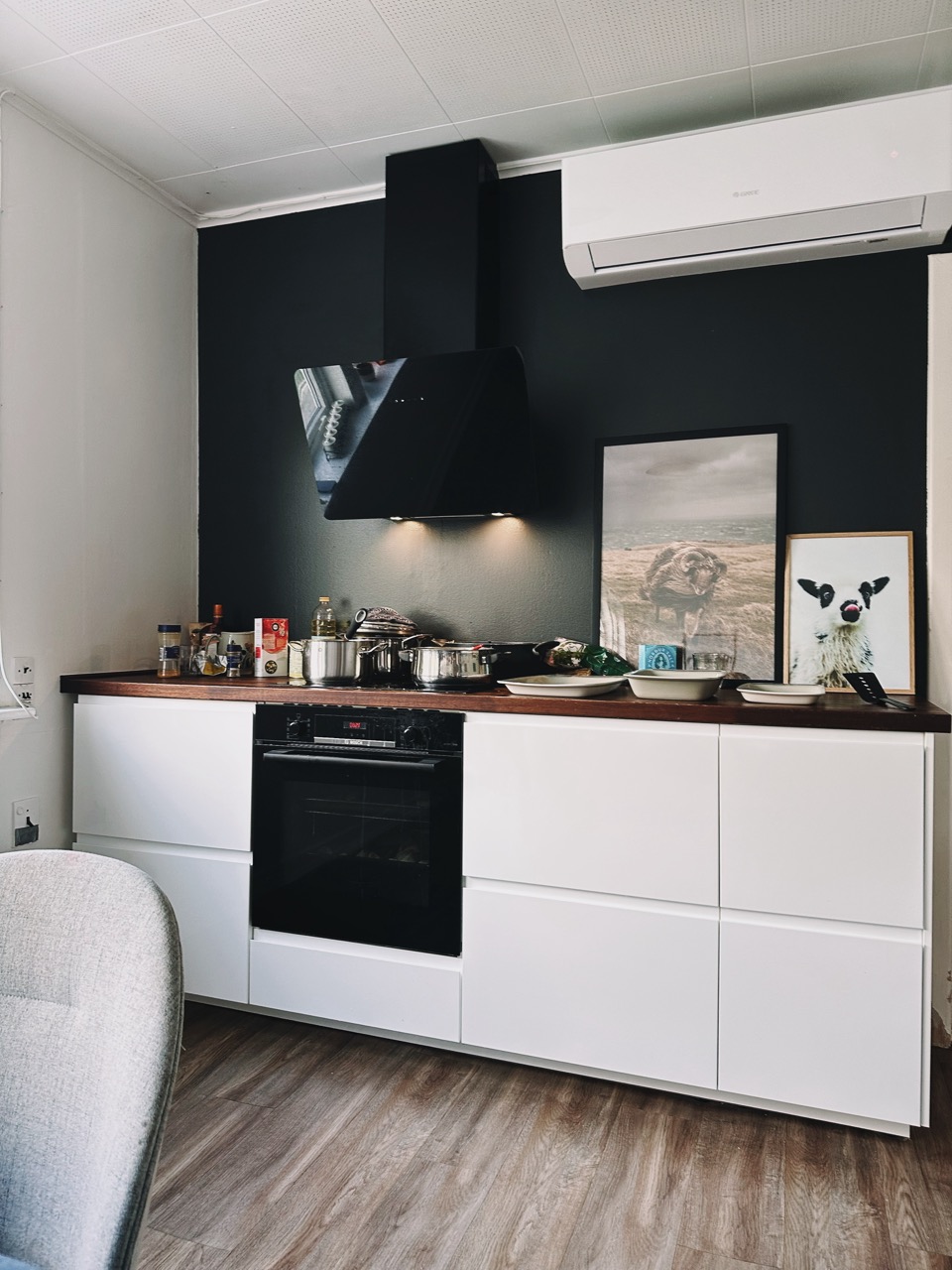
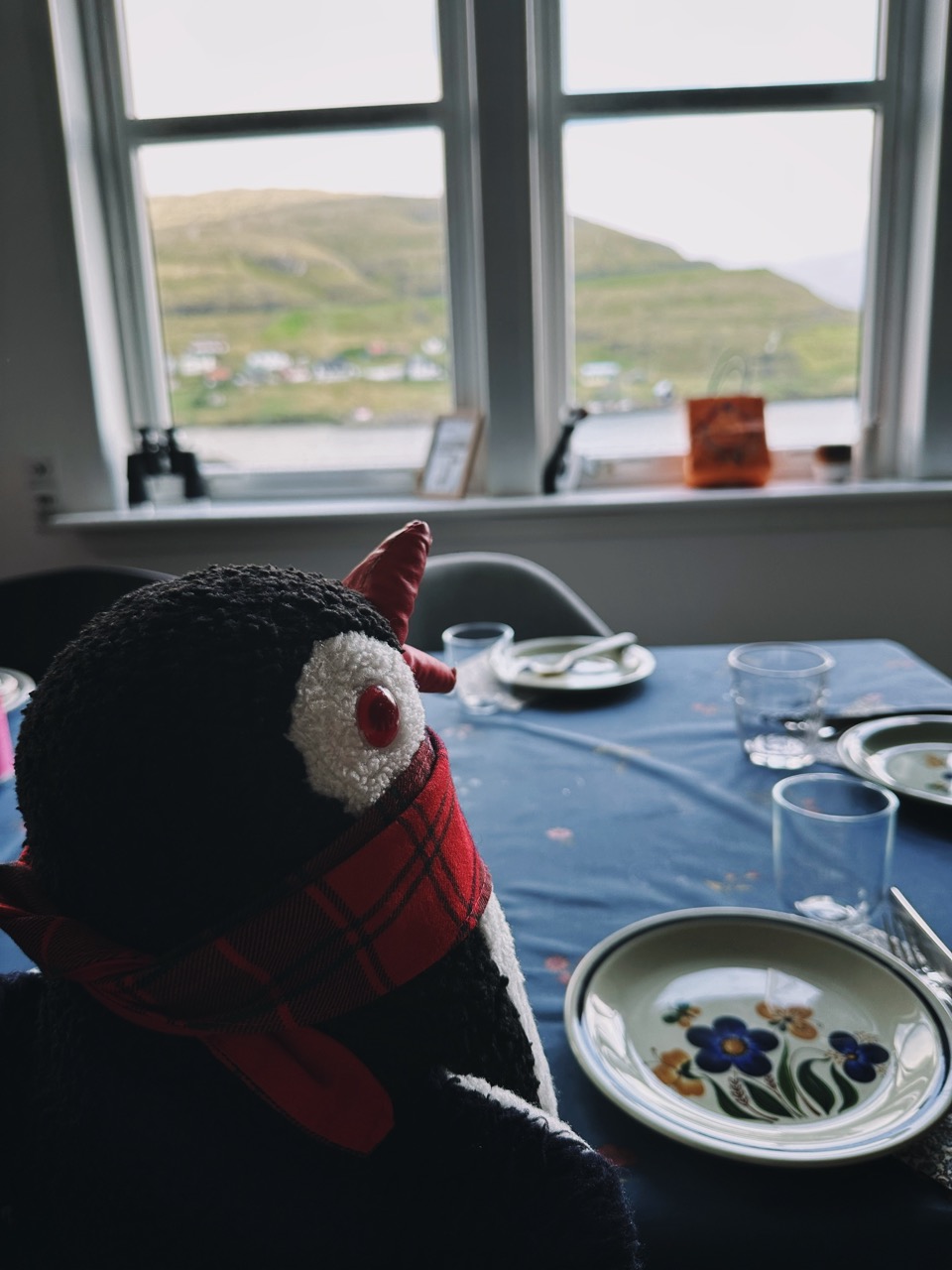
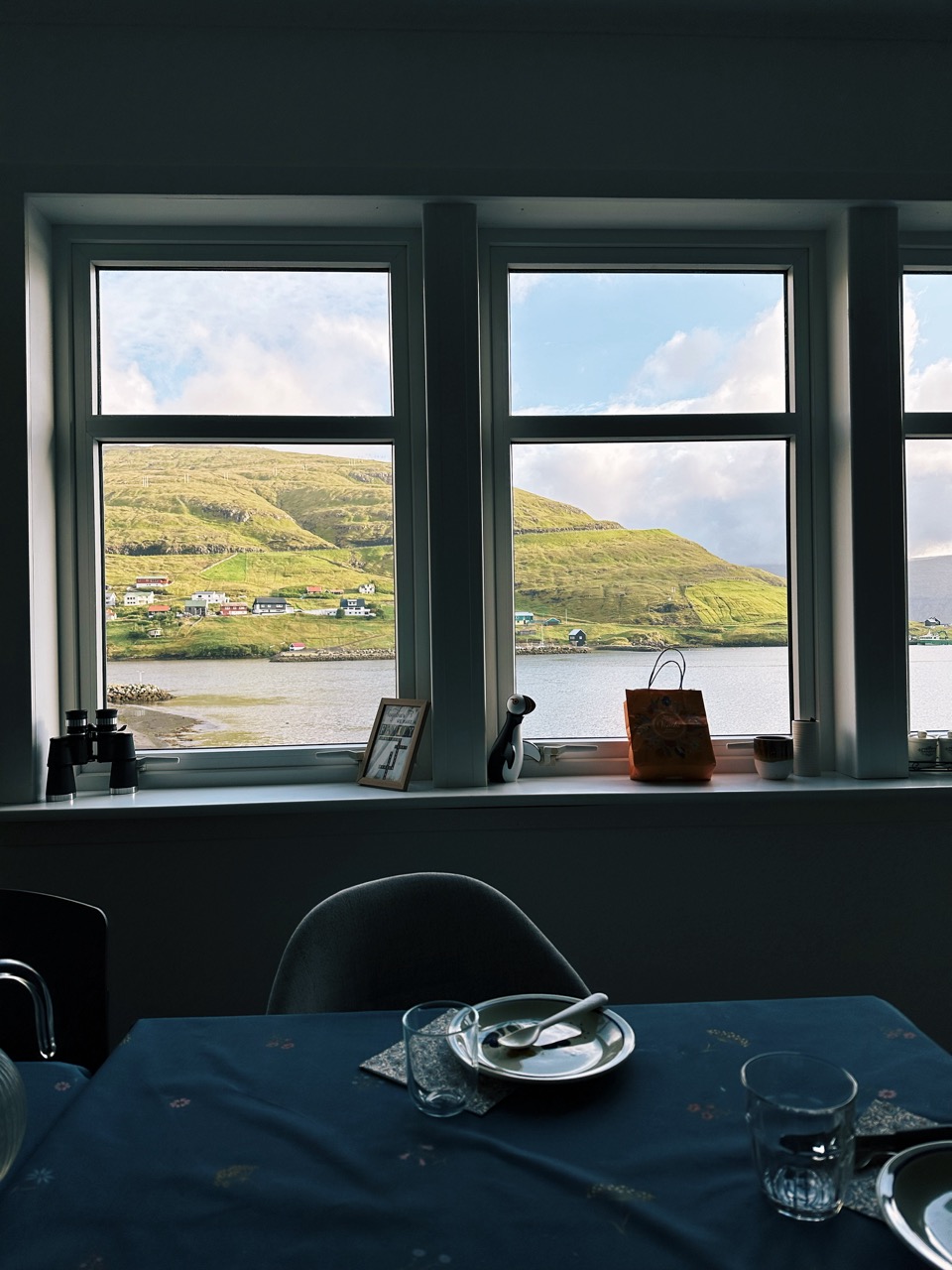
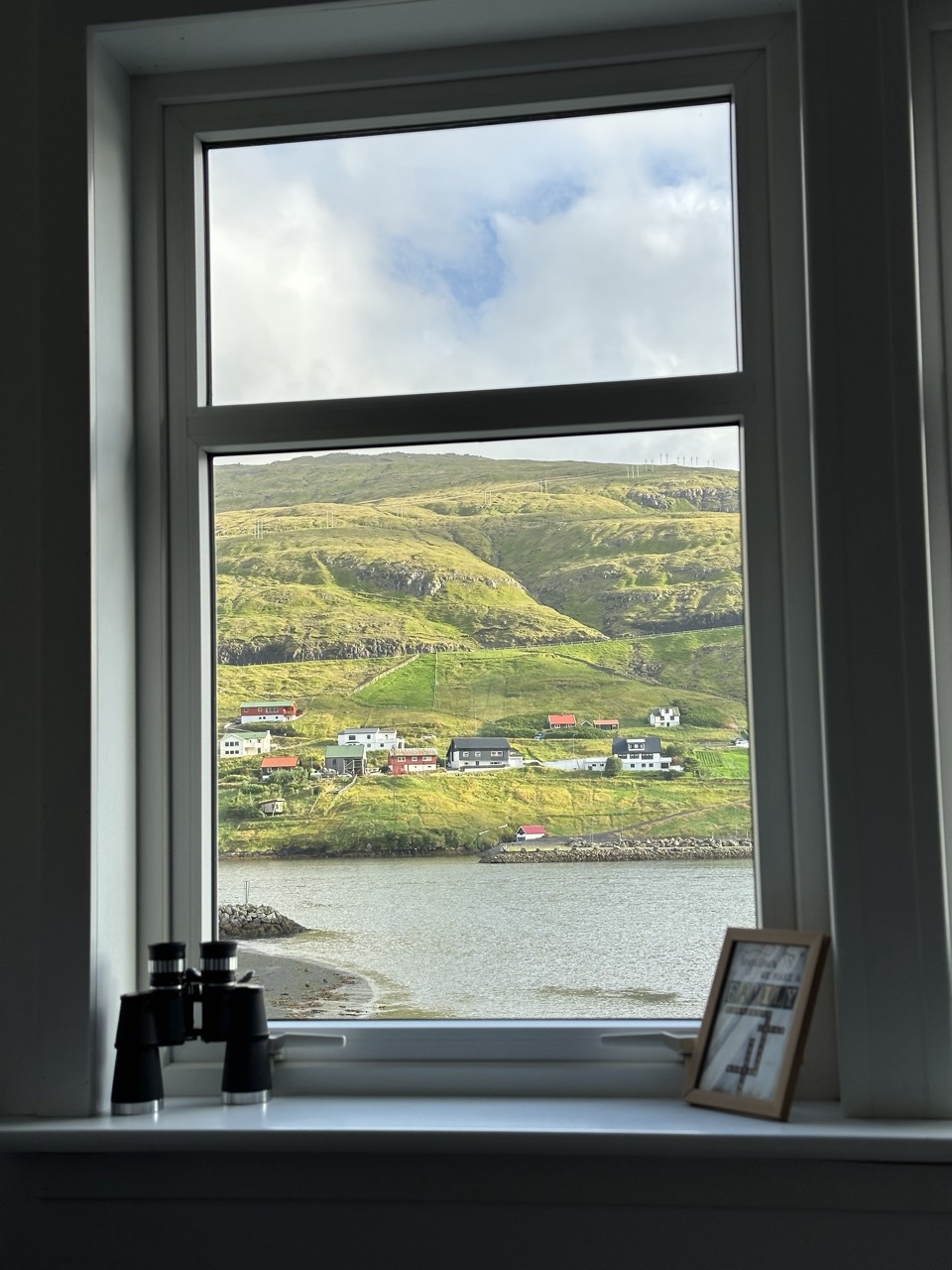
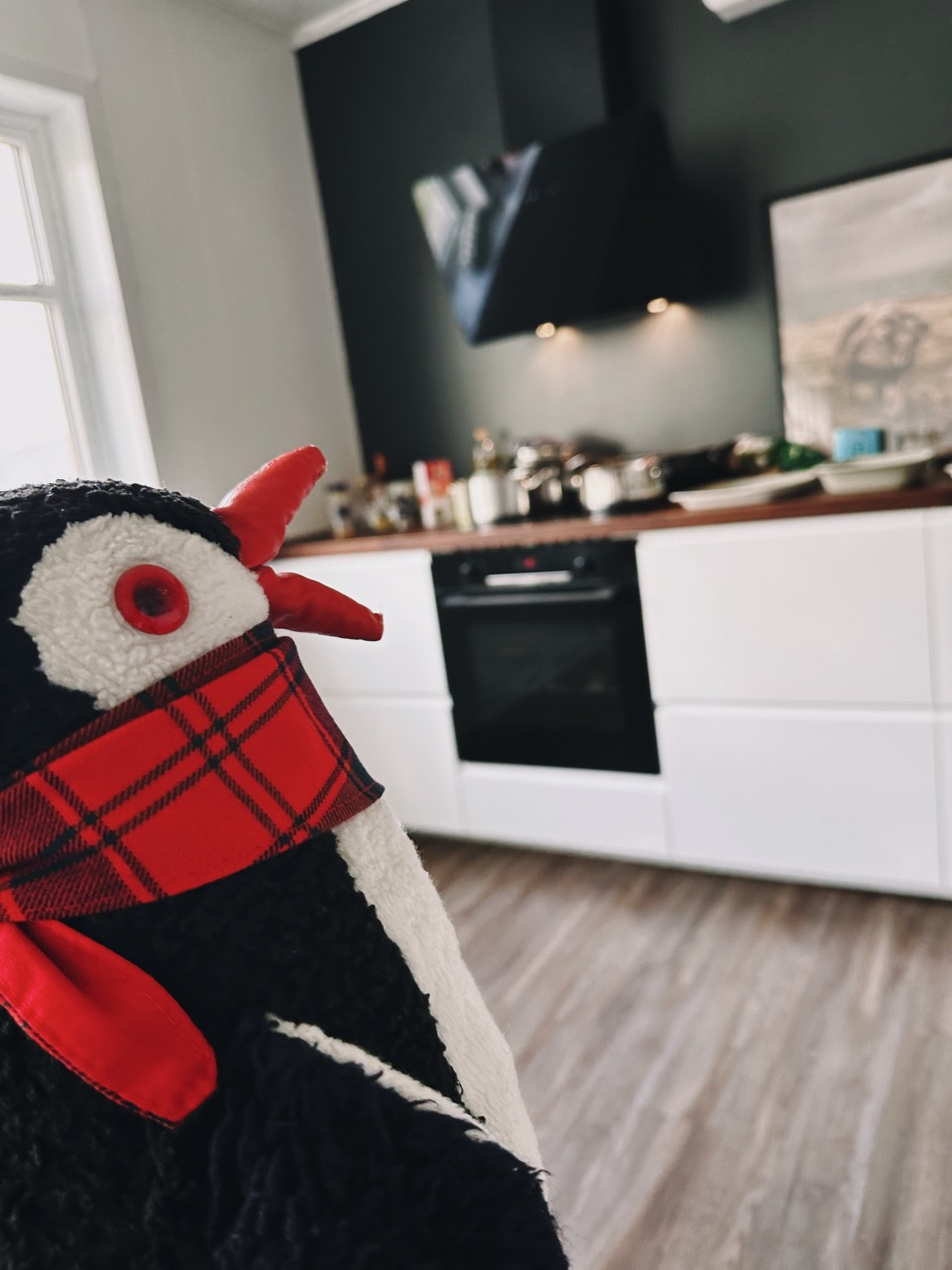
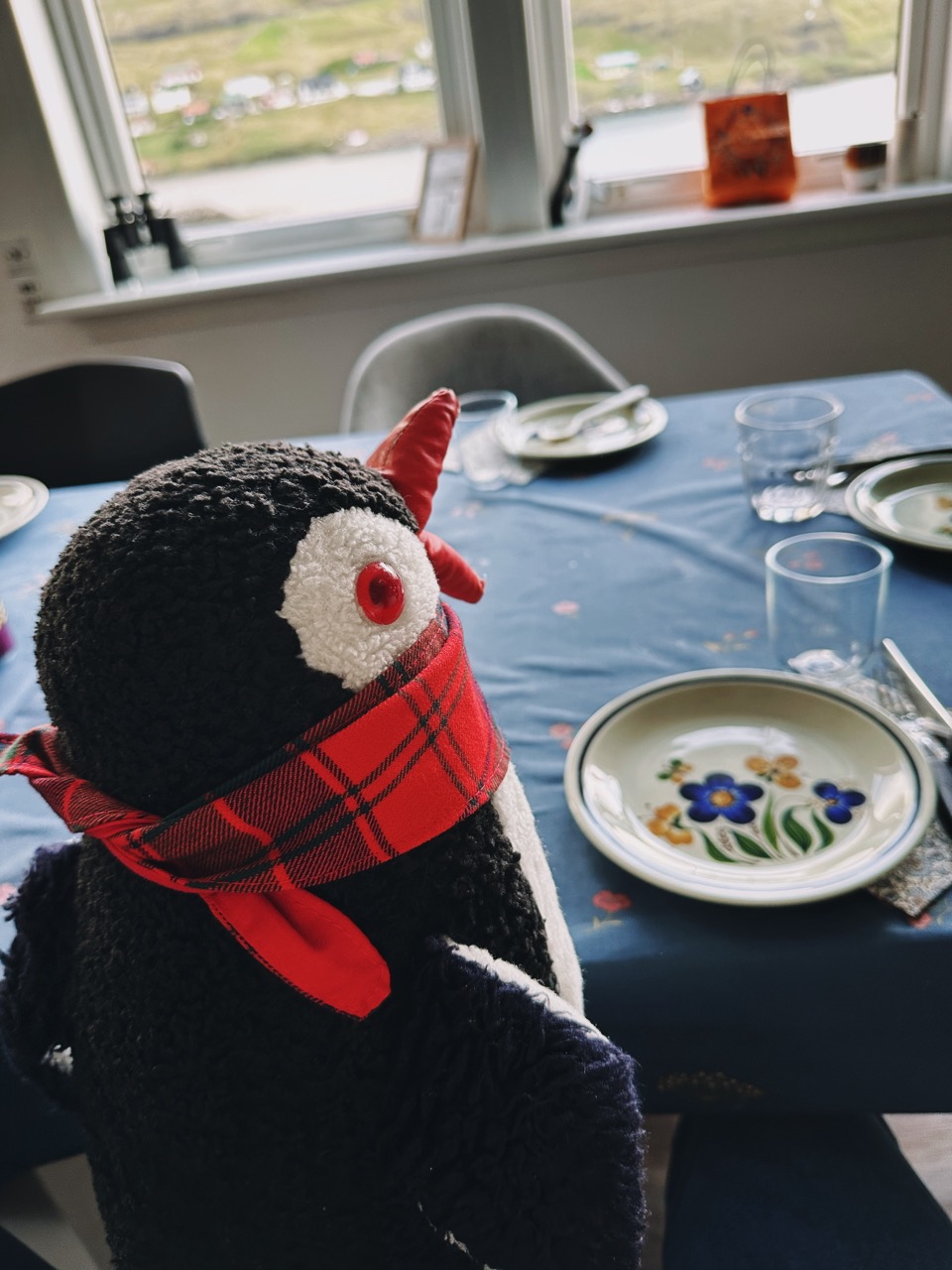
We stepped into their home and were greeted with warm smiles and brief introductions. The hosts—a kind husband and wife—welcomed us together with their cheerful three-year-old son, instantly setting a relaxed and friendly tone. From the entrance, we were led straight into the kitchen, which also doubled as the dining room. What surprised us most was the size of the group: around twelve to fourteen guests gathered around the long table. On the one hand, it was wonderful, as it gave us the chance to meet fellow travelers who were also discovering the Faroe Islands and to share stories over dinner. On the other hand, it did feel a little cramped at times—just enough to wish for a touch more elbow room. Still, the closeness added to the sense of community, almost like being at a big family gathering.
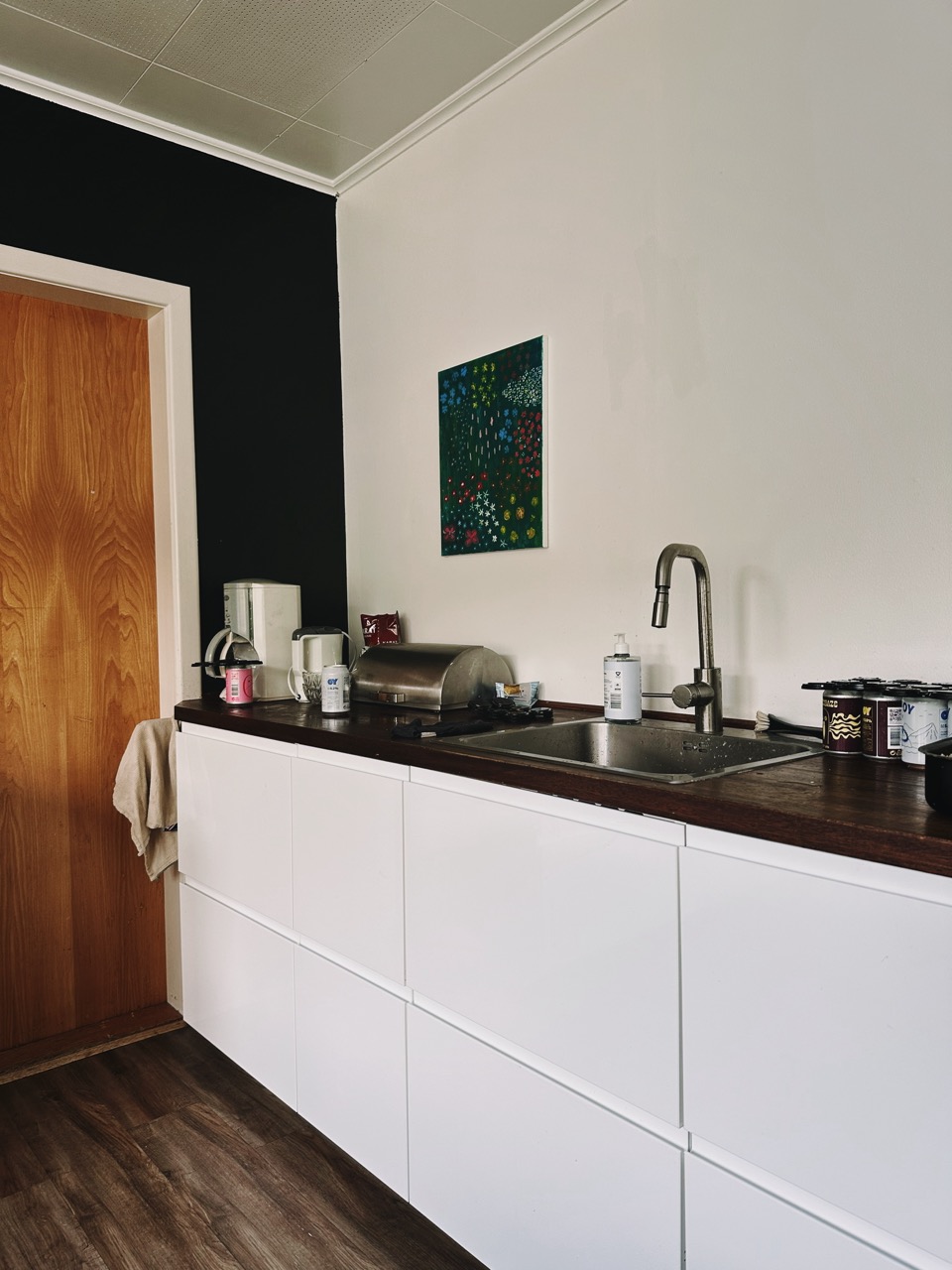
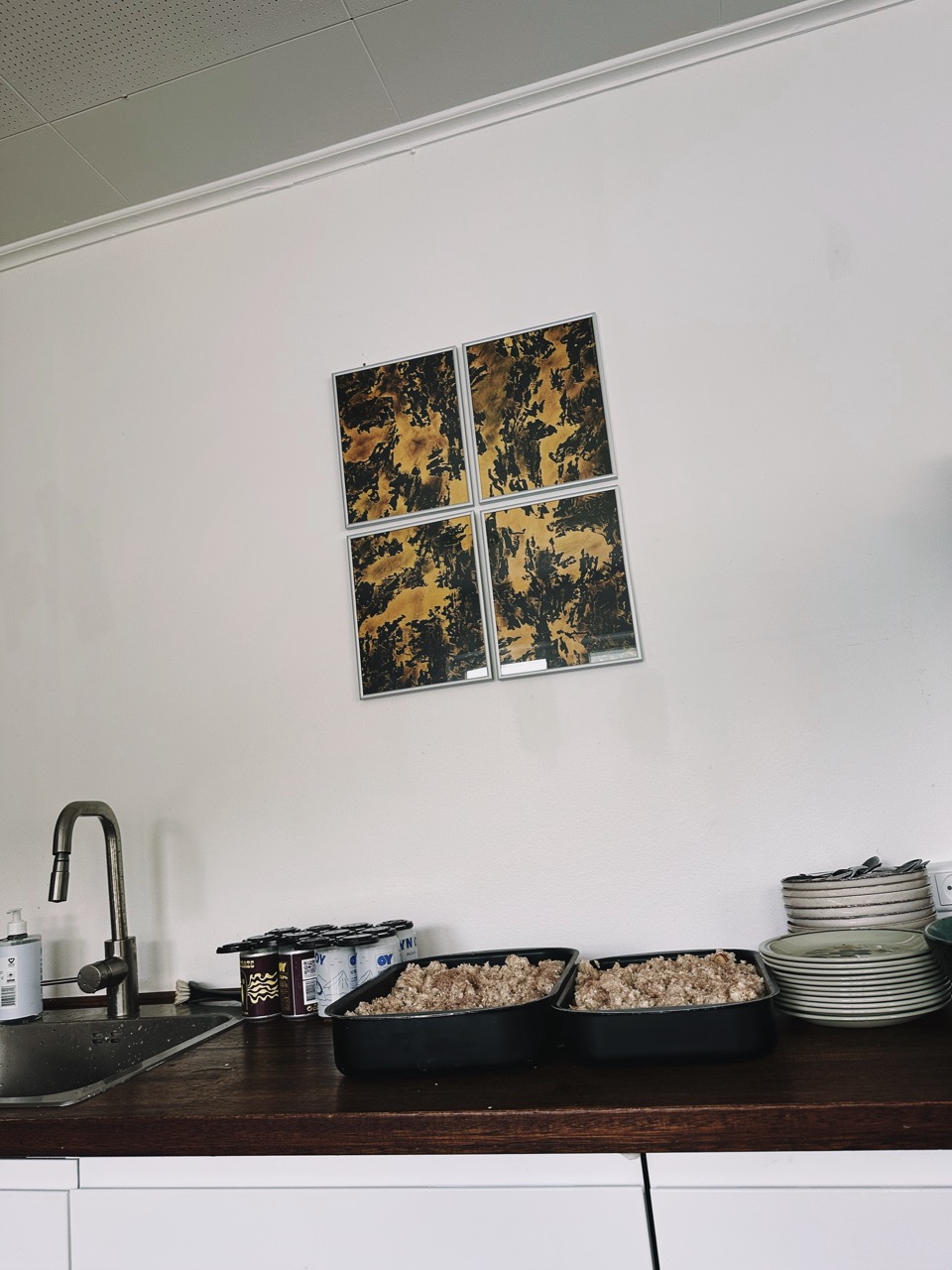
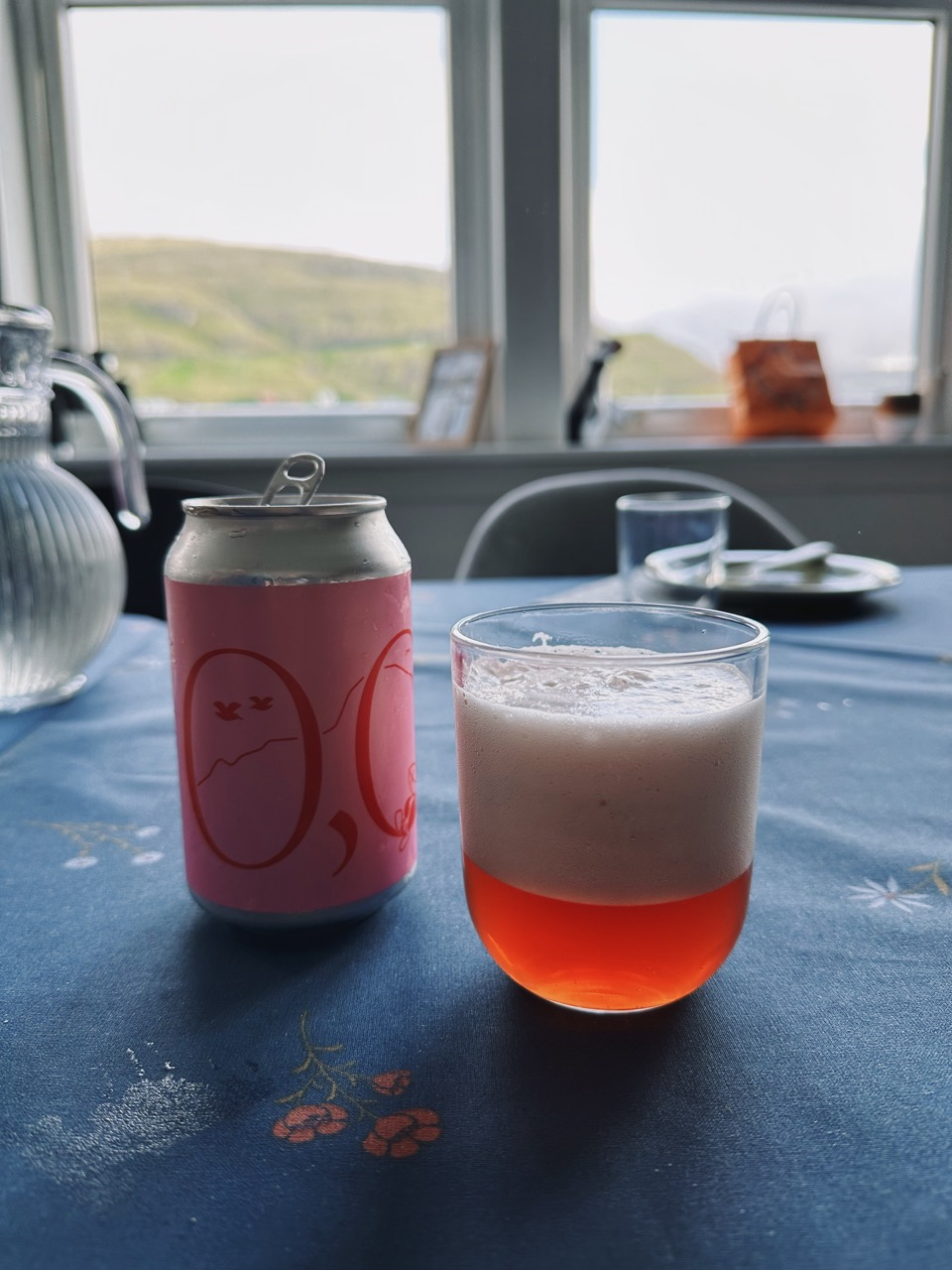
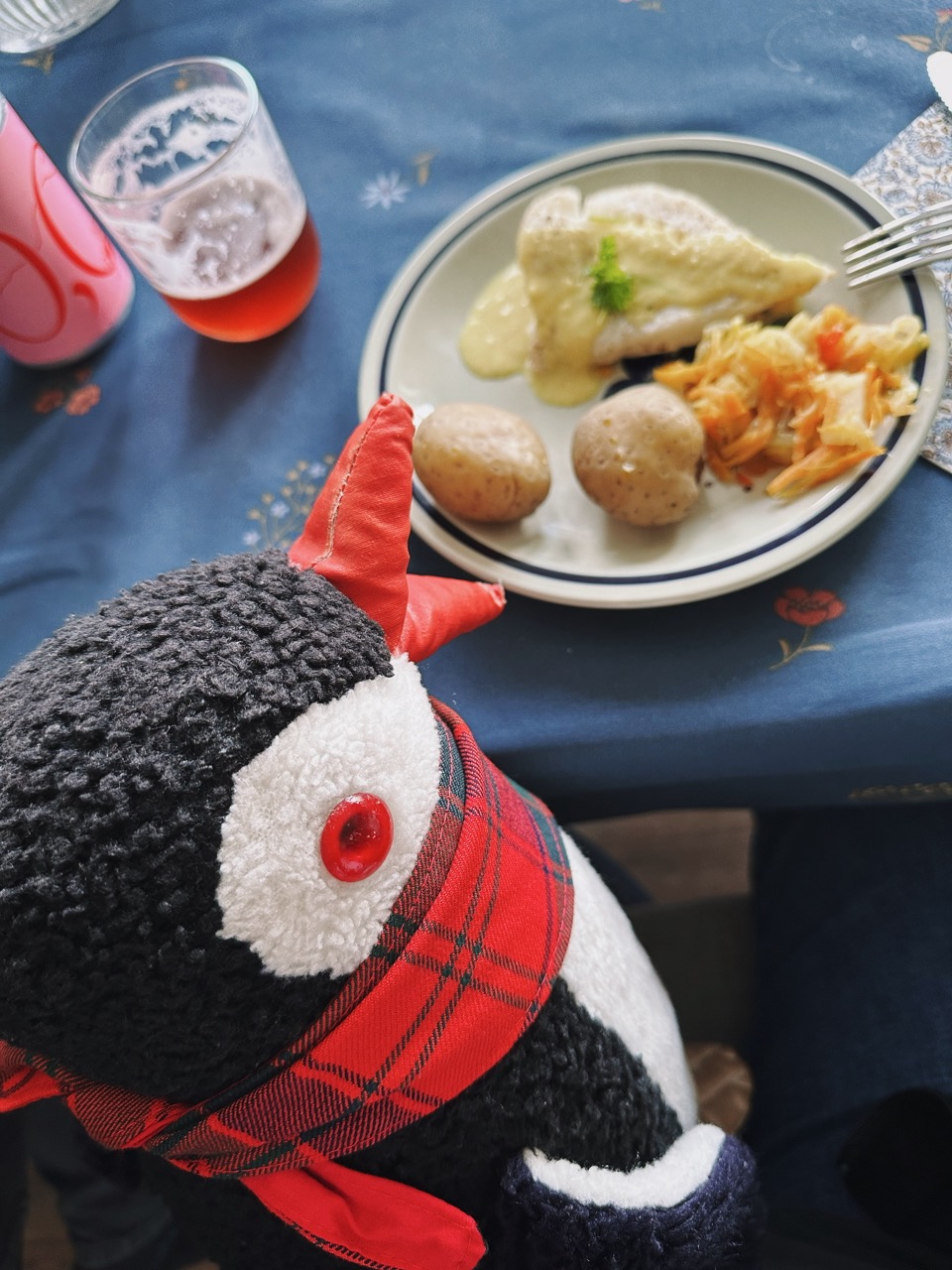
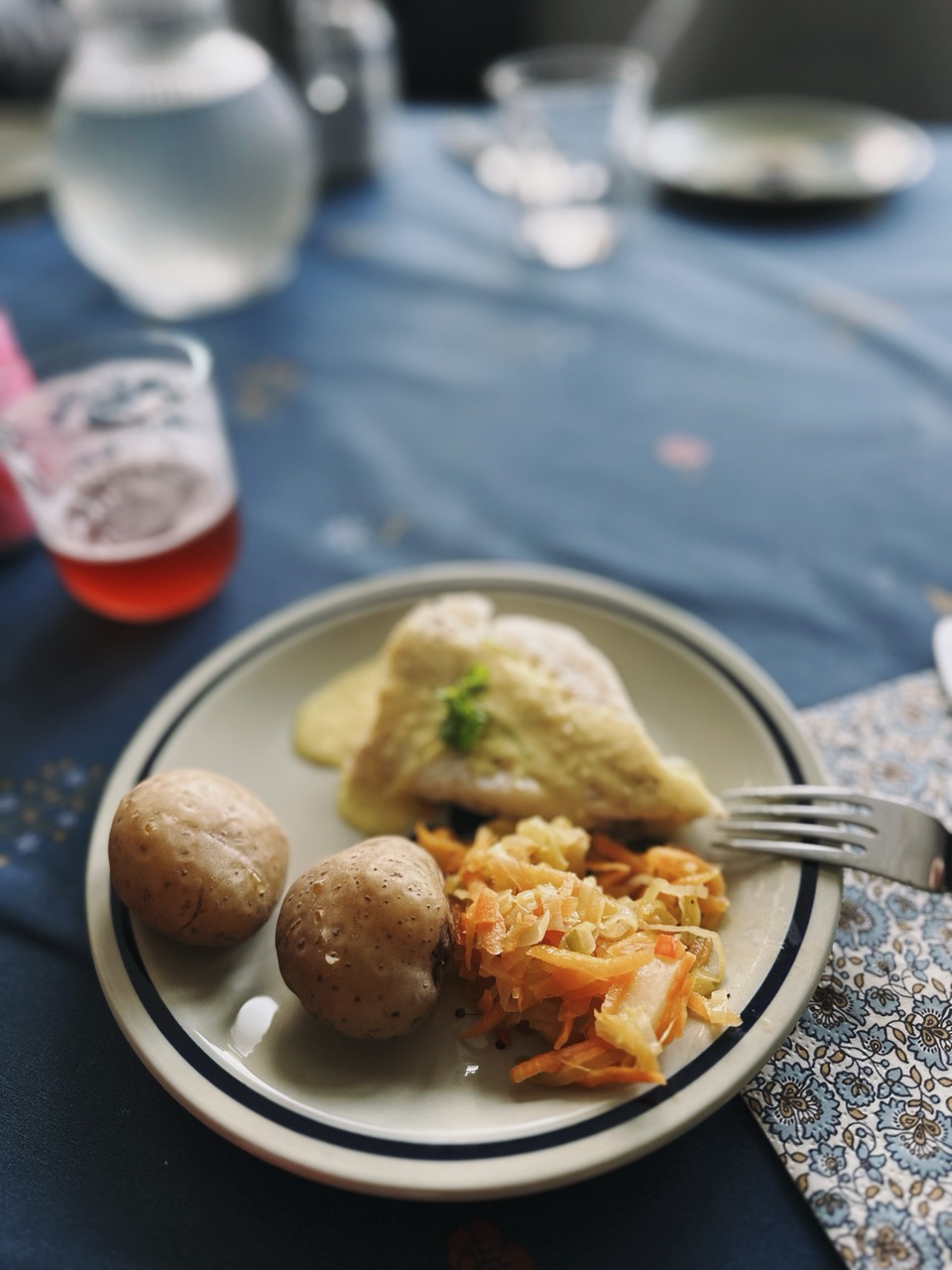
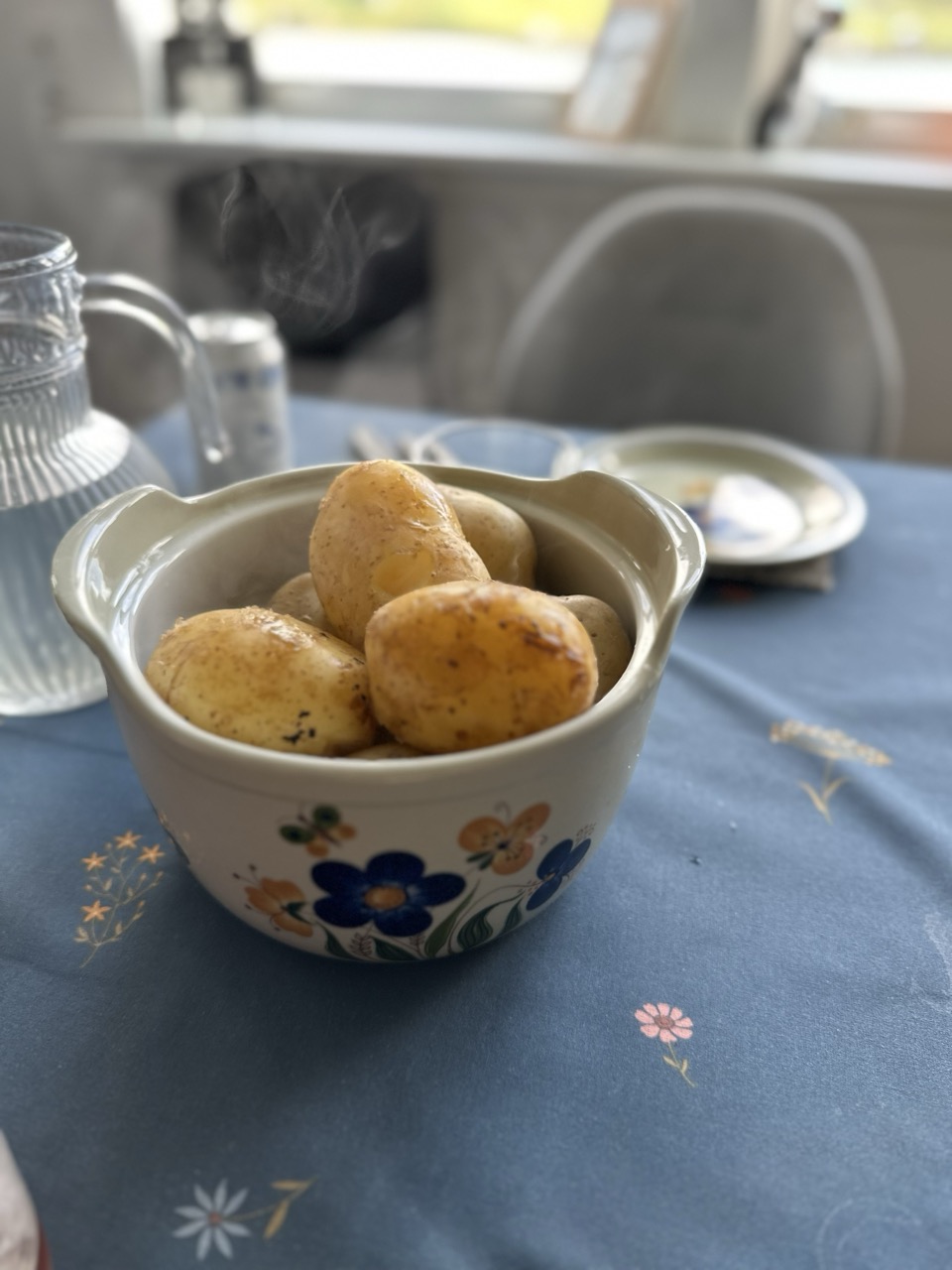
Once everyone had arrived and settled, the hostess began serving the first course together with some OY beer from the Faroese brewery. The meal started with whole boiled potatoes alongside tender fish, topped with a surprisingly flavorful curry sauce. She explained that curry has a special place in Faroese cooking. For centuries, the islands had almost no access to spices, and when the British introduced curry powder, it quickly became a staple. Even today, you’ll find curry woven into many Faroese dishes—a reminder of how outside influences shape local traditions in unexpected ways.
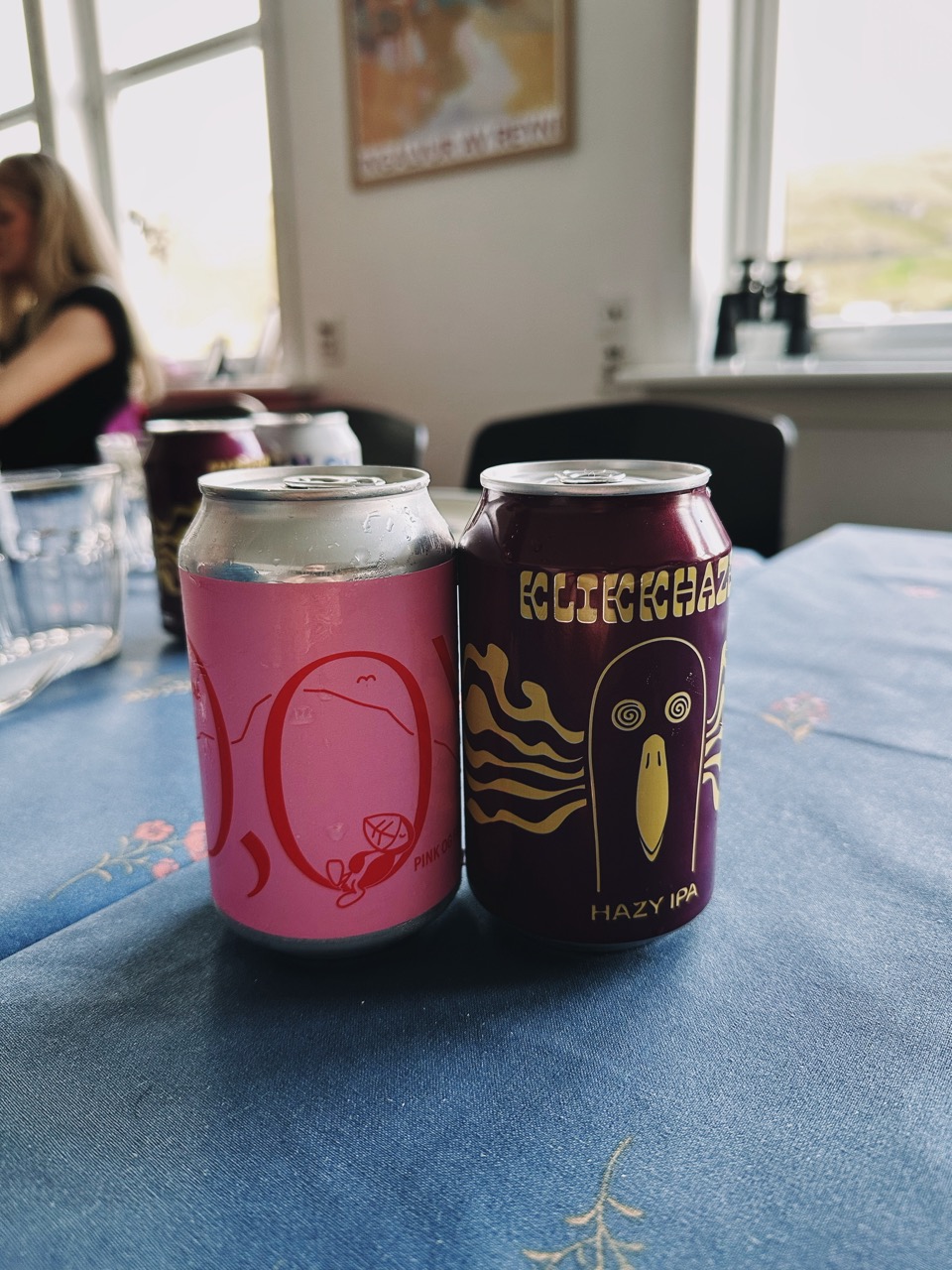
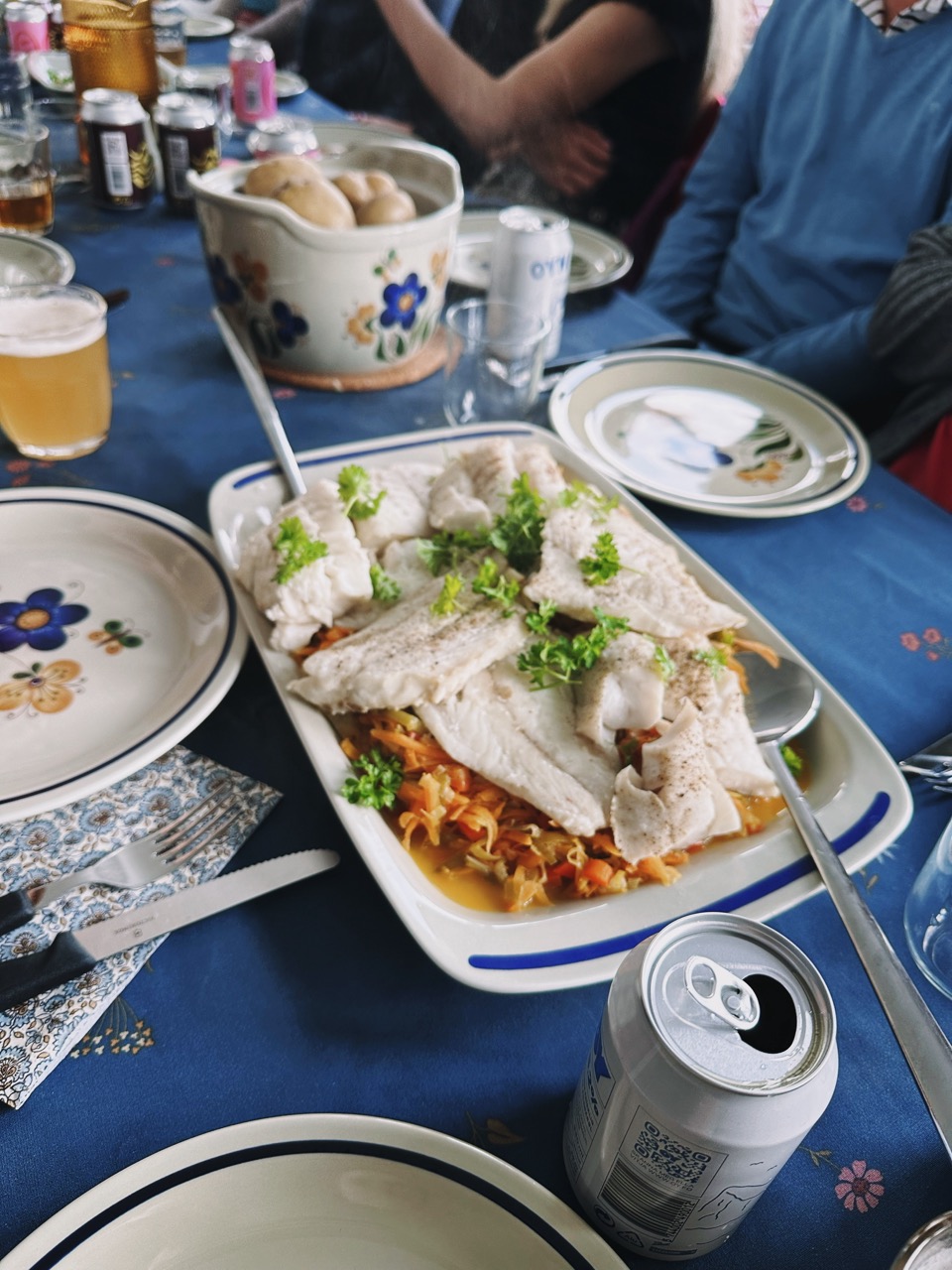
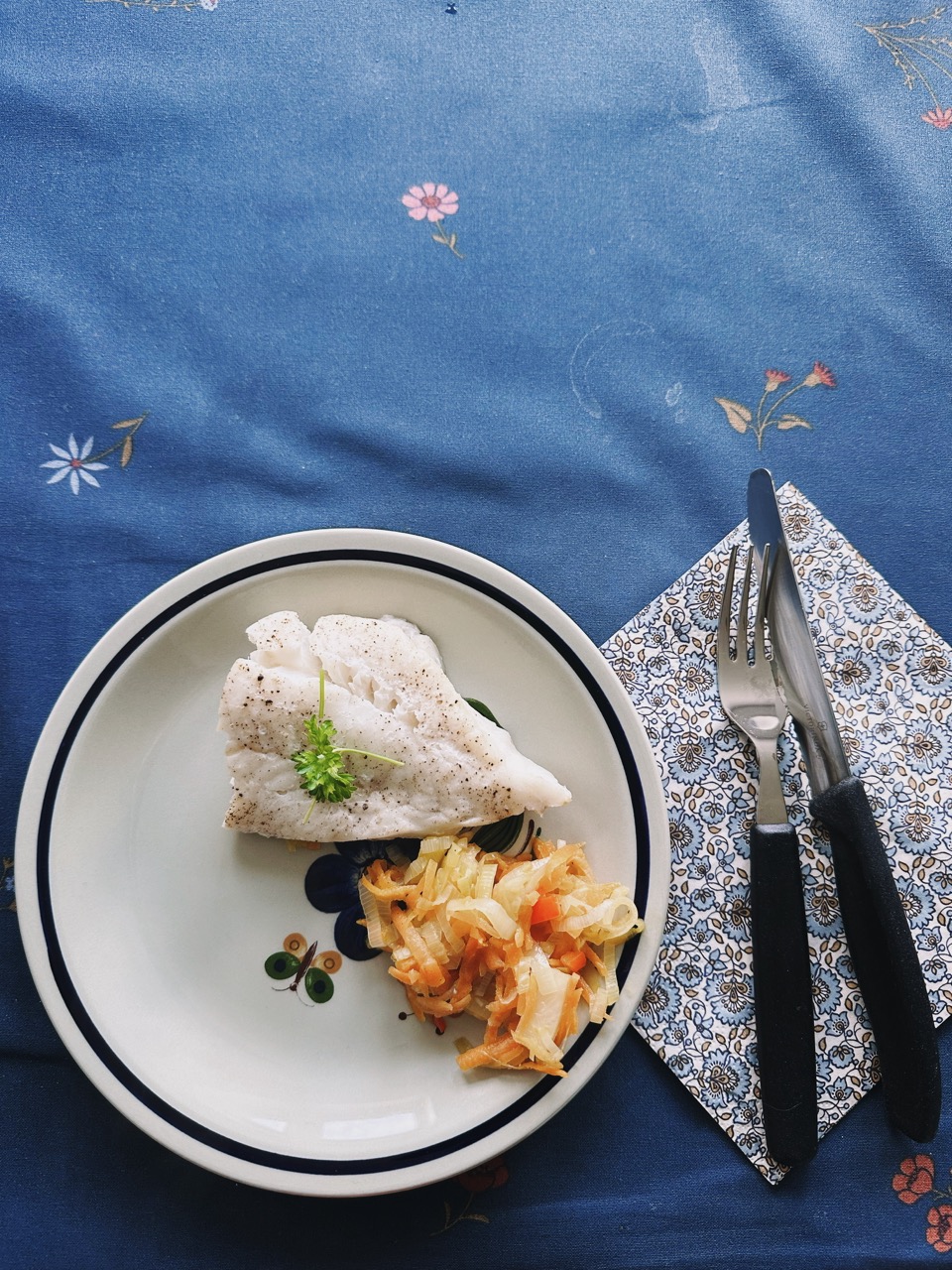
We enjoyed generous portions of cod, which, as she proudly shared, her father, a lifelong fisherman, had caught. That personal touch—knowing exactly where the food came from—made the meal feel even more meaningful. Between bites, the conversation flowed easily. Guests asked numerous questions, especially about fishing and island life, and the hostess responded with warmth and patience. It wasn’t just a dinner; it was a lively exchange of stories, traditions, and everyday details of Faroese living. By the time the plates were cleared, it felt as though we’d not only shared food, but also a genuine glimpse into the culture of the Faroe Islands.
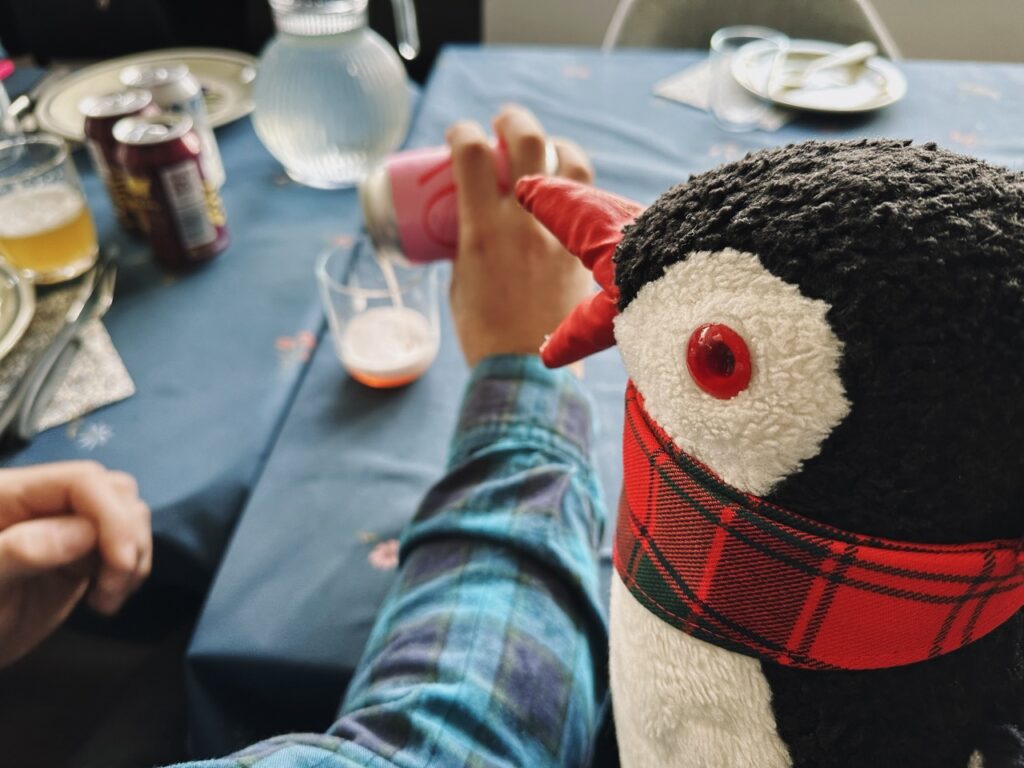
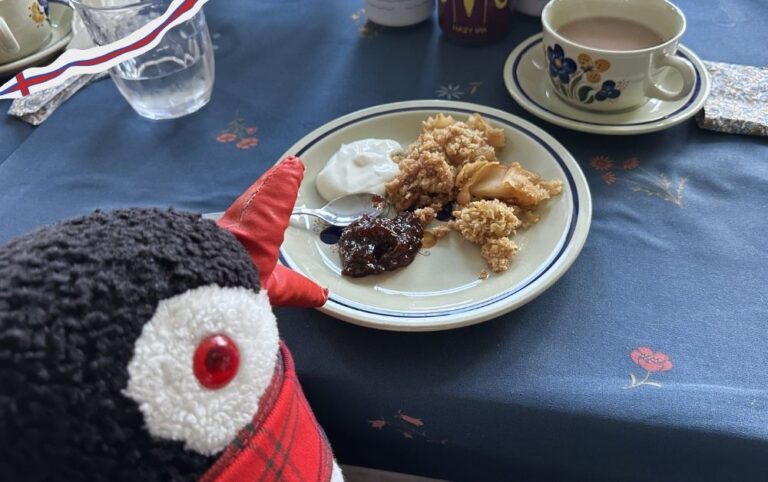
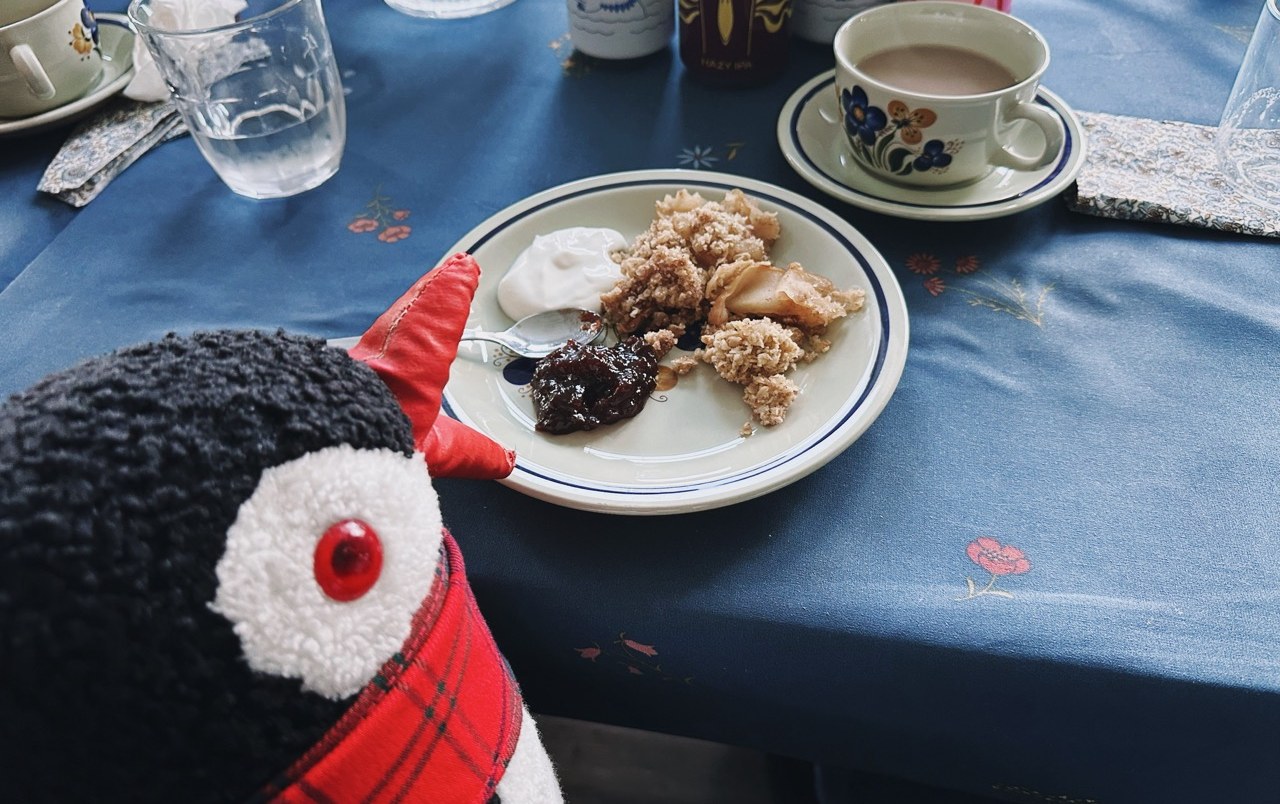
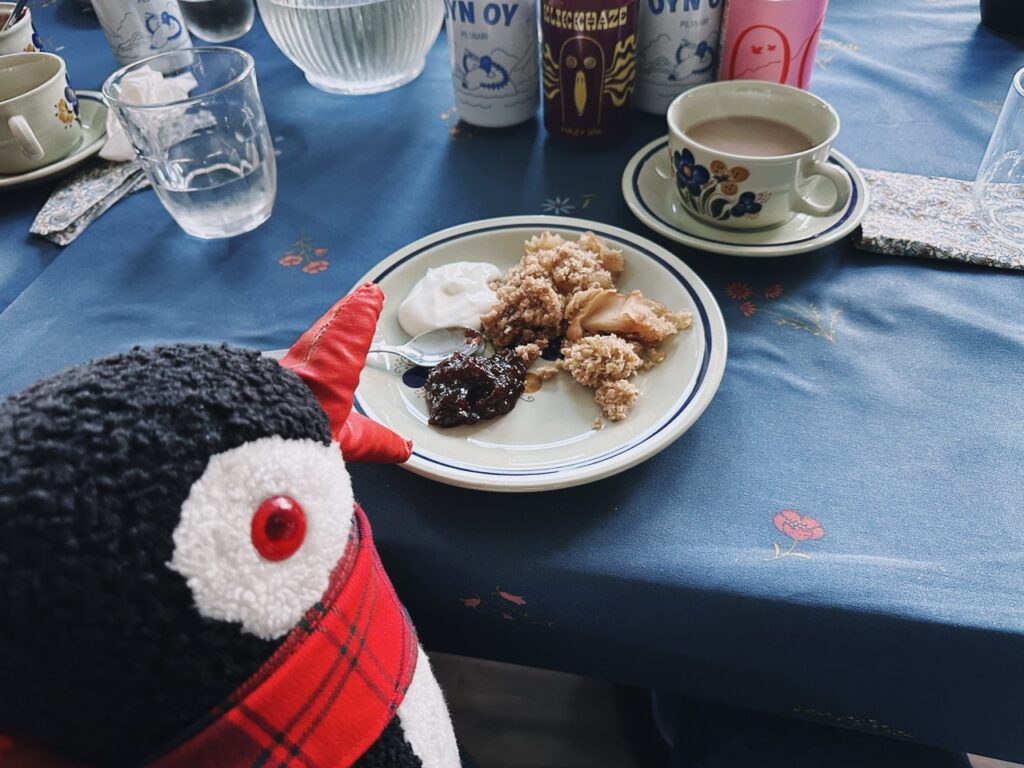
To finish the evening, we were served coffee or tea and a dessert: an apple crumble that turned out to be one of the most delicious we’ve ever had. It came with a spoon of something between sour cream and Greek yogurt, adding just the right balance of creaminess and tang, along with a spoonful of homemade rhubarb jam. As we learned, rhubarb grows well in the Faroese climate and is a favorite ingredient in many households, often preserved and used in sweet treats.
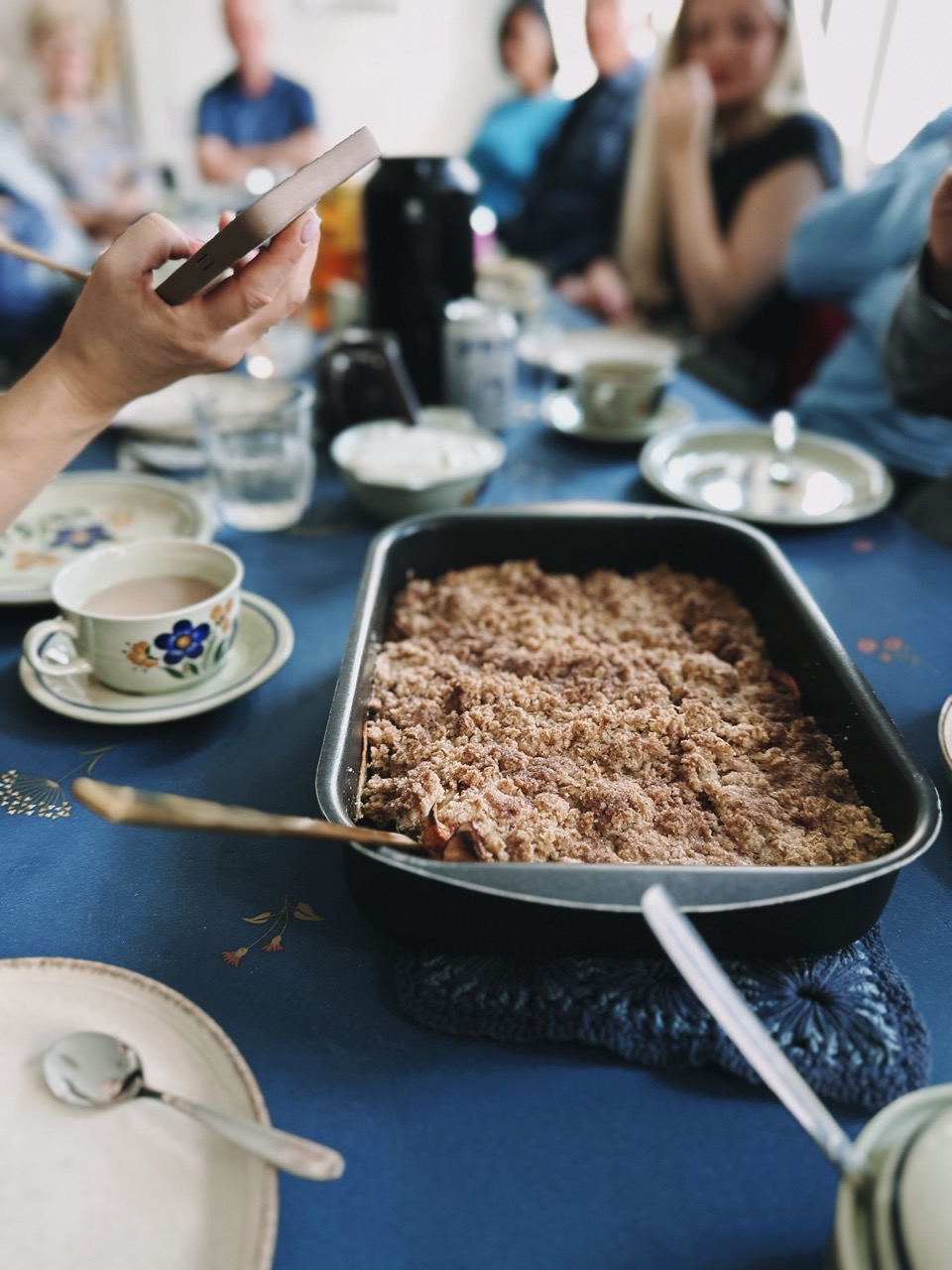
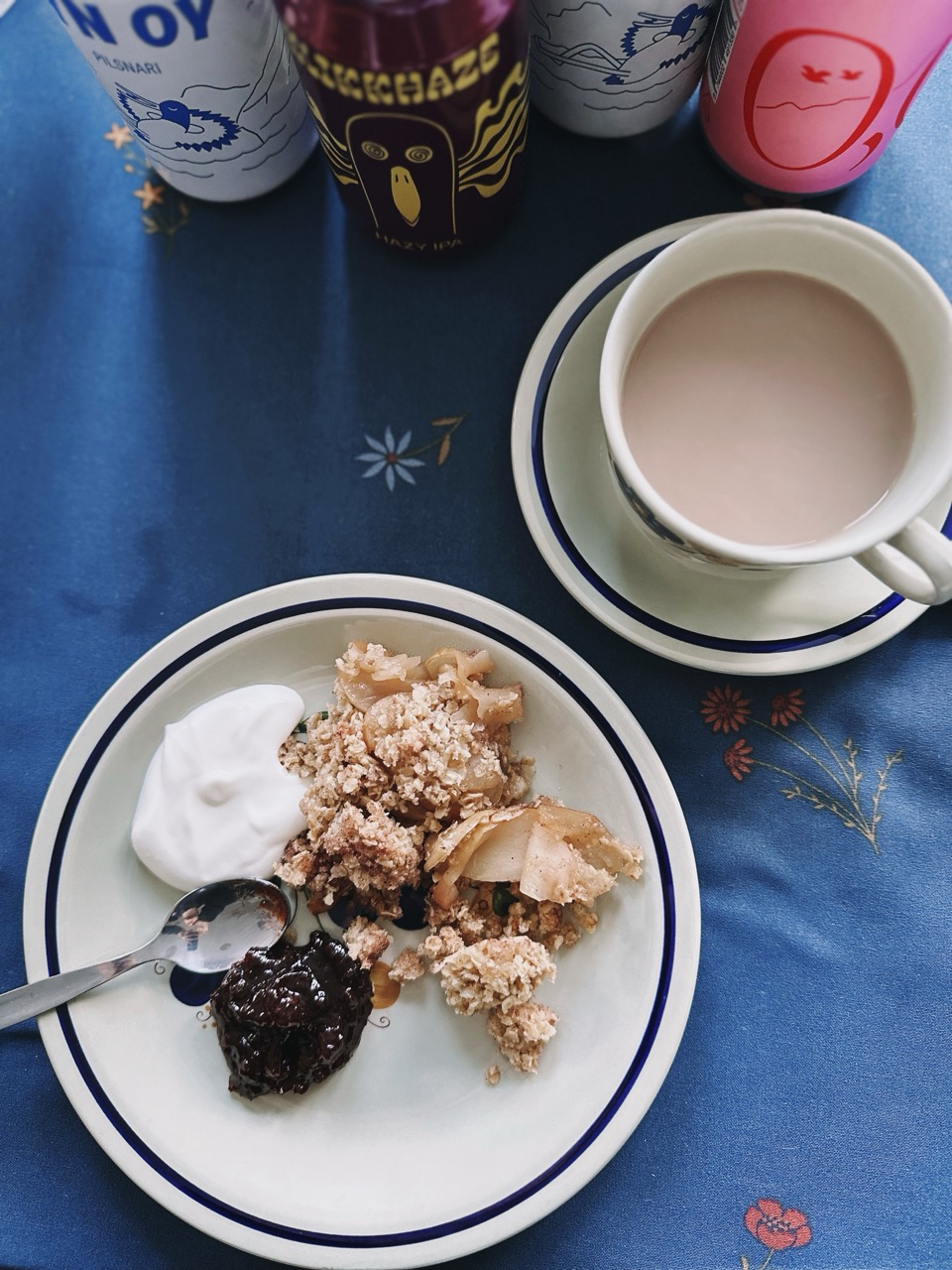
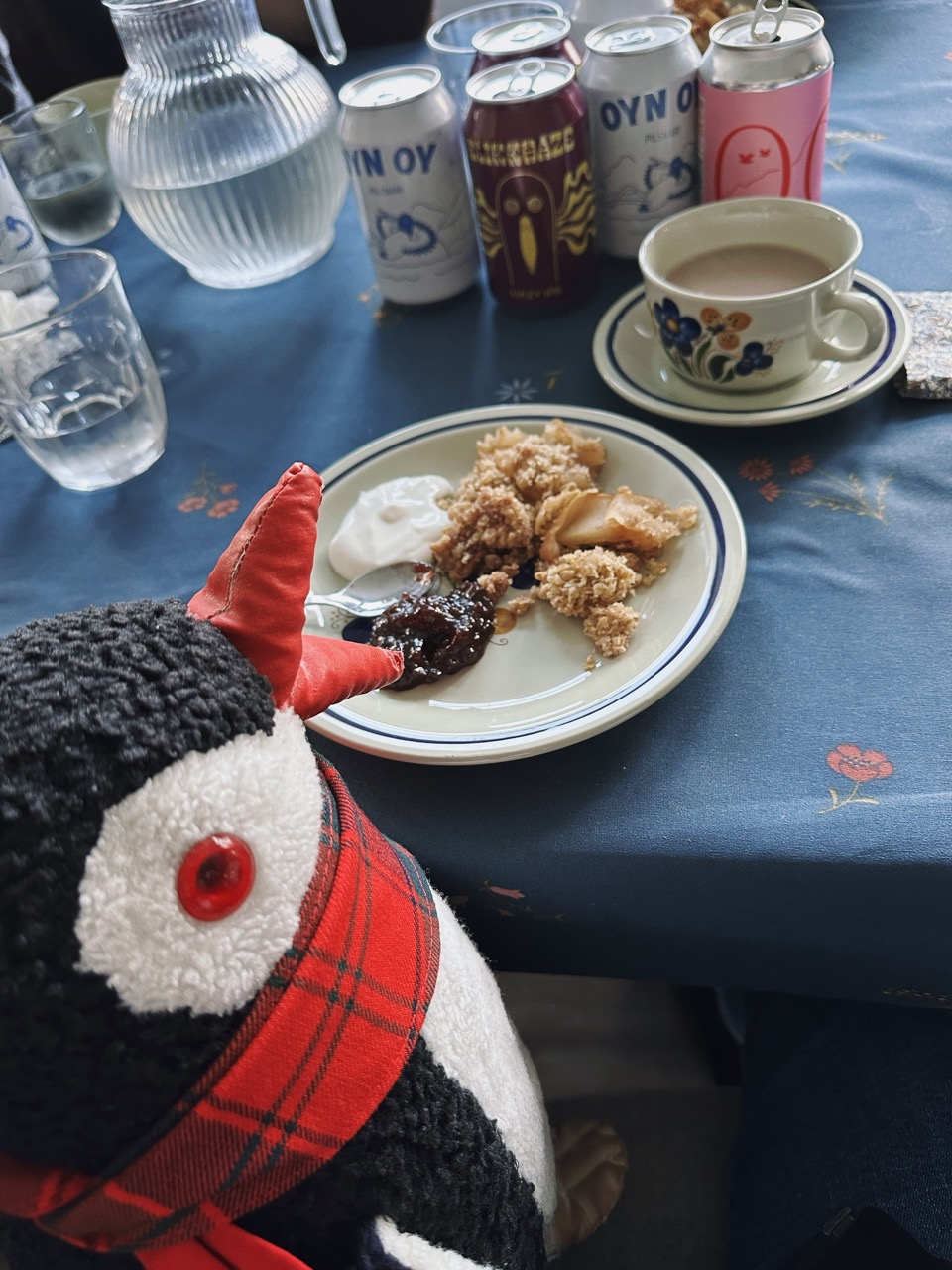
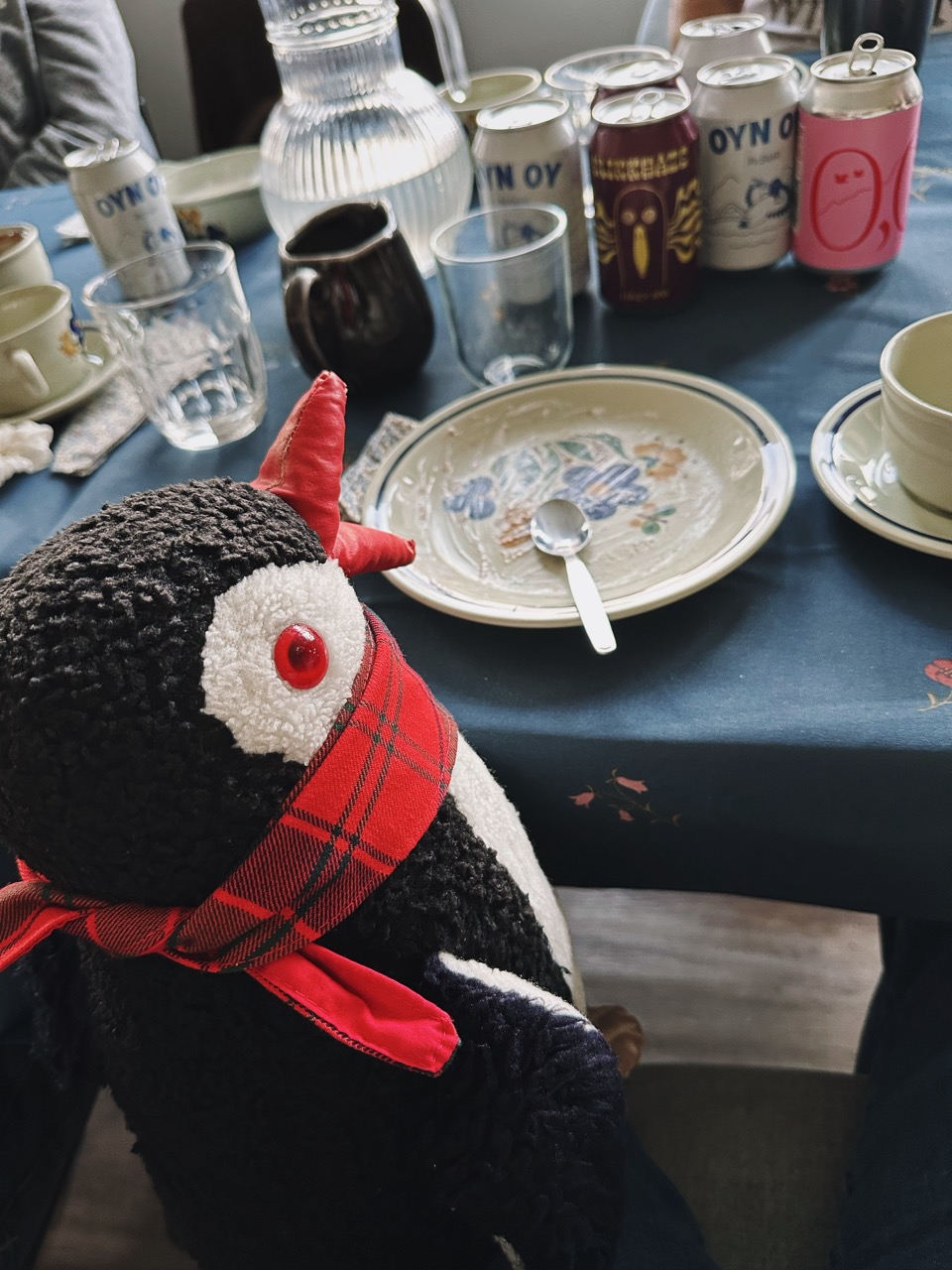
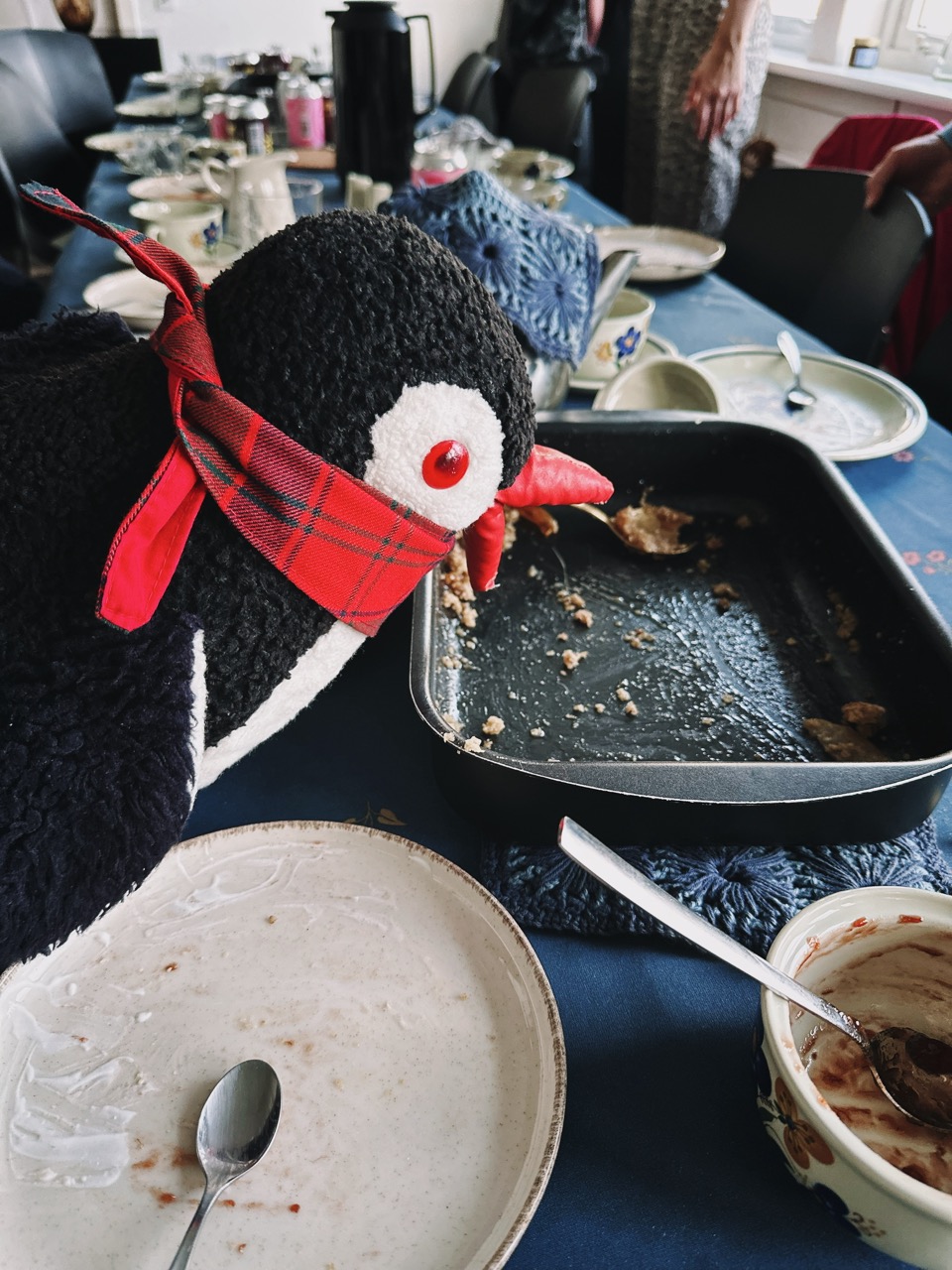
Over dessert, the conversation deepened. Our hostess shared local legends and even sang a haunting Faroese ballad about the nykur, a mythical water spirit. Hearing the song in the Faroese language brought the story to life, adding a magical note to the evening. The official dinner stretched from six until nine, but the hours flew by. If not for our early morning hike the next day, we would have gladly stayed longer—perhaps even helping with the dishes, to keep the stories and laughter going a little while more.
Why You Should Try Heimablídni
Overall, we can wholeheartedly recommend this experience and also with our host – heimaafitjum. Some hosts offer not only dinners but also breakfasts or lunches, providing different options to suit your schedule. We chose dinner, as it fit best with our other plans, and it turned out to be one of the most memorable evenings of our trip. The locals are incredibly friendly and open. Our hostess even mentioned that if you start a conversation with a Faroese person, an excellent icebreaker is to ask about their favorite legend or story—they’ll be more than happy to share.
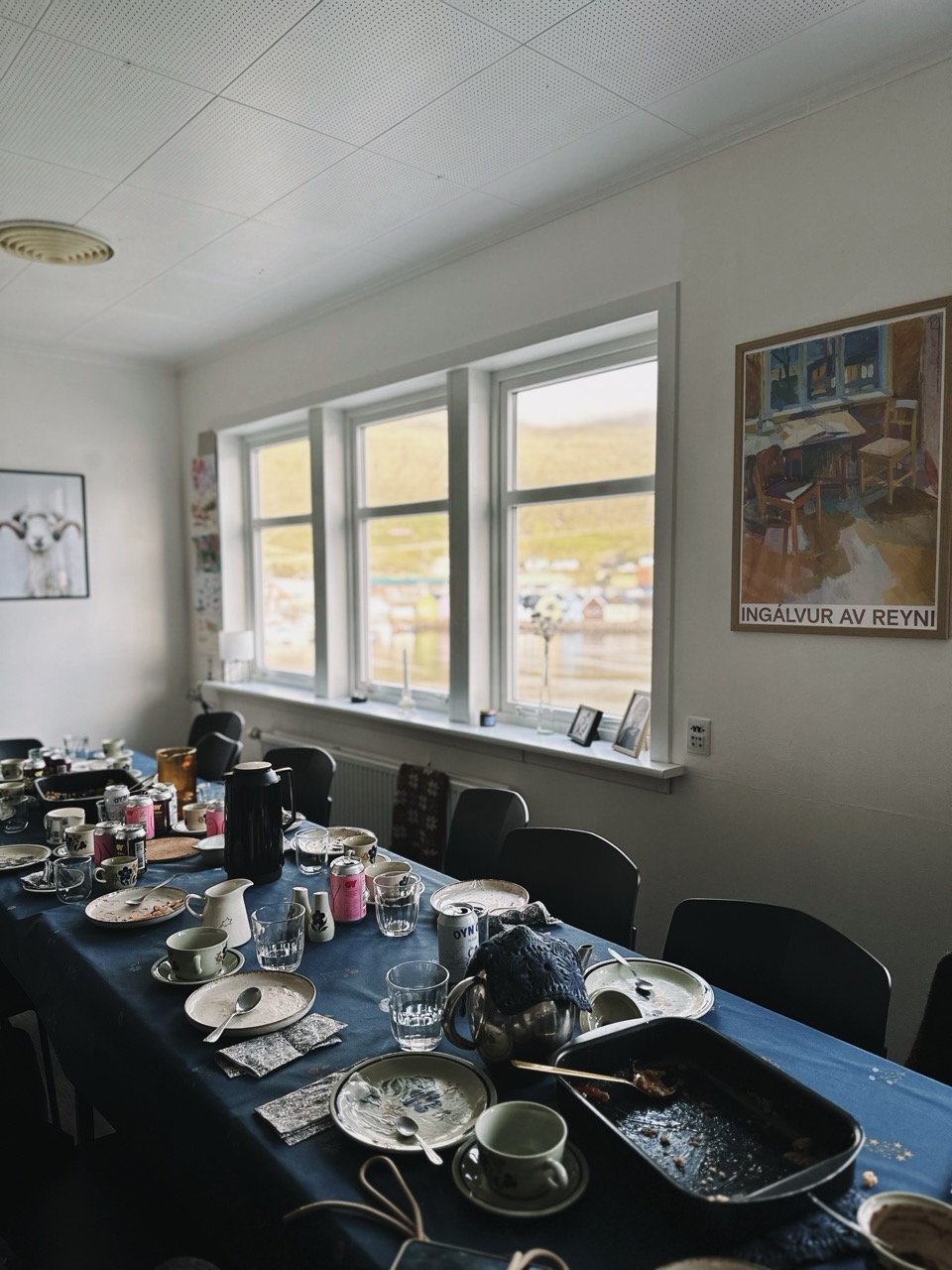
Yes, a heimablídni dinner can be a little pricey, but it truly feels like a once-in-a-lifetime opportunity. After all, where else do you get the chance to step into someone’s private home, sit at their table, and be served a meal filled with tradition, history, and personal stories? It’s not just dinner—it’s a window into Faroese life, culture, and hospitality, and an experience you’ll carry with you long after you’ve left the islands.

This post contains affiliate links. If you click and buy, I might earn a tiny commission, enough to help a penguin keep up its globe-trotting lifestyle. No extra cost to you, just more fish for me. Thank you for supporting the adventure!