
A Penguin’s Culinary Journey Through Unique and Traditional Foods of the Faroe Islands that You Should Not Miss While Visiting
- A Penguin’s Culinary Journey Through Unique and Traditional Foods of the Faroe Islands that You Should Not Miss While Visiting
- What to Eat in the Faroe Islands: Must-Try Dishes
- Tórshavn Street Food and Café Culture
- Faroese Drinks
- Do Not Miss Heimablídni: Dining in Faroese Homes
- Restaurants We Tried and Recommend
- Other Notable Restaurants and Dining Spots
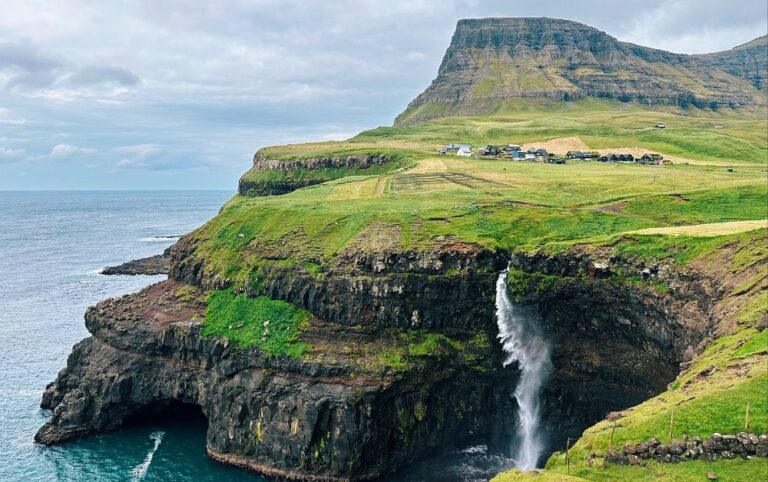
The Faroe Islands challenge assumptions. Remote, windswept, and dramatic, this archipelago between Iceland and Norway carries centuries of culinary resilience. Dining here isn’t just about flavor. It’s about weather, isolation, survival, and resourcefulness. Traditional Faroese cuisine doesn’t shy away from preservation. Fermenting, drying, salting, and smoking still define the island kitchen. You won’t find a vast variety of imported produce. Instead, locals focus on what thrives here: seabirds, sheep, wild herbs, fish, and seaweed. You won’t always recognize what’s on your plate. That’s part of the experience.
So what do people eat in the Faroe Islands? Here are the essential dishes and ingredients to try, the stories behind them, and the places to taste them.
What to Eat in the Faroe Islands: Must-Try Dishes
- Skerpikjøt (Fermented Wind-Dried Mutton). This is the most iconic dish of the Faroe Islands. Skerpikjøt means wind-dried mutton. Locals hang lamb legs in wooden sheds called hjallur, allowing cold Atlantic winds to dry and ferment the meat for five to nine months. No smoke. No salt. Just air and time. It smells intense. The flavor hits earthy and tangy. People eat it raw, sliced thin like prosciutto, often on rye bread with butter or with boiled potatoes. You can try skerpikjøt at Heimablídni dinners (home-hosted meals), traditional Faroese restaurants, or on food tours with locals who still raise their sheep.
- Grindadráp and Grindakjøt (Pilot Whale). This one stirs debate. The Faroese have hunted pilot whales for centuries. It’s a community event called grindadráp. Nothing goes to waste. People eat the meat and blubber (grindakjøt and spik), preserve it for winter, and share it across families. Grind tastes strong, with a texture close to beef but more iron-rich. Locals slice and boil it, often served with potatoes and turnips. Whether or not you try it is up to you. Many restaurants don’t serve ground out of respect for differing views. If you’re curious, talk to locals and explore the tradition before tasting.
- Ræstkjøt and Ræstur Fiskur (Fermented Meat and Fish). Ræstur refers to the fermentation process. Both meat and fish go through this technique, aging in airy sheds where bacteria develop the signature sharp aroma. This isn’t about rot. It’s about controlled transformation. Ræstkjøt uses mutton, aged for less time than skerpikjøt. Ræstur fiskur usually involves cod or haddock. People boil it and pair it with tallow or blubber. Restaurants like Áarstova and ROKS sometimes reinterpret these ingredients in creative ways, giving you a gentler first bite.
- Faroese Salmon. Faroese salmon exports reach high-end sushi restaurants in Tokyo and Michelin-starred kitchens in Paris. Here, you eat it at the source. Look for cured salmon gravlax-style, smoked slices on rye, or grilled filets with pickled vegetables. Salmon farms dot the fjords, and locals often share stories about fish quality and sea currents. Tasty, sustainable, and raised in icy waters, Faroese salmon is a must.
- Faroese Lamb. The Faroe Islands literally mean “Sheep Islands”. The lamb is world-class and is served at family dinners in the islands. Luckily, you can also taste delicious lamb as a traveler. The best place to satisfy your appetite here is to go for the juicy lamb at Restaurant Áarstova in Tórshavn. Another option is the Restaurant Ræst, also located in the capital. Here you will get the chance to try fermented lamb, a local delicacy. The fermented lamb is served both warm and as dried mutton, known as skerpikjøt. For a truly unique look into the world of sheep culture in the Faroe Islands, make sure to book this Food Tour with a Local Farmer. You get to visit a sheep farm outside of the town of Klaksvík on Borðoy Island.
- Fresh Faroese Seafood. While fermentation takes the spotlight, seafood shows the other side of Faroese cuisine: clean, fresh, and pulled straight from cold Atlantic waters. Cod, haddock, halibut, and langoustine dominate menus. Mussels, sea urchins, and lumpfish roe make seasonal appearances. Fish soup, or fiskasúppa, warms you up with creamy broth and chunks of local catch. You can also try pan-fried fish served simply with potatoes and butter. Consider booking a table at Barbara Fish House in Tórshavn, built inside an old turf-roofed home. They serve tasting menus that highlight seafood in elegant, surprising ways.
- Seaweed and Ocean Greens. Chefs across the islands harvest seaweed by hand. Not just garnish – this is a key part of the modern Faroese kitchen. Dulse, sugar kelp, and bladderwrack add crunch, salt, and minerality to both traditional and experimental plates. Join foraging tours or sample seaweed crisps in boutique shops. Koks, the Michelin-starred pioneer of Faroese fine dining, often includes seaweed in multi-course menus.
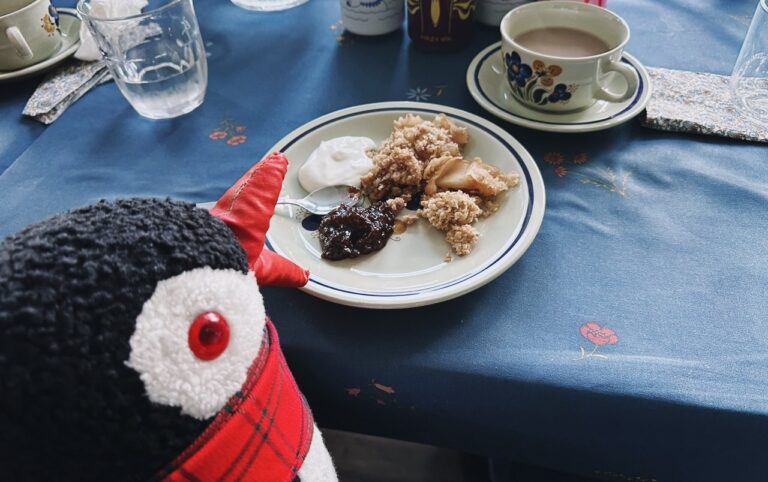
- Faroese Breads and Pastries. Baking remains central to Faroese home life. Rugbreyð, a dense rye bread, shows up alongside most savory meals. Locals often bake in cast-iron pots and let the bread slow-cook for hours. Look for kleynur, twisted doughnuts fried golden, and kringlur, buttery cookies eaten with tea. Some homes still make flatbread in cast-iron pans, topping it with lamb tallow or rhubarb preserves. You’ll find these at local bakeries, cafés, and especially at Heimablídni visits.

Tórshavn Street Food and Café Culture
Tórshavn may feel like a tiny capital, but its food scene punches above its size. Visit the harbor food stalls at the Bøkurhúsið Food Hall. Try fresh fish burgers, reindeer sausage, and pancakes with rhubarb jam. Coffee culture thrives, too. Head to Brell Café or Paname Café for Faroese-roasted beans and cinnamon rolls made with local butter. This is where travelers and locals slow down.
Faroese Drinks
- Try local beers from breweries like Okkara or Føroya Bjór. You’ll also find herbal schnapps and liqueurs flavored with wild plants.
- Some Faroese drink røstur, a traditional warm milk drink with butter and sugar. It’s sweet, creamy, and comforting on cold nights.
- Coffee, of course, keeps everything going. Faroese-roasted beans taste bold and smoky, often served with thick cream.
How to Approach Food in the Faroe Islands
Come with curiosity. Some ingredients push boundaries. Some flavors take getting used to. But each dish connects you to place, to climate, and to culture. Join a food tour. Try a Heimablídni dinner. Visit markets and bakeries. Ask questions. Let locals lead the way. Food in the Faroe Islands isn’t just what people eat. It’s how they live.
Do Not Miss Heimablídni: Dining in Faroese Homes
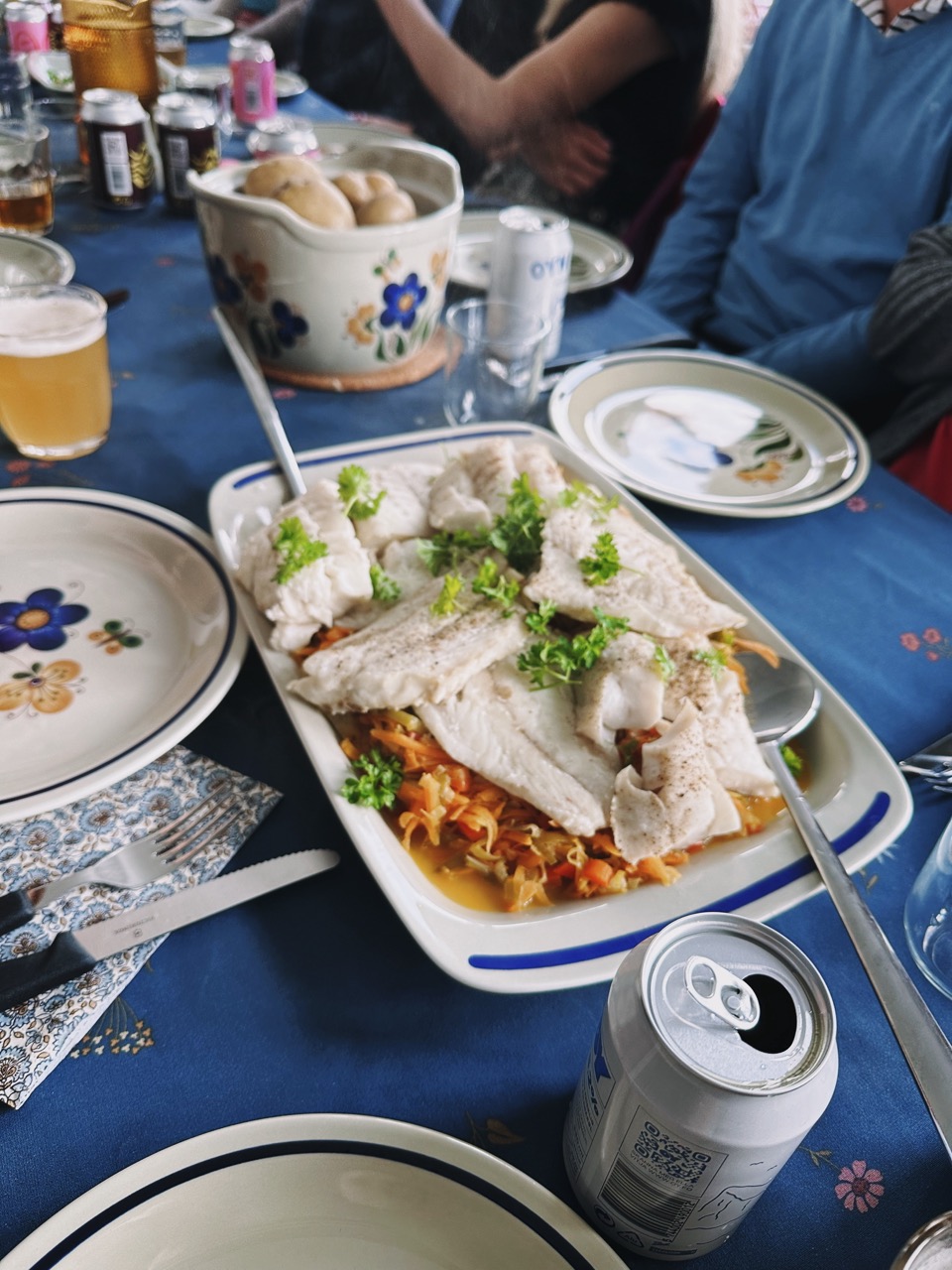
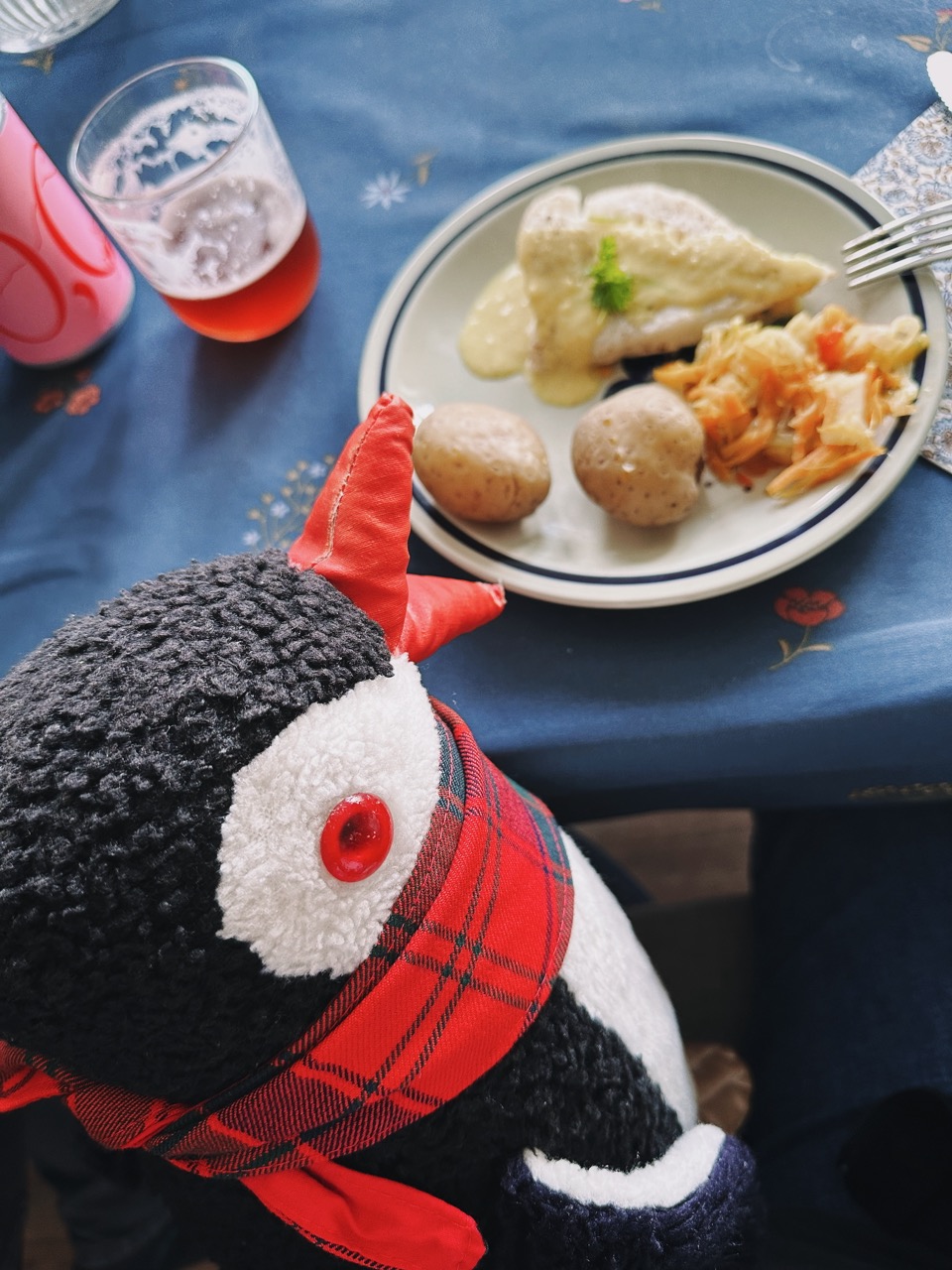
Heimablídni – phonetically spelt as “hi-mɑ-blyd-ne” means “home hospitality.” All across the islands, locals open their doors to travelers for intimate dining experiences that combine home-cooked dishes with stories passed down through generations. This is your best chance to eat like a local, try traditional recipes, and hear the stories behind every bite. You might sit at a kitchen table hosted by a fisherman, a sheep farmer, or a passionate home cook, eating traditional recipes rarely found in restaurants. Expect family recipes, long tables, slow conversations. You might try ræstkjøt one night and cod cheeks the next. Some hosts also serve Faroese beer or schnapps made with local herbs.
These underground dinners often cost around DKK 330 (roughly €45), making them both accessible and deeply personal. In many cases, it’s not just the food that leaves a lasting impression; it’s the people. Some hosts offer breakfast or lunch, too, perfect if you’re looking for a unique way to start your day. If you’re curious, book early in your trip. Many heimablídni hosts love sharing local tips and hidden gems that could shape the rest of your stay. Sometimes, a perfect stranger serves the most unforgettable dinner.
Eatlocal.fo has an excellent overview of places that offer Heimablídni meals across the islands. You can filter and pick your preferred home dining experience to make a direct booking.
Book in advance. These experiences fill up fast.
Restaurants We Tried and Recommend
Eating out in Tórshavn is a memorable experience, but it comes with a price; dining in the Faroe Islands can be on the expensive side. That’s why we chose to cook most of our meals in our apartment, which luckily had a fully equipped kitchen. Still, we couldn’t resist trying a couple of local restaurants during our stay, and both turned out to be fantastic. Here are the two spots we highly recommend if you’re looking to treat yourself while in the Faroese capital.
OY Brewery & Restaurant
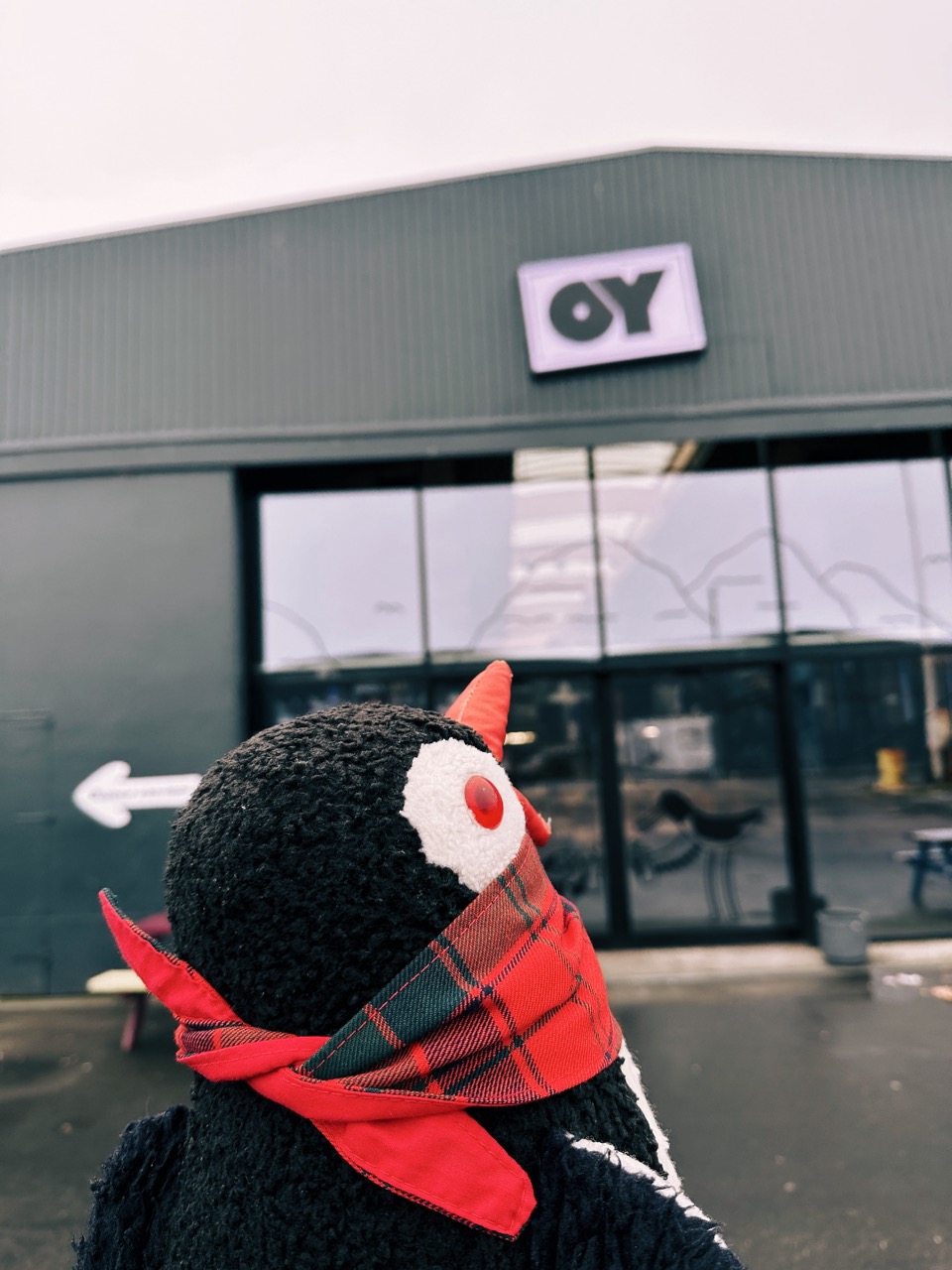
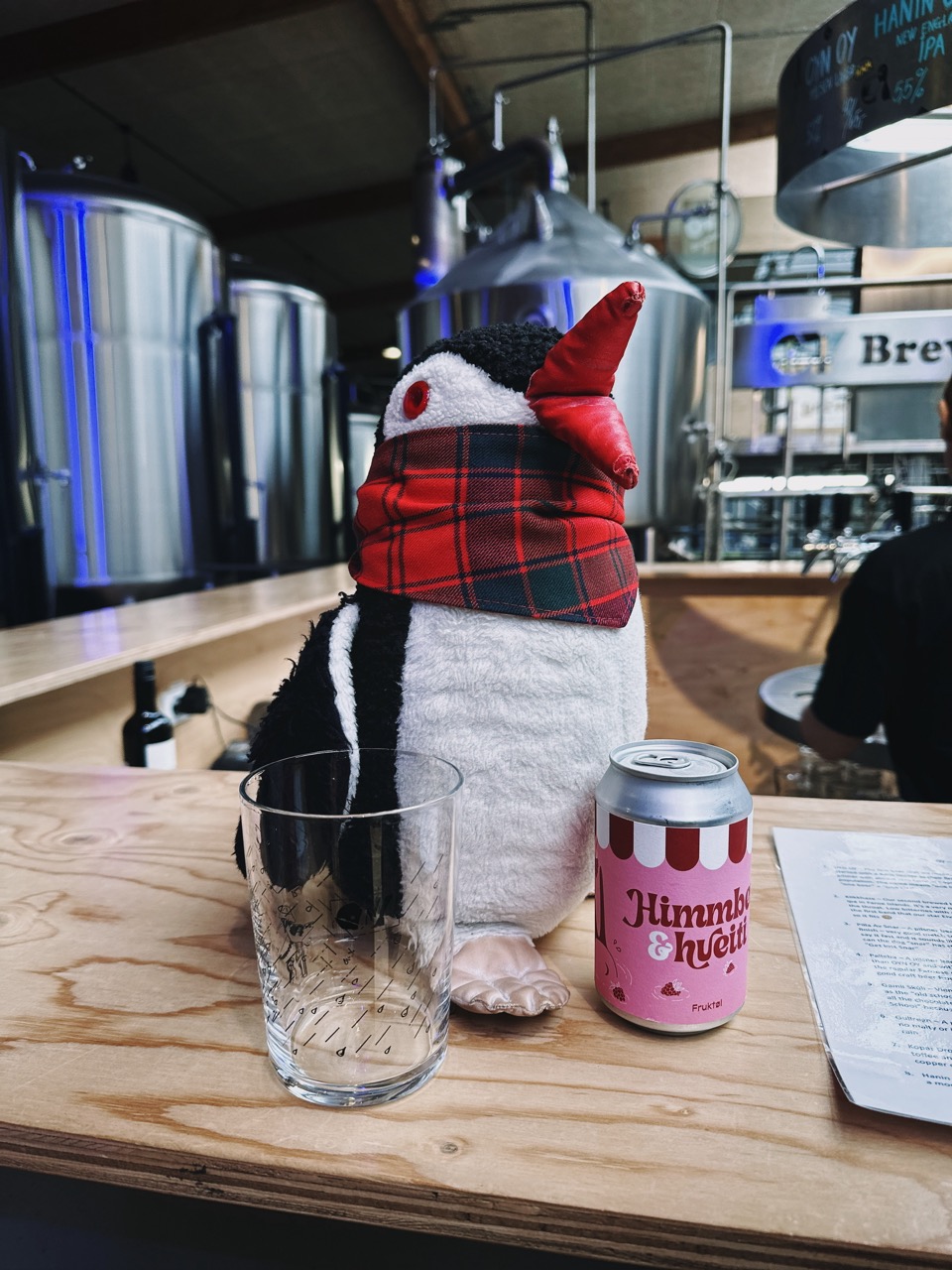
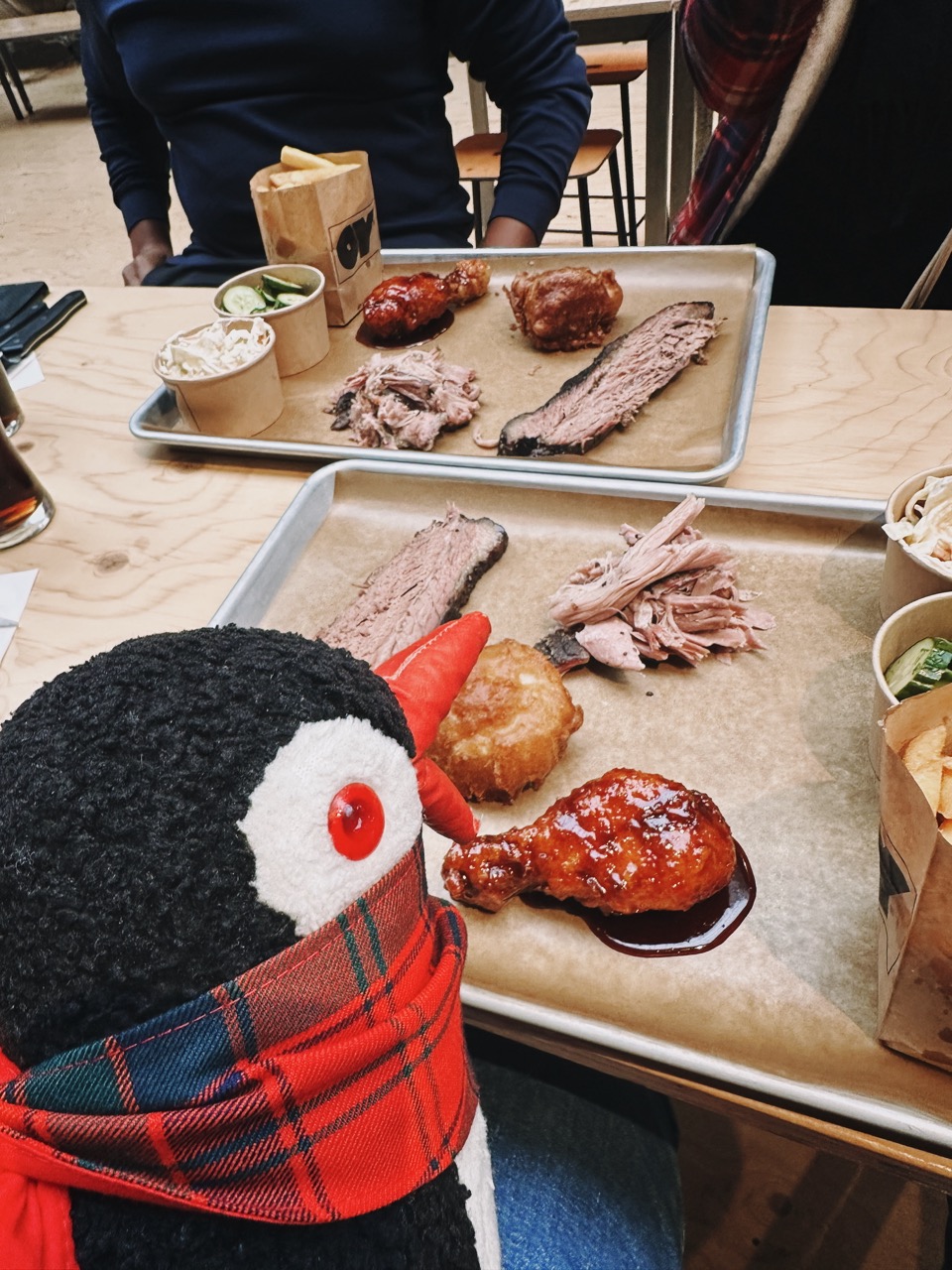
Just a little outside of Tórshavn’s city center, OY is absolutely worth the trip. We visited during a late lunch after the rush, and the place was quiet, giving us the whole space to ourselves. OY is first and foremost a brewery, so you order and pay for food separately from the bar where you choose your beers. We opted for the mixed plate to sample a variety of dishes, and it was a fantastic choice. The meat was cooked to perfection, flavors were spot on, and the portion was generous enough for two. At 250 DKK, it felt like one of the more reasonably priced meals in Tórshavn, and we highly recommend it to anyone visiting.
Bonus tip: OY also produces our favorite non-alcoholic beer — the pink version — which can even be found in Faroese supermarkets.
★★★★★
Location
★★★★★
Price
★★★★★
Food
★★★★★
Service
★★★★★
Value for money
★★★★★
Overall vibe


Aroy: Affordable Asian Buffet
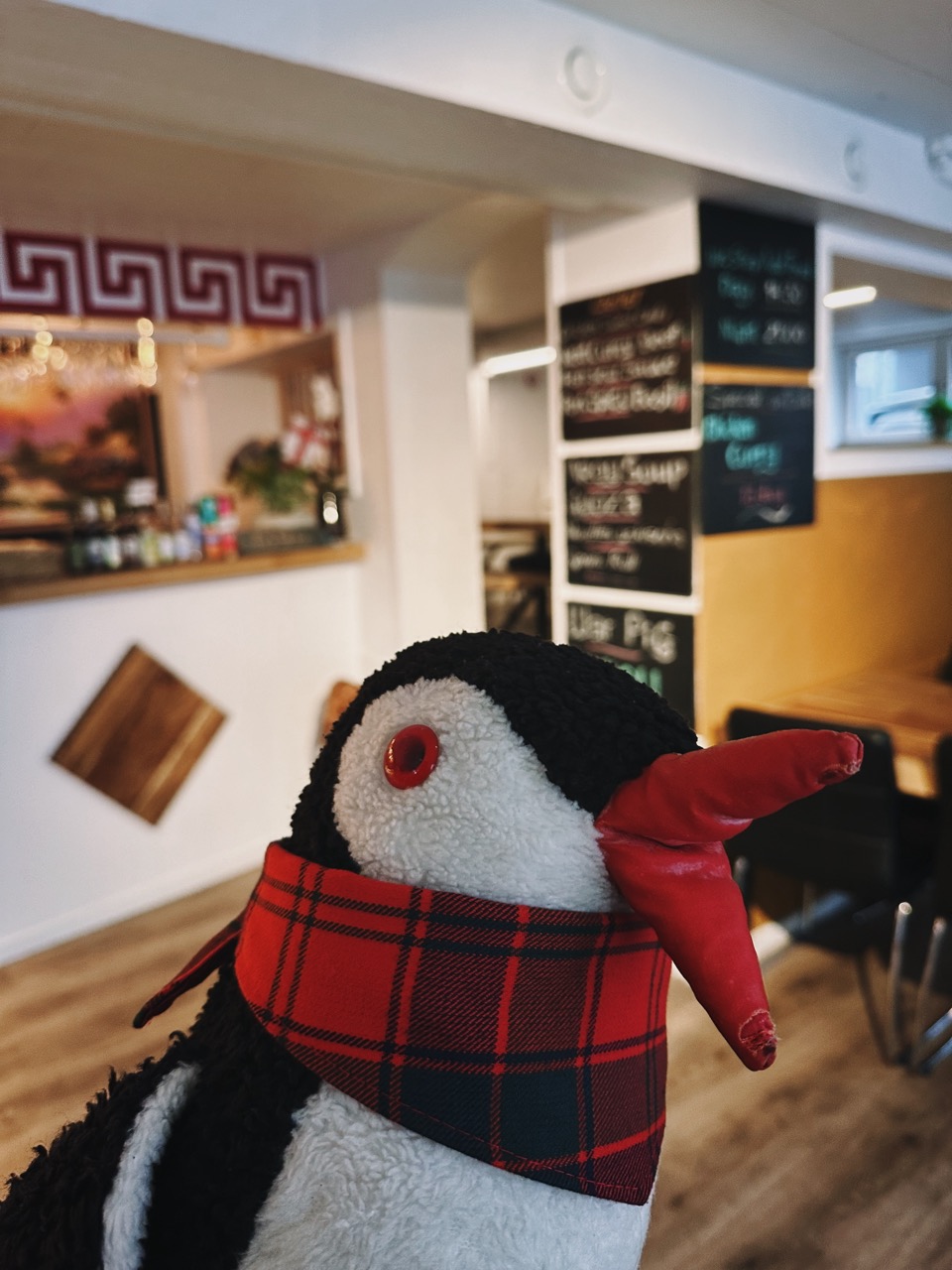
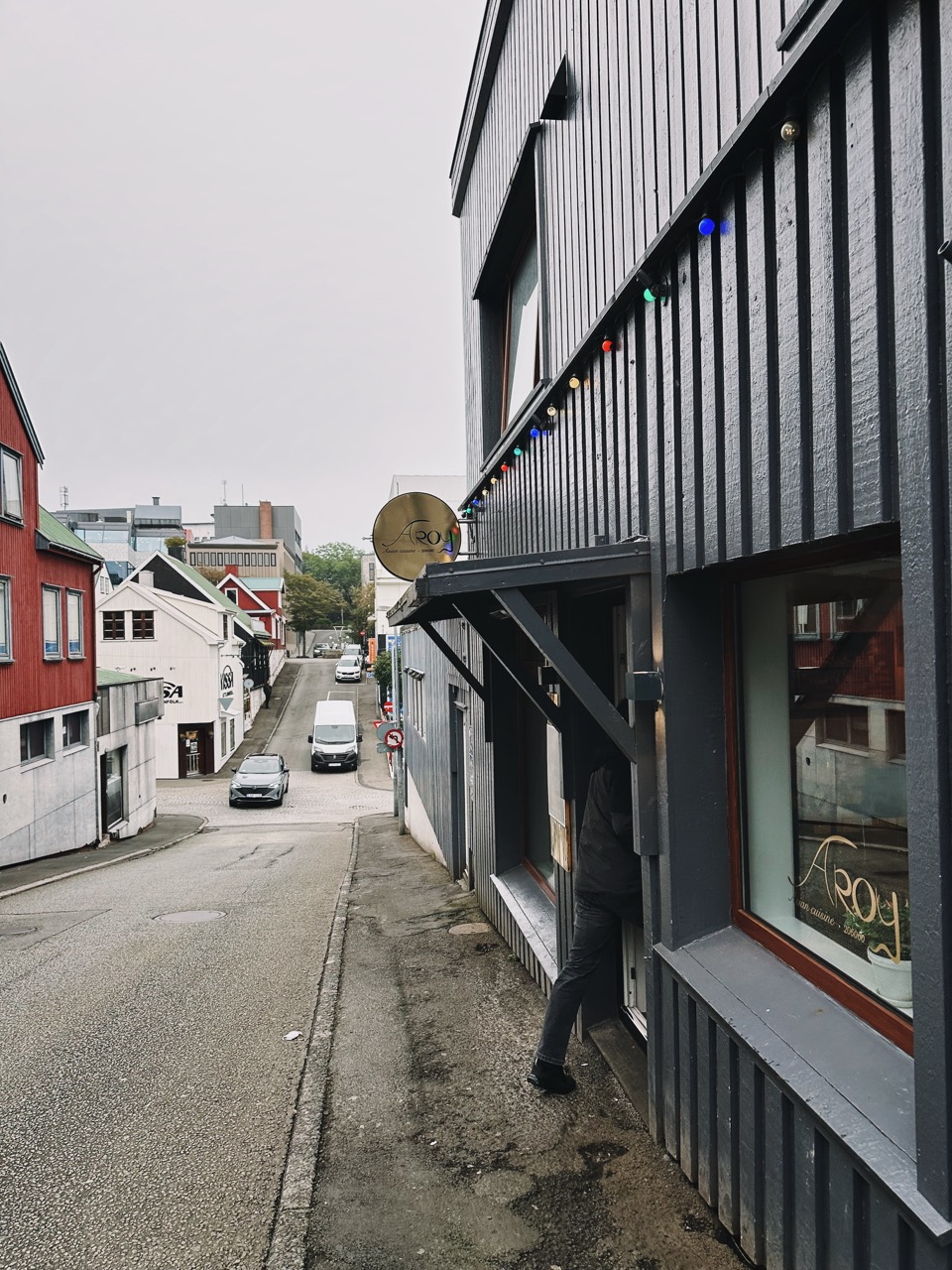
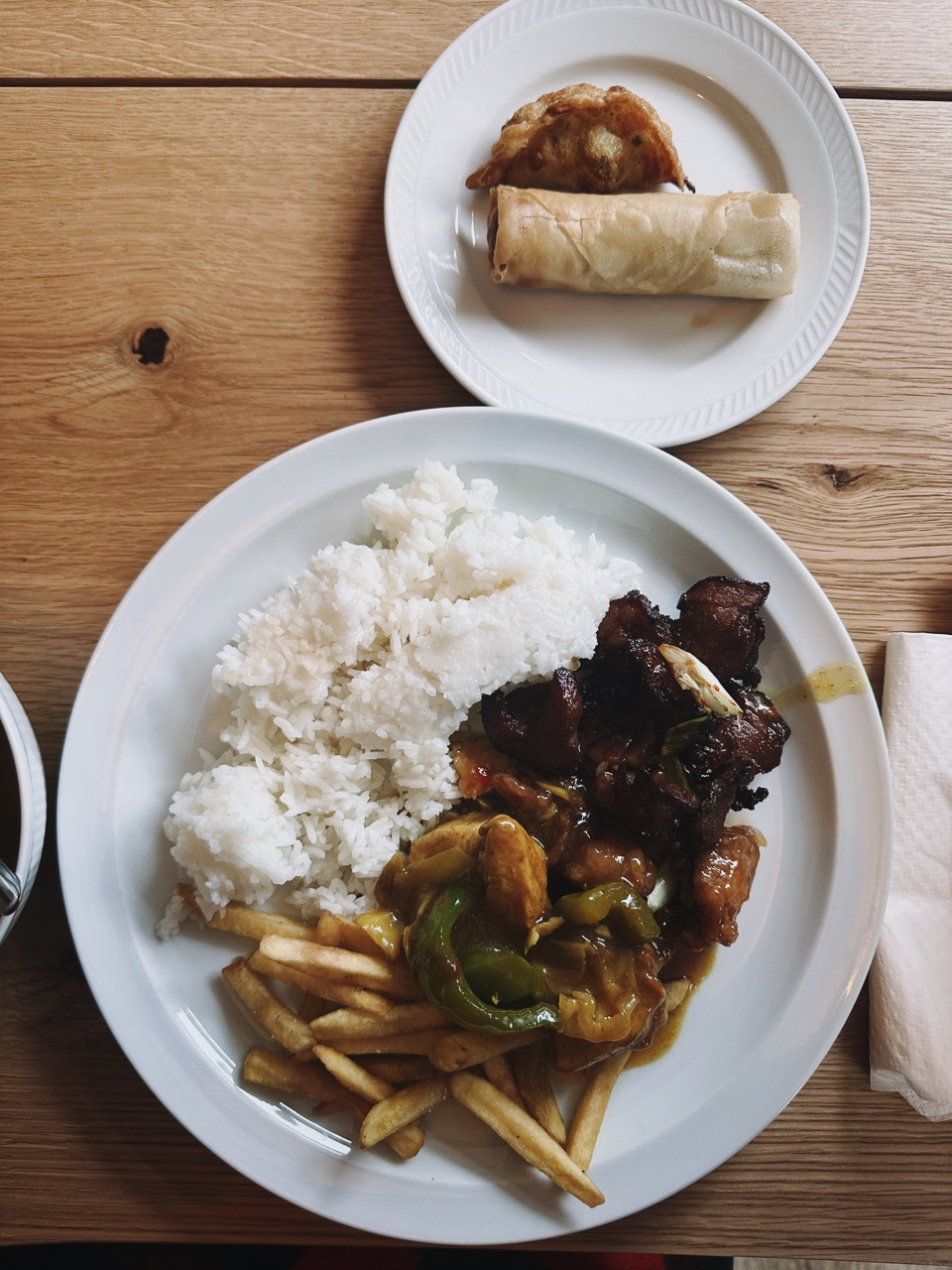
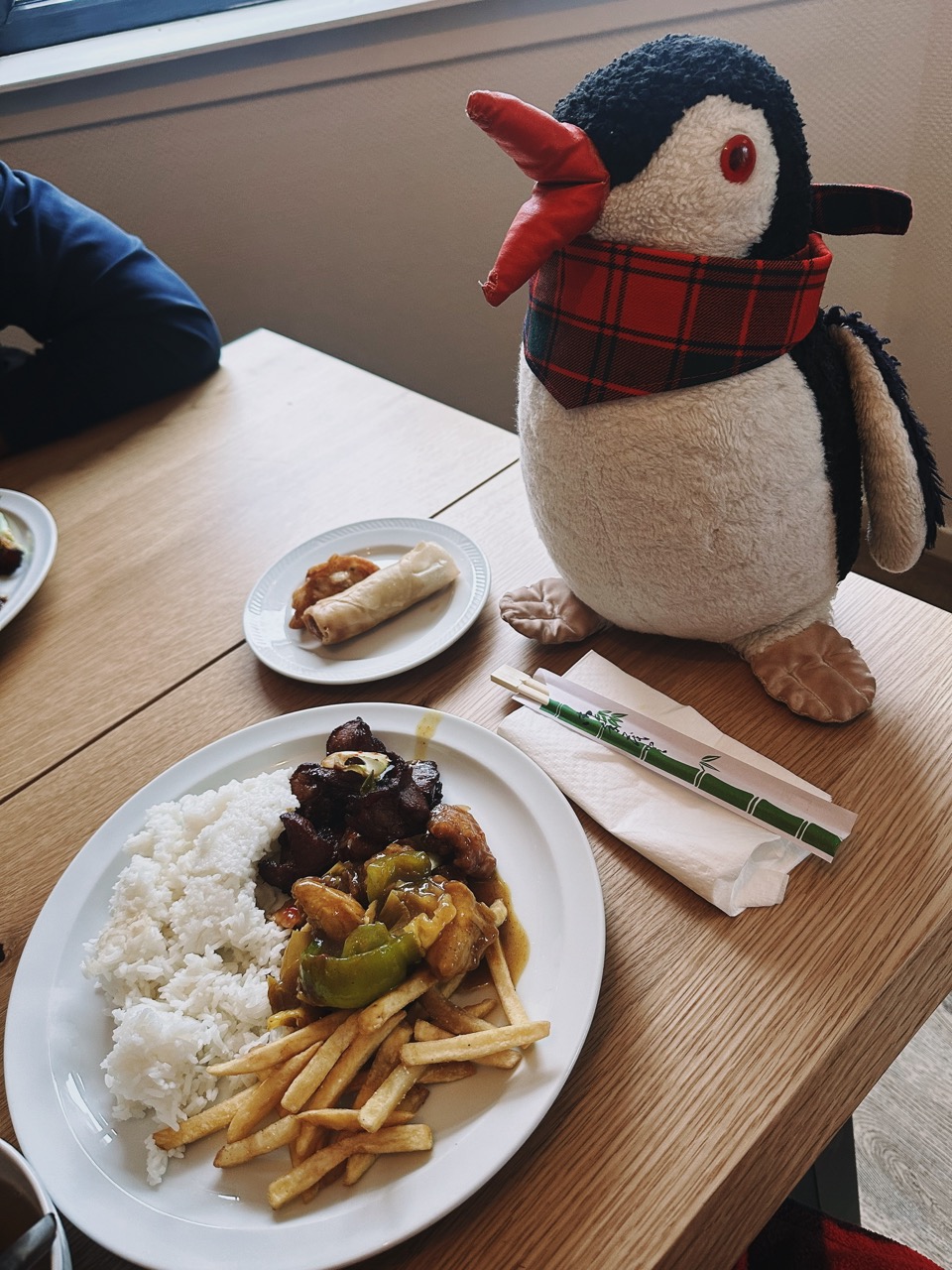
If you’re looking for a budget-friendly dining option in central Tórshavn, Aroy is a great choice. This Asian buffet restaurant offers a wide selection of authentic dishes, making it perfect for families with children or travelers seeking a quick and satisfying meal. The buffet is open for both lunch and dinner, and when we visited for a late lunch/early dinner, it cost around 135 DKK per person — all-you-can-eat. The food was fresh and flavorful, and the atmosphere was relaxed and uncrowded. Conveniently located near the city center, it’s a spot worth considering if you want good value without compromising on taste. Just the music they played, some classical piano, somehow didn’t fit into the vibe.
★★★★★
Location
★★★★★
Price
★★★★★
Food
★★★★★
Service
★★★★★
Value for money
★★★★★
Overall vibe

Fish & Chips Klaksvik Nóa
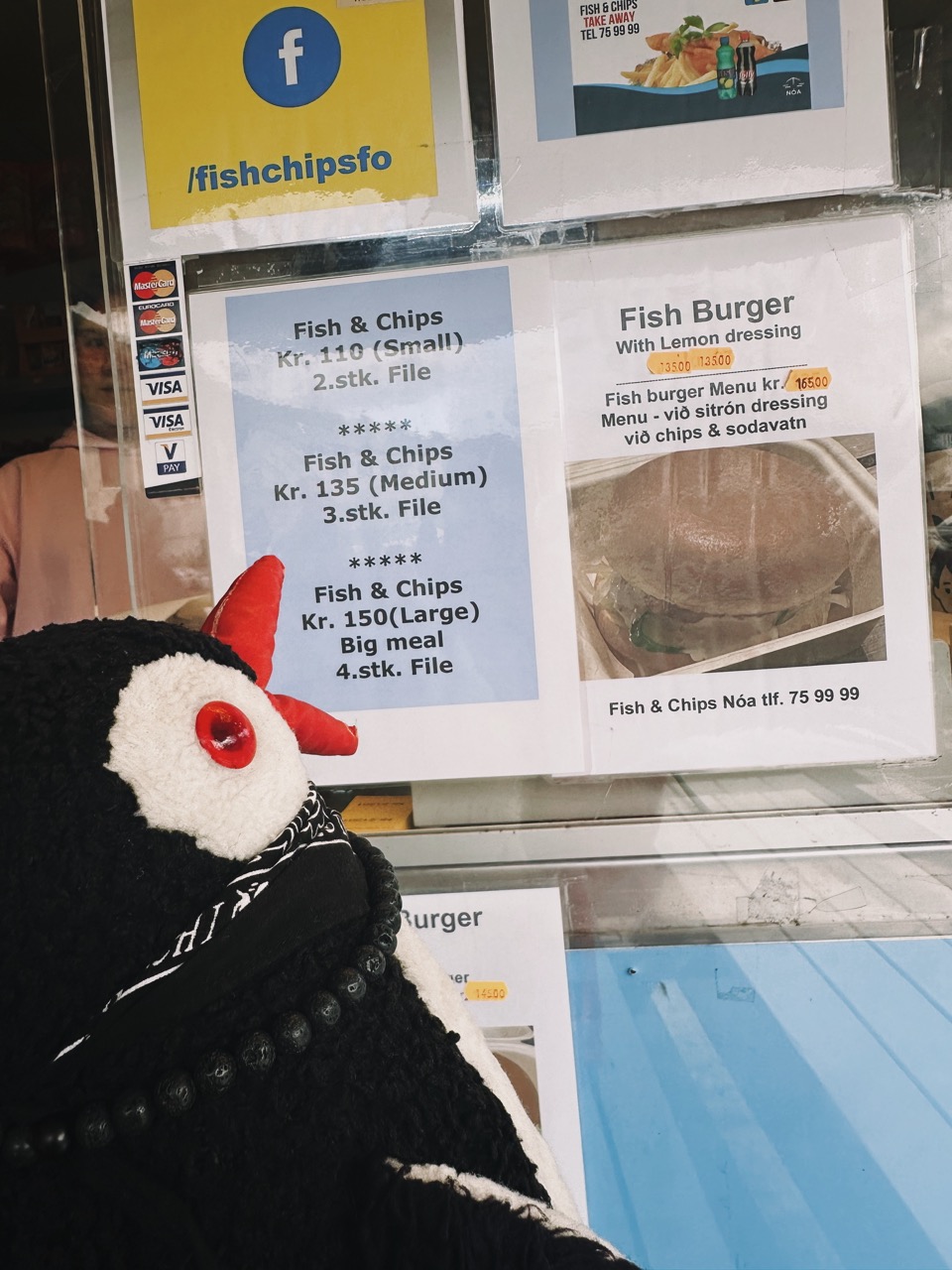
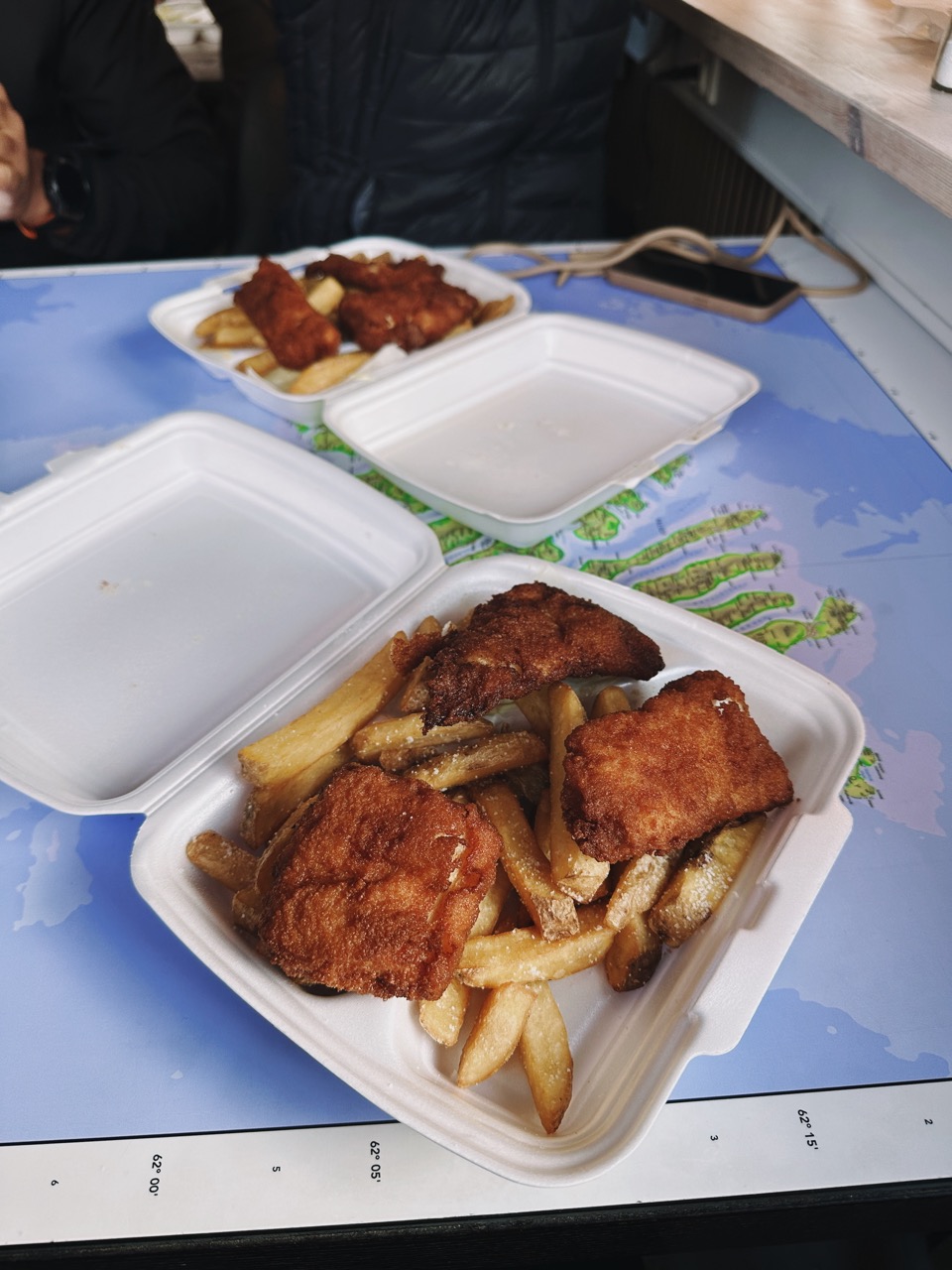
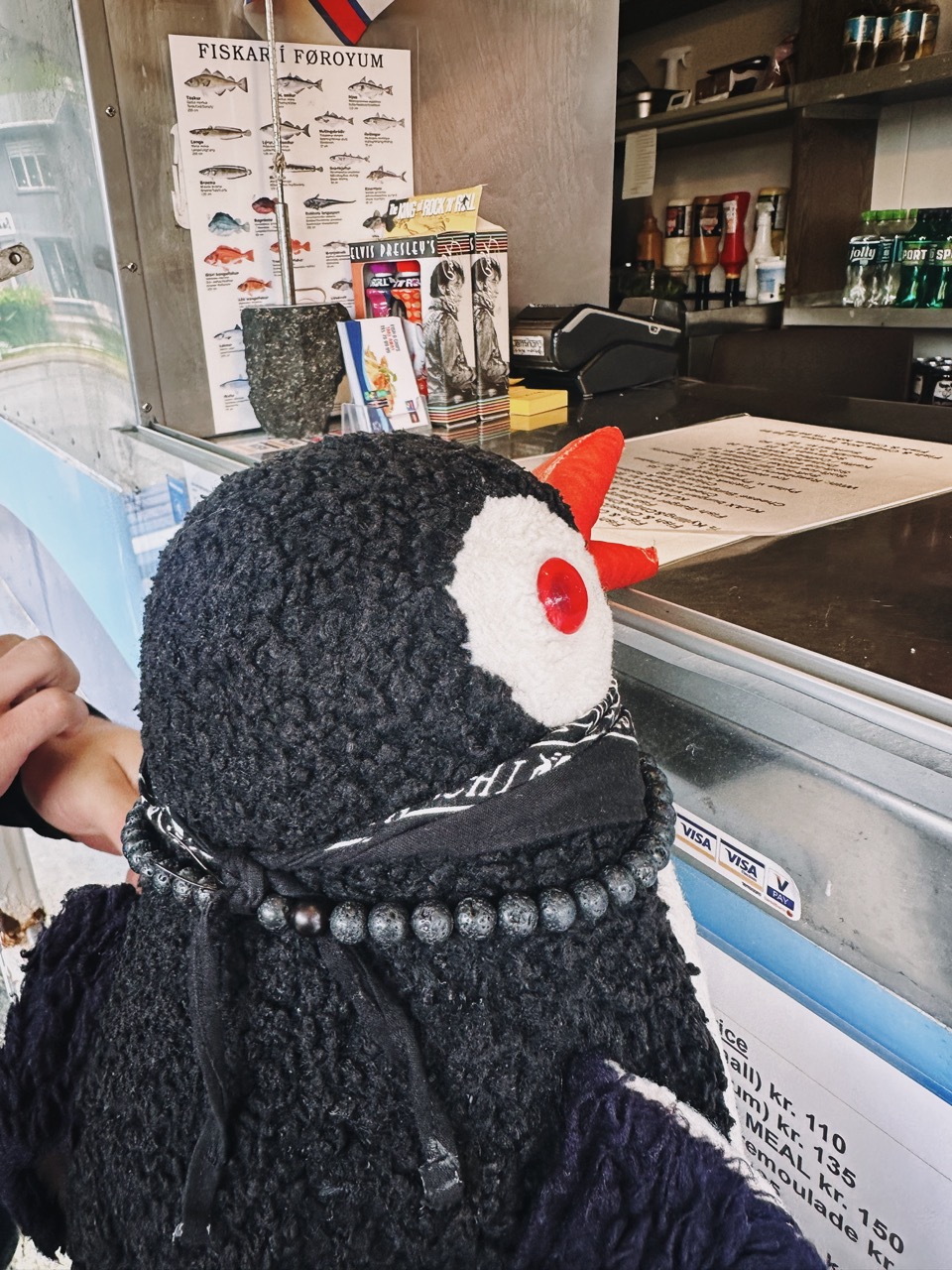
After our return from Kalsoy Island, we found just a couple of hundred meters from the harbor in Klaksvík, the Fish Chips Klaksvík Nóa and stopped for classic fish and chips. The stand is small, but you can take your food inside to the adjacent seating area, which makes it convenient after a chilly boat ride. The service was quick, the fish was fried to order, and the portions were generous—though we found it a touch oily. Of course, the favorite curry mayo wasn’t missing. It’s good for a quick stop and to have some street food, but don’t expect a culinary experience.
★★★★★
Location
★★★★★
Price
★★★★★
Food
★★★★★
Service
★★★★★
Value for money
★★★★★
Overall vibe


Other Notable Restaurants and Dining Spots
- Koks. The most acclaimed restaurant in the Faroe Islands. Michelin-starred, hyper-local, and deeply rooted in traditional techniques like fermenting and foraging. Expect a tasting menu that pushes boundaries.
- Áarstova (Tórshavn). Set in a historic wooden house, this spot serves slow-cooked Faroese lamb, fresh fish, and reimagined local classics—with a warm atmosphere and a strong local following.
- Barbara Fish House (Tórshavn). A charming seafood restaurant tucked into a turf-roofed building. Known for seasonal tasting menus featuring langoustines, mussels, and dried fish.
- ROKS (Tórshavn). Sister restaurant to Koks, offering a more casual but still elevated dining experience focused on fresh seafood and small plates.
- Raest (Tórshavn). Specializes in fermented foods. A good option if you want to explore traditional dishes like ræstkjøt in a curated setting.
- The Tarv (Tórshavn). Modern grill restaurant serving Faroese beef and lamb alongside international cuts. Greatfor meat lovers looking for comfort and quality.
- Etika (Tórshavn). The Faroe Islands’ only sushi restaurant. Uses local fish and Faroese salmon for a Nordic-Japanese fusion twist.
- Mikkeller (Tórshavn). A craft beer bar and casual eatery with a Scandinavian menu. Great for a relaxed evening with Faroese brews and simple dishes.
- Skeiva Pakkhús (Tórshavn Harbor). Trendy spot popular with locals. Serves brunch, burgers, and small plates using Faroese ingredients.
- Bøkurhúsið Food Hall (Tórshavn). Street-food-style experience with rotating vendors. Try fish burgers, pancakes, or reindeer sausage. Casual, social, and quick.
Eating in the Faroe Islands goes beyond trying new flavors. It’s a way to understand the landscape, the people, and the culture shaped by wind, waves, and tradition. Whether you’re sipping broth in a fisherman’s kitchen, tasting dried lamb in a turf-roofed restaurant, or discovering seaweed crisps at a harbor stall, every bite tells a story. Come hungry, stay curious, and let the islands feed you in more ways than one.
Pack your bag, get your taste buds ready, and enjoy the food.

This post contains affiliate links. If you click and buy, I might earn a tiny commission, enough to help a penguin keep up its globe-trotting lifestyle. No extra cost to you, just more fish for me. Thank you for supporting the adventure!