Before You Visit Sardinia: Must-Know Facts, Customs & Travel Advice
We came to Sardinia with no expectations whatsoever, just the curiosity to explore another part of Italy we’d never seen before. What we discovered completely surprised us. Sardinia is an island in the Mediterranean Sea, lying west of mainland Italy, and it’s much bigger than we imagined. In fact, it’s the second-largest island in the Mediterranean (after Sicily), covering an impressive 24,090 km² (about 9,300 square miles). It’s not just another Italian destination; it’s one of the country’s 20 regions and interestingly, the third largest of them all. What makes it even more fascinating is that Sardinia is one of Italy’s five autonomous regions, meaning it enjoys a degree of independence. Some locals even believe Sardinia should stand as its own country, and after spending time here, we can understand why it feels so distinct and different from the rest of Italy. Read on to learn about Sardinia before you book the ticket.
Basic Facts about Sardinia
- Name: Sardinia ( Sardegna or also Sardigna)
- Full Name: Regione Autonoma della Sardegna(Autonomous Region of Sardinia)
- Capital: Cagliari (the largest city in terms of inhabitants). The second-largest city is Sassari, which is located in the north of the island and close to the more famous Alghero.
- Land area: 24,090 km² (9,300 square miles)
- Population: 1,651,793
- Official language: Italian (but they also speak Sardinian or Catalan). Sardinian is a proper minority language, officially recognized by law 482/99, meaning it is not a dialect.
- Provinces of Sardinia: there are four provinces and one Metropolitan City: Province of Sassari; Metropolitan City of Cagliari; Province of South Sardinia; Province of Nuoro; Province of Oristano
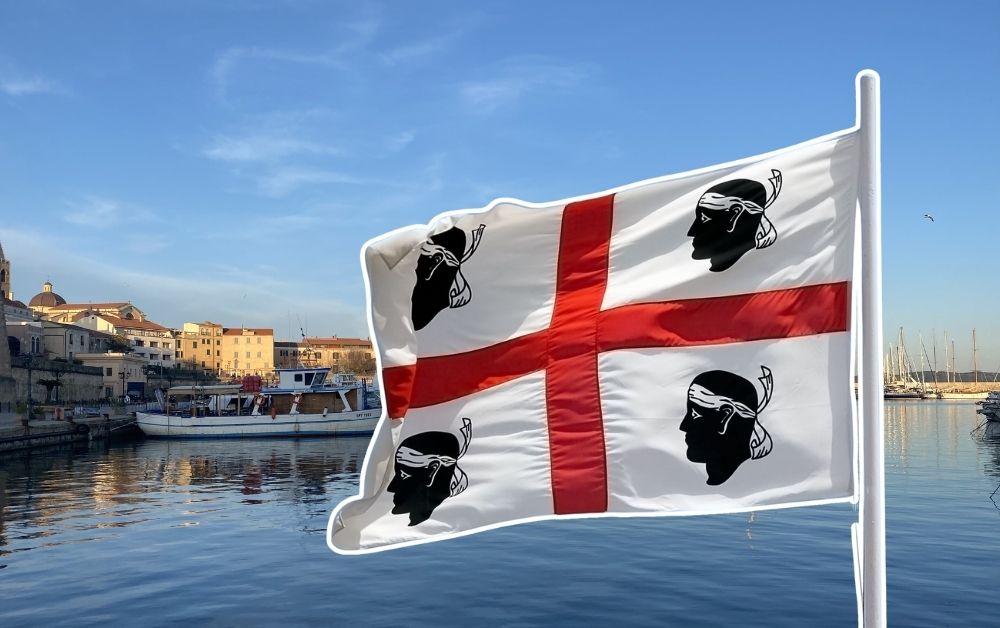
- Sardinian flag: it consists of a red St.George’s cross. In each of the four partitions, you can see a blackhead. It is also called the flag of the Four Moors.
Why Visit Sardinia
We’ll be honest, we didn’t really know what to expect before visiting Sardinia. But this island turned out to be one of Italy’s best surprises. Picture crystal-clear turquoise water, hidden coves that look straight out of postcards, and mountain roads leading to tiny villages where time seems to slow down. Sardinia has it all: breathtaking beaches, rich culture, and incredible food that combines Italian charm with island traditions.
What makes Sardinia truly special is its balance of wild nature and authenticity. You can spend your mornings swimming in secret bays, your afternoons wandering through ancient ruins or colorful coastal towns, and your evenings enjoying fresh seafood under a sky full of stars. Each part of the island feels unique, from the rugged cliffs of the west to the glam beaches of the Costa Smeralda. For us, Sardinia is not just a place to visit; it’s a place to feel.
A Glimpse into Sardinia’s History
- Sardinia has been inhabited since the Paleolithic.
- It saw many cultures and civilizations over time.
- An essential part of Sardinia’s history is the Nuragic civilization. From this culture, we can still find traces in the form of constructions known as nuraghi—truncated conic structures made of basalt blocks from extinct volcanoes, assembled without any mortar (between 1500 and 400 BCE).
- The Phoenicians (shippers and traders) and Carthaginians (arrived on the island around 500 BCE, led by generals Amilcare and Asdrubale).
- Then the Romans conquered the island in 238 BCE, taking advantage of a revolt by Carthaginian mercenaries.
- The Vandals and the Moors later invaded Sardinia; this was also a period of relative stability in the 11th century.
- Unfortunately, they didn’t last long, and Sardinia was soon conquered by the Pisans (who settled in the south and east of Sardinia) and the Genoese (who settled in the north and west).
- After this, Sardinia came under the Aragonese domination, and in 1297, James II of Aragon became king of Sardinia and Corsica. The Aragonese remained the ruling power until the early eighteenth century, establishing strong links with Alghero in particular, and a version of Catalan is still spoken in the town today.
- Later, Sardinia became part of the unified kingdom of Spain.
- Attempts by the French were made as well to invade, but all were unsuccessful.
- Finally, in 1861, when Italy was unified and Victor Emanuel II of Savoy became the first king of Italy, Sardinia became part of Italy, but since 1948, Sardinia has been an Autonomous Region of Italy.
Best Time to Visit Sardinia
Sardinia is beautiful year-round, but each season offers an entirely different experience. Here’s what to expect:
- Spring (March–May). The island comes alive with wildflowers and green hills. We visited in early spring, while it wasn’t warm enough to swim, it was perfect for exploring, hiking, and relaxing on the beach without the crowds. Temperatures are mild, and cities like Cagliari and Alghero feel peaceful and welcoming.
- Summer (June–August). Peak season with hot weather, warm sea, and lively beach vibes. Expect crowds, higher prices, and busy coastal roads, but also that unforgettable Mediterranean energy.
- Autumn (September–November). One of the best times to visit, the sea is still warm, prices drop, and the weather stays pleasant. Great for both swimming and sightseeing.
- Winter (December–February). Quiet and off-season. Some resorts close, but it’s ideal if you want to experience authentic local life, enjoy empty streets, and explore the cultural side of Sardinia.
We visited Sardinia at the end of April, and it turned out to be a lovely time to experience the island’s calm and authentic side. The days were pleasantly warm, with plenty of sunshine, but the sea was still too chilly for swimming. That didn’t bother us, though; we spent our time relaxing on quiet beaches, wandering through charming old towns, and enjoying long scenic drives without the summer traffic. The air was fresh, wildflowers were blooming everywhere, and locals were starting to prepare for the upcoming season. It felt like we had the island almost to ourselves.
15 Things to Know Before Visiting Sardinia
#1: One of the Blue Zones
Did you know Sardinia is one of the world’s five Blue Zones, places where people live significantly longer, healthier, and happier lives? This beautiful island is particularly remarkable because it has the highest concentration of male centenarians in the world. Yes, you read that right, it’s not unusual here for men and women to live well past 100 years.
The secret behind this incredible longevity isn’t magic but a mix of simple, meaningful habits. Sardinians stay active through daily movement, enjoy fresh local food and wine, and are deeply connected to their families and communities. The Mediterranean climate, balanced lifestyle, and strong sense of belonging create the perfect recipe for a long and joyful life. After spending time on the island, it’s easy to see why life here moves at a slower, more intentional rhythm, and every moment feels lighter and more genuine.
#2: Species are thriving on the island
Found on the island are more than 300 unique species of plants. There are around 2,400 different kinds of plants in Sardinia altogether, of which 322 are unique to the island itself and can’t be found anywhere else. The landscapes of the island vary greatly as you travel around. The diversity is unbelievable.
And let’s not forget the 54 different species of spiders. It might not be a fun fact, but it is worth mentioning.
In general, Sardinia has vibrant wildlife, with 60 Wildlife Reserves (about 25% of the island is a wildlife reserve). There are plenty of wild animals to see, like flamingos, vultures, red deer, wild horses, and even dolphins!
Pink flamingos have lived in Sardinia for generations, to the point that Sardinian folk call them “Sa Genti Arrubia”, which in dialect means “red people”. The most famous and easily accessible place to find them is Molentargius, just off Poetto Beach in Cagliari.
#3: A heavy producer of cork
Sardinia produces 20,000 tons of cork every year, all carved from the cork oaks. This represents 80% of the Italian production, and not all stays in Italy, as about 40% of the cork is exported. It’s interesting to mention that they use the cork not only for wine corks but also for a variety of products, such as shoes, baseballs, musical instruments, handbags, wallets, and more. What I liked most about the products made from cork is the art.
If you want to remember Sardinia, then buying something made from cork is the perfect souvenir.
#4: One of the deepest canyons in Europe
Su Gorropu, one of the deepest and most impressive canyons in Europe, and definitely one of Sardinia’s natural highlights. The Gorropu Canyon is incredibly narrow, shrinking to just 4 meters (13 feet) wide in some sections, which can feel quite intense (and a little claustrophobic!) if you’re not a fan of tight spaces. Its towering limestone walls rise to 450 meters (1,476 feet), creating dramatic views and an almost otherworldly atmosphere.
If you’re exploring Sardinia, this place is an absolute must-see for nature lovers and hikers alike. The trails leading to the canyon are just as beautiful as the destination itself. For detailed visitor information, you can check out the official Su Gorropu website.
#5: Wild Albino Donkeys
One of the most interesting facts about Sardinia is the wild albino donkeys that you can encounter on a small island north of Sardinia called Asinara, which is now also a National Park and Marine Reserve. It is home to over 120 albino donkeys truly living freely in the wild.
#6: Caves, caves, and more caves
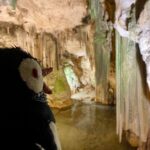
Sardinia is full of caves, with over 300 on the island. They are mainly located on the coast of Sardinia and can be explored on foot, with ropes, swimming, or a combination of these methods. The most famous one is the Grotta di Nettuno (Neptune’s Grotto), which formed around 2 million years ago and extends now for 4km (2.5 miles). Inside the cave, you can find a sandy beach and even a lake.
#7: The red gold of the Mediterranean Sea
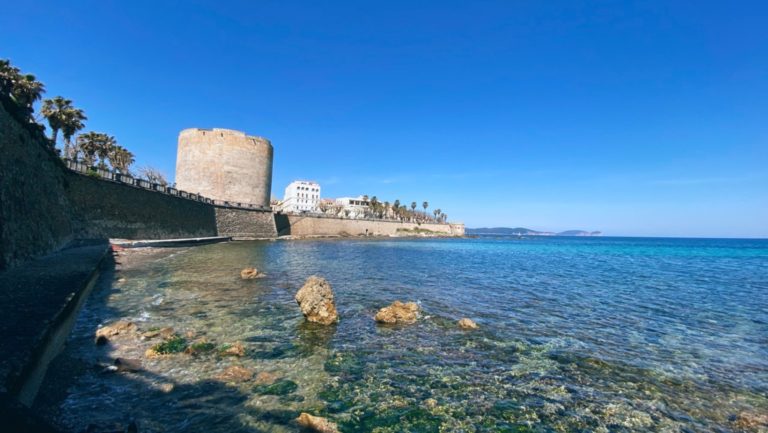
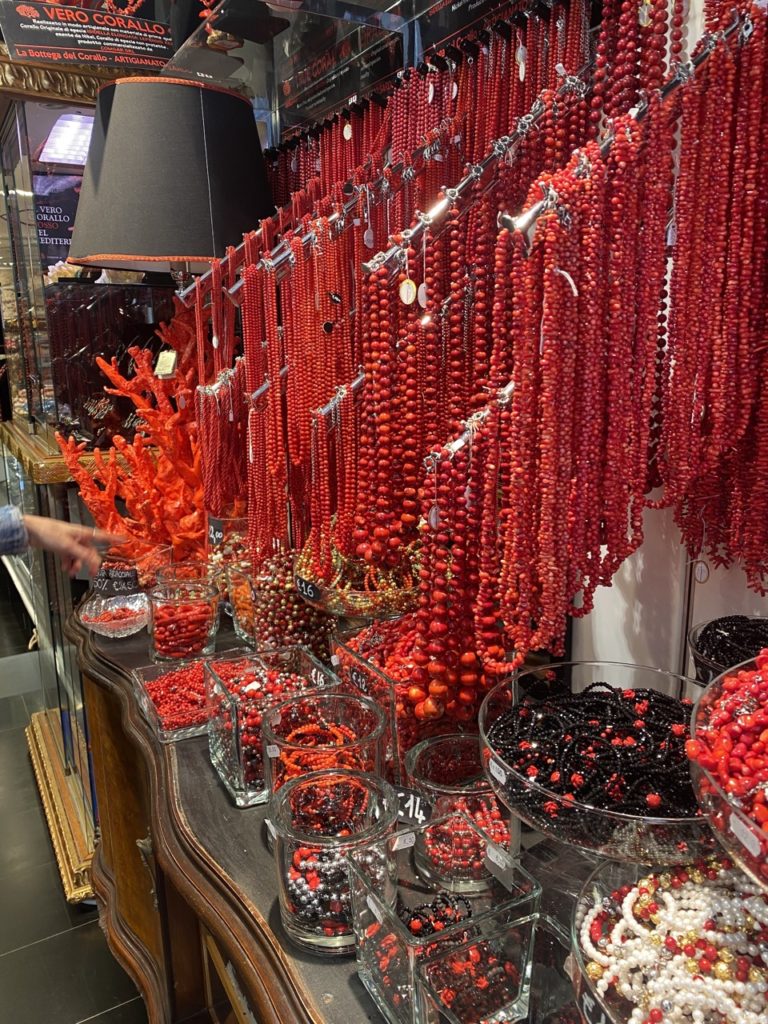
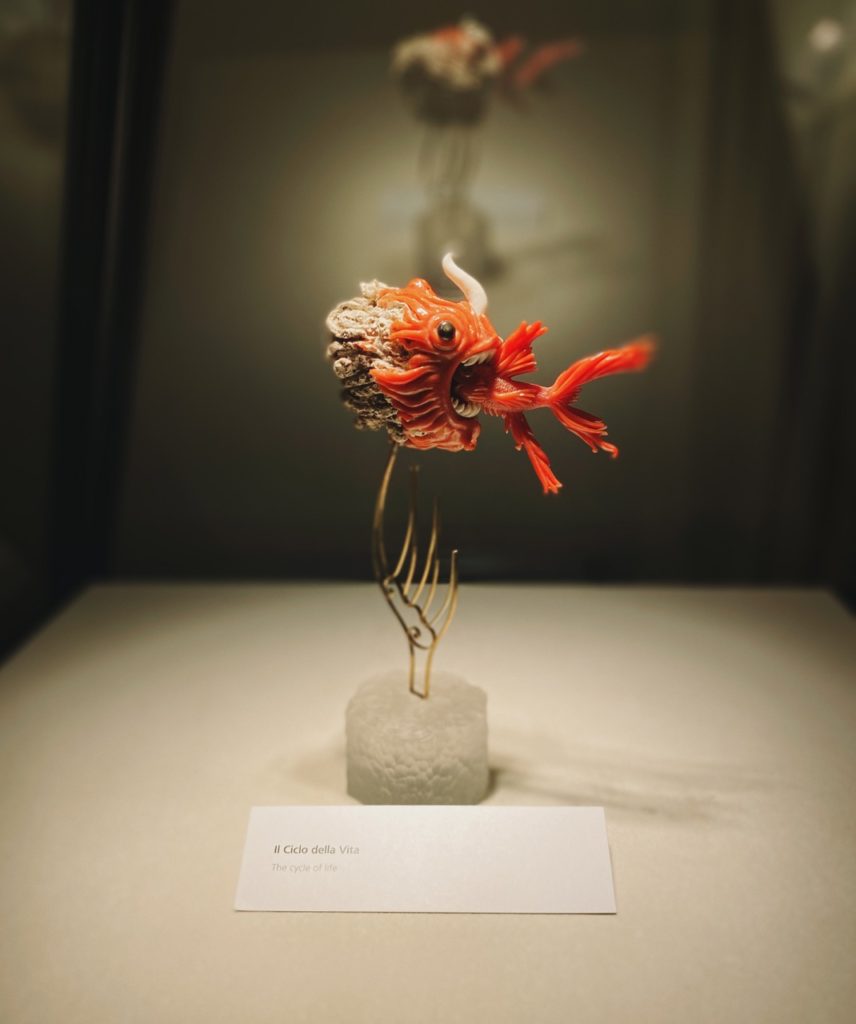
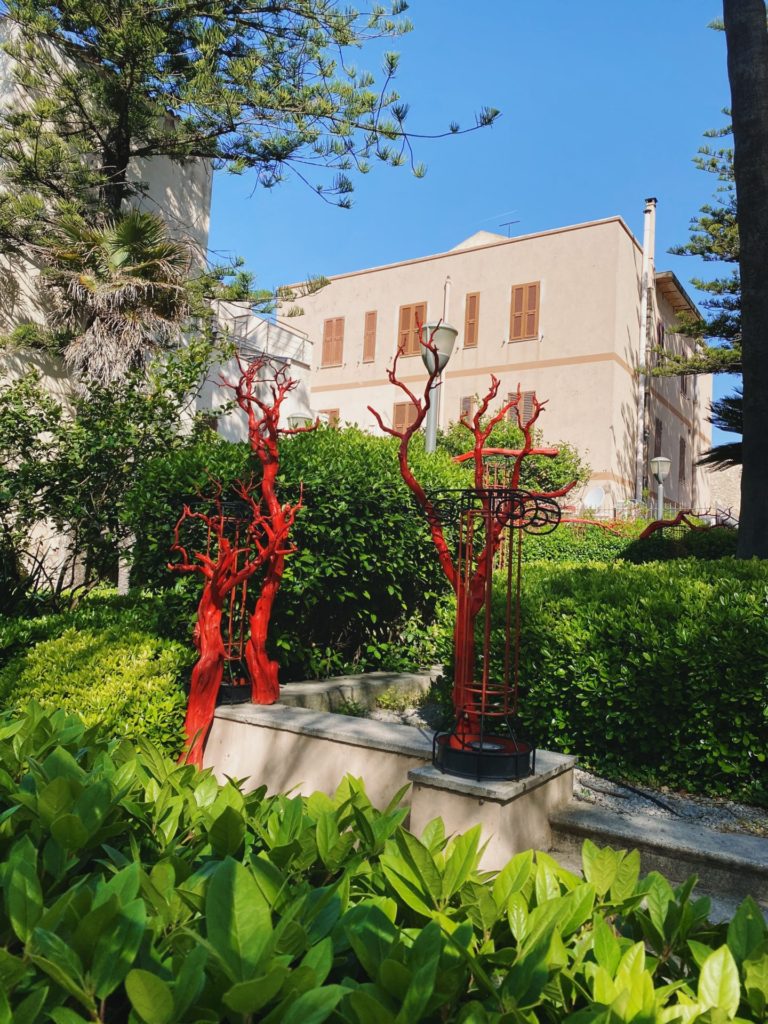
Sardinia is rich in red coral, especially in Alghero, which is often called the city of the red coral or the Coral Riviera. The red coral has been used for thousands of years to make fine jewelry and makes a perfect gift or souvenir when visiting Sardinia, especially Alghero.
#8: Punta La Marmora
Sardinia has plenty of mountains, in fact, they make for about 13% of the island, but there is always only one that is the tallest one. In this case, Sardinia’s tallest mountain is the Punta La Marmora at 1,834m (6,017 feet) and is part of the Gennargentu Ranges.
#9: Questionable local delicacy
The Sardinian delicacy we talk about here is the Casu Marzu, a rotten cheese with live maggots. Yes, you are reading it right. Casu Marzu is a traditional dish from Sardinia, and it’s a cheese made from sheep’s milk. It is made from a normal cheese (Pecorino), then cut open and left outside for a few weeks to attract flies. The flies lay their eggs in the cheese, and after a while, the maggots hatch and start eating it. The cheese needs to be eaten with the live maggots inside. While it may seem atrocious, it’s actually a very sought-after delicacy in Sardinia, as it’s been banned by E.U. health regulations and needs to be bought on the black market.
#10: Endless Beaches to Fall in Love With
Sardinia is a true paradise for beach lovers; there are almost as many beaches as there are caves! With an impressive 1,850 km (1,150 miles) of coastline and over 200 beaches, the island offers something for everyone. From long sandy stretches to tiny hidden coves, every corner of the island hides a new coastal gem waiting to be discovered.
Some of the most popular spots include Costa Sud, Spiaggia Sa Colonia, and the beautiful horseshoe-shaped Spiaggia Su Portu. Whether you’re searching for soft white sand, crystal-clear turquoise water, or dramatic rocky shores, Sardinia has it all, and the hardest part will simply be choosing which beach to waddle to first.
#11: There Are More Sheep Than People
Yes, you read that right, in Sardinia, sheep actually outnumber people, just like in the Faroe Islands! The island is home to around 1.6 million residents and an impressive 2.7 million sheep. If you’re planning a road trip around Sardinia, don’t be surprised if you end up in a traffic jam, not caused by cars, but by a herd of fluffy locals taking their time on the road. When it happens (and it probably will), simply sit back, relax, and enjoy the moment; it’s all part of the island’s charm and a gentle reminder that here, nature and tradition still set the pace.
#12: Buenos Aires in Argentina Is Named After a Hill in Sardinia
Here’s a fascinating connection you might not expect: Buenos Aires, the capital of Argentina, actually got its name from a hill in Sardinia. The name “Buenos Aires” translates to “fair winds” or “good airs”, but the original meaning intended by the 16th-century founders was “fair winds.”
It all goes back to the Madonna of Bonaria in Cagliari, Sardinia’s capital. The hill of Bonaria (which also means “fair winds”) overlooks the city, and an abbey was built there in honor of the Virgin Mary. When Spanish explorer Pedro de Mendoza founded Buenos Aires, he named it “Santa María del Buen Aire”, in tribute to the Virgin of Bonaria in Sardinia. So, every time you hear Buenos Aires, remember: its roots trace all the way back to a windswept Sardinian hill.
#13: There Are More Than 7,000 Nuraghi in Sardinia
Scattered across Sardinia are over 7,000 Nuraghi, ancient stone towers built by the Nuragic civilization as far back as 1,800 BC, more than 3,000 years ago. These mysterious structures are unique to the island and stand as a remarkable reminder of Sardinia’s deep and fascinating past.
The most famous of them all is the Nuraghe of Barumini, a beautifully preserved complex that offers a glimpse into prehistoric island life. In recognition of its historical importance, it was declared a UNESCO World Heritage Site in 1997. Walking among these ancient stones feels like stepping back in time, a humbling experience that connects you to one of the oldest civilizations in Europe.
#14: Sardines Are Named After Sardinia
Here’s a fun fact: sardines are actually named after Sardinia, not the other way around! These small, oily fish were once found in great abundance in the waters surrounding the island, which is how they got their name. The word “sardine” first appeared in the English language around the 15th century, inspired by the island’s reputation for plentiful catches.
Interestingly, despite the shared name, Sardinia today isn’t particularly known for sardines, nor do they play a major role in traditional Sardinian cuisine. Still, it’s a charming reminder of how the island once made its mark, even on the world’s dinner plates.
#15: A Land Full of Prehistoric Archaeological Sites
Sardinia is truly a treasure trove for history lovers; the island is home to over 7,000 prehistoric archaeological sites dating back to before 1000 BC. It holds some of the oldest evidence of ancient civilizations in Europe, offering a fascinating glimpse into life thousands of years ago.
Among its most remarkable relics are the mysterious Nuraghe monuments, dating back to around 1500 BCE. These ancient stone towers stand as silent witnesses to Sardinia’s rich and complex past, shaped by the many civilizations that once ruled the island. Exploring them feels like walking through a living open-air museum, one that tells stories older than most of Europe itself.
Essential Travel Tips for Visiting Sardinia
Before heading to Sardinia, there are a few things that can make your trip smoother, easier, and even more enjoyable. From driving along winding coastal roads to understanding local habits and meal times, Sardinia has its own rhythm, and embracing it is part of the adventure. These practical Sardinia travel tips will help you experience the island like a local (and avoid the little surprises that might catch first-time visitors off guard).
- Tap Water. Safe to drink almost everywhere, unless specifically marked otherwise. Bottled water is widely available, too.
- Power Plug. Sardinia uses Type C, F, and L plugs (standard European). Voltage is 230V, so bring an adapter if you’re coming from outside Europe.
- Currency. The official currency is the Euro (€). Credit cards are accepted in most places, but small shops or remote areas might prefer cash.
- Getting Around. The best way to explore is by renting a car. Public transport is limited, especially in rural or coastal areas.
- Fuel Stations. Many close early or shut down on Sundays. Most have self-service options, but some require cash or local cards.
- Opening Hours: Shops and restaurants often close mid-afternoon (around 1–4 PM) and reopen later in the evening.
- Meal Times: Dinner usually starts late; locals rarely eat before 8 PM. Restaurants may not even open before then.
- Beach Etiquette: Many beaches are free, but some charge a small fee for umbrellas or parking. Respect protected areas and take your trash with you.
- Sunscreen & Shade. The Sardinian sun can be intense even in spring; always carry sunscreen, water, and a hat.
- Language: Italian is the primary language, but Sardinian is still widely spoken. English is understood in tourist areas, less so in remote villages.
- Internet. Mobile coverage is good in cities and along main roads, but it can drop in mountain areas.
- Tipping. Not expected but appreciated, locals often round up the bill or leave a small coin.
- Parking. Look for white lines (free), blue lines (paid), and yellow (reserved). Always check local signs to avoid fines.
- Accommodation. Book early in summer, the best stays get fully booked months in advance.
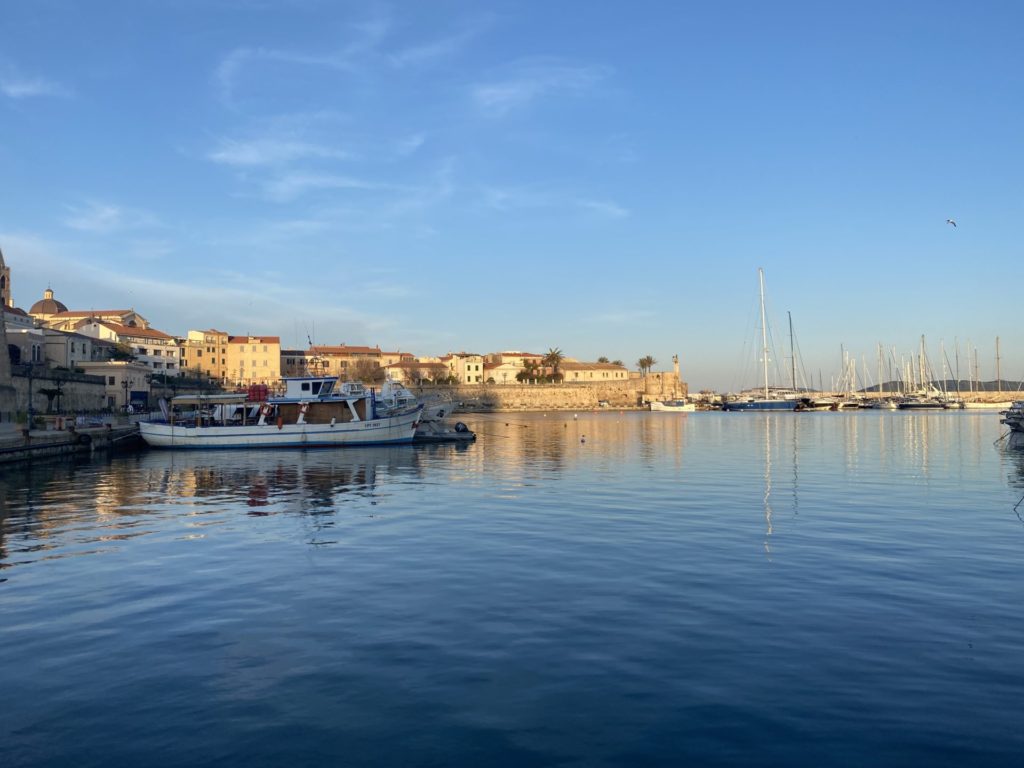
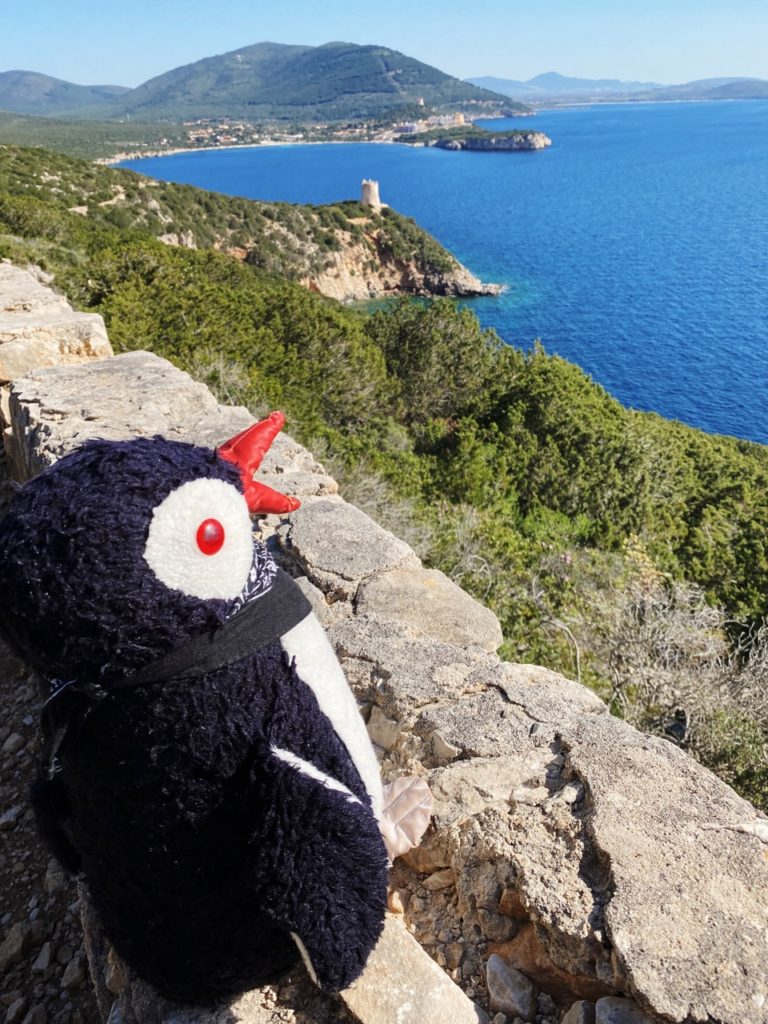
Sardinia is an island that doesn’t try to impress you all at once; instead, it quietly wins your heart with every moment spent there. Whether you come for the food, the landscapes, or the history, you’ll leave with the same feeling we did, that one visit simply isn’t enough. So pack your curiosity, rent that little car, and let the island surprise you. Sardinia has a way of making you slow down, breathe, and enjoy life, the way it’s meant to be.

This post contains affiliate links. If you click and buy, I might earn a tiny commission, enough to help a penguin keep up its globe-trotting lifestyle. No extra cost to you, just more fish for me. Thank you for supporting the adventure!