
What to Know Before Traveling to Hungary
Hungary sits at the intersection of Central and Eastern Europe, a country quietly confident and rich in centuries of history, deep traditions, and contemporary momentum. If you are planning a trip here, you will quickly realize Hungary offers more than just thermal baths and paprika-scented stews. The pace is deliberate, the experiences authentic, and the details, everything from transportation quirks to dining etiquette, are worth understanding before your journey begins. This blog post offers key insights that we found most interesting, along with practical advice to help you make the most of your Hungarian adventure. And also to show off your knowledge to your fellow travel partners.
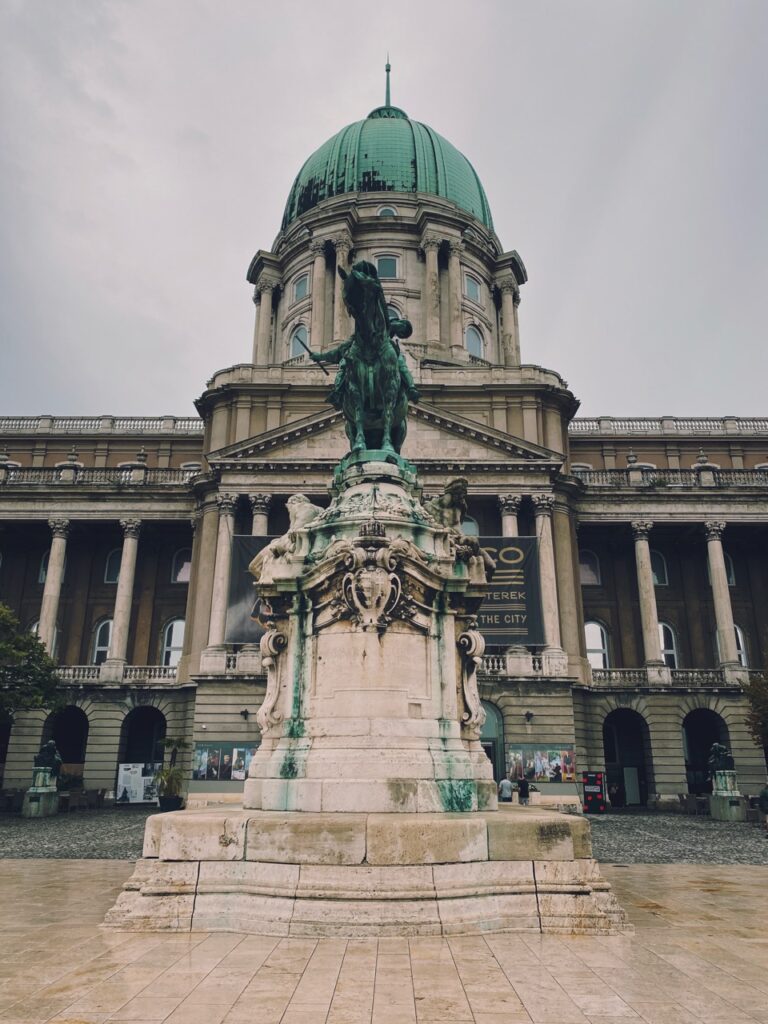
Basic Facts about Hungary
- Official Name: Hungary (Magyarország)
- Capital City: Budapest
- Land Area: 93,030 km²
- Population: ~ 9.6 million (as of 2023)
- Official Language: Hungarian (Magyar)
- Currency: Hungarian Forint (HUF)
- Regions of Hungary: The country is divided into 19 counties (megyék) plus the capital
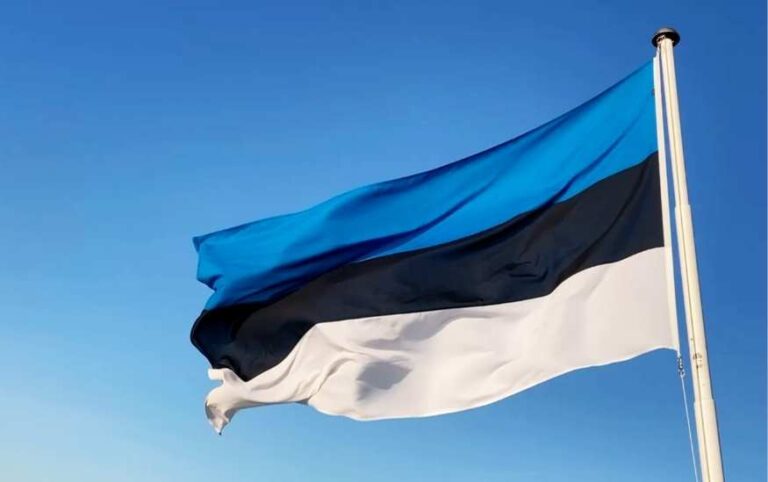
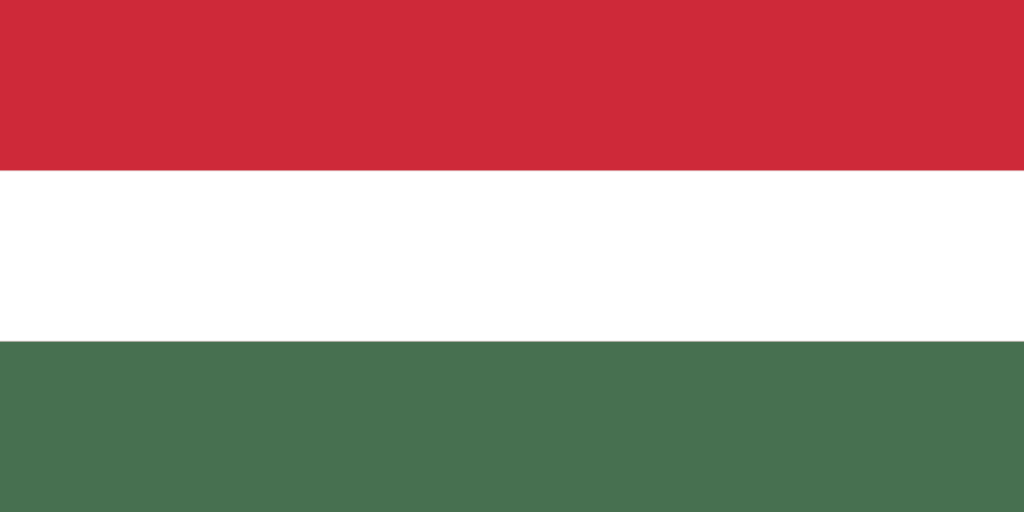
- Flag of Hungary: A horizontal tricolor of red, white, and green. These colors reflect national values: red for strength, white for loyalty, and green for hope. The current flag design has been in use since the 1956 revolution, though its origins go back to the 1848 independence movement.
A Brief Overview of Hungary’s Rich History
Hungary’s history spans over a thousand years, shaped by empires, revolutions, and resilience. Each era leaves its imprint on the country’s culture, architecture, and national identity.
-
- 896 AD – The Magyar Conquest. The Magyar tribes settle in the Carpathian Basin, marking the foundation of the Hungarian nation.
- 1000 AD – The Christian Kingdom. King Stephen I is crowned with a crown sent by the Pope, establishing Hungary as a Christian kingdom and aligning it with Western Europe.
- 1241 – Mongol Invasion. The Mongol forces devastate the region, leading to the construction of fortified cities and castles for future defense.
- 1526 – Battle of Mohács. The Ottoman Empire defeats the Hungarian army, leading to centuries of divided rule, Ottoman control in the center, and Habsburg influence in the west.
- 1686 – Liberation of Buda. The Habsburgs retake Buda from the Ottomans, marking the beginning of the gradual reunification of the country under the Austrian crown.
- 1867 – Austro-Hungarian Compromise. Hungary gains greater autonomy within the Austro-Hungarian Empire, leading to a period of cultural and economic prosperity.
- 1918 – Post-World War I Collapse. The Austro-Hungarian Empire dissolves; Hungary declares independence but loses two-thirds of its territory in the Treaty of Trianon (1920).
- 1944–45 – Nazi Occupation and Soviet Liberation. Hungary is occupied by Nazi Germany, followed by Soviet forces, which marks the beginning of a socialist era.
- 1956 – Hungarian Revolution. A nationwide uprising against Soviet control is crushed, but it becomes a lasting symbol of resistance.
- 1989 – The Fall of Communism. Hungary opens its borders, holds free elections, and transitions into a democratic republic.
- 2004 – EU Membership. Hungary joins the European Union, cementing its role in the modern European landscape.
Things to Know Before You Go to Hungary
The Meaning Behind Hungary’s Name
The name Hungary carries layers of history that reflect the country’s deep-rooted past and unique identity. Internationally, the word “Hungary” derives from the Medieval Latin Hungaria, which is believed to be linked to the Onogurs. This Turkic tribal confederation settled in the region before the Magyars arrived. However, Hungarians call their country Magyarország, which means “Land of the Magyars.” The Magyars were the nomadic people who settled in the Carpathian Basin in 896 AD and laid the foundation for the modern Hungarian nation. This native name highlights Hungary’s distinct linguistic and cultural heritage, separate from its neighboring countries, and serves as a proud reminder of its independent origins.
The Treaty of Trianon
The Treaty of Trianon, signed on June 4, 1920, marked one of the most significant turning points in Hungary’s modern history. Following World War I and the collapse of the Austro-Hungarian Empire, the treaty drastically redrew Hungary’s borders, reducing its territory by nearly two-thirds and leaving millions of ethnic Hungarians outside the new national boundaries. Regions such as Transylvania, Slovakia, and parts of Croatia and Serbia were reassigned to neighboring countries. The treaty not only altered Hungary’s geography but deeply affected its national identity, economy, and political stability for decades. To this day, Trianon remains a sensitive and emotional subject in Hungary, remembered as a symbol of loss, resilience, and the enduring question of cultural belonging.
Hungarian Is Like Nothing You’ve Heard Before
The Hungarian language, Magyar, stands alone among European languages. It doesn’t share roots with Germanic or Slavic tongues. It builds meaning through suffixes, altering one root word into dozens of possibilities. English speakers won’t find cognates to latch onto. Even “hello” (szia) sounds unfamiliar. This linguistic isolation can feel intimidating. But don’t worry, young Hungarians often speak English, especially in urban areas. A few Hungarian phrases go a long way, though. Try “köszönöm” (thank you) or “egészségedre” (cheers). Locals appreciate the effort. Menus sometimes skip English translations. Prepare to scan for familiar ingredients or rely on translation apps. Market signs and public transport updates often appear only in Hungarian. Download an offline dictionary if you plan to explore smaller towns. The Hungarian alphabet isn’t just long, it’s uniquely complex, making it one of the most challenging writing systems for newcomers. It uses the Latin script but expands it to include 44 letters, including several double letters like “cs,” “sz,” “zs,” and “gy,” each representing a single sound. For example, “sz” sounds like the English “s,” while “s” alone sounds like “sh.” It’s not just pronunciation that trips up learners. Hungarian also uses vowel harmony, meaning suffixes must change to match the front or back vowels in a word.
Tours and tickets from ViatorShows Viator’s own box, which can set Viator cookies.
The Spa Capital of the World
Hungary’s spa culture dates back to Roman times and reached its peak with the Ottoman-era bathhouses. Locals view thermal baths as part of their wellness routine, not a luxury. The country is home to over 1,300 thermal springs, with more than 100 public thermal baths in operation, many of which date back centuries. Budapest alone boasts over 30 thermal bath complexes, earning it the title “The Spa Capital of the World.” Budapest offers the famous Széchenyi and Gellért Baths, where socializing, soaking, and even playing chess in steaming pools are standard. Bring a swimsuit, towel, and flip-flops. Rental options exist but cost more. Some spas require swimmers to wear swim caps in lap pools. Water temperatures vary from warm to nearly hot. Don’t stay in thermal pools too long without cooling off in between. Etiquette matters. Showers before entering pools. Respect silent areas. Many baths divide areas by gender on certain days. Some countryside baths lean more towards a medical focus, visited by Hungarians seeking treatment rather than relaxation. Hungary’s oldest known bath, the Rudas Baths, still uses part of its original 16th-century Ottoman architecture, and it offers a rooftop thermal pool with panoramic views of the Danube.
Inventions & discoveries from Hungary
Hungary has a remarkable legacy of innovation that far exceeds its size, with inventors and thinkers whose work continues to shape the modern world. Everyday objects, life-saving technologies, and groundbreaking theories all trace their origins to Hungarian minds. From the Rubik’s Cube, created by architect Ernő Rubik, to the modern ballpoint pen, invented by László Bíró, these contributions reflect a culture of curiosity and ingenuity. Hungarians also made significant contributions in nuclear physics, computer science, and biochemistry, including Edward Teller’s work on the hydrogen bomb and Albert Szent-Györgyi’s Nobel Prize-winning discovery of vitamin C. The list also provides for contributions to digital computing by John von Neumann, whose architecture underpins most computers today. Whether you’re solving puzzles, jotting notes, or browsing the internet, you’re likely interacting with something Hungarian in origin.
Famous Hungarian Who Shaped the World
Hungary has produced a remarkable number of influential figures whose impact stretches far beyond its borders. Among them is John von Neumann, a mathematical genius who laid the groundwork for modern computing and game theory. Edward Teller, often referred to as the “father of the hydrogen bomb,” played a pivotal role in nuclear research. In medicine, Albert Szent-Györgyi earned a Nobel Prize for discovering vitamin C, revolutionizing health science. The arts, too, have deep roots in Hungary. Franz Liszt, one of the greatest composers and pianists of the 19th century, redefined classical music performance. In modern culture, Harry Houdini, born Erik Weisz in Budapest, became the most iconic escape artist in history. These individuals, across science, music, and innovation, reveal the deep intellectual and creative well that Hungary continues to draw from.
In the realm of entertainment, Zsa Zsa Gabor, born in Budapest, captivated Hollywood as an actress and socialite. At the same time, Tony Curtis, the son of Hungarian immigrants, rose to fame as one of the golden age’s leading men. In the world of magic and illusion, Harry Houdini, born Erik Weisz, astonished audiences with death-defying escapes that redefined performance art. Empress Elisabeth of Austria, affectionately known as Sisi, became an iconic figure throughout Central Europe and is still remembered fondly for her connection to the Hungarian people during the Austro-Hungarian Empire.
Budapest: A City Divided by the Danube
Budapest, Hungary’s capital, is famously split by the Danube River into two distinct sides, Buda and Pest, each with its character and rhythm. Buda, on the west bank, is hilly, quiet, and historic, home to the medieval Buda Castle, Fisherman’s Bastion, and panoramic views from Gellért Hill. Across the river, Pest is flat, vibrant, and energetic, filled with cafés, art nouveau buildings, ruin pubs, and the grand Hungarian Parliament. The two halves were once separate cities, along with Óbuda, until they officially merged in 1873 to form Budapest as we know it today. One fascinating detail: the iconic Chain Bridge, the first permanent bridge across the Danube in Hungary, opened in 1849 and played a vital role in linking Buda and Pest, not just physically but symbolically, setting the foundation for the modern capital’s unity and growth.
Lake Balaton: Central Europe’s Largest Lake and Hungary’s Inland Sea
Often referred to as the “Hungarian Sea,” Lake Balaton is the largest freshwater lake in Central Europe, spanning approximately 77 kilometers in length and covering around 594 square kilometers. Despite its impressive surface area, it remains relatively shallow, with an average depth of just 3.2 meters and a maximum depth of 12.5 meters near the Tihany Peninsula. Its milky green color comes from mineral-rich sediments that are easily stirred up in the shallow waters. Legends speak of buried villages beneath its surface and mythical creatures guarding its depths. The northern shore is lined with volcanic hills, vineyards, and medieval castles, while the southern shore attracts families with its warmer, shallow waters and resort towns, such as Siófok. The lake even creates its microclimate, nurturing the grapes that produce Hungary’s famous white wines, especially in the Badacsony region.
Hortobágy National Park’s Nine-Hole Bridge
In the heart of the Great Hungarian Plain lies Hortobágy National Park, a UNESCO World Heritage Site that preserves one of Europe’s oldest pastoral cultures. At its center stands the iconic Nine-Hole Bridge (Kilenclyukú híd), a stone arch structure built in 1833, stretching 167 meters across the Hortobágy River. More than just a crossing, the bridge symbolizes the spirit of the Hungarian puszta, a flat, treeless expanse where time seems to slow. Shepherds once guided their flocks here, and legends still echo in the windswept grasslands. Not far from the bridge lies Lake Tisza, Hungary’s second-largest lake, covering over 127 square kilometers, with an average depth of around 1.3 meters, making it ideal for birdwatching, boating, and quiet exploration. The entire region teems with wildlife, including over 300 bird species, earning it a reputation as a paradise for ornithologists.
Hungary’s Parliament: A Grand Symbol Built with 88 Pounds of Gold
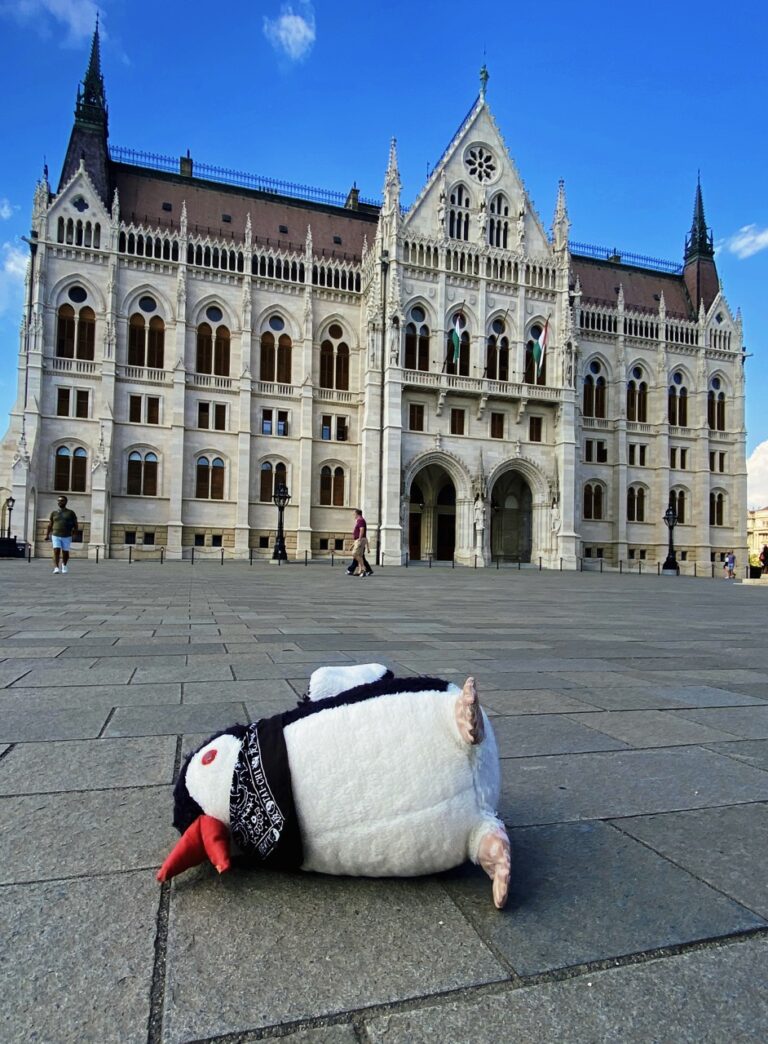
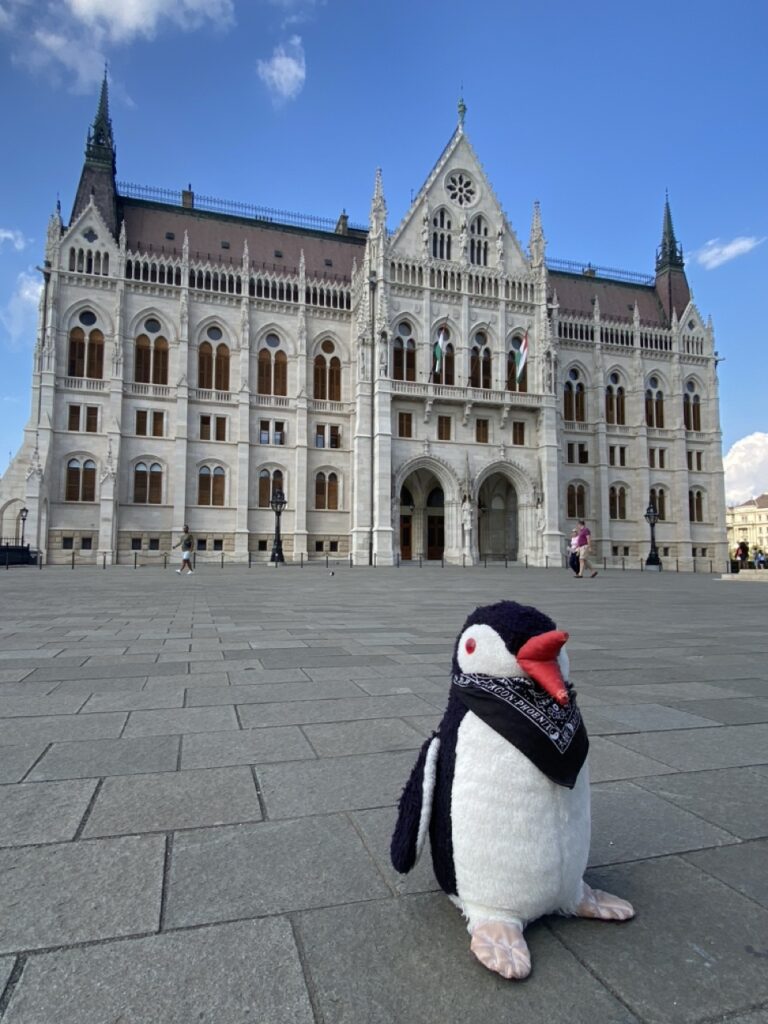
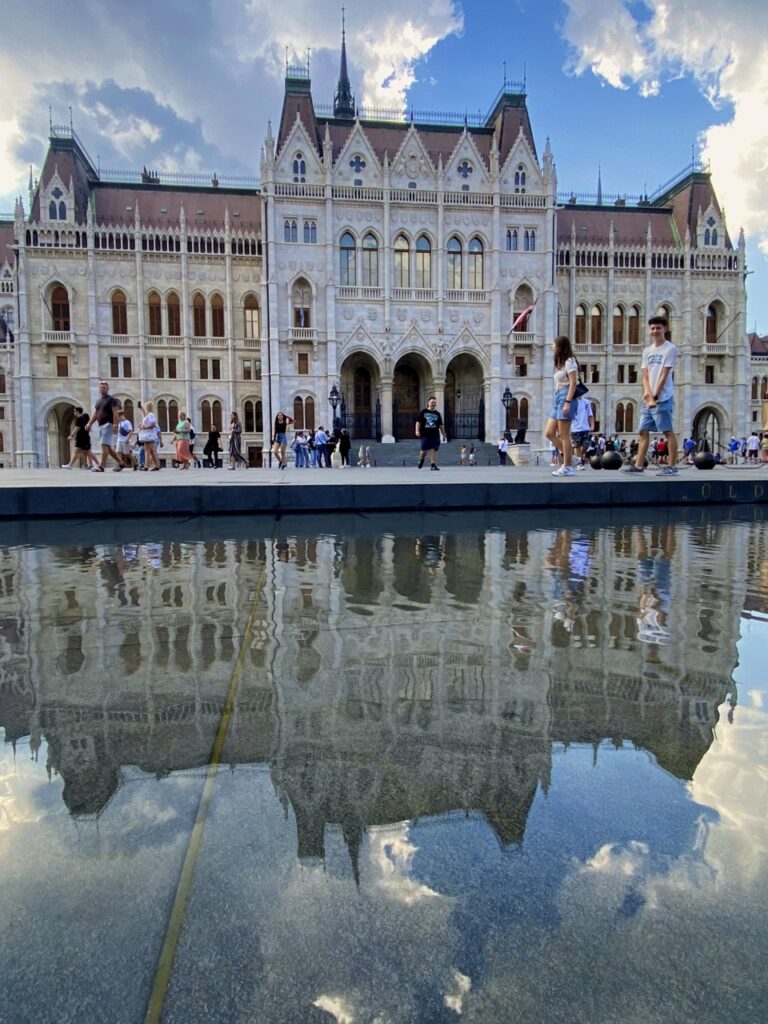
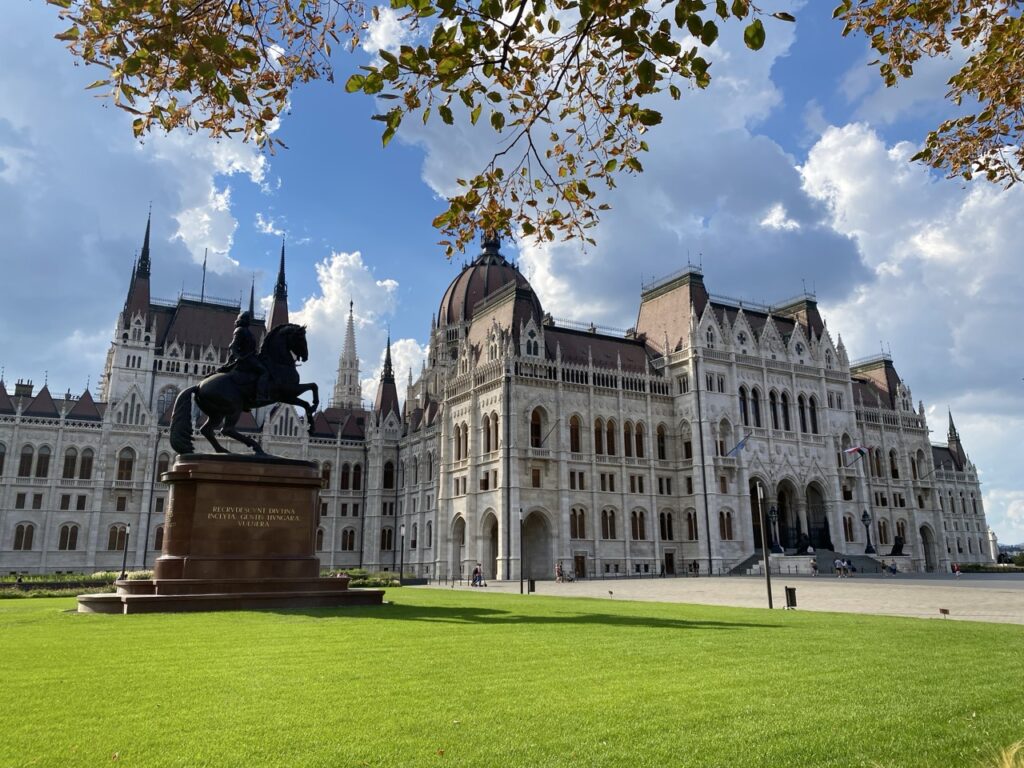
Hungary’s Parliament Building, standing on the banks of the Danube in Budapest, is one of Europe’s most iconic landmarks. Completed in 1904, this neo-Gothic masterpiece isn’t just a center of political power; it’s also a monument to national pride, precision, and opulence. The building contains about 88 pounds (40 kilograms) of solid gold, used in intricate detailing throughout its grand halls, staircases, and vaulted ceilings. With 691 rooms, 10 courtyards, and 29 staircases, it ranks among the largest parliamentary buildings in the world. Stretching 268 meters long and 96 meters high, the same height as St. Stephen’s Basilica, it symbolizes the balance between religion and state. Beneath the central dome, you’ll find Hungary’s most sacred treasure: the Holy Crown of Saint Stephen, displayed under continuous guard.
Why Hungarians Don’t Clink Beer Glasses
In Hungary, raising a beer glass without clinking it may seem unusual to outsiders, but it’s a deeply symbolic gesture tied to national history. The custom dates back to 1849, when the Austrian Empire crushed the Hungarian Revolution. After the execution of 13 Hungarian generals in Arad, it’s said that Austrian officers celebrated the victory by loudly clinking their beer mugs in triumph. In response, Hungarians vowed never to clink beer glasses for 150 years, a silent tribute to those who died and a quiet act of resistance. Although the symbolic mourning period officially ended in 1999, many Hungarians still honor the tradition out of respect, choosing instead to make eye contact and raise their glass in solidarity.
Food Is Hearty, Seasonal, and Grounded in History
Hungarian cuisine emphasizes rich flavors, slow cooking, and the use of seasonal ingredients. Paprika gives heat and depth to dishes like gulyás (goulash), pörkölt (meat stew), and halászlé (fisherman’s soup). Meals often begin with soups and end with pastries, such as rétes (strudel) or túrós batyu (sweet cheese pockets). Meat features: pork, duck, and beef are the main ingredients. However, vegetarian options are available, especially in Budapest. Lángos, a deep-fried dough topped with sour cream and cheese, is available everywhere, from street stalls to train stations. Expect paprika, sour cream, and pickled sides to be available on every table.
Breakfasts tend to feature cold plates, including bread, cheese, cold cuts, and vegetables. Don’t expect eggs and bacon as default. Markets like Budapest’s Great Market Hall or Debrecen’s Piac Street market provide a vivid introduction to local ingredients.
The National Dish of Hungary: Gulyás
Hungary’s national dish, gulyás (often known internationally as goulash), is more than just a meal. Traditionally cooked in a large pot over an open fire by herdsmen on the Great Hungarian Plain, gulyás is a hearty beef soup flavored with onions, paprika, caraway seeds, garlic, and often root vegetables like carrots and parsnips. Unlike the thicker stew versions served abroad, authentic Hungarian gulyás is brothy, deeply aromatic, and served with fresh bread or noodles. The key ingredient, Hungarian paprika, gives the dish its signature color and gentle heat, reflecting the spice’s central place in the nation’s cuisine.
An Ancient Wine Country with Royal Roots
Long before wine tourism became a trend, Hungary had already established itself as a land of legendary vintages. While many think of France or Italy as the birthplace of fine wine, Hungary’s Tokaj region holds the title of the oldest officially classified wine region in the world. Viticulture here dates back over 2,000 years, with documented cultivation long before modern borders were established. The area’s sweet golden Tokaji wine gained such prestige that King Louis XIV of France famously called it the “wine of kings, king of wines.” Hungarian wine culture extends far beyond Tokaj. Regions like Eger, Villány, and Sopron produce bold reds and crisp whites that continue to impress global sommeliers.
Europe’s Largest Jewish House of Worship
Standing proudly in the heart of Budapest’s Jewish Quarter, the Dohány Street Synagogue is not only a religious landmark but a record-setting architectural marvel. As the largest synagogue in Europe and the second largest in the world, it reflects the historical depth and cultural resilience of Hungary’s Jewish community. Its striking rose-hued façade, twin towers, and Moorish Revival style command attention from the street, while the richly decorated interior, complete with gilded ornamentation, massive chandeliers, and stained glass, accommodates up to 3,000 worshippers. Beyond its beauty, the synagogue also houses the Jewish Museum, a Holocaust memorial, and a cemetery, making it not just a place of worship but a living monument to history, memory, and faith.
A Hungarian-Born Financier with Global Influence
Born in Budapest in 1930, George Soros is one of the most influential financial minds of the modern era. Surviving Nazi occupation as a child and later fleeing communist Hungary, he built a legendary career in finance, becoming known for his bold investment strategies and for famously “breaking the Bank of England” during the 1992 currency crisis. However, Soros is equally renowned for his philanthropic endeavors. Through the Open Society Foundations, he has donated billions to promote education, democracy, human rights, and freedom of expression worldwide, including efforts to support civil society in post-communist Eastern Europe.
Europe’s Oldest Underground Gem
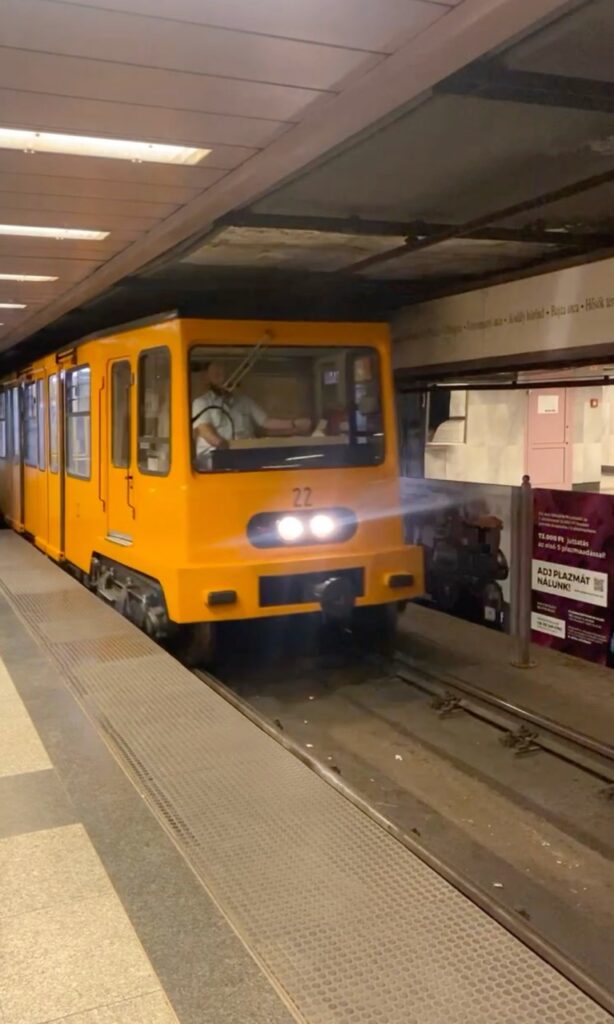
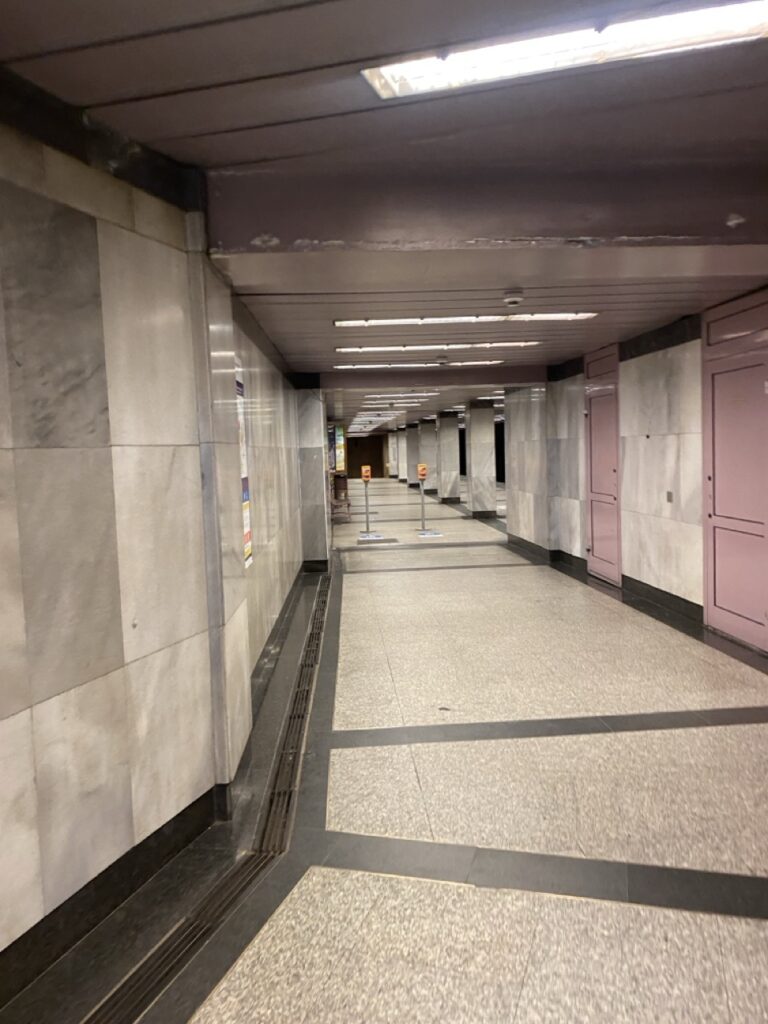
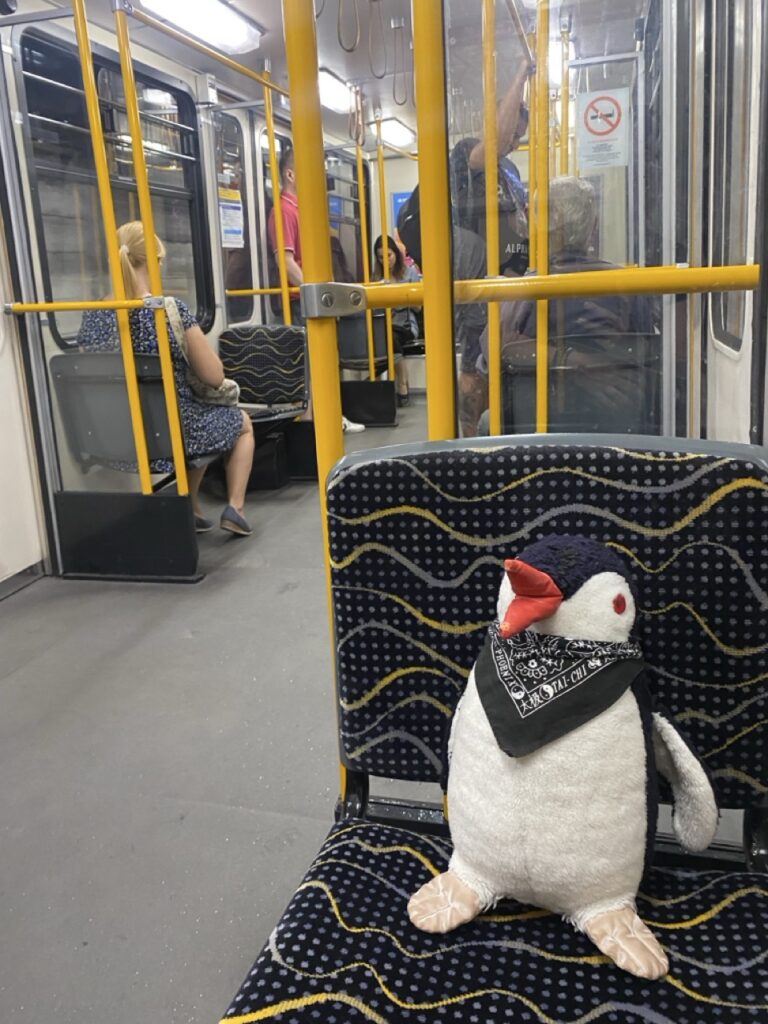
The Budapest Metro is a journey through history. Opened in 1896, the M1 line (also known as the Millennium Underground) is the oldest metro system on the European continent and the second-oldest in the world, after London’s. This line was built to commemorate Hungary’s 1,000th anniversary and still operates today, featuring its charming yellow cars and tiled station walls that evoke 19th-century design. The full metro network now includes four lines (M1 to M4), connecting key parts of the city, from Heroes’ Square to the Danube, and from historic Buda to the vibrant neighborhoods of Pest.
Aggtelek Cave System (Aggteleki Cseppkőbarlang)
Located in Aggtelek National Park, near the Slovakian border, this is Hungary’s most famous cave system and a UNESCO World Heritage Site. The Baradla Cave, part of the larger Aggtelek–Domica cave network, stretches over 25 kilometers and features stunning stalactites, underground halls, and even a concert chamber with natural acoustics. Guided tours take you deep into these ancient limestone formations.
Travel Facts About Hungary You Should Know
The Currency Is the Forint, and Cash Still Counts
Hungary uses the Hungarian Forint (HUF), not the Euro. Though some tourist spots accept euros, exchange rates rarely favor the visitor. Cash remains a useful form of payment in rural areas, markets, and older cafés. Budapest’s metro machines and upscale venues accept cards. But outside the capital, cash is often expected. Withdraw forints at ATMs rather than airport currency counters for better rates. Avoid Dynamic Currency Conversion when offered by card machines; select to pay in forints to skip inflated fees. Tipping customs matter too. Round up bills or leave about 10% in restaurants, unless service is already included. Check prices before boarding taxis. Budapest has official rates, but unlicensed drivers sometimes hike fares. Consider using Bolt or other rideshare apps to sidestep negotiation.
Public Transport Works, If You Know How to Use It
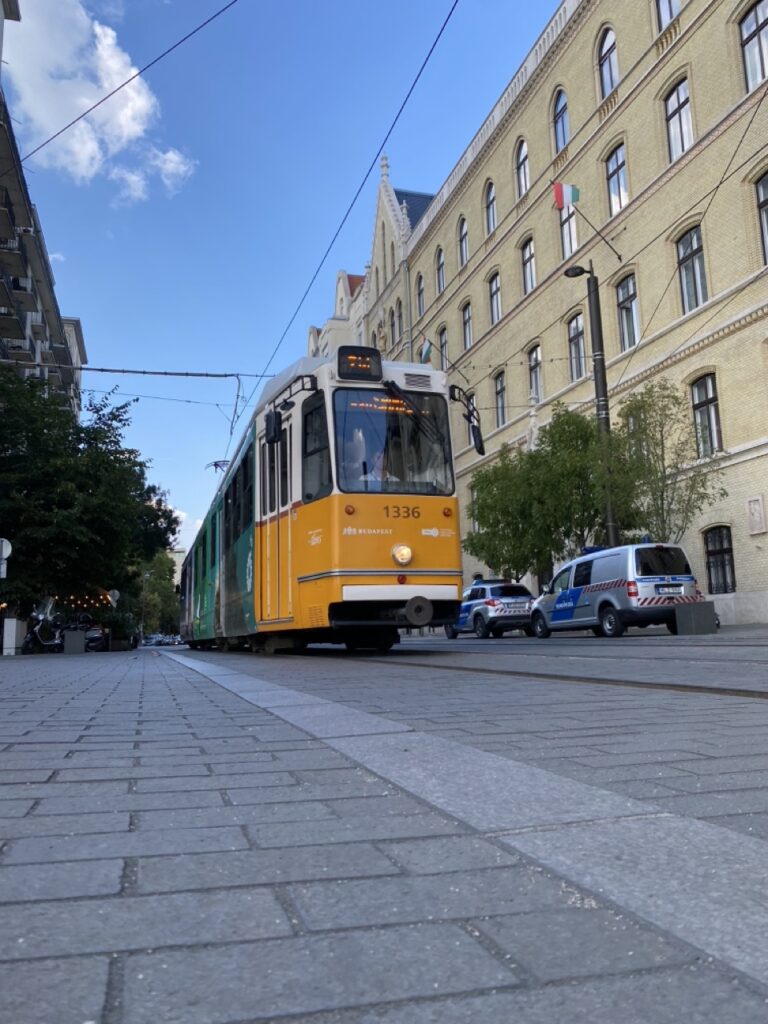
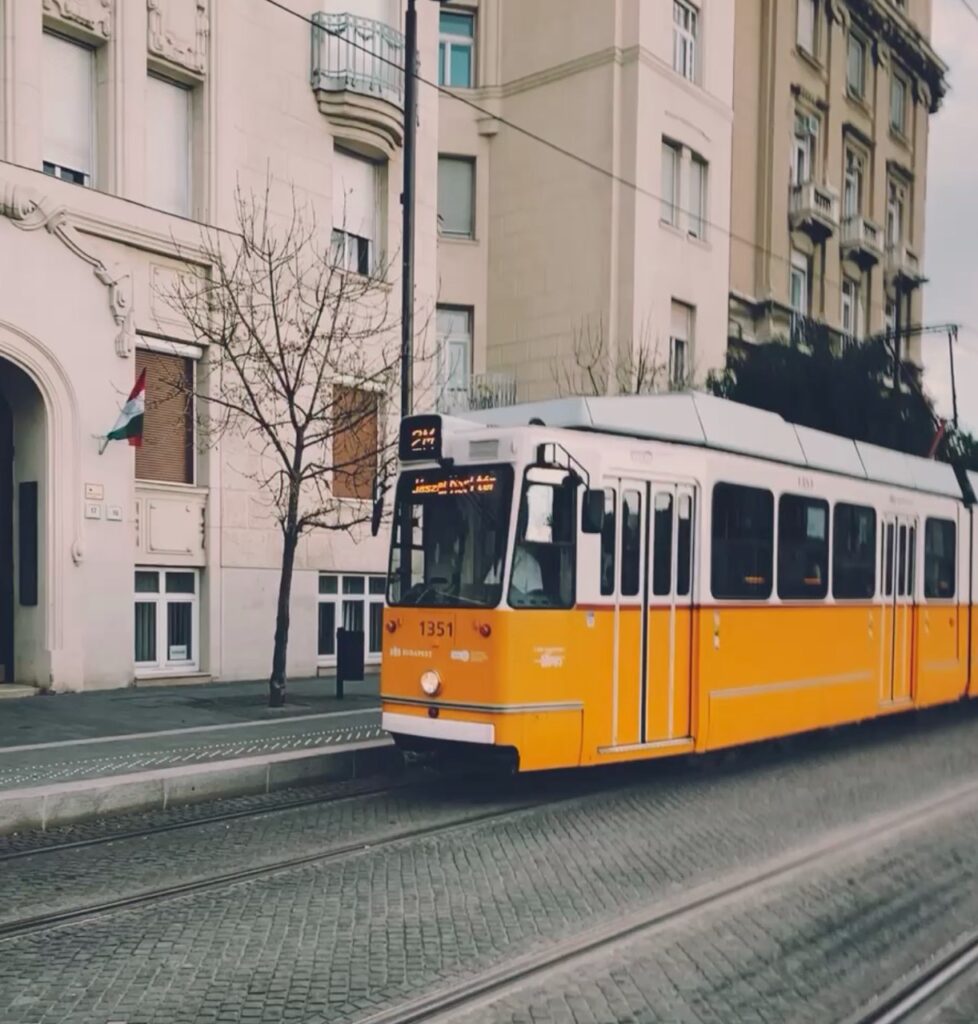
Budapest’s public transport system is efficient and broad. Trams, buses, metros, and suburban trains (HÉV) operate on a unified ticket system. But tickets don’t sell on board. Buy them from machines or kiosks before boarding, and validate them at the entrance. Controllers check frequently, and fines for riding without a valid ticket can be steep. Outside Budapest, train and bus connections reach most major towns. InterCity trains run between cities with assigned seats. MÁV is the national rail company. Expect older rolling stock but reliable timetables. For Lake Balaton or Eger, trains are a viable option. For smaller villages, regional buses connect the dots. Schedules often list place names in their Hungarian form; for example, Vienna appears as “Bécs,” and Bratislava as “Pozsony.” Use Hungarian spellings when purchasing tickets or checking departures.

Cultural Norms Lean Formal, Quiet, and Direct
Hungarians often greet each other with handshakes, and sometimes with kisses between close friends. Formal titles (such as doctor, professor, or engineer) carry weight, and addressing elders respectfully is expected. In conversation, Hungarians may appear reserved or direct—not rude, but rather a matter of cultural clarity.
Don’t rush greetings. A simple “jó napot” (good day) or “viszontlátásra” (goodbye) creates goodwill. Public behavior skews quiet. Loud phone calls on trams or animated table conversations draw attention. Dress matters. Even in casual settings, people tend to look neat and put together. Punctuality counts. Being on time to dinner or appointments shows respect. Even informal gatherings often start promptly. When invited to someone’s home, consider bringing a small gift, such as wine, chocolate, or flowers (but avoid chrysanthemums, which are often associated with funerals).
Safety, Connectivity, and Unexpected Delights
Hungary ranks among Europe’s safer destinations. Violent crime is rare. Petty theft can occur in crowded markets or metros, and watch bags, especially in tourist zones. Medical services are reliable. Tap water is safe to drink. Pharmacies (gyógyszertár) carry most essentials. SIM cards and data plans are inexpensive and widely available. Free Wi-Fi appears in many public areas. Digital payments are effective, but smaller establishments may prefer cash. Electricity runs on 230V; European two-pin plugs are standard.

Shops and Restaurants May Close Earlier Than Expected
Time your errands and meals wisely—Hungary doesn’t operate on a 24/7 culture, especially once you leave Budapest’s central districts. In most towns and even in parts of the capital, retail shops tend to close by 6 or 7 p.m., particularly smaller, family-run stores and boutiques. Shopping malls and supermarket chains, such as Tesco, Spar, or Aldi, may extend their hours to 8 or 9 p.m., but even then, it’s best not to assume late-night availability. On Sundays, many stores either close entirely or operate on a reduced schedule, often closing around midday or not opening at all. Pharmacies may operate on a rotating emergency basis outside regular hours.
Restaurants follow a similar rhythm. In many places, kitchens begin winding down around 9 p.m., even if the restaurant itself stays open longer for drinks. In smaller towns or villages, some places stop serving food even earlier. This can catch travelers off guard, especially if arriving late or planning a spontaneous evening meal. Unlike in southern European countries where dining happens late, Hungarians tend to eat dinner between 6 and 8 p.m., especially outside of tourist areas. To avoid disappointment, make dinner reservations when possible and check kitchen hours in advance, especially on Sundays or holidays.
Other Things Good To Know
- Smoking Is Restricted but Still Common. Smoking is banned in indoor public spaces (restaurants, bars, offices), but it’s still more socially accepted outdoors than in some other European countries. Some outdoor terraces allow it. Be aware of designated smoking zones.
- Taxis Can Be Tricky Without an App. Hailing taxis on the street, especially in tourist areas, can lead to overcharging. Stick with reputable companies(like Főtaxi) or use apps like Bolt, which are widely used and priced fairly. Budapest taxis have regulated fares, but not all drivers adhere to them unless the fare is booked properly.
- Alcohol Is Widely Consumed and Affordable. Beer, wine, and spirits are part of Hungarian culture. Try local wines like Tokaji (sweet white) or Egri Bikavér (Bull’s Blood red). Pálinka, a strong fruit brandy, is a traditional favorite—but very strong. Drinking in public is technically regulated but loosely enforced in parks and open spaces.
- Tap Water Is Safe and Often High-Quality. Tap water is drinkable across the country and often comes from deep wells or mountain springs. Bring a refillable water bottle to reduce plastic waste.
- Toilets May Charge a Fee. Public toilets, especially in train stations, markets, or rural attractions, often charge 100–300 HUF (around €0.25–0.75). Carry small coins or cash for access. Some cafés require a purchase to use
Flight search from Kiwi.comShows Kiwi.com’s own box, which can set Kiwi.com cookies.
Hungarian Wonders You Shouldn’t Miss
- Buda Castle. Overlooking the Danube, this historic complex in Budapest offers sweeping views, royal heritage, and museums like the Hungarian National Gallery.
- Parliament Building. A Neo-Gothic masterpiece on the banks of the Danube; one of Europe’s most stunning government buildings, especially striking when lit at night.
- Lake Balaton. Central Europe’s largest freshwater lake, ideal for summer relaxation, sailing, and wine tasting in nearby Badacsony.
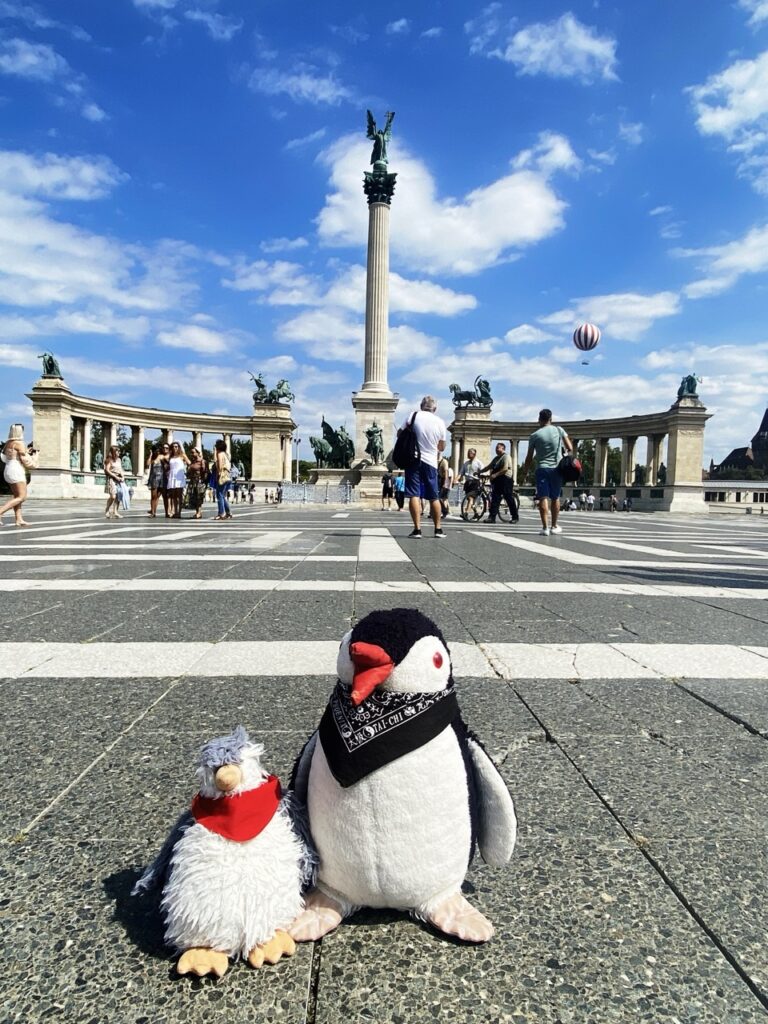
- Heroes’ Square. A grand monument in Budapest dedicated to Hungary’s founding leaders, flanked by the Museum of Fine Arts and the Hall of Art.
- The Danube Bend. A scenic stretch north of Budapest where the river curves past forested hills, historic towns like Visegrád, Esztergom, and Szentendre.
- Széchenyi Thermal Bath. One of the largest medicinal baths in Europe, set in a grand yellow palace in City Park, offering open-air pools year-round.
- Hortobágy National Park. Hungary’s largest protected area and part of the UNESCO World Heritage list; known for sweeping plains, birdlife, and traditional shepherd culture.
- Eger Castle. A historic fortress famous for resisting the Ottoman siege of 1552, with panoramic views and nearby wine cellars offering the bold Egri Bikavér.
- Aggtelek Cave System. A UNESCO-listed wonder of underground chambers and limestone formations stretching across the Slovakian border.
- Pannonhalma Archabbey. A working Benedictine monastery with over 1,000 years of history, beautiful architecture, and serene hilltop views.
- Tokaj Wine Region. Known for its world-renowned sweet wines, especially Tokaji Aszú, this region seamlessly blends viticulture, tradition, and stunning scenic vineyards.
- Vajdahunyad Castle. A fantasy-like structure in Budapest’s City Park, showcasing a mix of Gothic, Renaissance, and Baroque architectural styles.
Pack your bag and explore Hungary!

This post contains affiliate links. If you click and buy, I might earn a tiny commission, enough to help a penguin keep up its globe-trotting lifestyle. No extra cost to you, just more fish for me. Thank you for supporting the adventure!