Znojmo Castle & Rotunda: Complete Guide to South Moravia’s Historic Site
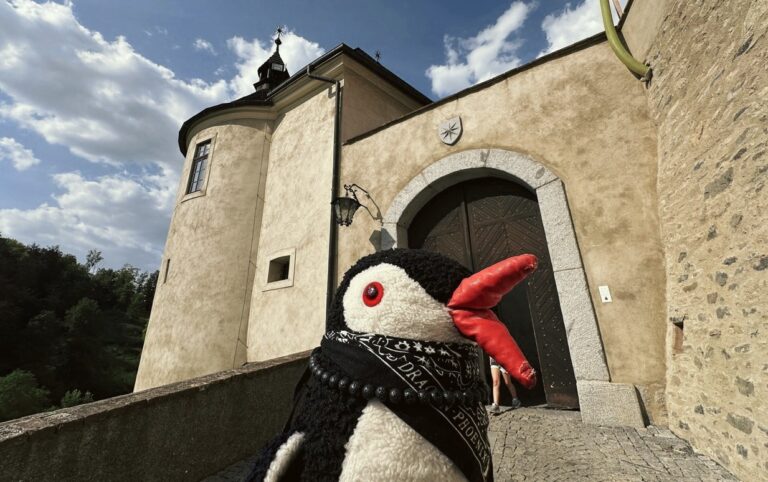
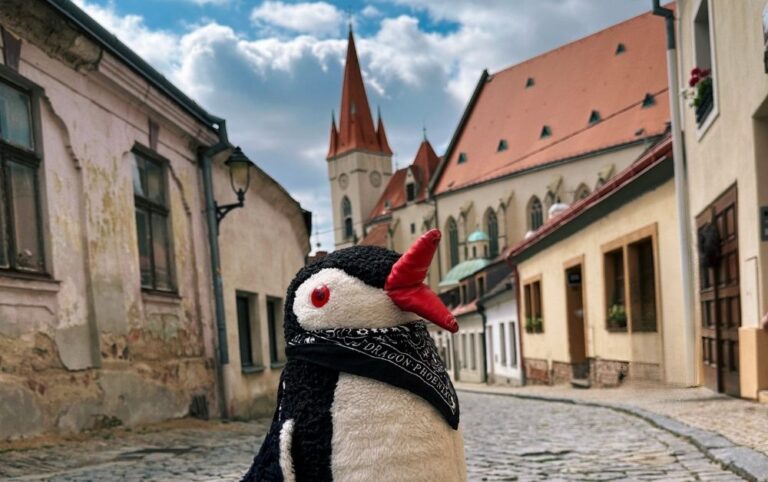
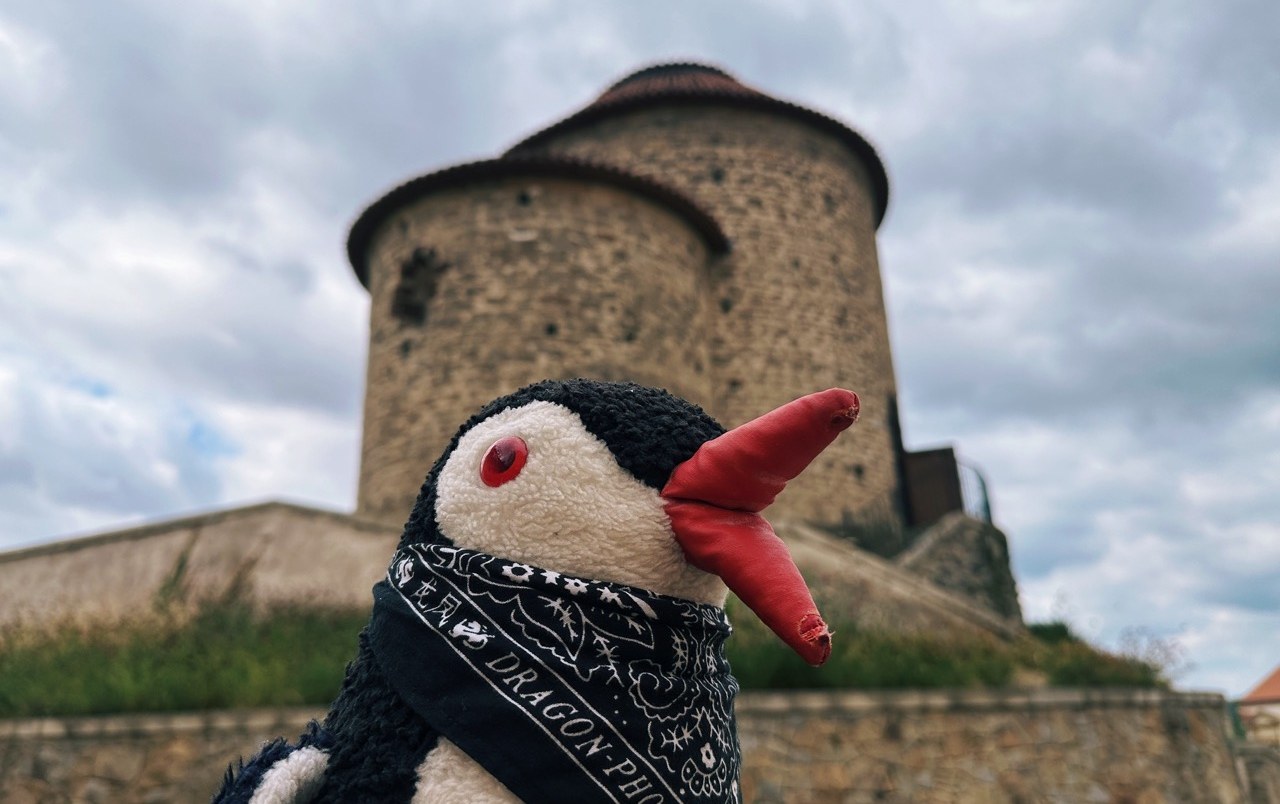
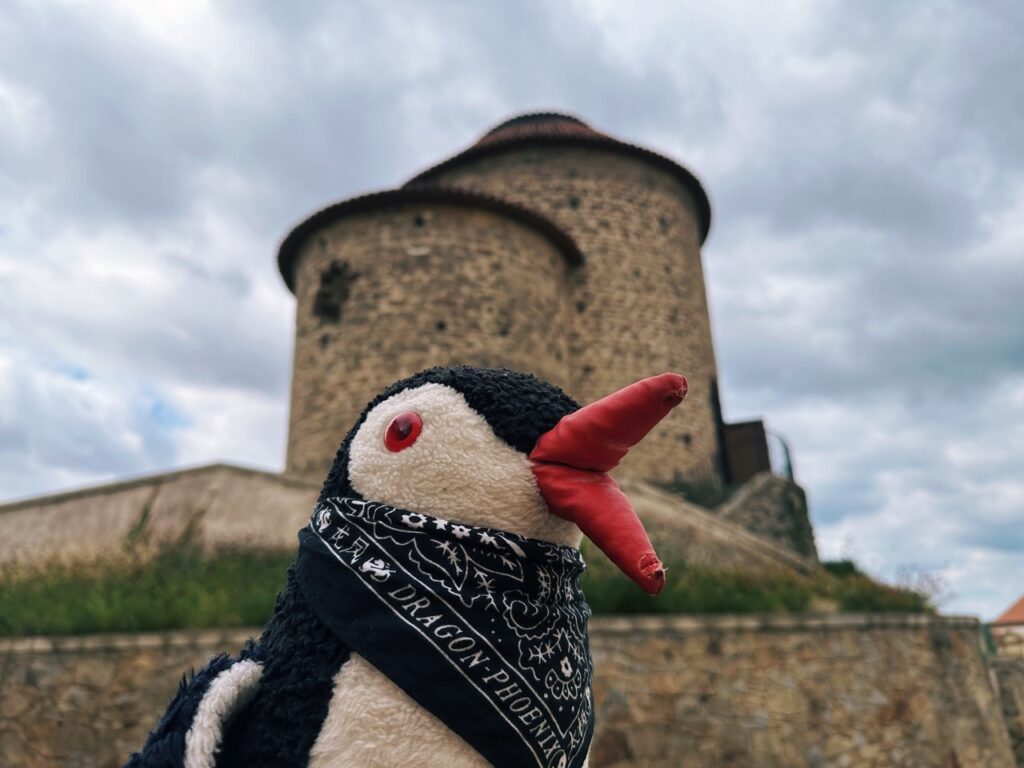
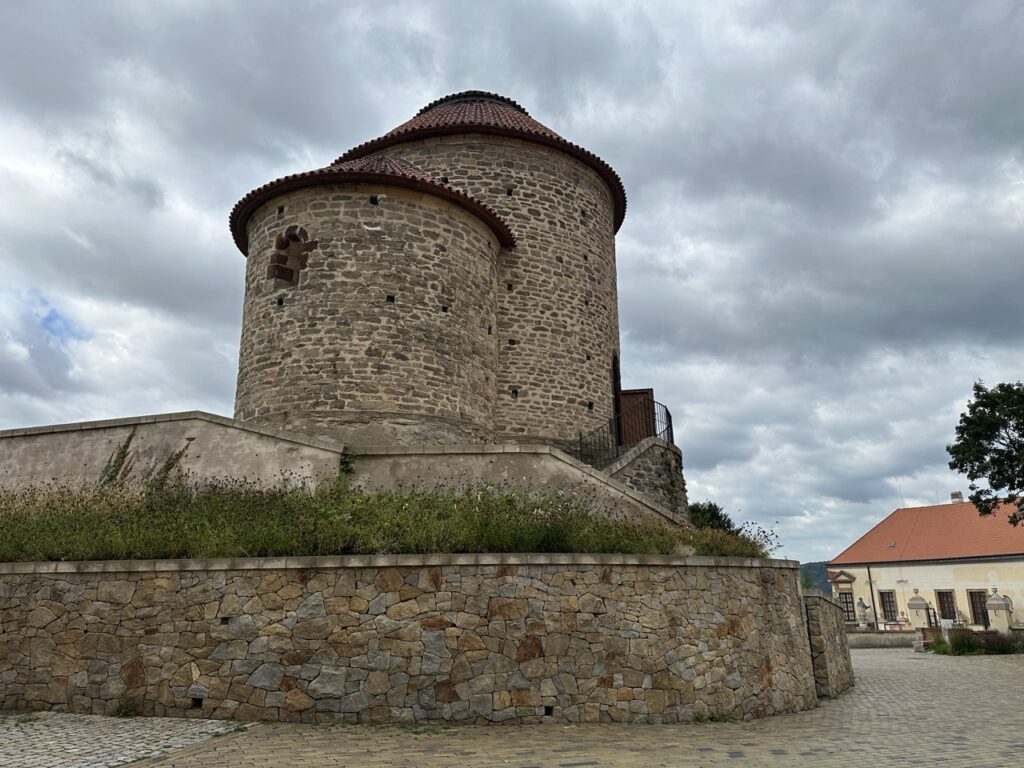
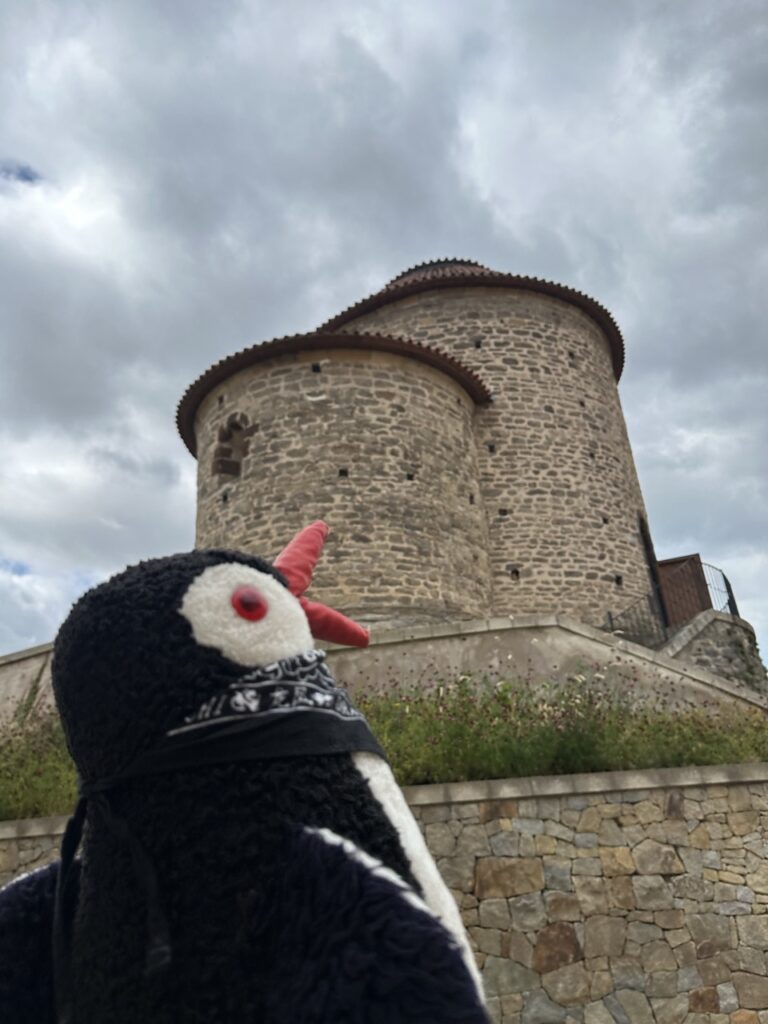
On our second day in Znojmo, we set aside the morning to visit the castle. It had been quietly overlooking the town since we arrived, and we knew we couldn’t leave without seeing it up close. The waddle up was easy, winding through quiet streets and past views that seemed to get better with every turn. We weren’t sure what to expect, but the mix of history, atmosphere, and the serene surroundings made it one of the most memorable parts of our time in Znojmo. The first thing you see is the rotunda, and the caste hides silently behind. Read on to learn about opening hours, tickets, what to expect, and more.
Why You Should Visit Znojmo Castle
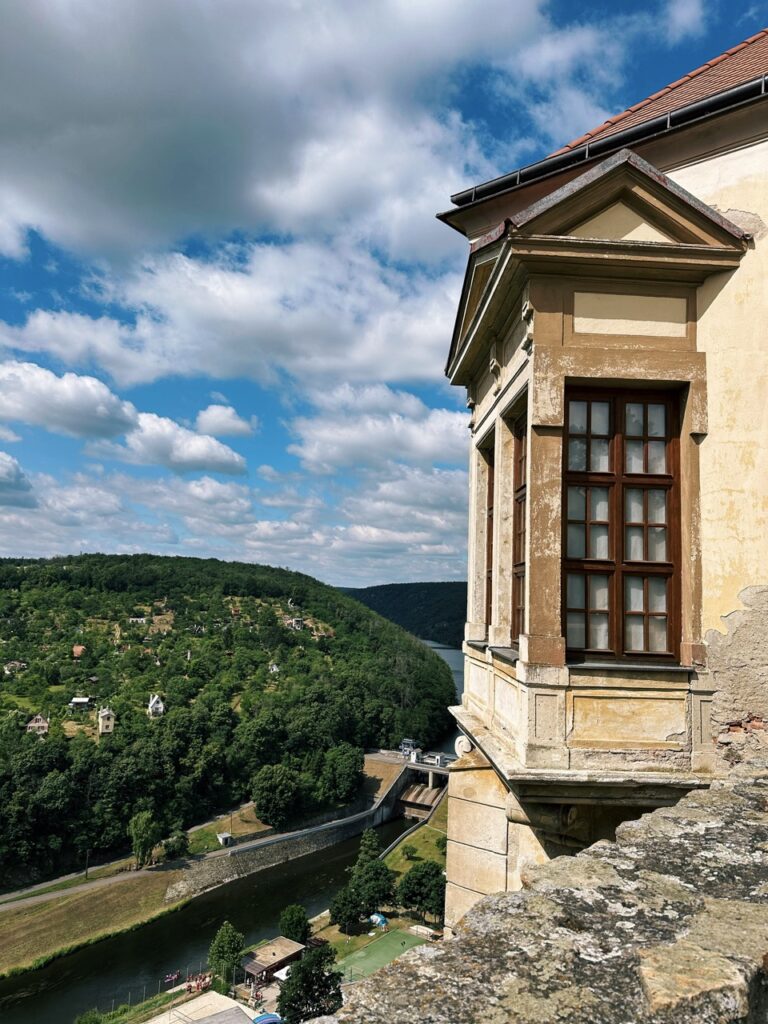
Znojmo Castle is a testament to the rich history that can be preserved in one place. Set above the Dyje River with sweeping views of the valley, the castle offers a blend of early medieval architecture, rich local history, and a serene atmosphere that is rare in more crowded destinations. Although small, you will learn a lot.
A Quick Look at Znojmo Castle
-
- Location: Hradní 84, 669 02 Znojmo 2, Czechia
- Founded: Around 1080
- Best for: History lovers, wine travelers, castle chasers, photography buffs
- Open: April–October (exact hours below)
- Nearby: Znojmo Old Town, Rotunda of St. Catherine, National Park Podyjí
Opening Hours of Znojmo Castle
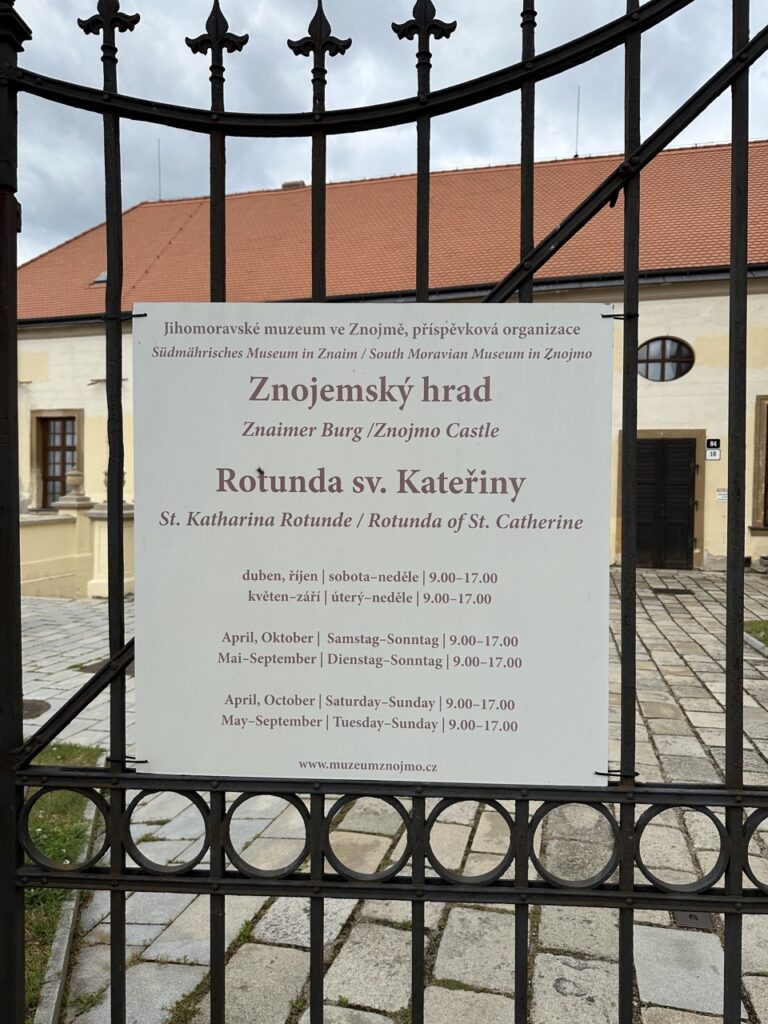
Znojmo Castle is open seasonally.
- April & October: 9:00 – 16:00 (weekends only)
- May – September: 9:00 – 17:00 (daily, except Mondays)
- Closed: November – March
It’s best to arrive early in the day. You’ll have time to explore without being rushed. Check locally before you go, since times can change due to events or restoration.
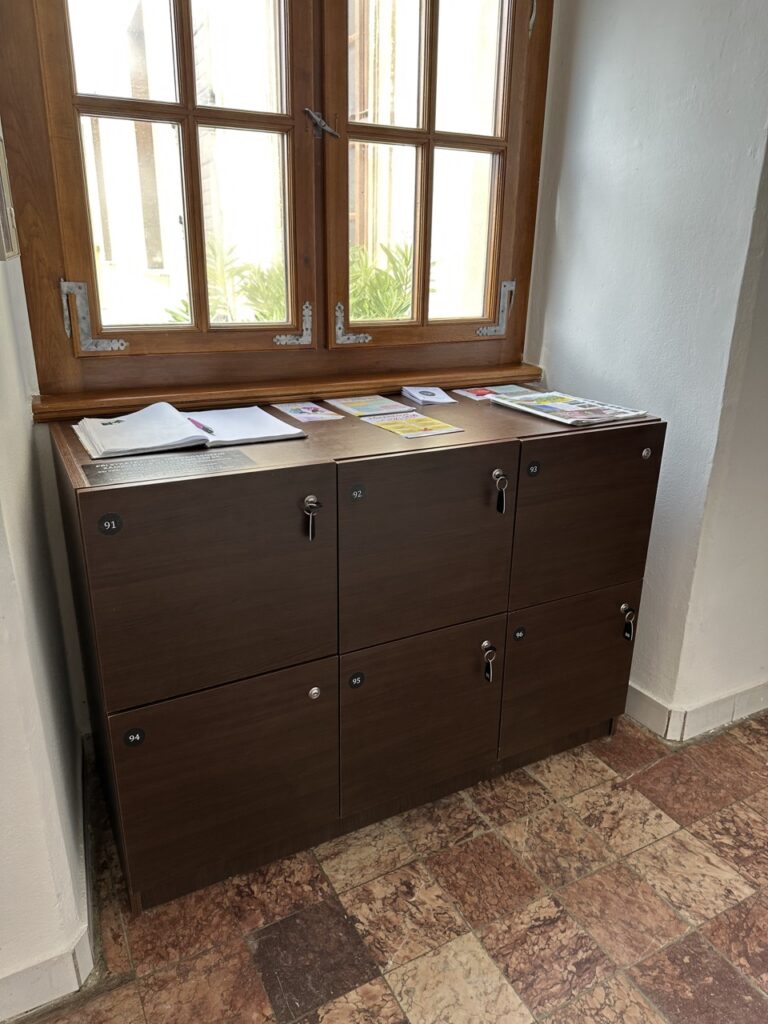
There are also a few lockers available if you’d like to store your smaller bags.
Tickets and Tours
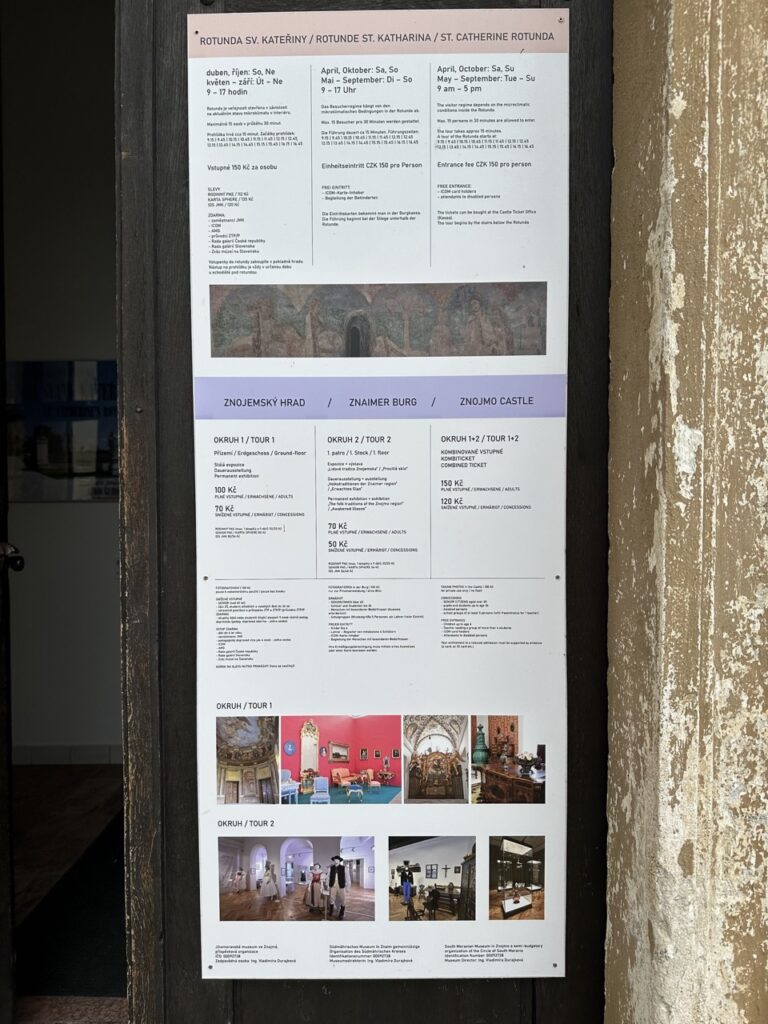
- Basic Admission: 140 CZK (about €6)
- Discounted Admission (students, seniors): 110 CZK
- Children under 6: Free
- Family Ticket (2 adults + 2 kids): 360 CZK
- Guided Tour: Optional, costs extra (in Czech, with printed materials in English and German)
- Penguins: free
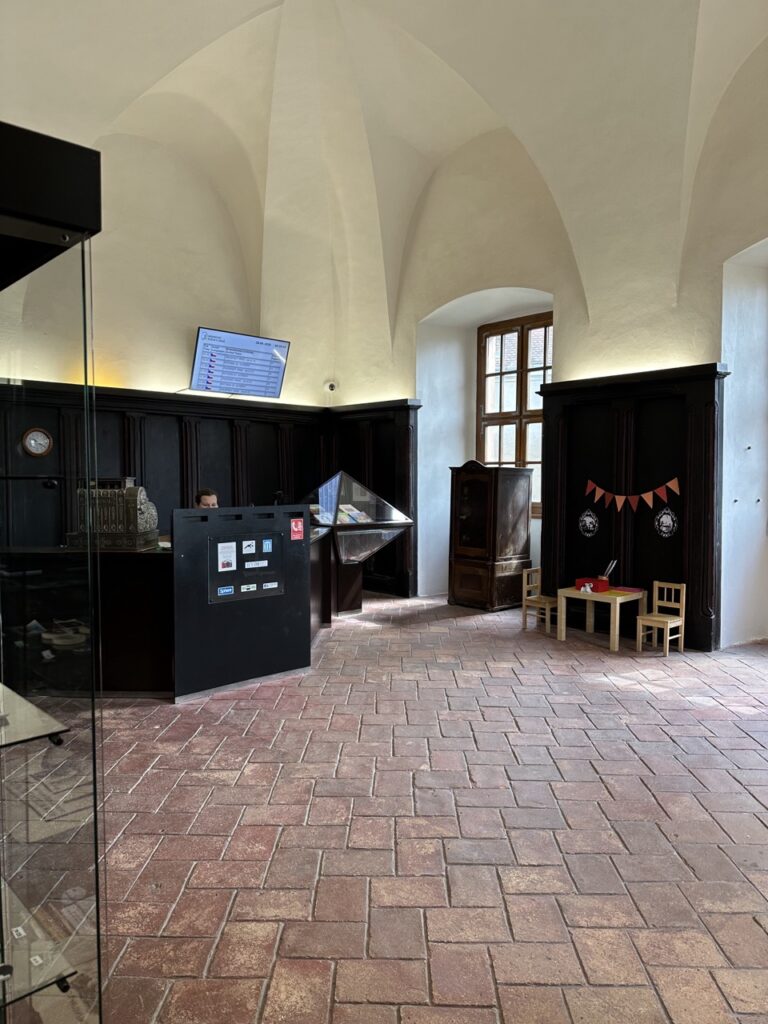
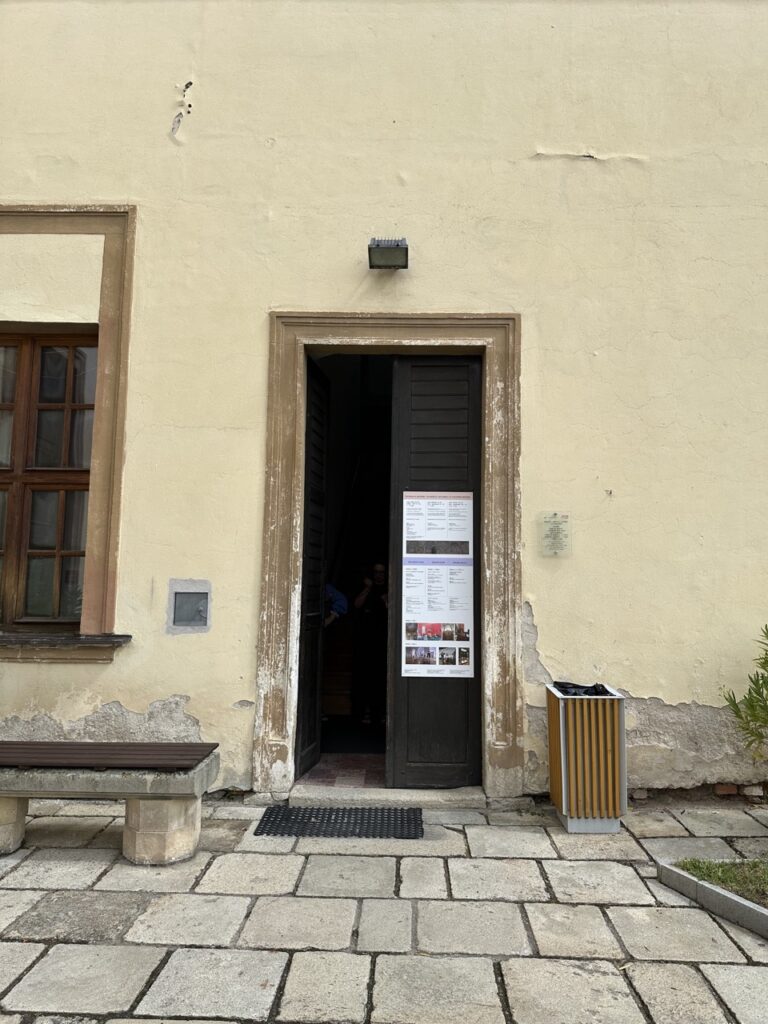
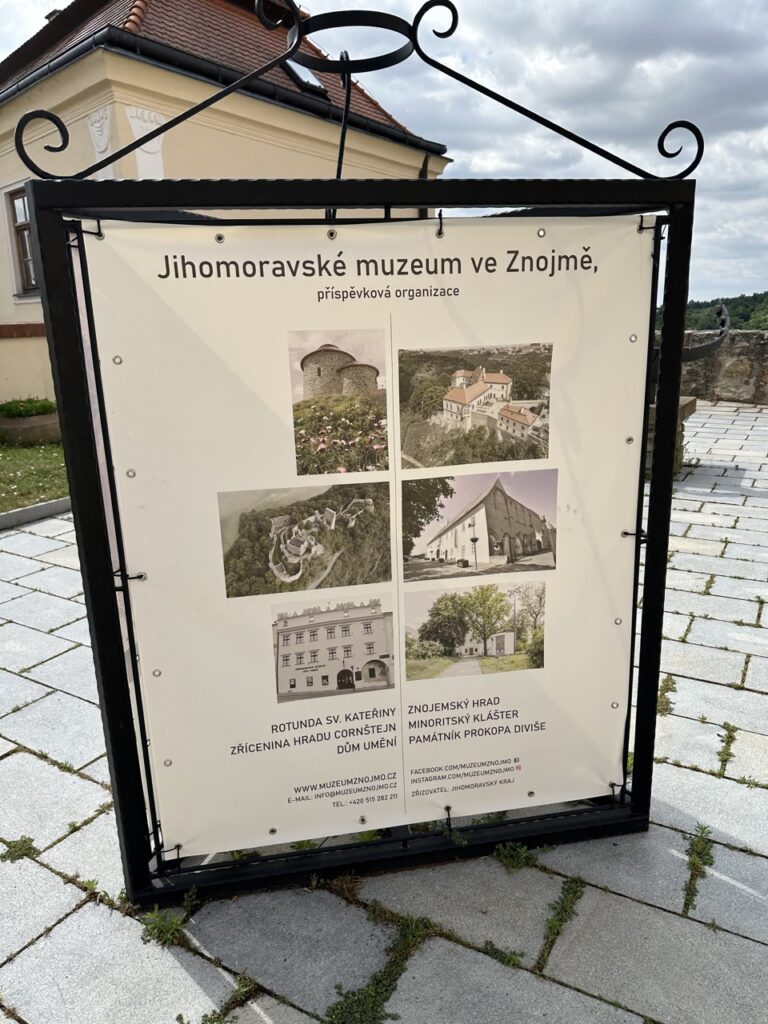
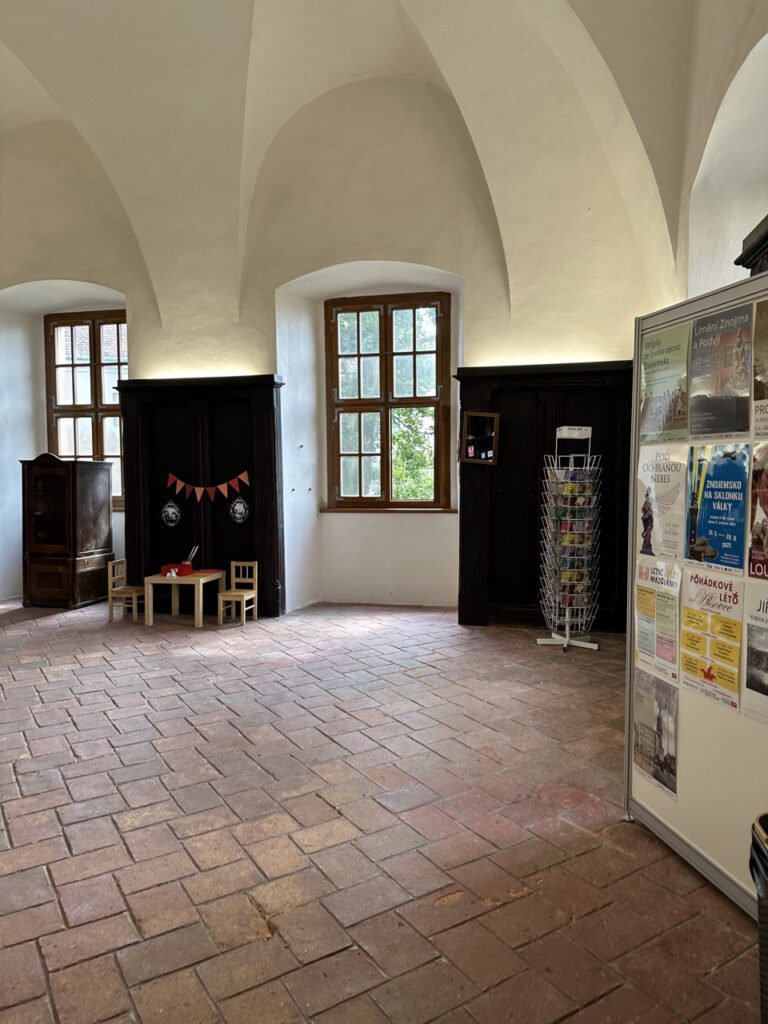
We bought tickets on the spot for the first tour available. There’s no online booking yet for regular visits. But you can reserve guided group tours by email if you’re coming with a crew. There are only guided tours available if you want to explore the castle, and you have to buy a separate ticket for the rotunda (guided tours only).
Why Znojmo Castle is Worth the Trip
Sure, there are castles everywhere in Czechia, but while in Znojmo, don’t miss this. Znojmo has a few tricks up its sleeves.
-
- It’s one of the oldest castles in Czechia, dating back to the Přemyslid dynasty
- You get access to the Znojmo Underground, a 27-kilometer labyrinth beneath the city (add-on ticket required)
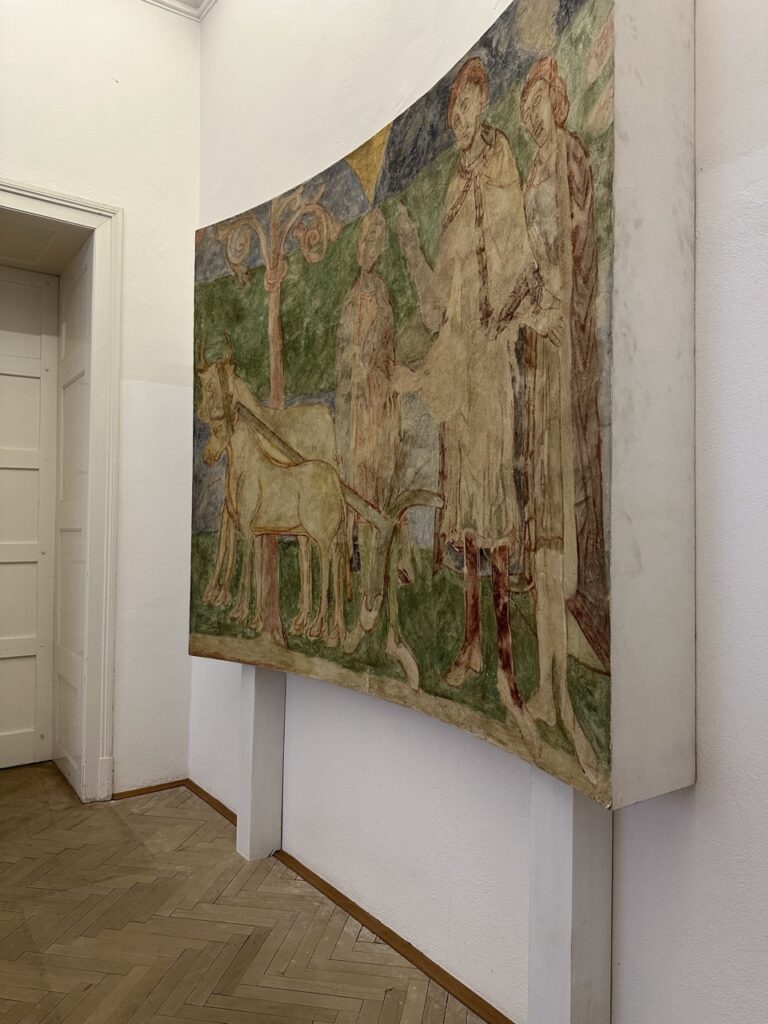
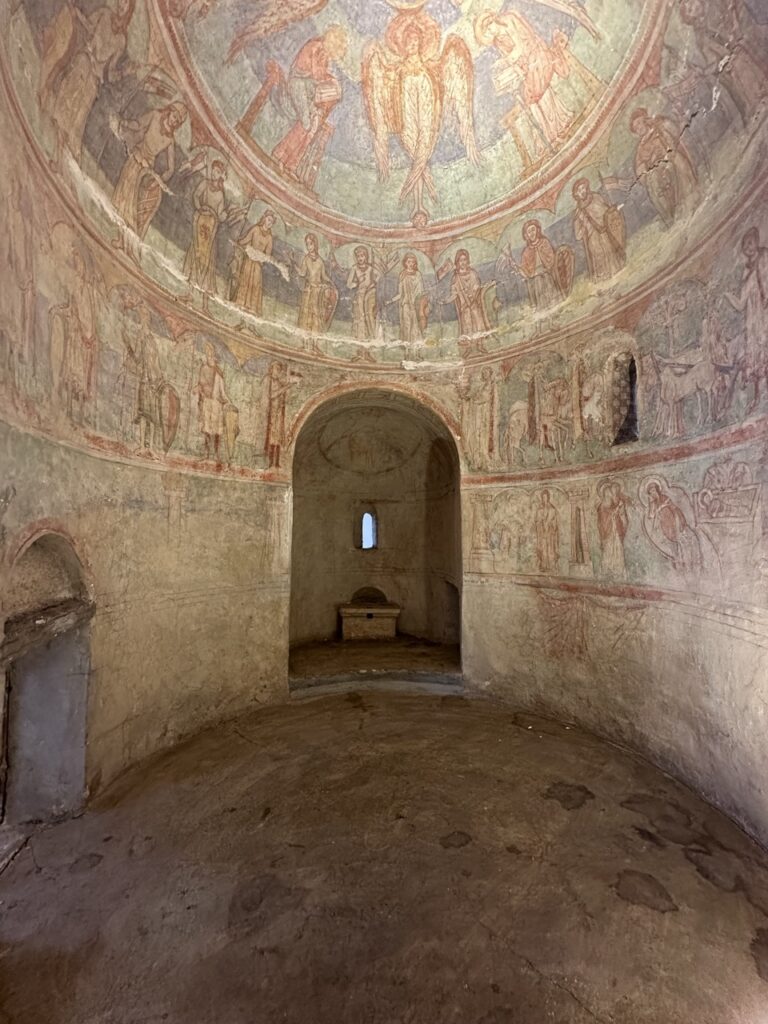
- The nearby Rotunda of St. Catherine has original frescoes from the 11th century
- The castle is tied into Znojmo’s wine culture, so yes, wine tastings often happen nearby
- From the top, you can see Austria
- You’re waddling where Czech kings once ruled and where Napoleon’s army passed by
Getting Here
- From Prague: Around 2.5 hours by train or car
- From Brno: Just 1 hour by train or bus
- From Vienna: 1.5 hours by car, 2 hours by train
- Train station: Znojmo hlavní nádraží (main station)
- Waddle to the castle: 15-20 minutes from the train station through the historic Old Town
Train and bus tickets from OmioShows Omio’s own box, which can set Omio cookies.
Penguin Pro Tip
Don’t drive into the Old Town unless you have to. Parking is limited. Walking is easier and prettier.
Travel Tips Before You Visit Znojmo Castle
Here’s what no one tells you, but you’ll wish they had:
-
- Cash is king in many smaller attractions; have some CZK on hand.
- English isn’t always spoken, but pointing works.
- The Rotunda has strict entry rules—no photos inside, and only 10–15 people at a time.
- Try local wine varietals, especially Veltlínské zelené and Ryzlink rýnský
- Znojmo’s Festival of Historical Vintage (Znojemské historické vinobraní) in September brings parades, medieval costumes, concerts, and wine stalls all over town.
- Summer can get hot, but the underground cellars stay cool.
- Some areas aren’t stroller-friendly due to cobblestones.
When’s the Best Time to Visit?
Spring and fall are the sweet spots, with fewer tourists, mild temperatures, and epic photo lighting. Summer is also great, but it can get crowded during the wine festivals. Winter? The castle closes, but the Old Town still looks like a postcard. But as Znojmo is still an underrated town, there are not many tourists, no matter when you come.
Znojmo Castle History
- ~1080. Founded as a ducal stronghold by the Přemyslid dynasty to defend Moravia’s southern border
- Early 1100s. Construction of the Rotunda of St. Catherine, with Romanesque frescoes showing Czech rulers
- 1190s. Castle plays a role in local power struggles between Bohemian and Moravian rulers
- 13th century. Became a royal castle under Přemysl Otakar II, strengthened for military defense
- 15th century. Damaged during Hussite Wars, then repaired and expanded
- 17th century. Fortifications were upgraded during Habsburg rule to protect against Turkish invasions
- 1710. The castle begins losing military importance, parts are dismantled
- 18th–19th centuries – Site reused as a brewery and granary
- 20th century. Officially recognized as a cultural monument and partially restored
- Today. Open to the public with exhibits, access to the Rotunda, and panoramic views.
Our Waddle Through the Castle
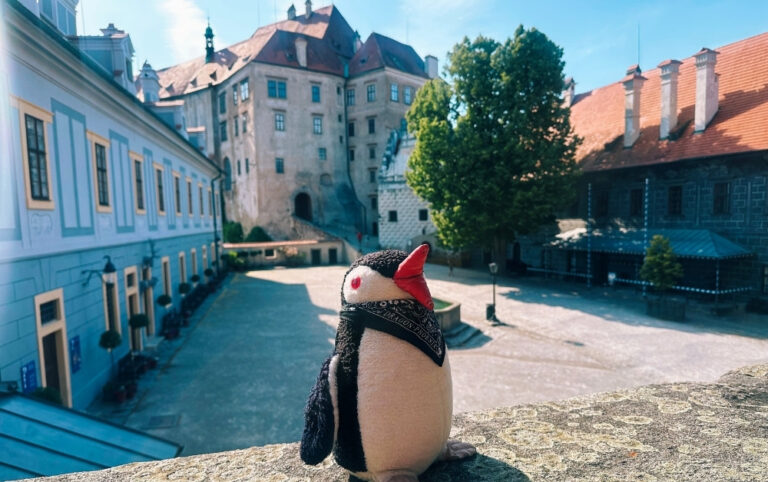
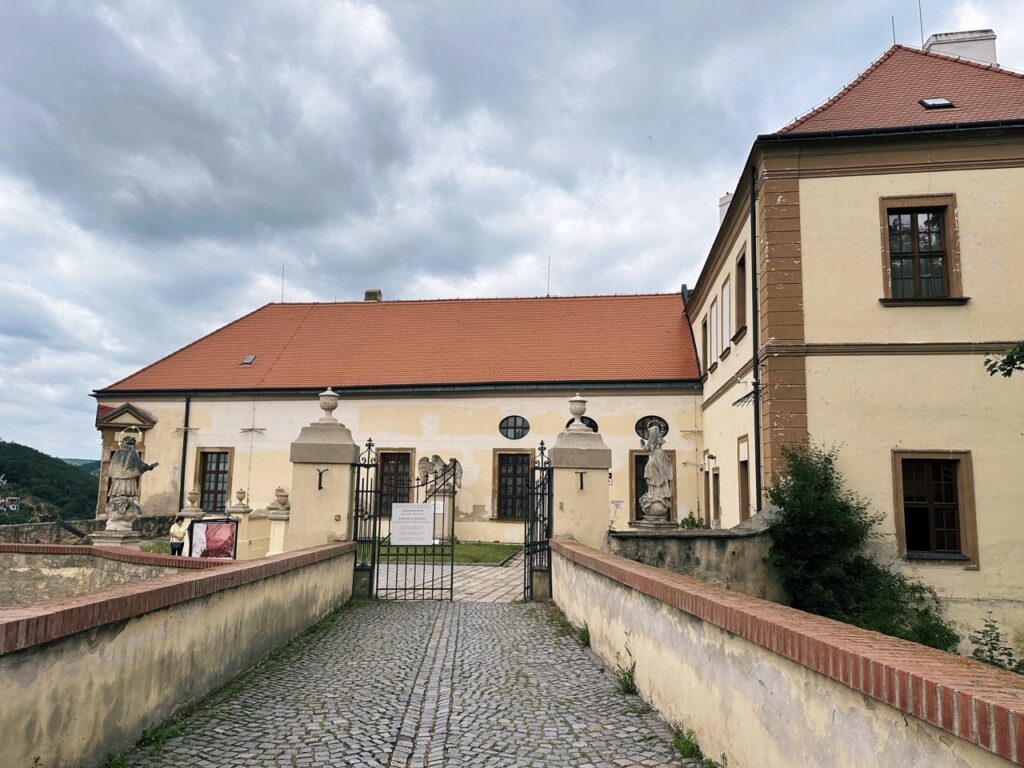
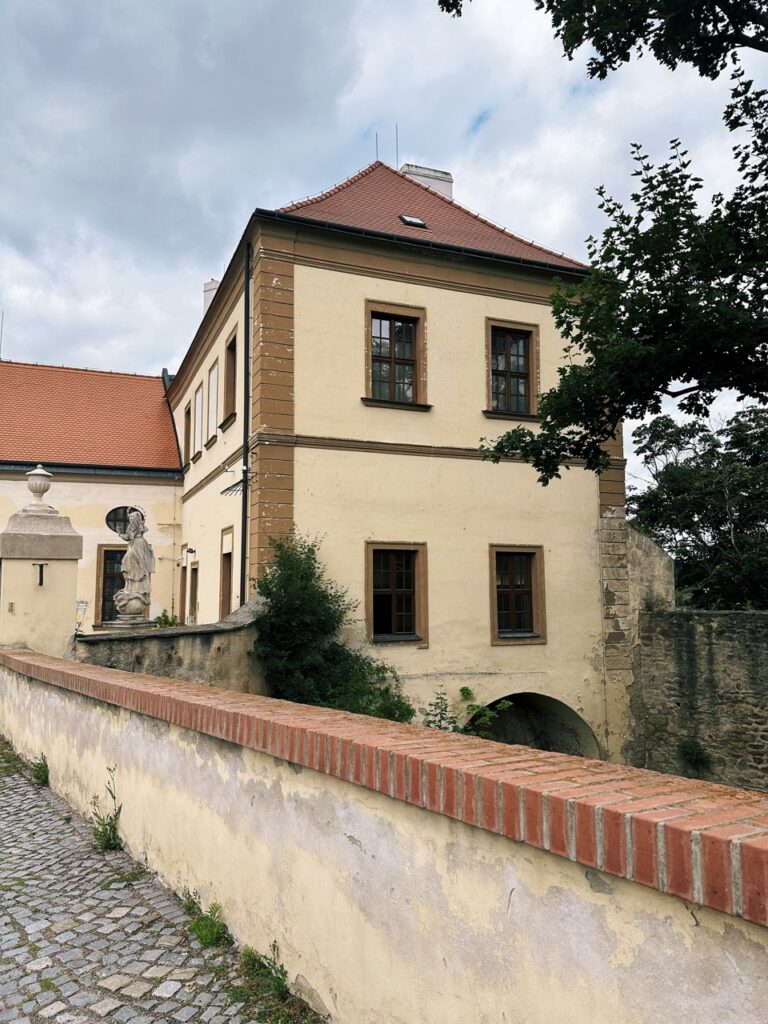
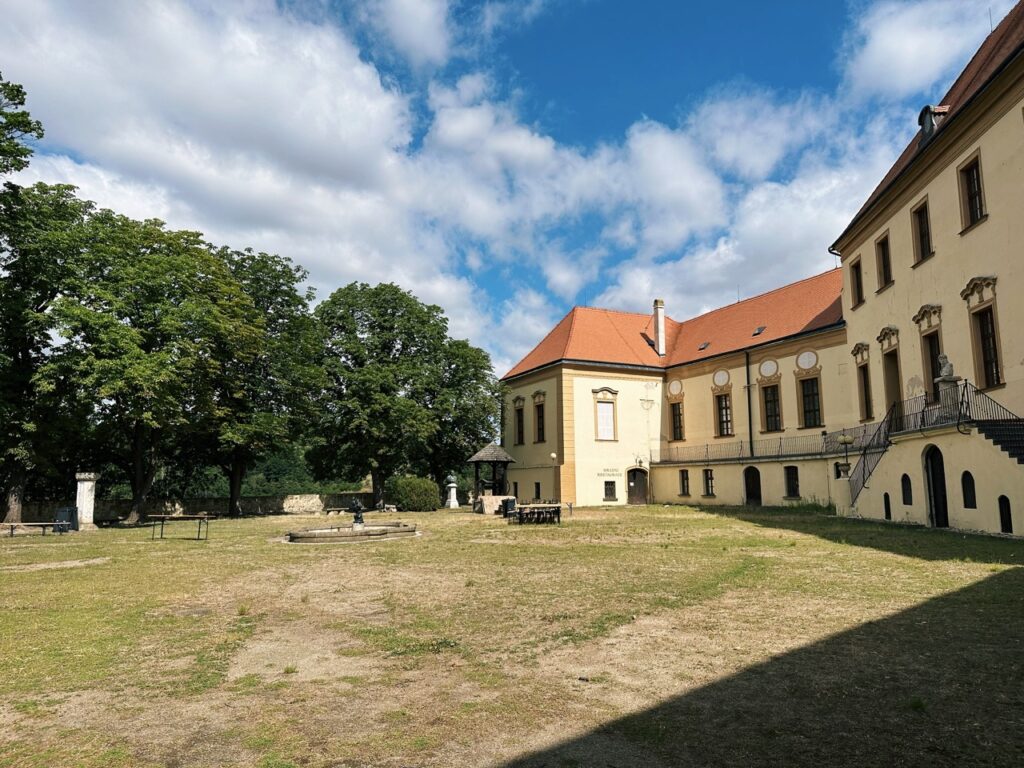
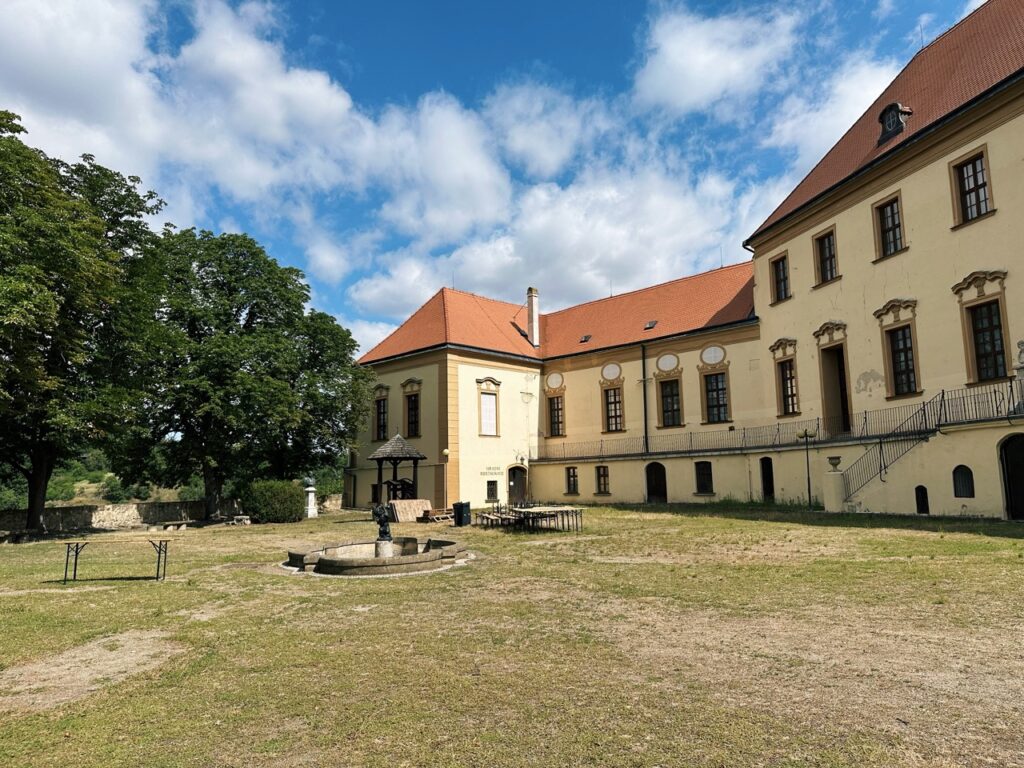
We bought our tickets, and the next guided tour was set to start in about 15 minutes, so we took our time wandering around the courtyard, soaking in the view over the valley. There were only a few of us waiting, maybe five or six total, which meant the whole thing felt like a private tour. When the guide showed up, she gave us a quick intro and led us inside. The rooms were cool and quiet, the stone walls thick and worn from centuries of footsteps. With such a small group, it felt more relaxed, almost like being shown around by a local who just happened to live in a medieval castle.
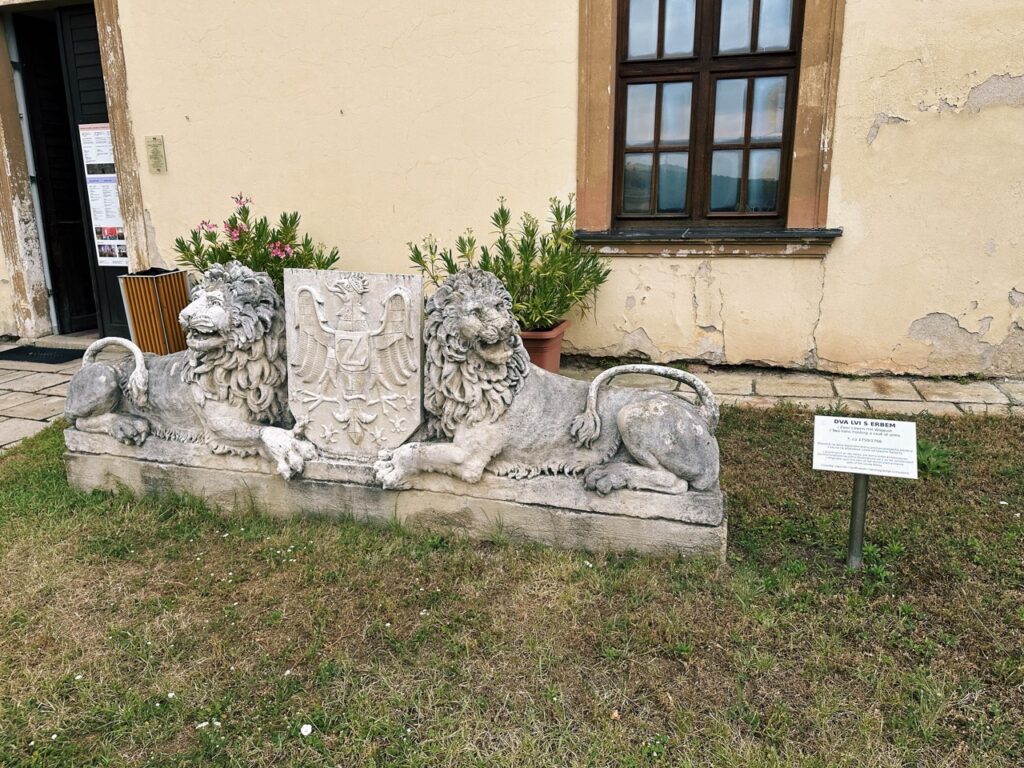
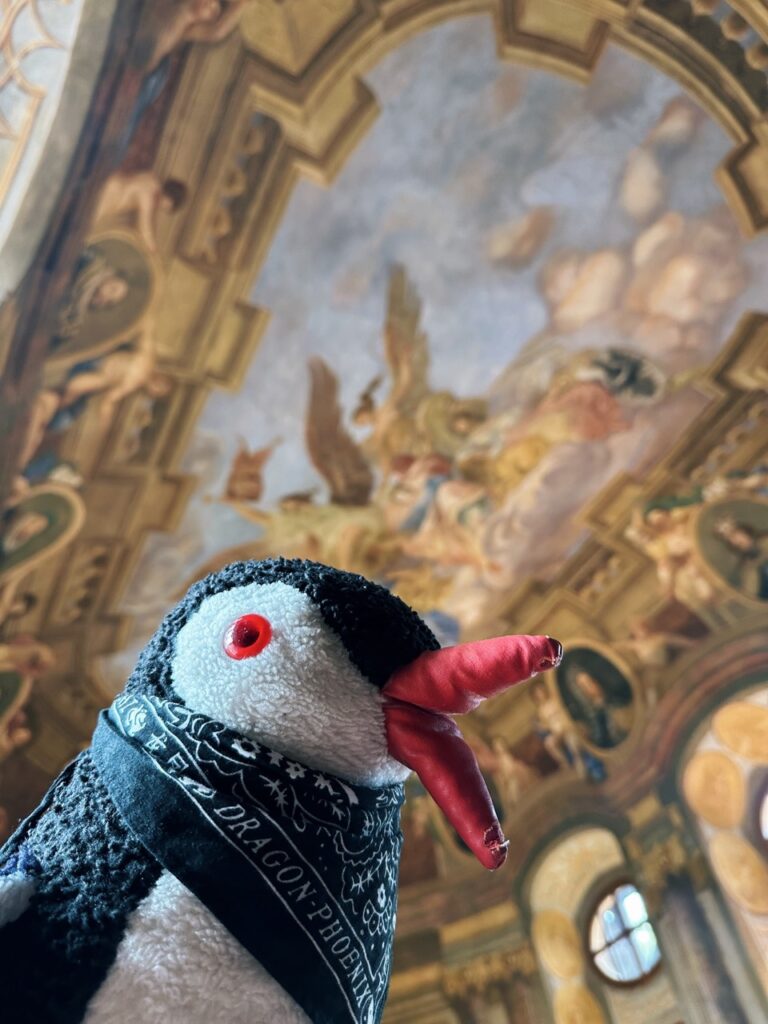
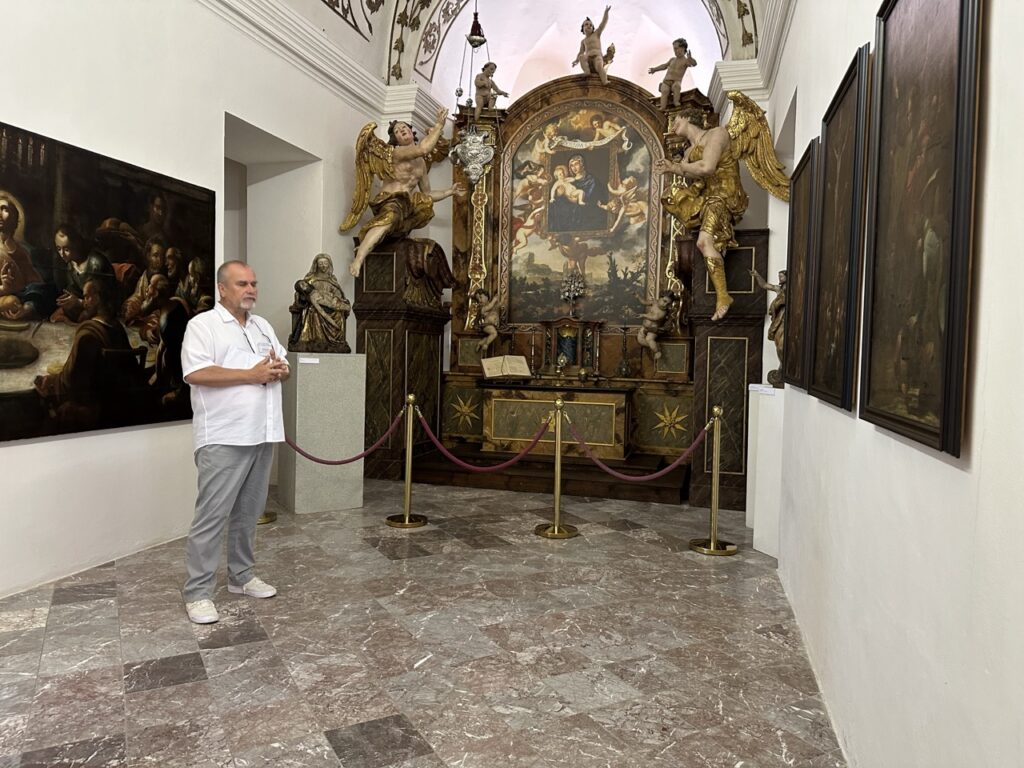
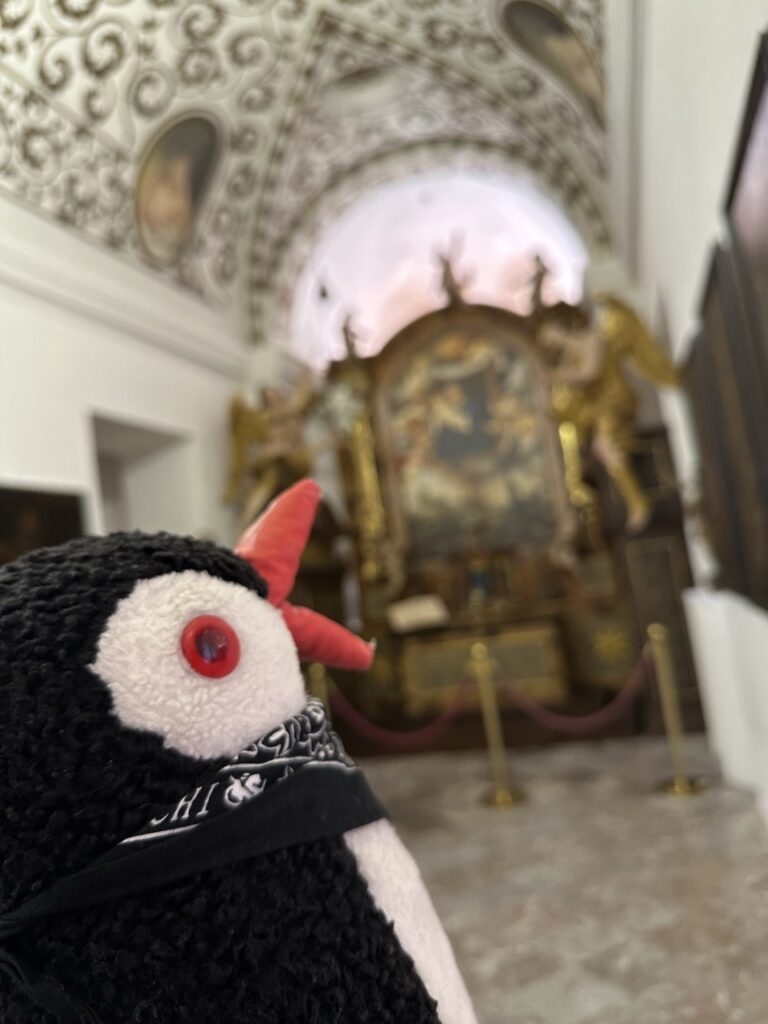
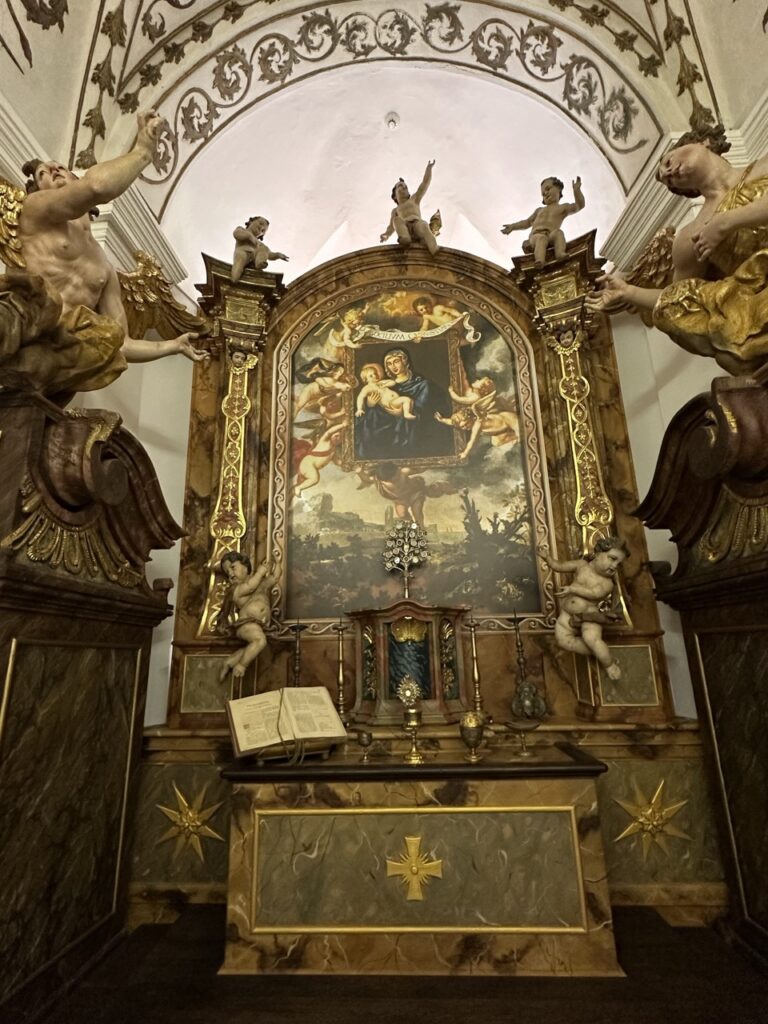
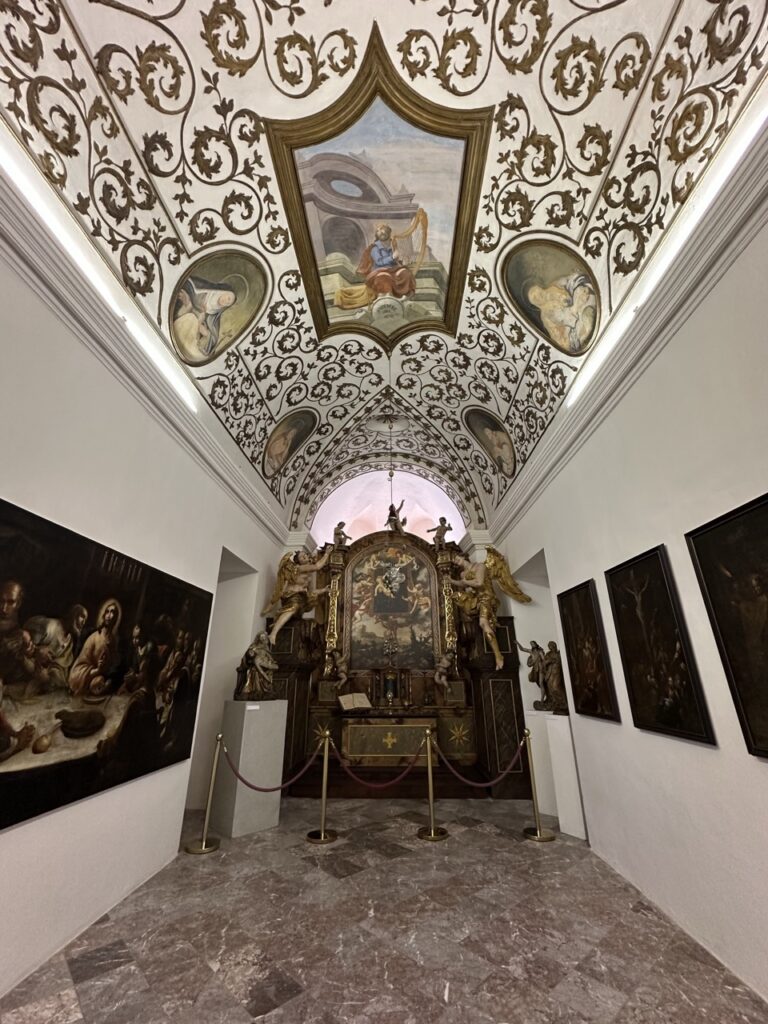
The tour began at the castle chapel, which proved to be the most beautiful room in the entire complex. Small and cool inside, but glowing with detail. The walls were covered in Romanesque frescoes, scenes of early Czech rulers, saints, battles, and symbolic animals, all painted nearly a thousand years ago in deep earthy tones. You could spot members of the Přemyslid dynasty, early founders of the region, each one frozen in time with wide eyes and royal robes. It felt more like stepping into a storybook than a church. The guide pointed out symbols that we would have missed, and even though the explanations were in Czech, she handed out a printed English sheet that helped piece everything together. Honestly, that one room made the whole visit worth it.
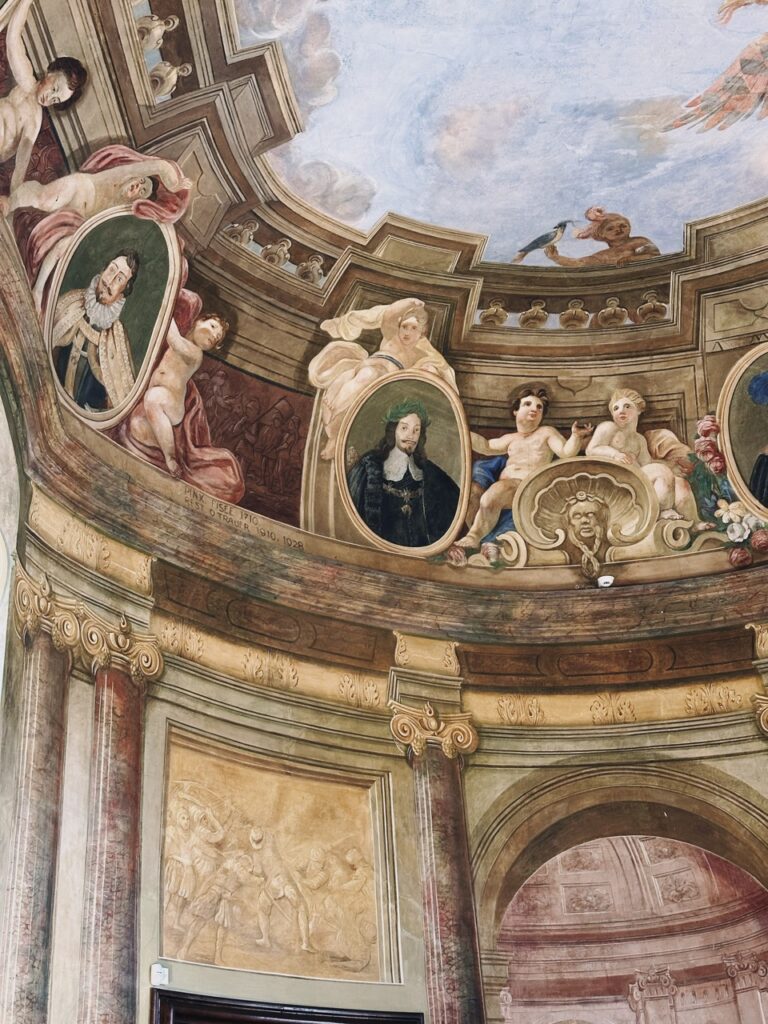
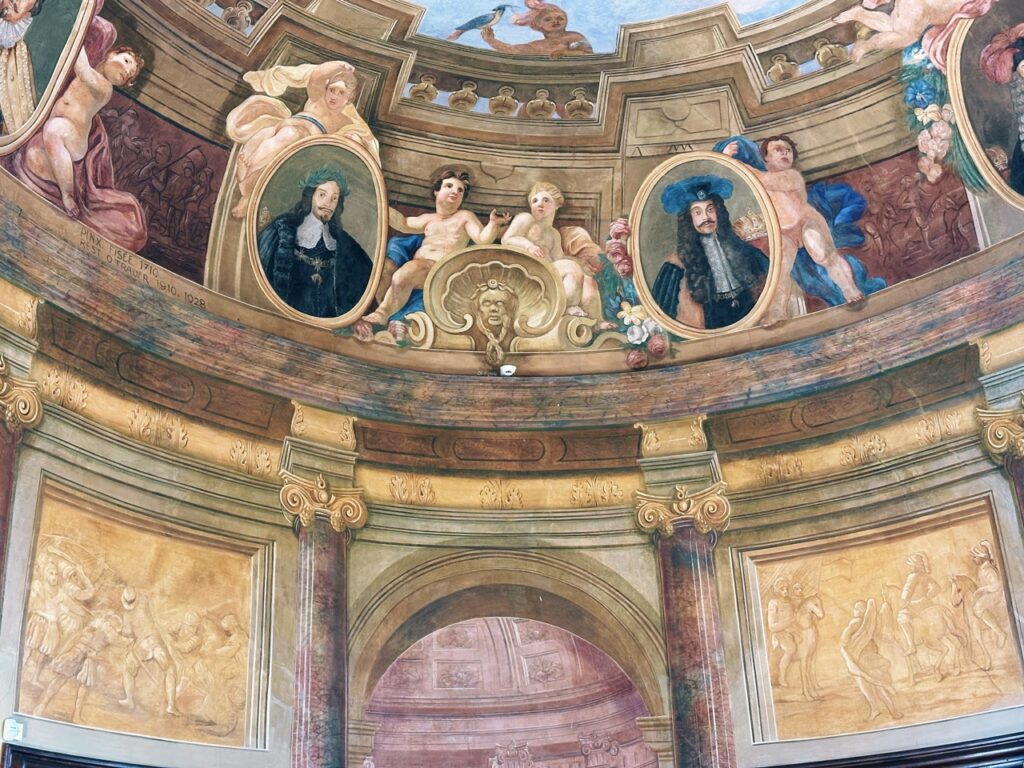
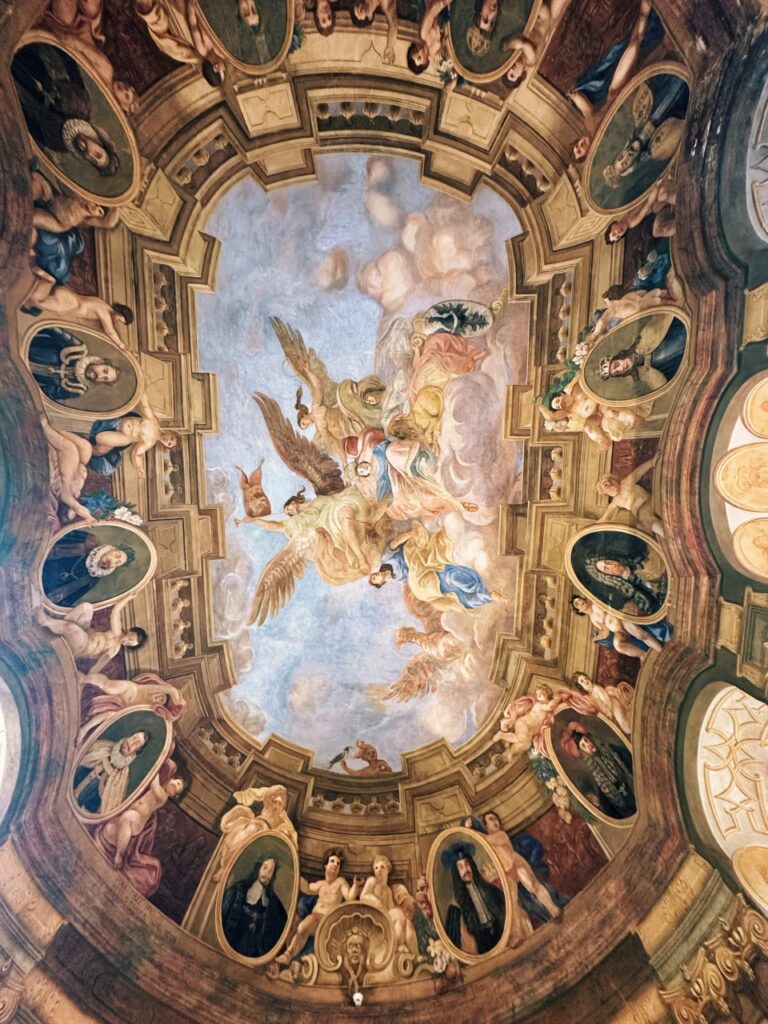
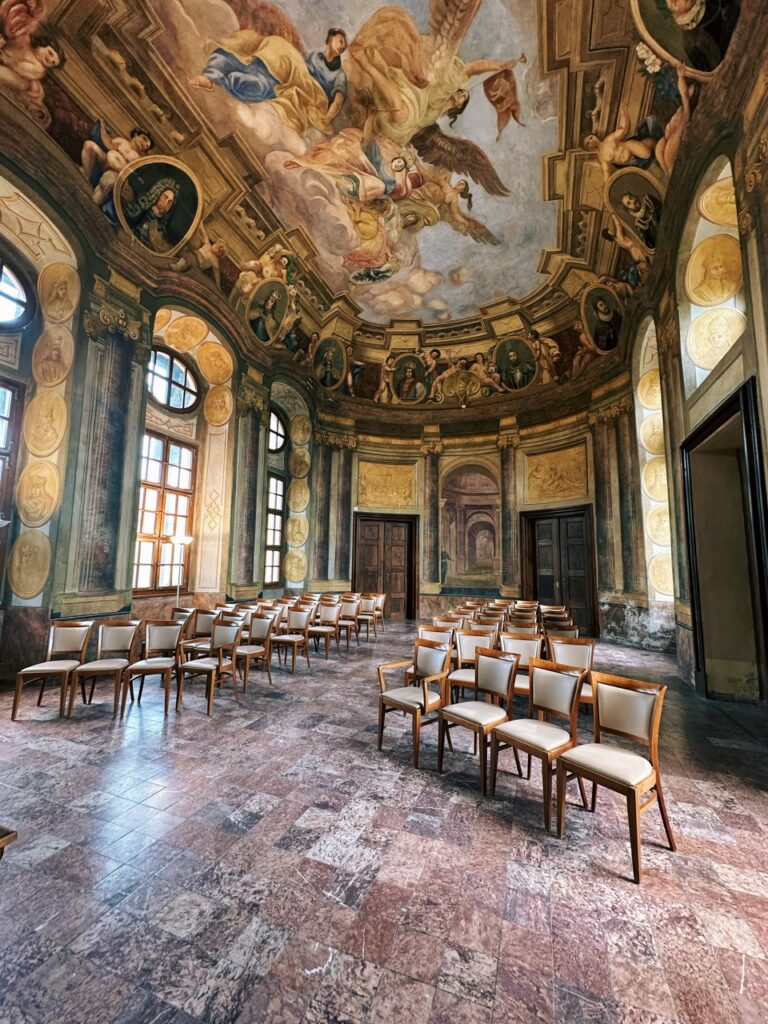
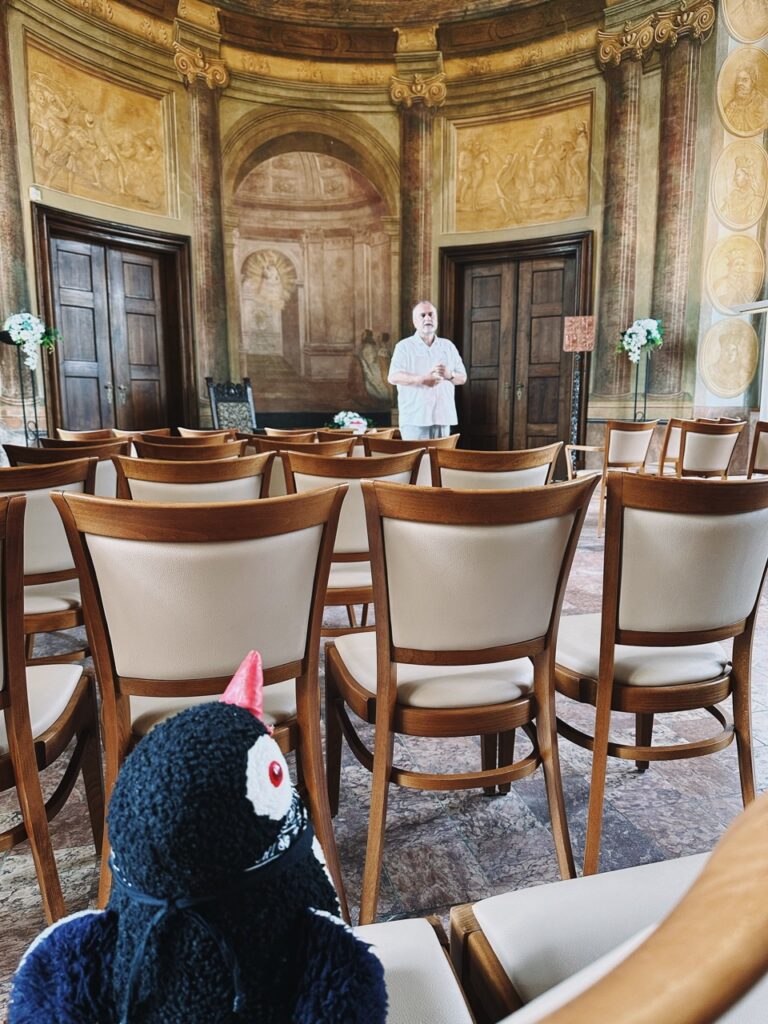
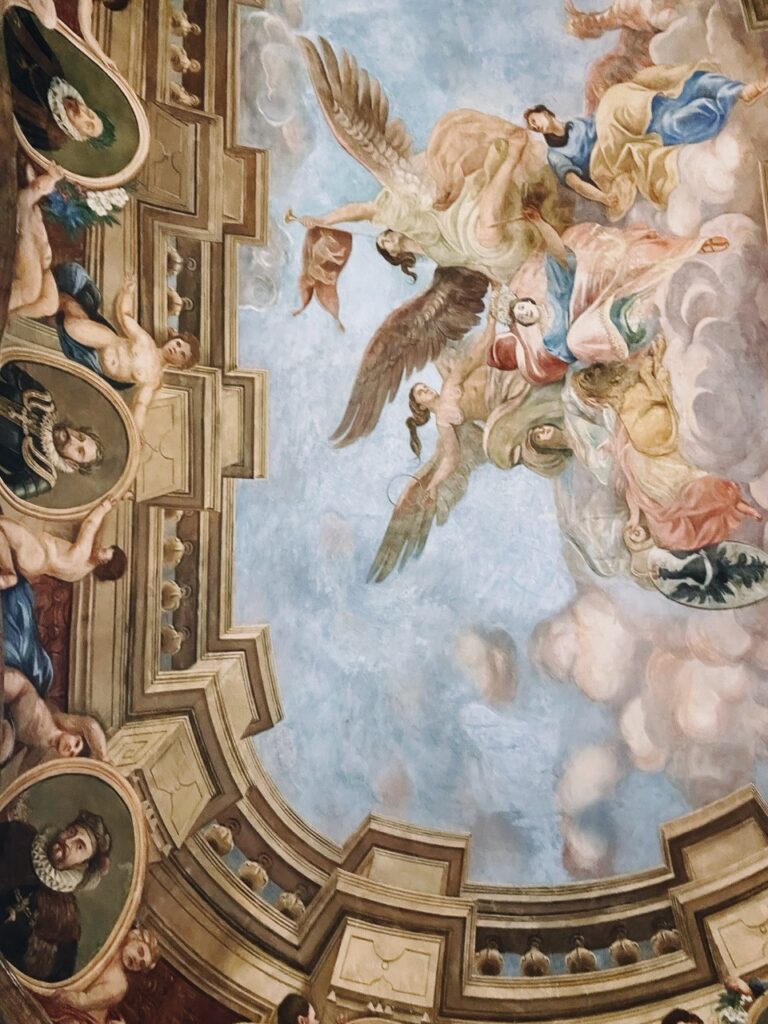
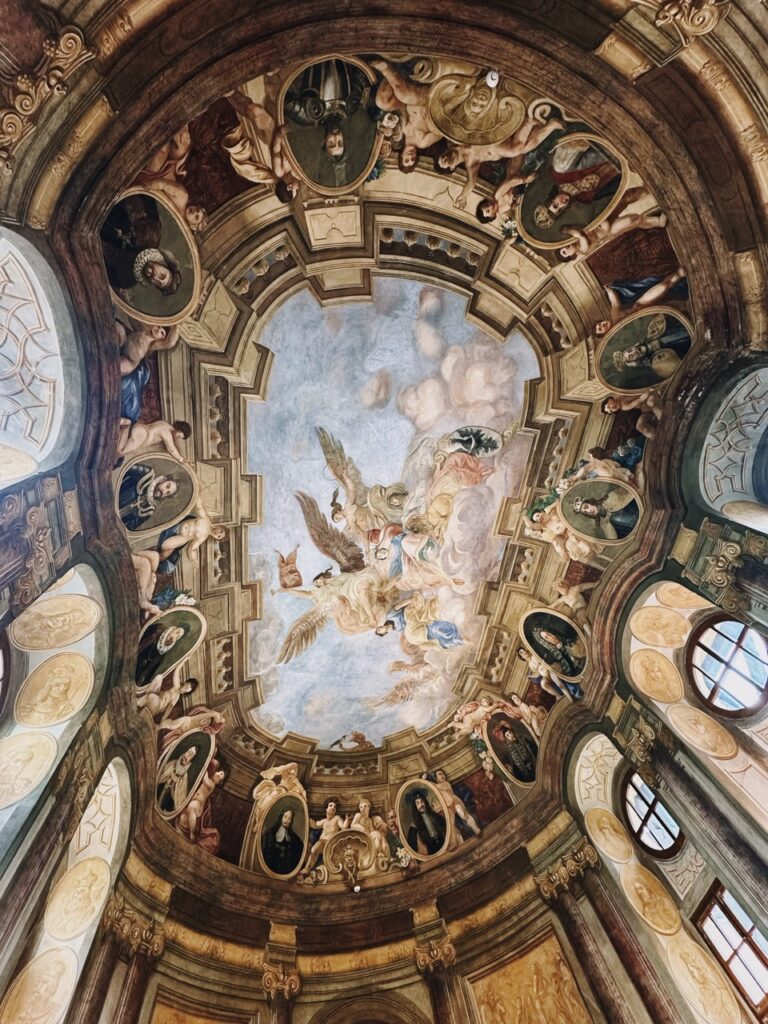
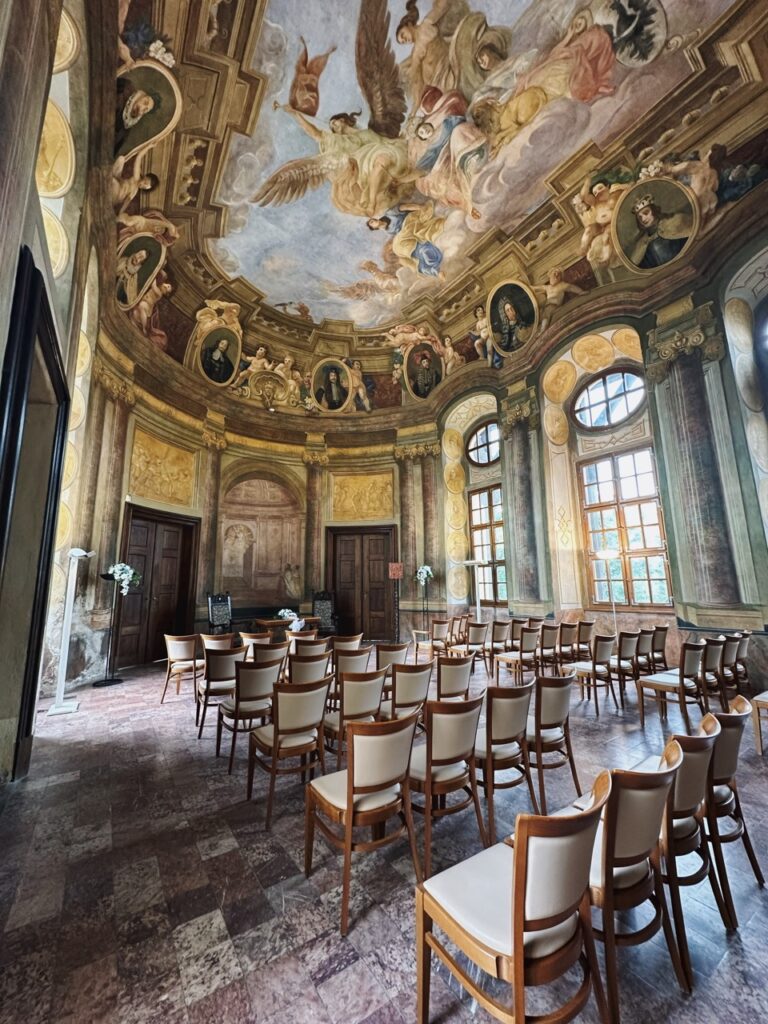
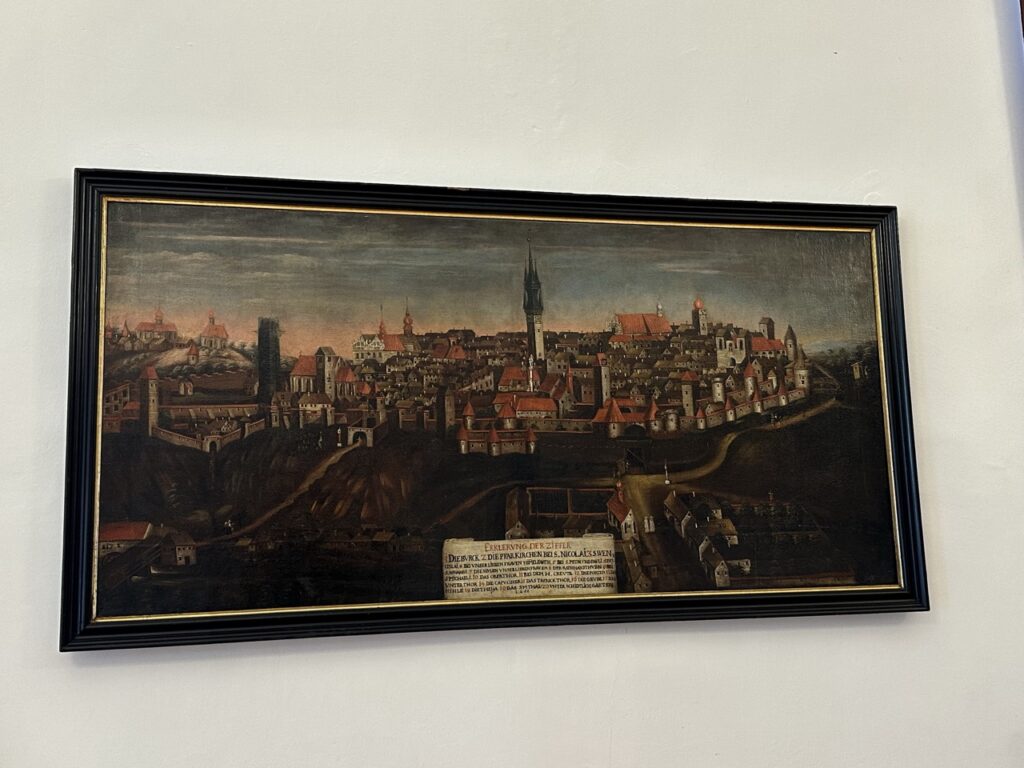
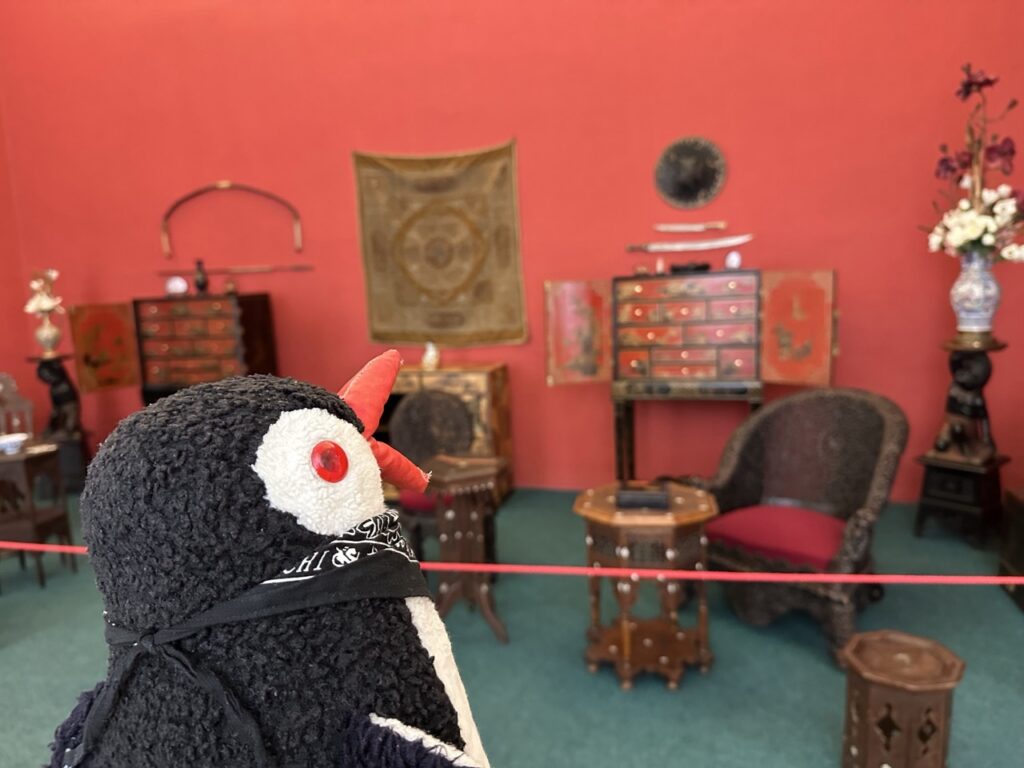
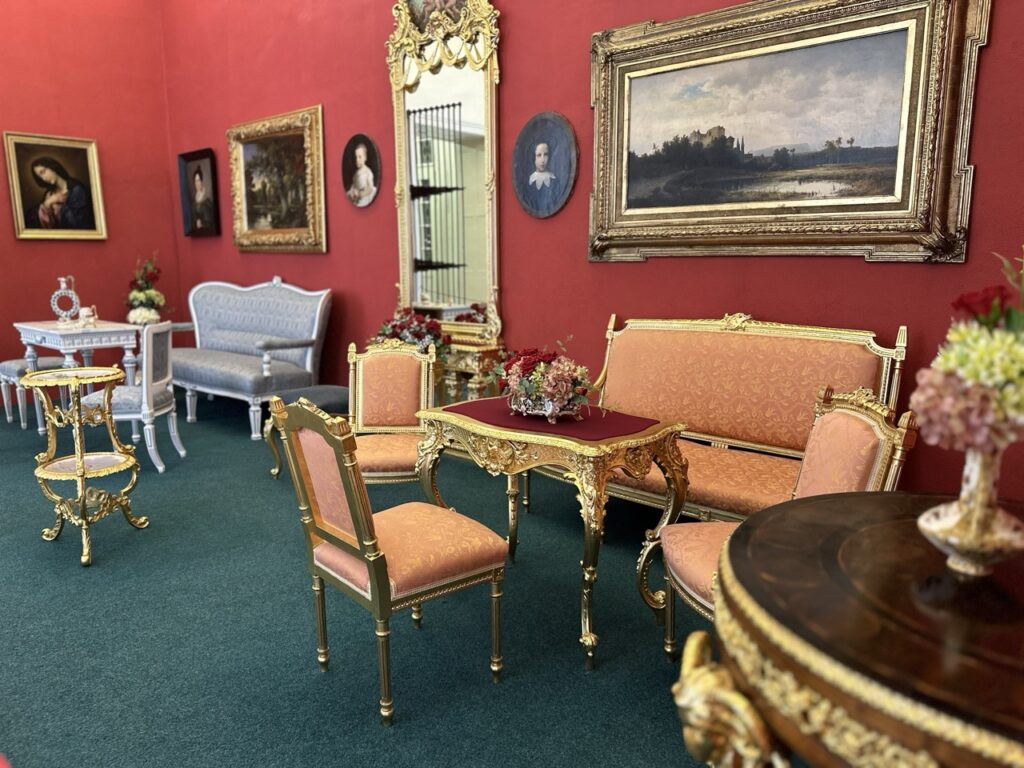
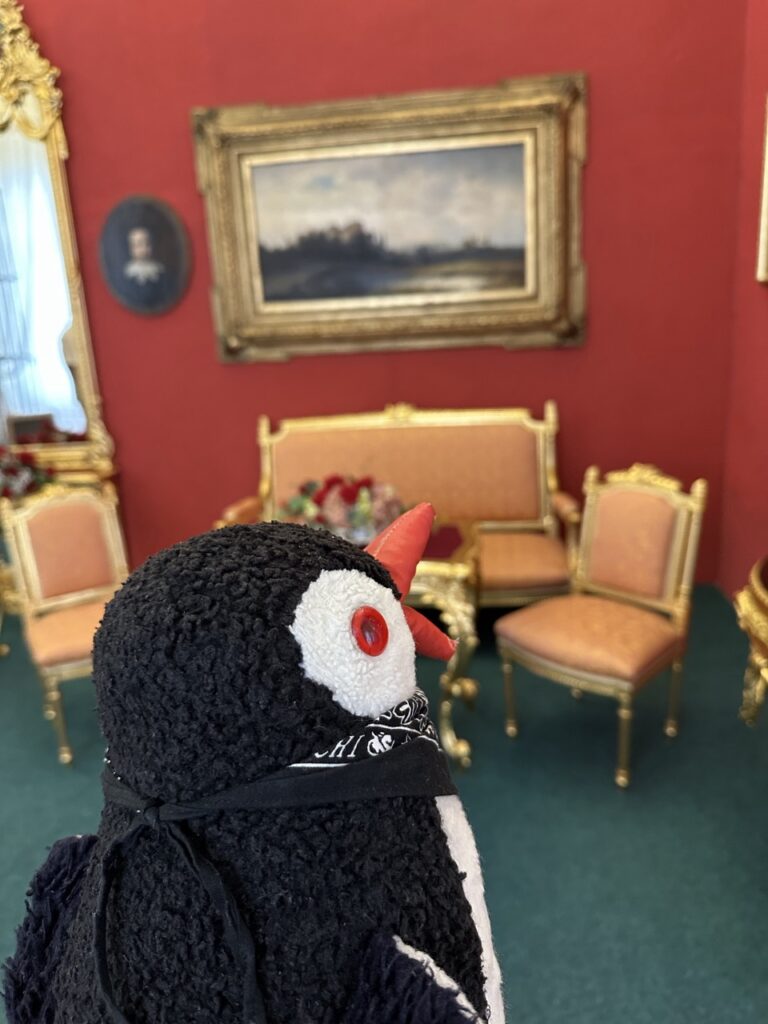
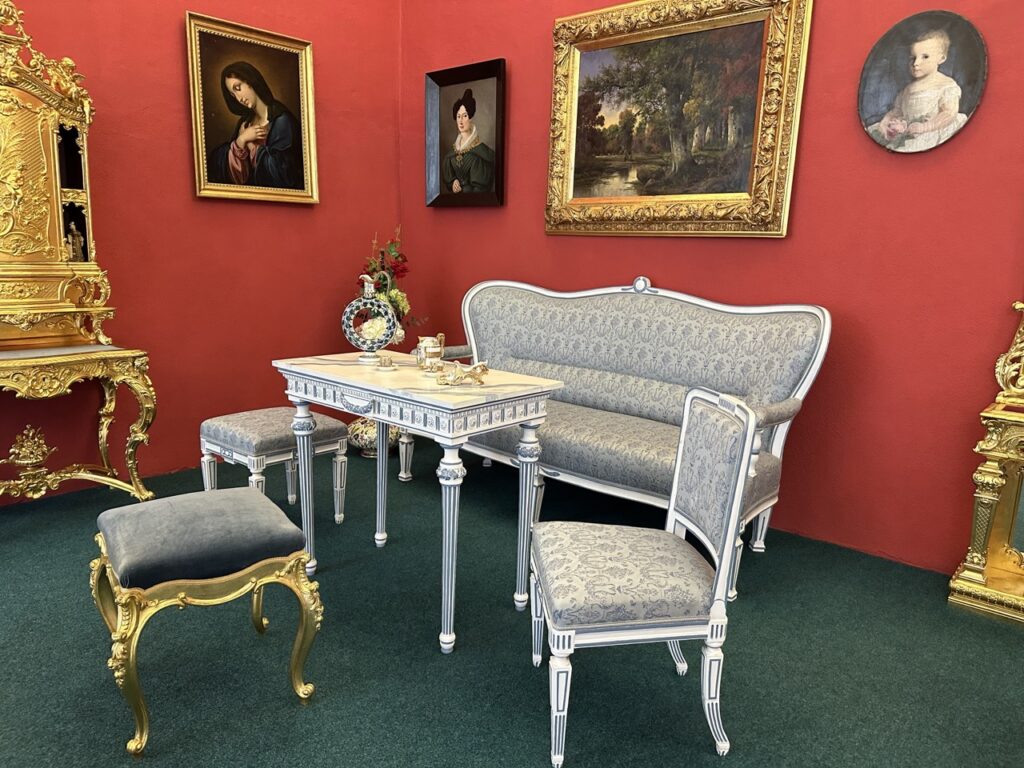
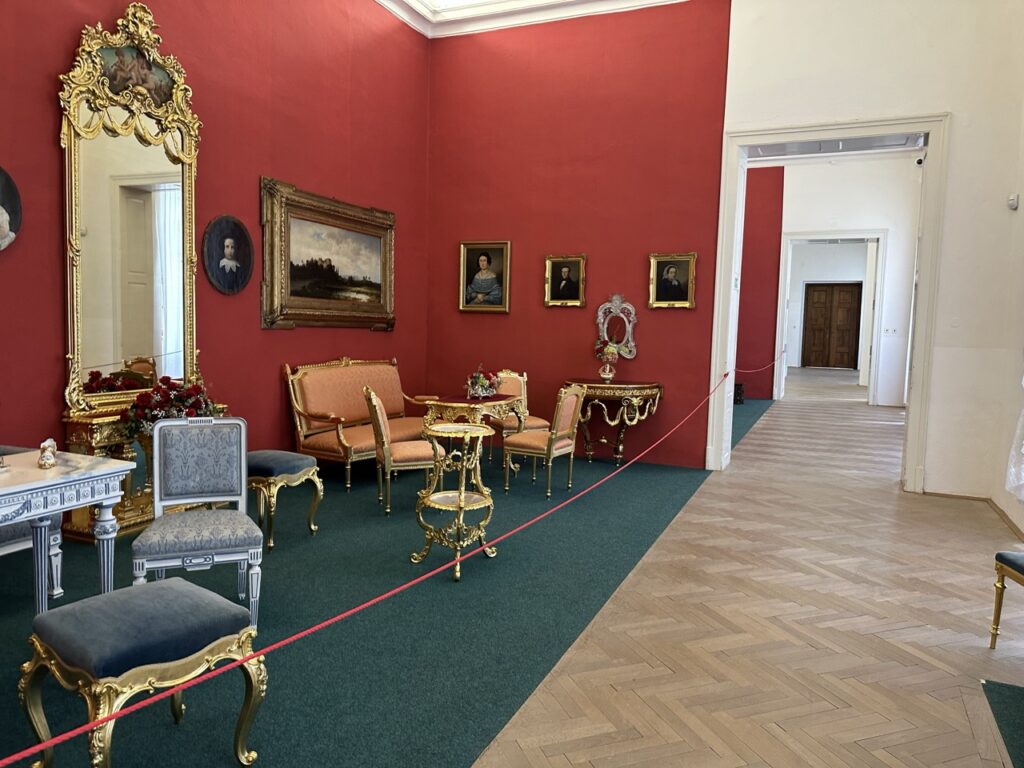
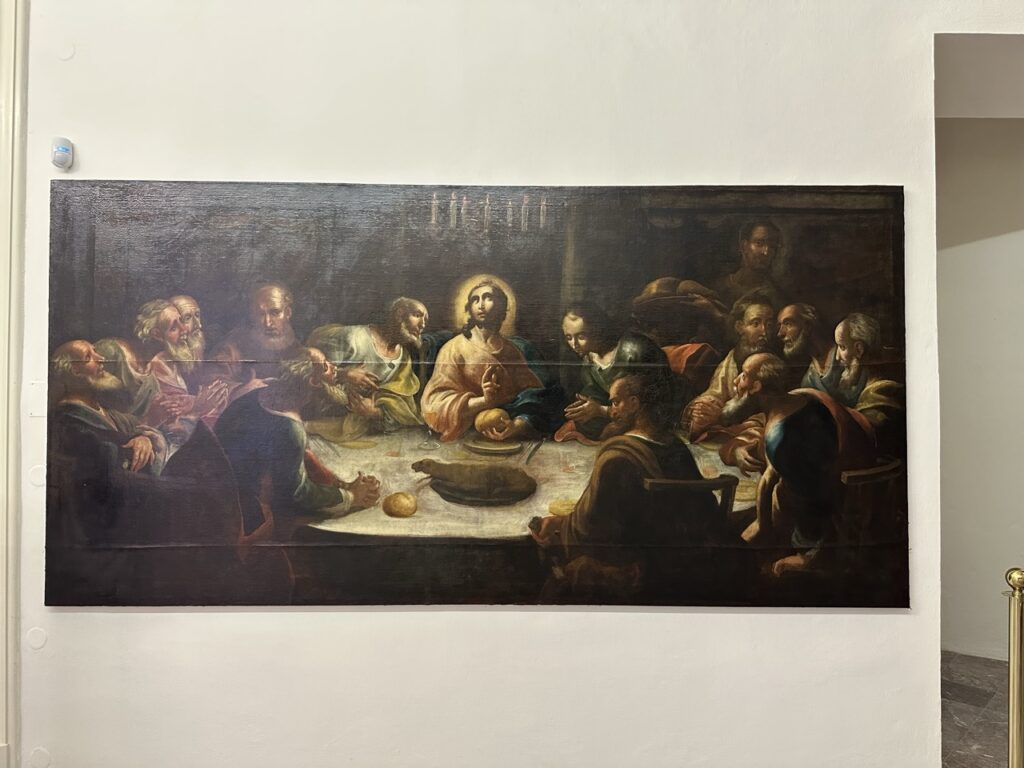
After the chapel, the tour proceeded to the next part of the castle, where several small exhibitions were set up across different rooms. Each space had its focus, and together they painted a picture of how the castle and the region evolved. We saw weapons and armor, including rusted swords, chainmail, and replicas of tools once used for castle defense.
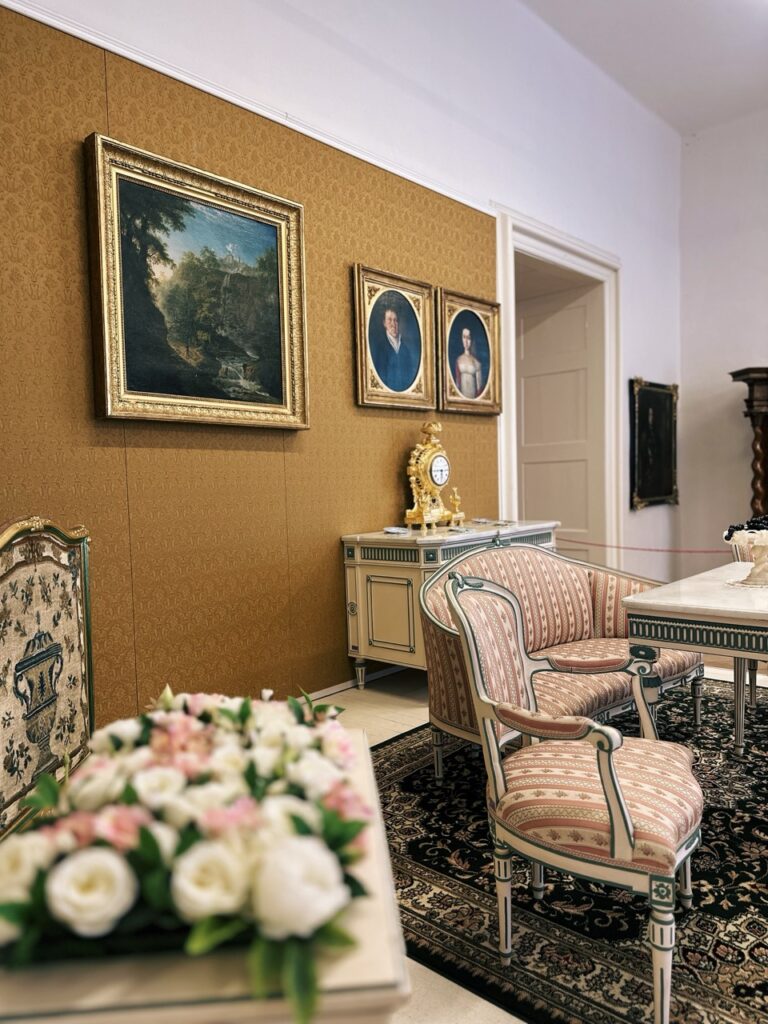
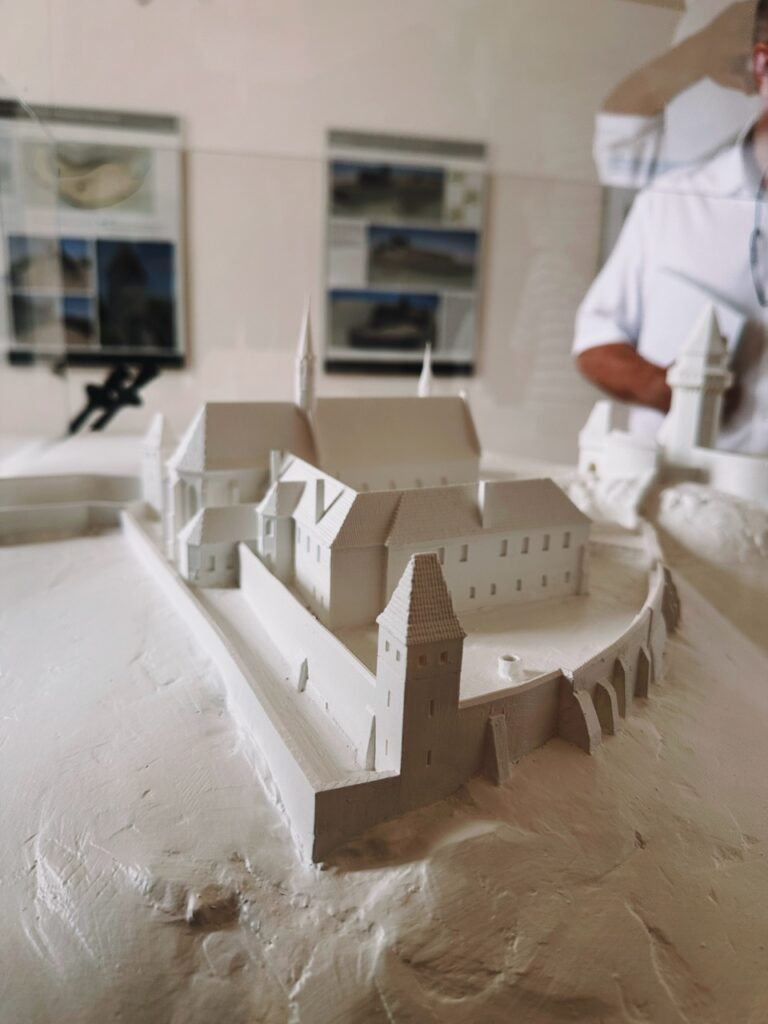
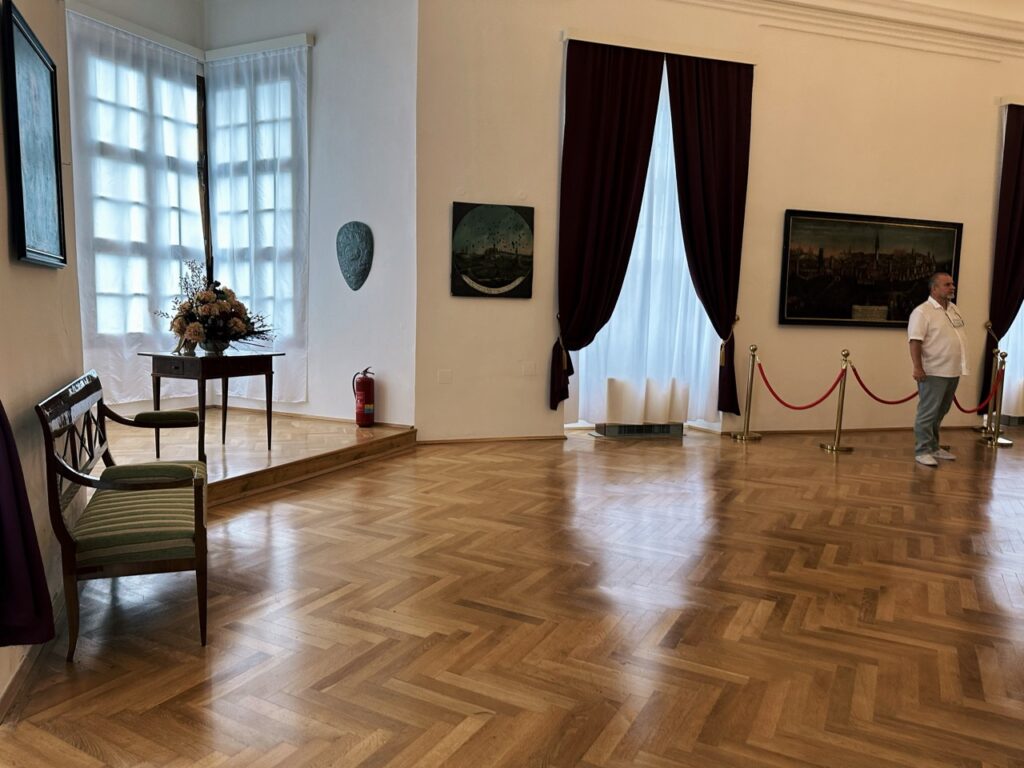
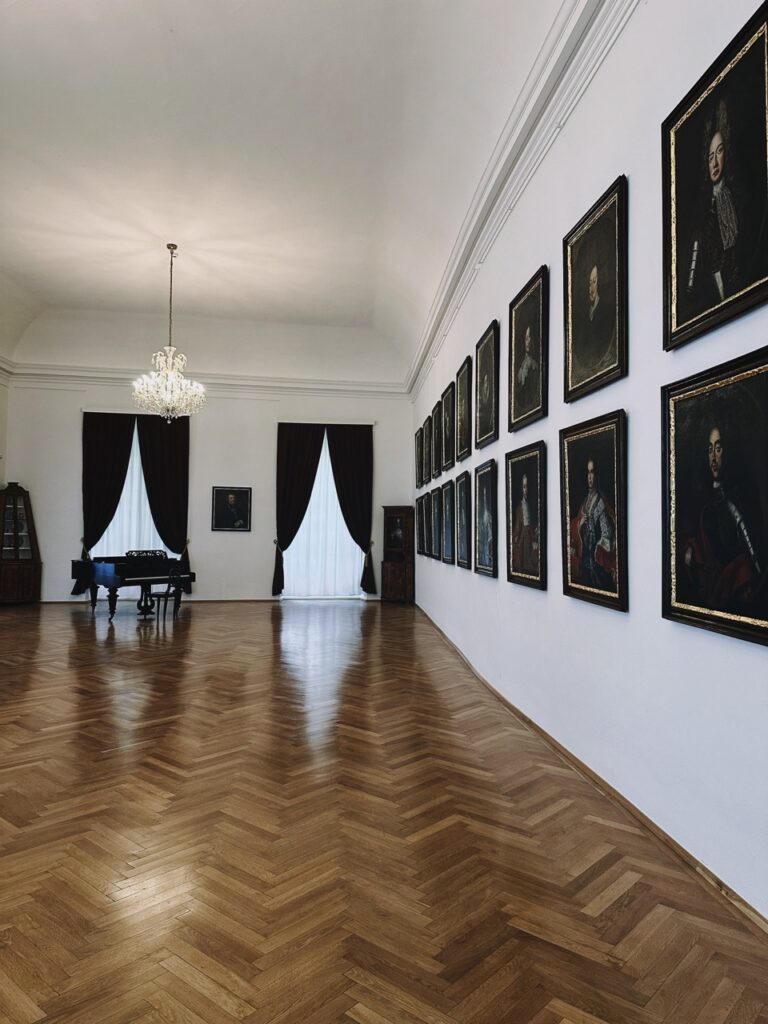
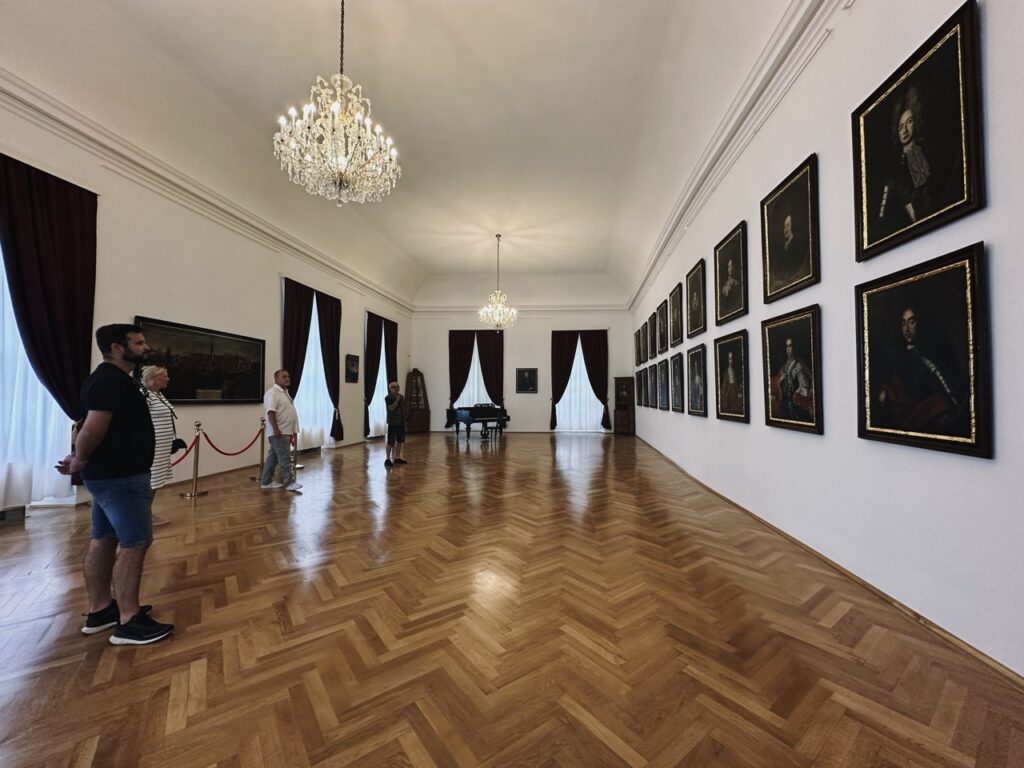
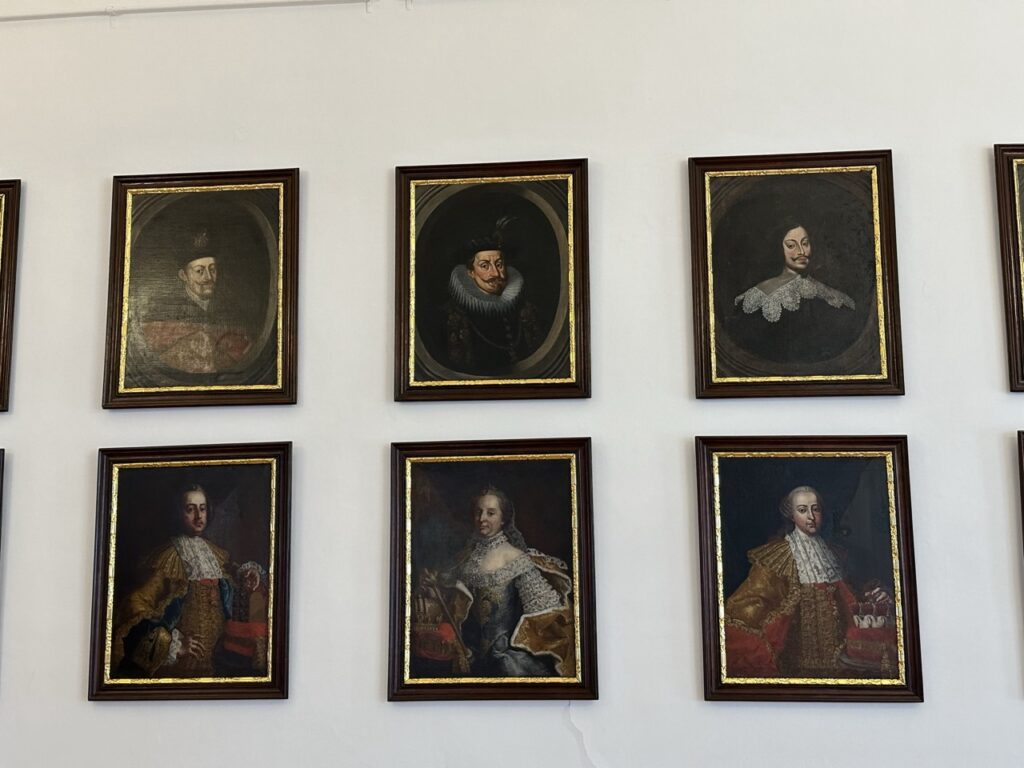
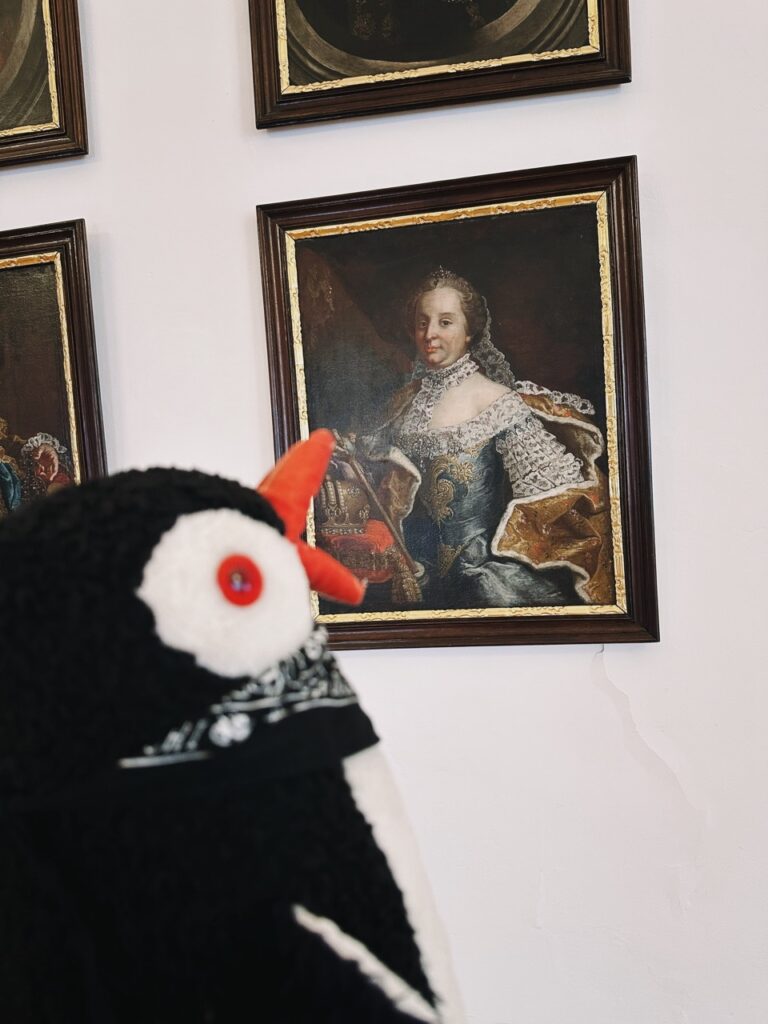
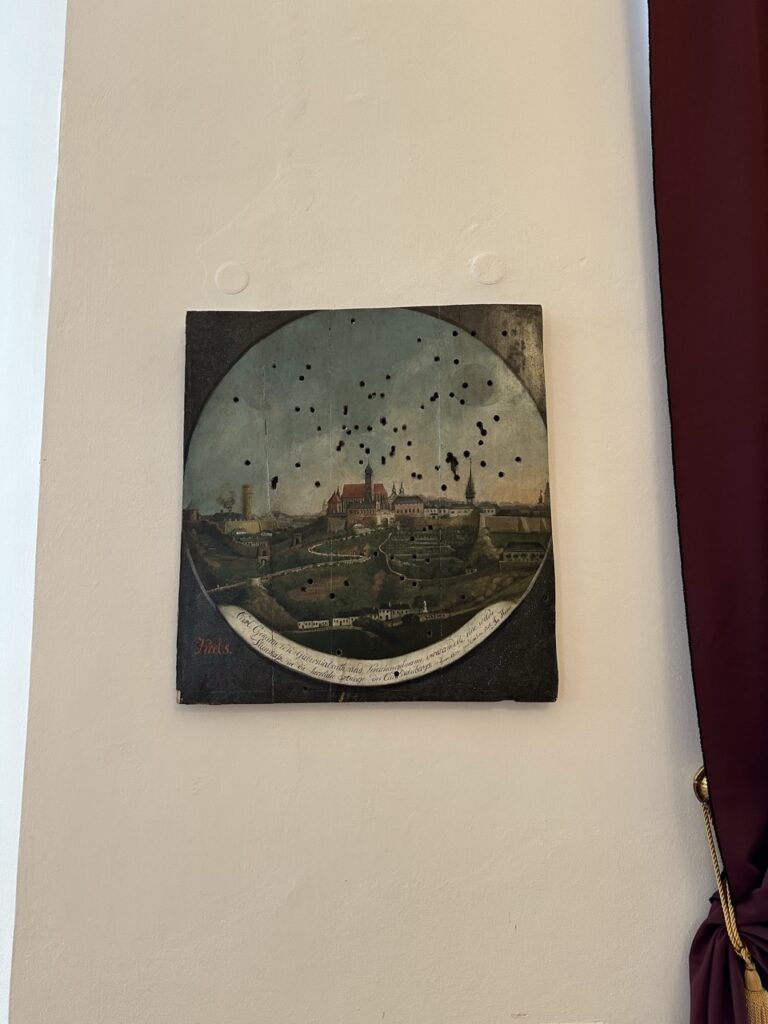
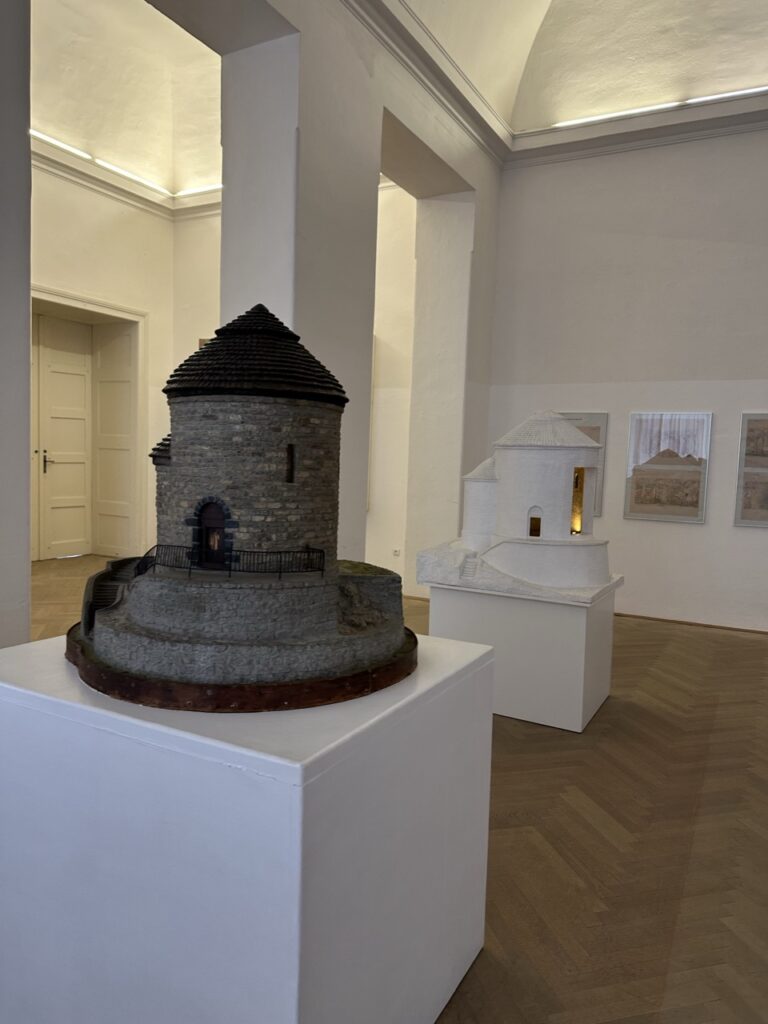
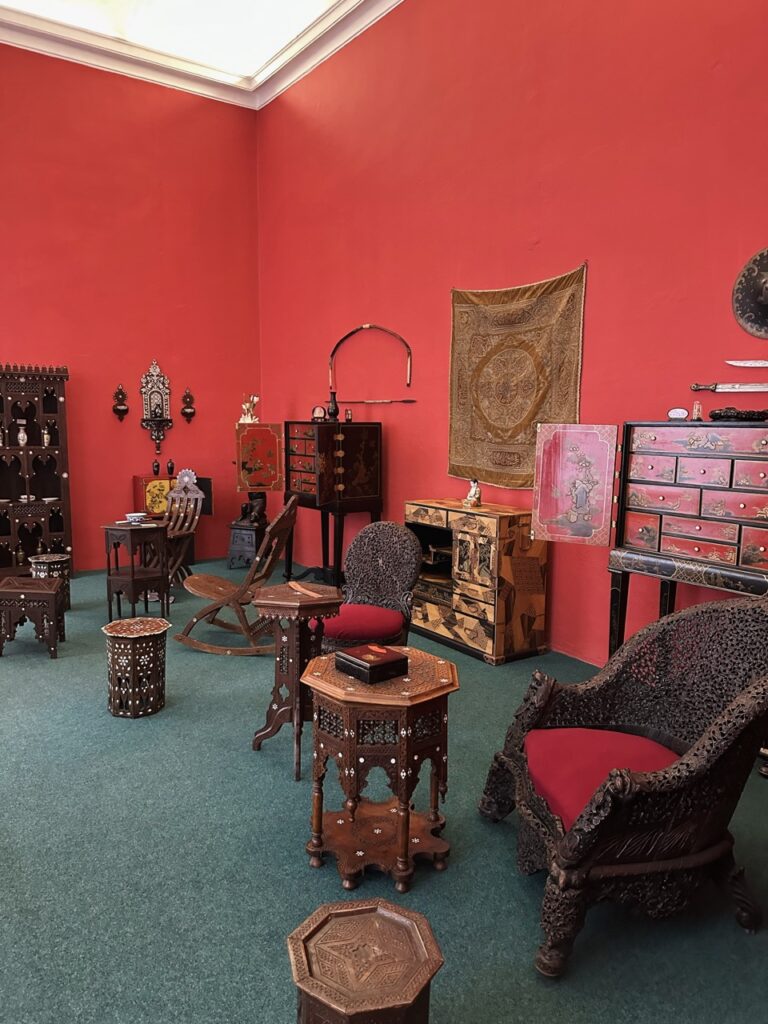
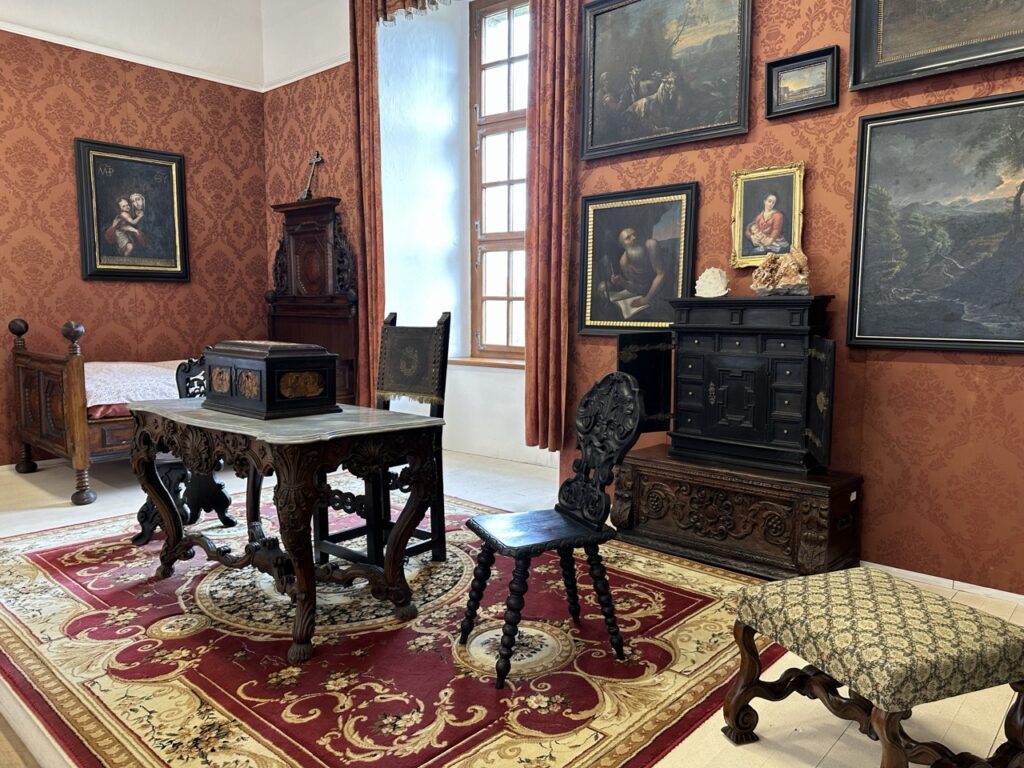
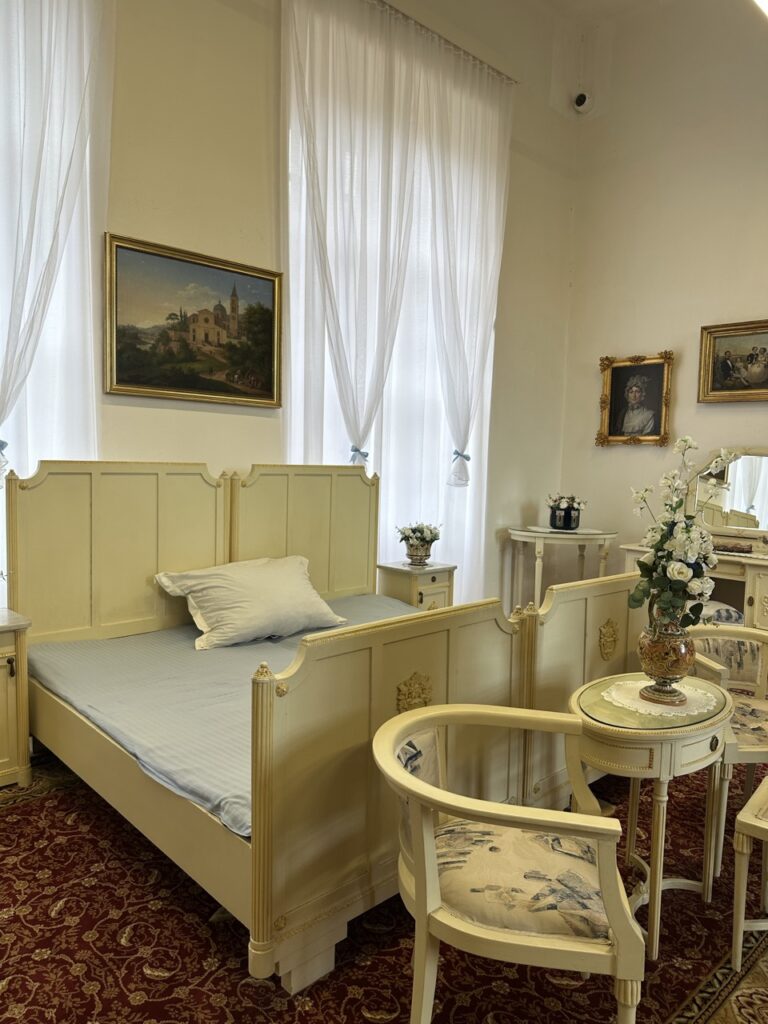
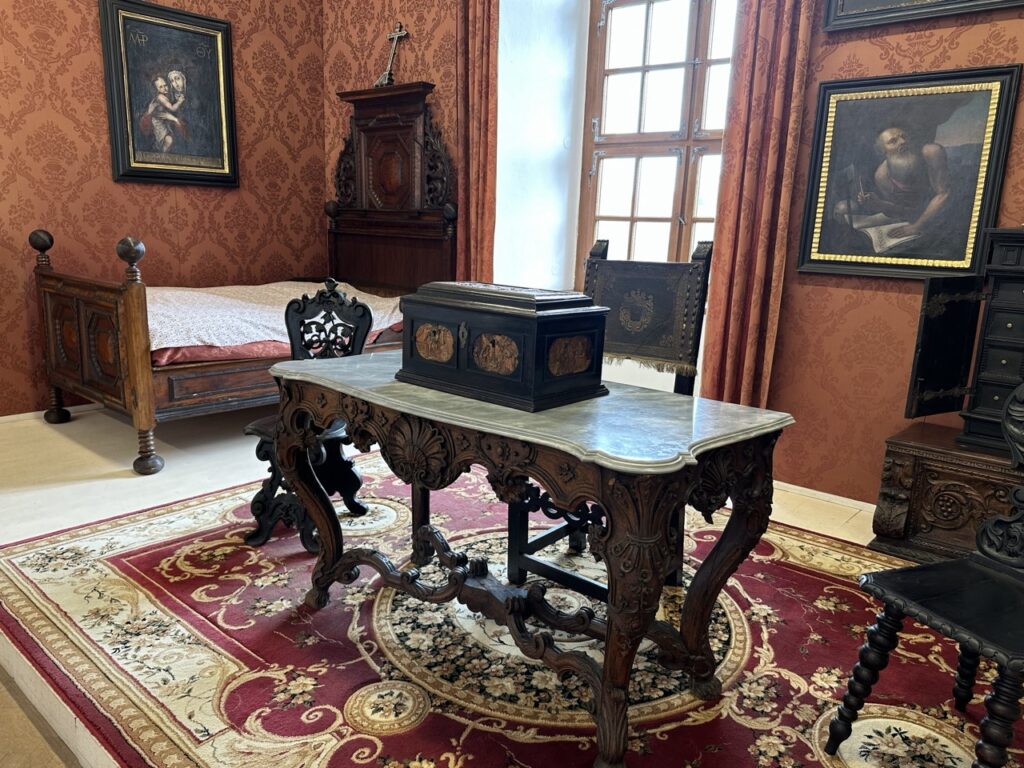
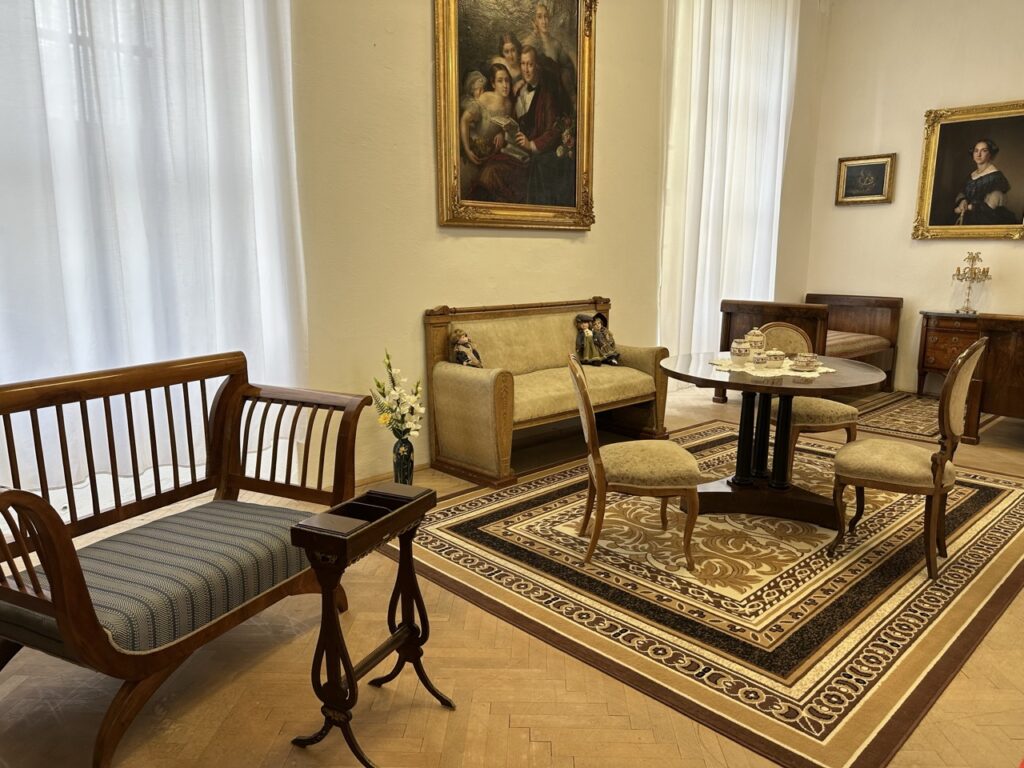
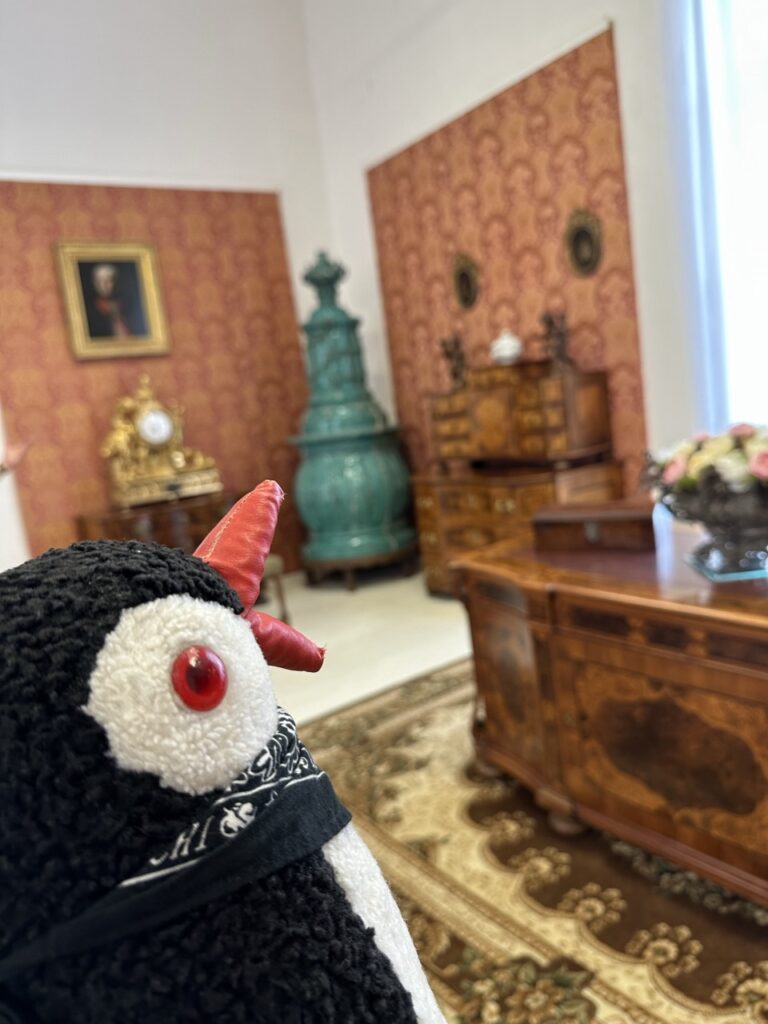
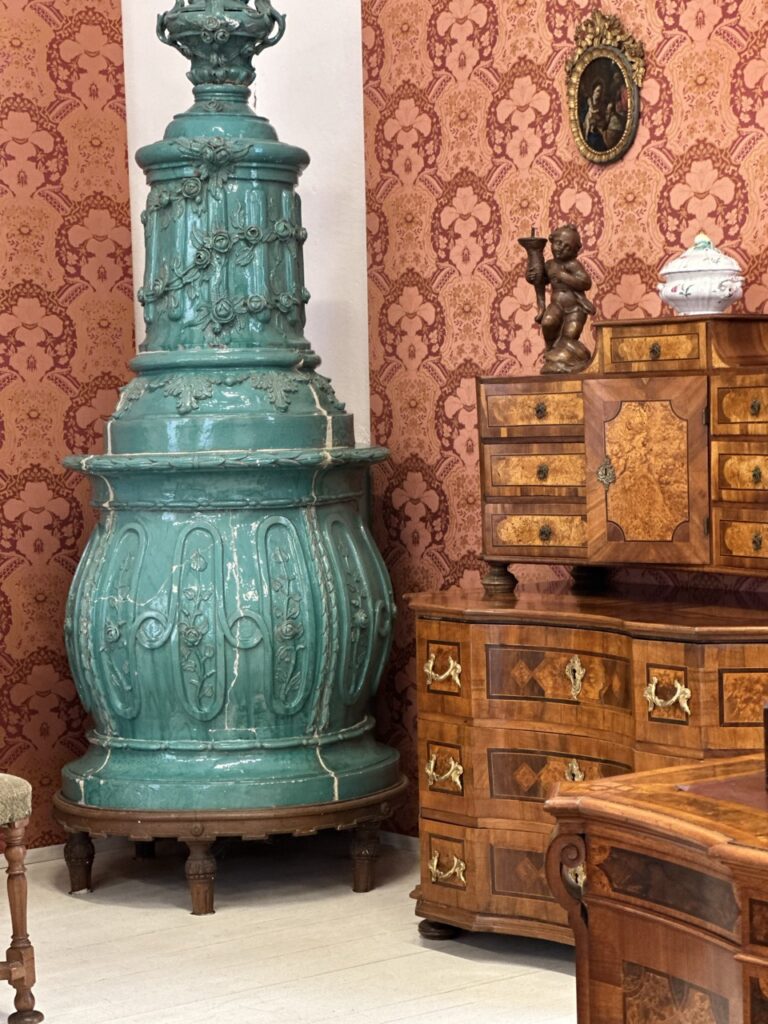
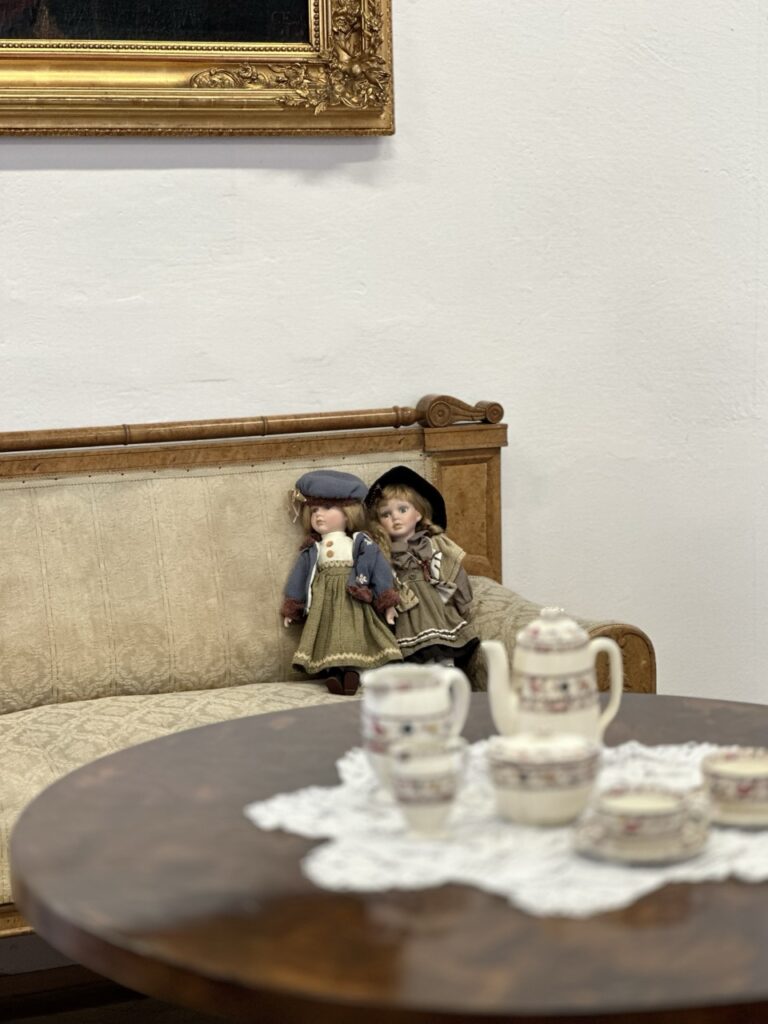
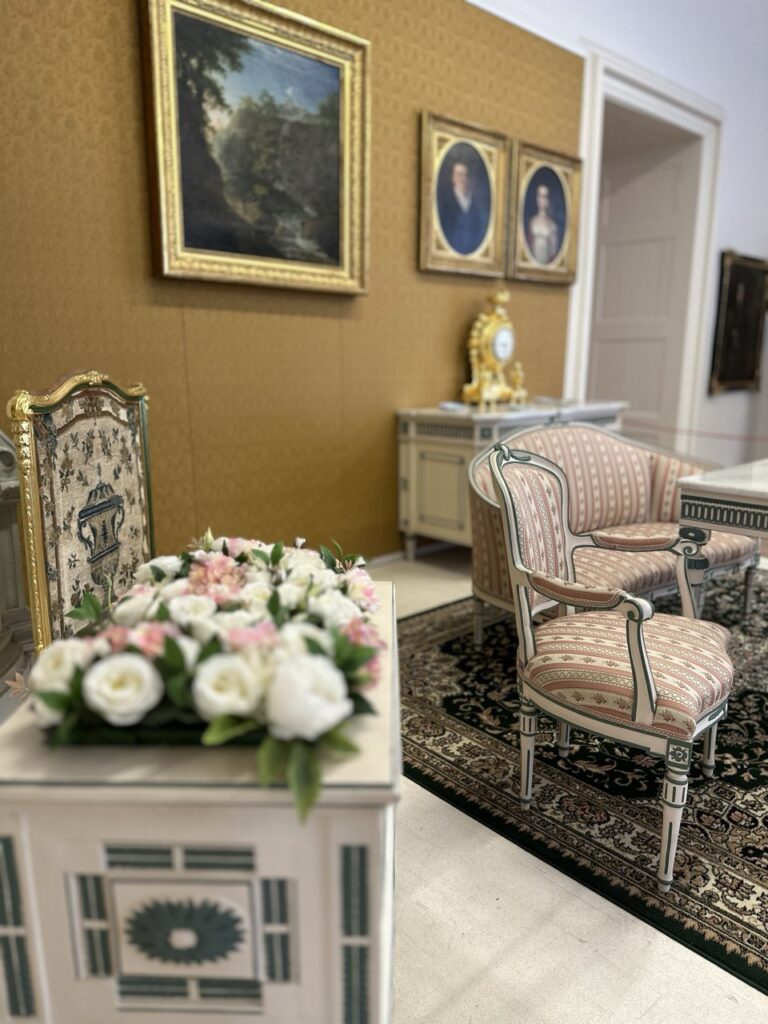
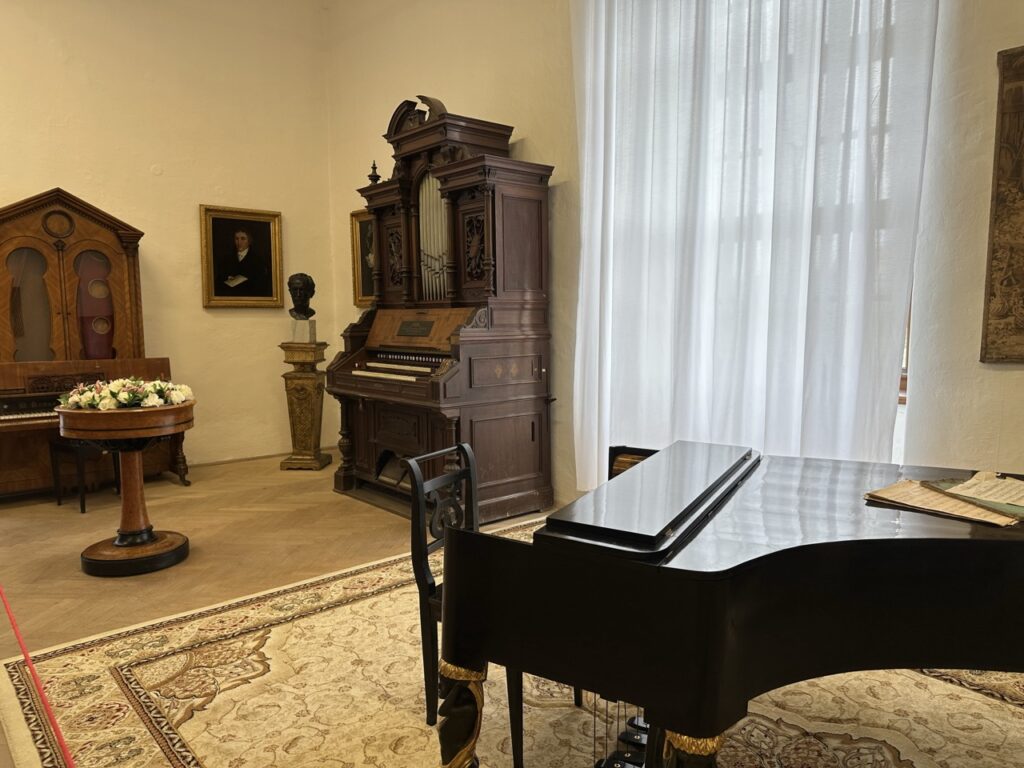
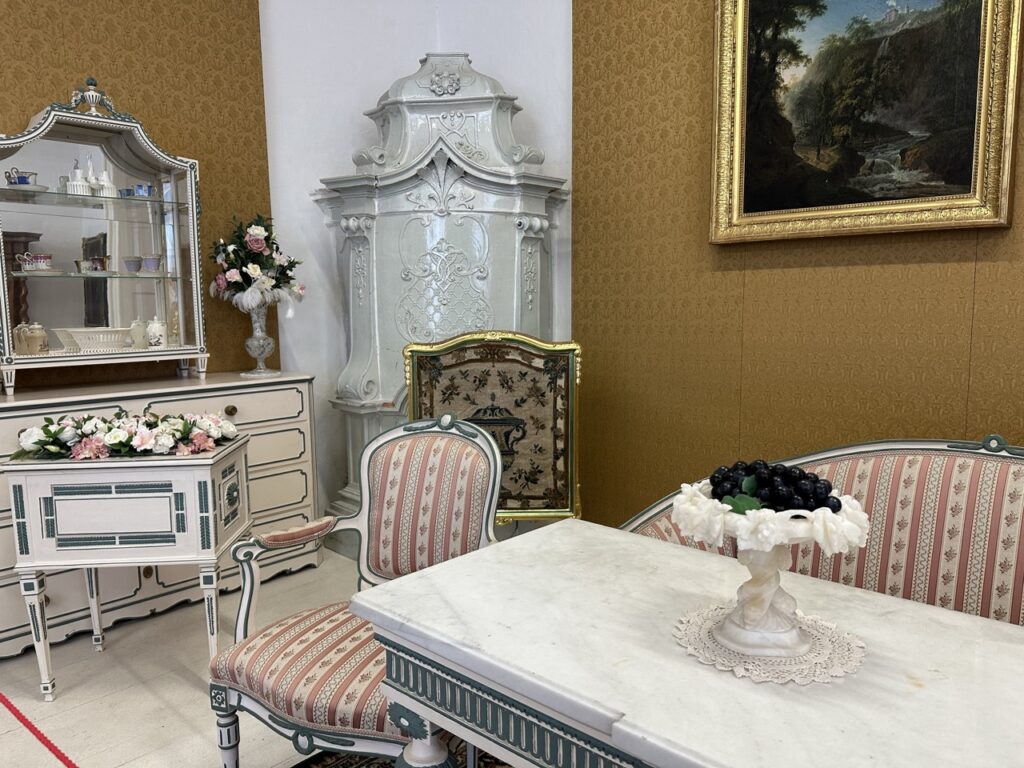
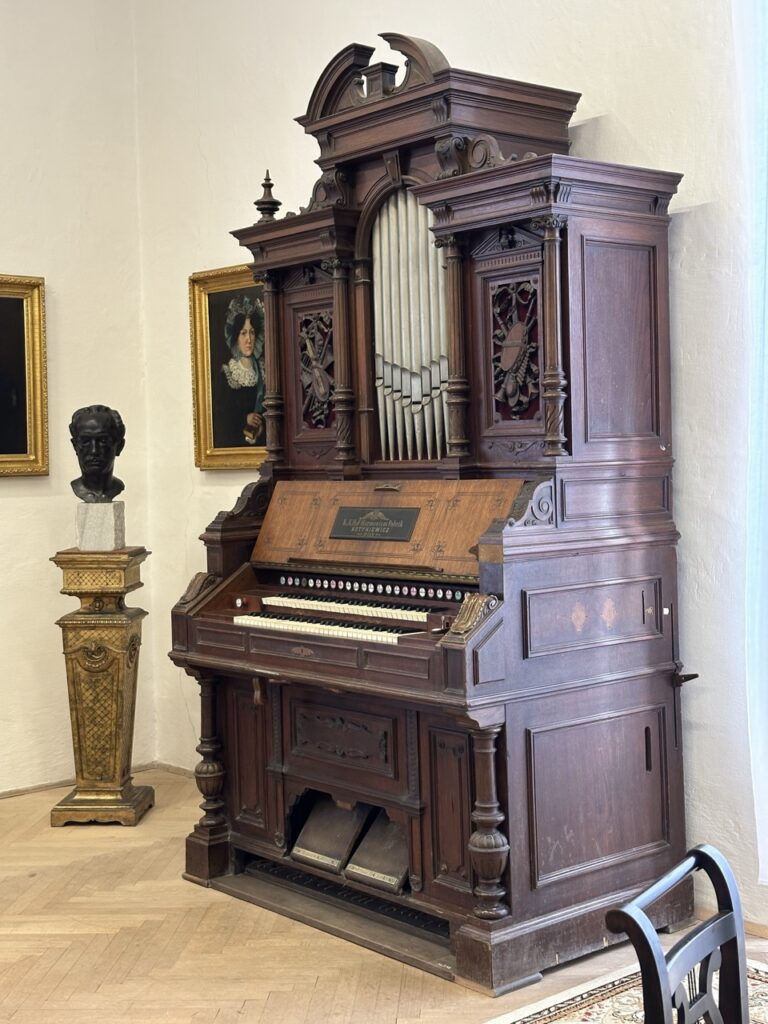
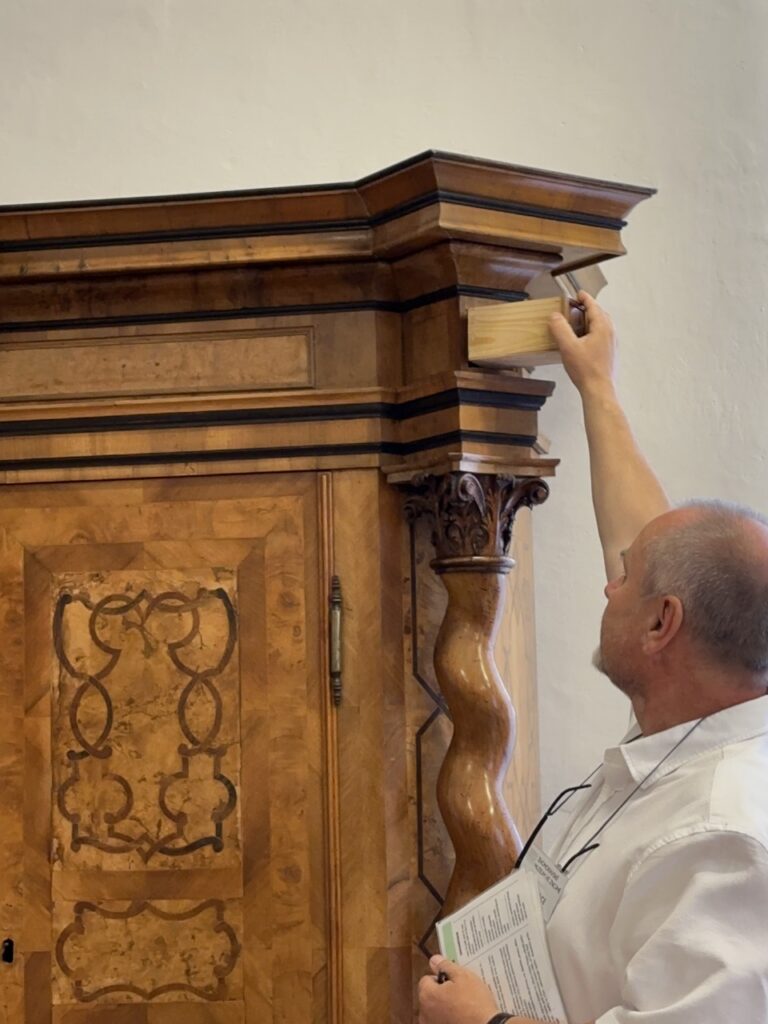
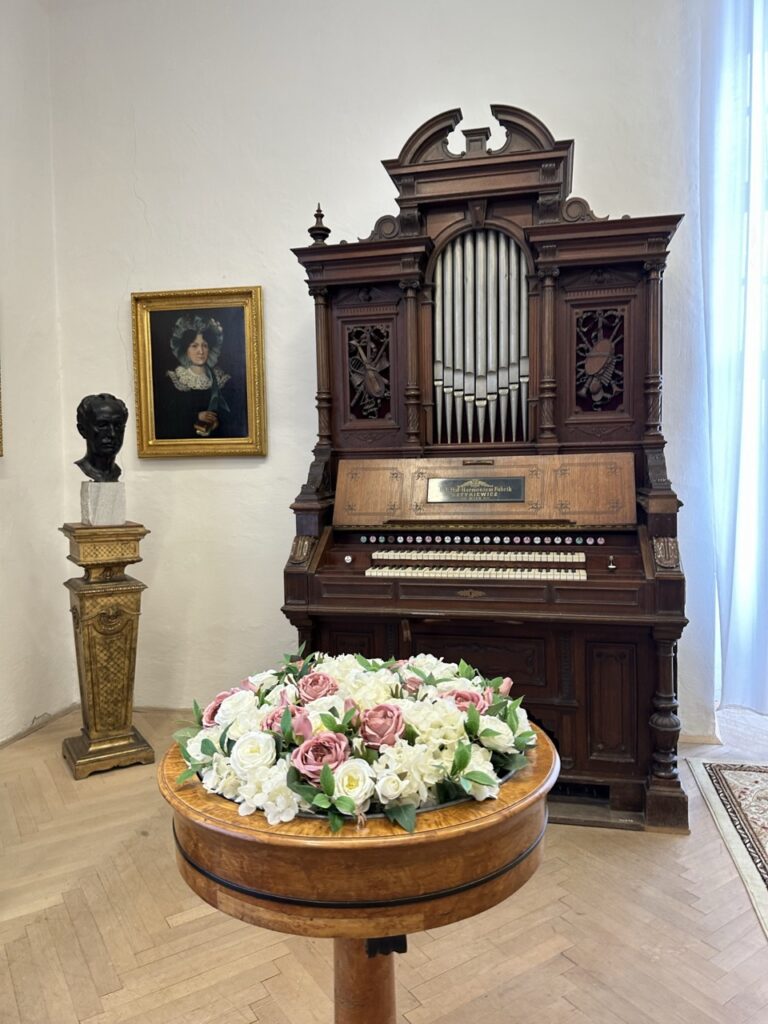
There were also models of the castle layout, showing how it appeared in different centuries, and portraits of Czech nobility who once ruled from this location. A few exhibits covered local legends, old maps, and the transition of the castle from a military stronghold to a brewery centuries later. The majority of the exhibition consisted of donations that were arranged to give you an idea of what the rooms looked like. One interesting fact was that the white room was only recently donated from a local family that used it till now.
Tours and tickets from ViatorShows Viator’s own box, which can set Viator cookies.
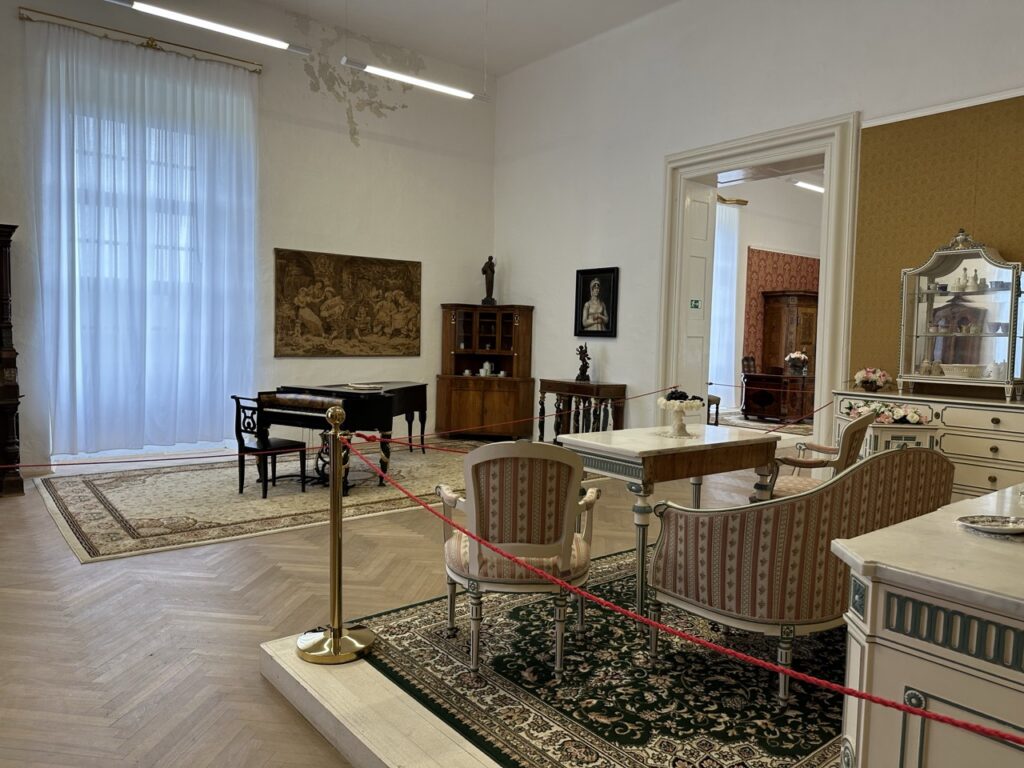
Hugo Lederer Exhibition
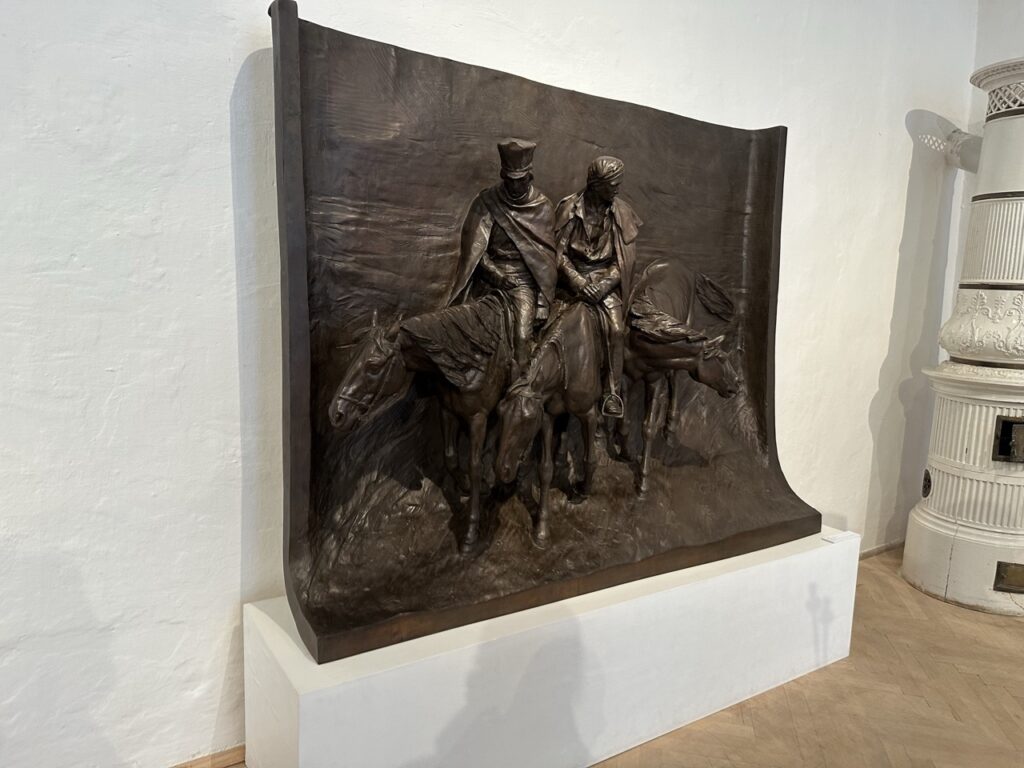
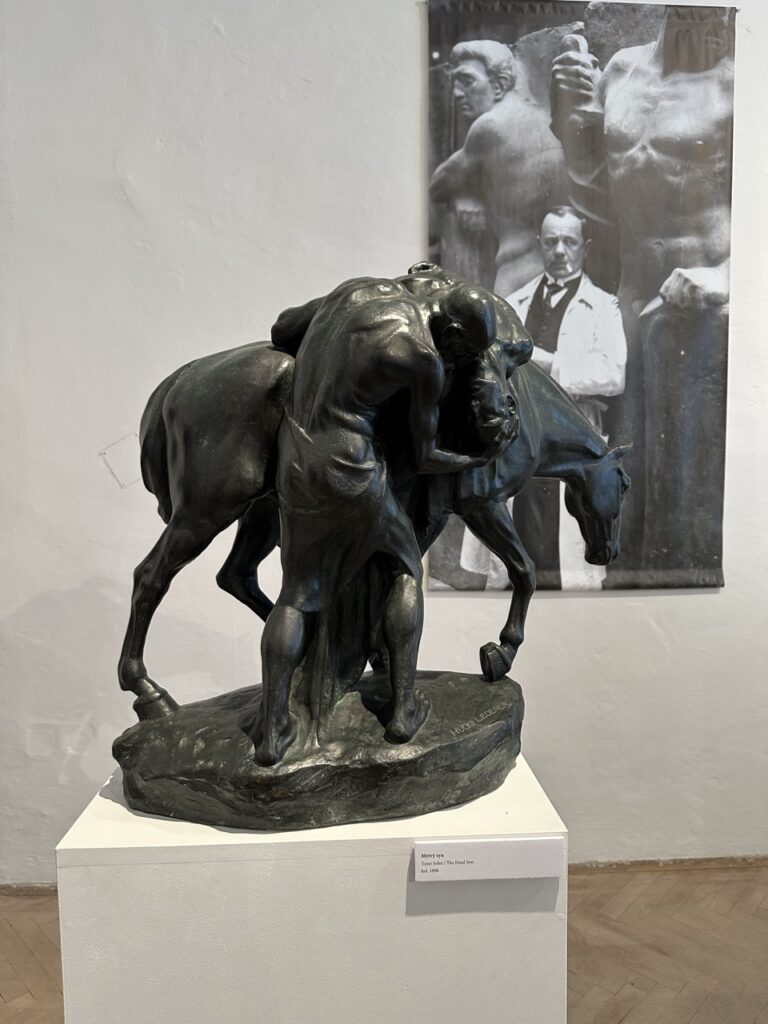
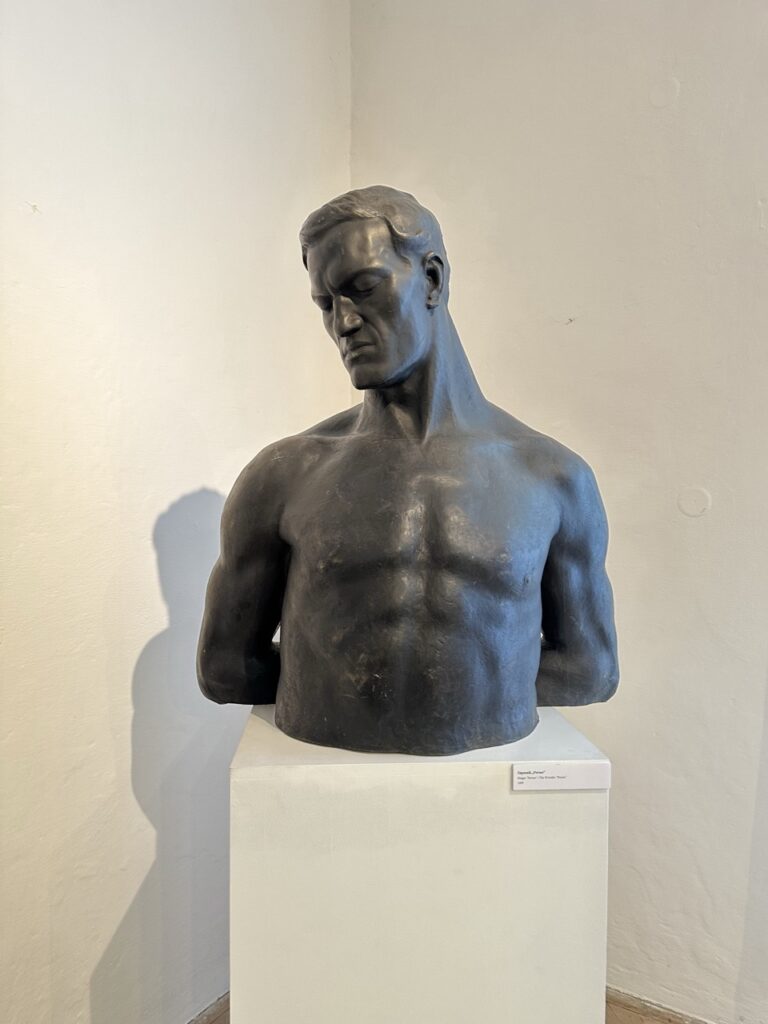
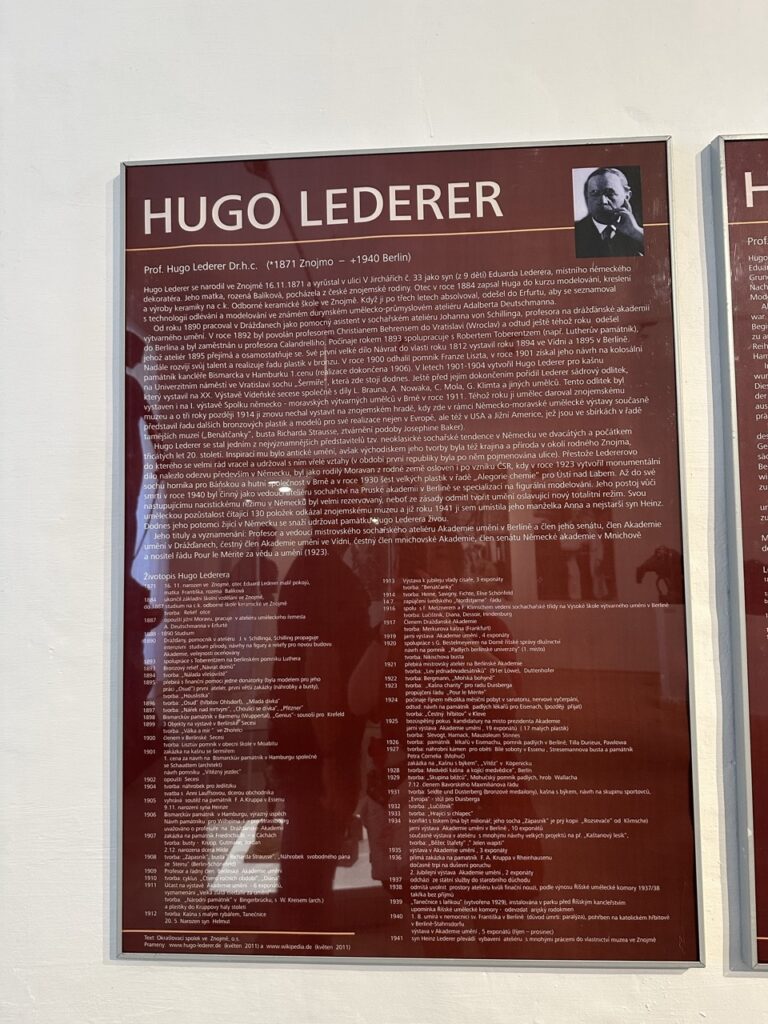
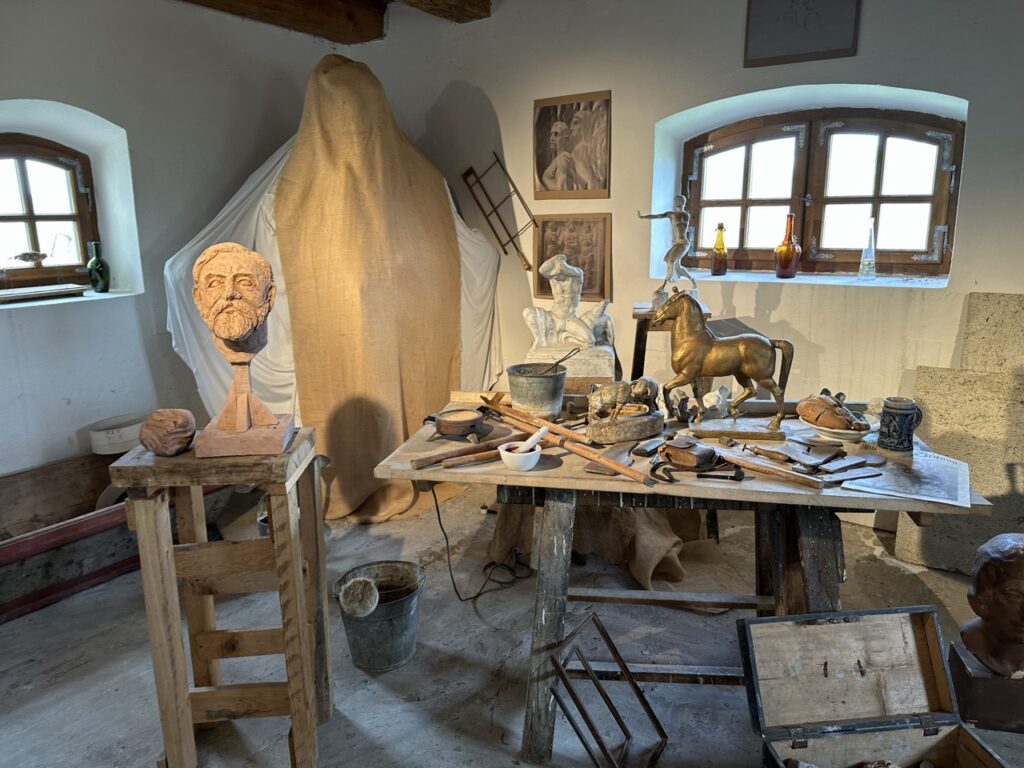
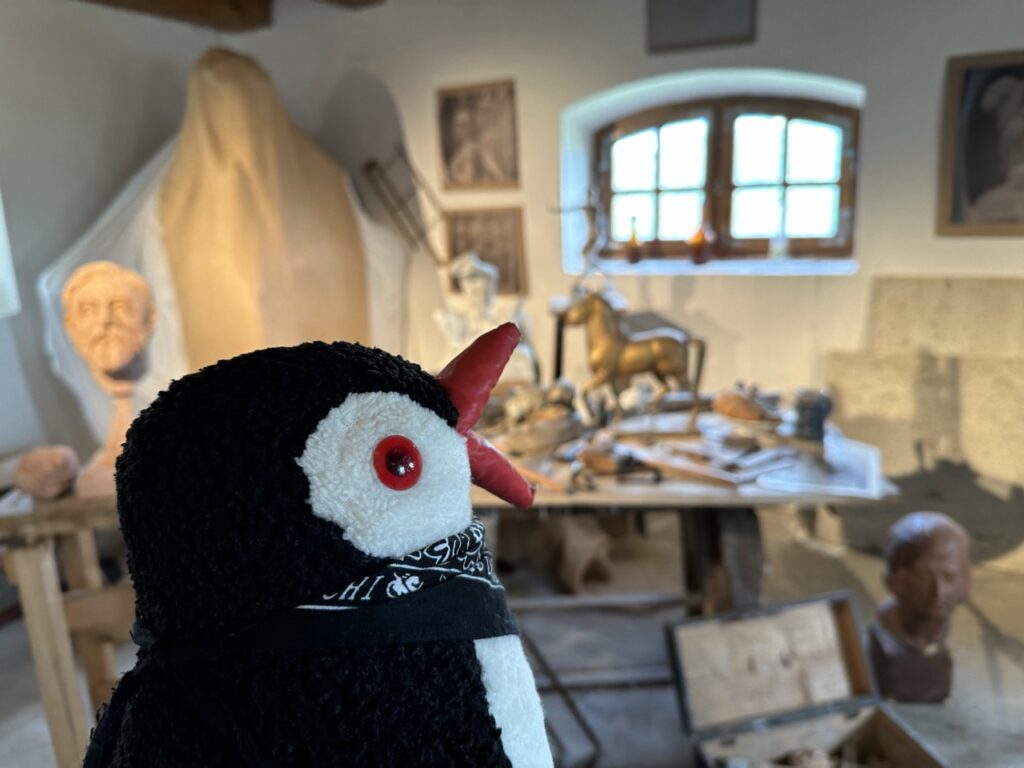
One of the final rooms on the tour is to Hugo Lederer (1871–1940), and it’s a surprising change of pace after all the medieval history. Lederer was a renowned sculptor born in Znojmo, and while he spent most of his life working in Germany, the town still proudly claims him. His work blends classical form with bold, expressive energy, and the room gives you a real sense of how widely respected he was in his time.
The exhibition includes photographs, sketches, and small-scale models of some of his best-known sculptures, most notably the massive Bismarck monument in Hamburg, which is one of the largest statues in Europe. You also get a glimpse into his creative process: design notes, early drafts, and tools he used in his studio. It’s a quiet but fascinating tribute, and it adds an unexpected artistic layer to the castle experience. Even if you’ve never heard of Lederer before, you leave the room feeling like you’ve just been introduced to someone who mattered.
Famous Works by Hugo Lederer Around the World
- Bismarck Monument – Hamburg, Germany. Probably his most iconic piece. This towering monument (completed in 1906) stands 34.3 meters tall and overlooks the Elbe River. It’s the largest and most well-known of over 200 Bismarck statues in Germany.
- Otto von Bismarck Statue – Bremen, Germany. Another tribute to the Iron Chancellor, though smaller than Hamburg’s version. Still, it’s one of Lederer’s key public works and showcases his grand neoclassical style.
- Elephant Fountain – Berlin Zoo, Germany.
- Gutenberg Monument – Leipzig, Germany
- Figures for the German Hygiene Museum – Dresden, Germany
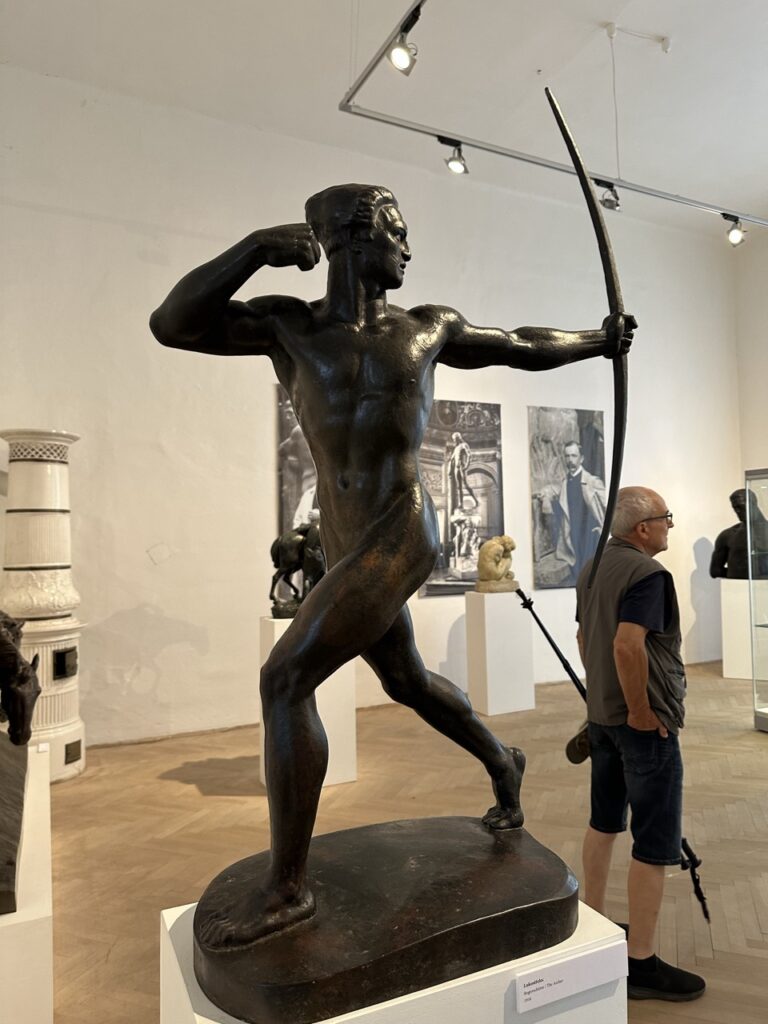
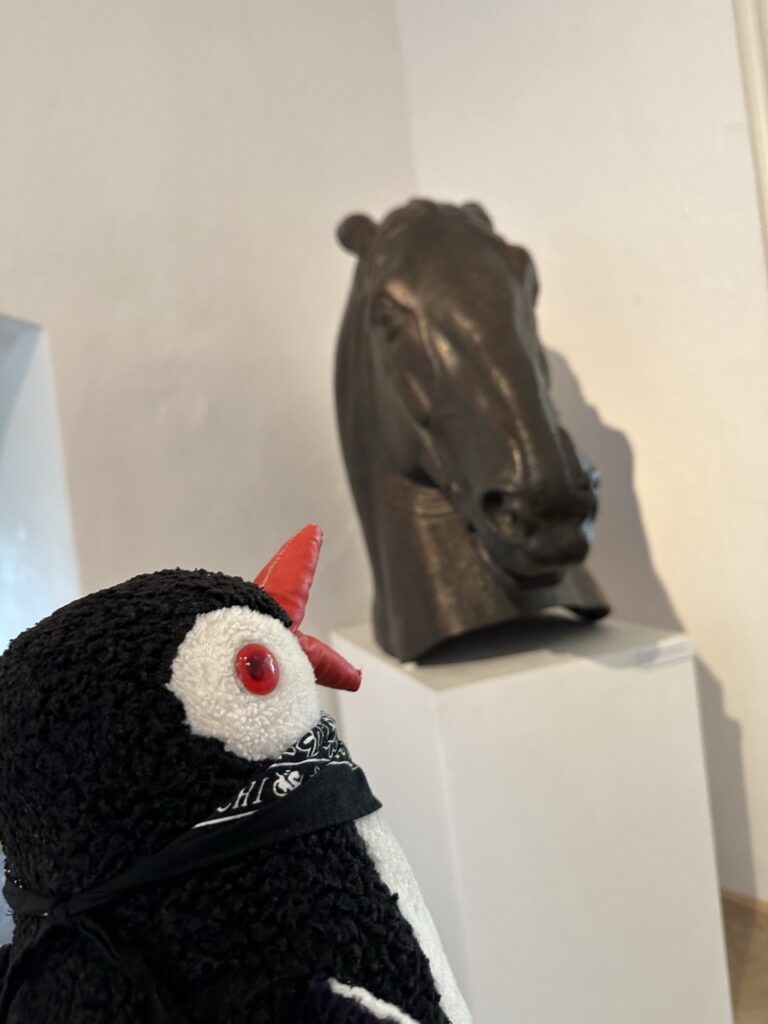
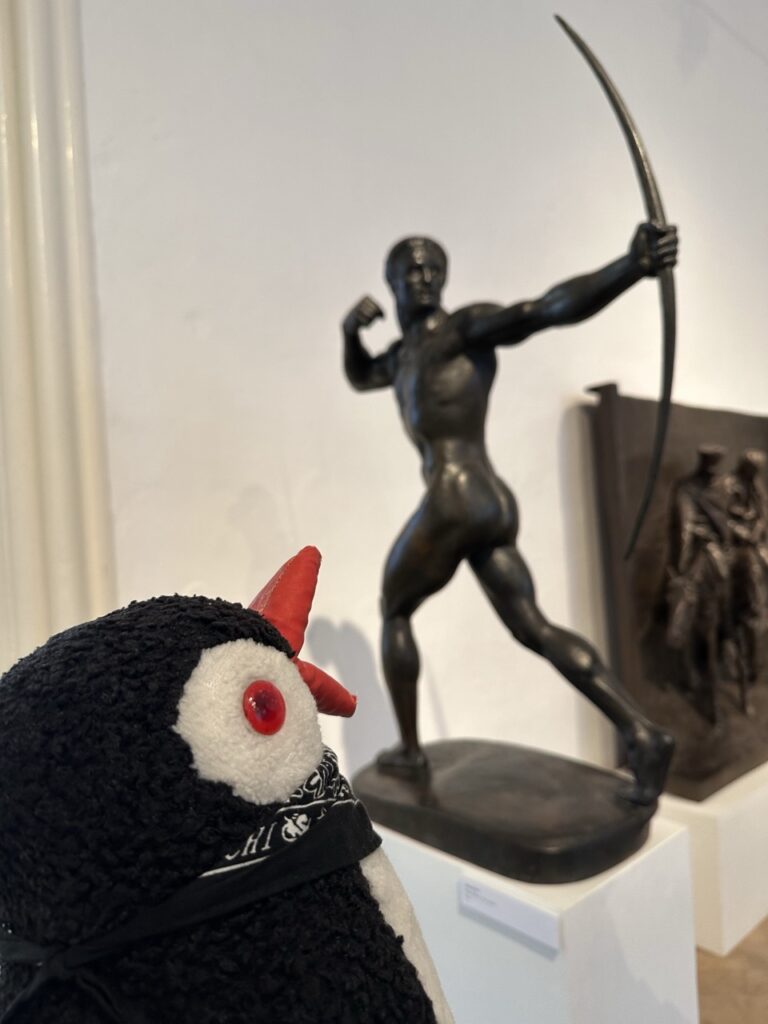
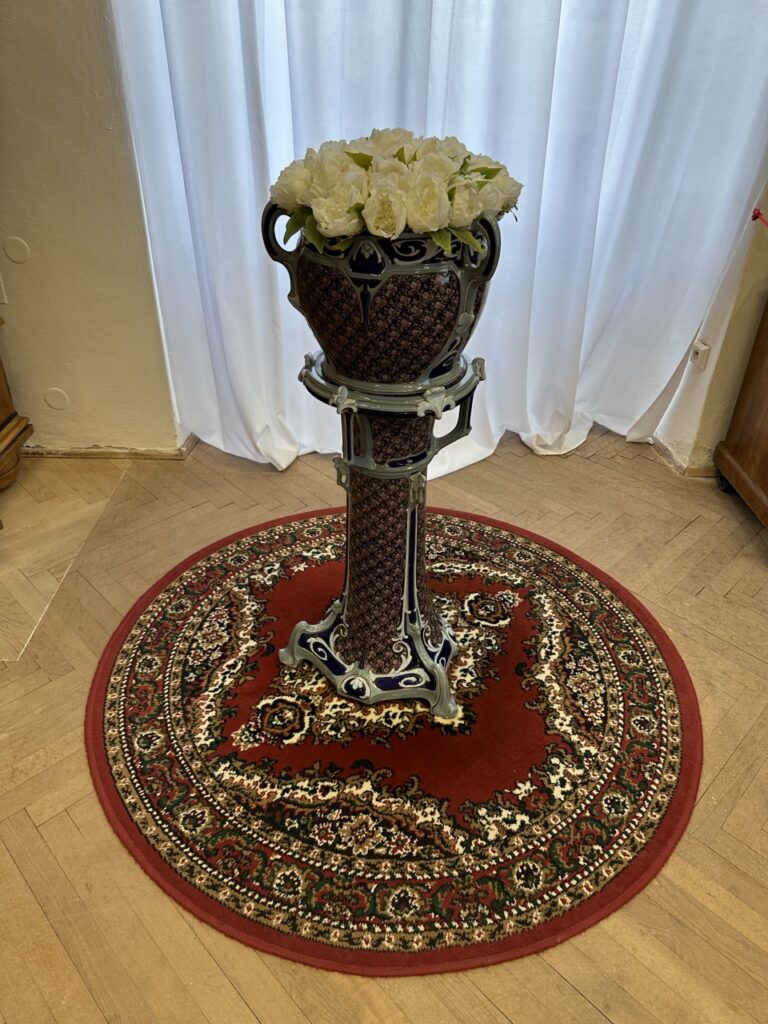
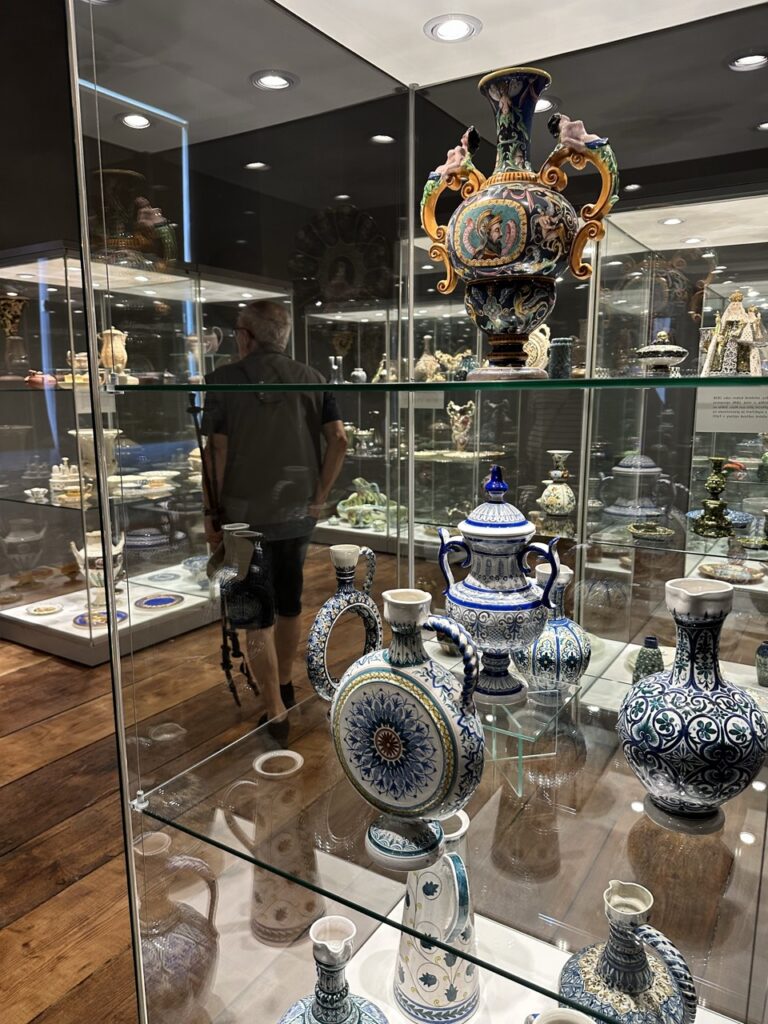
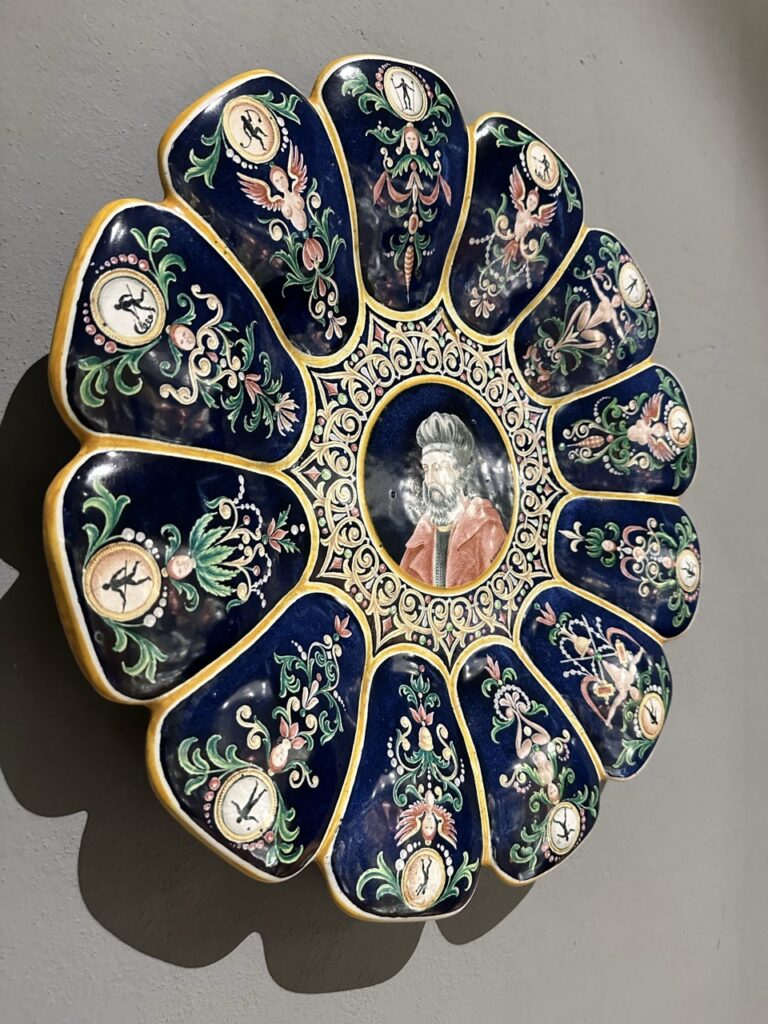
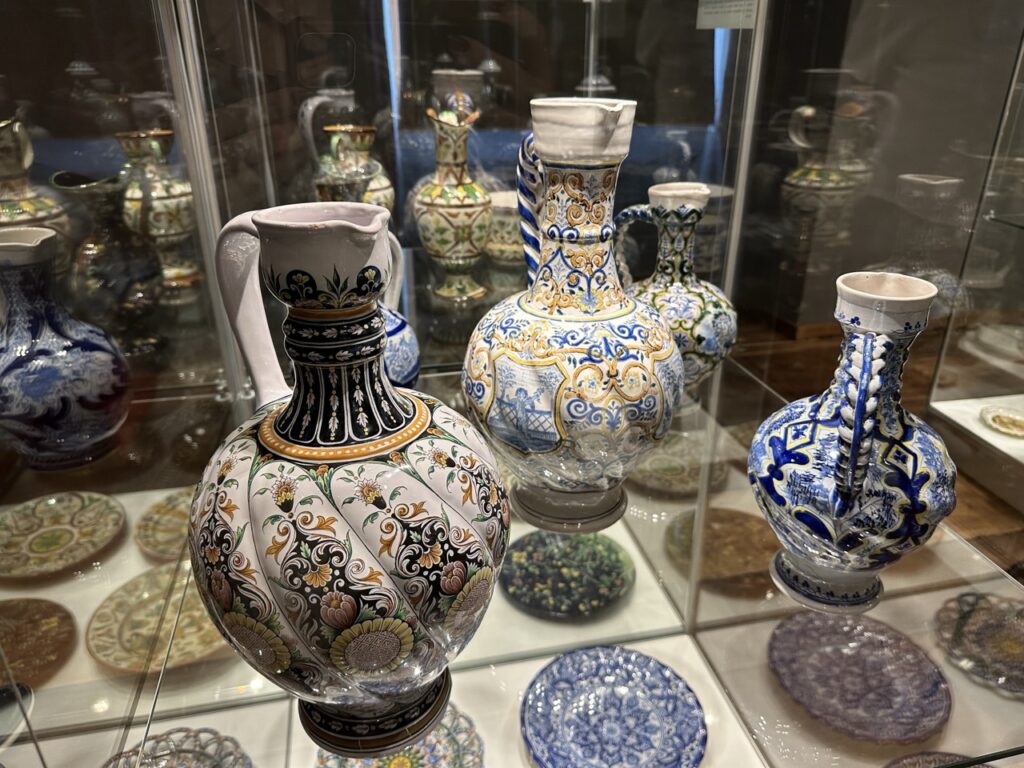
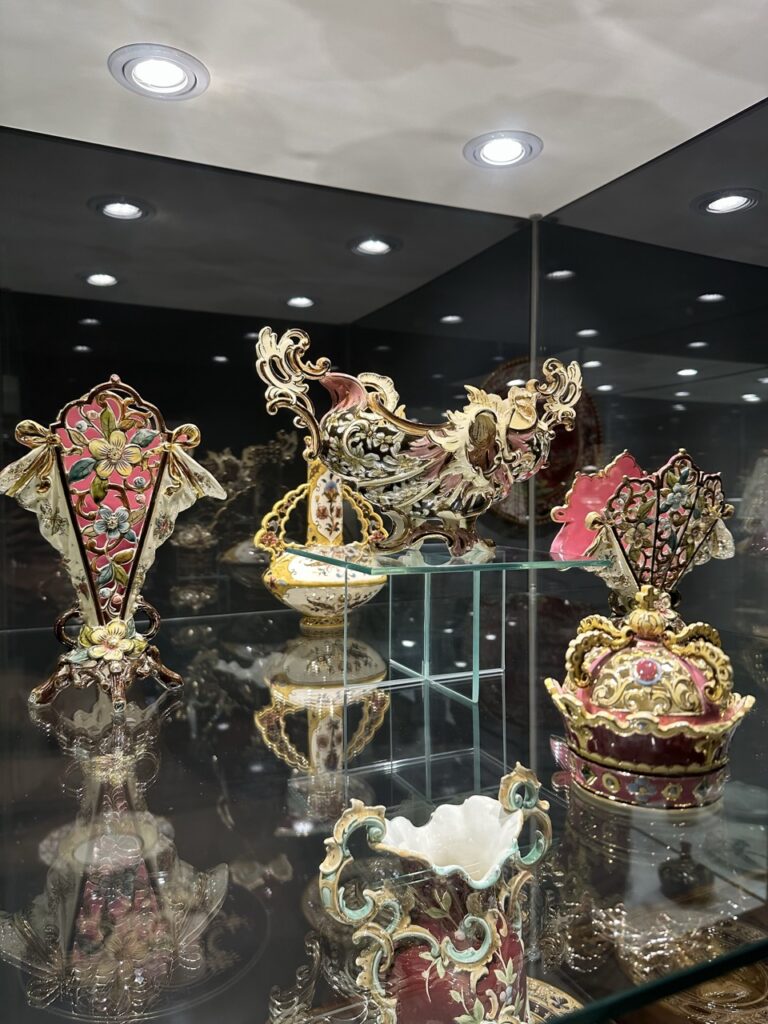
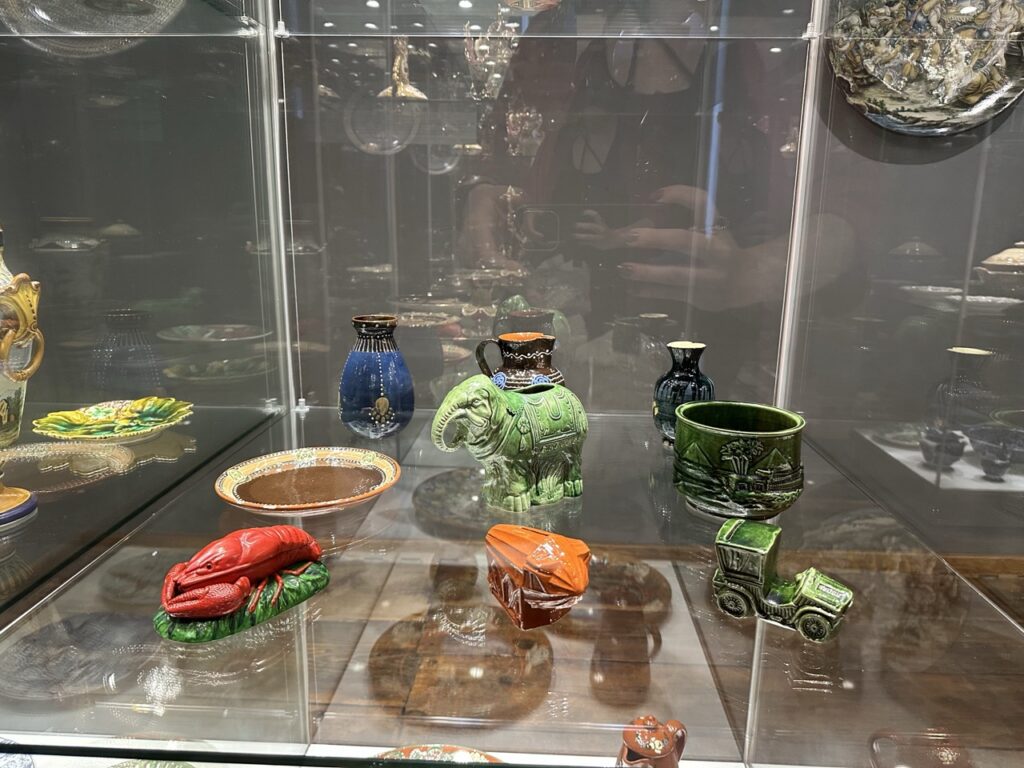
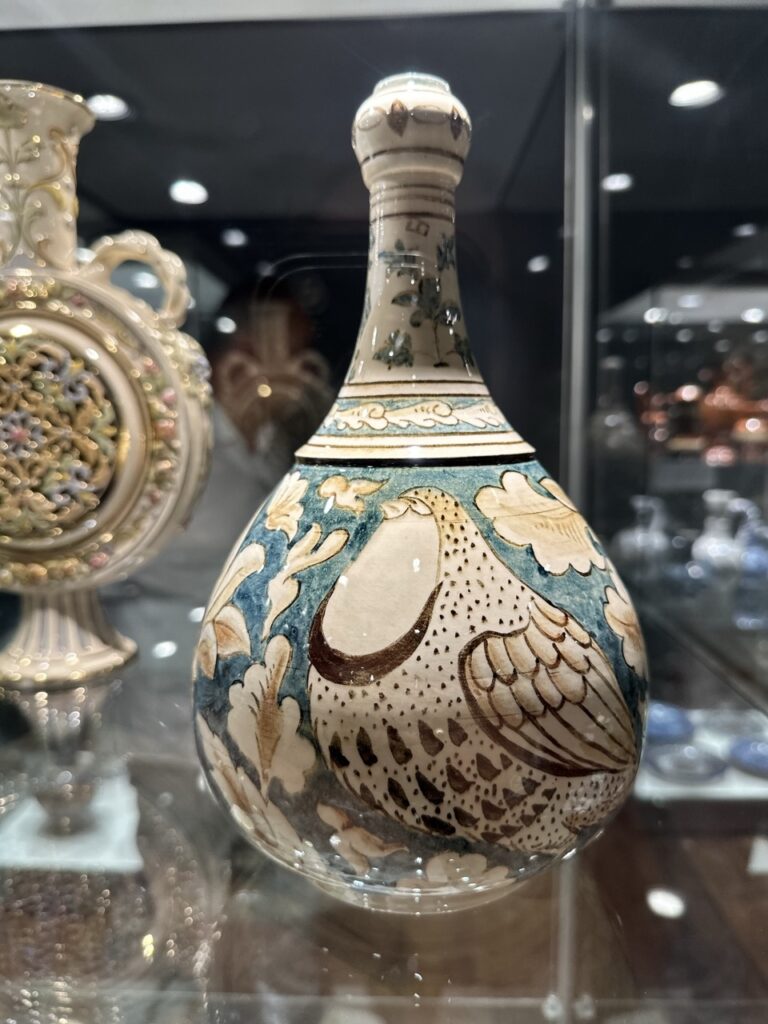
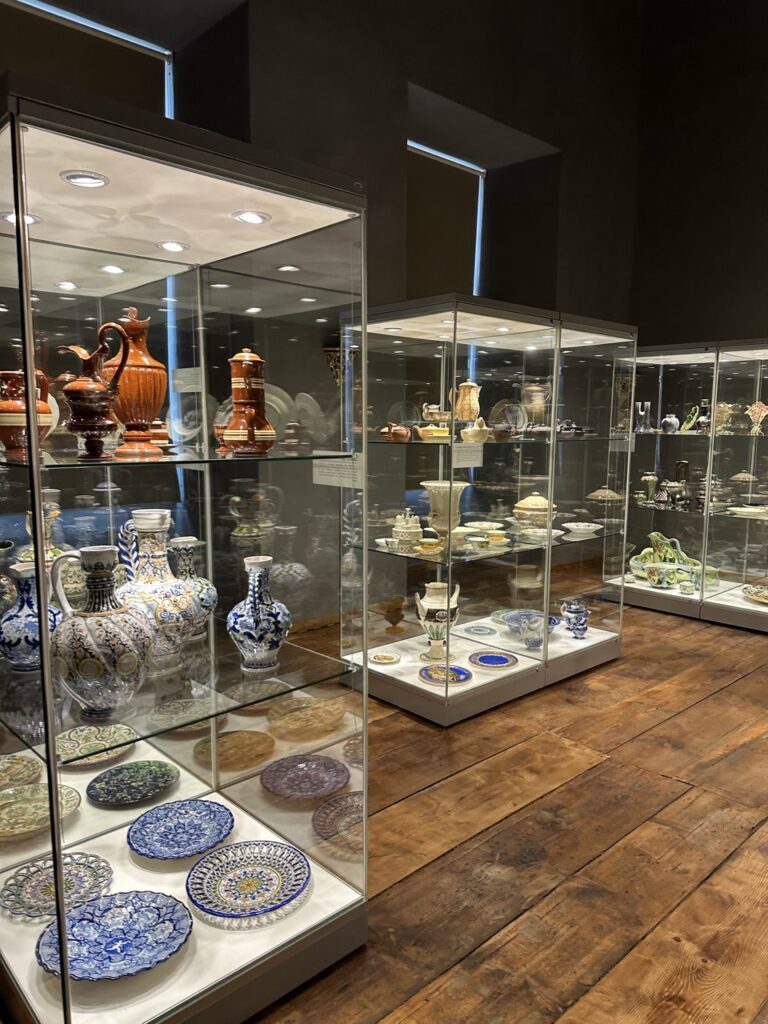
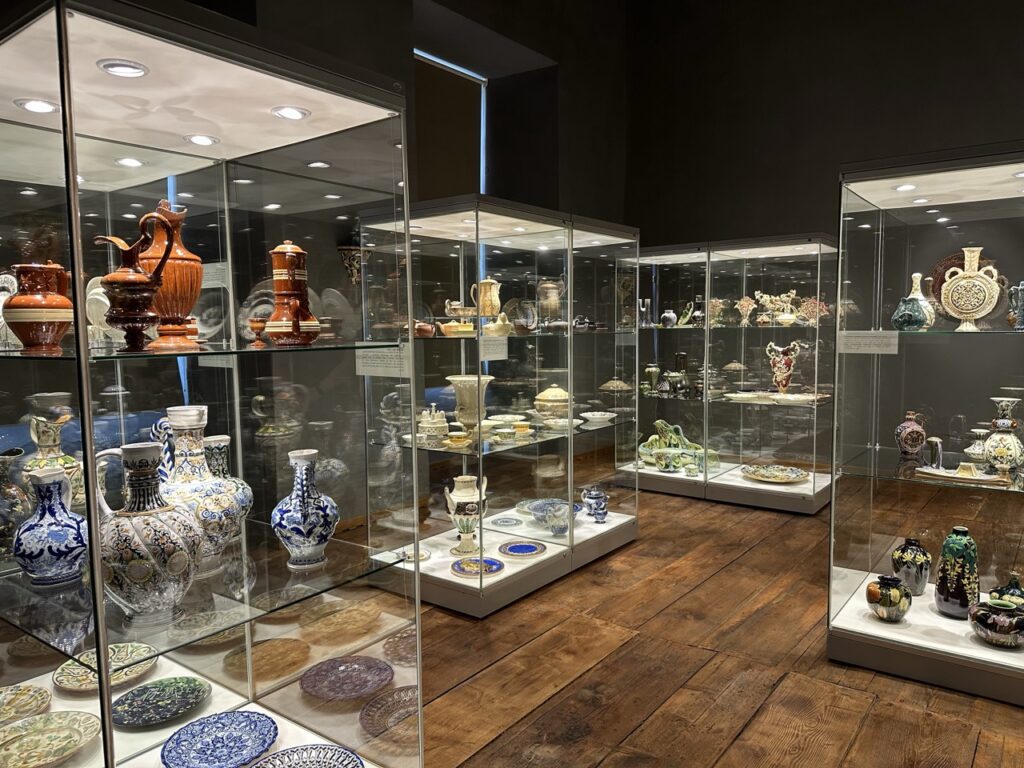
At the end of the tour, a small display of traditional Znojmo ceramics features glazed pottery pieces with delicate patterns, earthy colors, and that unmistakable handmade charm. Znojmo was once renowned for this craft, and viewing the collection offers a glimpse into the town’s quieter, artisanal side. The styles reflect both local history and everyday use—bowls, jugs, tiles, all beautifully preserved. Unfortunately, you can’t really buy them in town anymore. There aren’t any active ceramic workshops or souvenir shops selling the originals, which feels like a missed opportunity. They’d make the perfect memento, something small, local, and rooted in the history you’ve just walked through.
The Rotunda of St. Catherine
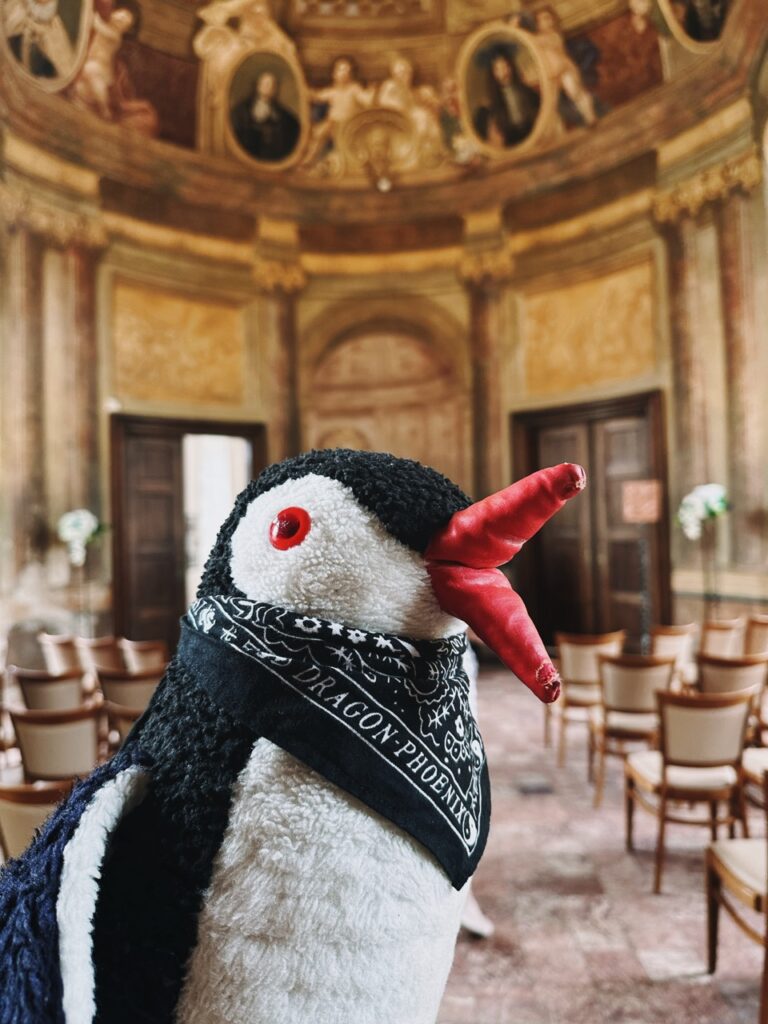
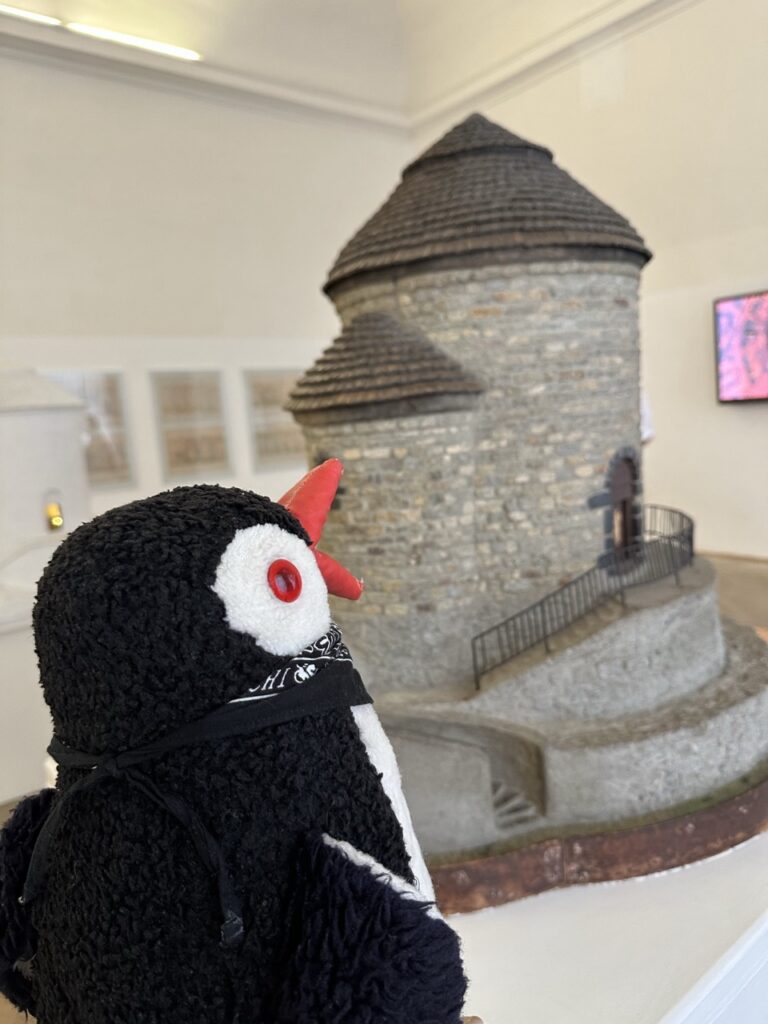
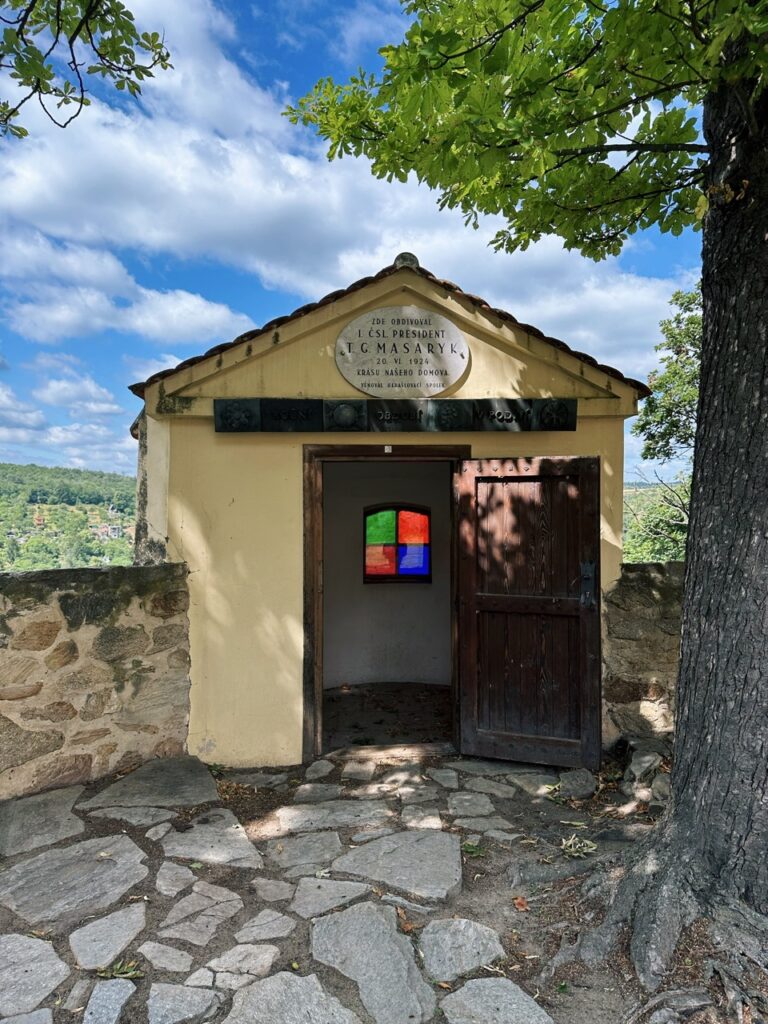
If you’re visiting Znojmo Castle, don’t skip the Rotunda of St. Catherine; it’s not just an add-on, it’s the highlight. Built around 1100, the rotunda is one of the oldest Romanesque buildings still standing in the Czech Republic. What makes it truly rare are the original 12th-century frescoes inside, which include the earliest known depictions of Czech rulers, members of the Přemyslid dynasty, and scenes from both Christian and Slavic legend. These frescoes aren’t just decorative; they’re a crucial piece of Czech cultural history, offering a glimpse into how early rulers shaped their own legacy through art. The space is small, and the entrance is limited to only a few people at a time, which makes it feel intimate and almost sacred. The extra ticket is worth it. You’re not just seeing a chapel, you’re standing inside a nearly thousand-year-old time capsule that few people outside of Czechia even know exists.
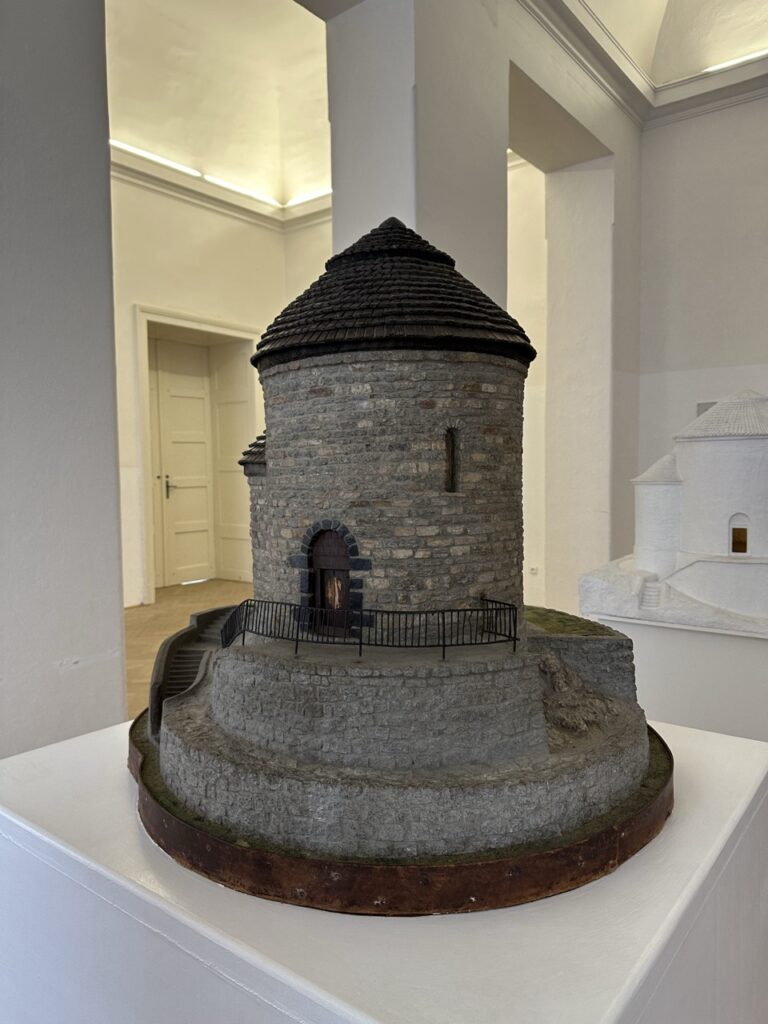
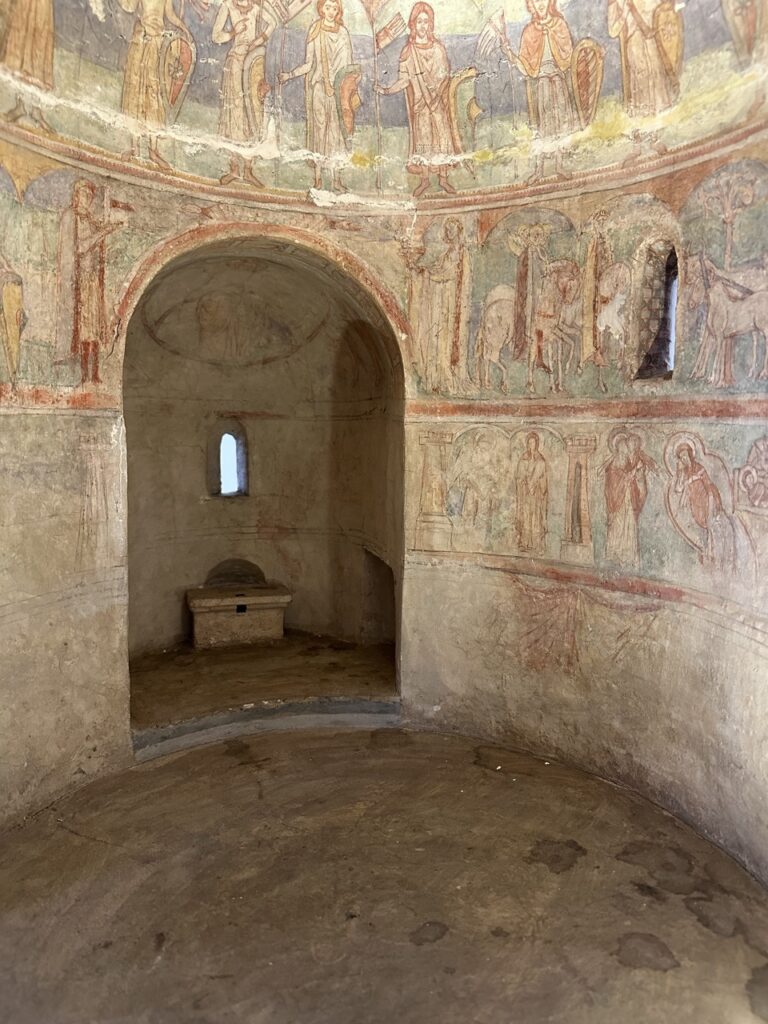
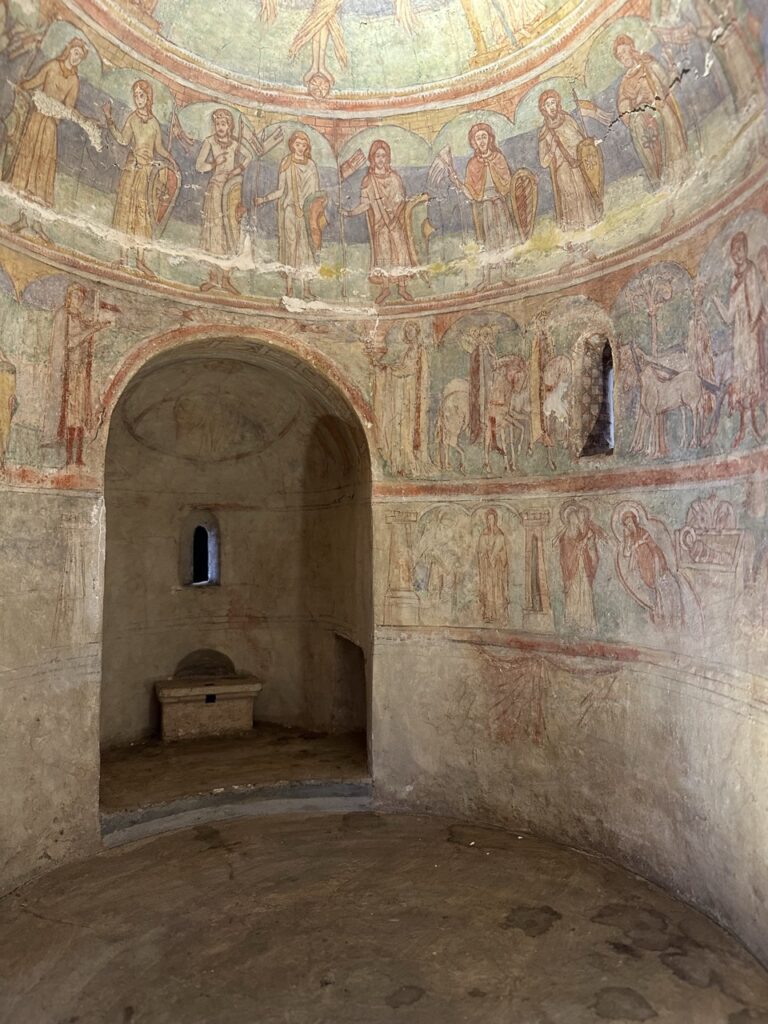
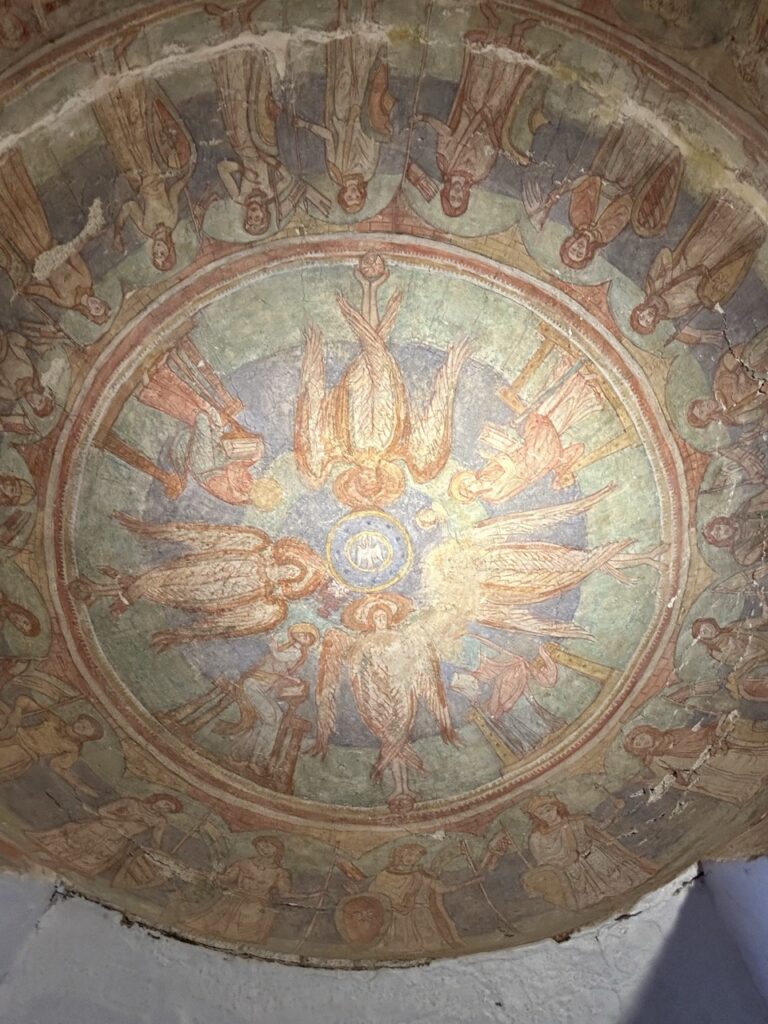
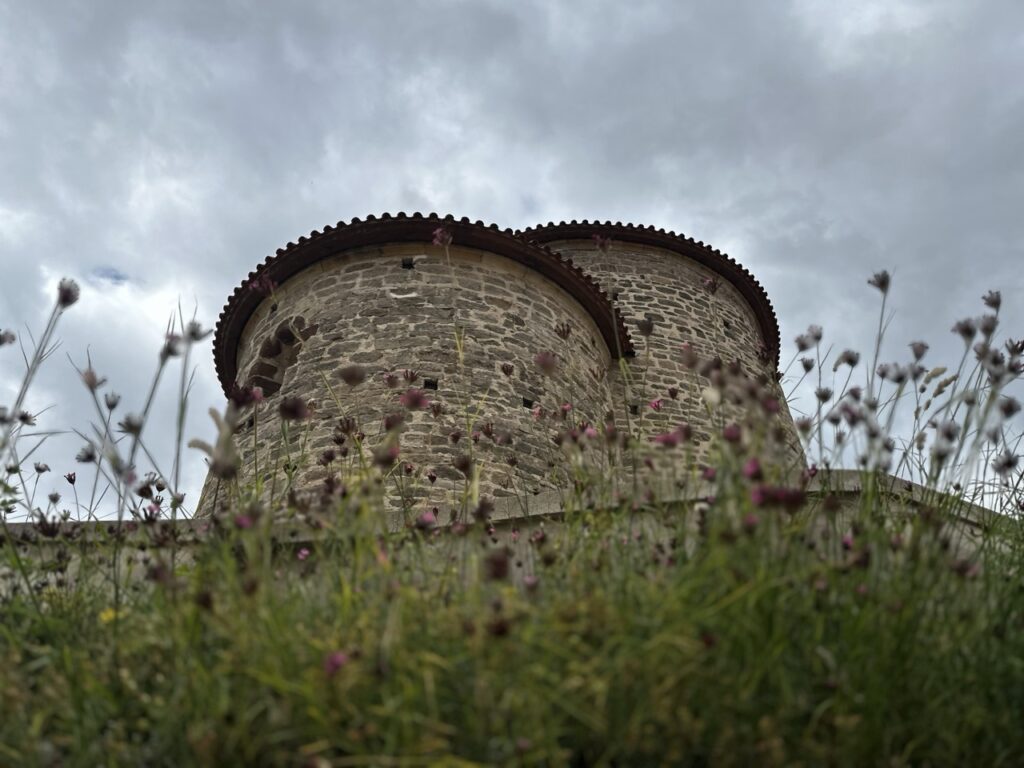
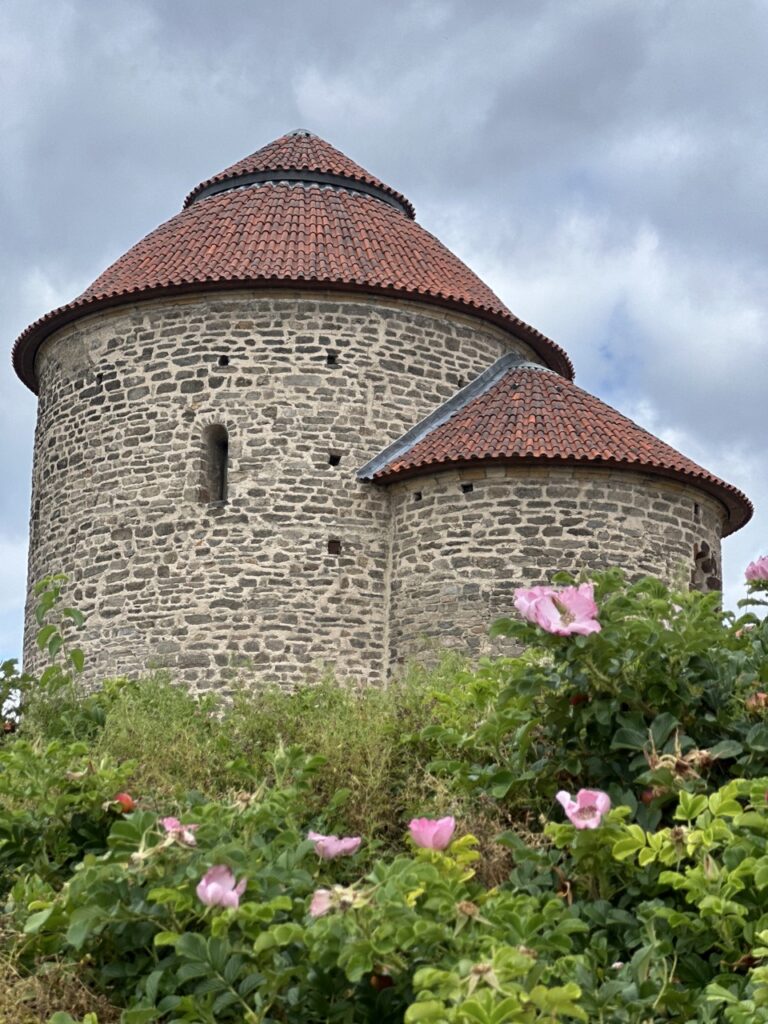
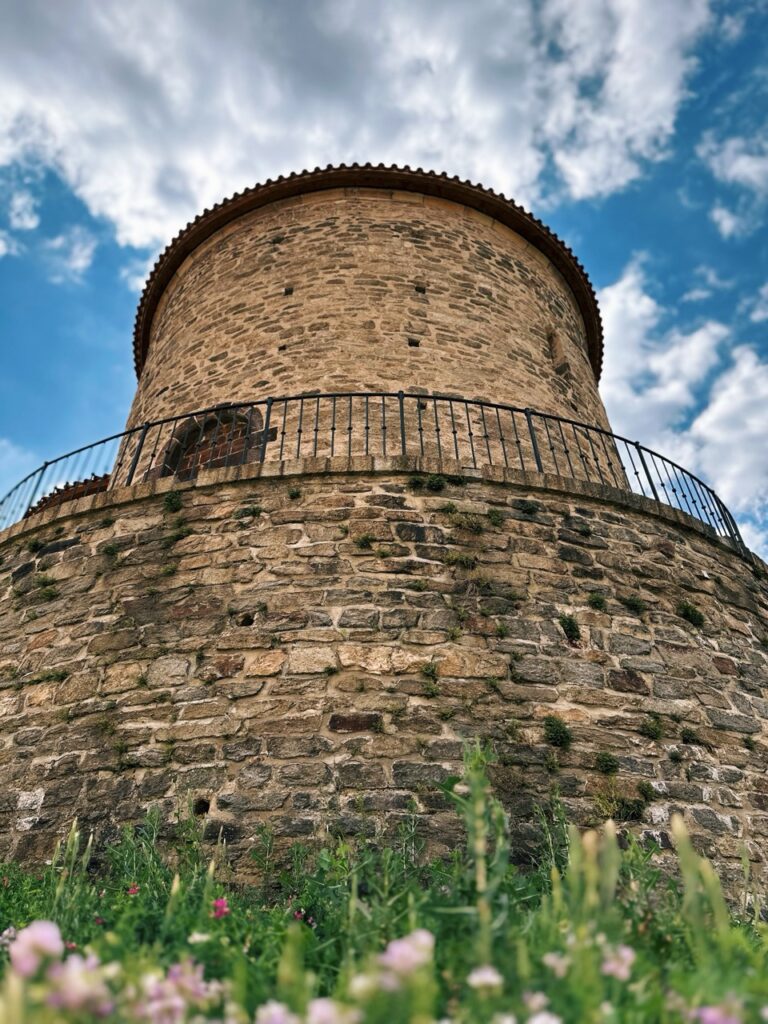
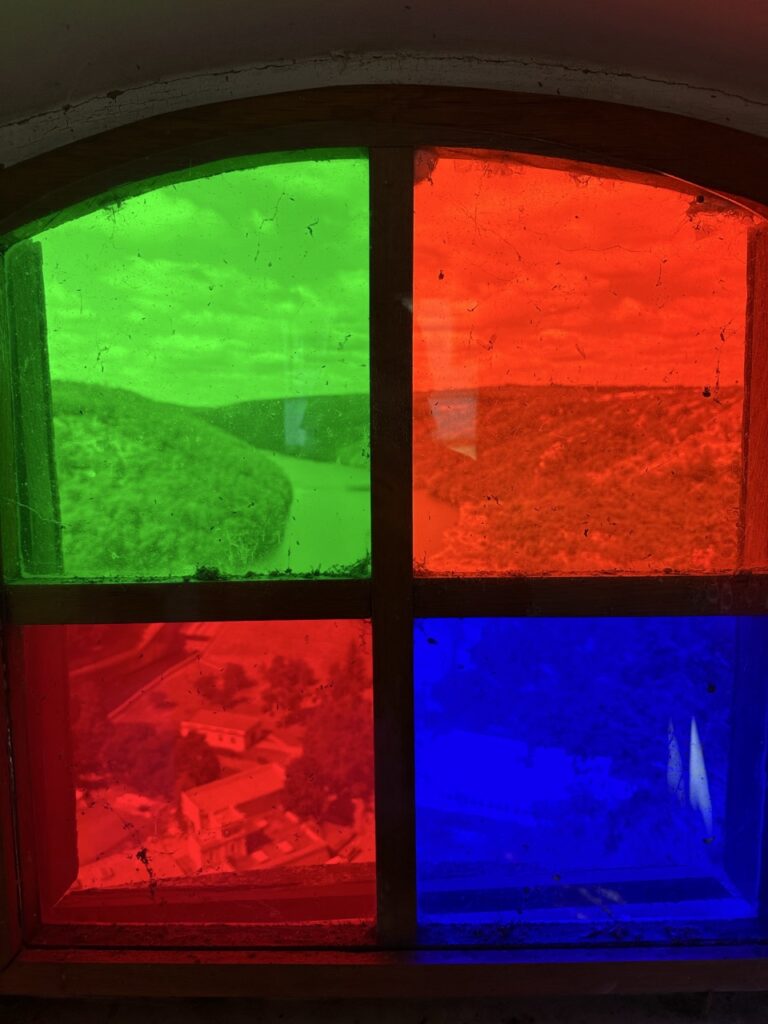
After exploring the inside of the castle, we waddled out into the garden just beyond the walls, a quiet, open space with views that stretch across the Dyje River valley. It’s not manicured or grand, but that’s part of the charm. A few benches, some shady trees, and the kind of calm you only find in places with real age. From here, you can see the edge of the old town, the rooftops below, and on a clear day, even as far as Austria. After the stone corridors and cool interior rooms, the garden felt like the perfect place to pause, breathe, and let everything sink in.
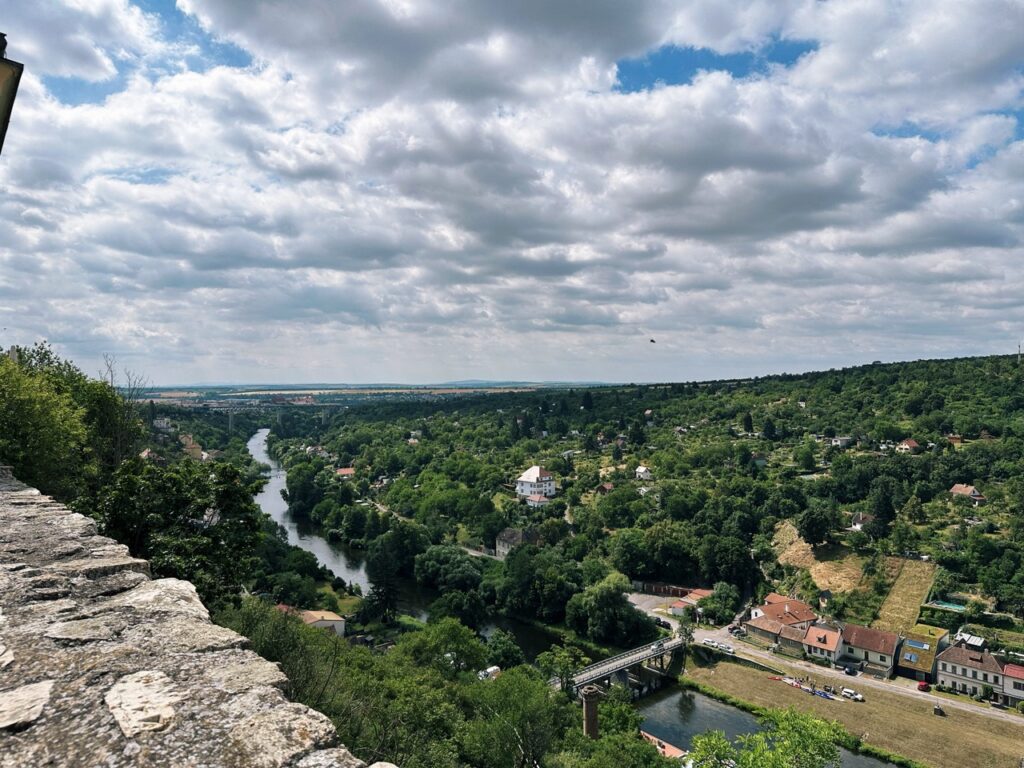
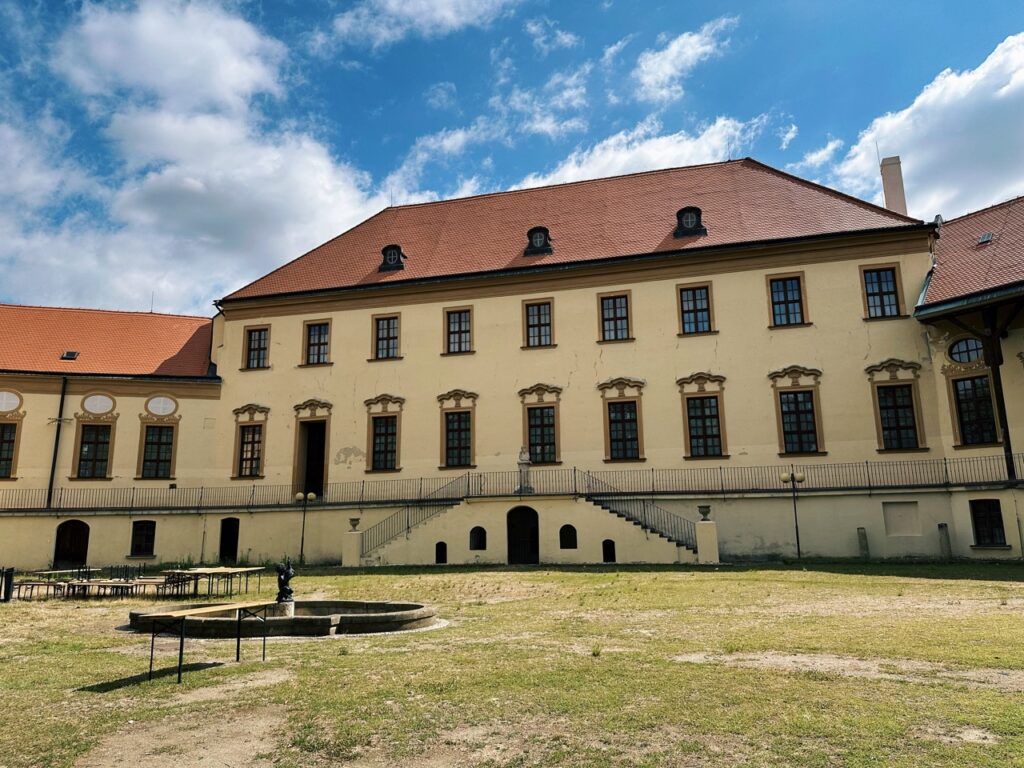
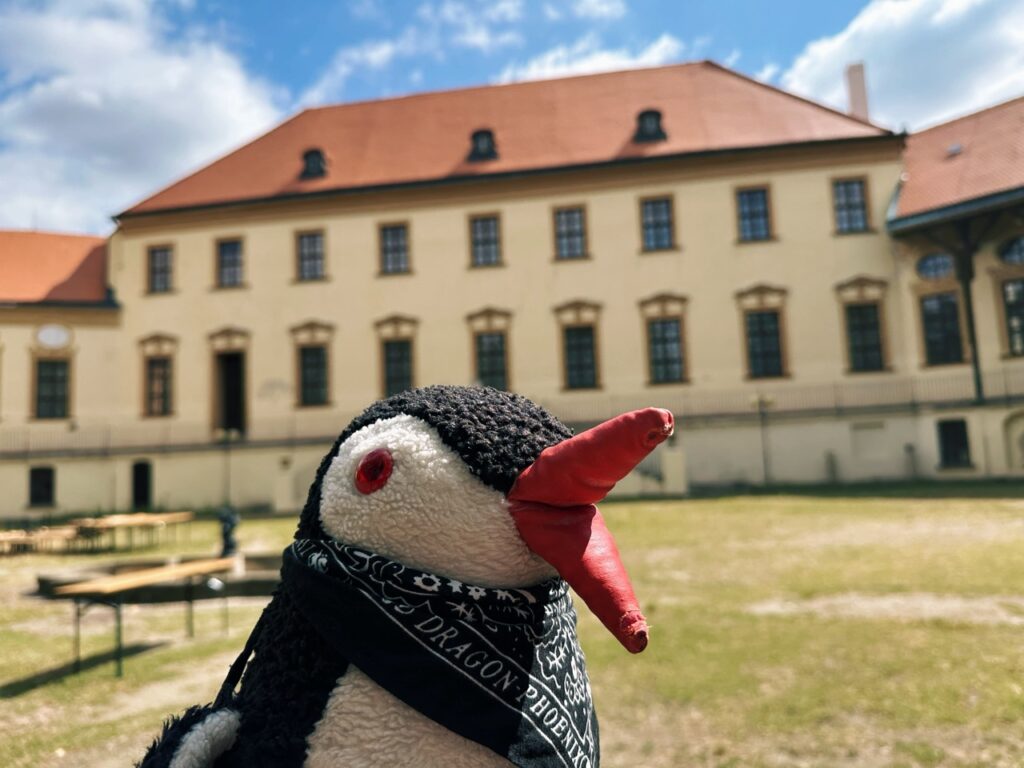
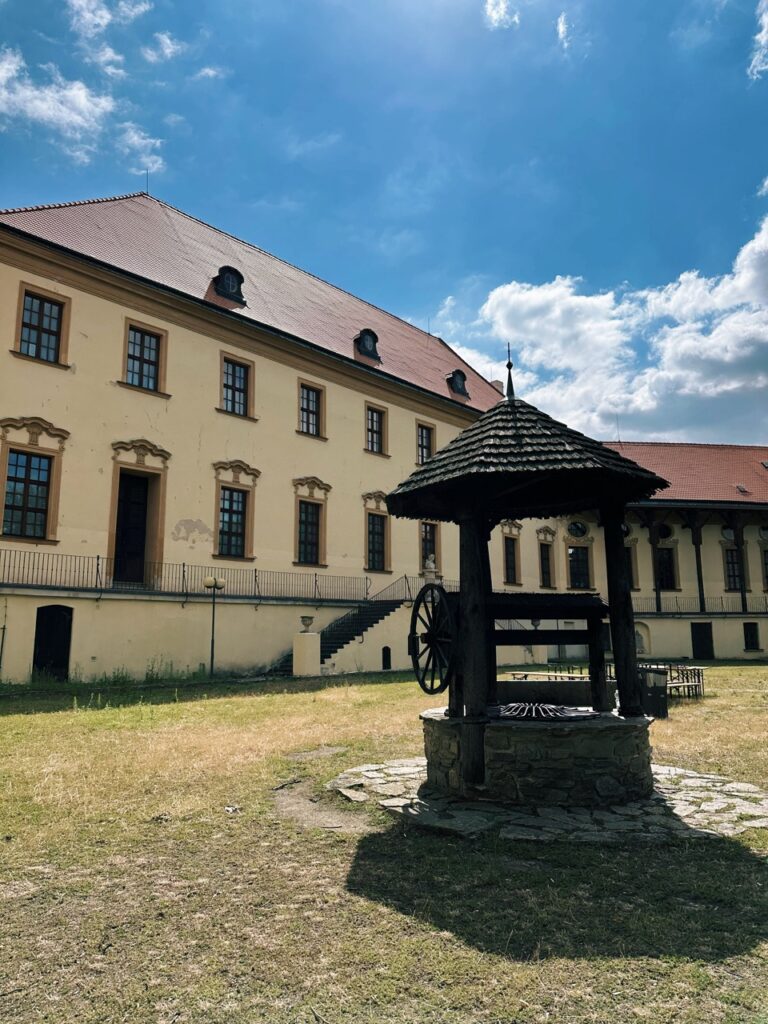
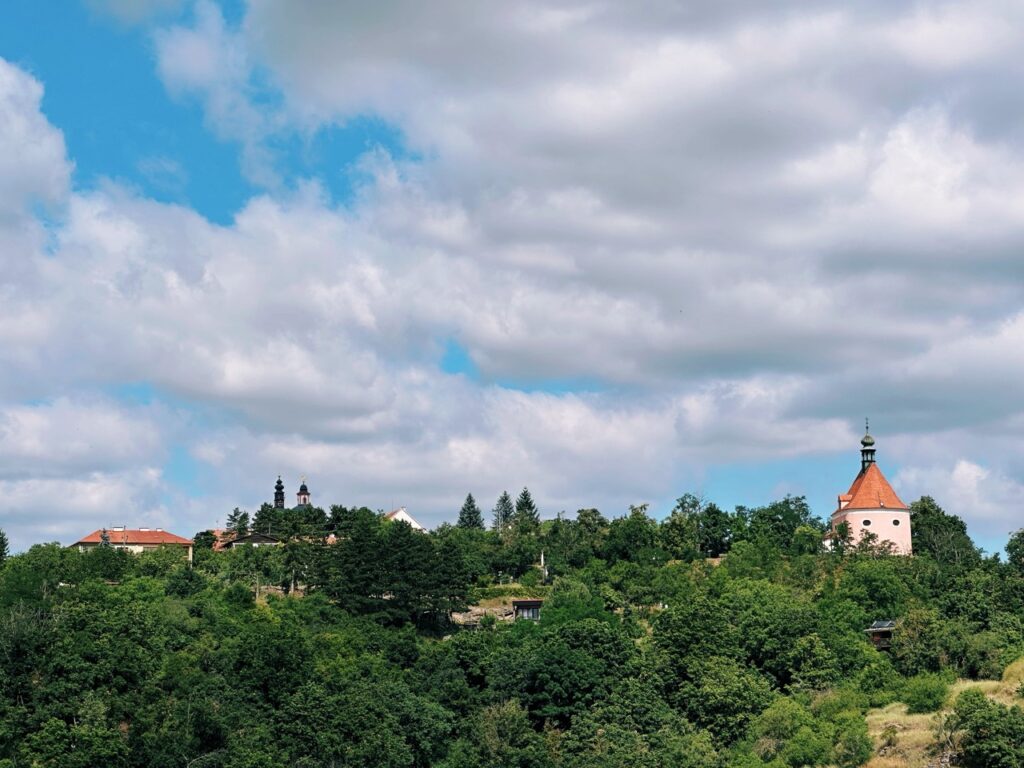
Znojmo Castle might not be as grand or sprawling as some of the bigger, more famous castles in Czechia, but that’s exactly what makes it special. It’s quieter, more personal, and layered with the kind of history that doesn’t try to impress, it just exists, solid and real. The mix of medieval roots, rare art, sweeping views, and quiet corners gives it a character that stays with you. You don’t come here for opulence, you come for the stories, the stillness, and the feeling that you’ve stumbled onto something that hasn’t been overdone. And for that, it’s worth the visit.
Pack your bag and get ready to explore!

This post contains affiliate links. If you click and buy, I might earn a tiny commission, enough to help a penguin keep up its globe-trotting lifestyle. No extra cost to you, just more fish for me. Thank you for supporting the adventure!