Essential Travel Tips for Exploring the Czech Republic Like a Local
The Czech Republic will capture you with its medieval towns, cobbled streets, and cuisine that feel like home. Whether you plan to spend your days waddling Prague’s historic streets or venturing into the countryside’s less-charted corners, there are a few things you need to understand before your journey begins. This guide covers everything we learned and key insights that we found most interesting, along with practical advice to help you make the most of your Bohemian adventure.
Basic Facts about the Czech Republic
- Name: the Czech Republic (Česká republika)
- Capital: Prague
- Land area: 78,871 km²
- Population: 10.86 million (2023)
- Official language: Czech
- Official currency: Czech koruna (Kč)
- Regions of Czech Republic: The Czech Republic is divided into 14 regions (kraje).
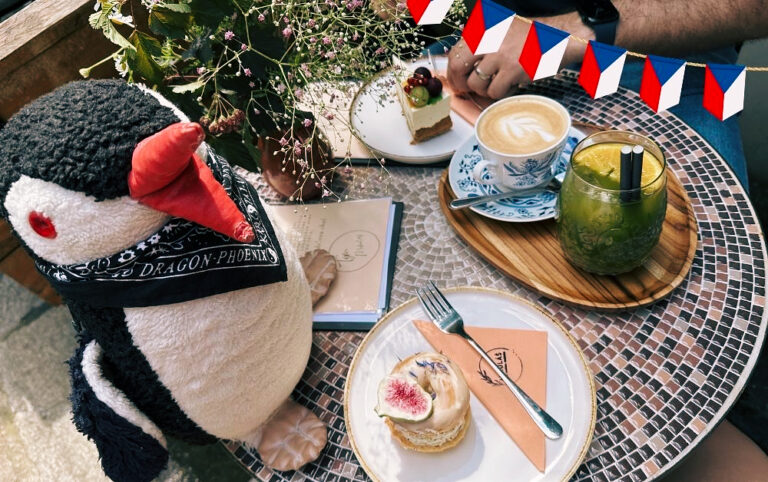
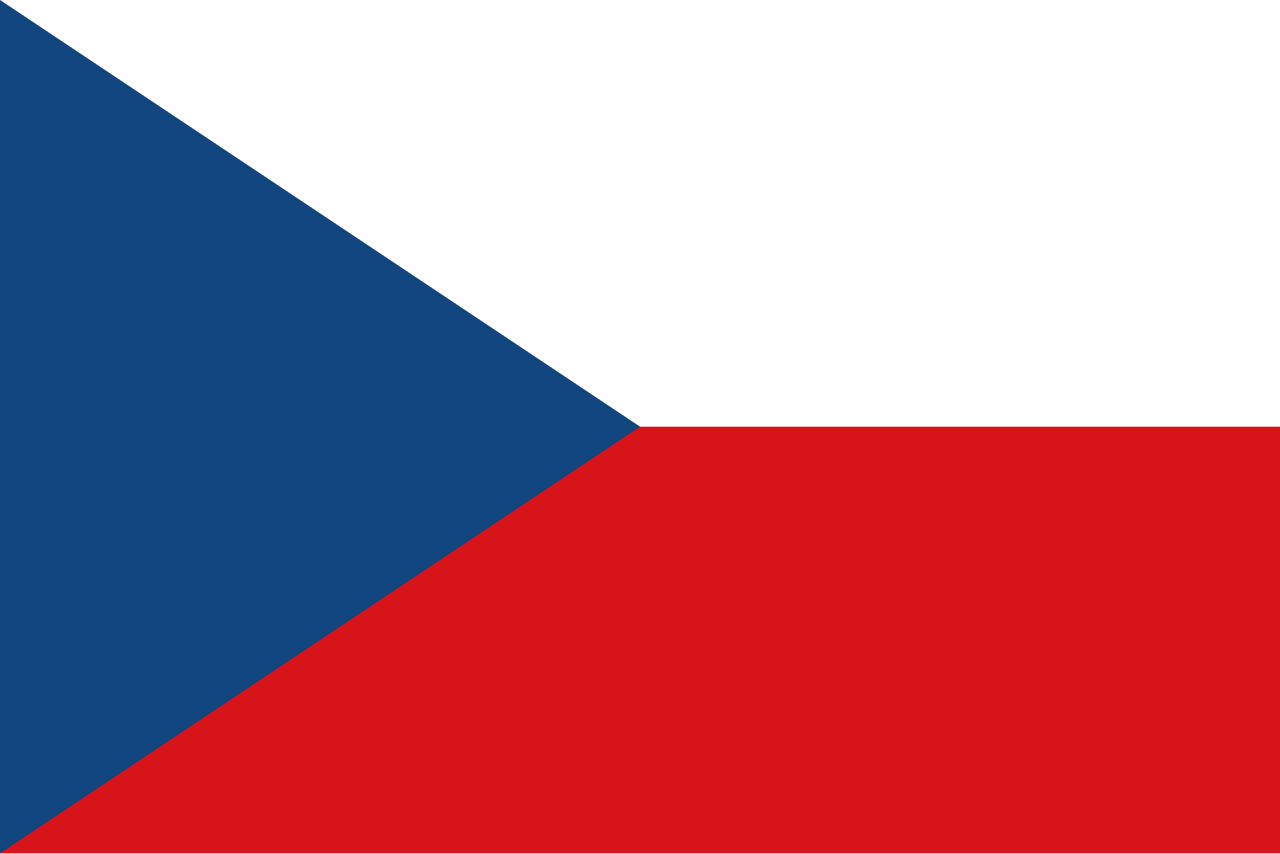
- Flag of Czech Republic: It has two equal horizontal bands of white (top) and red with a blue isosceles triangle based on the hoist side. The colors white and red represent the traditional colors of Bohemia, while the blue triangle symbolizes impartiality and sovereignty.
A Brief Overview of Czechia’s Rich History
Empires, revolutions, and cultural resilience shaped Czechia’s layered history. Located in the heart of Europe, this country has long stood at the crossroads of trade, politics, and artistic exchange. From its medieval roots to modern independence, each chapter leaves a visible mark on its cities, traditions, and identity.
-
- Great Moravia (9th century). Early Slavic state and one of the first organized political entities in the region, influenced by Christian missionaries Cyril and Methodius.
- The Přemyslid Dynasty (10th–14th century). A ruling dynasty that shaped Bohemia’s foundation, including the establishment of Prague as a key political and cultural center.
- Golden Age under Charles IV (14th century). Charles IV of Luxembourg became Holy Roman Emperor, founded Charles University, and oversaw the construction of Prague’s most iconic sites.
- Hussite Wars (15th century). Religious and civil conflicts sparked by reformer Jan Hus predated and inspired aspects of the later Protestant Reformation.
- Habsburg Rule (1526–1918). The Czech lands were absorbed into the Austrian Empire, a period of centralized rule marked by growing Czech nationalism by the 19th century.
- First Czechoslovak Republic (1918–1938). After World War I, Czechoslovakia gains independence from Austria-Hungary and becomes a new democratic state.
- Nazi Occupation (1939–1945). German forces occupy the country during World War II, leading to widespread oppression and resistance movements.
- Communist Era (1948–1989). The Soviet-backed communist regime takes power, leading to political repression, economic control, and the Prague Spring of 1968.
- Velvet Revolution (1989). Peaceful protests lead to the fall of communism and a return to democracy.
- Velvet Divorce (1993). Czechia and Slovakia peacefully split, forming two independent nations.
- European Union Membership (2004). Czechia joins the EU, deepening its ties with Western Europe while preserving its distinct cultural and historical legacy.
Things to Know Before You Go to the Czech Republic
Language Basics Help
English works well in Prague and tourist-friendly areas. Beyond that, locals appreciate even a few words in the Czech language. Learn phrases like “dobry den” (good day), “dekuji” (thank you), and “prosim” (please). Signs and menus often lack English translations outside of Prague. Don’t rely on translation apps during conversations. Speak slowly, keep phrases simple, and use gestures where needed. Locals respond more warmly when you make the effort.
Respect the Local Pace
The Czech Republic flows with an even rhythm. People value personal space, quiet environments, and calm interactions. Greet store clerks or strangers with a “dobry den.” Speak in moderate tones in public spaces. Avoid loud phone calls on trams or trains. Tipping customs follow straightforward rules. In restaurants, tip around 10%. Round up for taxi rides or quick meals. Don’t leave cash on the table; hand it to the server or tell them the total you want to pay.
Czech Beer Culture Runs Deep
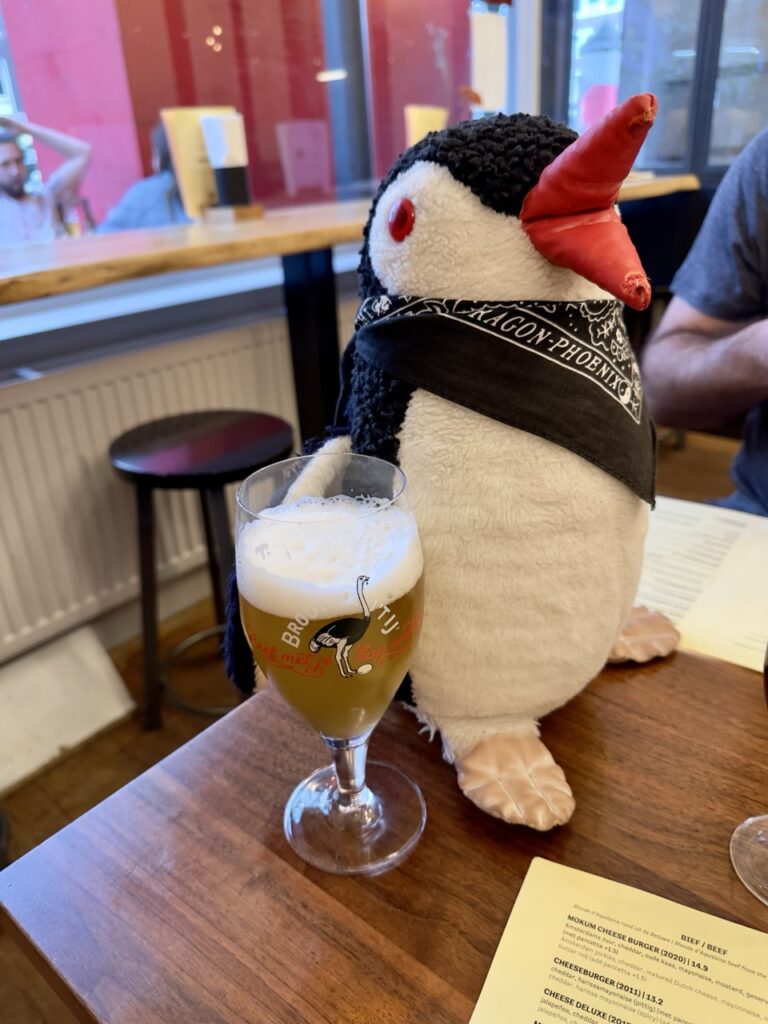
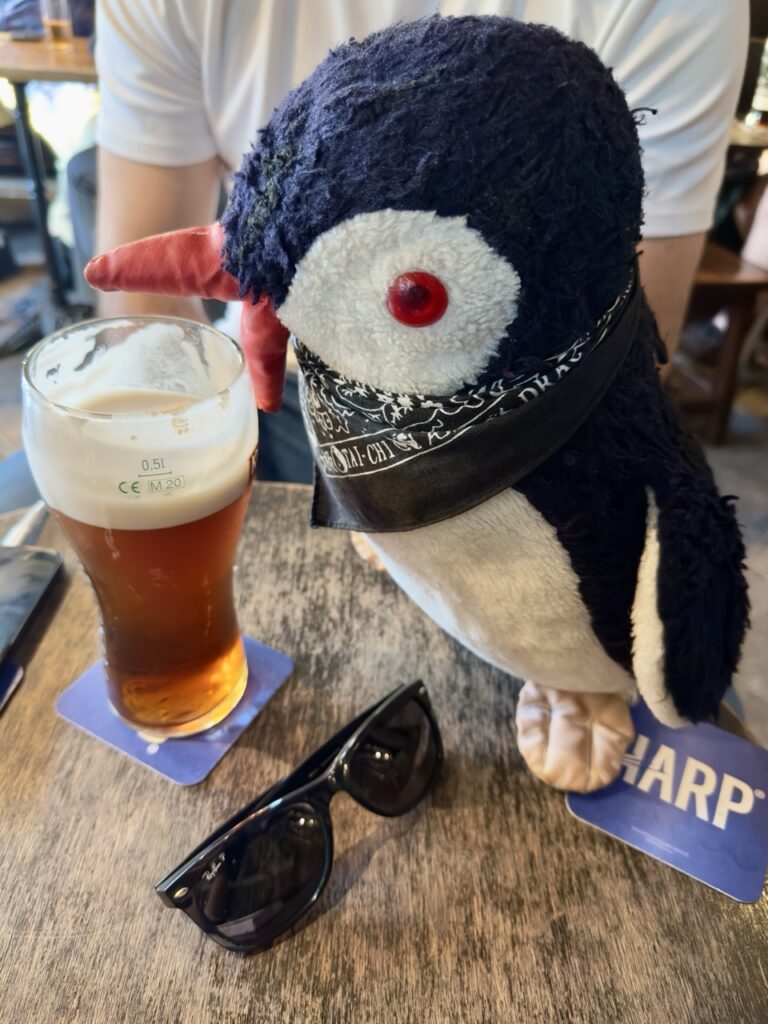
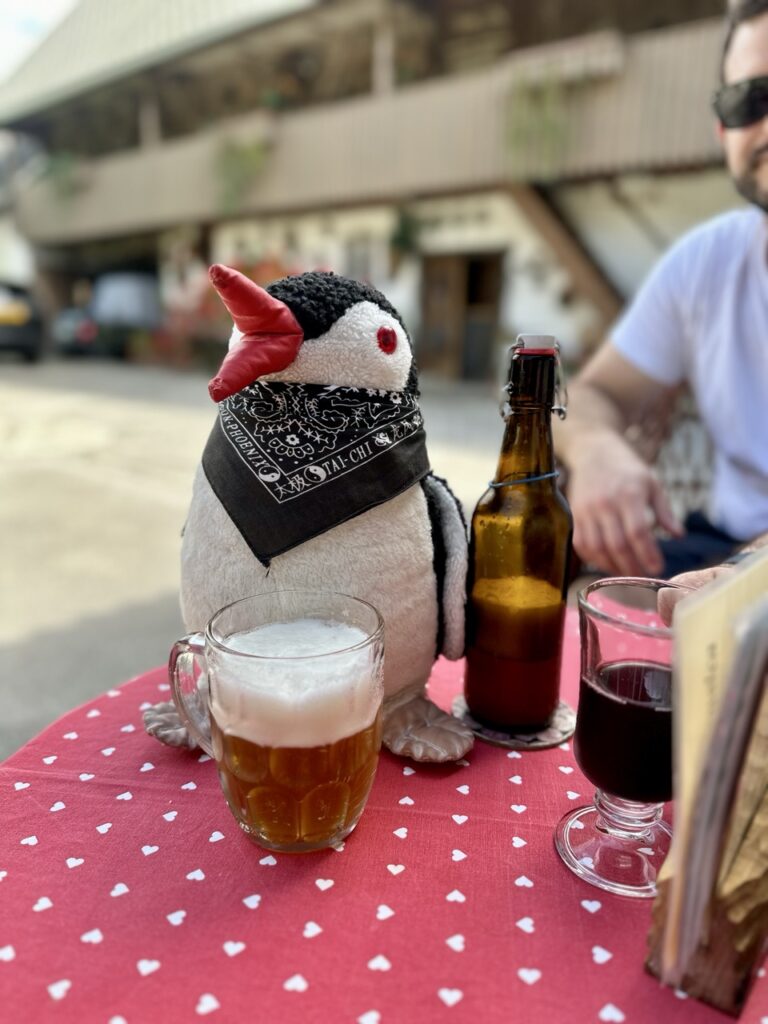
The Czechs consume the most beer in the world. Drinking approximately 160 litres annually per capita, the Czechs are the number one consumer of beer in the world and have been for the last few centuries! Locals drink it with meals, after work, or during casual social hours. Pilsner-style lagers dominate. Try classic brands like Pilsner Urquell, Staropramen, or Kozel. Brewpubs and small breweries offer house specials. Pubs serve beer efficiently. Servers often bring a second round before you ask. Signal you’re done by placing a coaster on your glass. In Prague, beer prices stay relatively low even in central districts.
Inventions and Discoveries from the Czech Republic You Probably Didn’t Know About
The Czech Republic may be better known for its castles and beer, but it also lays claim to a surprising number of global innovations and scientific breakthroughs. One of the most influential Czech inventions is the soft contact lens, created in the 1950s by Otto Wichterle, a chemist whose DIY prototype involved a children’s toy set. Another everyday essential with Czech origins is the sugar cube, invented in 1843 by Jakub Kryštof Rad, who managed a sugar refinery in Moravia and sought a more practical way to serve sugar. In the realm of science, Gregor Mendel, an Augustinian monk born in what is now the Czech Republic, laid the foundation for modern genetics through his experiments with pea plants. These breakthroughs, along with Czech advances in nanotechnology, fingerprinting techniques, and even cubist architecture, reveal a deep well of ingenuity that continues to shape the modern world.
Famous People from Czechia Who Left a Global Mark
Czechia has produced a remarkable range of figures who’ve influenced culture, science, sports, and politics far beyond its borders. Writer Franz Kafka, born in Prague, redefined modern literature with works like The Trial and The Metamorphosis, blending existential themes with surreal precision. In music, composer Antonín Dvořák brought Czech folk rhythms to international concert halls with his New World Symphony. Former president Václav Havel, a dissident playwright, became a global symbol of peaceful resistance during and after the Velvet Revolution. In cinema, Oscar-winning director Miloš Forman made a lasting impact with films such as One Flew Over the Cuckoo’s Nest and Amadeus. In sports, Martina Navratilova rose from the Czech courts to become one of the most decorated tennis players in history.
Znojmo Catacombs
Beneath the quiet streets of Znojmo runs one of Central Europe’s largest underground labyrinths, a sprawling network of tunnels stretching close to 27 kilometers. Originally built in the Middle Ages, the catacombs served as a defensive maze, allowing townspeople to hide or escape during attacks. The passages connect homes, wells, and cellars, some with multiple levels and secret trapdoors. Today, parts of the catacombs are open to the public, offering a glimpse into the town’s medieval ingenuity and resilience.
Nature Lies Just Beyond the Cities
National parks and forests span across the country. Bohemian Switzerland, Moravian Karst, and Sumava National Park offer hiking trails, viewpoints, and calm landscapes. These areas give a refreshing contrast to city sightseeing. Public transport reaches many trailheads. Pack sturdy shoes and layers. Cafes or lodges sometimes appear along popular routes, so be sure to bring snacks and water. Czech trails use a color-coded marking system. Red routes often lead to long-distance destinations, while blue and green mark local circuits. Maps and route apps help avoid wrong turns.
Czechia’s Has The Most Castles and Manor Houses in Europe
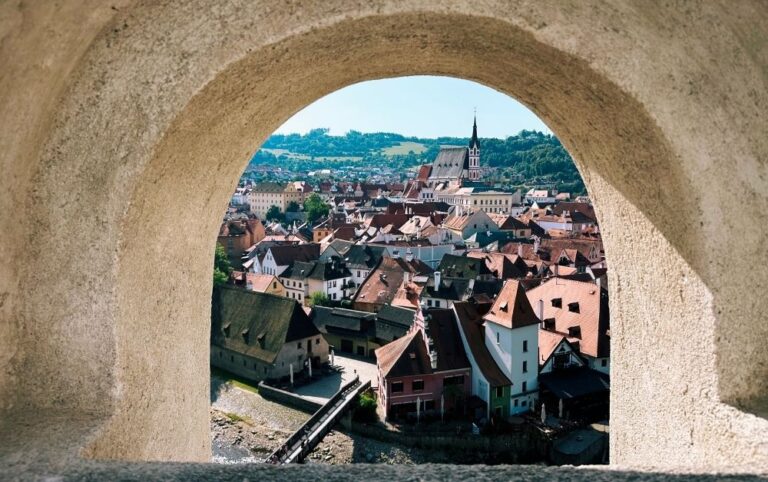
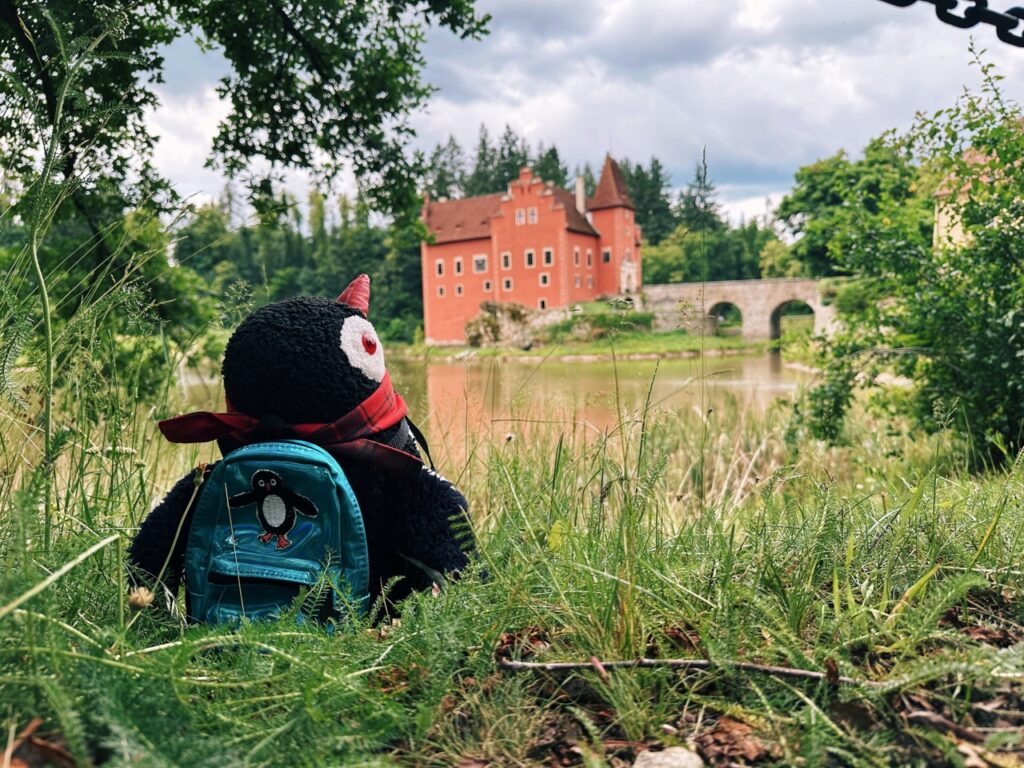
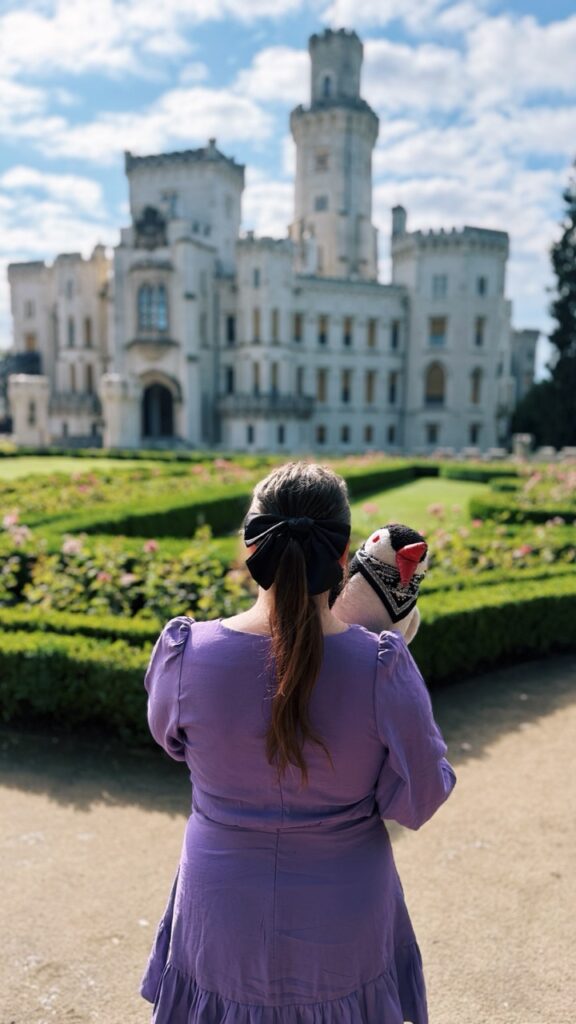
Czechia holds one of the highest concentrations of castles and manor houses in Europe, with over 2,000 spread across the country’s varied landscape. These structures reflect centuries of shifting power, noble life, and architectural evolution. Prague Castle, the largest ancient castle complex in the world, dominates the capital’s skyline and remains a symbol of Czech identity. In South Bohemia, Český Krumlov Castle offers panoramic views and baroque theater interiors. Karlštejn Castle, built by Emperor Charles IV, once safeguarded the crown jewels of the Holy Roman Empire. Beyond the well-known sites, places like Hluboká Castle, inspired by England’s Windsor Castle, and Lednice Chateau, part of a UNESCO World Heritage-listed landscape, showcase the grandeur of aristocratic life. Many manor houses serve today as museums, galleries, or even hotels, offering travelers a direct connection to Czechia’s layered past through stone corridors and Renaissance gardens.
The Largest Ancient Castle in the World
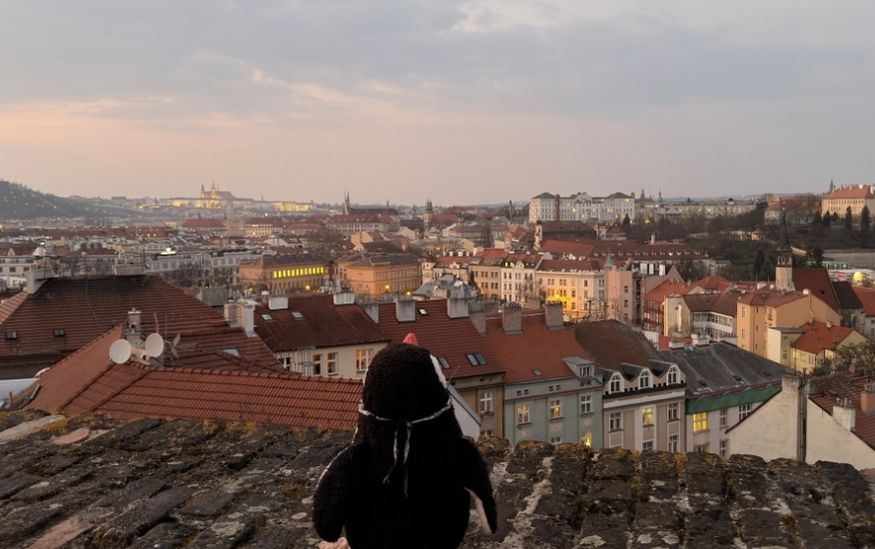
Prague Castle holds the title of the largest ancient castle in the world, stretching an impressive 570 meters in length and 128 meters in width. More than a historic fortress, it functions as the heart of Czech political and cultural life, housing the presidential offices, centuries-old churches, and national treasures. From its hilltop vantage point, the castle complex overlooks the Vltava River, offering views of the city below. Waddling through its courtyards reveals a timeline of architectural styles and historical events, making it not just a monument but a living part of the country’s identity.


Czechia’s Highest Peak in the Heart of the Krkonoše Mountains
Sněžka is the highest point in Czechia, rising to 1,603 meters above sea level in the Krkonoše mountain range near the Polish border. The peak offers panoramic views across both countries and draws hikers year-round, thanks to its scenic trails and alpine atmosphere. A cable car from the town of Pec pod Sněžkou provides easier access to the summit, while more adventurous visitors follow well-marked paths through forests, ridgelines, and mountain meadows.
Prague’s Old Town Astronomical Clock
As you waddle Prague, you can’t miss the Prague Astronomical Clock in the heart of Prague’s Old Town Square. It is the third-oldest in the world and the oldest still in operation. Installed in 1410, this medieval masterpiece does more than tell time; it puts on a show. Every hour, a mechanical procession of the twelve apostles emerges from small windows above the dial, drawing crowds who gather to watch the centuries-old ritual. The clock also features a calendar, zodiac symbols, and astronomical details that reflect the medieval understanding of time and the cosmos.
Why Hockey Rules the Rinks and Hearts of a Nation
Ice hockey is the most popular sport in the Czech Republic, deeply woven into the country’s national identity and pride. The men’s national ice hockey team ranks among the top contenders in global tournaments, with a history of championship wins and Olympic success. Czechia has also produced some of the NHL’s most iconic players, most notably Jaromír Jágr, whose longevity and scoring power place him among the league’s all-time greats.
One of the World’s Most Secular Societies
The Czech Republic ranks among the least religious countries globally, with around 39.8% of the population identifying as atheist and another 13.4% undecided or unaffiliated. While historic churches and cathedrals still shape the country’s skyline, religious practice plays a limited role in daily life for most Czechs. This secular outlook stems in part from a complex history marked by political shifts, enforced ideologies, and growing emphasis on personal freedom. Spirituality tends to take more individual, philosophical forms rather than institutional ones.
Czechs Value Education
Education holds a strong place in Czech society, with around 90% of adults having completed at least secondary school. This commitment to learning shapes the country’s skilled workforce, cultural awareness, and technological development. Public education remains widely accessible, and universities such as Charles University in Prague attract both local and international students.
Flight search from Kiwi.comShows Kiwi.com’s own box, which can set Kiwi.com cookies.
Škoda Auto: A Czech Engineering Icon with Global Reach
Škoda Auto, one of the world’s oldest and most recognized car manufacturers, has its roots firmly planted in the Czech Republic. Founded in 1895, the company is headquartered in Mladá Boleslav and has grown from a small bicycle repair workshop into a global automotive brand. Today, Škoda vehicles are sold in over 100 countries, known for their reliability, innovation, and practical design. The brand remains a symbol of Czech engineering and industrial strength, contributing significantly to the country’s economy and reputation worldwide.
7 Travel Tips for First-Time Visitors to the Czech Republic
1. Cash Still Reigns
Card payments grow more common in major cities, but cash remains a fixture in many restaurants, shops, and rural areas. The local currency is the Czech koruna (CZK). Always carry small change, especially if you plan to visit markets, use public restrooms, or buy transport tickets from kiosks. While Prague has plenty of ATMs, rural areas offer fewer options. Use machines at reputable banks to avoid excessive fees. Exchange booths at airports or tourist spots often give poor rates. Waddle a few blocks away from major attractions for a better deal.
2. Public Transport Works Efficiently
Buses, trams, and trains run punctually and frequently. In Prague, the metro complements surface transport well. Buy tickets before boarding and validate them once inside. Transport inspectors patrol without notice. Penalties apply for riding without a validated ticket.
Intercity train travel is comfortable and scenic. Bus routes cover smaller towns and villages; for trips to Karlovy Vary, Cesky Krumlov, or Brno, buses and trains offer reliable connections. Apps like IDOS or Czech Railways simplify route planning.
3. Supermarkets and Hours May Surprise You
Shops don’t always operate around the clock. On Sundays and holidays, many businesses close early or remain closed altogether. Supermarkets like Albert, Lidl, or Tesco run standard hours, usually until evening. Convenience stores fill gaps, but prices tend to be higher. Buy essentials before public holidays. Pharmacies carry basic over-the-counter items, but you may need a prescription for more substantial medications. Not all staff members speak English, so please write down your symptoms or use a translation guide.
4. Wi-Fi and SIM Cards Stay Accessible
Cafes, hotels, and restaurants usually offer free Wi-Fi. For greater connectivity, buy a local SIM card with data. Operators like Vodafone or O2 sell prepaid options at airports and malls. Czech internet speeds match European standards. Signal strength covers most populated areas. Use your phone for maps, ticket apps, or digital menus. Avoid international roaming charges by checking your plan. SIM cards require ID for registration.
5. The Metro Stops Short of the Airport—Here’s What to Do Instead
When you visit Czechia, you will proparbly arrived at the Prague airport. Be aware that though Prague’s public transport runs smoothly and keeps costs low, but there’s one key gap: the metro doesn’t reach the airport. If you’re heading into the city, the most budget-friendly route is the 119 bus from the airport to Nádraží Veleslavín, where you can transfer to metro Line A. Buses run frequently, though they can get crowded. You’ll find ticket machines in the terminal or at the stop, most take contactless cards. If you’re staying near the main train station (Hlavní nádraží), the Airport Express offers a direct, slightly pricier option that skips the transfers.
6. Validate Your Public Transport Ticket
Public transport tickets range from short 30-minute passes to three-day options. You can buy them at newspaper stands, convenience shops, and all metro stations. Trams include orange contactless machines where you can pay by card. The PID Lítačka app also works for buying digital tickets. Once you have a ticket, validate it at the start of your journey. That means inserting it into the yellow machine on board trams and buses, or near metro entrances. If you’re using the app, tap the button before boarding. Skipping this step can lead to an on-the-spot fine.
7. Public Drinking Is Legal, but Not Everywhere
While drinking alcohol in public is generally allowed in many places, certain zones (especially historic or tourist-heavy areas like Prague 1) have restrictions. These zones are marked with signs, and drinking there can result in a fine. Fines can range from a few hundred to several thousand Czech koruna, depending on the situation. Enforcement usually falls to municipal police, and while you might see others drinking, that doesn’t mean it’s risk-free. Police are more likely to intervene during busy weekends, festivals, or when public behavior draws attention.

Other Czechia Travel Facts To Be Aware Of
- No High Heels at Some Castles. To protect fragile flooring, some castles or historic buildings restrict high heels. It’s rare but posted clearly where it applies—usually to preserve centuries-old wood or tile.
- You Must Carry ID at All Times. Everyone, including tourists, must carry valid ID while in public. Police can ask for identification, and if you don’t have it, you could be detained or fined.
- Tap water is safe to drink throughout the Czech Republic, including in cities, towns, and rural areas. The country maintains high water quality standards, and regular testing ensures that public water supplies meet strict health regulations.
- Smoking Is Banned in Restaurants and Bars. As of 2017, smoking is banned in all indoor public spaces, including restaurants, cafés, and bars. Outdoor terraces are usually exempt.
- Unauthorized Photography of Government or Military Buildings. Be cautious when photographing embassies, police stations, and military zones. If in doubt, ask or avoid pointing your camera at official-looking buildings. Typically you get a warning, but you can be fined or questioned.
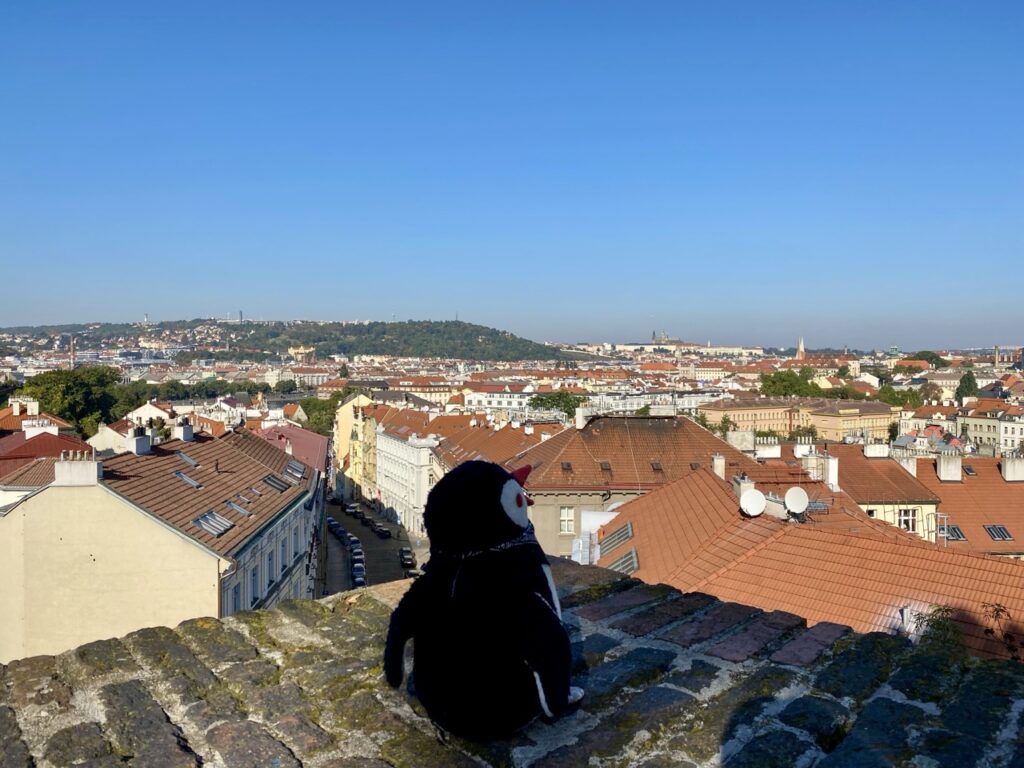
Traveling in Czechia offers more than beautiful views and historic landmarks, it offers a rhythm of life that balances tradition, order, and quiet charm. Knowing the local laws, customs, and travel details helps you move through the country with ease and respect.
Pack your bags and explore the Czech Republic!

This post contains affiliate links. If you click and buy, I might earn a tiny commission, enough to help a penguin keep up its globe-trotting lifestyle. No extra cost to you, just more fish for me. Thank you for supporting the adventure!