Račkova Valley Hiking Trail Guide
While we were on our family weekend getaway, we naturally took the opportunity to explore the beautiful nature Slovakia has to offer, and Račkova Valley seemed like the best option. The Western Tatras hiking trails are renowned for their alpine beauty and panoramic views. Considering the group, we opted for a more relaxed hike, suitable for all age groups.
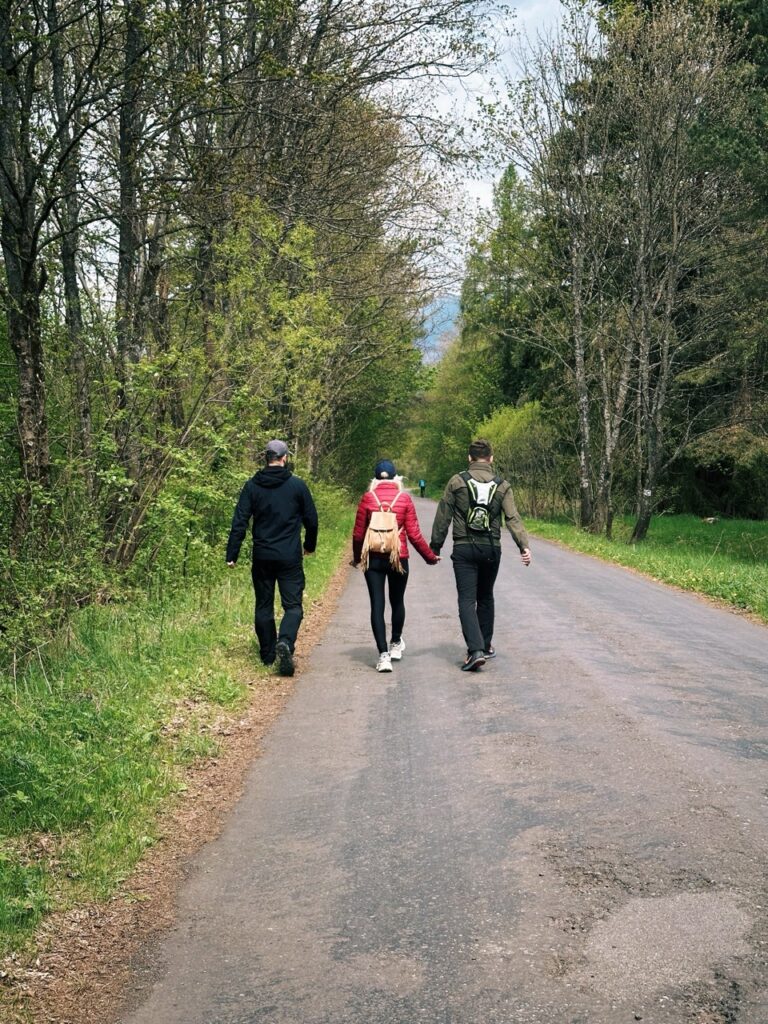
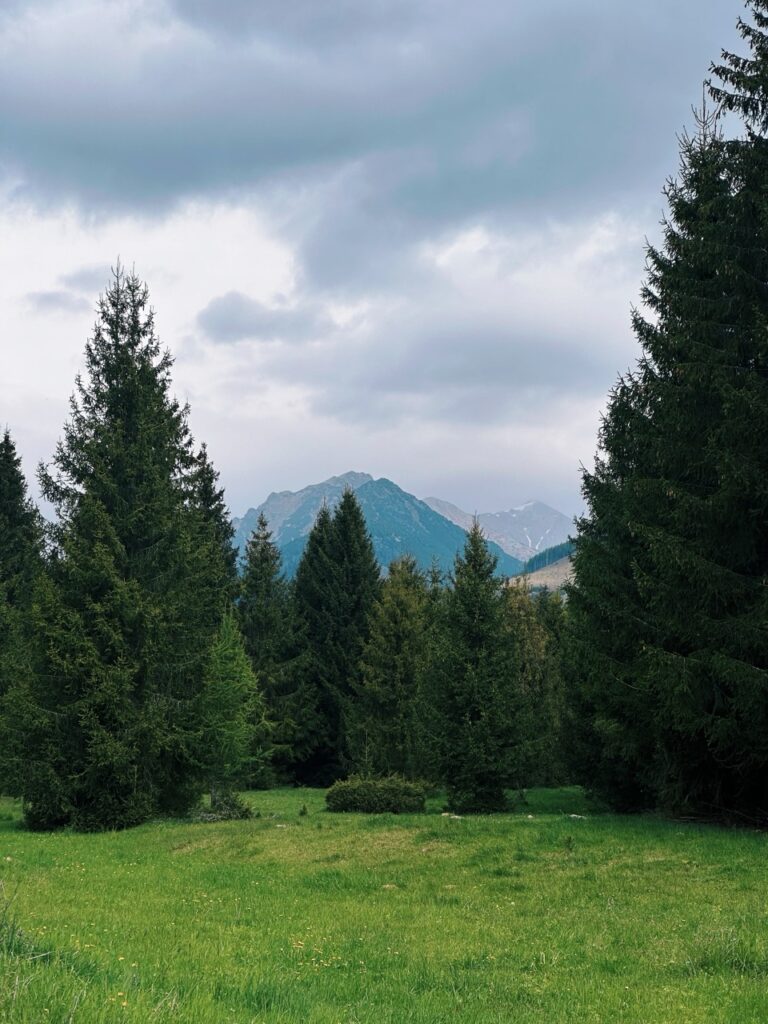
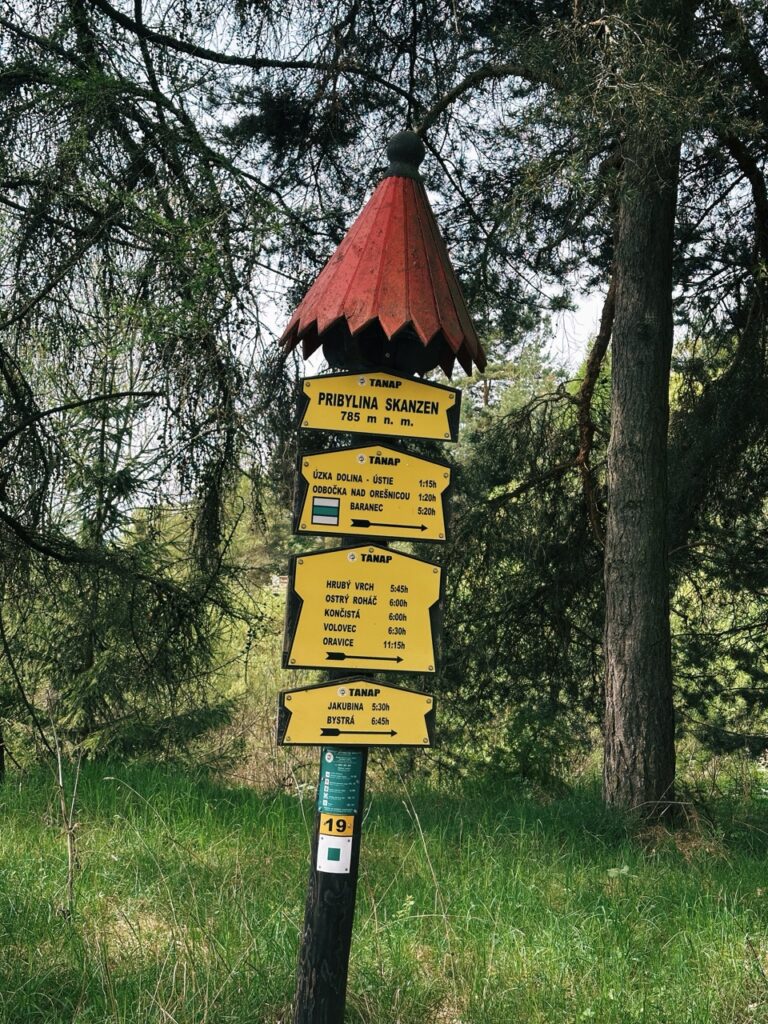
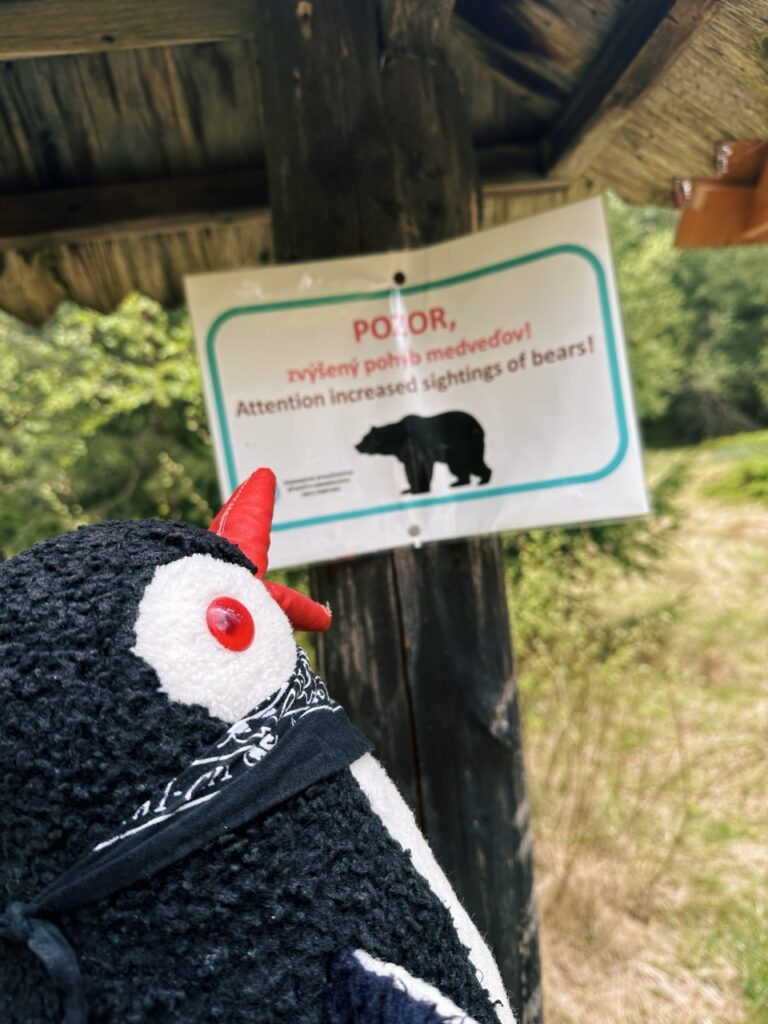
You can find the valley on the southern slopes of the Western Tatras near Pribylina. Račkova Valley is a 5–9 km gem, offering a peaceful escape with a taste of high-mountain adventure. However, as mentioned, we opted for something more relaxed, although adrenaline was rushing through our veins due to the higher concentration of brown bears in the area.
Our waddle:
-
-
- Waddle duration: 1 hour and 58 minutes
- Distance: 7,01 km (4,31 miles)
- Route: Green
- Map: link
- Difficulty: easy
- Things to see: Model of a Tajch, Pribilyna drinking wheel
-
How to Get to Račkova Valley
By Car. Driving to Račkova Valley is straightforward and scenic. From Liptovský Mikuláš, it’s about a 25-minute drive via Route 18 and Road 537. If you’re coming from Poprad, expect a 35-minute journey through the beautiful Tatras landscape.
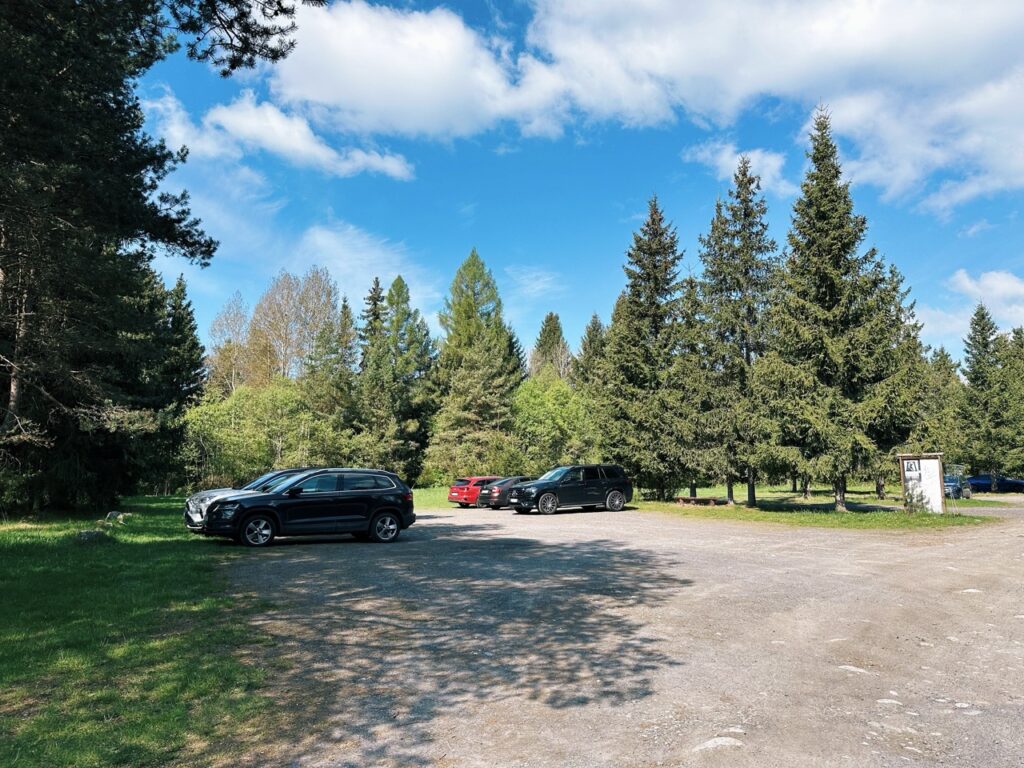
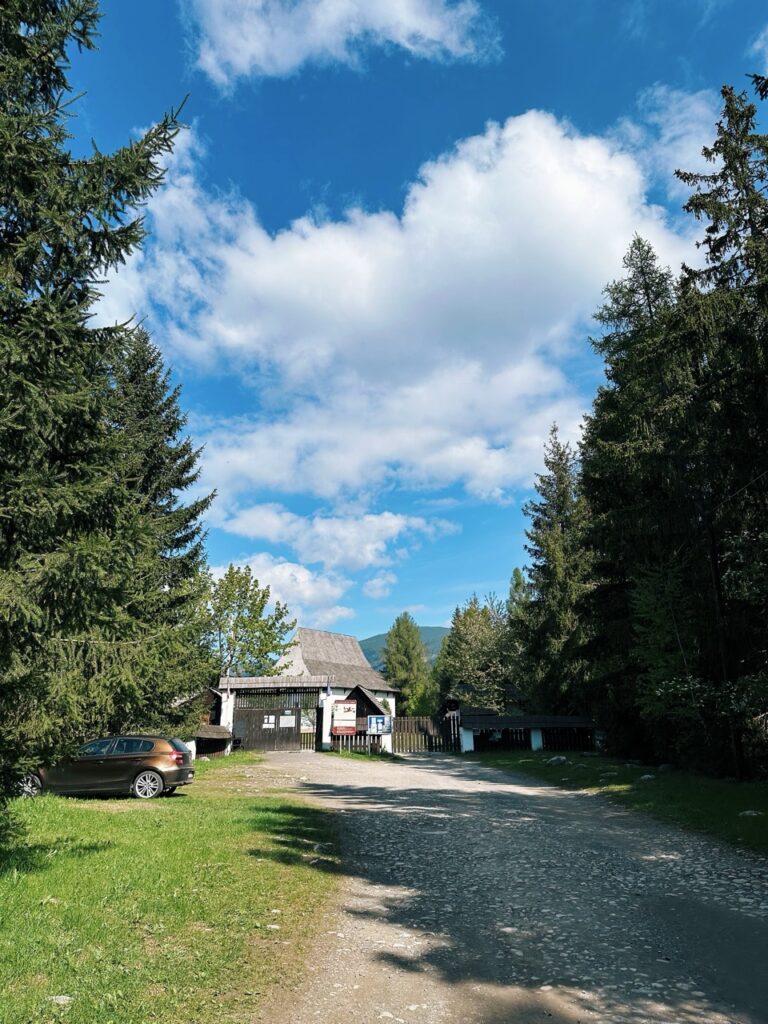
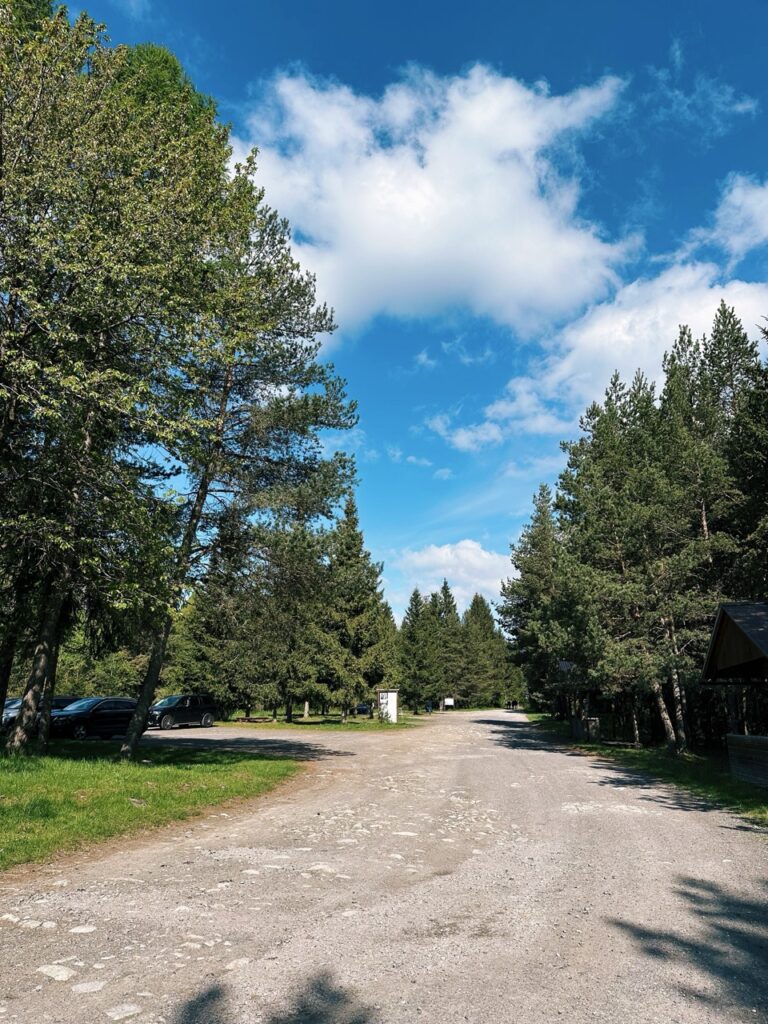
Where to park. When arriving by car, parking is convenient and well-signposted. You can park your car at the main paid parking at Pribylina Skanzen. It is adjacent to the Liptov Village Museum (Múzeum liptovskej dediny). It’s the primary recommended starting point. Parking is free during the off-season (typically outside the main tourist months of May and, June and August), which is a bonus if you want to avoid crowds and save a few euros. However, a small parking fee may apply during the peak season, especially on weekends or holidays. Also, please prepare cash (in euros), just in case. There is also the possibility of using free parking along the road (although it’s limited). It’s near the valley mouth at Úzka Dolina. These free spots are available on a first-come, first-served basis and are not officially marked.
By Public Transport. Public transport offers a reliable alternative if you travel without a car. Regular buses operate between Liptovský Mikuláš and Pribylina, especially during the tourist season. The journey takes approximately 40 minutes and drops you off in the center of the village. From there, the museum is just a short 10-minute waddle through quiet village streets.
By Train & Bus Combination. If you’re traveling from further cities such as Bratislava or Košice, the most efficient route is by train to Liptovský Mikuláš. From the Liptovský Mikuláš railway station, you can catch a direct bus to Pribylina.
- Pro Penguin Tip: Use the CP.sk or IDS Žilina mobile app for up-to-date public transport schedules in English. These tools make planning your route easy, checking delays, and even buying tickets online. If you’re using regional cards or tourist discount passes, please present them when purchasing bus or train tickets, as they often include public transportation benefits.

Our Waddle through Račkova Valley
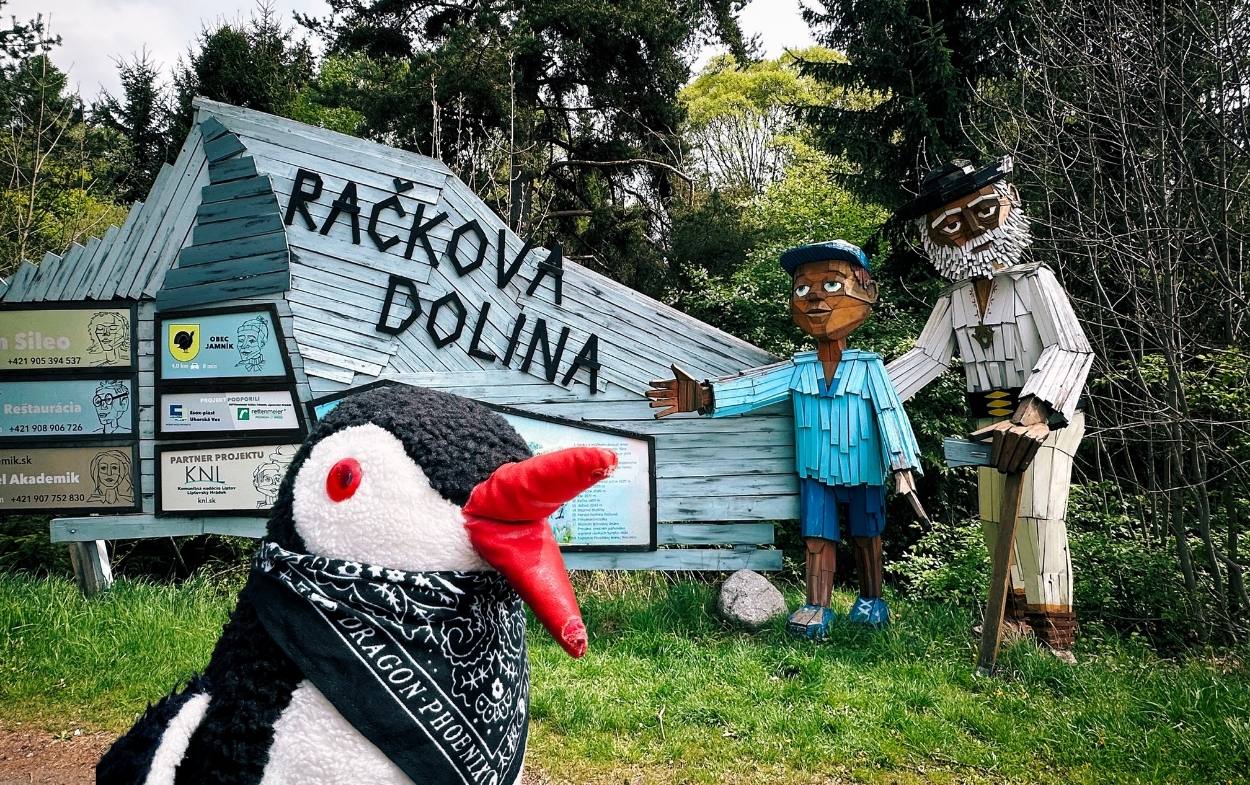
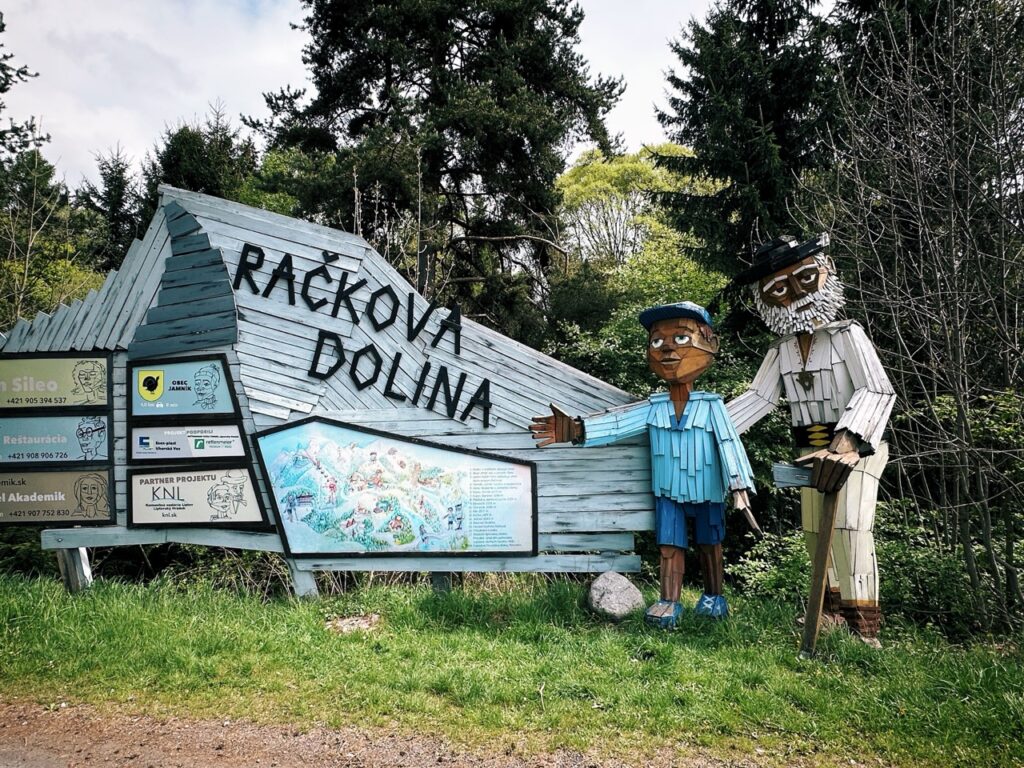
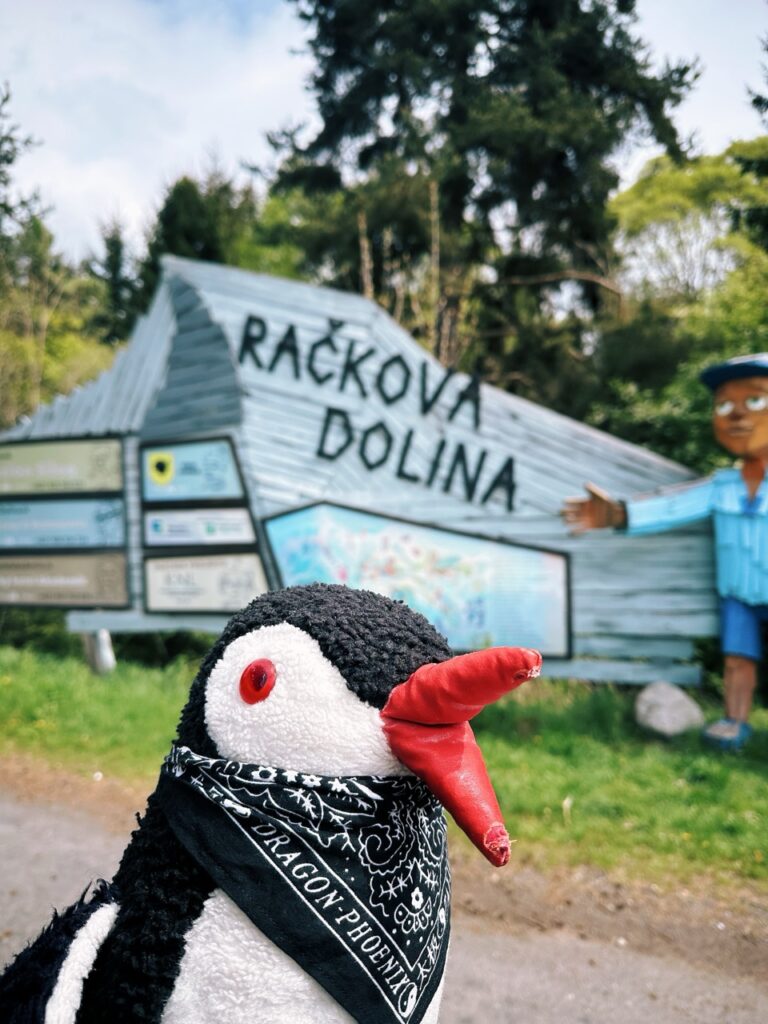
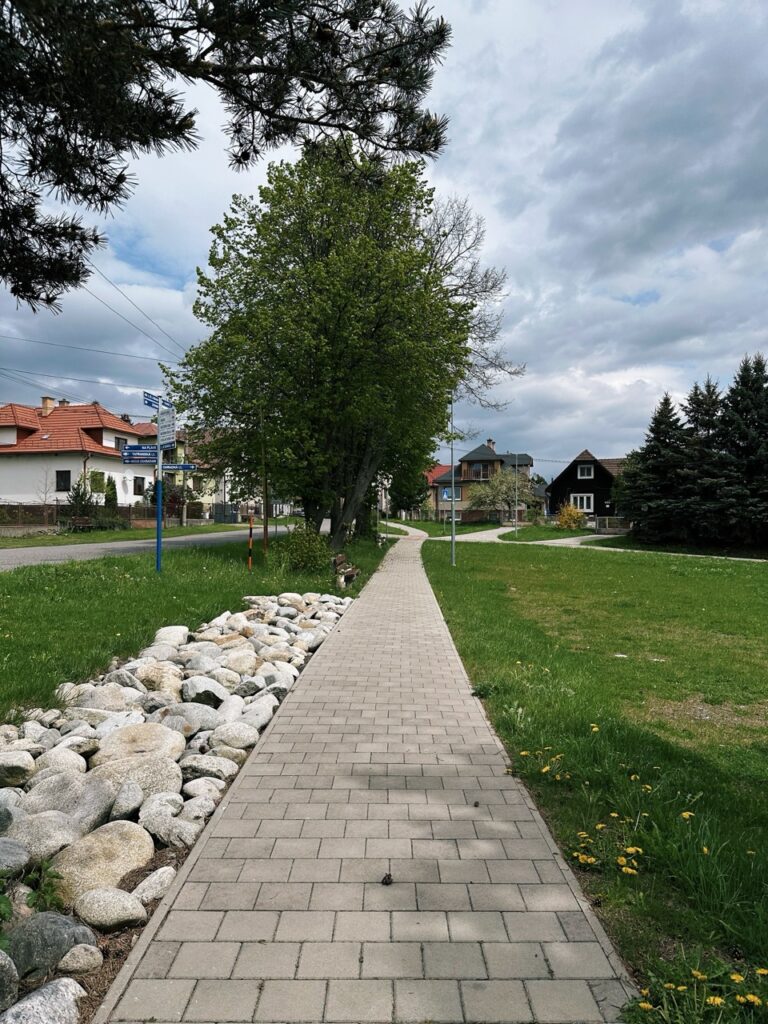
Our waddle began through the quiet streets of Pribylina, a Slovak village that feels like a postcard sprung to life. It is at the base of the Western Tatras. This is where the real journey starts, but not before a small test of nerves: crossing the main road. It’s not the most glamorous part of the adventure—more a necessary rite of passage. The crossing can be a little tense, with fast-moving traffic and minimal pedestrian infrastructure, so it’s wise to pause, look both ways (twice), and proceed with caution. Once safely across, however, the reward is immediate. A rustic sign greets you at the edge of the forest, subtly marking the entrance to Račková Valley. It’s an invitation into a world of meadows, crisp air, and the slow unraveling magic of the dense forest.
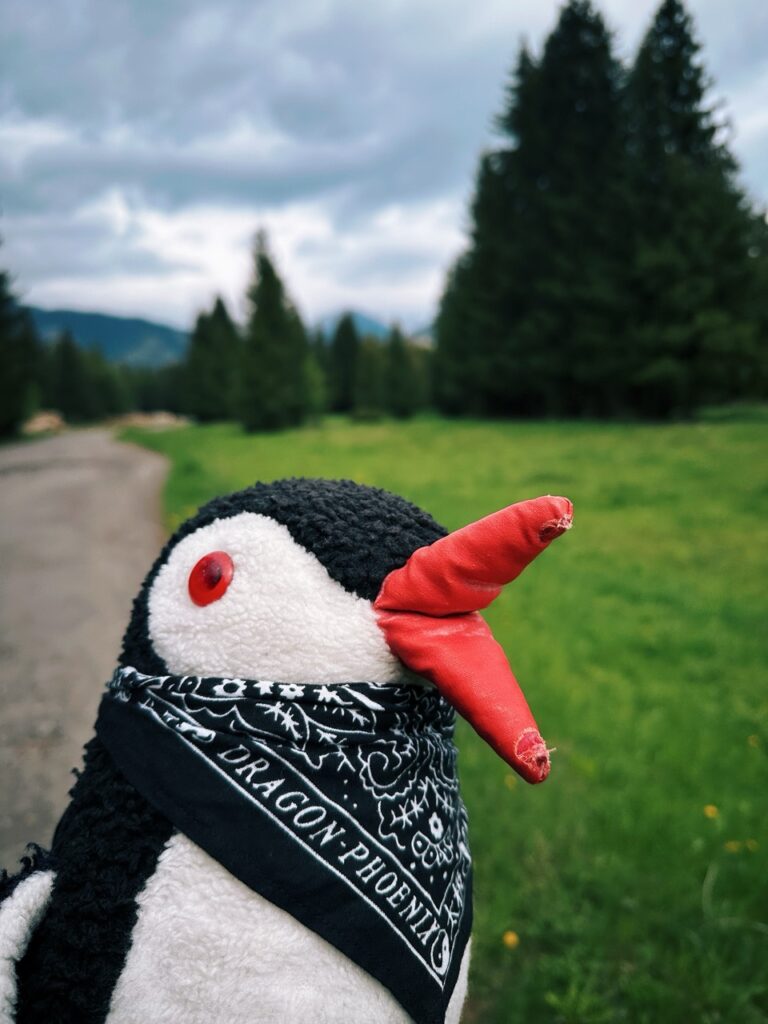
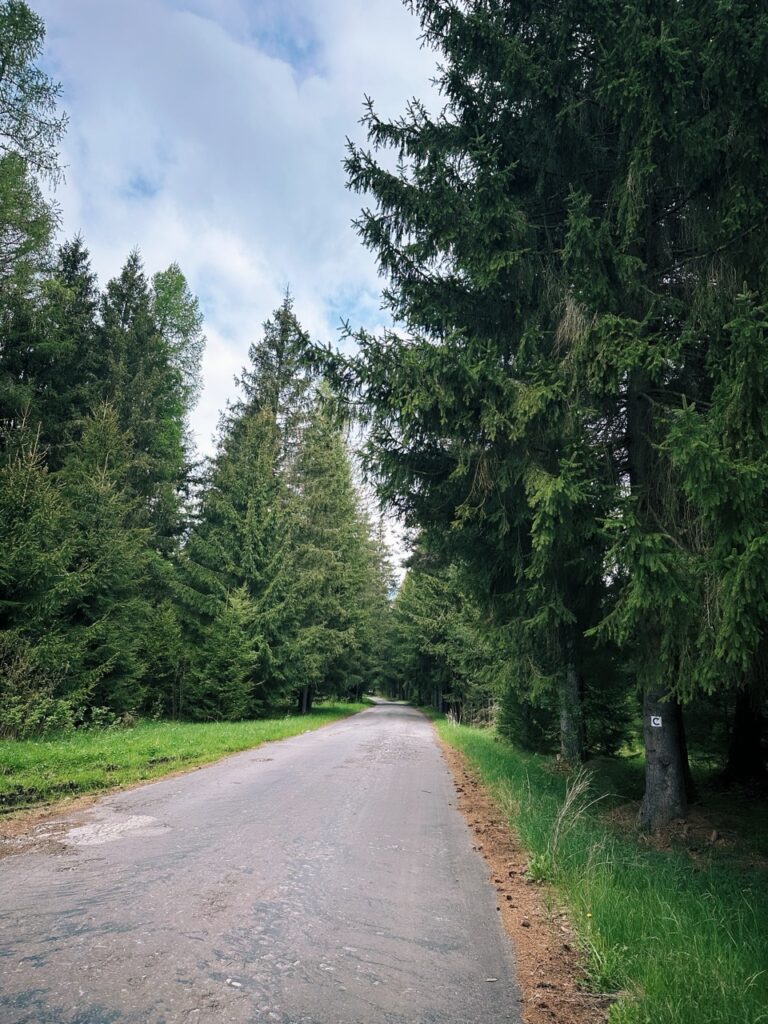
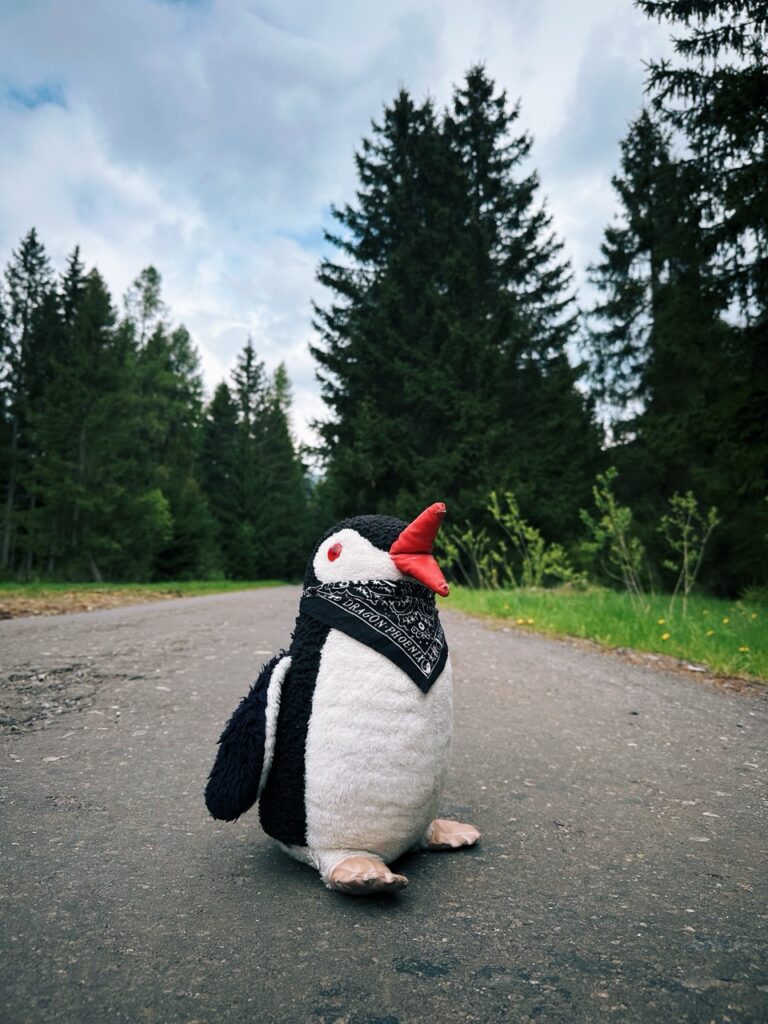

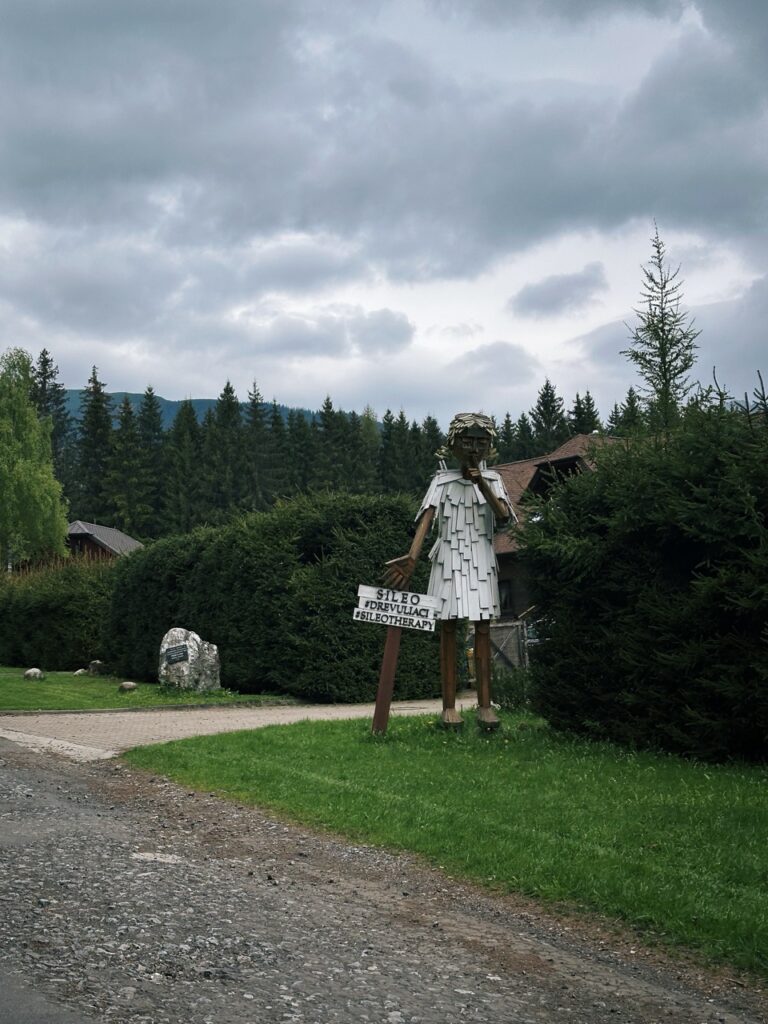
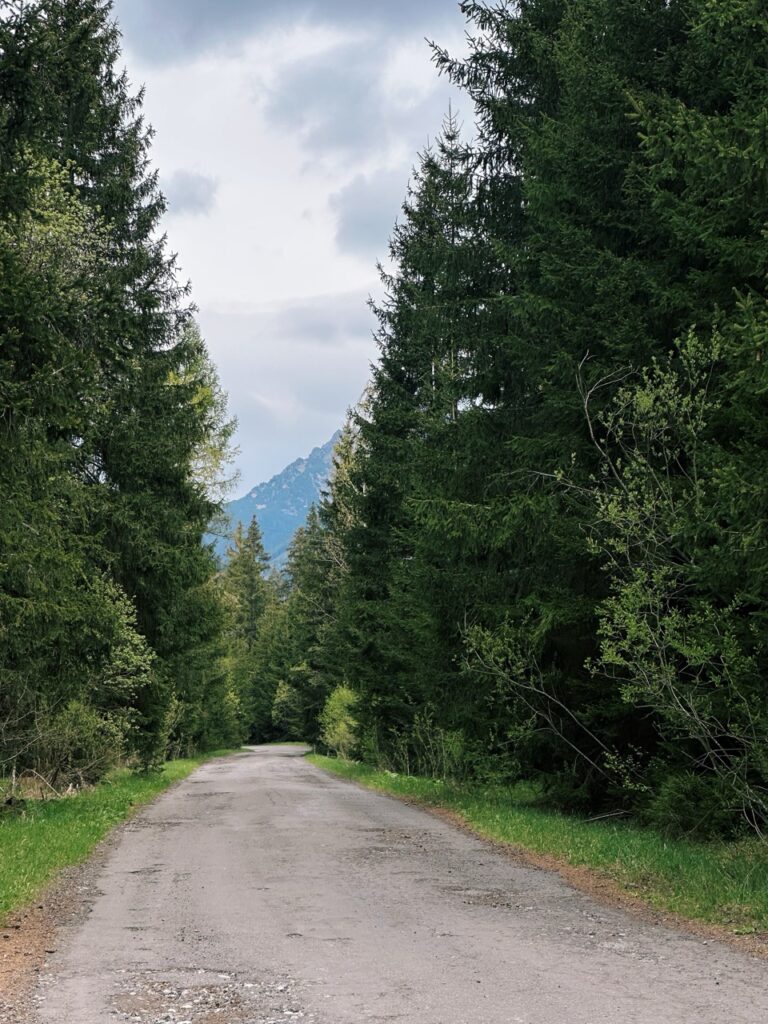
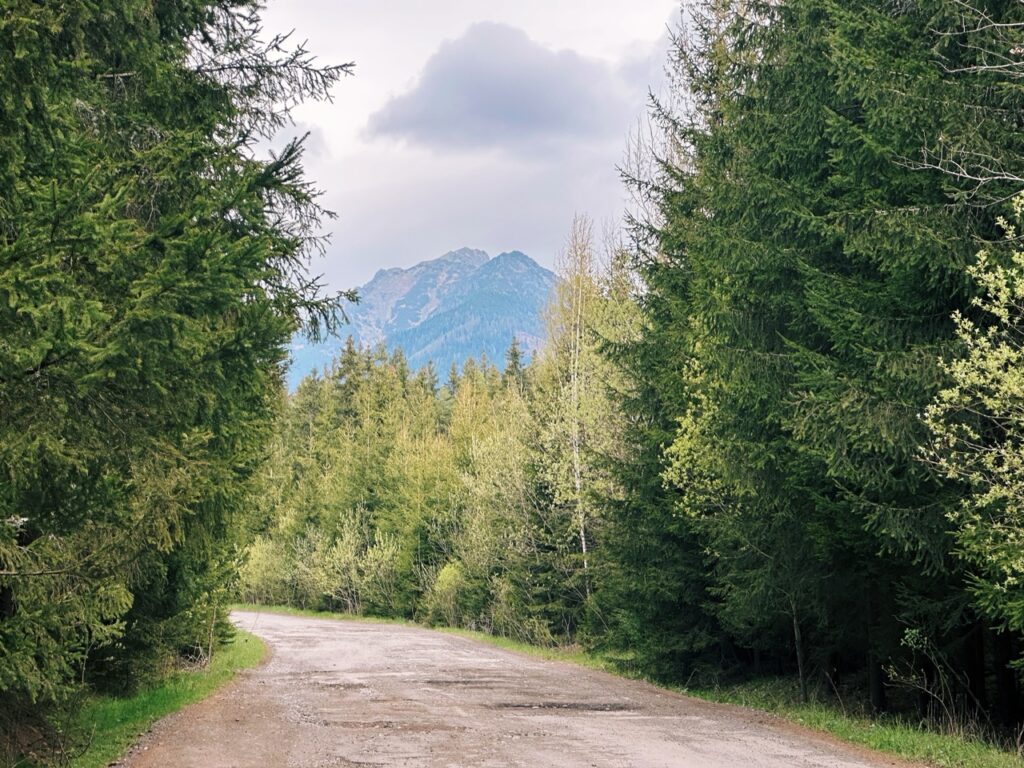
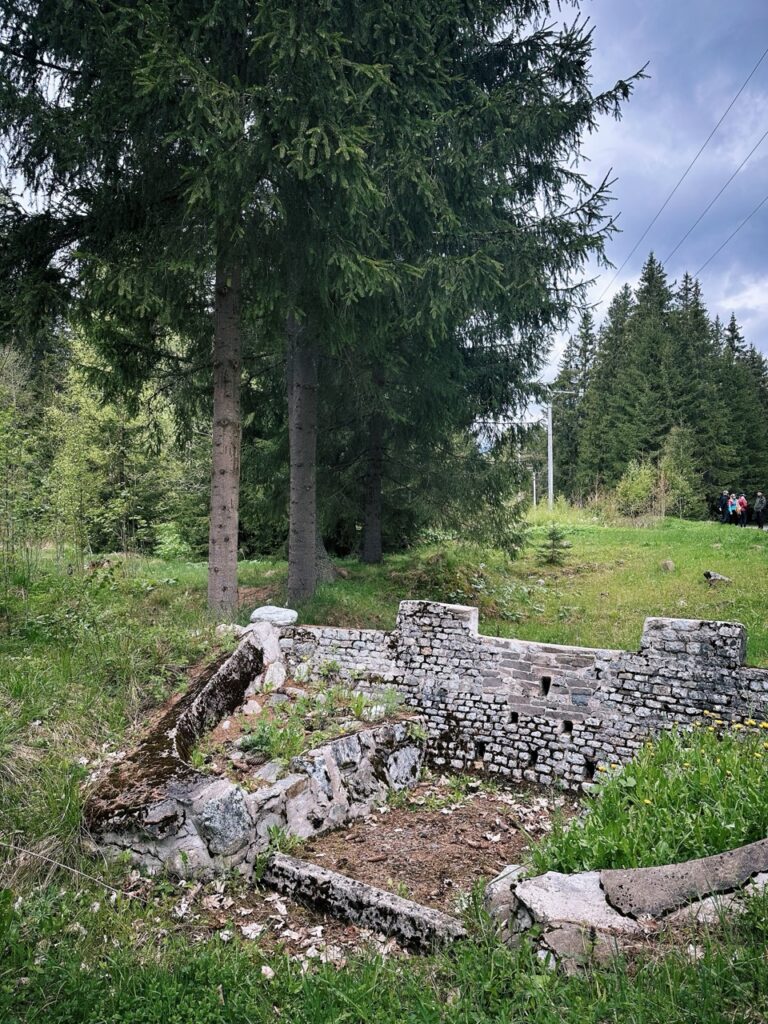
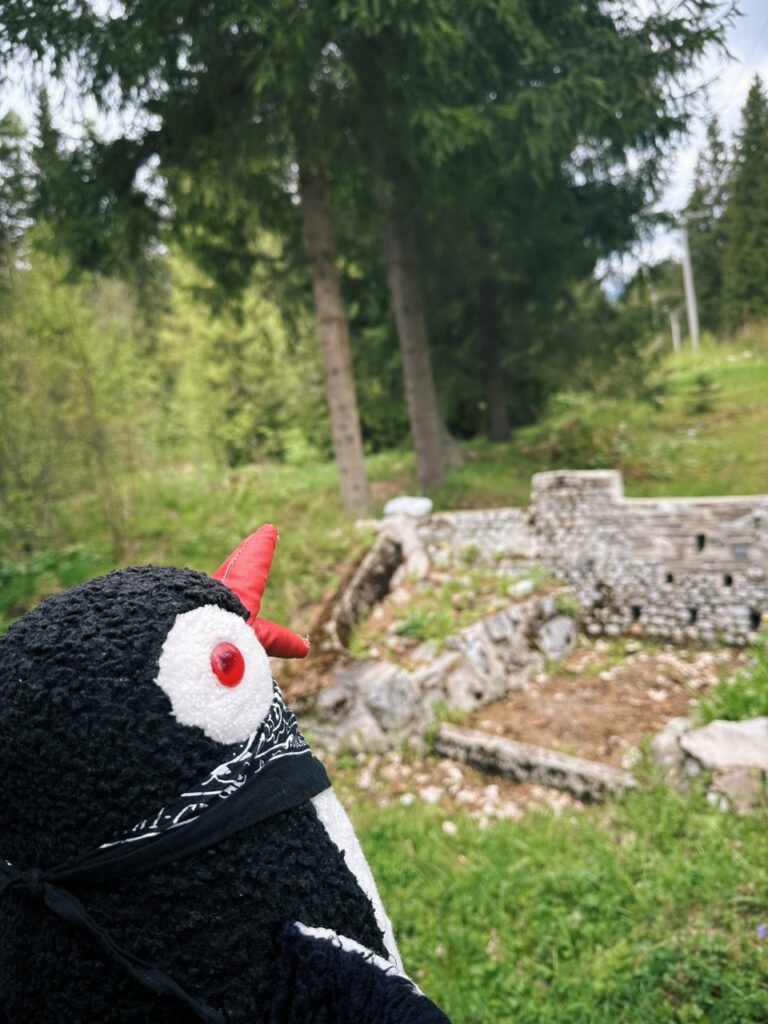
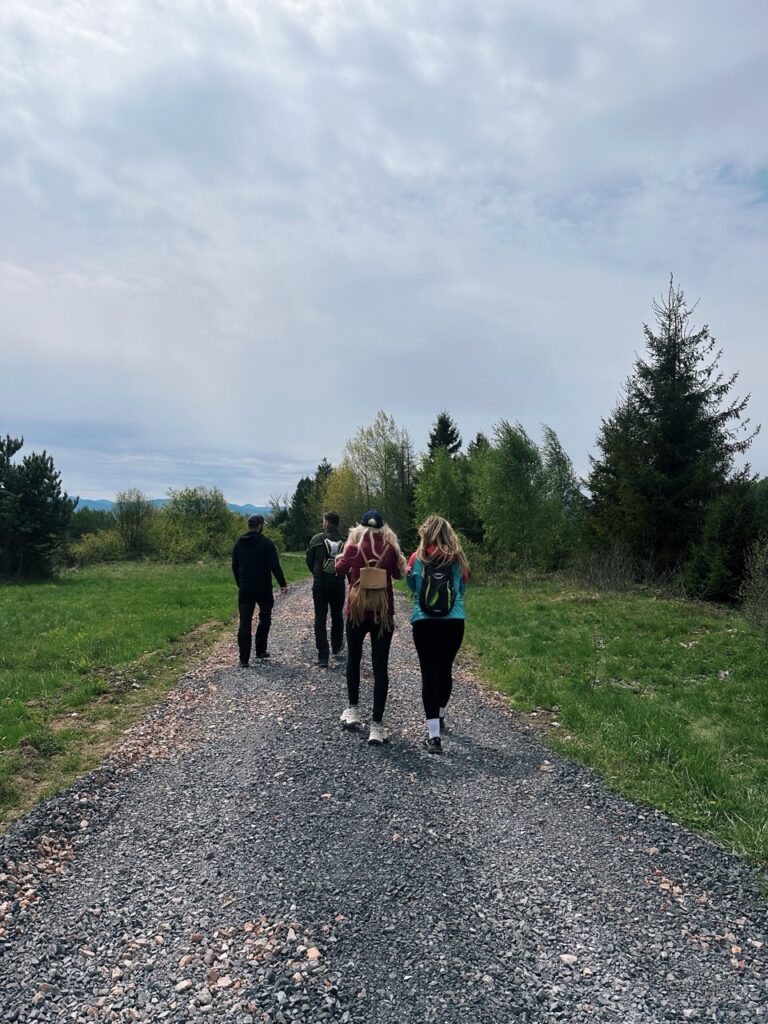
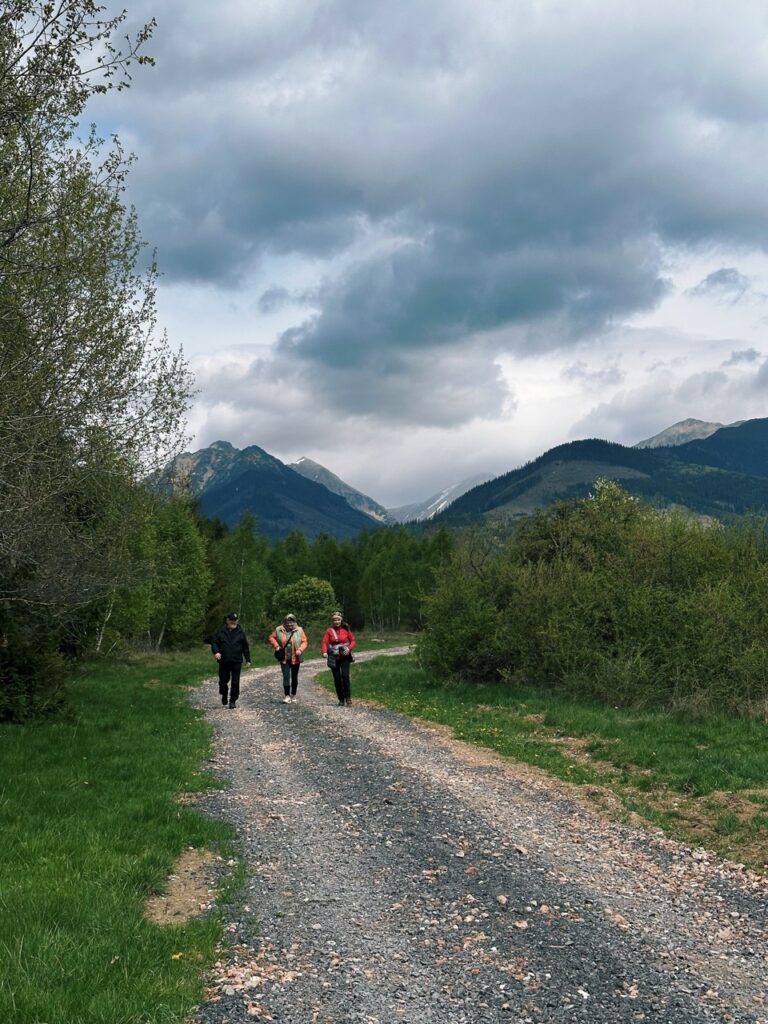
The trail begins gently, following a paved road that winds through a serene forest, with tall spruces lining the way like quiet sentinels. It’s an easy, almost meditative stretch, manageable even in sneakers, making it an ideal introduction for those easing into the hike. As you waddle, the landscape begins to open up, and in the distance, the jagged silhouettes of the Tatra peaks begin to emerge, teasing what lies ahead. Along the way, we passed Penzión Sileo, a cozy mountain guesthouse tucked into the trees, offering a tempting spot for coffee or an overnight stay. Not far beyond, we made our first brief stop at a scaled model of a tajch, a traditional artificial reservoir once used in Slovak mining regions. It’s an unexpected and charming glimpse into the area’s history, quietly blending education with the natural beauty around us.
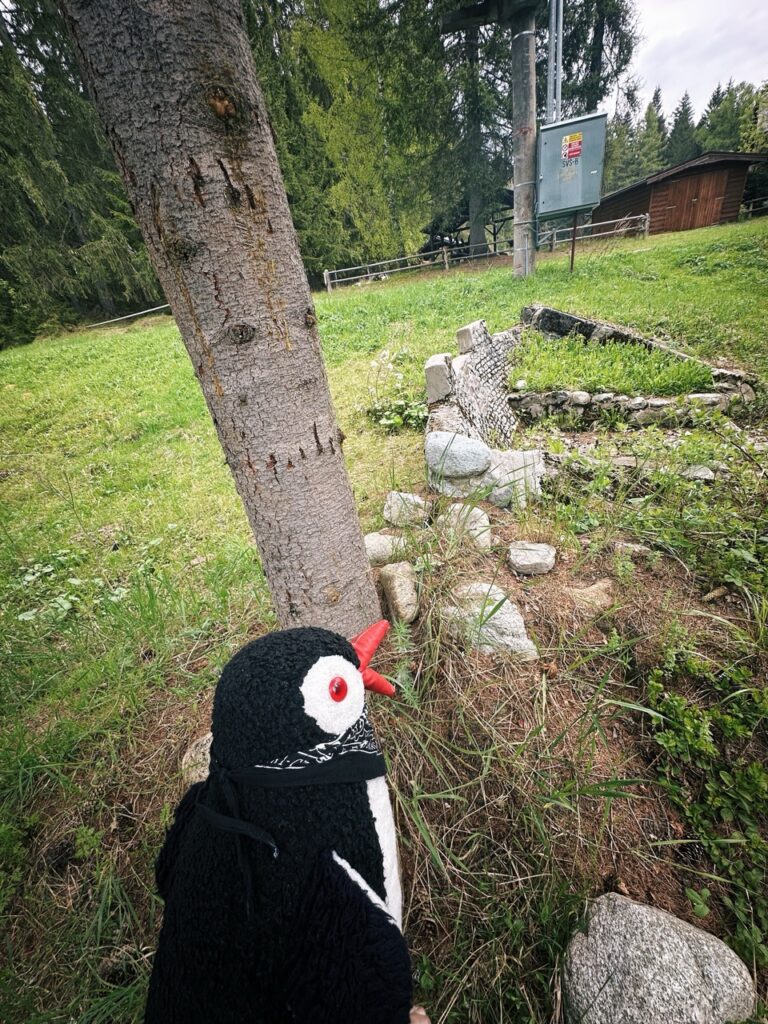
The Model of the Úká Valley Tajch
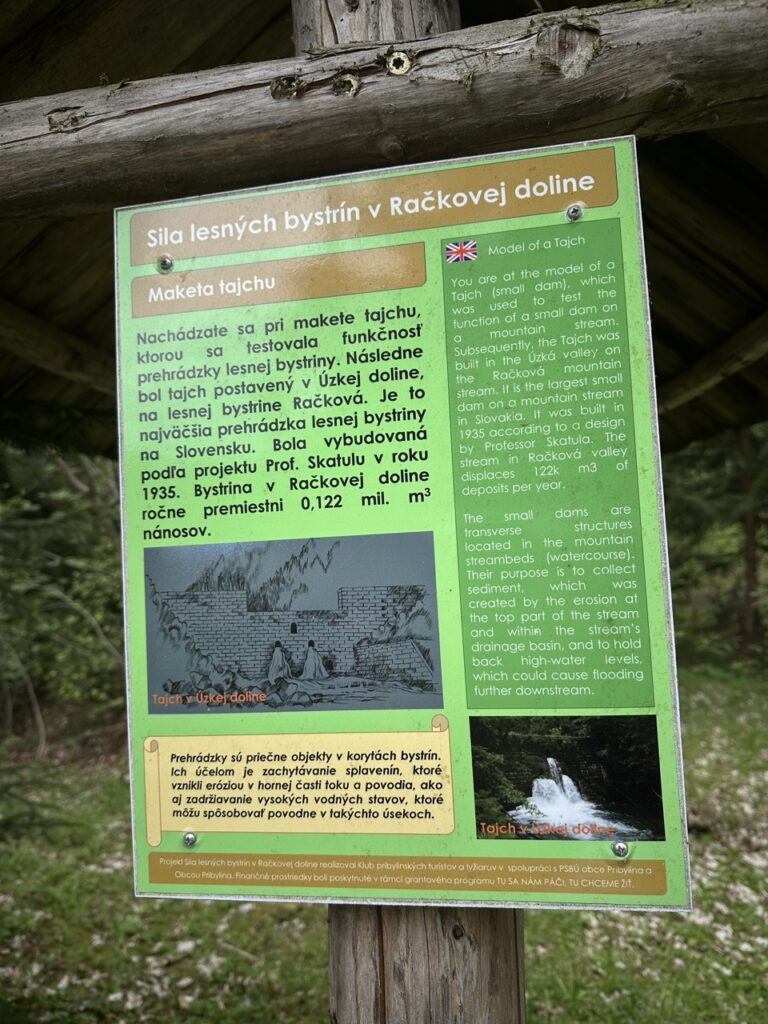
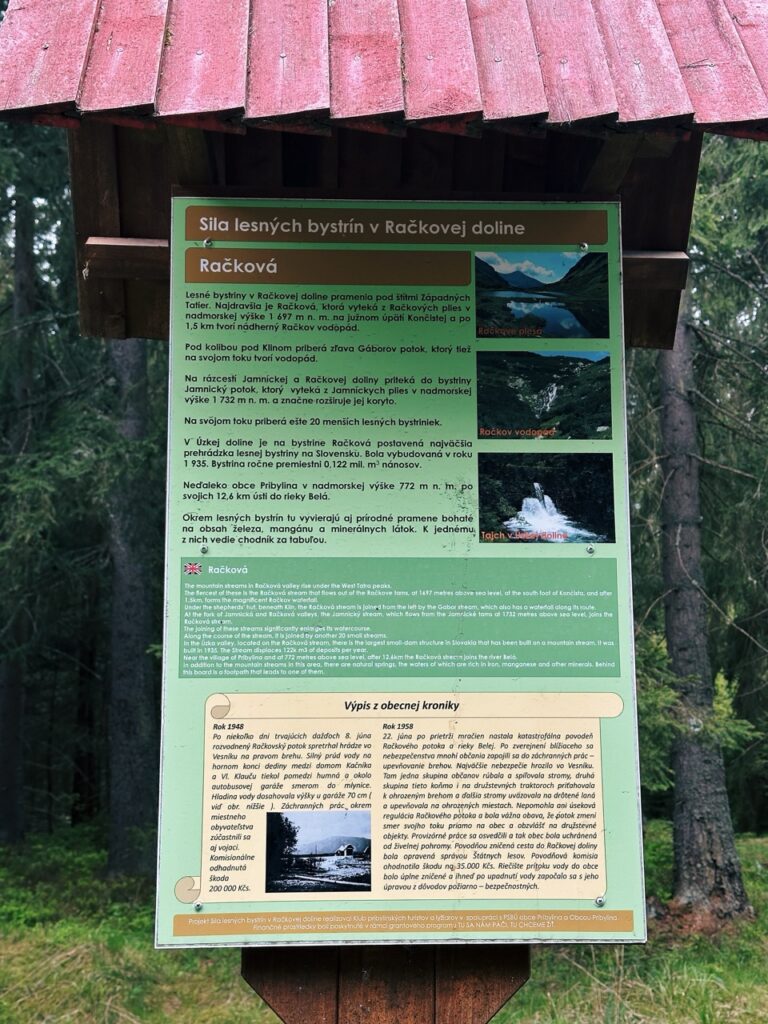
More than just a scenic curiosity, this educational installation offers a glimpse into the ingenious water management techniques once used (and, in some places, still used) in Slovakia’s mountainous regions. The model represents the tajchbuilt in the nearby Úká Valley on the Račková mountain stream, which holds the title of the largest small dam of its kind in the country. Initially constructed in 1935 based on a design by Professor Skatula, the dam was engineered to handle the stream’s powerful flow, which carries an astonishing 122,000 cubic meters of sediment annually. These small dams are crucial in trapping sediment from erosion and mitigating flood risk during high-water events.
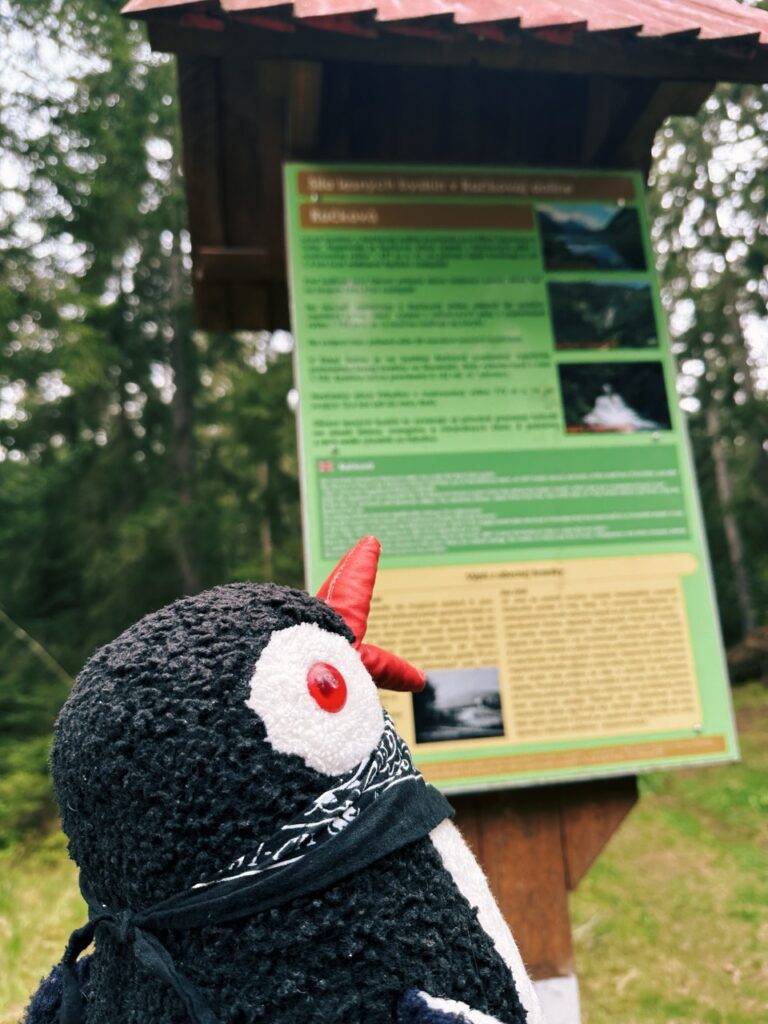
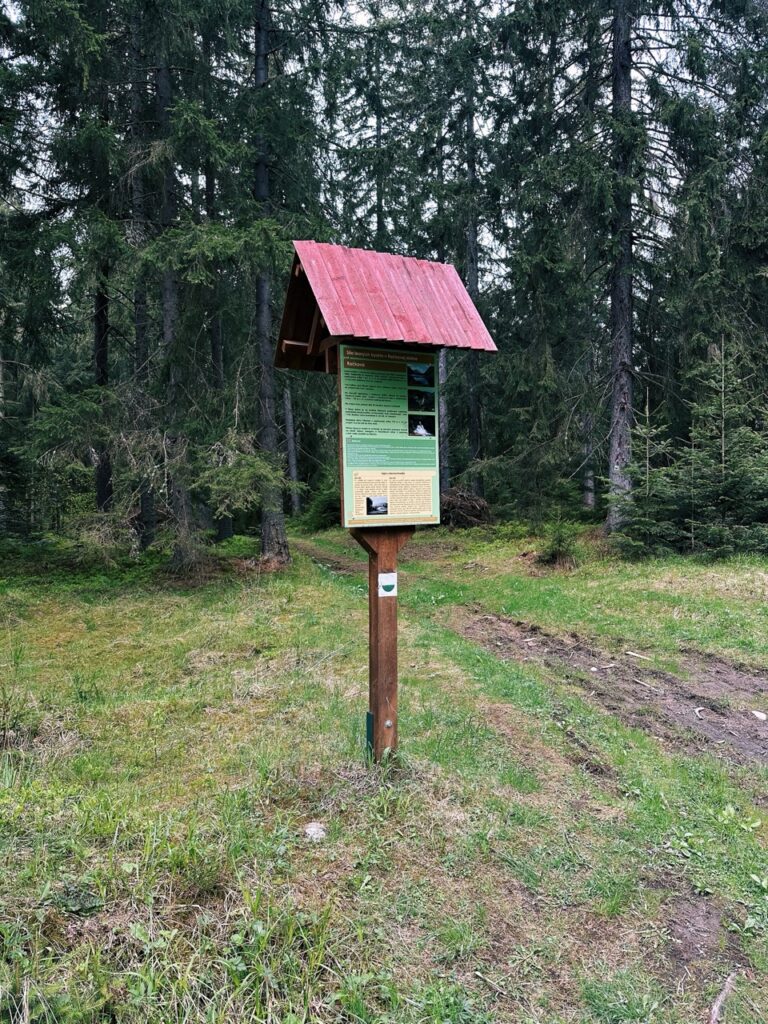
We continue along the path, lulled by the rhythm of our steps and the soft hush of the forest, until we reach a crossroads. Here, the trail splits, with one route inviting us into the dense forest and the other continuing on the easy path. Just beside the junction, an educational sign catches our attention: RAČKOVA – The Power of Forest Herbs. It’s an illustrated panel that introduces us to the rich herbal heritage of the valley, highlighting the healing properties of native plants once gathered by local communities. After a short discussion, we opted for the dense but beautiful forest.
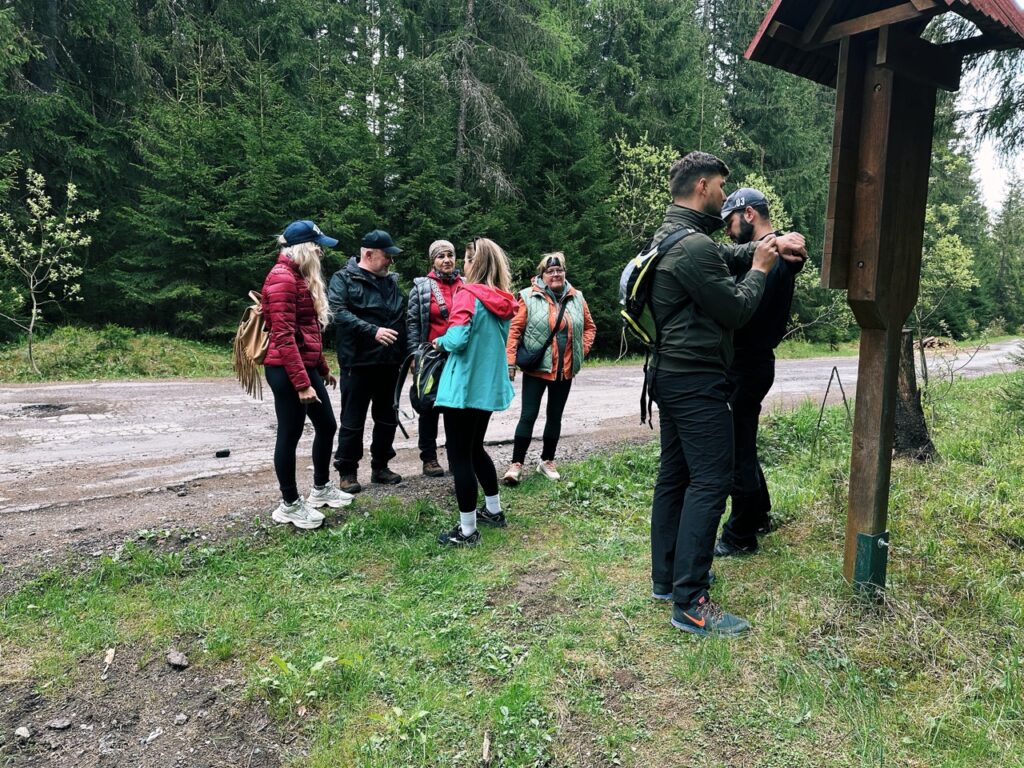
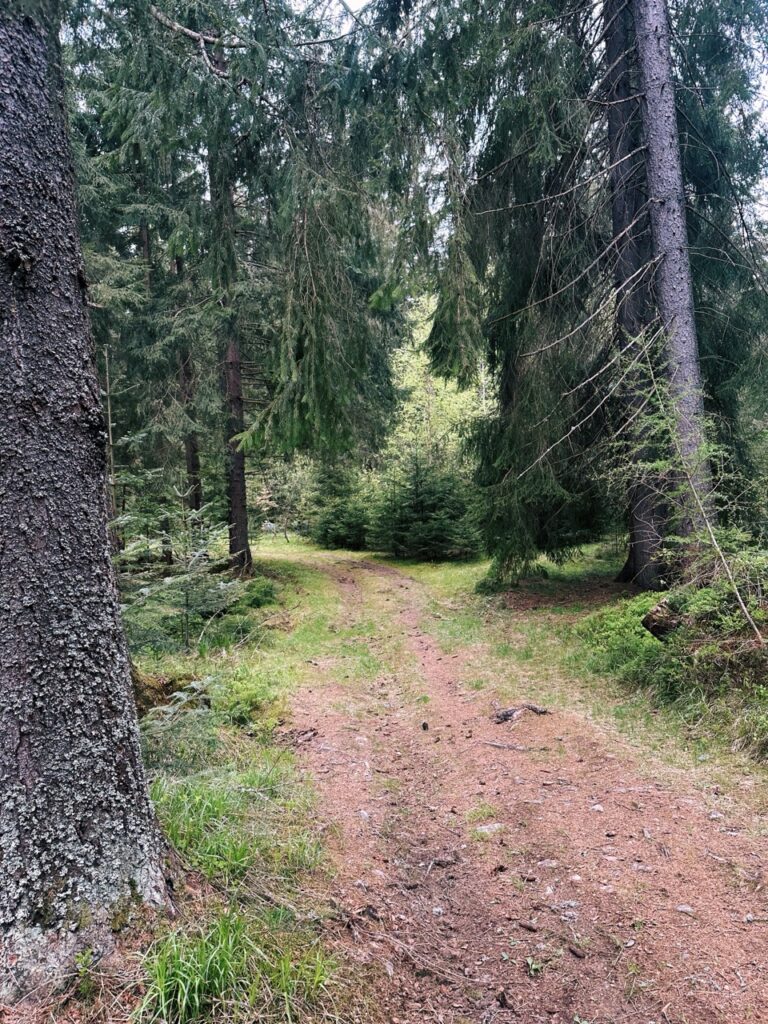
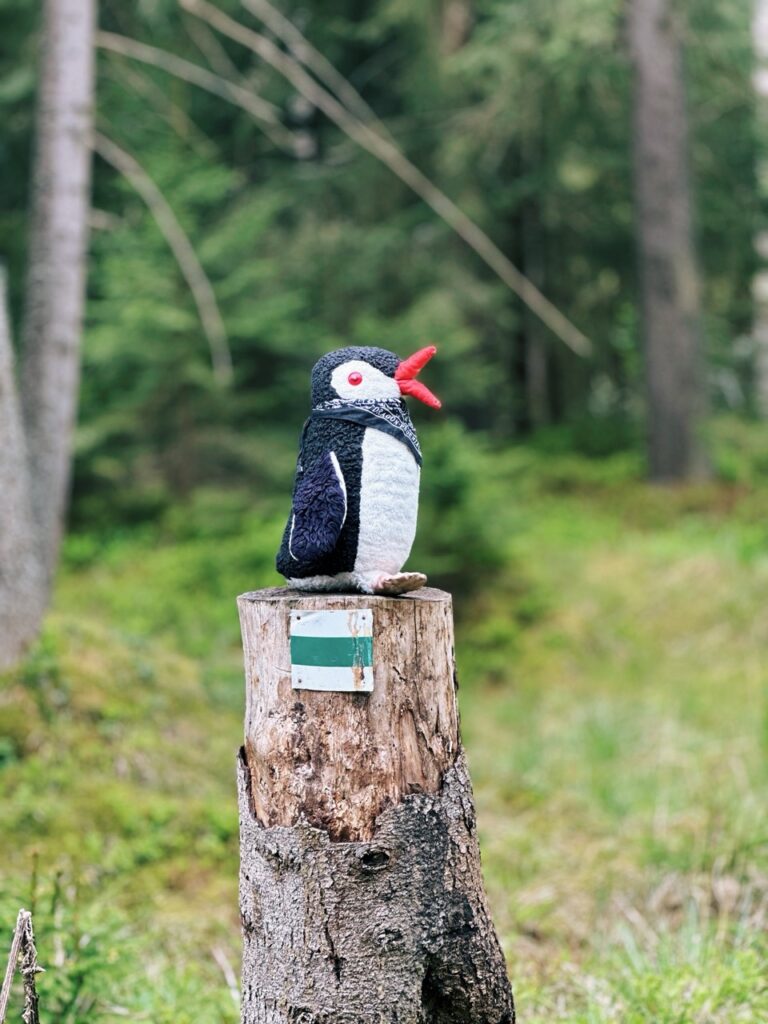
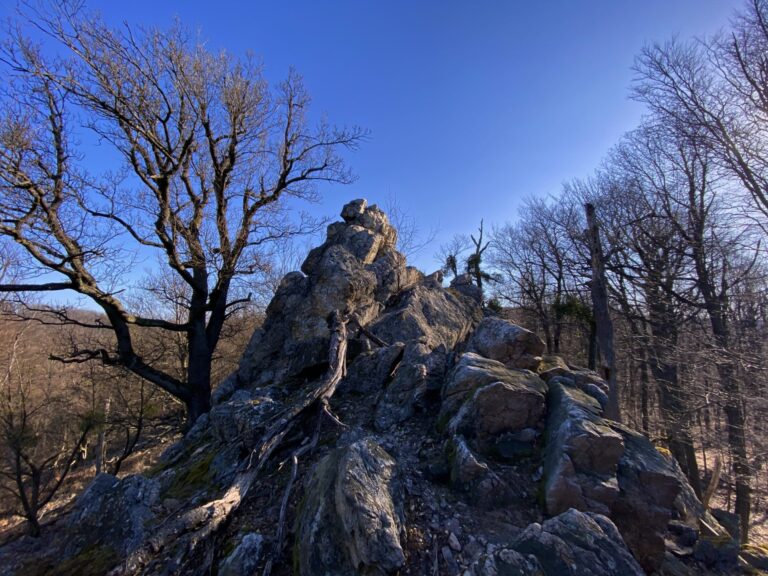
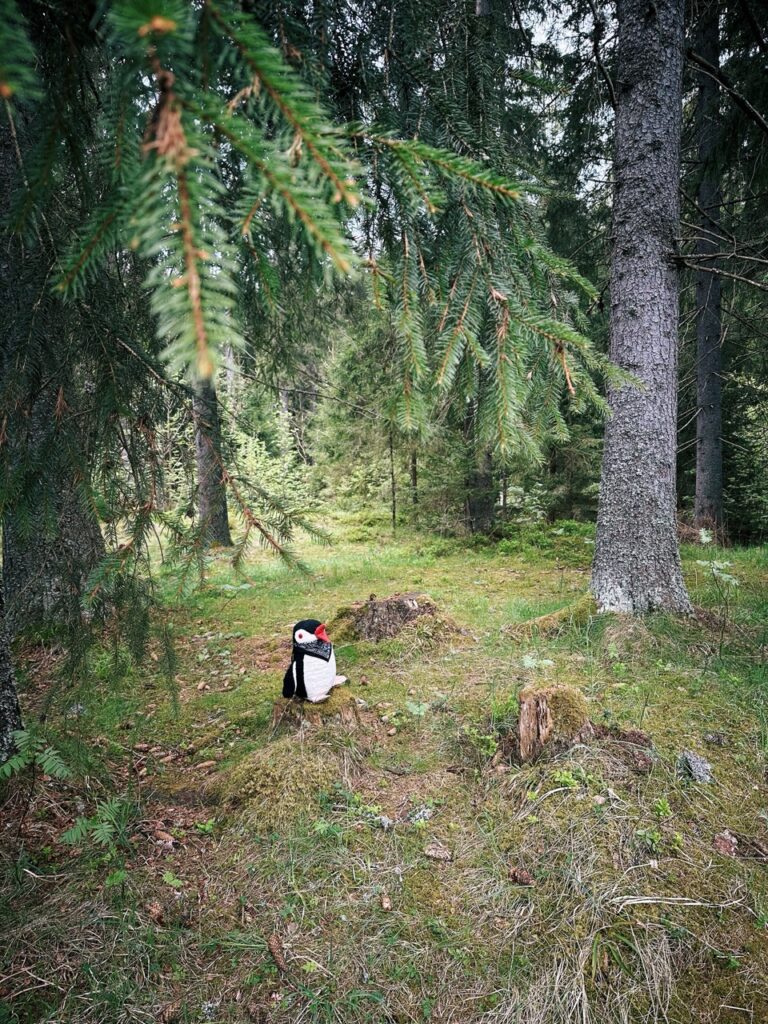
Curiosity often wins over comfort, or perhaps even common sense 😅, considering the presence of brown bears in the area. The trail quickly shifts from well-marked and tame to something far more untamed. It’s no longer a clear route but rather a suggestion of one, weaving through the thickening forest that feels alive in every direction. The trees grow closer, the ground softens underfoot, and the air turns cooler, laced with the earthy scent of moss and pine. It’s the kind of forest that feels like it belongs in a fairy tale, fresh, green, and enchanted. Every rustle in the underbrush makes our hearts skip, half-expecting a brown bear to leap out at any moment. We know the chances are slim, but the rawness of the wilderness stirs that ancient thrill.
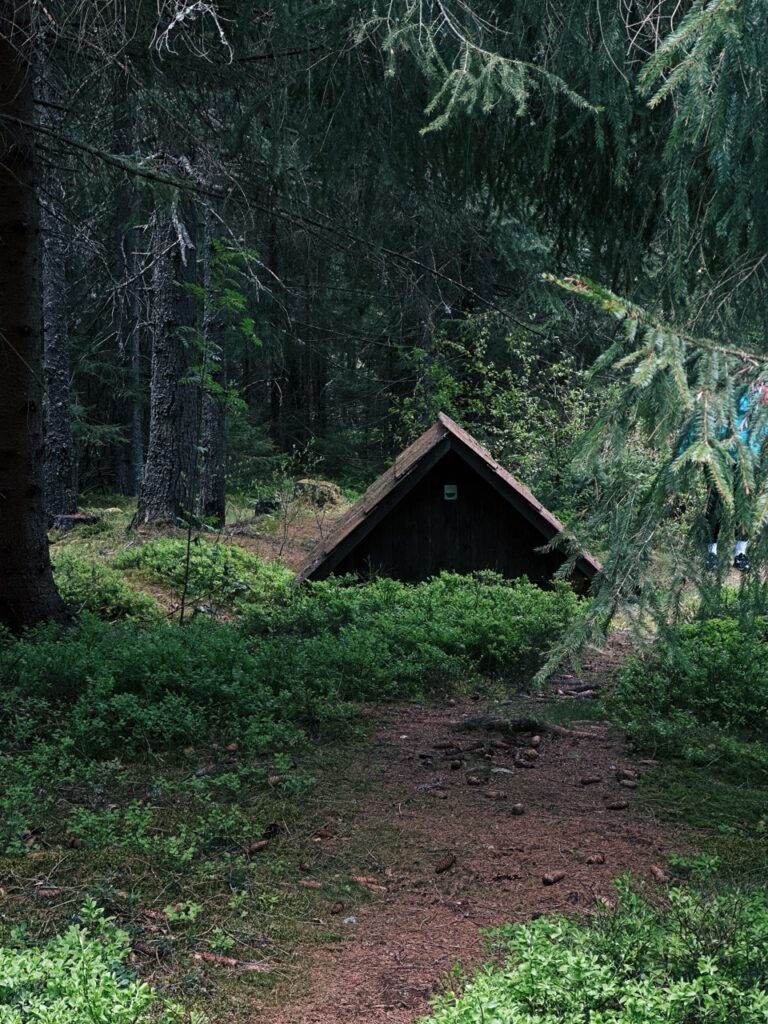
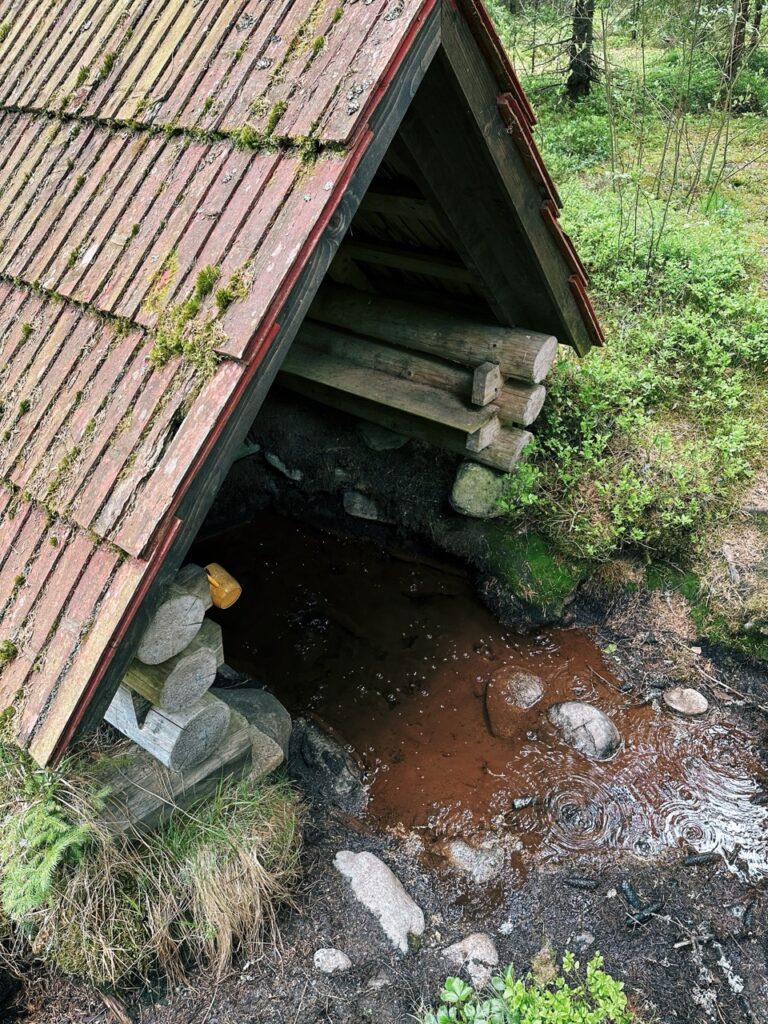
Not long after, we stumble upon a small wooden shelter with a spring, its water cold, clear, and perfectly drinkable. We pause for a moment, grateful for the calm, and fill our bottles while listening to the quiet trickle echoing through the trees. It’s one of those hidden places that makes the detour feel entirely worth it.
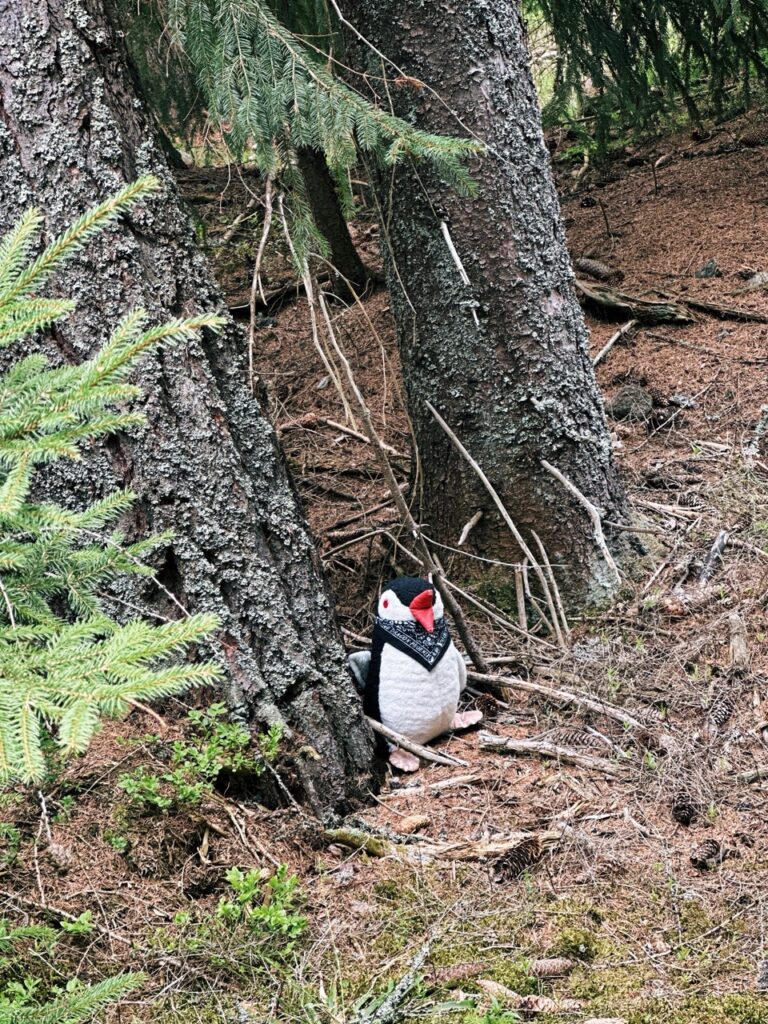
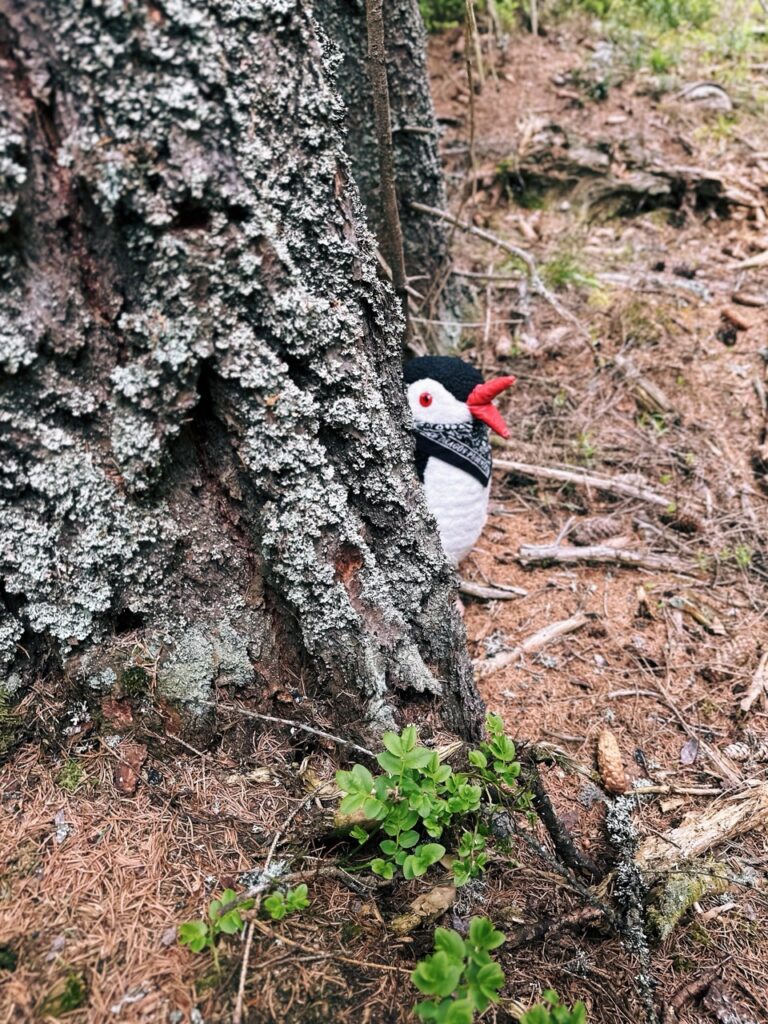
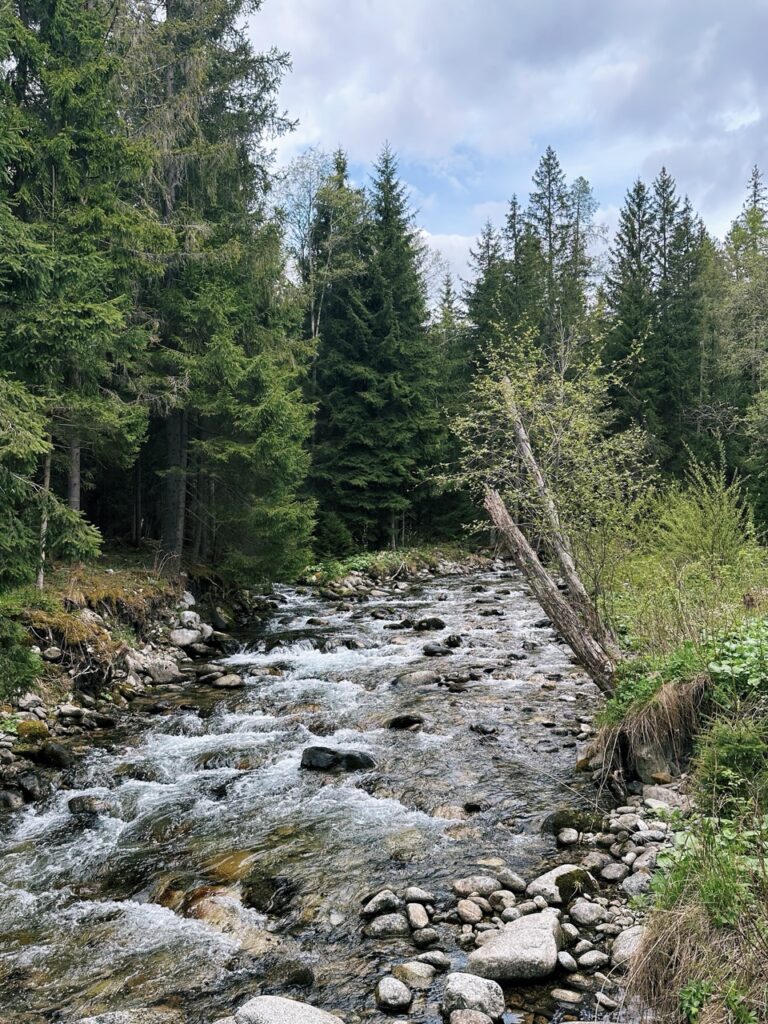
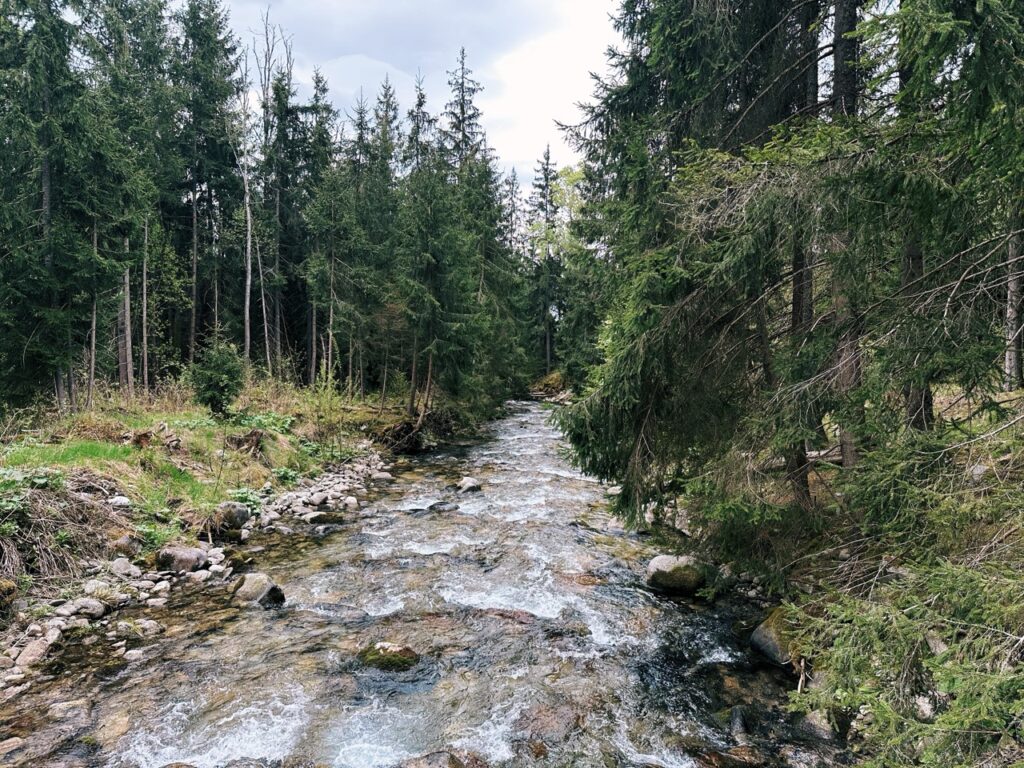
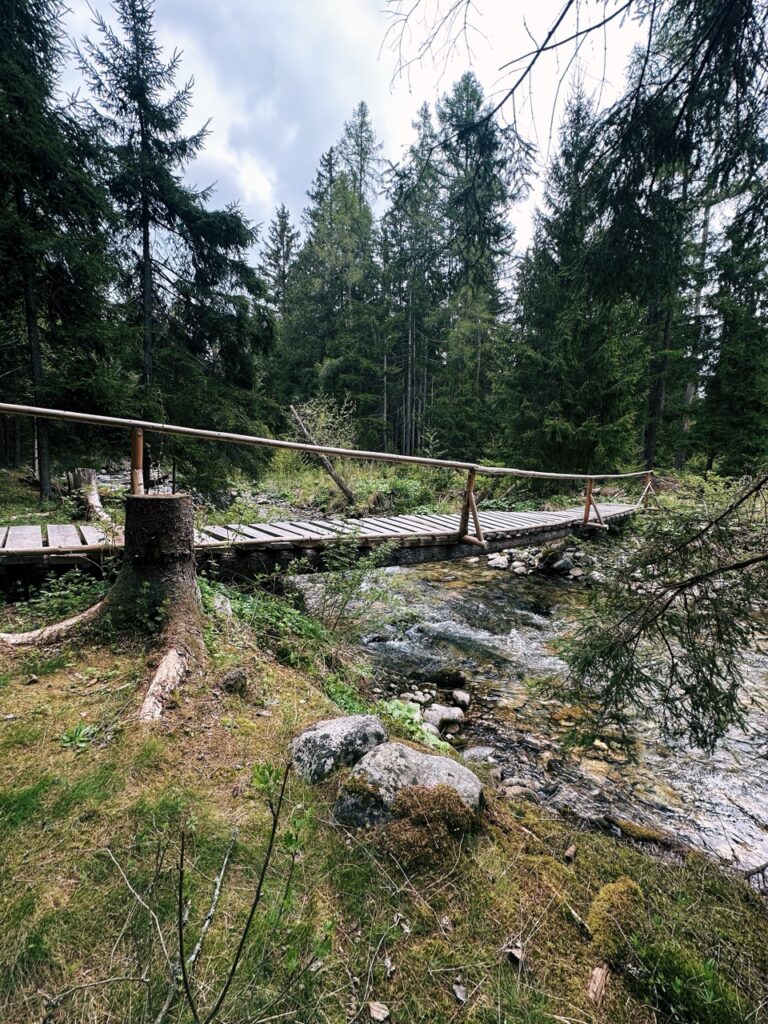
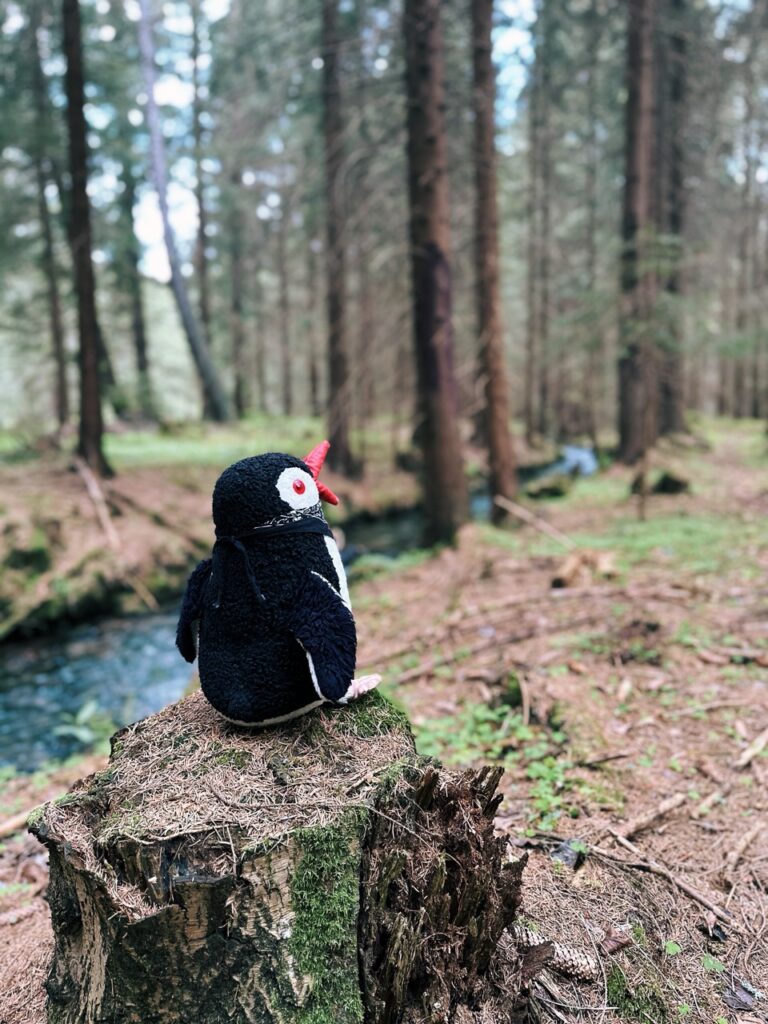
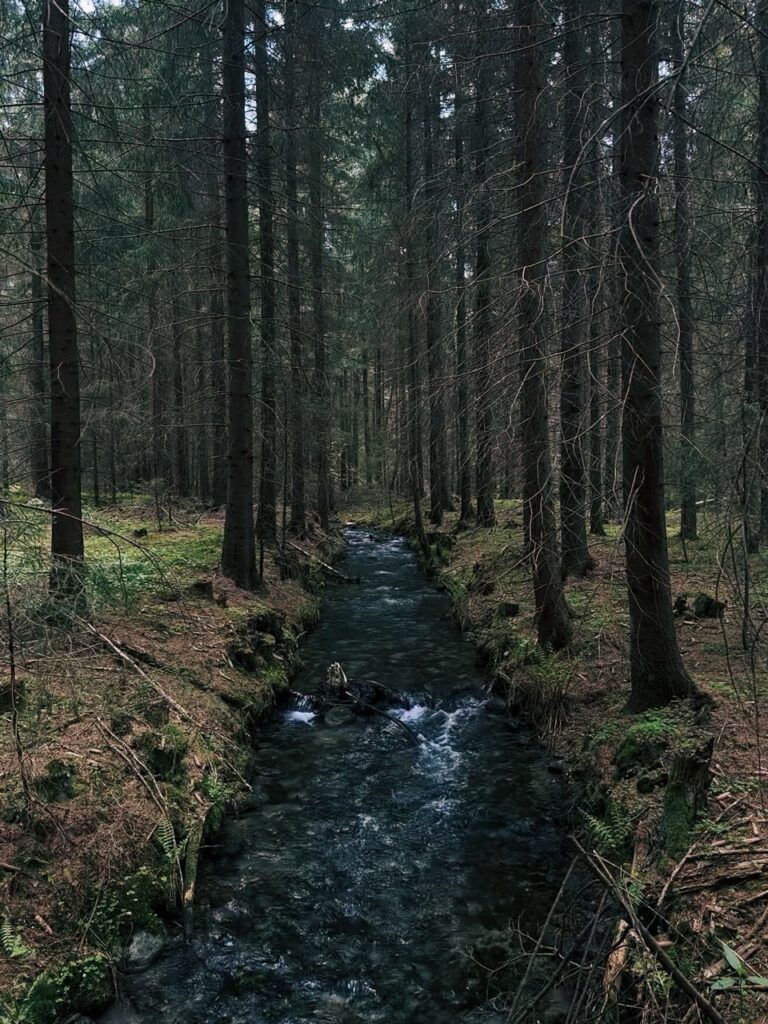
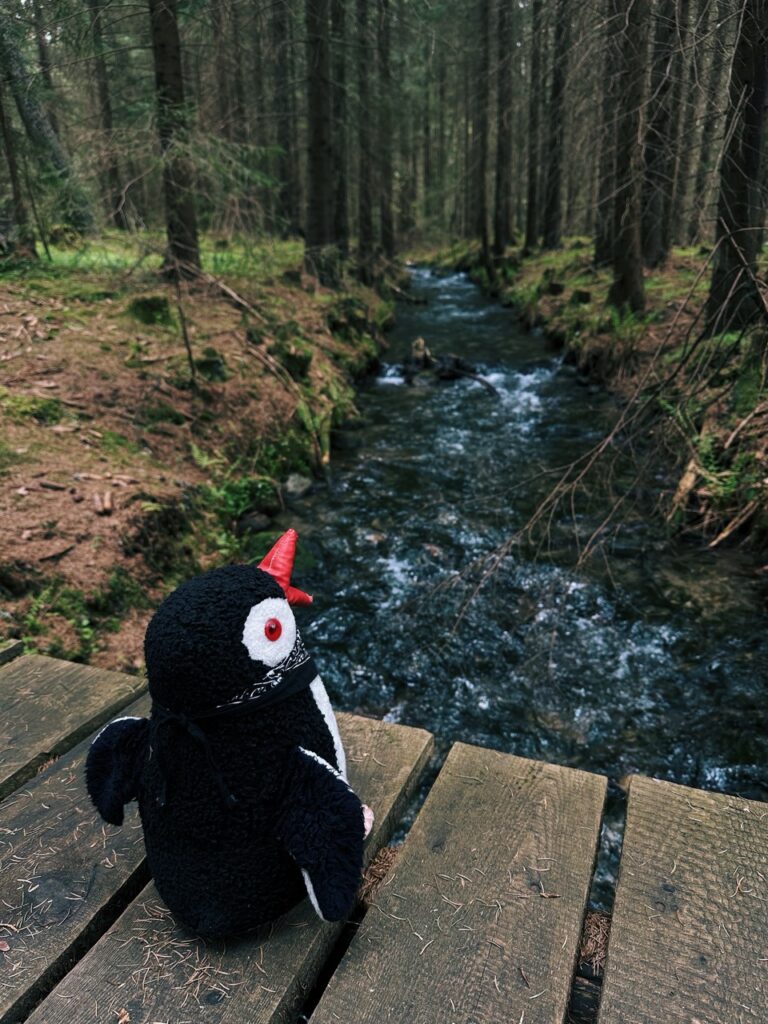
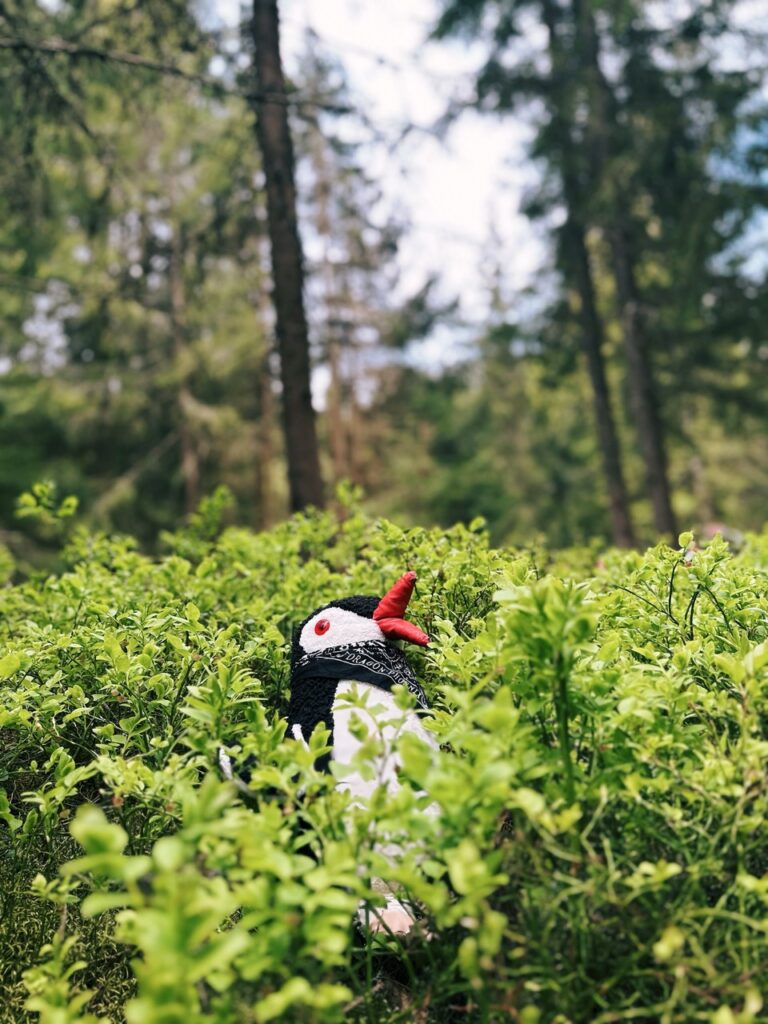
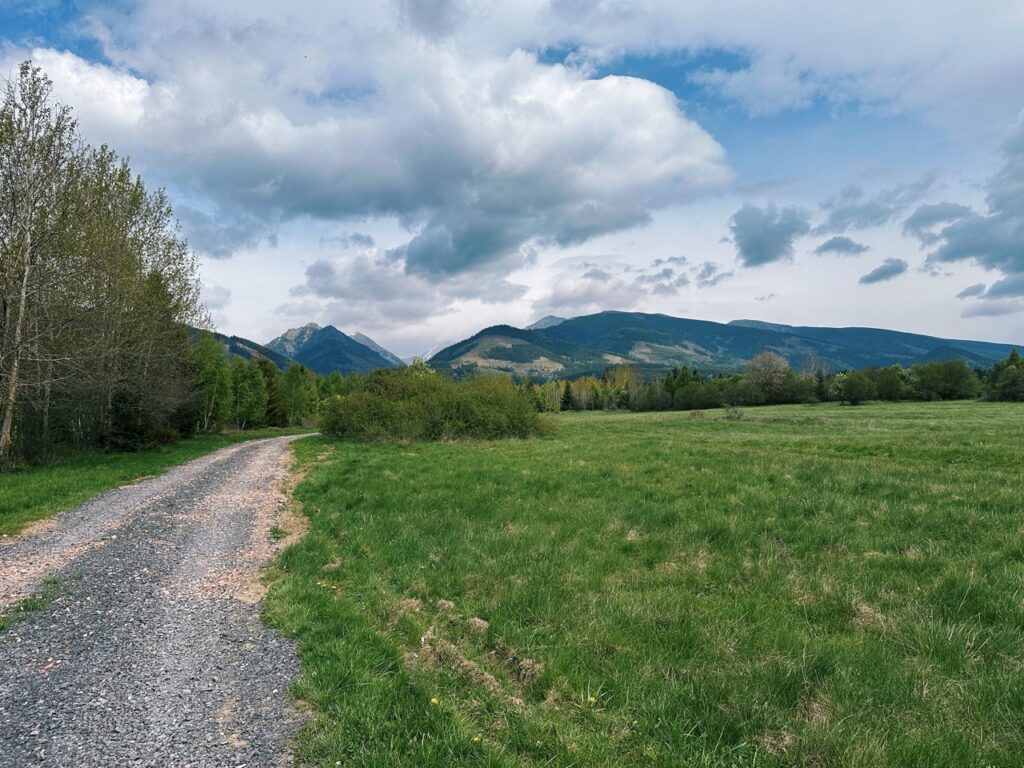
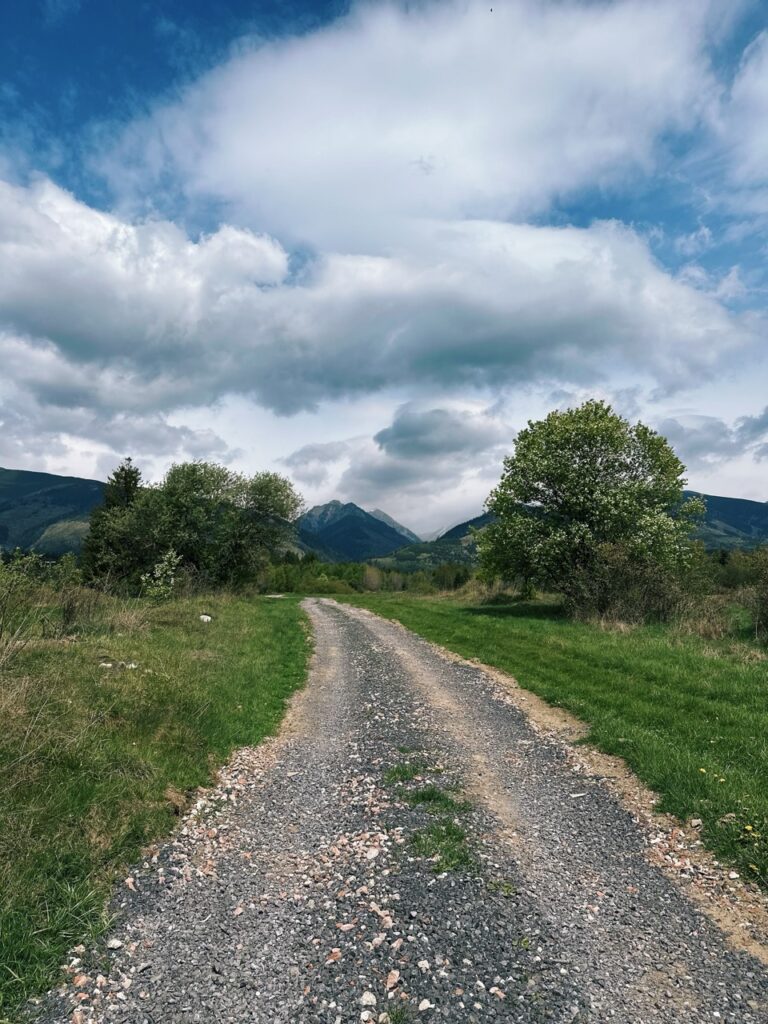
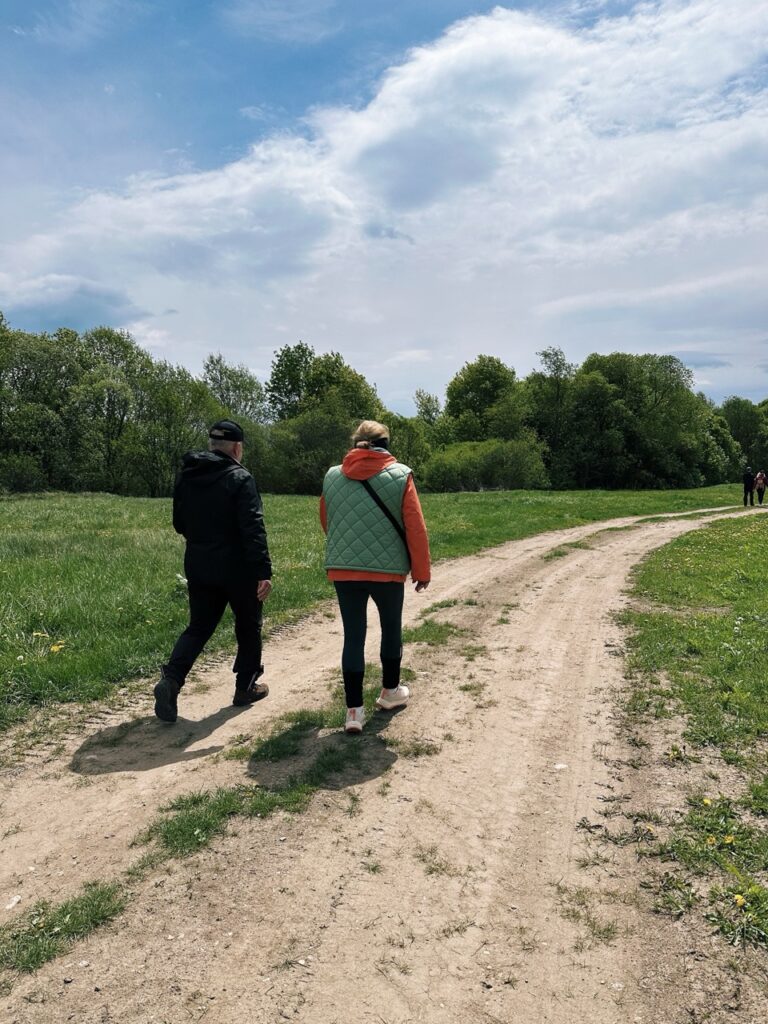
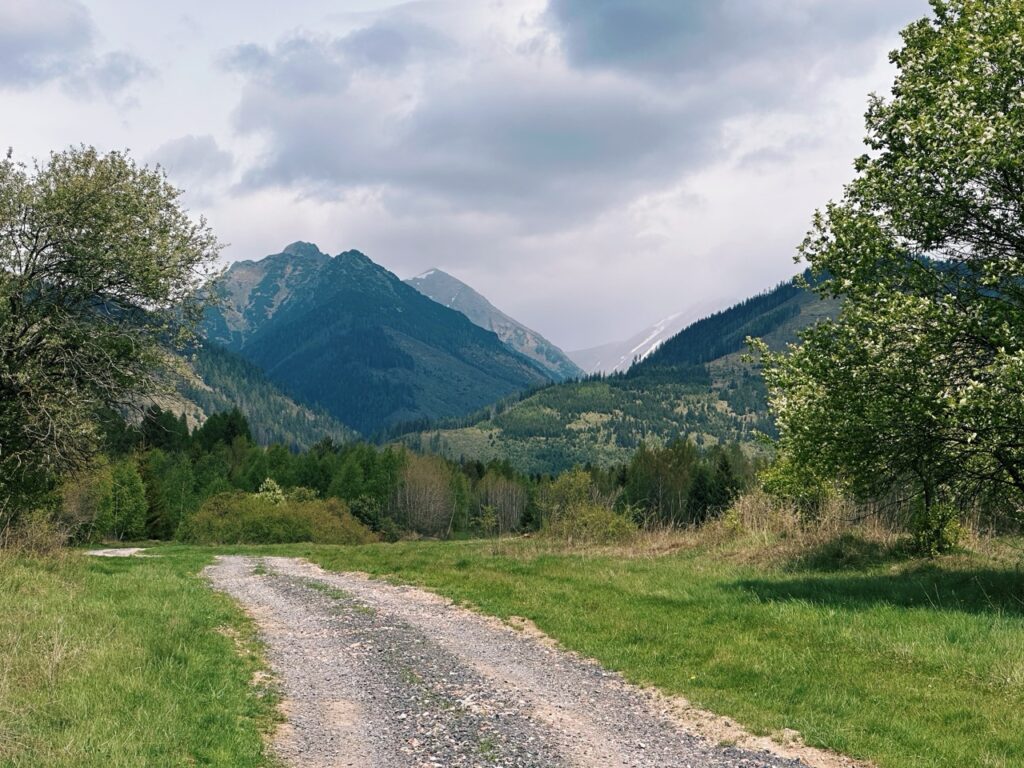
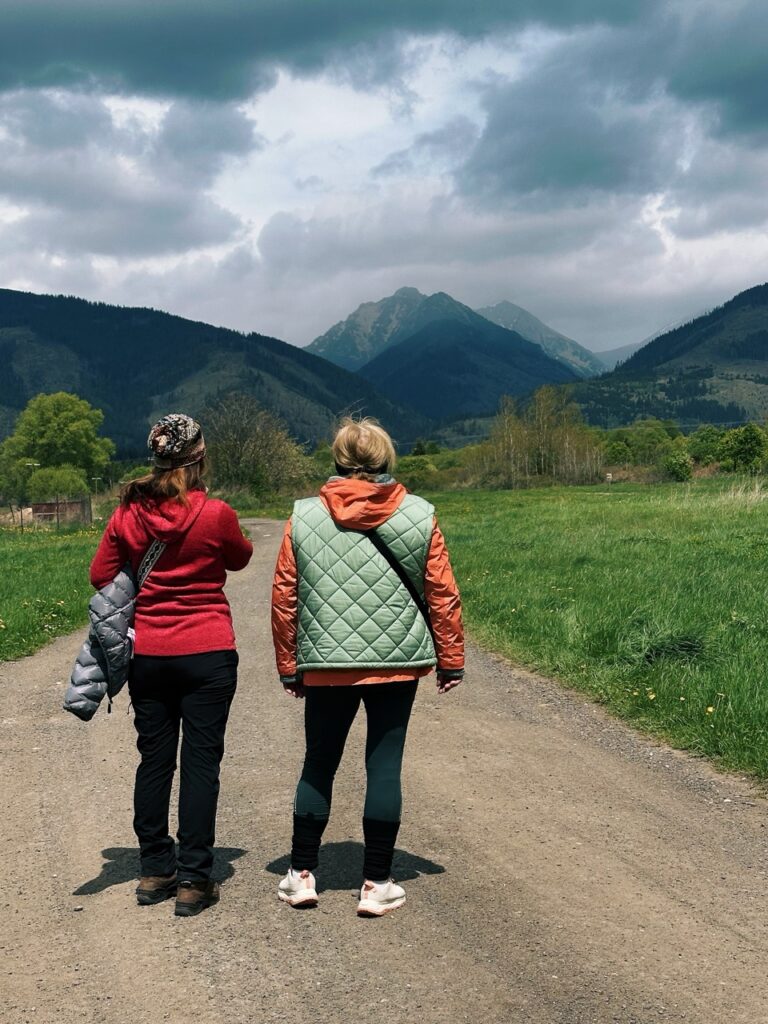
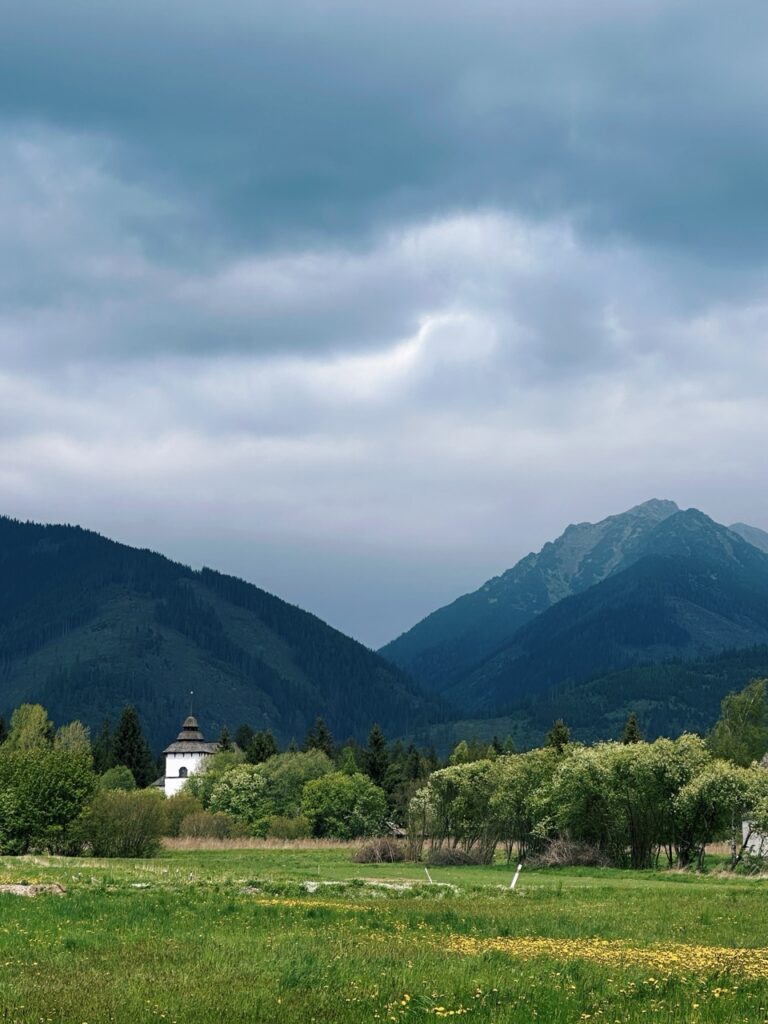
After our refreshing pause at the spring, we continue, the trail slowly leading us out of the forest’s embrace and into a vast, open meadow. The trees part as if by design, unveiling a sun-drenched clearing that feels both wild and welcoming. In front of us, we see the rooftops of Pribylina village through the greenery, a reminder our waddle is coming to an end.

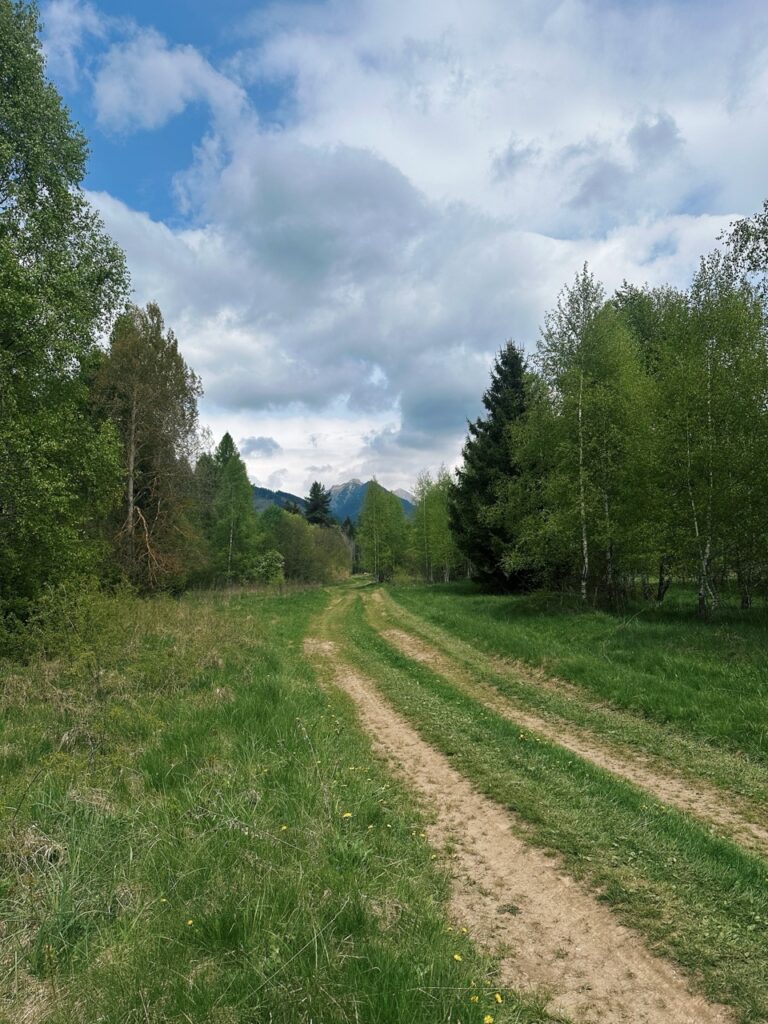
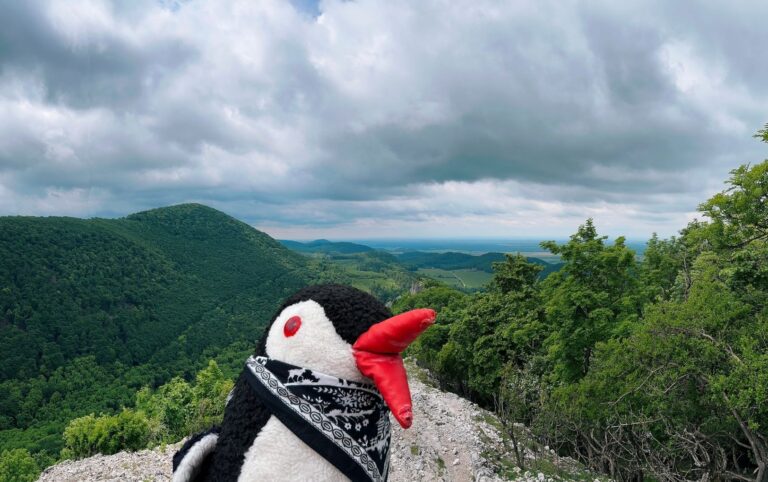
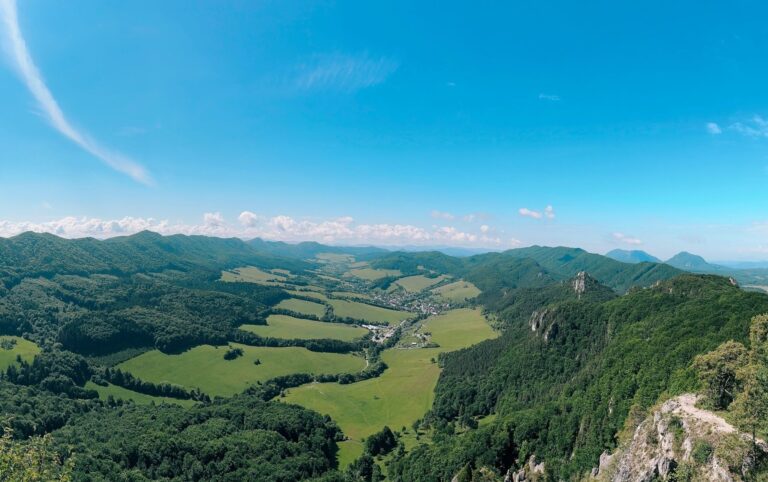
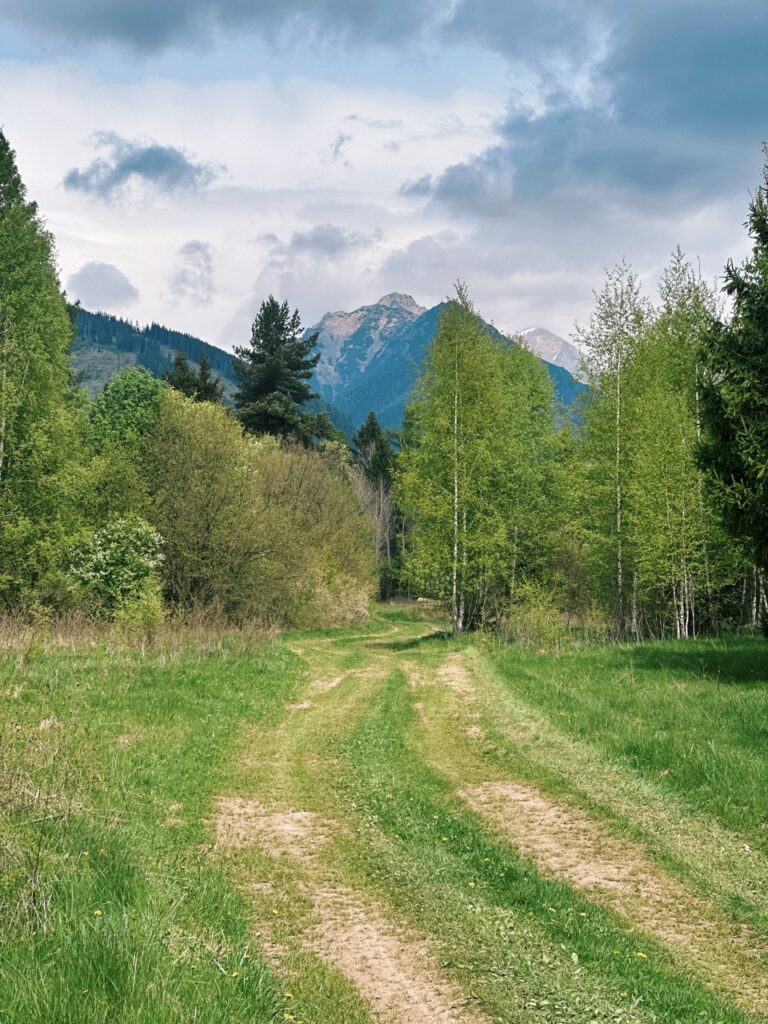
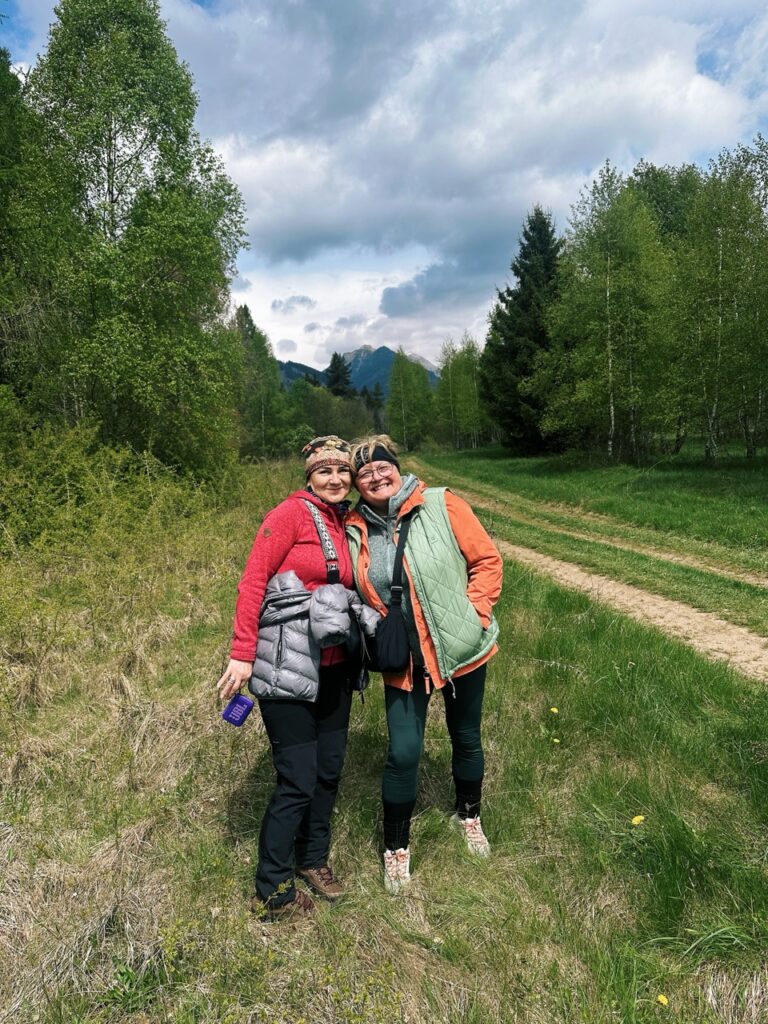
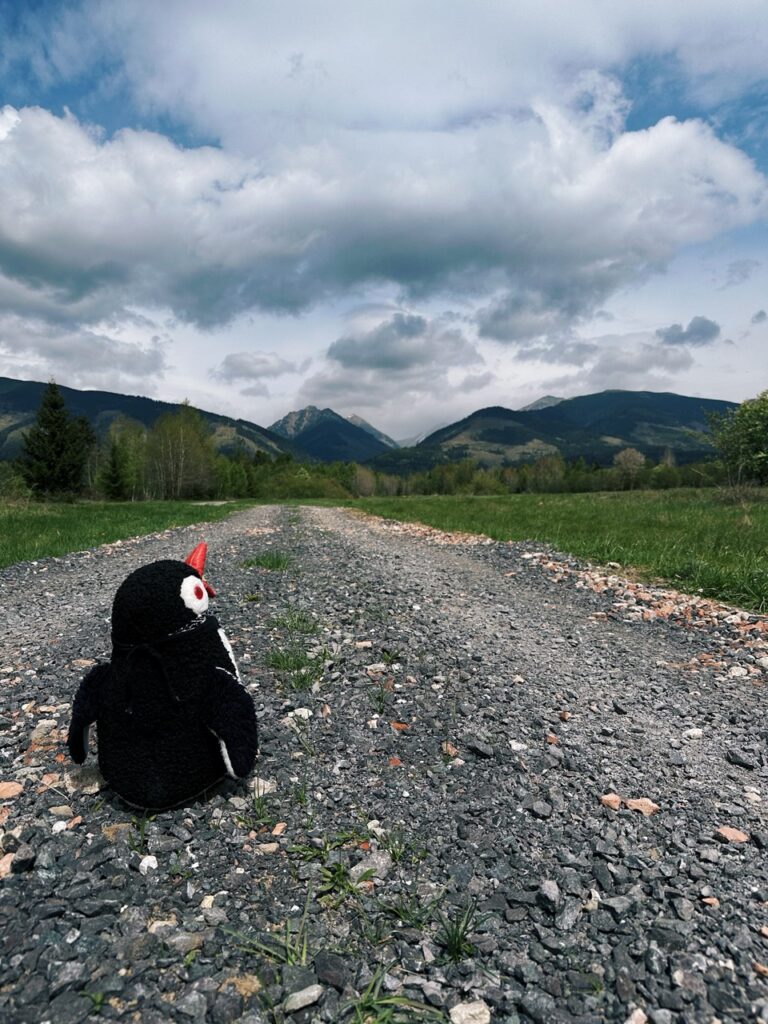
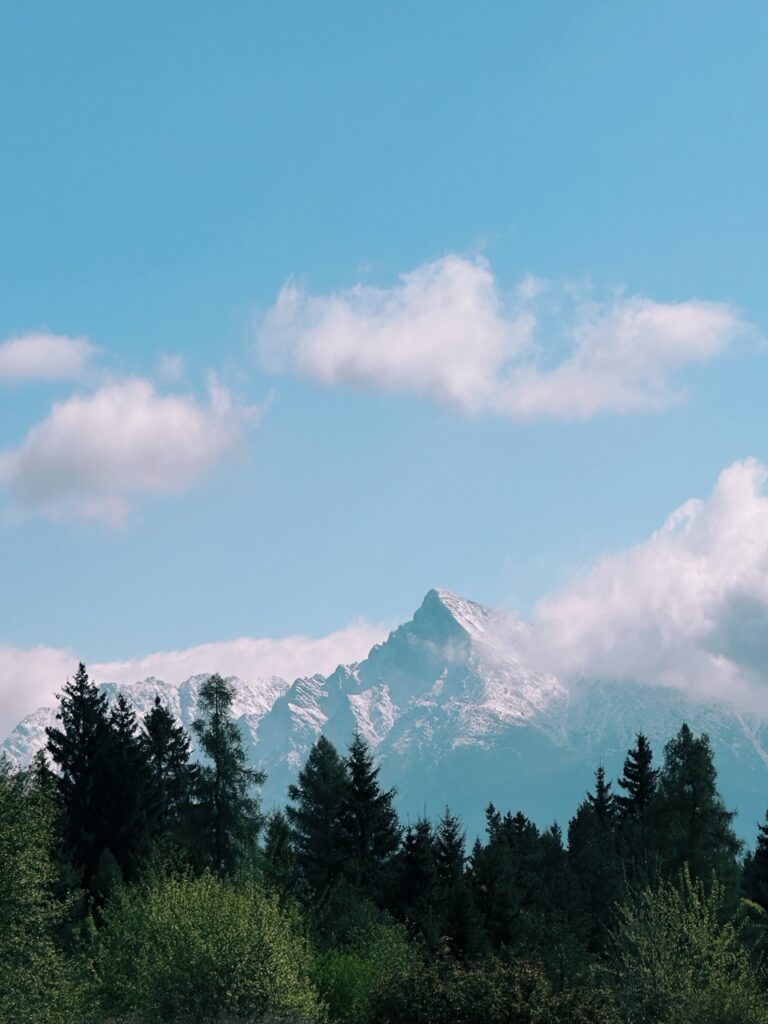
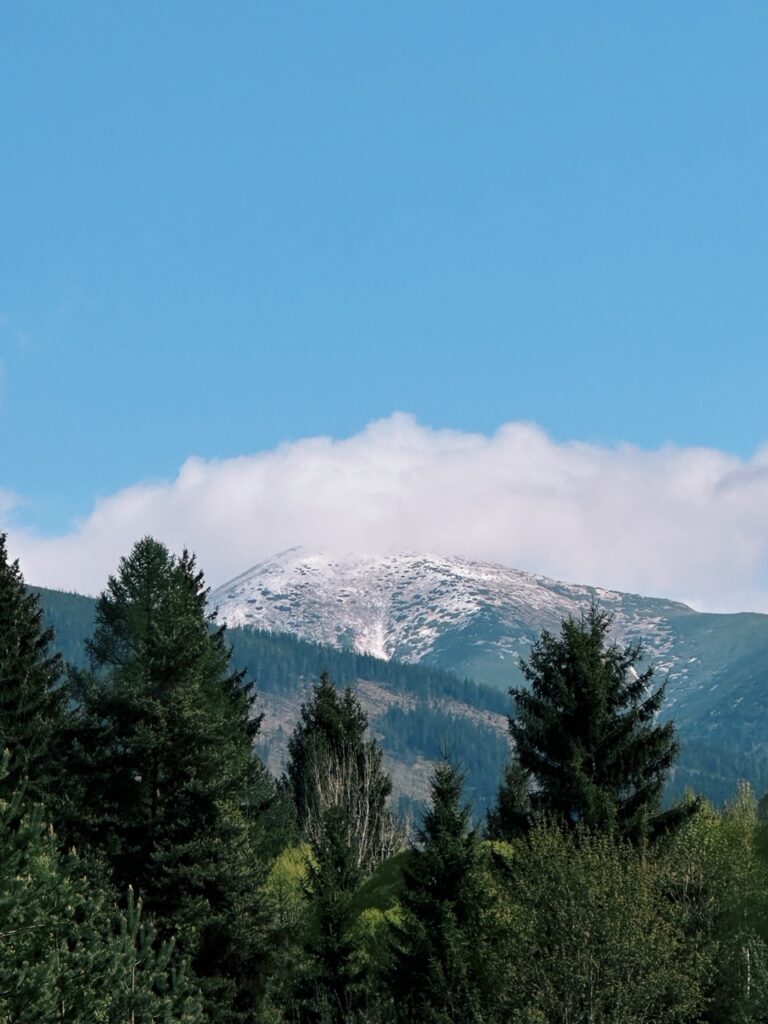
But it’s when we turn around that the real magic unfolds; suddenly, the mountains rise before us in full majesty. The contrast is breathtaking: soft meadow grasses underfoot, wildflowers swaying in the breeze, and beyond, the powerful silence of the Tatras commands the horizon. It’s the kind of moment that makes you stop mid-step, not from exhaustion, but from awe. And take about a thousand pictures. 😅
Pribylina’s Quiet Charm
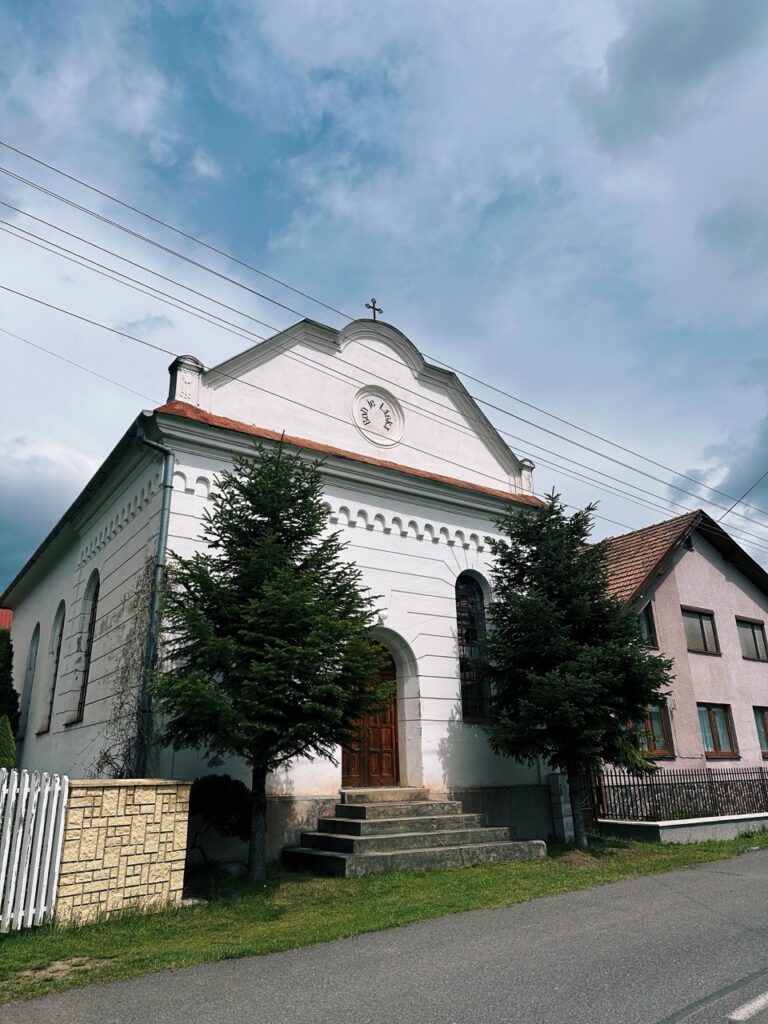
The final stretch of our walk carries us gently out of the meadow and back through Pribylina, a village with centuries of history and vibrant mountain life. With approximately 1,325 residents spread across 86 km², Pribylina dates back to at least 1286, when it was first documented in medieval records. It is at the foot of Slovakia’s iconic Kriváň peak. The settlement once flourished under pastoral and timber traditions like shepherds, woodcutters, and leatherworkers were its backbone into the 19th century. Today, you can find the remarkable Open-Air Museum of Liptov Village, established in 1991, which has rescued historic wooden cottages, Gothic churches, and manor houses from villages submerged by the Liptovská Mara reservoir. It’s a fitting finale: a return to civilization, yet steeped in stories and the whisper of centuries past.

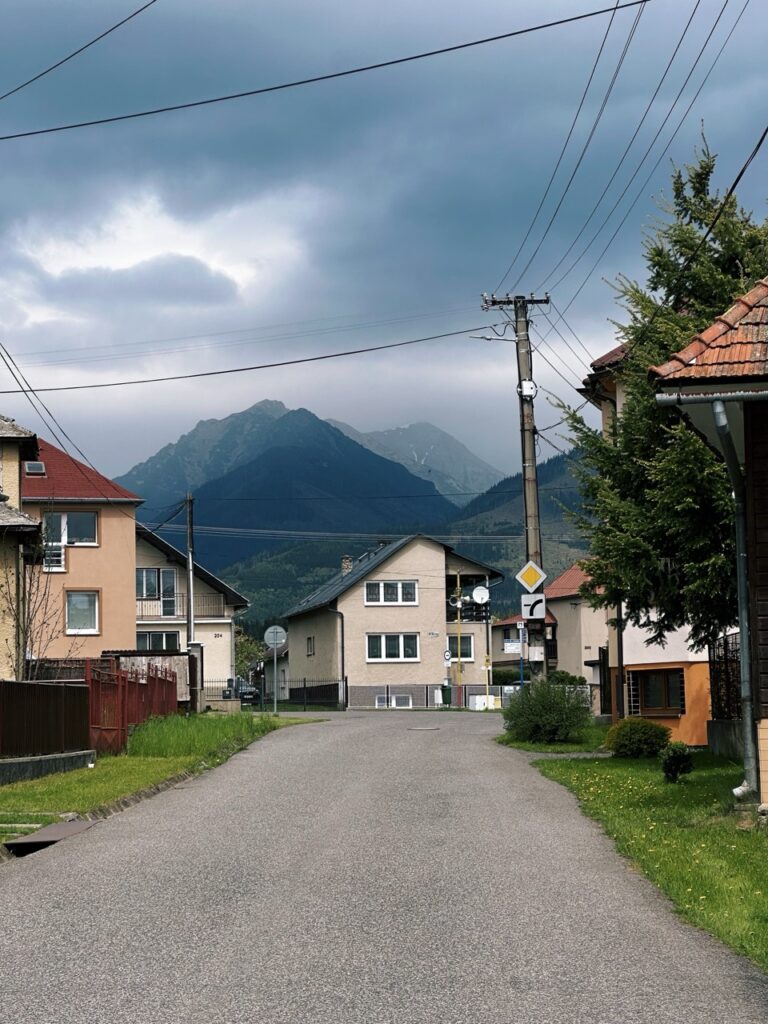
As we take our final steps through Pribylina, there’s a quiet satisfaction that settles in, the kind that only comes from a day spent moving through nature, history, and a touch of the unknown. What began as a simple waddle turned into something far richer: a journey through lush forests, meadows, hidden springs, and stories etched into the landscape. The towering peaks still linger behind us, casting long shadows over the village rooftops as if reminding us that the mountains are never truly out of reach. With tired legs and full hearts, we leave knowing that Račková Valley. The waddle is suitable for all ages.
Pack your bag and waddle more!
What to Do If You Encounter a Brown Bear in Slovakia
Slovakia is home to one of the largest populations of brown bears in Europe, particularly in the mountainous regions of the Tatras. Sightings have become rarer, and most bears avoid humans. Recent years have seen a rise in encounters, along with a few reported attacks, often due to surprise meetings or improper food storage. Being prepared and informed is essential for anyone exploring the Slovak wilderness.
Here’s what to do if you come face to face-with a brown bear:
-
- Stay calm, and do not run. Running may trigger the bear’s instinct to chase.
- Stand your ground. Speak in a calm, firm voice to let the bear know you’re human.
- Back away slowly. Do not turn your back; move away sideways, which is less threatening to the bear.
- Make yourself appear larger. Raise your arms, open your jacket, and stay with your group.
- Avoid eye contact. Maintaining direct eye contact can be perceived as a challenge.
- Don’t drop your backpack. It can act as a protective shield.
- Use bear spray if the bear approaches aggressively. Only as a last resort, and aim at the bear’s face.
- Climbing trees is not a good idea. Brown bears can climb faster than you think.
- If a bear charges and makes contact, play dead. Lie on your stomach, cover your neck, and remain still. If the attack is prolonged or predatory, fight back.
Pro Penguin tip: Make noise while hiking, especially in dense forests or near streams, to avoid surprising a bear. Bear bells, loud talking, or even clapping can alert wildlife to your presence.

This post contains affiliate links. If you click and buy, I might earn a tiny commission, enough to help a penguin keep up its globe-trotting lifestyle. No extra cost to you, just more fish for me. Thank you for supporting the adventure!