
Austria Travel Guide: Things You Must Know Before Visiting
Austria shines as a travel destination, and we love that it offers vibrant city life, stunning mountain scenery, and a rich cultural heritage. Planning a visit here means stepping into a world where classical music meets modern design, where alpine peaks rise above charming villages, and where cafés serve as social hubs. This blog post offers key insights that we found most interesting, along with practical advice to help you make the most of your Austrian adventure. And also to show off your knowledge to your fellow travel partners.


Basic Facts about Austria
-
-
- Name: The Republic of Austria (Republik Österreich)
- Capital: Vienna
- Land area: 83,871 km²
- Population: 9.132 million (2023)
- Official language: German
- Official currency: the euro (€)
- Regions of Austria: Austria is divided into nine federal states (Bundesländer).
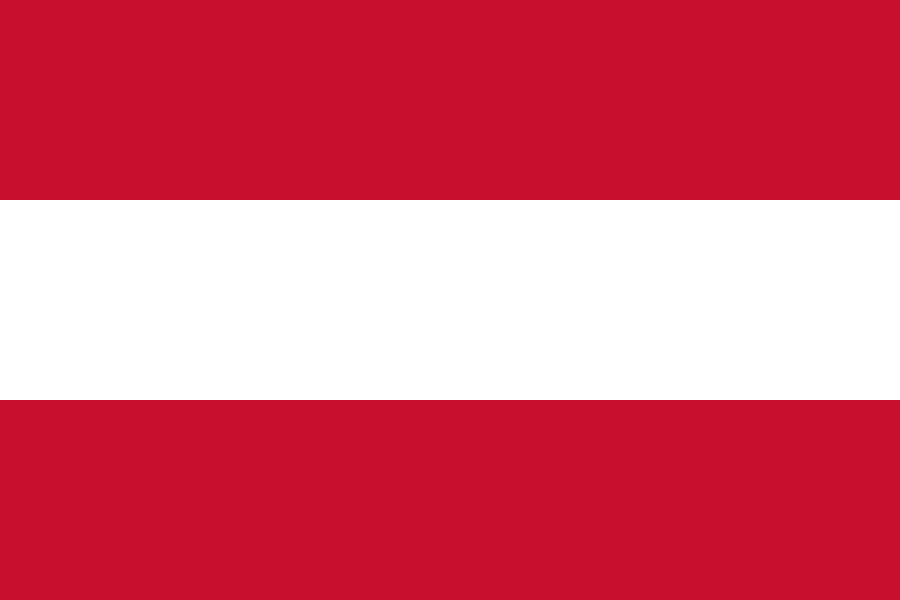
- Flag of Austria: The national flag of Austria (Flagge Österreichs) is a triband in the following order: red, white, and red. A horizontal triband of red (top and bottom) and white. Austria’s flag is one of the oldest national flags, dating back to 1230. Its colors are said to represent bravery (red) and honesty (white).
-
A Brief Overview of Austria’s Rich History
We always try to learn something about the country we are visiting, and Austria’s history is like a dynamic mosaic of empires, conquests, and cultural evolution. It’s shaped by ancient civilizations, imperial ambition, and a resilient national identity that continues to influence Central Europe today.
-
- Prehistoric Settlements. Evidence of early human habitation in the Danube Valley, including the Venus of Willendorf (circa 28,000 BCE). Celtic tribes settled in the region before the Roman conquest.
- Roman Era (1st century BCE – 5th century CE). Austria becomes part of the Roman Empire as provinces like Noricum and Pannonia. Roman towns, such as Carnuntum, flourished as both military and trade hubs.
- Medieval Austria (5th – 15th century). After the fall of Rome, Germanic tribes, such as the Bavarians, settled. In 976 CE, the House of Babenberg is granted the Margraviate of Austria. In 1156, Austria became a duchy under the terms of the Privilegium Minus.
- Rise of the Habsburgs (1278 onward). Rudolph I of Habsburg defeats Ottokar II of Bohemia, beginning Habsburg rule. The Habsburg dynasty expands Austria’s influence across Europe through strategic marriages and diplomacy.
- Austrian Empire and Habsburg Monarchy (1804–1867). Austria becomes an empire under Emperor Francis I during the Napoleonic Wars. Vienna became a center of classical music, arts, and intellectual thought.
- Austro-Hungarian Empire (1867–1918). A dual monarchy was established under Emperor Franz Joseph I. The empire encompasses modern Austria, Hungary, the Czech Republic, Slovakia, and parts of Italy, Romania, and the Balkans.
- World War I and the Fall of the Empire (1914–1918). Austria-Hungary collapsed after defeat in World War I. The Treaty of Saint-Germain (1919) ends the empire; Austria becomes a republic.
- Interwar Period and Anschluss (1918–1938). Economic struggle and political instability mark the First Republic. In 1938, Nazi Germany annexed Austria in the Anschluss.
- World War II and Aftermath (1939–1945). Austria remained under Nazi rule until Allied liberation in 1945. Following World War II, Austria was occupied by Allied forces and divided into zones.
- Second Republic and Modern Austria (1955–present). Austria signed the State Treaty in 1955, regaining full sovereignty. They declared permanent neutrality and became a member of the United Nations in 1955. Joined the European Union in 1995 and adopted the euro in 2002.
Things to Know Before You Go to Austria
Language and Communication
Austrian German differs from standard German in pronunciation, vocabulary, and expressions. Locals say “Servus” instead of “Hallo” or “Grüß Gott.” Many Austrians in cities speak English, especially in restaurants, hotels, and tourist areas. In rural regions, English may be less common. Learning basic phrases, such as “Danke” (thank you), “Bitte” (please), and “Entschuldigung” (excuse me), helps build rapport and shows respect.
Cultural Etiquette
Austrians value punctuality. Meeting someone late sends a poor impression. They follow formal greetings, using titles and last names in business and initial conversations. Wait to be invited to first names. Dining etiquette includes keeping hands (not elbows) on the table, finishing everything, and saying “Mahlzeit” during lunch or “Prost” when toasting.


Inventions & Discoveries from Austria That Might Surprise You
Austria has been home to several groundbreaking inventions and discoveries that have shaped modern science and everyday life. Sigmund Freud, an Austrian neurologist, revolutionized psychology with the development of psychoanalysis, laying the foundation for modern therapeutic practices. In the realm of physics, Christian Doppler introduced the Doppler effect, a principle crucial to understanding sound and light waves. Austrian chemist Karl Kordesch made a significant contribution to energy storage by inventing the alkaline battery. On a more whimsical note, the beloved snow globe was accidentally invented in the early 1900s by Erwin Perzy, originally intended as a surgical light enhancement. Additionally, Josef Madersperger, an Austrian tailor, created the first sewing machine capable of producing a functional chain stitch, marking a milestone in the history of textile manufacturing.
Famous Austrians Who Shaped the World
Austria has produced some of the most influential figures in music, politics, economics, and literature. Probably one of the most famous ones is Wolfgang Amadeus Mozart and Franz Schubert. Both are celebrated globally for their timeless contributions to classical music, while Ludwig van Beethoven, though German-born, created many of his masterpieces while living in Vienna. In the world of cinema and politics, Arnold Schwarzenegger rose from an Austrian village to become a Hollywood icon and the Governor of California. Austria also gave birth to Friedrich Hayek, a Nobel Prize-winning economist whose work shaped modern economic theory. Marie Antoinette, born in Vienna, became the ill-fated Queen of France during the French Revolution.


The Majestic Alps of Austria
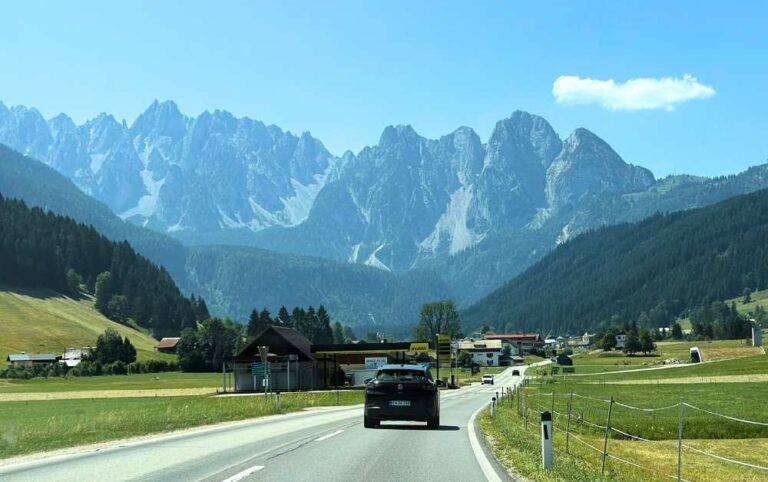
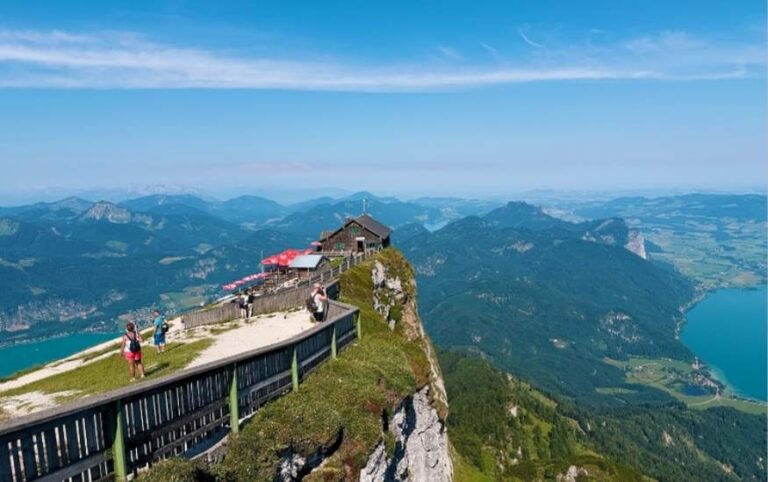
The Alps dominate Austria’s landscape, covering an impressive 62% of the country’s total area. These towering mountains are not only breathtakingly beautiful but also a central hub for outdoor activities like skiing, snowboarding, hiking, and mountain biking. With their snowy peaks, alpine meadows, and charming villages, the Austrian Alps attract nature lovers and adventure seekers from all over the world, making them a defining feature of the nation’s natural identity.
Grossglockner: Austria’s Highest Peak
Towering at 3,798 meters (12,460 feet), the Grossglockner is the highest mountain in Austria and a symbol of the country’s alpine majesty. Located in the Hohe Tauern National Park, it is a favorite destination for climbers, hikers, and nature enthusiasts. The mountain is also famous for the Grossglockner High Alpine Road, one of the most scenic drives in Europe, offering stunning views of glaciers, valleys, and rugged peaks. As a natural landmark, the Grossglockner represents both Austria’s geographic grandeur and its deep connection to the Alpine landscape.


The Danube: Austria’s Lifeline River
The Danube River, the second-longest river in Europe, flows gracefully through Austria, shaping its landscape, culture, and history. Passing through cities like Vienna and Linz, the Danube has long served as a vital route for trade, transport, and inspiration. Its scenic banks are lined with vineyards, castles, and historic towns, making it a central feature of Austria’s natural beauty and cultural charm.
Eisriesenwelt: The Frozen Giant Beneath the Alps
Hidden deep in the Tennengebirge mountains near Werfen, Austria, the Eisriesenwelt is the world’s largest ice cave, stretching over 42 kilometers (26 miles) into the Earth. Its name means “World of the Ice Giants,” and stepping inside feels exactly like that: a surreal realm of glittering ice formations, frozen waterfalls, and towering chambers carved by nature over thousands of years. Although the whole cave system is extensive, only the first kilometer contains ice, a result of a perfect airflow system that traps cold air in winter and blocks warm air in summer. Discovered in 1879 but opened to tourists in the early 20th century, the cave now welcomes over 200,000 visitors annually, who must hike or take a cable car up the steep mountain path before entering this natural marvel. Unlike most caves, it’s completely dark and unlit, and tours are conducted with traditional carbide lamps, which enhances the mystical atmosphere.
Krimml Waterfalls: Austria’s Thundering Natural Wonder
Tucked away in the scenic Hohe Tauern National Park, Krimml Waterfalls aren’t just Austria’s tallest; they’re among Europe’s highest, plunging a dramatic 380 meters in three powerful stages. The roar of the water is unforgettable, especially when you waddle up the winding trail that offers epic views (and a refreshing mist shower!). Near the falls is the Krimml Water Worlds, a visitor center featuring cool exhibits about water’s power and health benefits; yes, the mist from the falls is even believed to help people with asthma and allergies.


Lake Neusiedl: Austria’s Shallow Giant with a Salty Twist
Found between Austria and Hungary, Lake Neusiedl (or Neusiedler See) is one of Central Europe’s largest endorheic lakes, meaning it has no natural outflow. That’s pretty rare in Europe! The lake is unusually shallow, with an average depth of just 1 meter (about 3 feet), so you can practically waddle forever without going under. In summer, the water warms up quickly, making it perfect for swimming, windsurfing, and sailing. Because of the high evaporation and mineral-rich inflow, the water can be slightly salty, something you wouldn’t expect this far from the sea. It’s also surrounded by reed beds, which create a unique habitat for over 300 bird species, making it a UNESCO World Heritage Site and a paradise for birdwatchers. People have been enjoying its shores for thousands of years, with traces of settlements going back to the Stone Age!


World’s Oldest Zoo
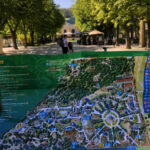
Tiergarten Schönbrunn in Vienna, Austria, holds the distinction of being the oldest zoo in the world, established in 1752 by Emperor Franz I, the husband of Maria Theresa. Created as an imperial menagerie within the grounds of Schönbrunn Palace, it was there to entertain the royal family and their guests. Over the centuries, the zoo has transformed from a private collection into a world-class conservation and education center. Today, it is home to over 700 species, including rare and endangered animals like the giant panda. We visited it and it’s beautiful.
Home of the World’s Largest Emerald
If you manage to waddle the Imperial Treasury at Vienna’s Hofburg Palace and stumble into the Emerald Room, you will find the largest emeralds in the world. This remarkable gemstone weighs an astonishing 2,860 carats and serves as a vivid reminder of Austria’s imperial wealth and its centuries-long connections to global trade. The emerald, likely sourced from South America during the age of colonial expansion, showcases not only the Habsburgs’ taste for opulence but also their role in amassing rare and exotic treasures. Its sheer size and deep green color make it a highlight of the Treasury’s vast collection, drawing gem enthusiasts and history lovers alike.
Krampus Originated Here
The terrifying figure of Krampus originates from Austrian Alpine folklore and represents a dark counterpart to Saint Nicholas. Unlike the jolly gift-giver, Krampus is a horned, demonic creature who roams the streets during early December, particularly on Krampusnacht (Krampus Night) on December 5th. Dressed in fur and chains, often with a long red tongue and a bundle of birch sticks, Krampus is said to punish misbehaving children, sometimes by scaring them, sometimes by carrying them away in a sack. This tradition is powerful in western Austria, specifically in Tyrol and Salzburg, and has recently gained international attention due to Krampus parades and celebrations. While he might look terrifying, Krampus remains a cherished part of Austrian cultural heritage, blending pagan rituals with Christian customs in a way that’s both eerie and fascinating.


Other Facts Worth Knowing
- Austria is home to over 13,000 mountain peaks, and more than 60% of the country is covered by the Alps, making it one of the most mountainous nations in Europe.
- Nuclear Power? Nein, danke! Austria built a nuclear power plant but never used it due to a 1978 referendum rejecting atomic energy.
- More Nobel Prizes per Capita than Most. Austria has a high number of Nobel Prize winners, particularly in physics and economics, relative to its population.
- No Coastline, but a Navy Once. Despite being landlocked, Austria had a navy when it was part of the Austro-Hungarian Empire.
- Coffee Culture with a Story. Viennese coffee house culture was partly inspired after the Turks left coffee beans behind during their failed siege of Vienna in 1683.
- They Don’t Use “Austria” in Austria. Austrians refer to their country as “Österreich,” which translates to “Eastern Realm.”
- Naming Laws. Austria has strict baby-naming laws. Names must clearly indicate gender, cannot be “invented,” and must be on an approved list. You can’t just name your child “Banana” or “X Æ A-12.”
- Lawn Mowing Ban on Sundays. Laws in many parts of Austria prohibit mowing your lawn on Sundays or public holidays. This is part of Austria’s strict noise regulations, rooted in the respect for rest days and neighbors.
- Toilet Flushing Restrictions (Quiet Hours). Austria has quiet hours (typically 10 p.m. to 6 a.m.), and in some older buildings, flushing your toilet during those hours can be frowned upon or even regulated if it disturbs neighbors. It’s not a joke; it’s about keeping peace in tightly packed apartments. Be aware that you may have an Airbnb while staying in Austria.
Travel Facts About Austria Every Visitor Should Know
Currency and Payments
Austria uses the euro (EUR). You find ATMs in every town for cash withdrawals. Credit and debit cards are widely accepted. Still, always have some euros for small purchases, markets, or local eateries. Contactless payments via phone or card are common. Tipping in cafés and restaurants remains customary; add around 5–10% to your bill.
Transportation
Austria features an excellent public transport network. Trains and buses move between major cities and alpine towns. Vienna’s U-Bahn, trams, and buses allow easy navigation. Urban transit tickets are available in single-ride, day, or weekly options. When renting a car, note that motorways require a toll sticker, known as a “Vignette.” Driving a car offers freedom to explore remote alpine regions, but be cautious of steep roads and winter conditions.
Pro Penguin Tip: buy your toll sticker 14 days before your visit, as Austria leaves a 14-day window for you to return the ticket. This helps ensure your ticket is valid upon entry.
Feeding Pigeons in Vienna is Illegal
Vienna has strict laws against feeding pigeons, particularly in public places like St. Stephen’s Square. You can be fined up to €700 for it, as the city aims to reduce the pigeon population and related mess.
You Must Always Carry an ID
Austrian law requires people over 16 to carry valid ID at all times and be able to present it to authorities upon request. This isn’t so odd in itself, but it can come as a surprise to tourists or new residents.
Public Transport and Fares
Always buy and validate your ticket before boarding trains or trams. Ticket inspections are standard, and fines are immediate if you’re caught without a valid one. No eating or drinking in Vienna’s public transport.

Buy Me a Ko-fi
Limited Sunday Shopping in Austria
In Austria, most shops and supermarkets are closed on Sundays, in keeping with traditional labor laws that prioritize rest days. This can surprise some travelers used to 24/7 convenience. However, some exceptions exist; you’ll still find open stores at major train stations, airports, and in busy tourist areas, especially in cities like Vienna or Salzburg. If you need essentials on a Sunday, plan or head to one of these transportation hubs to find open convenience stores, pharmacies, or bakeries.
Other Austria Travel Facts To Be Aware of
- Tap water is safe and excellent, so there is no need for bottled water.
- No “Excessive” Kissing on Trains. Public displays of affection are common in many places, but in Austria, excessive kissing in certain public transportation areas, especially train platforms, can be prohibited. Some stations even have signs prohibiting it (like in Vienna and other cities).
- No Skiing Without Insurance. In Austria, some provinces require you to have liability insurance when skiing. While not always enforced at the gate, if you’re involved in an accident and are uninsured, you could face serious legal and financial consequences.
- Smoking Rules. Smoking is banned indoors in public places (bars, restaurants, hotels, etc.). E-cigarettes are also often included in the ban.
- Photography. Avoid photographing military areas, police, or government buildings. Always ask permission before photographing people, especially children.
Austrian Wonders You Shouldn’t Miss
- Schönbrunn Palace (Vienna). A UNESCO World Heritage Site and Austria’s most visited attraction, this grand imperial summer residence of the Habsburgs boasts 1,441 rooms, lush baroque gardens, a maze, and the world’s oldest zoo (Tiergarten Schönbrunn).
- Grossglockner High Alpine Road. Considered one of the most scenic drives in the world, this winding mountain road offers jaw-dropping views of Austria’s highest peak (Grossglockner) and the Pasterze Glacier.
- Melk Abbey. Perched above the Danube River, this Benedictine abbey is a masterpiece of Baroque architecture. It’s famous for its ornate library, stunning frescoes, and gold-covered church interiors.
- Hallstatt and the Dachstein Region. Often called one of the most beautiful villages in the world, Hallstatt is a lakeside town with ancient salt mines, bone chapels, and postcard-perfect views. The nearby Dachstein Ice Caves and Skywalk add to the “wonder” factor.
- Vienna’s Historic City Center. Not a single structure, but the entire Innere Stadt (city center) of Vienna is a UNESCO World Heritage Site, full of classical architecture, museums, St. Stephen’s Cathedral, and landmarks of music and imperial history.
Austria has so much to offer. It surprised us when we began our research. It’s a land of nature, the Alps, but it is also packed with royal history. Whether you’re coming to waddle the Alps or explore the historical cities, Austria will leave a lasting impact on you that will stay with you long after you return home.
Travel Bold. Eat Well. Waddle Wild.

This post contains affiliate links. If you click and buy, I might earn a tiny commission, enough to help a penguin keep up its globe-trotting lifestyle. No extra cost to you, just more fish for me. Thank you for supporting the adventure!