Plan the Perfect Day Trip to Schloss Hof
After visiting Schloss Hof in Austria, saying we were delighted is an understatement. This grand Baroque estate is much bigger than it first appears, with beautifully restored architecture, expansive gardens, and a calm, welcoming atmosphere. What truly amazed us was how well-kept and immersive the entire experience was. And we didn’t even know that Schloss Hof is home to over 200 animals, including rare breeds of goats, donkeys, ponies, and even camels! It is a must-visit for any age category and a great day trip away from a busy city like Vienna. In this blog post, we’ll share why Schloss Hof is one of Austria’s most underrated day trips, including what to see and do, how to get there, ticket info, seasonal highlights, and tips to make the most of your visit. Whether you’re a history buff or just looking for a peaceful escape from the city, Schloss Hof offers a unique blend of everything.
- How to Get to Schloss Hof from Vienna or Bratislava
- Parking at Schloss Hof
- Opening Hours at Schloss Hof
- Admission Tickets to Schloss Hof
- Facilities at Schloss Hof
- History of Schloss Hof
- Our Waddle of the Schloss Hof
- Key Rooms at Schloss Hof
- Why Visit Schloss Hof
- How to Visit Schloss Niederweiden After Schloss Hof


How to Get to Schloss Hof from Vienna or Bratislava
Getting to Schloss Hof is easy, whether you’re coming from Vienna or Bratislava, with scenic routes and convenient public transport options from both cities.
From Vienna to Schloss Hof
Distance: Approximately 50 km
-
- By Car: If you prefer to drive, the journey from Vienna to Schloss Hof takes 45–50 minutes via the B8 and B49 roads.
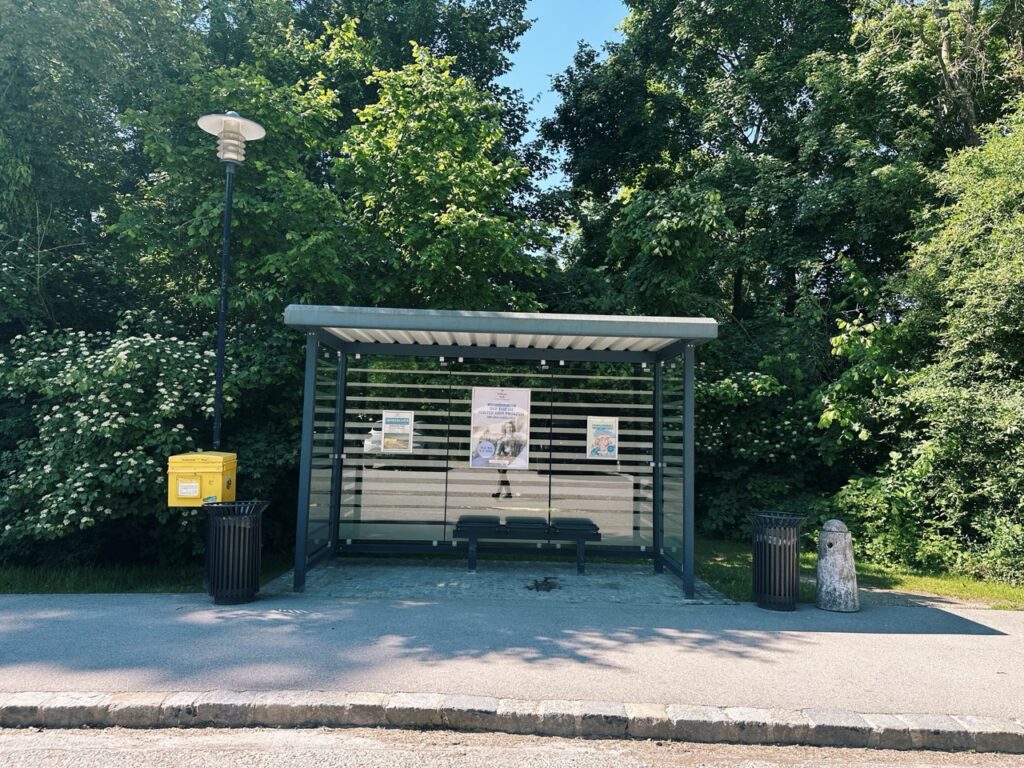
- By Public Transport: Getting from Vienna to Schloss Hof takes around 1 hour and 40 minutes. You can take a regional train from Wien Hauptbahnhof (Vienna Central Station) to Marchegg station, which takes 45–55 minutes. From Marchegg, catch the regional bus 540 that goes directly to Schloss Hof Estate in about 10 minutes. Alternatively, you can take the regional bus 540 directly from Wien Hausfeldstraße (reachable via the U2 metro line) straight to Schloss Hof, making for a simple, transfer-free journey.
- Private Day Tour from Vienna: For a hassle-free, fully guided experience, consider booking a private day tour to Schloss Hof. Many tours include hotel pickup, a knowledgeable guide, and often combine nearby attractions like Devín Castle or Schloss Niederweiden. This is an excellent option if you’re short on time or prefer a curated experience.
From Bratislava to Schloss Hof
Distance: Approximately 29 km
- By Car: Driving from Bratislava to Schloss Hof is straightforward and takes 30 minutes via the B49 road.
- By Bus: Traveling from Bratislava to Schloss Hof via public transport involves bus and train services. Take the line 901 bus from Bratislava Most SNP to Wolfsthal Kirche. From there, board a train to Bad Deutsch Altenburg. Upon arrival, transfer to the line 543 bus, which will take you directly to Schloss Hof Parkplatz. The entire journey typically takes around 2 hours, depending on connection times.
- Cycling or Waddling: For the adventurous, a pedestrian and cyclist bridge connects Devínska Nová Ves (a borough of Bratislava) to Schloss Hof, offering a scenic route across the Morava River.
Always check the latest schedules and routes on official websites or local transport apps before your journey, as services may vary seasonally.
Parking at Schloss Hof
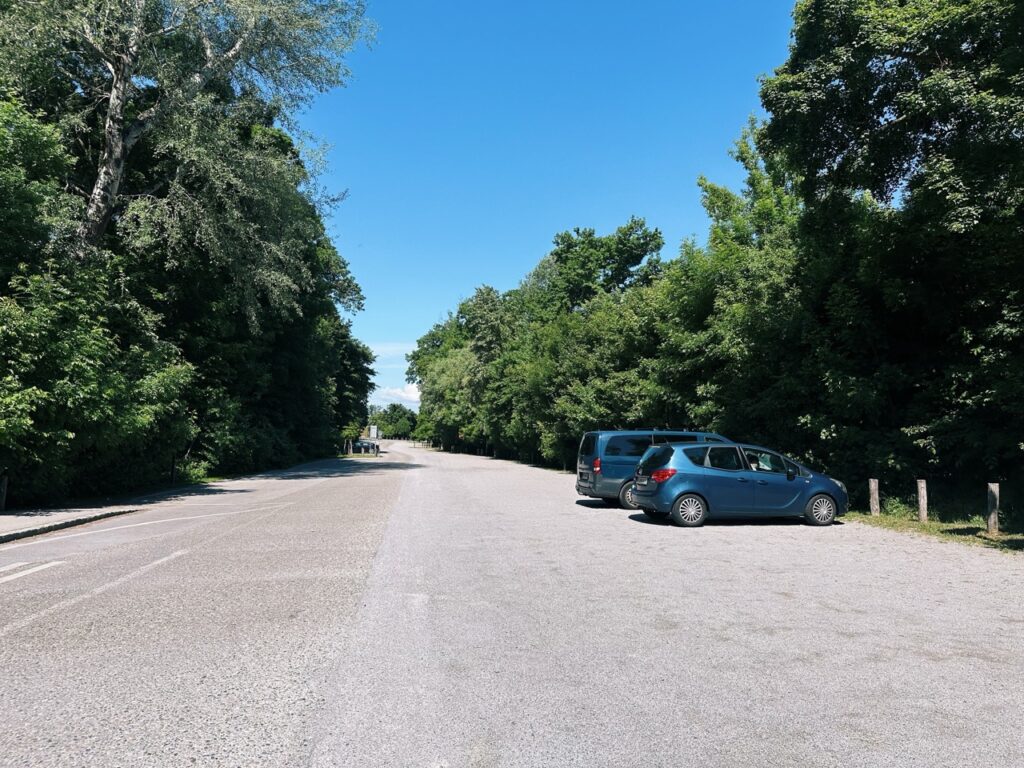
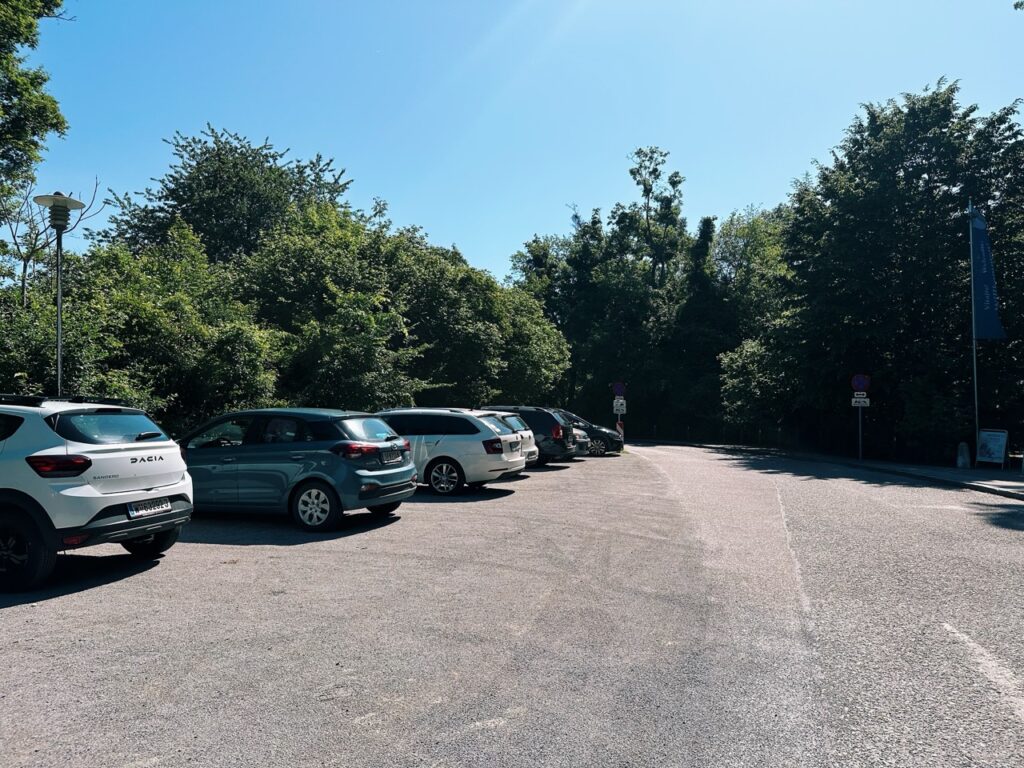
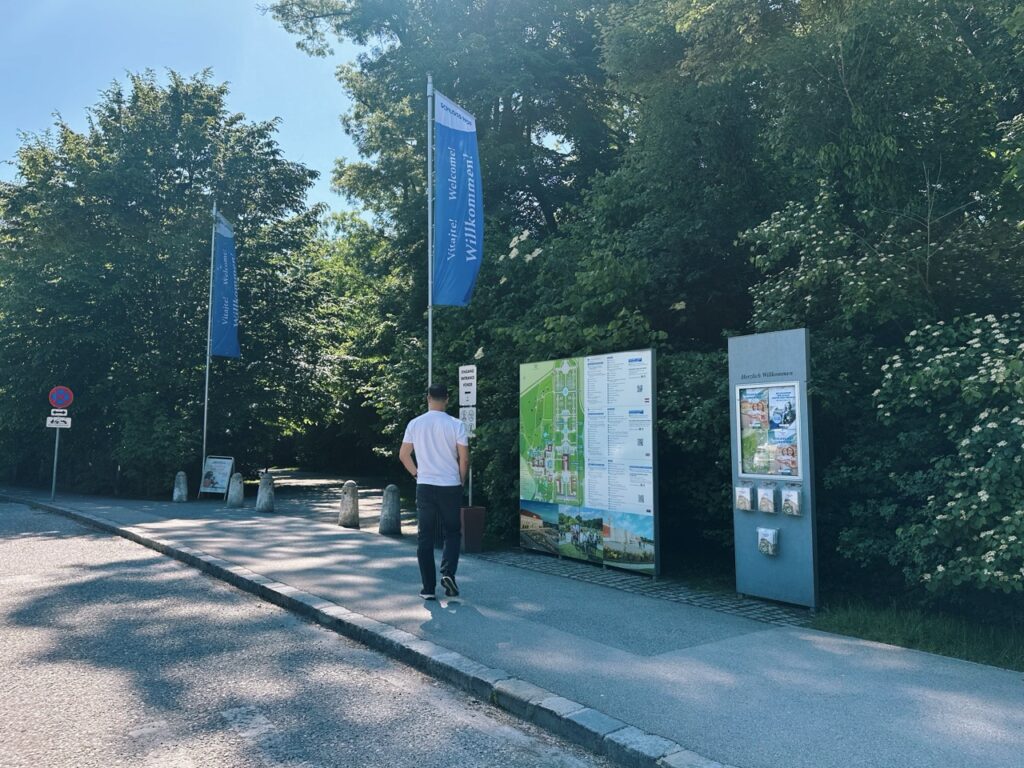
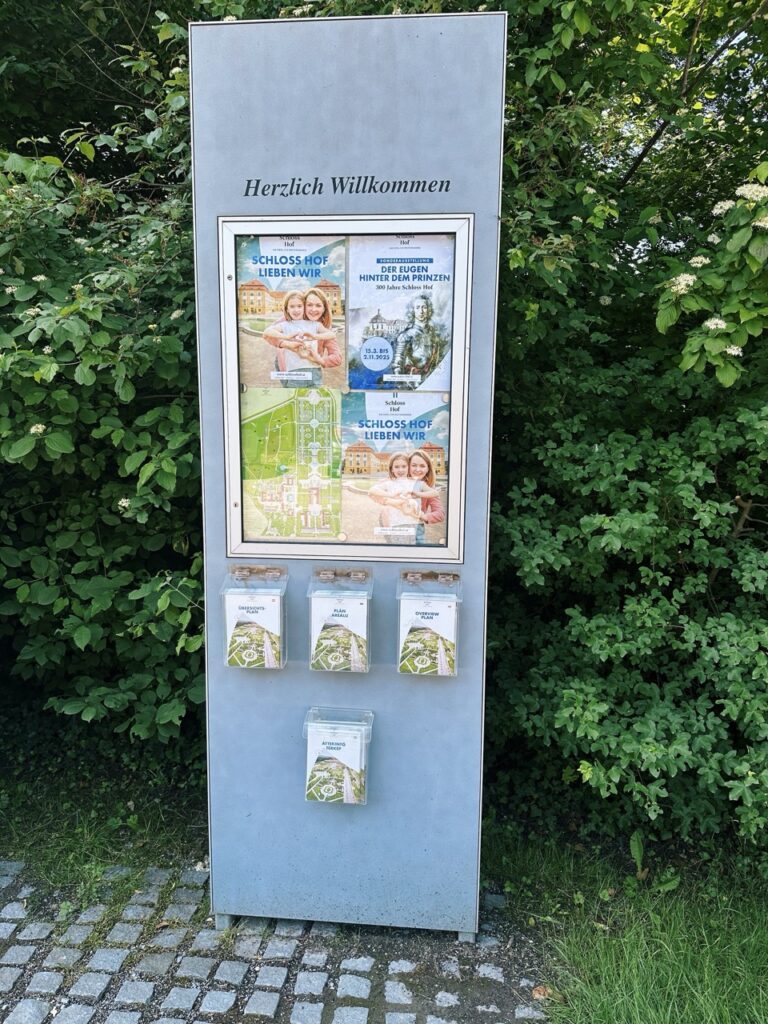
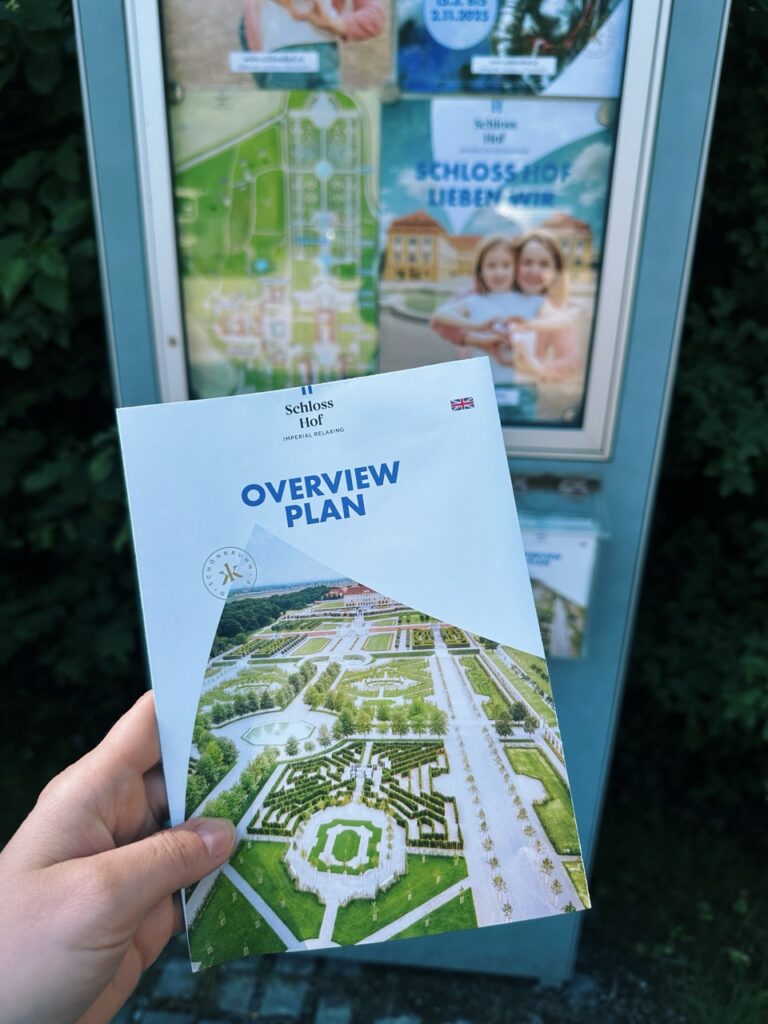
Schloss Hof offers excellent parking facilities for visitors. Approximately 545 parking spaces are available, including 21 designated bus parking spots. Parking is free of charge and located near the main entrance, ensuring easy access to the estate’s attractions. Additionally, accessible parking spaces are provided for visitors with mobility impairments.
Parking your bike at Schloss Hof
If you arrive with your bicycle at Schloss Hof, you will find a well-equipped bike station directly opposite the main entrance. It offers secure bike racks, lockers with charging points for e-bikes, a repair and service station, and a bench for resting. We appreciated the convenience; even though we arrived by car, we might come back with our bikes.
Opening Hours at Schloss Hof
Schloss Hof operates on a seasonal schedule:
-
- Summer Season: March – November, is open daily from 10:00 AM to 6:00 PM. The ticket office closes at 5:30 PM.
- Winter Season: November – March, is open daily from 10:00 AM to 4:00 PM. The ticket office closes at 3:30 PM.
Please note that Schloss Niederweiden is closed during the winter season from November 3 to March 6.
Admission Tickets to Schloss Hof
Schloss Hof offers a combined ticket that grants access to both Schloss Hof and Schloss Niederweiden:
-
- Adults: €24.00
- Children (6–18 years): €13.50
- Children under 6 years: free entry
- Concessions (students aged 19–25, seniors 60+, disabled persons): €22.50
- Vienna City Card holders: €22.50
- Family Ticket (2 adults + up to 3 children): €61.50
- Guided Tour: Additional €5.00 for adults; €3.50 for children
- Special Guided Tour: Additional €10.00
- Penguins: free entry
You can buy tickets online or onsite at the ticket office.
If you are planning multiple visits or seeking added perks, the Annual Ticket offers excellent value:
-
- Adults: €49.00
- Children (6–18 years): €28.00
This ticket provides unlimited access for one year from the date of purchase to both Schloss Hof and Schloss Niederweiden during the summer season. It also includes entry to all-day events and special exhibitions. Additional benefits include a 10% discount at the Kräutergarten Restaurant and Café Arkadenhof and a 5% discount in the shops.
Please note that the Annual Ticket is only available onsite at the ticket office. It’s an ideal option for locals, families, or anyone planning to explore the estate multiple times throughout the year.
Tickets are available for purchase online or at the ticket office onsite.
Always check online on their official website before for any changes in opening hours ticket prices.


You can also enjoy guided tours through the palace’s opulent rooms, stunning Baroque gardens, and the estate’s farm with rare animals and unique plants. Tours are great for families; some are in English, but advance booking is recommended. We opted for a self-guided tour, exploring the estate at our own pace.
Facilities at Schloss Hof
Visiting Schloss Hof is comfortable and convenient thanks to a range of visitor-friendly facilities available throughout the estate:
- Restrooms. Clean and accessible bathrooms are available at multiple locations around the estate for your convenience.
- Restaurant – Kräutergarten. It is a charming spot offering delicious local cuisine from fresh, seasonal ingredients, perfect for a relaxing meal.
- Café Arkadenhof. Enjoy coffee, cakes, and light snacks in this cozy café near the palace courtyard.
- Gift Shop. Find unique souvenirs, handcrafted items, and local specialties to take home as a reminder of your visit.
- Bike Parking. Dedicated areas to securely park your bike are especially useful for those arriving via cycling routes.


History of Schloss Hof
- Initially built in the early 18th century (1725) as a Baroque country estate by Prince Eugene of Savoy.
- Designed in grand Baroque style, featuring lavish interiors and extensive gardens.
- Passed through various noble families over centuries, including the Habsburgs.
- The estate fell into partial disrepair during the 19th and early 20th centuries.
- Major restoration and reconstruction began in the early 2000s, carefully preserving historical accuracy.
- Today, Schloss Hof is a well-maintained cultural site and tourist attraction showcasing Baroque architecture, gardens, and traditional farm life.
- UNESCO Status: Part of the Danube cultural landscape, contributing to its recognition for heritage preservation.


Here are a few lesser-known, interesting facts about Schloss Hof that could add a unique touch to it:
- Secret Tunnels. Schloss Hof is said to have hidden underground tunnels once used for discreet travel between the palace and nearby estates.
- Exotic Animals. In the 18th century, Prince Eugene of Savoy kept an exotic menagerie on the estate grounds, including peacocks and rare birds, a sign of prestige and fascination with far-off lands.
- Lavish Theater. The palace once housed a private Baroque theater where aristocrats enjoyed intimate performances, a rare feature for country estates of that time.
Schloss Hof is also a place that knows how to celebrate. The estate hosts various events throughout the year that add a lively twist to the Baroque charm. Two absolute highlights are the Christmas Market and the Easter Market. Picture cozy wooden stalls, handmade crafts, mulled wine, and twinkling lights filling the palace courtyard in winter or colorful spring blooms, local treats, and family fun in the gardens at Easter. There is always something happening at the estate. Check the official website or Instagram account to see what is happening.
Our Waddle of the Schloss Hof
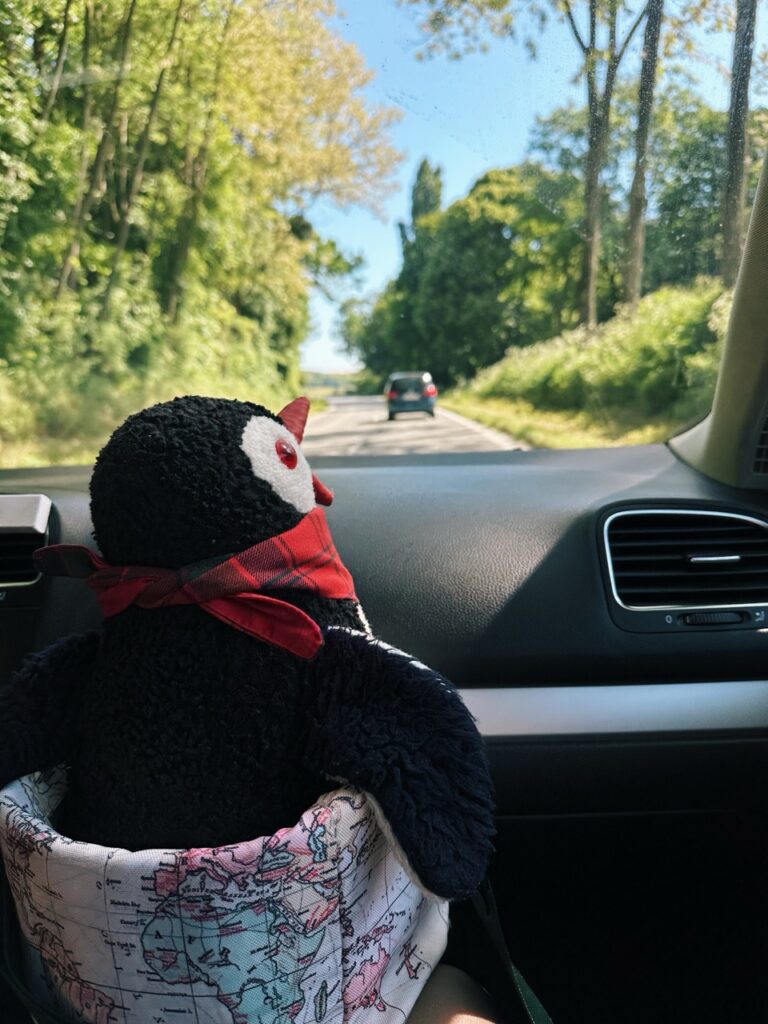
Our visit to Schloss Hof was nothing short of enchanting. Tucked away in the countryside near the Austrian–Slovak border, the estate surprised us with its scale, beauty, and peaceful atmosphere. From the moment we parked our car, we were struck by how well-kept everything was.


Right in front of the main entrance to Schloss Hof is a charming little lake, setting a peaceful tone as you arrive. It’s also where you’ll find a dedicated bike parking area, perfect if you’re coming by bicycle, especially via the scenic cross-border cycling routes. Nearby, you might spot a few friendly ponies grazing in the adjacent paddock, adding to the estate’s welcoming countryside feel. It’s a lovely first impression that hints at the relaxed, family-friendly experience awaiting inside.
We bought our tickets directly at the estate, which was quick and easy thanks to the helpful staff at the entrance. Instead of joining a guided tour, we opted for the self-guided experience, allowing us to explore at our own pace. This allowed us to linger in our favorite spots, take in the details of the palace rooms, and enjoy the gardens and farm without any rush.
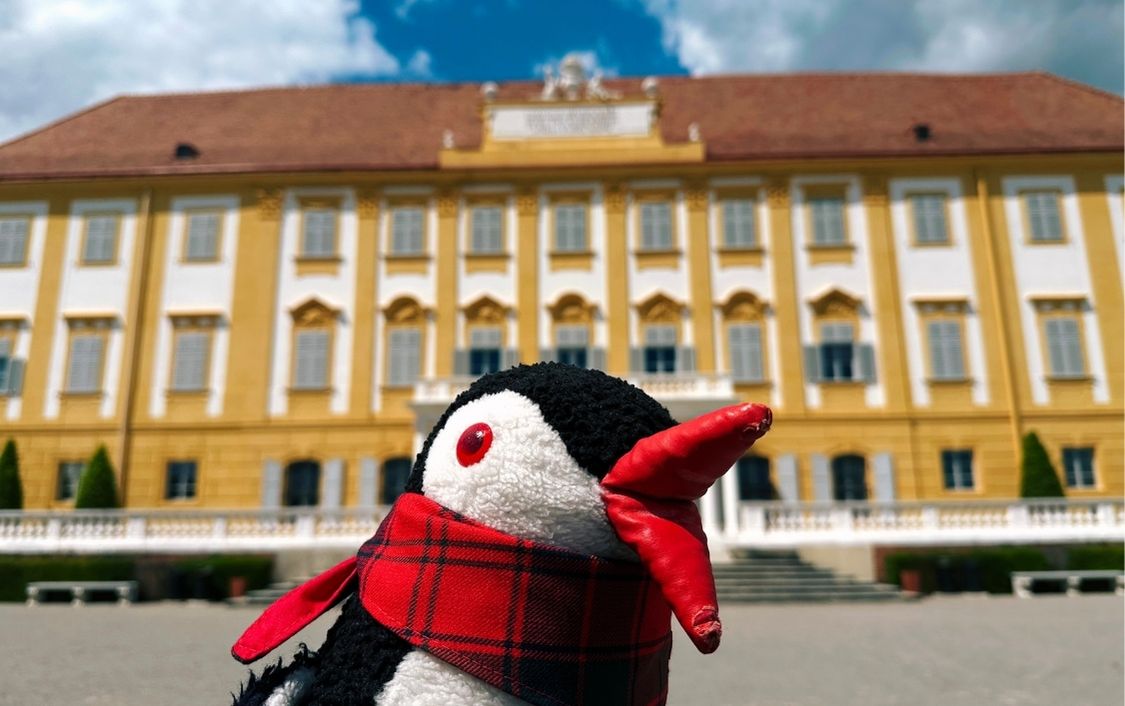
From the entrance, we made our way toward the Main Courtyard, a grand open space framed by the palace wings and stables, once the bustling heart of estate life during the Baroque era. It’s easy to imagine carriages rolling in and noble guests arriving in style. The architecture is full of elegant details, and the view of the palace façade is awe-inspiring from here.


From here, we waddled to explore the stables, a living tribute to the estate’s rich equestrian heritage. Among the notable breeds housed here is the Noriker, a rare heavy horse from the Roman province of Noricum, which covered parts of the Austrian Alpine regions. Noriker horses were instrumental in transporting goods across the Alps from Italian ports in the Middle Ages. Today, these horses are employed at Schloss Hof as coach horses, allowing you to witness their strength and elegance firsthand.
The stables are part of the estate’s farm, which, in the 18th century, served to provide the princely household with food, care for animals, and perform maintenance services.


After taking it all in, we continued to the nearby herb garden, a beautifully arranged space that once supplied the palace with medicinal and culinary plants. Today, it still showcases a variety of aromatic herbs, many labeled with their historical uses, making it both a peaceful and educational stop along the way.


Continuing our waddle of Schloss Hof, we headed to the Pony Ride Track, a delightful spot especially popular with families. Children can enjoy rides on the estate’s charming (Mini-) Shetland Ponies here. These ponies, originating from the Scottish Shetland Islands, are renowned for their strength relative to their size and are among the strongest horses in the world. They offer rides, pull coaches, and perform circus tricks, showcasing their versatility and training.


Adjacent to the Pony Ride Track, the open animal areas provide an engaging experience for visitors of all ages. The estate has approximately 200 animals, including rare and ancient breeds. Among them are the White Baroque Donkey, a scarce Austrian-Hungarian breed; the Bactrian Camel, known for its two humps and historical significance; and the Noriker, a heavy horse breed from the Austrian Alpine regions. Other notable residents include Lipizzans, Fourhorn Goats, Hungarian Racka Sheep, and Mini Pigs. These animals are part of the estate’s commitment to preserving rare breeds and offer visitors a glimpse into the agricultural practices of the Baroque era.


While exploring the estate, we also noticed several ground squirrels that roam freely around Schloss Hof. These little creatures add a playful touch to the surroundings; some are relaxed and will even let you get close for a photo. However, not all of them are so friendly. Especially near open animal areas, a few squirrels can get a bit bold or even aggressive, particularly if they feel threatened or are approached too quickly. It’s best to admire them respectfully and avoid feeding them to keep the peace between visitors and the local wildlife.


One of the most breathtaking parts of Schloss Hof is its Baroque garden, designed in a series of elegant terraces that cascade down from the palace. Carefully restored to reflect its 18th-century glory, the garden features symmetrical flower beds, sculpted hedges, and wide pathways perfect for a slow waddle. At the heart of it all are the beautifully restored fountains, including the grand Neptune Fountain, which bring movement and a sense of drama to the tranquil setting. It’s easy to see why this garden was once considered one of the most important Baroque landscapes in the region.


We couldn’t resist exploring the estate’s charming hedge labyrinth, a classic Baroque feature designed to delight and challenge visitors. At one point, we got a little lost wandering through its winding paths, but luckily, we managed to find our way out. It was a fun little adventure that added a playful touch to our visit and made us feel like kids again.


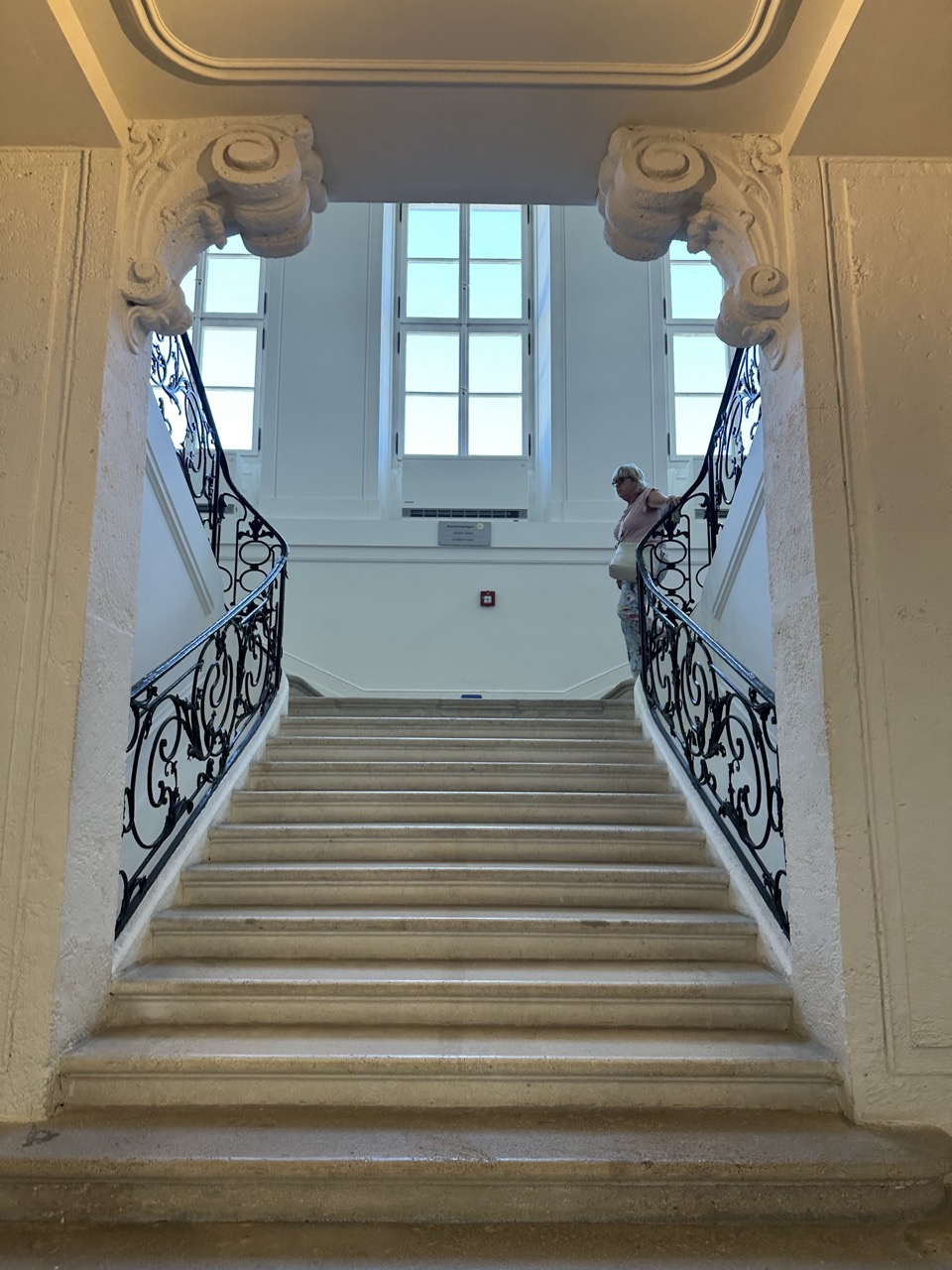
We concluded our visit by diving into the interior of Schloss Hof, the grand Baroque palace boasting over 40 rooms spread across several floors. The estate is much larger than it appears from the outside, with each room offering a glimpse into the opulent lifestyle of Austrian nobility. The rooms have priceless furnishings, exquisite textiles, delicate porcelain, and sparkling glass chandeliers that reflect the artistic tastes of the 18th century. The beautifully preserved palace chapel is highlighted, showcasing intricate frescoes and gilded woodwork, offering a peaceful retreat within the grand estate. Over the centuries, Schloss Hof was home to influential figures such as Prince Eugene of Savoy,who commissioned the estate, and later, members of the Habsburg dynasty, each leaving their mark on the palace’s history and design.


Key Rooms at Schloss Hof
- The Marble Hall. The palace’s grandest room with stunning marble columns and elaborate stucco work.
- The Chinese Cabinet. A uniquely decorated room featuring exquisite Asian-inspired wallpaper and delicate porcelain pieces.
- The Audience Chamber. The prince would meet with guests and conduct official business, which was decorated to impress visitors.
- The Chapel. A serene space with ornate frescoes and gilded details, serving as the spiritual heart of the palace.
- The Gallery of Mirrors. It is full of large mirrors that amplify light and space, creating a dazzling visual effect.
- The Dining Room. Showcasing fine tableware and elegant décor, reflecting the art of entertaining in Baroque times.
- The Private Apartments. More intimate rooms where the family lived, decorated with lavish textiles and personal touches.
Why Visit Schloss Hof
If you’re still unsure whether Schloss Hof is worth visiting, the answer is yes. This beautifully preserved Baroque estate perfectly blends history, culture, and natural charm, making it one of the most rewarding and peaceful day trips from Vienna or Bratislava. We especially loved the calm, quiet atmosphere; it felt like a step back. We can imagine having a picnic here under a shady tree or simply reading a book while enjoying the peaceful surroundings. Everything was beautifully maintained, from the flowerbeds to the stables, and the whole experience felt relaxing and inspiring.
Add to that their seasonal events like the Christmas and Easter markets, great food options, and family-friendly touches — and you’ve got a place that’s more than just a historic site. Schloss Hof is an experience that stays with you.
Tours and tickets from ViatorShows Viator’s own box, which can set Viator cookies.
How to Visit Schloss Niederweiden After Schloss Hof
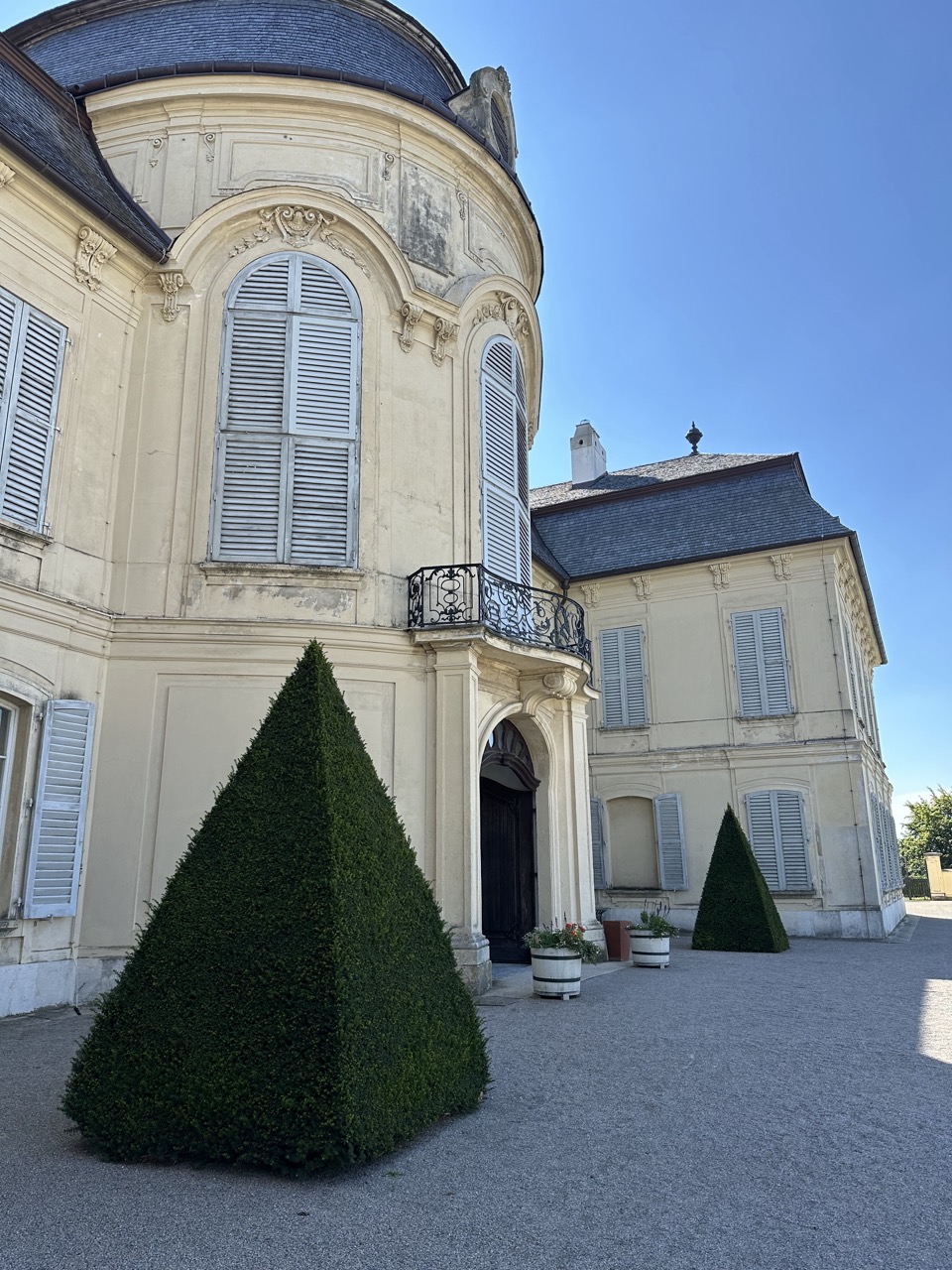
After exploring the grandeur of Schloss Hof, we highly recommend extending your visit to Schloss Niederweiden. Just a short drive away, this smaller baroque castle complements the Schloss Hof experience beautifully, offering a more intimate glimpse into history. Even better, the entrance is included in the Schloss Hof ticket (or can be purchased separately).
Easy Parking
Arriving here is stress-free. The castle has a spacious parking area, making it simple to stop by even if you’re short on time.


The Castle Kitchens
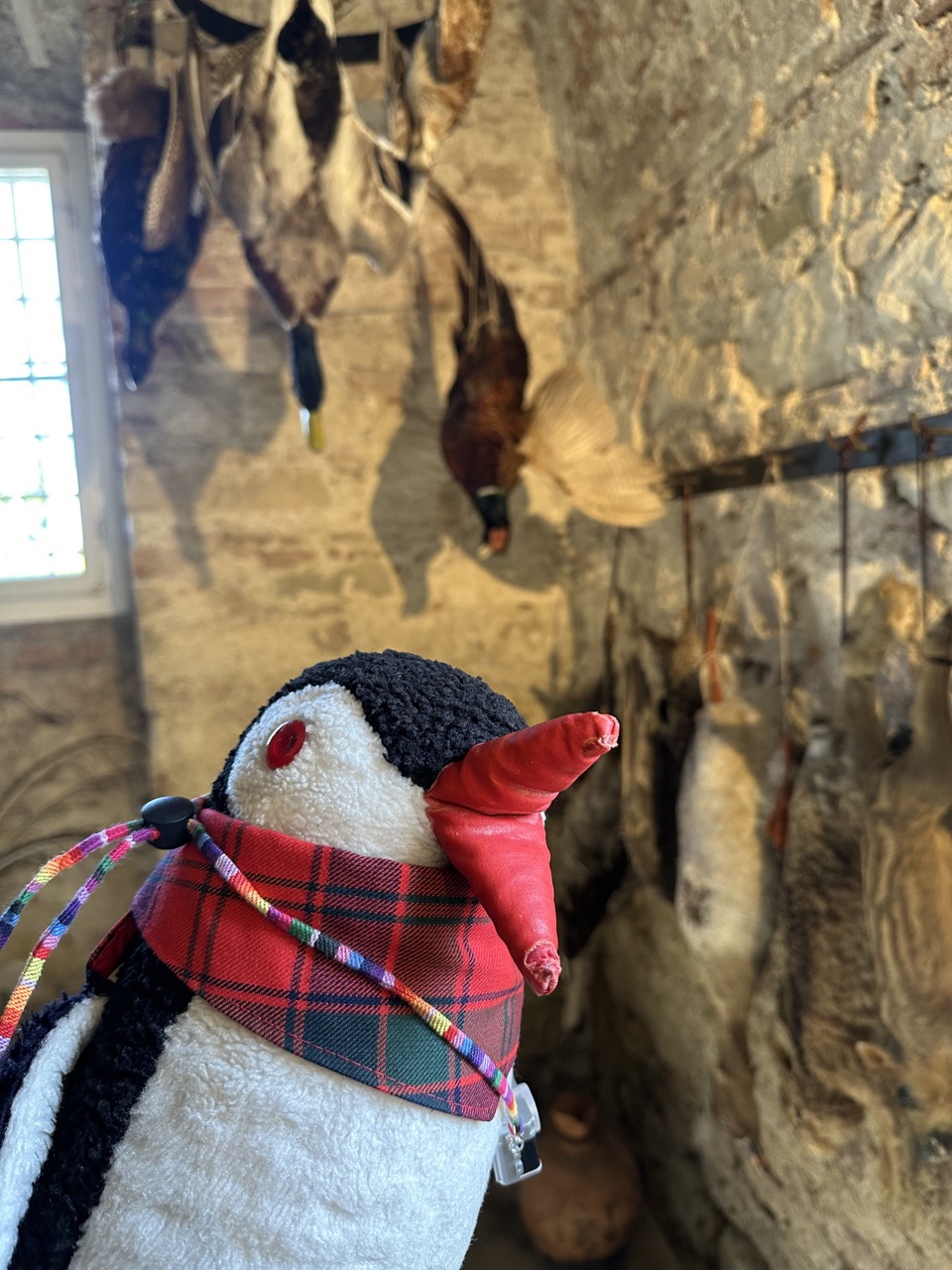
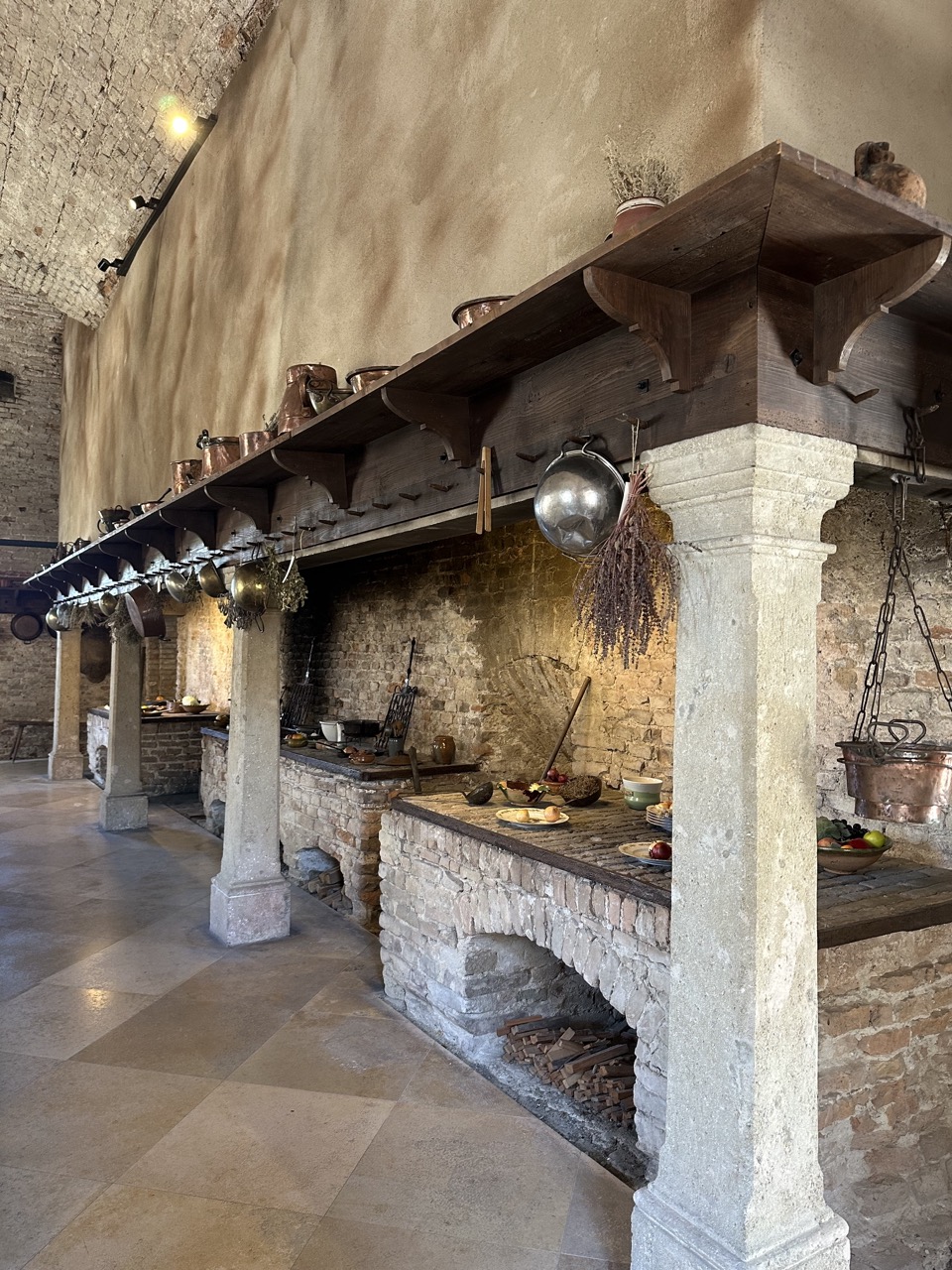
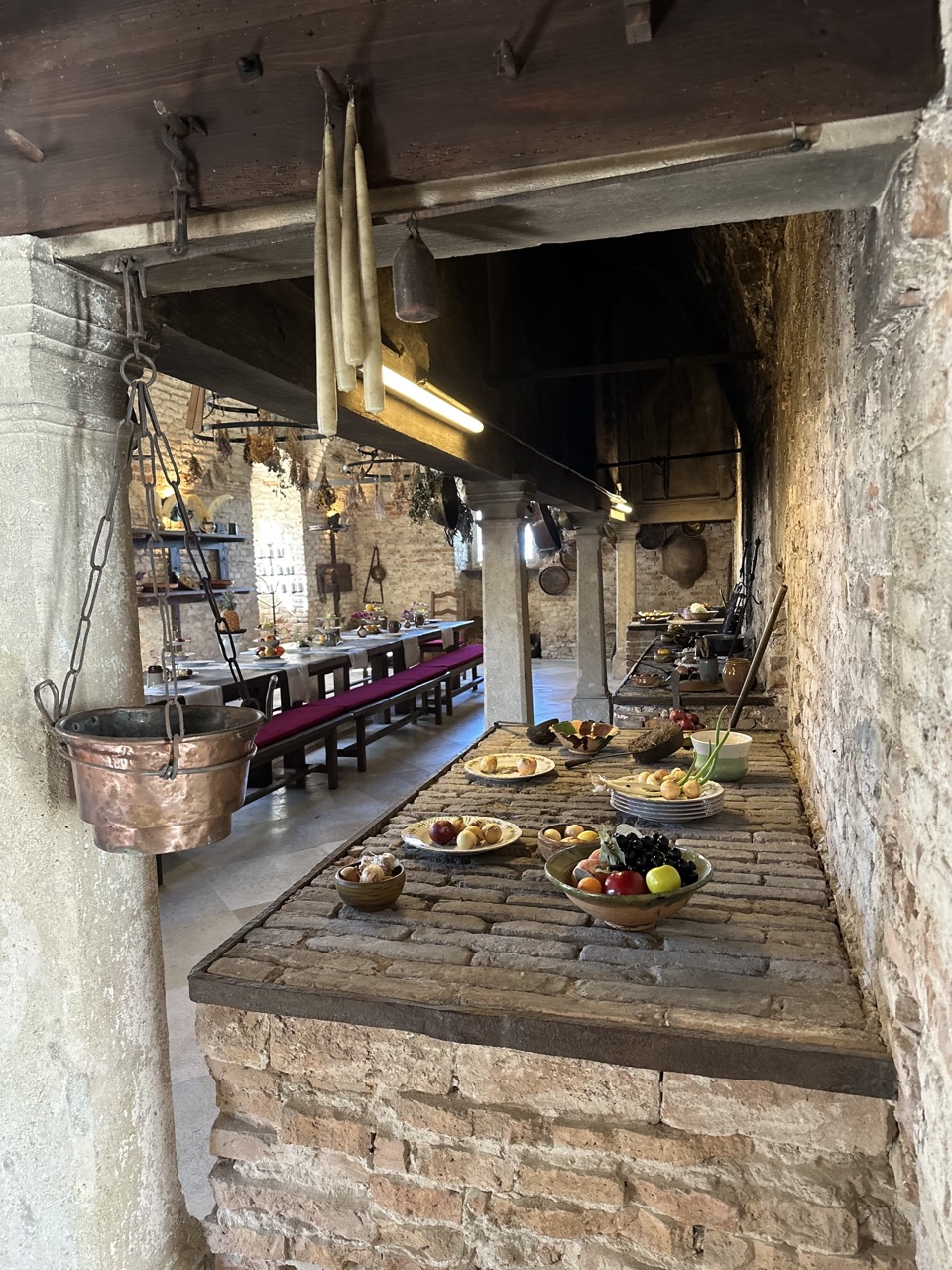
One of the true highlights of Schloss Niederweiden, and the part we personally enjoyed the most, is the castle kitchens. Unlike many historic castles, where kitchens are either gone or hidden away, here they are fully showcased and remarkably well-preserved.
As you waddle through, you’re greeted by enormous hearths, rows of copper pots, baking ovens, and original tools that once kept the castle’s feasts running smoothly. It feels almost cinematic, as if the clatter of pans and the chatter of cooks might return at any moment.
What we loved most is how the kitchens make history feel alive. They tell the story not only of emperors and nobility, but also of the countless people who worked behind the scenes to make royal dining possible. For us, this space was more captivating than the ornate rooms upstairs; it was authentic, atmospheric, and a little bit magical. And the best part is that you can even rent the premises for any party you want to throw.


Waddling Through the Castle
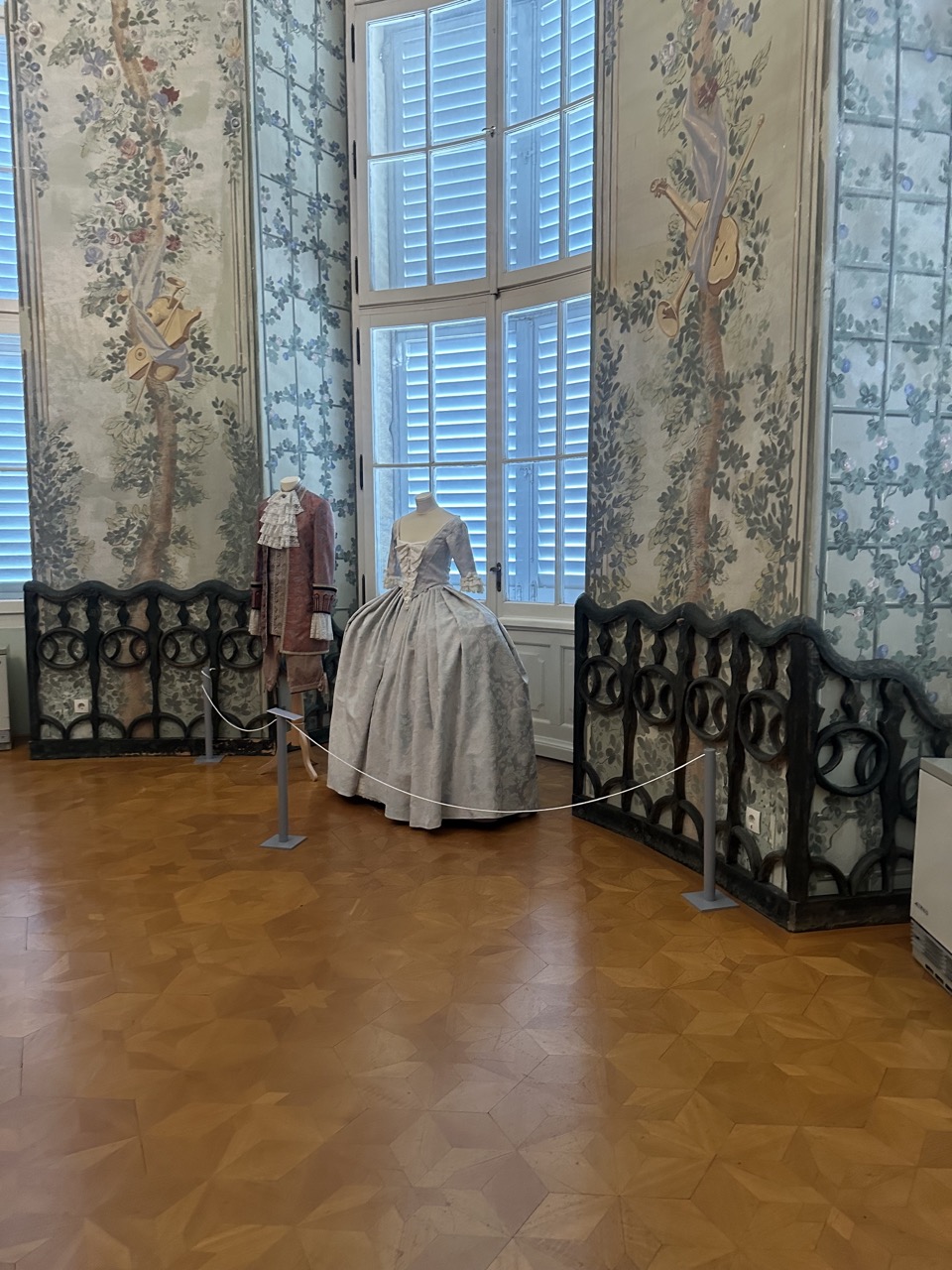
Inside the castle, the tour is shorter than at Schloss Hof, but don’t let that fool you. Although photography isn’t allowed indoors, the rooms are beautifully preserved, and the written explanations are well worth reading. The history revealed here is both fascinating and enriching. Lockers are available for your belongings, allowing you to store them securely.
Around the Castle Grounds
Outside, you’re free to waddle through the surrounding park and gardens. While the scale is smaller than Schloss Hof, the peaceful atmosphere makes it an ideal spot for a relaxing waddle.


A Quick Look at History
-
- Built in 1693 as a hunting lodge for Prince Ernst Rüdiger von Starhemberg.
- Redesigned in 1755 by Johann Lucas von Hildebrandt, blending baroque elegance with rural charm.
- Once a favorite retreat of Empress Maria Theresa, who used it as an escape from court life.
- Later adapted as a hunting castle for Emperor Franz Stephan of Lorraine, featuring the now-famous kitchens.
- Today, it is part of the Marchfeld Castles group, complementing the experience at Schloss Hof.
Buy Us a Ko-fi

Schloss Hof is one of those places that quietly surprises you. While many visitors head straight to Vienna’s famous palaces, this Baroque gem offers grand architecture, beautifully landscaped gardens, peaceful walking paths, and a glimpse into Austria’s imperial past without the overwhelming crowds. Whether you’re wandering through the elegant palace rooms, exploring the terraced gardens, meeting the animals at the estate farm, or simply enjoying a relaxing afternoon surrounded by history, Schloss Hof makes for a fantastic day trip from Vienna. We hope this guide has inspired you to add it to your itinerary for Austria. Trust us, it deserves a spot on your travel list.
Travel Bold. Eat Well. Waddle Wild.

This post contains affiliate links. If you click and buy, I might earn a tiny commission, enough to help a penguin keep up its globe-trotting lifestyle. No extra cost to you, just more fish for me. Thank you for supporting the adventure!