Beijing Itinerary 3 Days: How to Make the Most of 72 Hours in the Capital
Beijing is an incredible city to explore, full of history, culture, and energy. While 72 hours might not be enough to see it all, it’s plenty to experience its highlights. For us, Beijing was a stopover on our way to Japan, but thanks to the 72-hour visa-free transit policy at the time of our visit, we had just enough time to dive into the city’s heart. It took a bit of planning (and a lot of waddling), but it was absolutely worth it.
If you’re anything like us, you probably want to see everything on your first day, but trust us, after an 8+ hour flight, it’s better to pace yourself. The city isn’t going anywhere, and your feet will thank you later. 😅 Grab your comfiest shoes, charge your camera, and let’s make the most of three unforgettable days in Beijing.
Tours and tickets from GetYourGuideShows GetYourGuide’s own box, which can set GetYourGuide cookies.
Visa-Free Transit Policy in China
China offers a visa-free transit policy that allows travelers from eligible countries to stay in certain Chinese cities for a limited period without needing to apply for a visa in advance. As of late 2024, the policy has been expanded in many regions. Travelers can now stay for up to 240 hours (10 days) in selected cities, including Beijing, provided they meet the entry requirements. To qualify, you must be a citizen of one of the 53 eligible countries, be in transit to a third country, and have confirmed onward flight tickets. Your arrival and departure must also be from the same city unless you’re entering through areas covered by the extended 144- or 240-hour policy.
When we visited, however, the 72-hour visa-free transit was still in effect, and that’s how we managed our short Beijing stopover. Upon landing at Beijing Capital International Airport, we followed the signs (and the line of fellow travelers) to the visa-free transit desk. There, we filled out a blue form, scanned our fingerprints at one of the machines, and had our passports stamped by the officers. The process was smooth and surprisingly quick, though the line does get longer as more flights arrive. Thanks to this policy, we had just enough time to waddle through Beijing’s highlights before continuing our journey to Japan.
How to Get the Transit Visa in Beijing
Obtaining a visa-free transit permit in Beijing is zstraightforward if you meet the requirements. You must be from one of the 53 eligible countries, in transit to a third destination, and have a confirmed onward flight departing within the allowed time (now up to 240 hours in many cities). After landing at Beijing Capital International Airport, follow the signs for “Visa-Free Transit”, fill out the blue application form, and scan your fingerprints at the nearby machine. Then, present your passport, onward flight ticket, and accommodation details to the immigration officer, who will stamp your passport with the visa-free entry. The whole process is smooth and usually quick if you arrive before the crowds.
Before You Go: Quick Tips
- Bring Your Passport. You’ll need it for most attractions and security checks.
- Download Offline Maps. Use maps.me or Gaode Maps to navigate without data.
- Have Some Cash. Not all kiosks or smaller shops accept cards or foreign payment apps.
- Wear Comfortable Shoes. You’ll be doing plenty of waddling — Beijing is huge!
- Learn a Few Phrases. A simple “nǐ hǎo” (hello) or “xièxiè” (thank you) goes a long way, or keep a translation app handy.
3-Day Beijing Itinerary at a Glance
- Day 1: Temple of Heaven • Tiananmen Square • Forbidden City • Jingshan Park
- Day 2: Great Wall (Mutianyu) • Olympic Park • Night Market
- Day 3: Hutongs • Beihai Park (Winter Palace) • Local food & souvenirs
Top Things to Do in Beijing in 3 Days
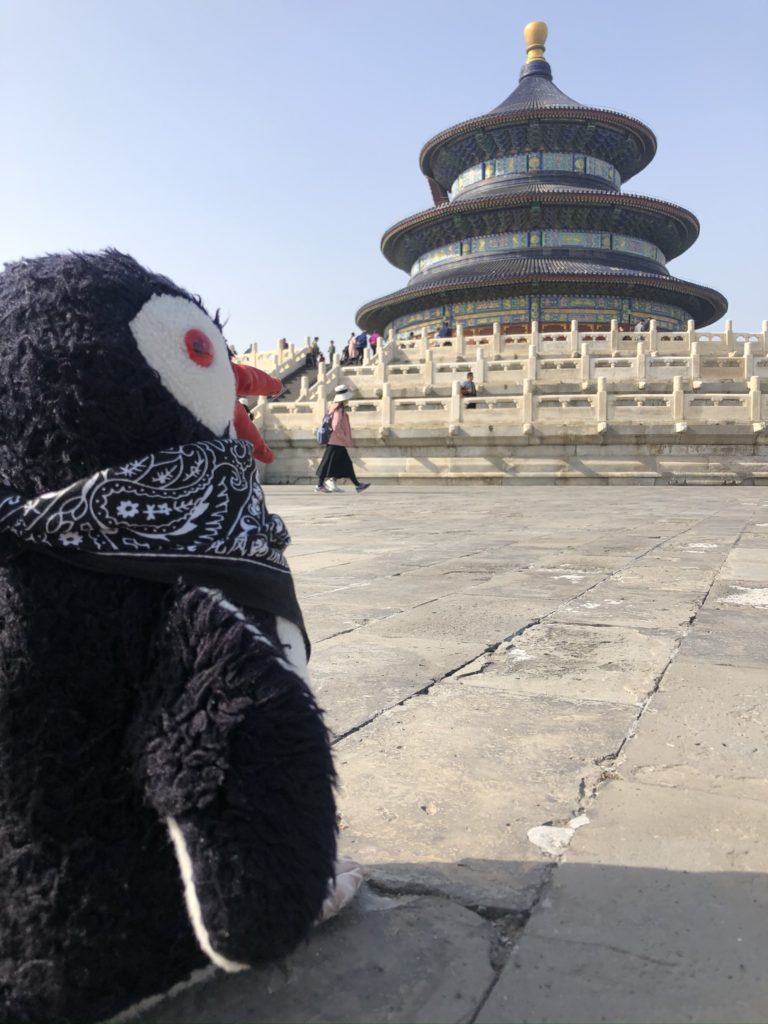
#1: The Temple of Heaven
The Temple of Heaven was our first stop in Beijing, and honestly, one of the best places to start. It’s a definite must-see when visiting the city. The Temple of Heaven is a stunning complex of historic religious buildings set within a vast park in the southeastern part of Beijing (we quickly learned the city has a lot of parks!).
The best time to visit is early in the morning, when the air is cooler and the crowds are at a minimum. You’ll see locals doing tai chi, playing cards, dancing, or simply enjoying the calm start to the day. Originally known as the Temple of Heaven and Earth, it was later expanded and renamed the Temple of Heaven. It’s a peaceful yet impressive spot that perfectly captures the rhythm of daily life in Beijing.
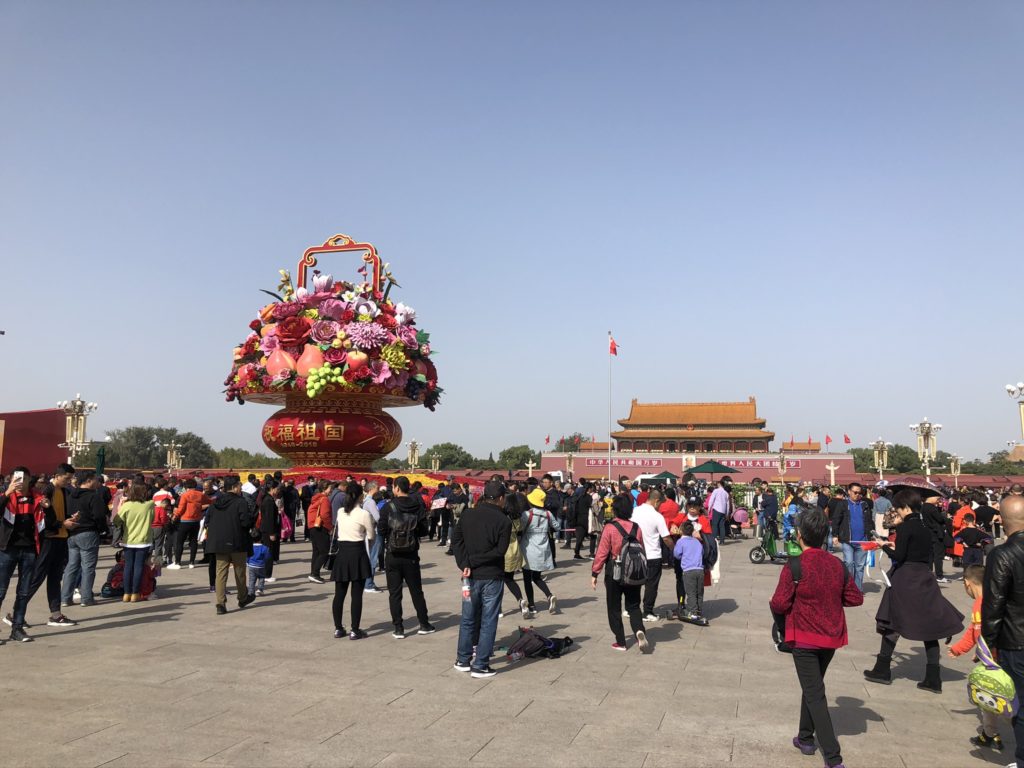
#2: Tiananmen Square
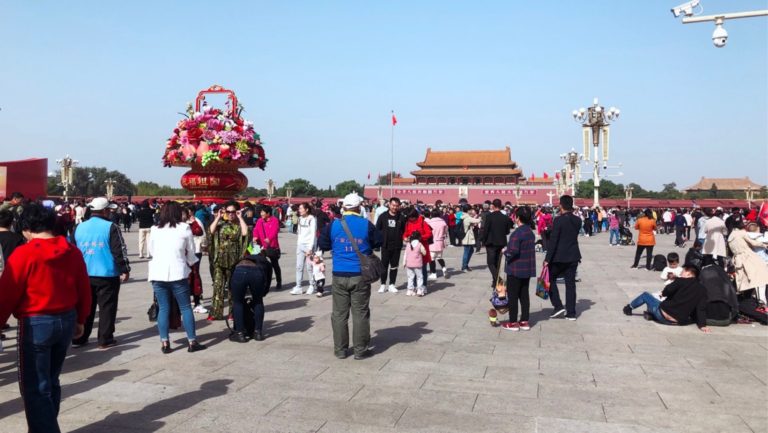
Another iconic landmark, and an absolute must-visit for first-time travelers, is Tiananmen Square. This vast open space stretches 765 by 282 meters (that’s over 215,000 square meters or 53 acres) and feels endless when you’re standing in the middle of it. The name “Tiananmen” translates to “Gate of Heavenly Peace,” and the square has been the backdrop for many of China’s most significant historical events, making it one of the most powerful and symbolic places to visit in Beijing.
#3: The Great Wall of China
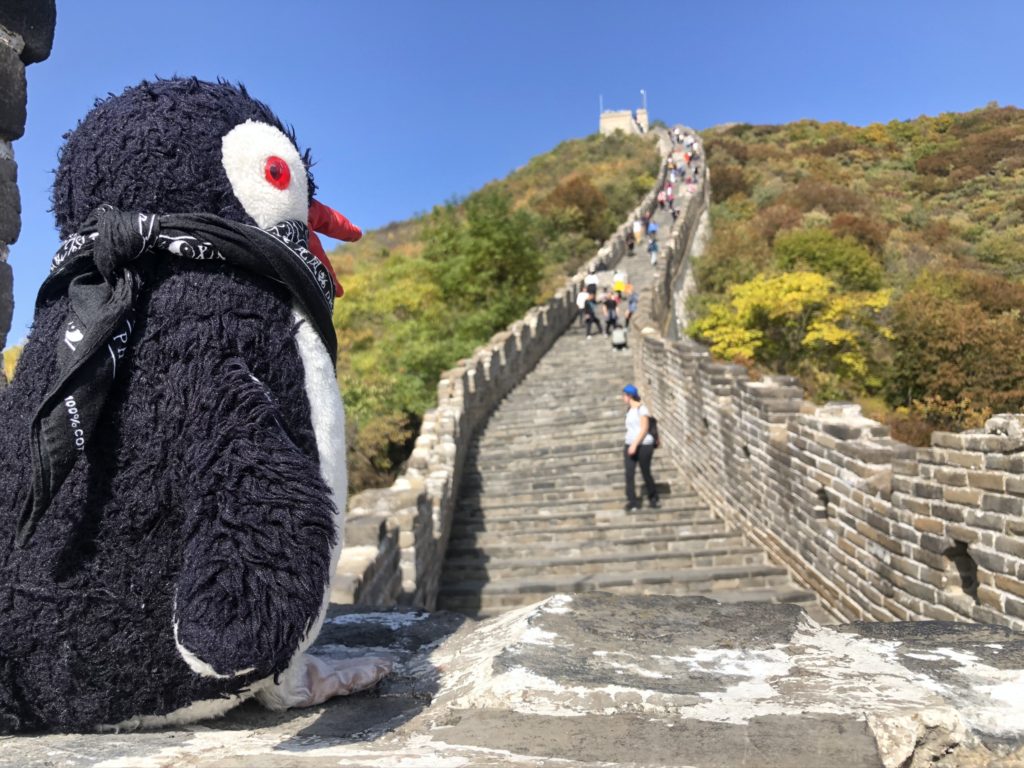
Stopping in China and not visiting the Great Wall is like going to Paris and skipping the Eiffel Tower; it’s simply not an option. It’s practically a universal travel law!
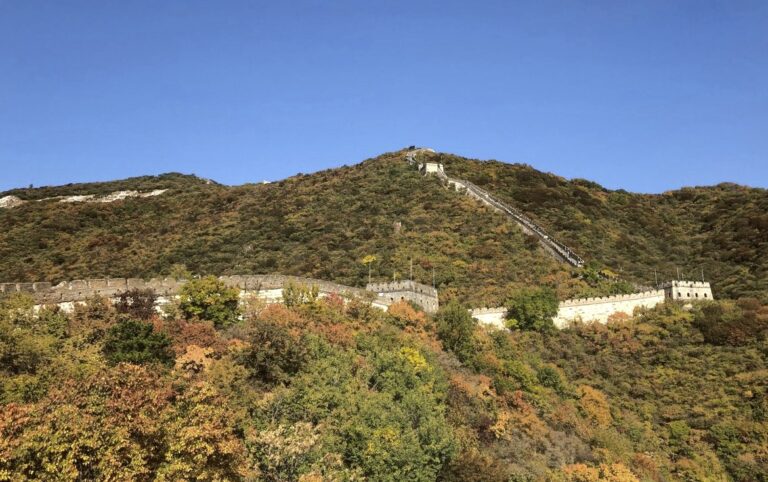
There are several sections of the wall open to visitors, and luckily, one of the most beautiful, Mutianyu, is easily accessible from Beijing. We waddled our way along the Mutianyu section, surrounded by rolling green hills and ancient stone watchtowers, and it was absolutely worth every step. If you visit just one site in China, let it be this one.
Tours and tickets from GetYourGuideShows GetYourGuide’s own box, which can set GetYourGuide cookies.
#4: The Olympic Park
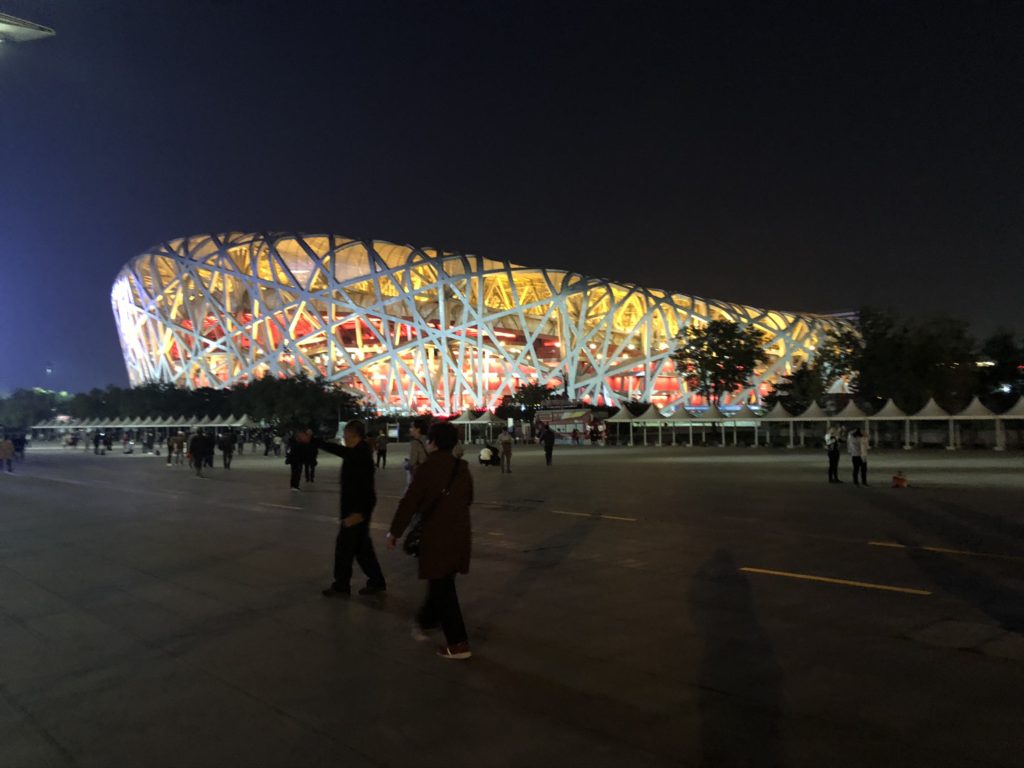
While Beijing is known for its ancient temples and rich traditions, the Olympic Park shows off the city’s modern, futuristic side. Built for the 2008 Beijing Olympic Games, it’s the largest urban park in the city, covering an impressive 680 hectares, so yes, prepare for plenty of waddling!
Exploring the entire area can take around two hours, but we focused on the highlights: the iconic Bird’s Nest Stadium and the shimmering National Aquatics Center. Both are architectural masterpieces that perfectly blend Beijing’s ambition with its love for grand design.
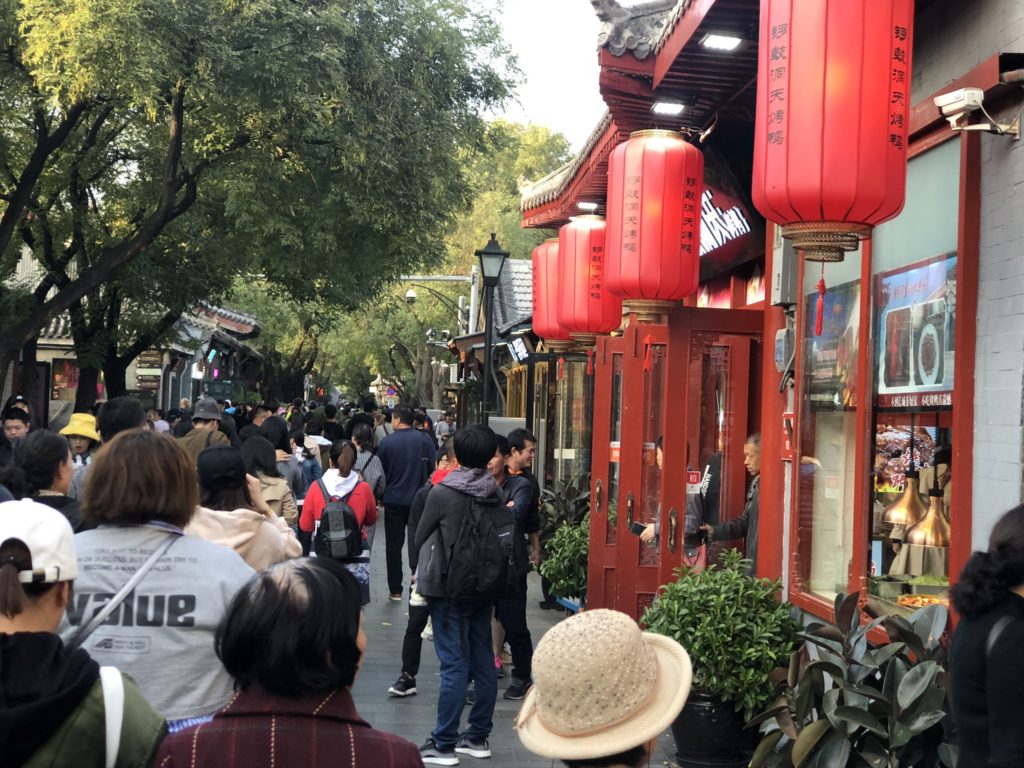
#5: Hutongs
Beijing is especially famous for its Hutongs, narrow lanes lined with traditional courtyard houses that offer a glimpse into the city’s past. Wandering through them feels like stepping back in time, surrounded by the everyday rhythm of old Beijing. It’s an experience no first-time visitor should miss.
Many of these Hutongs have now been designated as protected areas to preserve their unique character and cultural importance. Exploring them is not just a walk through history, but also a chance to see how tradition and modern life coexist in the heart of the city.
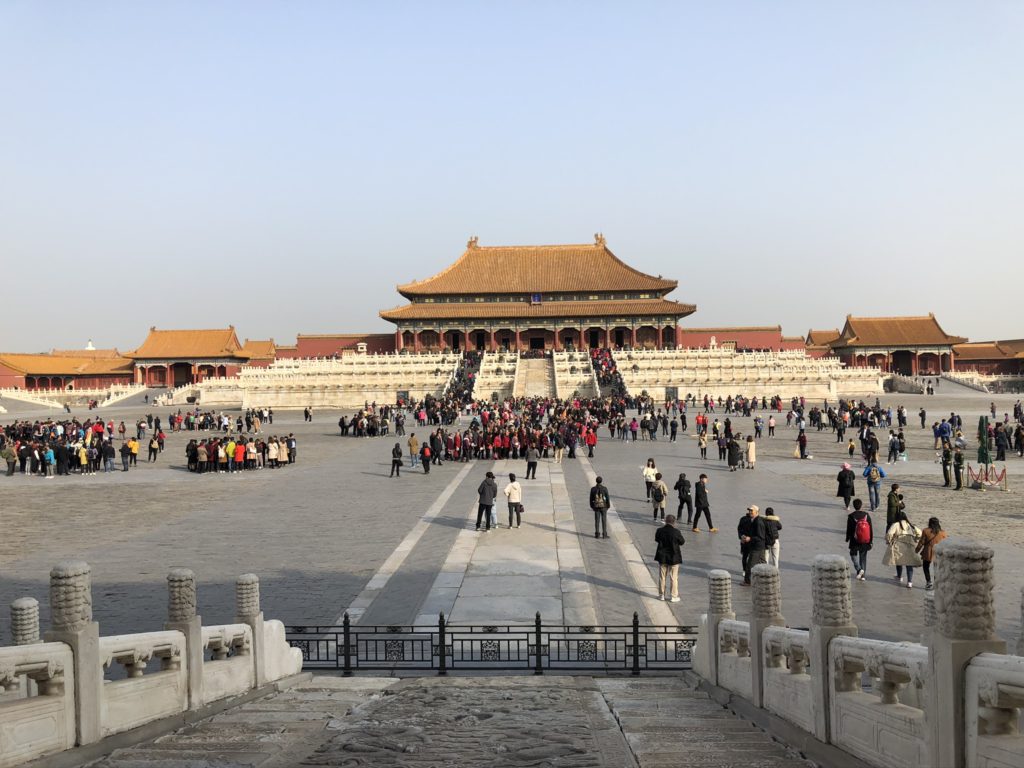
#6: The Forbidden City
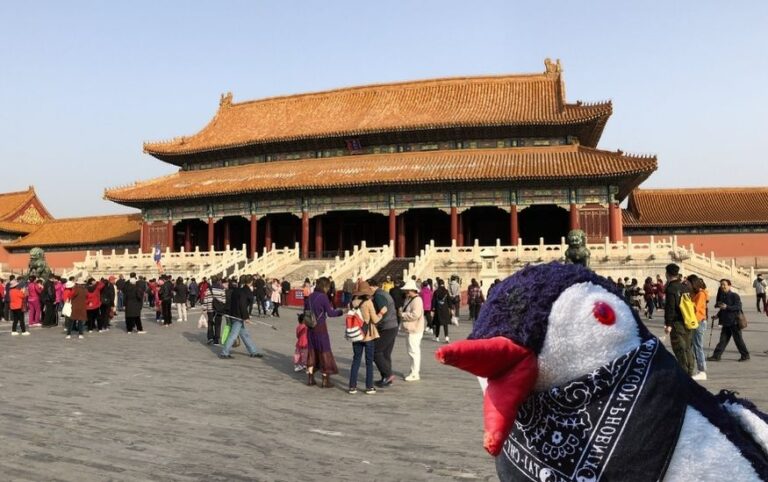
No longer “forbidden,” the Forbidden City is the largest ancient palace complex in the world, located right in the heart of Beijing, just behind Tiananmen Square. Once home to 24 Chinese emperors, it served as the political and ceremonial center of China for nearly 500 years. Today, it’s one of the most visited attractions in the country, so be prepared for big crowds, but also for an unforgettable glimpse into China’s imperial past.
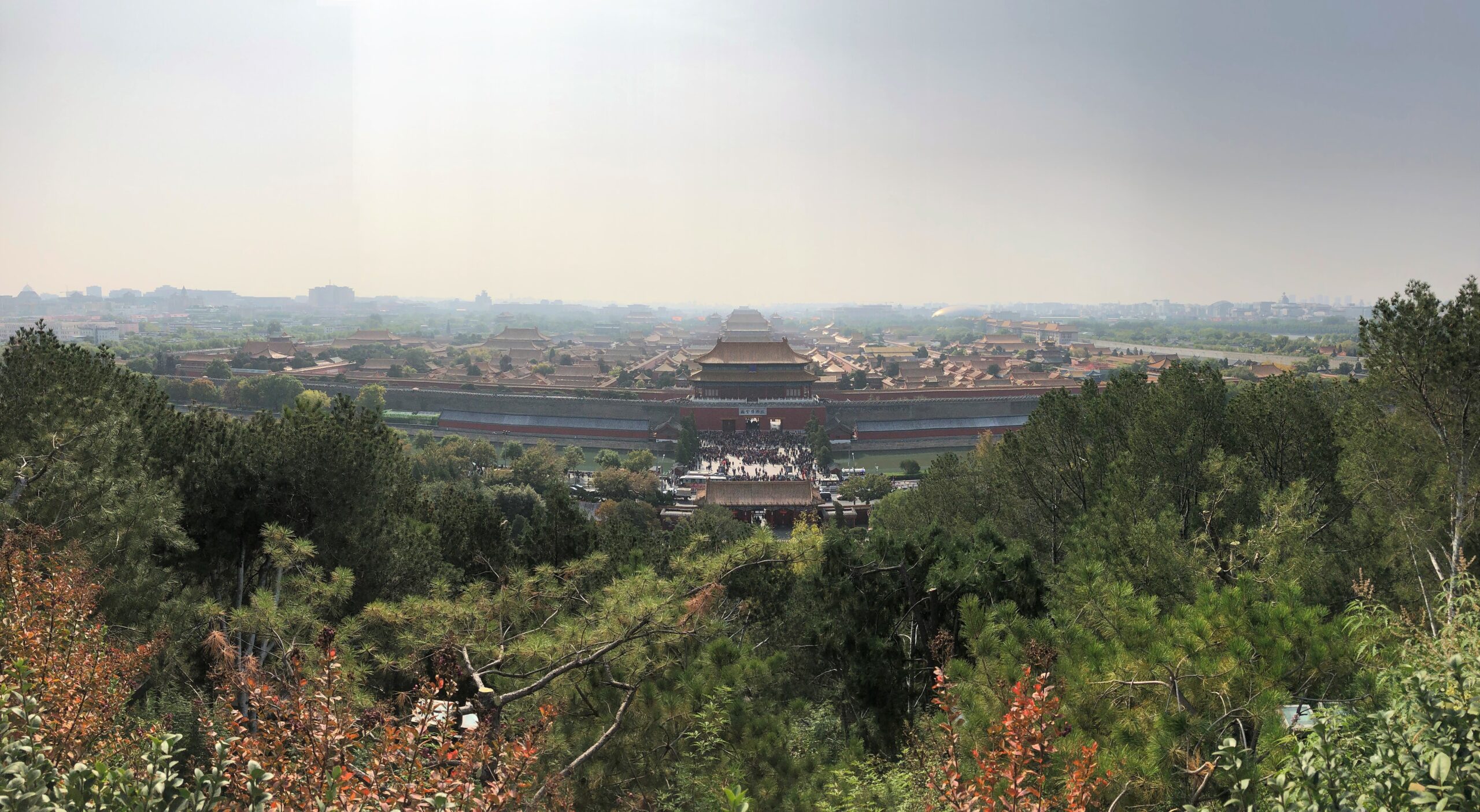
#7: Jingshan Park
Once an imperial garden connected to the Forbidden City, Jingshan Park dates back nearly a thousand years and remains one of Beijing’s most peaceful green spaces. It’s a lovely place to waddle around and unwind after exploring the palace, but the real highlight is the panoramic view from the top of Jingshan Hill, the best spot to admire the golden rooftops of the Forbidden City and the Beijing skyline stretching out beyond.

#8: The Winter Palace (Beihai Park)
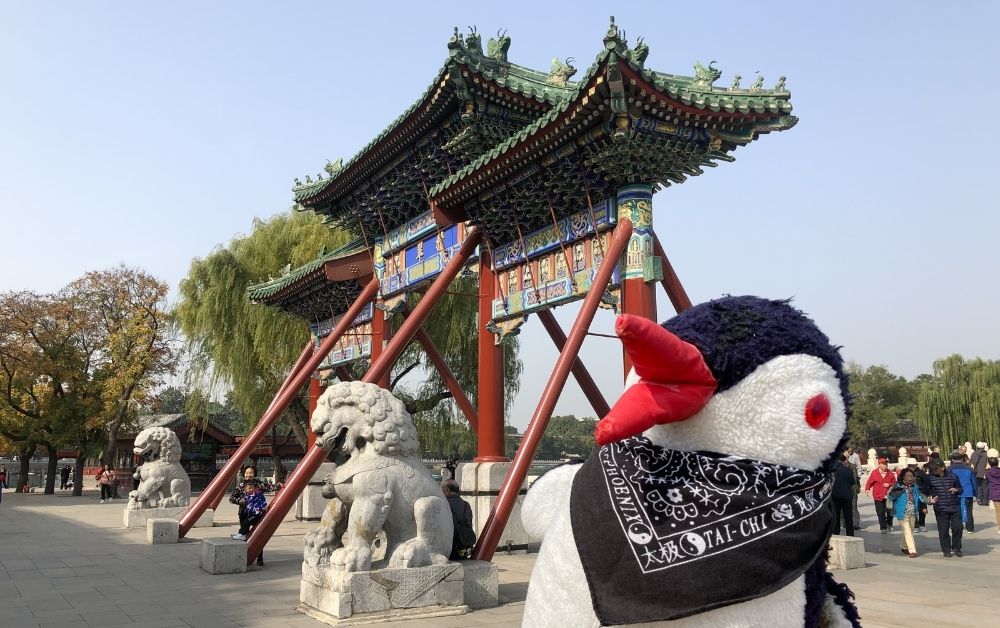
Also known as the Winter Palace, Beihai Park is one of Beijing’s most beautiful public parks and one you can’t miss.Originally part of the imperial gardens, it dates back to the 11th century and offers a peaceful escape from the city’s buzz. Locals come here daily to sing, dance, practice calligraphy, or simply relax by the lake. It’s a wonderful spot to slow down, enjoy the scenery, and experience a slice of authentic Beijing life.
More to See if You Have Time
If you’re lucky enough to have an extra day (or just want to swap things around), here are a few more places worth waddling to — from lakeside palaces to modern art districts.
- Summer Palace (Yiheyuan): A breathtaking imperial garden with lakes, temples, and pavilions. Perfect for a relaxing half-day stroll or a short boat ride across Kunming Lake.
- 798 Art District: Beijing’s creative heart, filled with modern art galleries, quirky cafés, and industrial-chic architecture — a completely different side of the city.
- Wangfujing Street & Night Market: The place to try local street food (and maybe something adventurous!) while picking up souvenirs under the neon lights.
- Lama Temple (Yonghe Temple): A colorful Tibetan Buddhist temple home to an enormous sandalwood Buddha statue — one of Beijing’s most spiritual spots.
- Confucius Temple & Imperial College: Located near the Lama Temple, this peaceful complex honors China’s greatest philosopher and showcases centuries of scholarly tradition.
- Houhai Lakes: A charming area surrounded by hutongs, tea houses, and cozy bars, ideal for an evening waddle and watching the city wind down.
Each of these spots adds a little more depth to your Beijing adventure, whether you’re chasing history, art, or just a good view (and maybe a snack).
Tours and tickets from GetYourGuideShows GetYourGuide’s own box, which can set GetYourGuide cookies.
FAQ: Visiting Beijing in 72 Hours
Is 72 hours enough to see Beijing?
Yes! Three days give you enough time to see the city’s highlights — from the Great Wall and Forbidden City to the Temple of Heaven and local Hutongs. With good planning (and comfy shoes), you can experience the best of Beijing.
Is Beijing safe for tourists?
Absolutely. Beijing is one of the safest major cities in Asia. Just follow local customs, keep an eye on your belongings in busy spots, and respect rules around photography and security checks.
Is the 72-hour visa-free transit still valid?
Yes, though as of late 2024, it has been expanded to 240 hours (10 days) in many cities, including Beijing. Always check the latest entry rules for your nationality before traveling.
What’s the best time to visit Beijing?
The best months are spring (April–May) and autumn (September–October) — mild temperatures, clear skies, and fewer crowds. Summers can be hot and humid, while winters are cold but beautifully crisp.
How do I get around Beijing?
Beijing’s subway system is efficient, clean, and easy to use. You can also use Didi (China’s Uber) for short rides or waddle between major sights like Tiananmen Square and the Forbidden City.
Can I drink tap water in Beijing?
No, tap water isn’t safe to drink. Always use bottled or boiled water for drinking and brushing your teeth.
Do I need cash or can I pay by card?
It’s best to have some cash (RMB) on hand, as not all vendors accept foreign cards. Many locals use WeChat Pay or Alipay, but foreign visitors can now link some international cards to these apps.
Can I access Google and Instagram in China?
Not without a VPN many Western apps and websites (Google, Instagram, Facebook, YouTube) are blocked. Download a reliable VPN before your trip if you want to stay connected.
Three days might not be enough to see it all, but it’s just enough to fall in love with the rhythm of the city, the mix of calm mornings in the parks, buzzing streets full of life, and the feeling of history around every corner. Whether you’re stopping over on a visa-free transit or planning a longer stay, Beijing will leave you inspired, curious, and maybe just a little bit in need of another visit.
Pack your bag and explore Beijing!

This post contains affiliate links. If you click and buy, I might earn a tiny commission, enough to help a penguin keep up its globe-trotting lifestyle. No extra cost to you, just more fish for me. Thank you for supporting the adventure!